Travel

Jo’s Monday walk : In search of Tiles

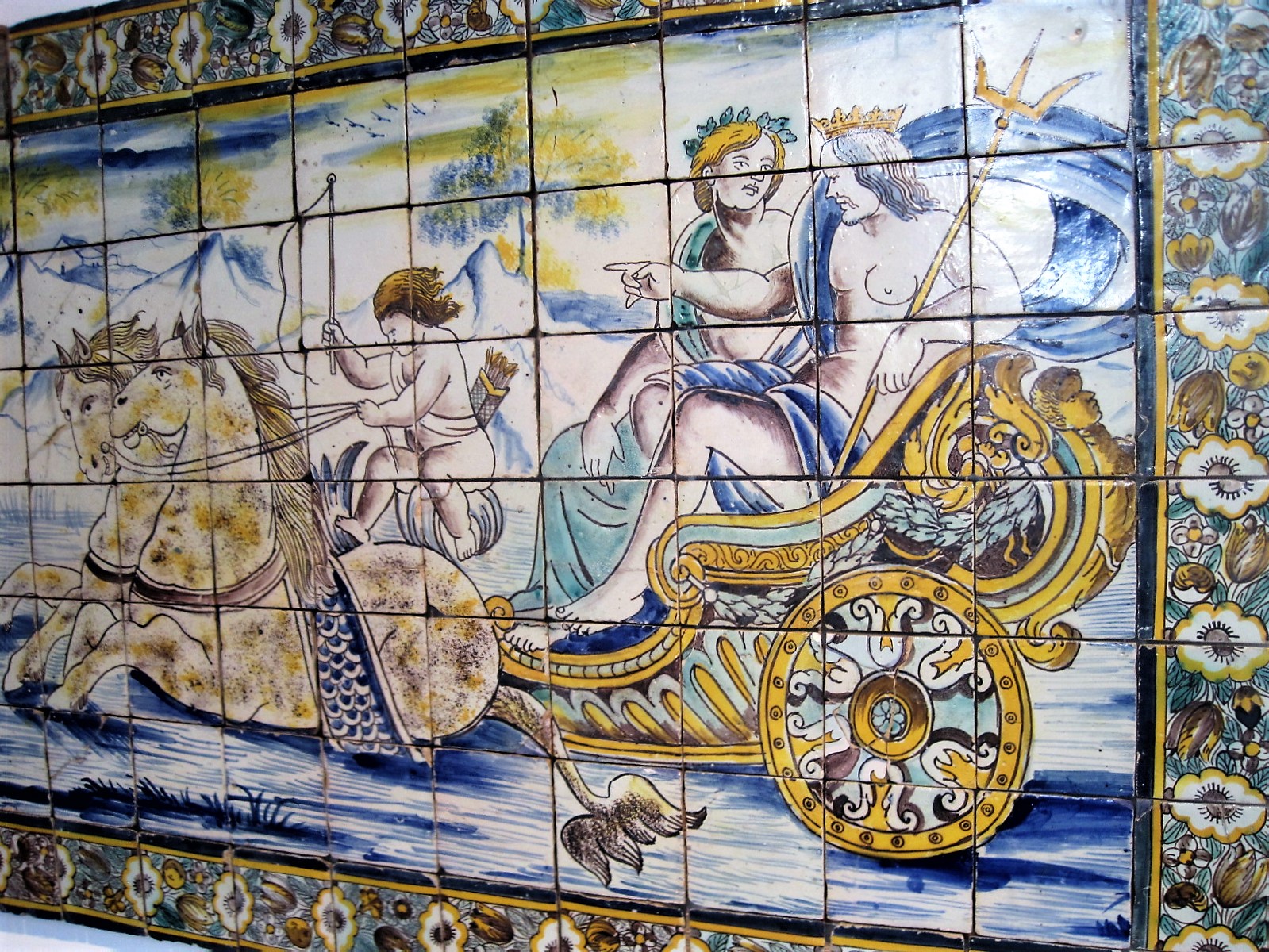
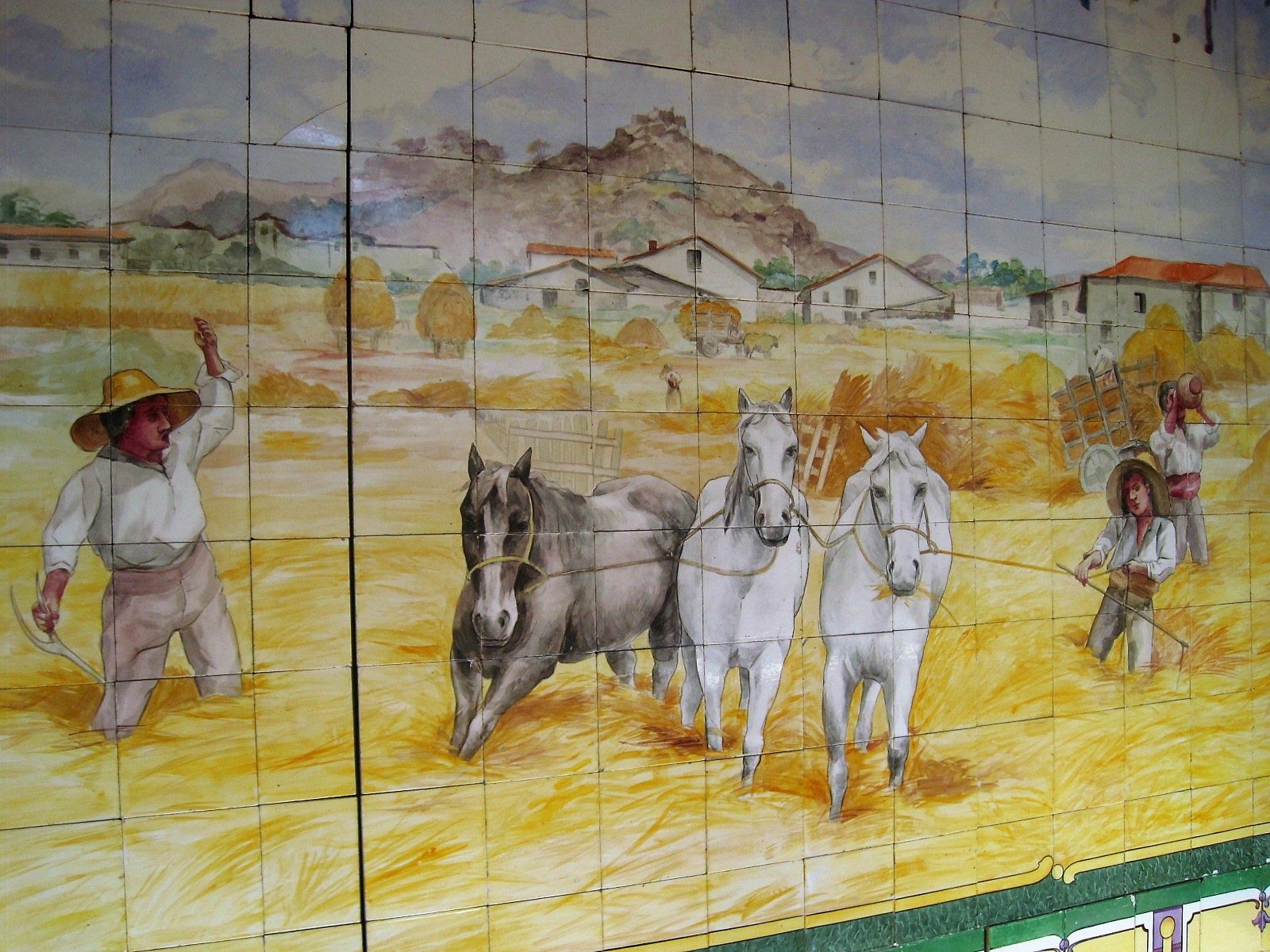
There were two main reasons for my visit to Lisbon last October.  I’ve already shared with you the first- the Jerónimos Monastery.  This is the second- the Museu Nacional do Azulejo.  It’s not normally recommended to walk there, but it’s not a great distance, and there’s a very nice restaurant when you arrive.  So, why not?

My start point was Praça do Comércio, always an interesting space, where Lisbon fronts the water.  Some people can sleep anywhere, can’t they?

I even found a tiny strip of beach, but let’s not get distracted.  The road threads along the riverfront, beneath Alfama.  Roadworks were a bit of a nuisance, as was a chap on a bench, who misdirected us for the price of a euro.  That’s cities for you!  I had it in my head that along the way I might stop off at São Vicente de Fora, for the cloisters, a coffee, and a view.  Don’t try it on foot!  A tuk-tuk ride would be a much better idea.

Google Maps showed that it was only 1.2 miles from the Praça to the museum, but I found myself hugging shade as it was remarkably warm for late October.  Interesting rather than scenic is how I would describe the route, as we passed the cruise terminal and then Santa Apolónia railroad station.  At a bridge spanning railway and docks, a tourist bus sped past.  And then, amazingly, there it was!

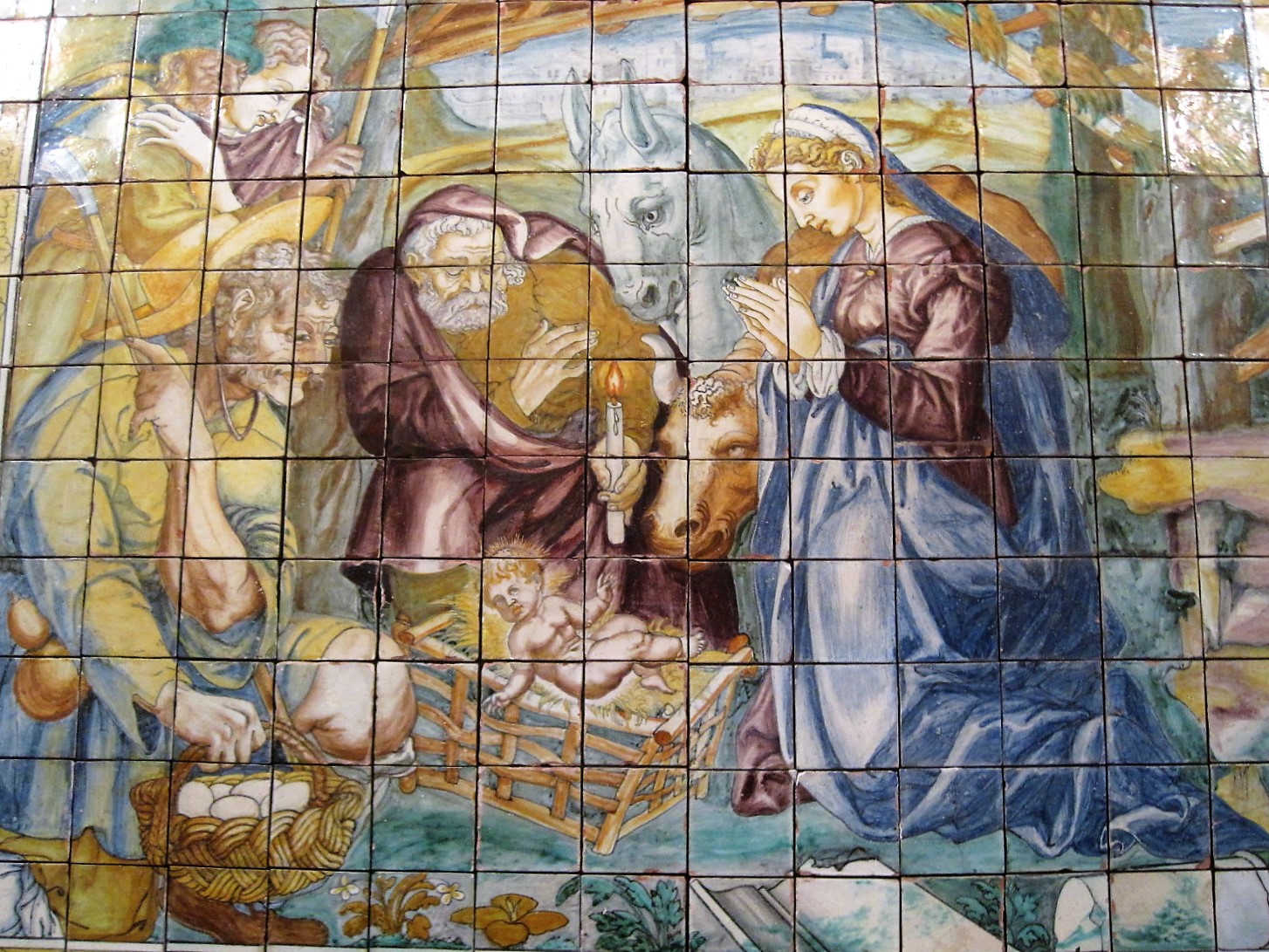
What a wonderful use for an old monastery.  Tile lovers, you are in for a treat!  The convent of Madre de Deus was founded in 1509 by Queen Leonor.  Over time, many azulejo panels were stored there, and in 1957 it was decided to have an exhibition commemorating 500 years after Leonor’s birth.  The Calouste Gulbenkian Foundation undertook the restoration work needed.  When the exhibition ended, in Jauary 1958, a wealth of tiles were available and it was proposed to transfer the Ceramic Section of Lisbon’s Museu Nacional de Arte Antiga to the building.  It was finally opened to the public as a museum in the 1970s.

First things first!  It was into the restaurant for some recovery time with delicious salads, in a prettily tiled setting, or a leafy outdoor courtyard if you preferred.  Fully fortified, it was time to tackle three floors of azulejos.

The museum surrounds the courtyard and cloisters, and has an incredible collection of azulejos, dating from 16th century to present day.

The magnificently restored church is incorporated into the museum.  You will be advised not to miss it and I could easily see why.  The decor includes rich, gilded woodwork, fine paintings and, of course, azulejo panels.

Time to climb to the next level.  There are interesting distractions along the way, but if you really can’t manage it then there’s a lift.

The azulejos change style and era on the next floor.  I tried to keep track of the accompanying details but it was too difficult.  Much easier to simply admire.  The museum website has an App to help you identify the pieces.

One of the most thrilling aspects of my visit to the Jerónimos Monastery was the moment when I stepped through a doorway to find myself looking down into the body of the church.  The same thing happens with Madre de Deus on the second level of the museum. I love the feeling of omniscience.  A seat in the Gods.

There is just one more level.  The exhibition culminates, at the top of the building, with an amazing 40 metre panorama of Lisbon, dating from 1730.  I have to admit, my eyes were starting to glaze over by the time I’d looked my fill.

The good news is that you don’t have to walk all the way back to the centre.  There’s a bus stop directly outside the museum and in 10 minutes you can be whizzed back to Rossio, and a different world.

Thanks for your company again this week.  It’s much appreciated.  I hope you can join me with a walk of your own soon.  Details are on my Jo’s Monday walk page.  Meantime please do enjoy these :

……………………………………………………………………………

Powder white, fresh snow makes for the most beautiful scenery.  Thanks, Drake!

The white track

I think Pauline might be grateful for a handful or two :

Hiding from the heat in the gallery

Becky will be enjoying this in a week or so’s time :

Another glimpse of the Guadiana

You could get the impression that Jackie doesn’t do anything but eat!

Cold Turkey

And Woolly?  He’s visiting War Graves again :

Jo’s-Monday-Walk-Wk48_Prowse-Point

An old friend takes us on a hike, California style.  Thanks, Kongo!

March to the Sea

Ending with something simply splendiferous!  Don’t miss this from Jude :

Heligan by Night

Whatever the week has in store, I hope you enjoy it.  I’m off out with my English walking group today.  See you soon!

 

Six word Saturday

A hangover from the old year

Scarcely were my feet back on English soil, last November, than I was scampering up to Durham to see Lumiere 2017.  The consensus was that, in comparison with previous shows, this one was a bit of a disappointment.  It’s hard to maintain such standards as were set in November 2015.

I’ve been so busy sharing my Algarve exploits that I’d almost forgotten about the show.  I thought it time to show you a few of my highlights, before I move on.  As usual I started my tour in daylight, curious as to what I’d find. Below we have ‘Dome and Arches’ in the Market Place.

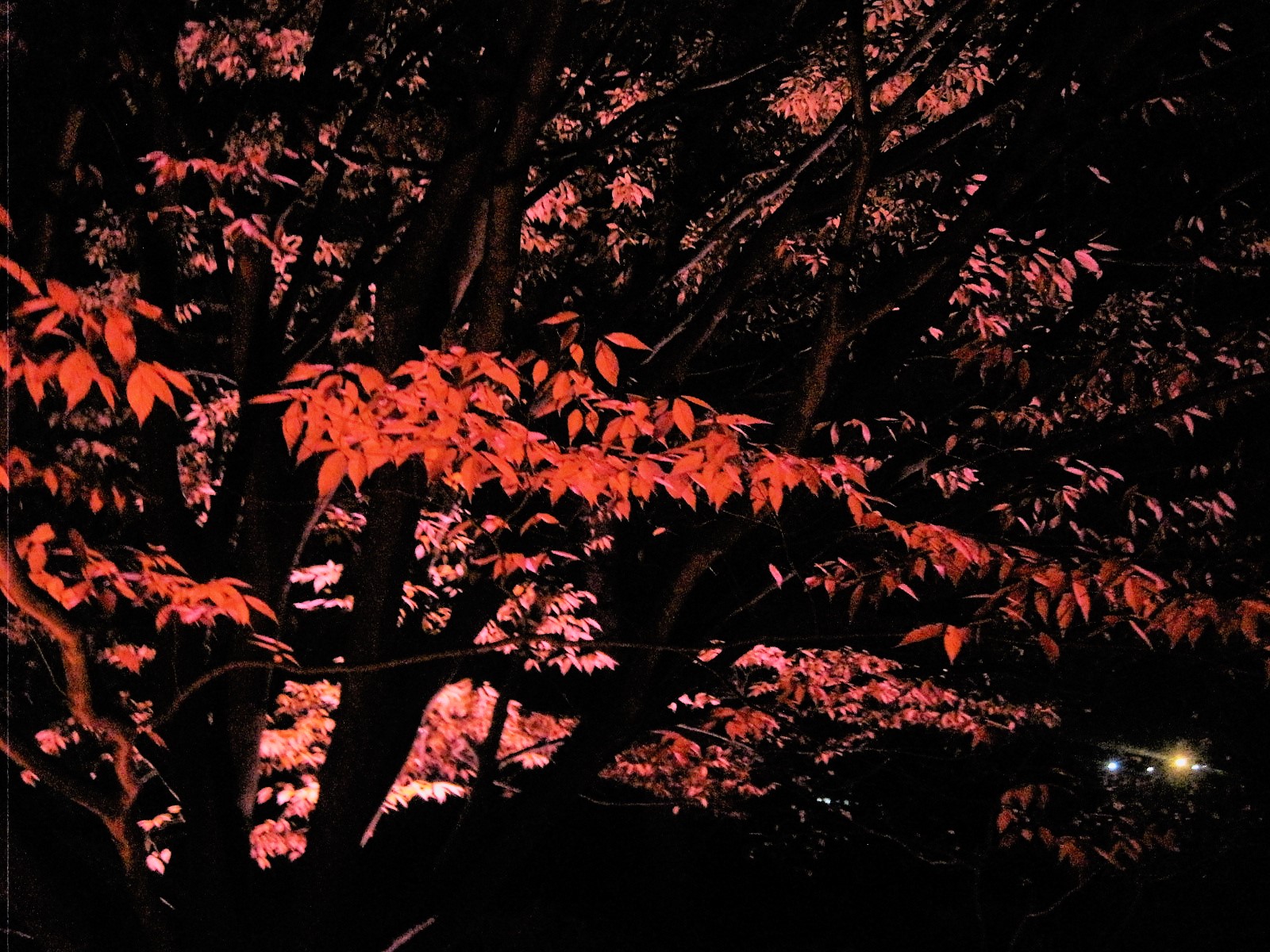
One of my favourite light installations took place in Durham University Botanic Garden.  ‘For the Birds’ was very clever and wonderfully atmospheric, but extremely difficult to reproduce in photographs.  Softly tweeting birds, suspended on fine wires, swooped through the trees in the darkness.  Patches of dramatic colour illuminated the valley, leading you on a magical journey.

Castle and Cathedral next.  ‘Our Moon’ smiles, blinks, twitches and frowns as the faces of Durham’s residents animate the facade of the Castle.  The Cathedral complex came in for a lot of criticism.  The Nave of the Cathedral was flooded in an eerie light, while the cloisters featured ‘Entre Les Rangs’, illuminated ‘flowers’ intended as a tribute to shimmering fields of wheat.

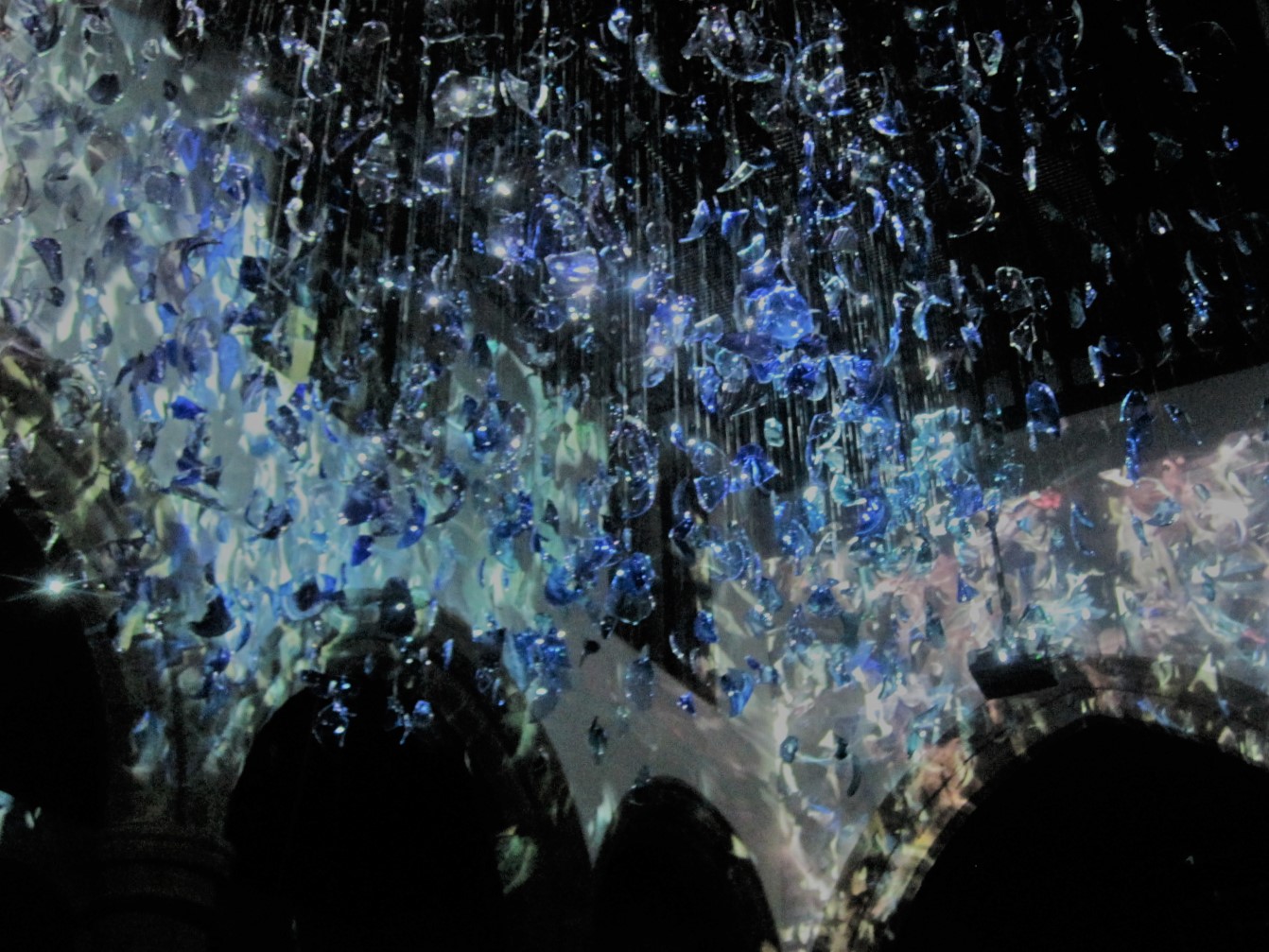
In all there were 28 installations, scattered throughout the city.  My opening photos were taken inside St. Oswald’s Church and were probably my greatest challenge.  ‘What Matters’ features thousands of hand-blown glass pieces, depicting the birth of light in the universe.  Incredibly beautiful.

I hope any hangovers are long gone. and that you enjoyed this look back with me.  Don’t forget to share your Six Words with Debbie.

Festive

Fizz!  Bang!  Whoop-whoop-whoop!  I know they’re a dreadful waste of money, but I can’t help the excitement I feel whenever I see fireworks.  The child in me claps it’s hands, and beams at the sky.

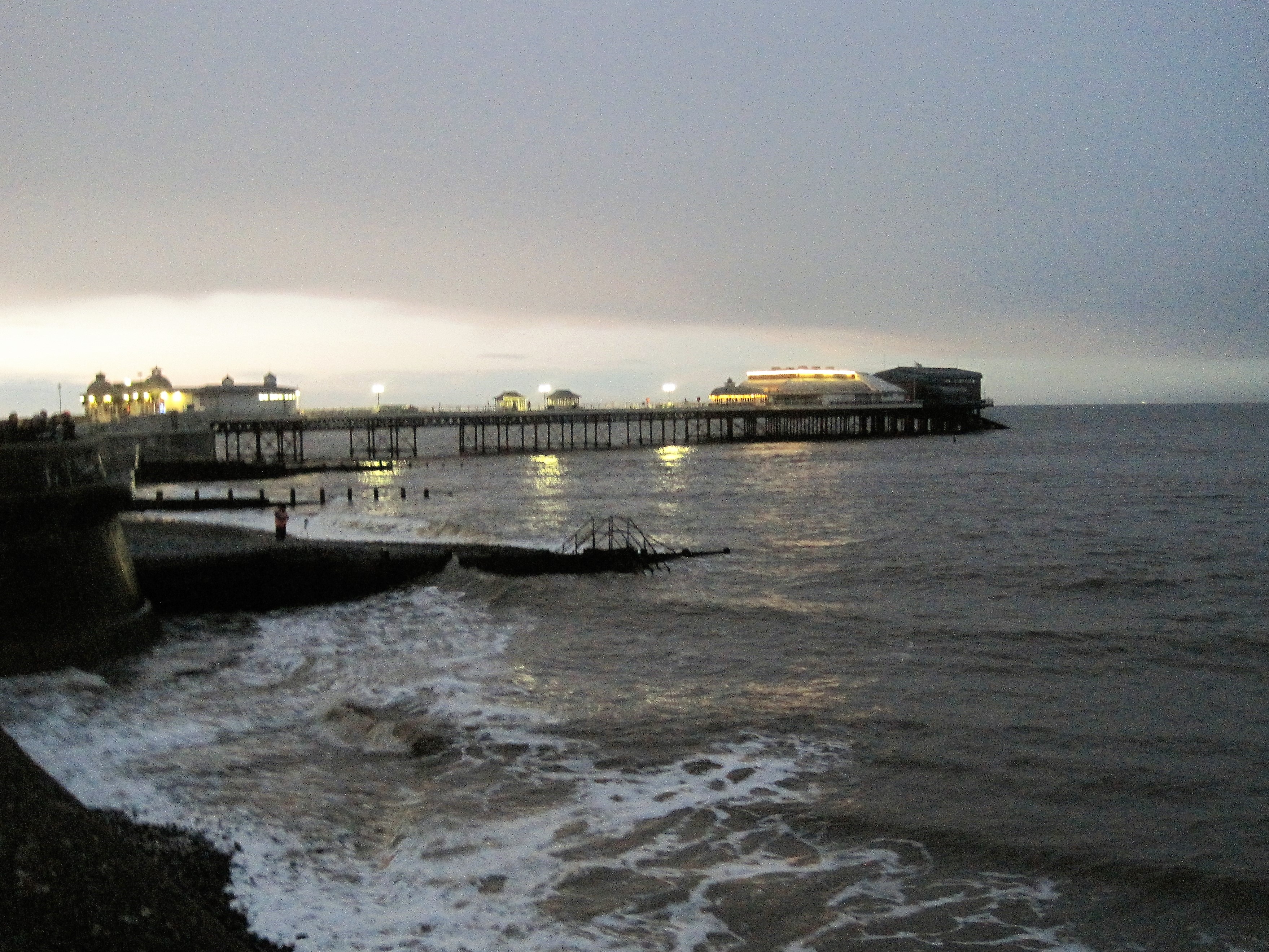
When my Polish family invited me to Norfolk to join their New Year celebrations, I knew there would be dancing, vodka- of course!- kissing, and more food than I could reasonably be expected to eat in a week.  I wasn’t disappointed on any of these counts, but the promise of fireworks at Cromer on New Year’s Day was the icing on the cake. (and yes, there was plenty of that, too).

Impatiently, we waited for the lights to dim and the show to start, gazing across the water for signs of activity on the pier.

And then, finally, the count down.  5-4-3-2-1- whooppee!

Impossible to replicate the sounds, the colours and the pure joy.  This week Paula has asked us to Pick a Word in Thursday’s Special.  I’ve picked an easy word, Festive, to stave off the January blues.

Jo’s Monday walk : Crossing the Tyne

There’s nothing like a bracing walk on New Year’s Day to whisk away the cobwebs.  This one, in North Shields, is well nigh perfect.  It all began with Tammy, whose North Shields Heritage Trail I featured on my last Monday walk.  Shields is only about 40 minutes north of me, by car, and we usually get there via the Tyne Tunnel.  It had not occurred to me that we could get there by ferry.  What a mistake!

Yes- 700 years!  The Heritage Trail starts from the ferry point.  My husband remarked that he and his Dad had made the crossing a few times when he was a lad, but I’d never crossed the Tyne by ferry.  And here it was, pulling in!  Obviously, a slight diversion was called for.

Ferries of some description are estimated to have been crossing the Tyne since the 14th century.  Steam packets began operating between North and South Shields in 1816.  Later on, bridges were discussed, but it wasn’t until the Tyne Tunnel opened in 1967 that there was a real alternative.  Once a hubbub of activity, the river was peaceful that day.  Excitement came in the form of two huge, oil platform ‘legs’ being towed out to sea.

With half an hour between ferries when we docked, curiosity got the better of me.  Not being familiar with this area of South Shields, I was excited to discover the National Centre for the Written Word – a truly state of the art building.  A cultural venue with library and exhibition space, I became a child again in the world of Captain Pugwash.  The pirates had come to town.

Not only that, but there was an exceptionally nice strawberry and rhubarb cheesecake in the cafe.  Needless to say, me and the skeleton missed the next ferry.  Back at the terminal, the sign below puts our whereabouts in context, 3 miles from Jarrow and 8 from Sunderland.

The Heritage Trail boards are very informative and give a good sense of how life was lived when the docks here were a thriving industry, and during their decline.  I can’t begin to reproduce them all, but I can give you a flavour.

We traced them past former industrial buildings and modern emerging apartments, towards the Fish Quay.  The ‘Old Wooden Dolly’ will have a tale or two to tell.  She started life as the figurehead on a collier brig, which was attacked off the coast by a privateer in 1781.  Sailors regarded her as a good luck charm, and would cut off pieces of her to take to sea to keep them safe.

You can still get a good plate of fish and chips in these parts.  The fleet were obviously finished for the day, with nets spread, as we approached the quay.  The High Light, built in 1808, together with the Low Light down below, helped guide ships into a safe channel to enter the Tyne.  The water here looks deceptively calm but there are vicious rocks just around the headland at Tynemouth.

Fishing boats have been sailing from North Shields since 1225, when the Prior of Tynemouth granted locals the right to build 7 shiels (simple dwellings) and a quay, to improve fishing supplies and increase the wealth of the priory.  I wondered where the name Shields came from.

The sun is low in the sky already, at not much after 2pm.  Beside ‘The Smokehouses’ pub an extraordinary building catches my eye.

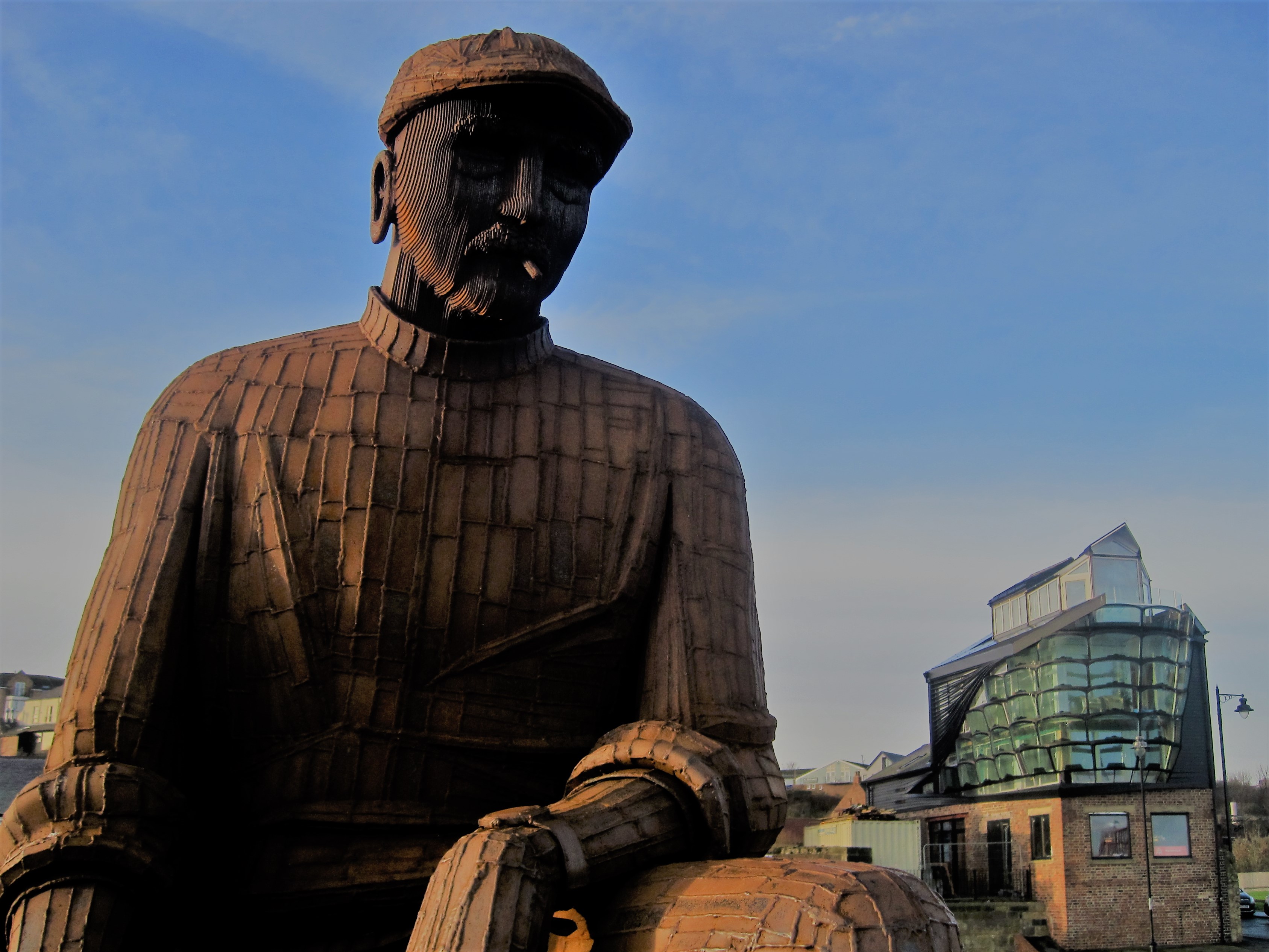
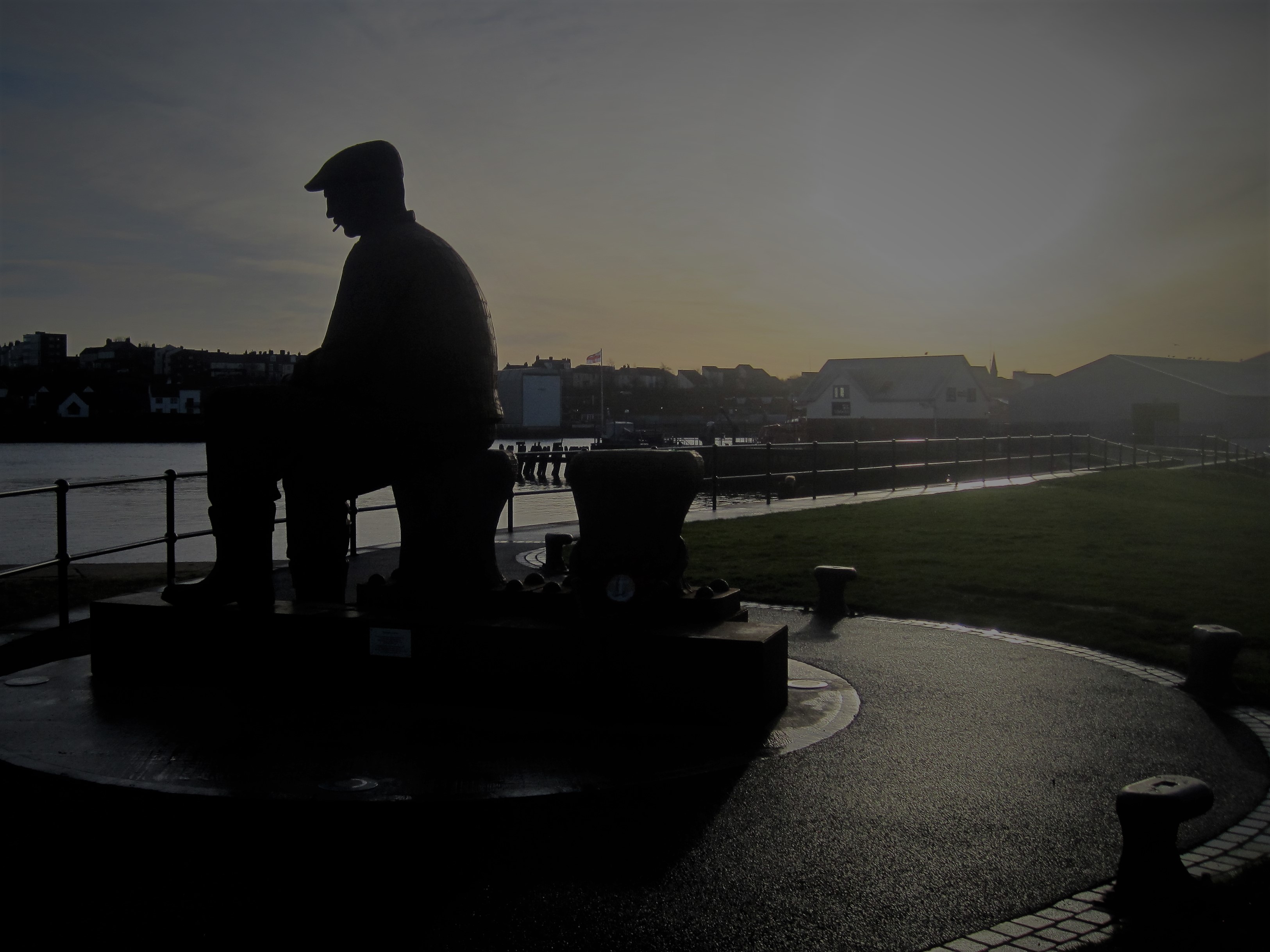
It looks as though it’s listing a little, all at sea.  And there, by the shore, the main reason I have come to North Shields today.  Do you remember the corten steel sculpture of Tommy at Seaham?  Fiddler’s Green is an equally mournful but brilliant piece of work, from the same sculptor, Ray Lonsdale.  A tribute to fishermen lost at sea, the last rays of sunshine settle on his stoic back.

The fisherman looks out to the remains of Clifford’s Fort with, beyond it, Tynemouth Priory, and on the far shore, South Shields.

At this point the Heritage Trail heads uphill, past the High Light.  In the 18th century the narrow strip of land beside the river became too overcrowded, and North Shields spread to the plateau 60 feet above.  The rich shipowners and businessmen occupied the higher ground while working people remained in Low Town.  Dockwray Square, a set of elegant townhouses, was built in 1763.  Unfortunately the drainage was poor and the area became less desirable.  Today it’s the site of a small park, containing a cheery statue of comedian Stan Laurel, who lived at no. 8 during his boyhood, from 1897 to 1902.

The Trail ends in New Town, where we meet another of our Wooden Dollies.  A surprise to me, this one, because it’s carved by Robert ‘Mouseman’ Thompson of Kilburn fame.  His signature mice are carved into the skirt and sleeve.  A visit to his gallery is included in this walk.

A cast of many characters, I’m sure you’ll agree, making me rather proud of my northern heritage.  I hope you enjoyed exploring the Shields with me as much as I enjoyed writing and researching this post.

I may be slow responding to comments this week, as I’m with Polish family in Norfolk.  It being New Year’s Day, you may well be slow to make any.  I hope you enjoyed your celebrations over the festive period, and there aren’t too many sore heads around.  Take your time over this week’s selection of walks and, if you like, join me next week at Jo’s Monday walk.  You’ll be very welcome.

…………………………………………………………………………………

Can I start by introducing you to Mel?  She has very grand plans for 2018 :

Under the Tuscan Sun – in Hiking Boots

I don’t really like snow, but in Tish’s hands it assumes a certain magic (but it still melts 🙂 )

Wenlock Snow Walk

Jackie’s ladling out the mulled wine to warm you up!

Mulling over Wine

If you’re quick, you’ll just catch this!  It sounds great so thanks, Denzil :

A magical evening with the kids

Or you could stop by Museu d’Orsay with Drake :

Little museum walk

Ann Christine shows us that Gran Canaria isn’t just beaches.  It’s beautiful!

What I came to this island for

Too far away from me, but I do love a lighthouse :

Semaphore Heritage Walk

Some exciting stuff from Nicole, hiking with her Dad :

At the Doorstep of the Andes : A Hike to El Morado Hanging Glacier

Woolly reminds us of the 24 hour truce for Christmas, in 1914 :

Jo’s-Monday-Walk-Wk47_Christmas Truce

I’ll end with somewhere close to my heart.  Don’t miss this, from Verne :

Ten days hiking the unknown side of Algarve

Time now to look ahead, and to wish you all a healthy, happy and fulfilling year.


Six word Saturday

Goodbye to a worn out year!

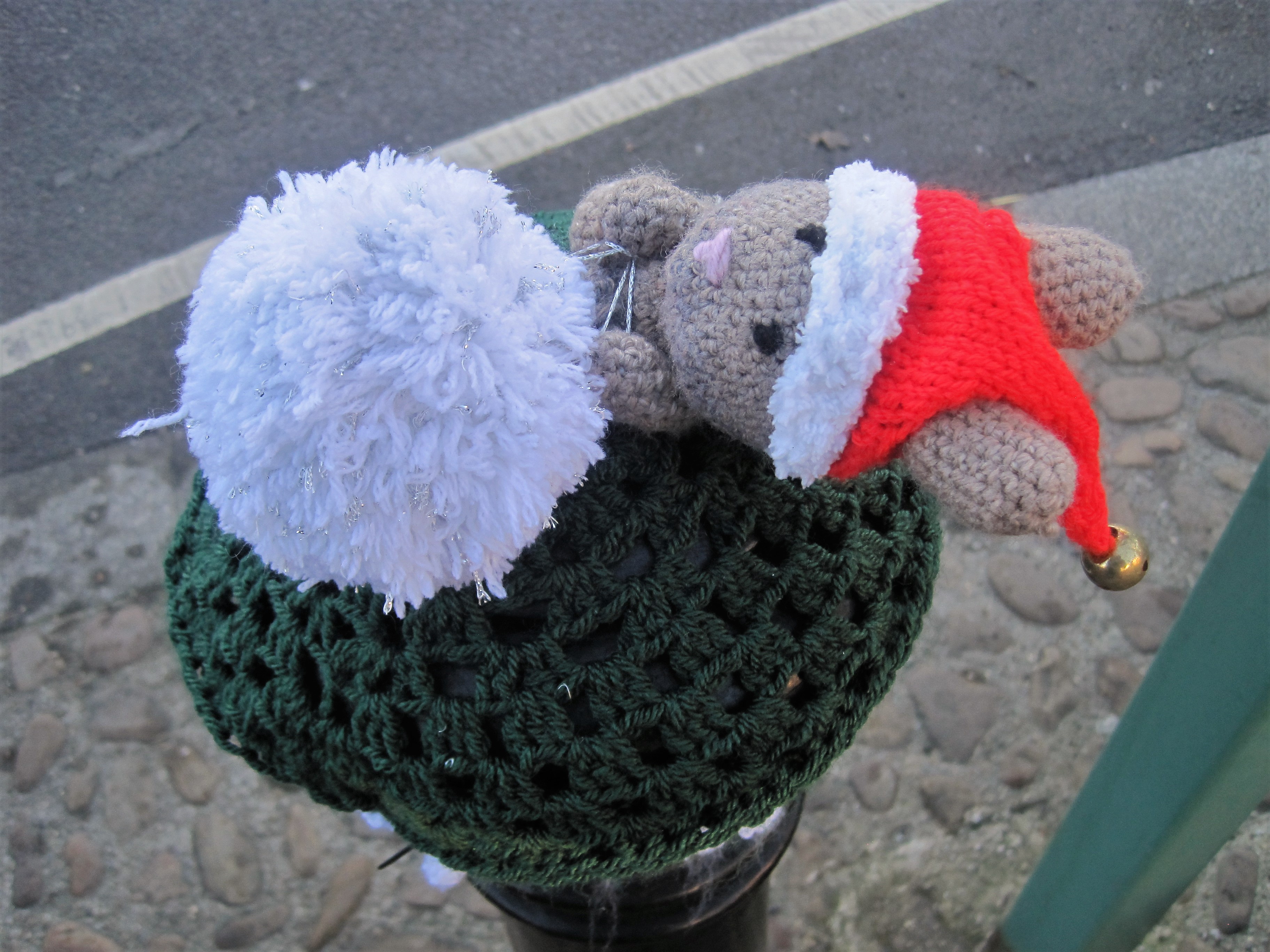
A chance remark gave me this week’s six words, but I do like to leave you with a smile.  Remember my Monday walk, Yarn bombing in Yorkshire?  I had cause to return to Thirsk this week and what should I find in Market Square but these cheeky characters.

Nothing to do but smile, is there?  I’d had a bit of a walk round, of course, and discovered more of the town history on information boards.  Thirsk is well equipped for walkers of all grades. And just a few reminders of Christmas past…

I walked past White Rose Book Cafe once, but I couldn’t walk past it twice.  You’ll be expecting cake, but it was really cold and I had a warm cheese scone instead.  Heaven!  You’ll have to come back on Monday for cake, and then it’ll be a New Year.  Thank you for sharing this one with me.

I know it’s been a bad year for some of you.  We can only hope for better, can’t we?  Wishing you, as I always do, good health and happiness in the year ahead.  I hope to be in Norfolk with Polish family for New Year.  Please snow, start thawing now.  Over to Debbie for some magic!
Watching skies


In the lull between Christmas and New Year I find myself becalmed.  Part of me looks back in wonder at the year that’s gone (was it really only this year that my Florence dream came true?  It seems so distant, yet the images so clear)  The other part squirms with excitement at what might lay ahead.  I still have carefully nurtured memories of Portugal to share with you, but I’ll stay in the moment, for now.

There have been so many lovely skies this month, especially if you’ve been following Becky.  I feel like I’ve put my series to bed now.

Six word Saturday

Sleigh bells ring, are you listening?

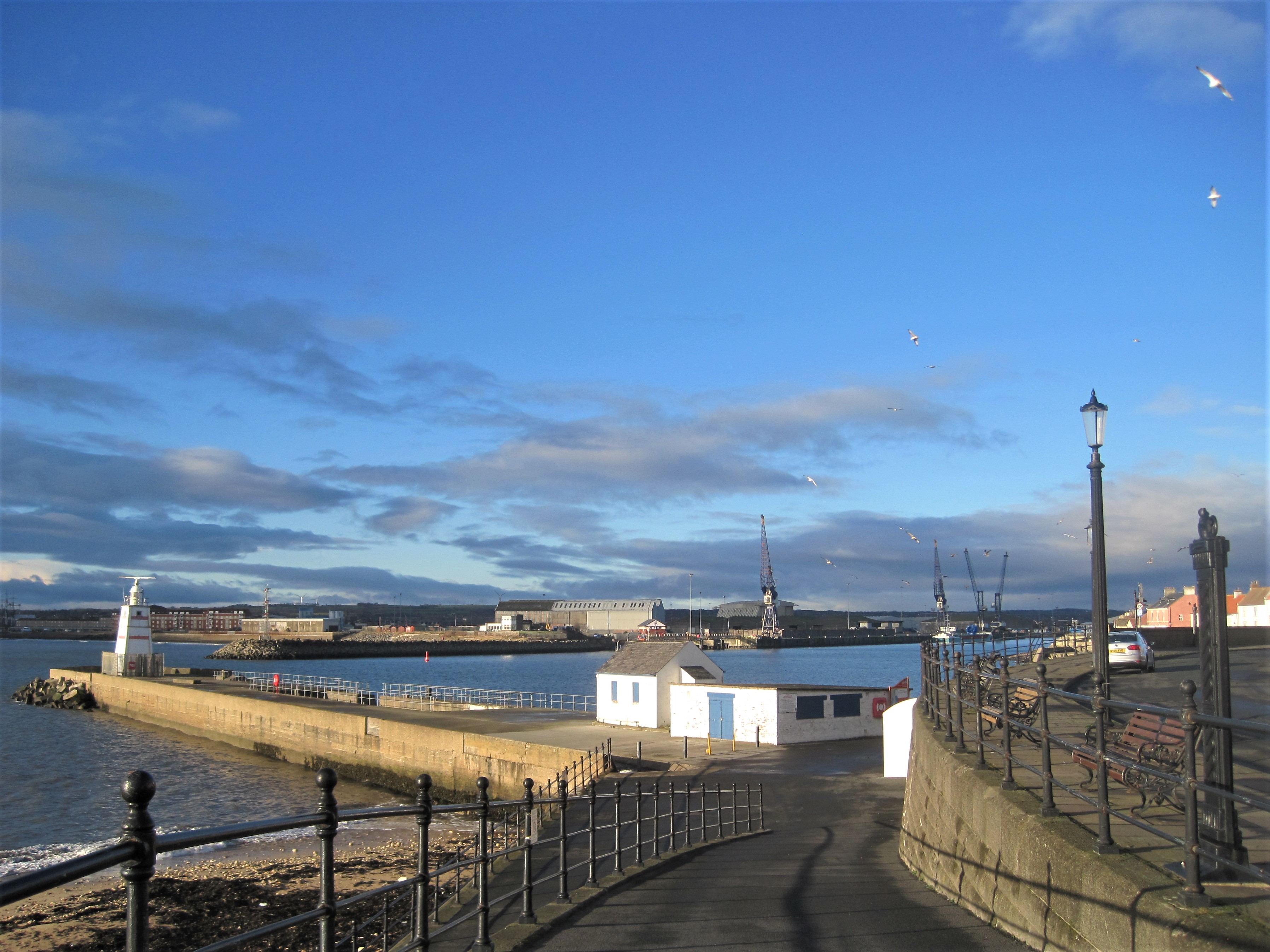
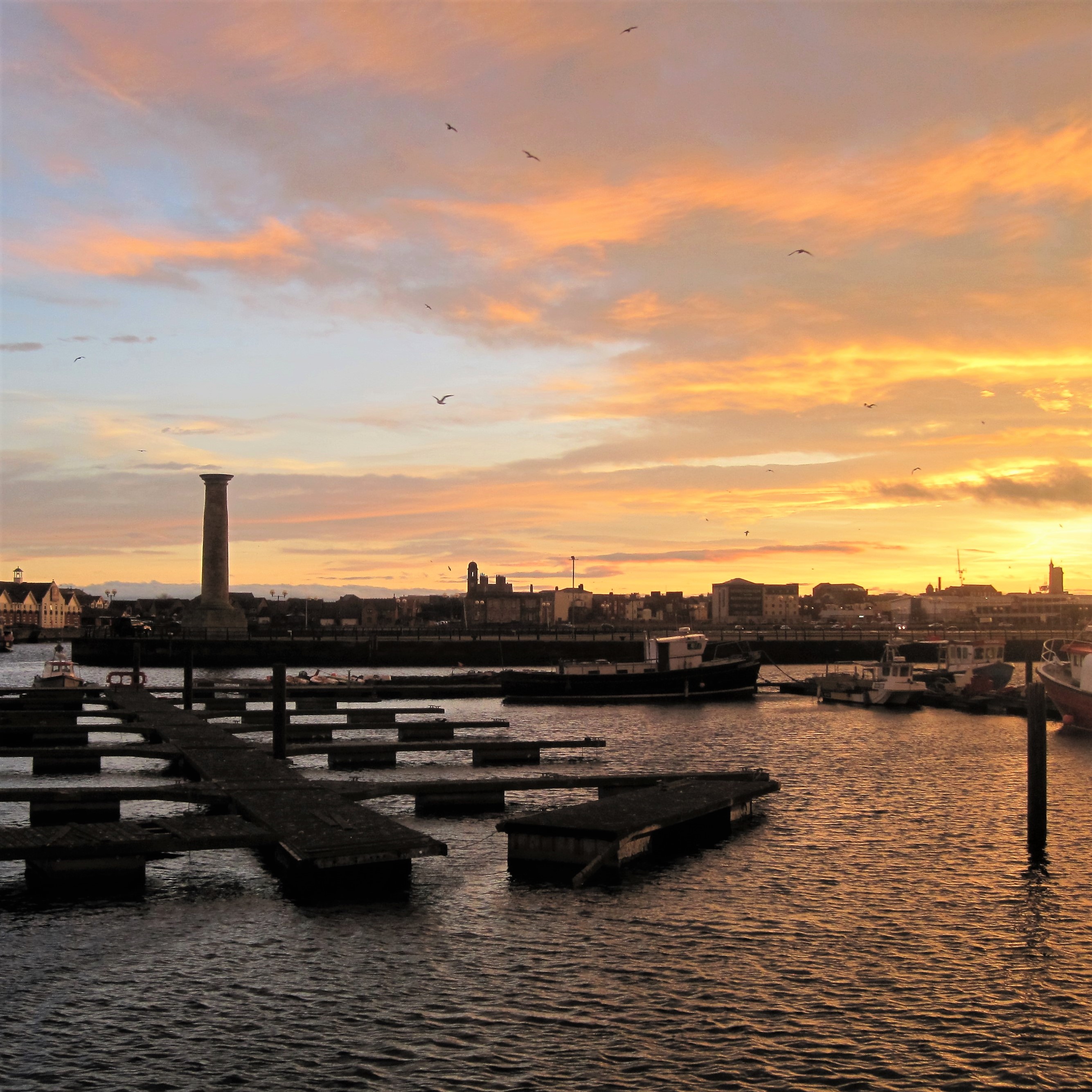
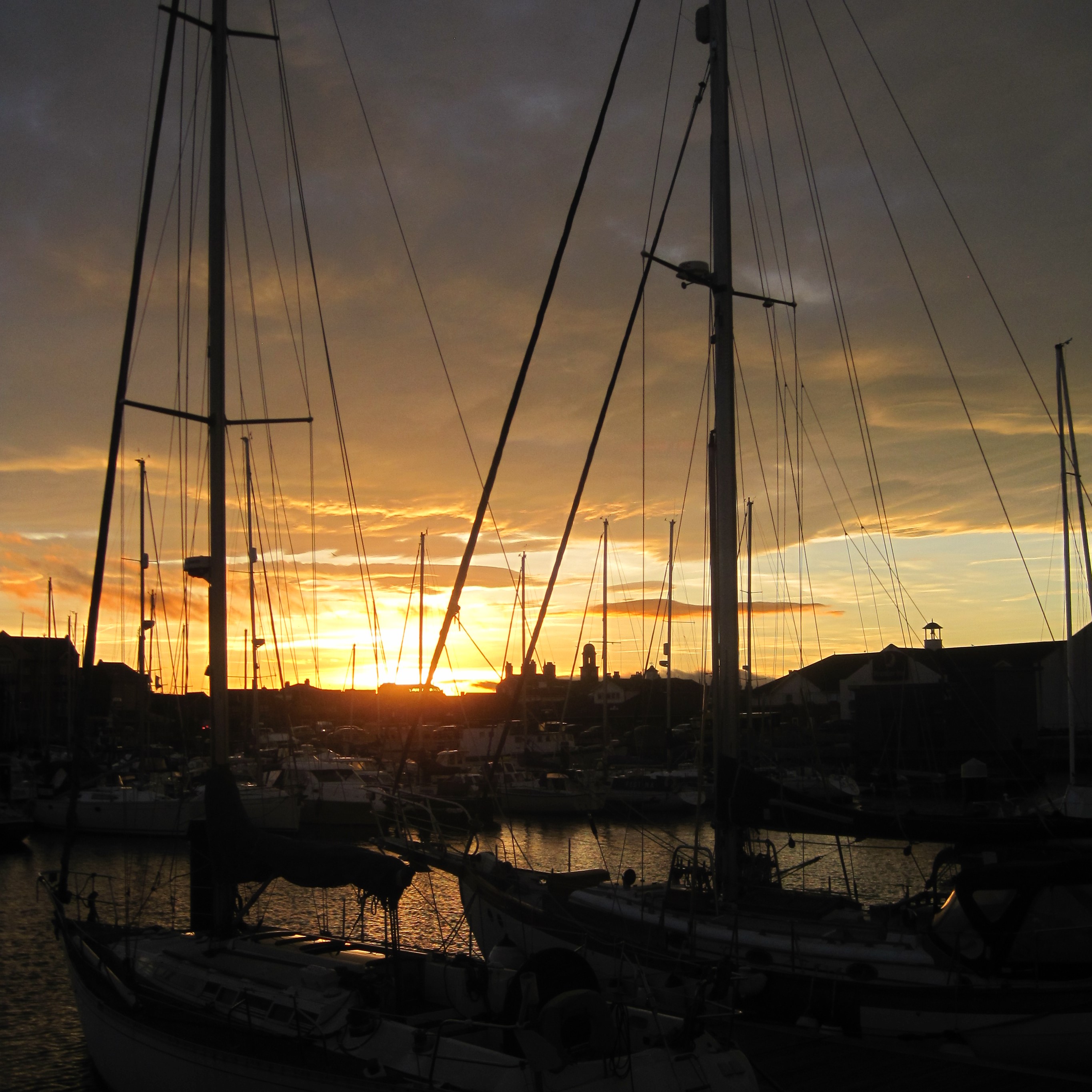
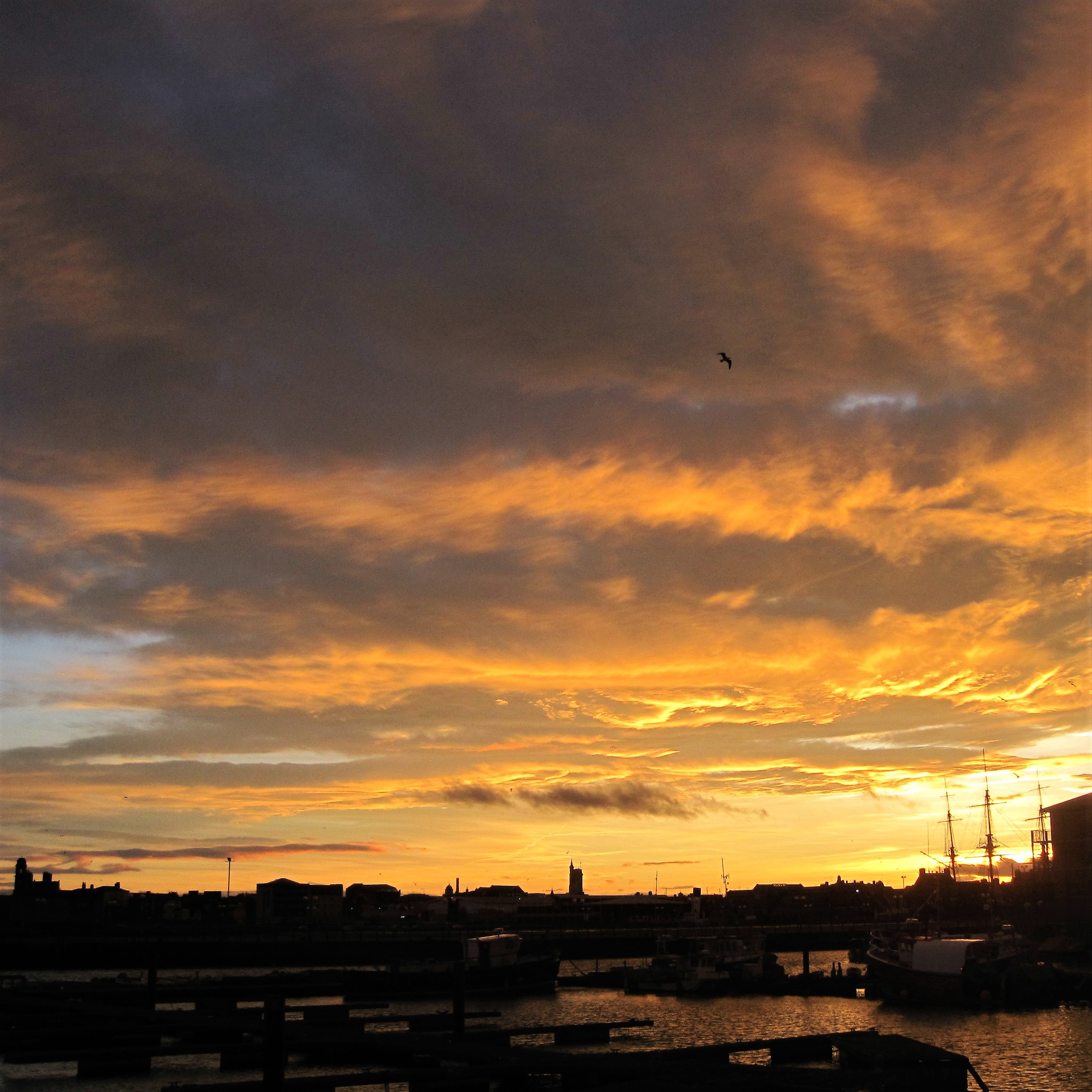
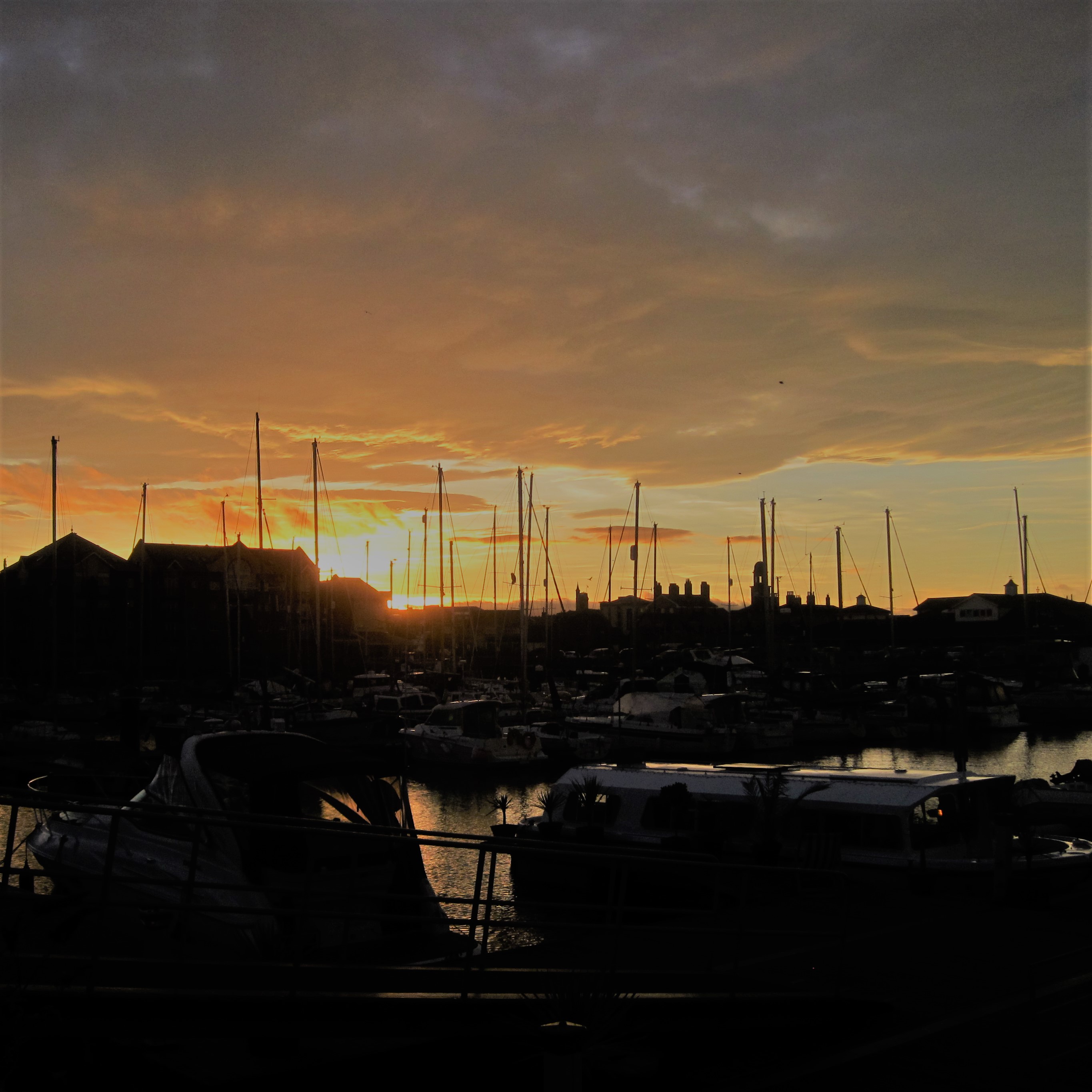
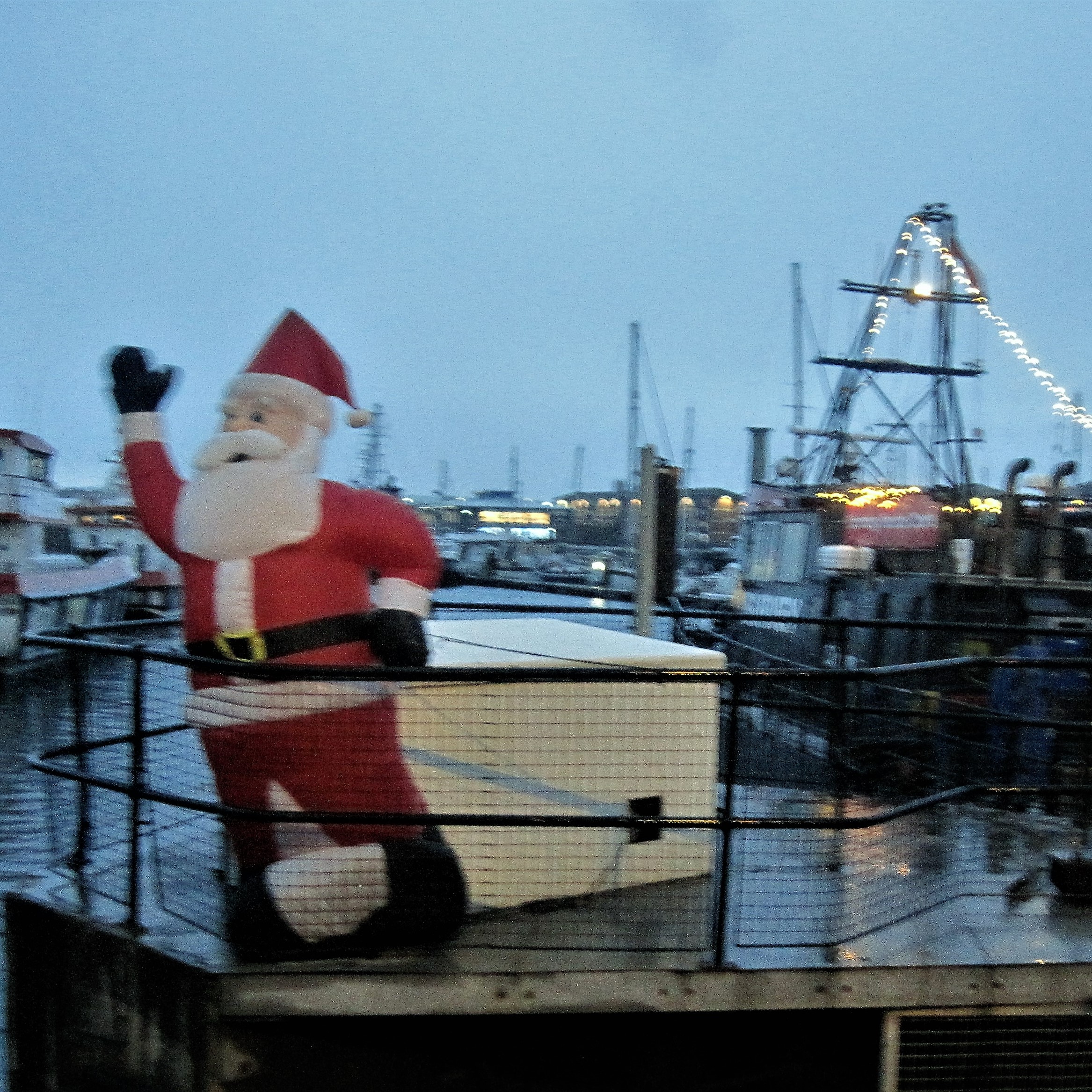
This is how Christmas looks in my part of the world.  Darkness and Light.  And a few Square skies.  How about you?  However you spend it, I hope that your Christmas is full of love.  And maybe just a little magic?  Thanks, Tom!

Now, off you go to Debbie’s world, for a little upside down skiing.  And don’t forget to take Six Words with you!

Mosteiro dos Jerónimos – Lisbon

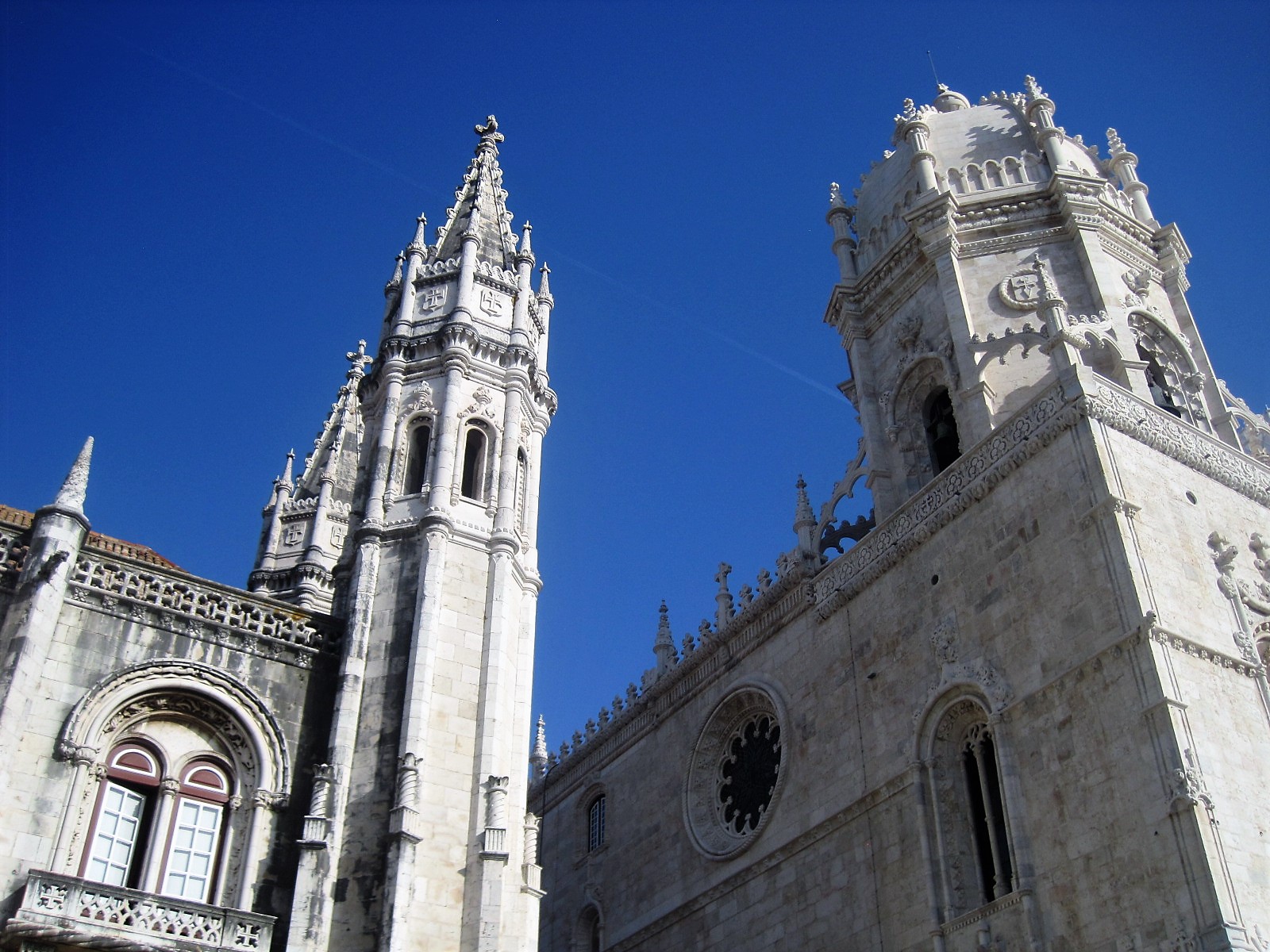
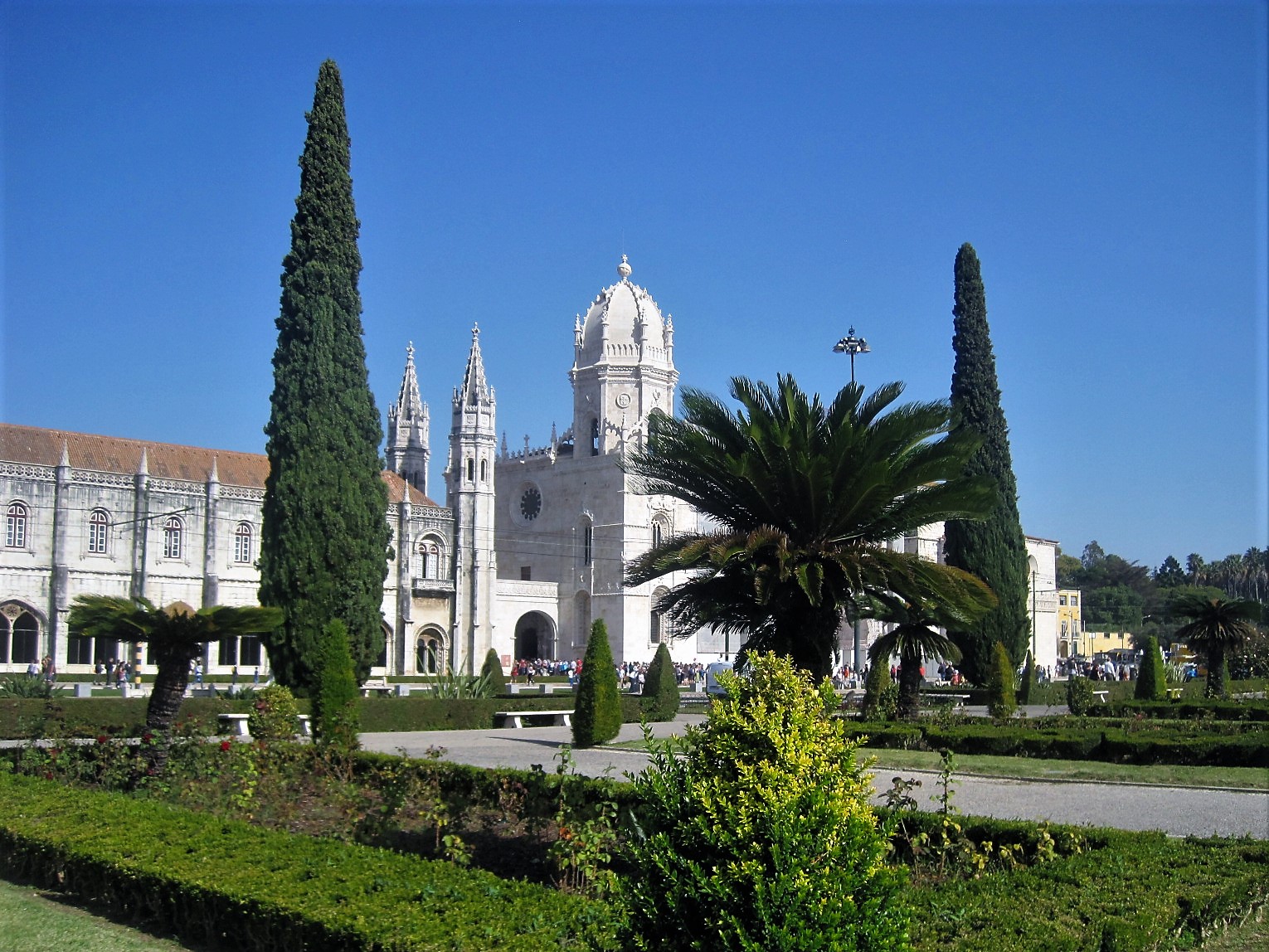
If you came on my Monday walk to Belém, in Lisbon, you will have guessed that this is the Monastery of Jerónimos.  Not hard to see why it is a UNESCO World Heritage site, but I hope you will join with me in celebrating its beauty.

My expectations were high, for this was the third time I’d come to Lisbon, hoping to visit the monastery.  They say God works in mysterious ways, and it’s not for us to understand.  I was happy simply to stand in the midst of all this glory.

A church dedicated to Santa Maria de Belém was the forerunner to the monastery.  This stretch of the River Tagus provided a safe harbour and anchorage for shipping back in the 15th century, and the monks of the Order of Christ gave assistance and spiritual guidance to seafarers.  The church was already in a state of disrepair when Vasco da Gama and his men spent the night before their voyage of discovery in 1497, praying.

King Manuel 1 sought a dispensation from the Vatican to construct a monastery on the site, and building began in 1501.  Completion was to take 100 years.  The elaborate style of architecture, involving knots, anchors and all things maritime, came to be known as Manueline, the work originally being funded by the spice trade.  Manuel chose the Order of St. Jerome, known as Hieronymites, to occupy the monastery, tasking them with praying for his eternal soul.  It was to be a final resting place for him and his successors.  The religious order was not dissolved until 1833.

This slideshow requires JavaScript.

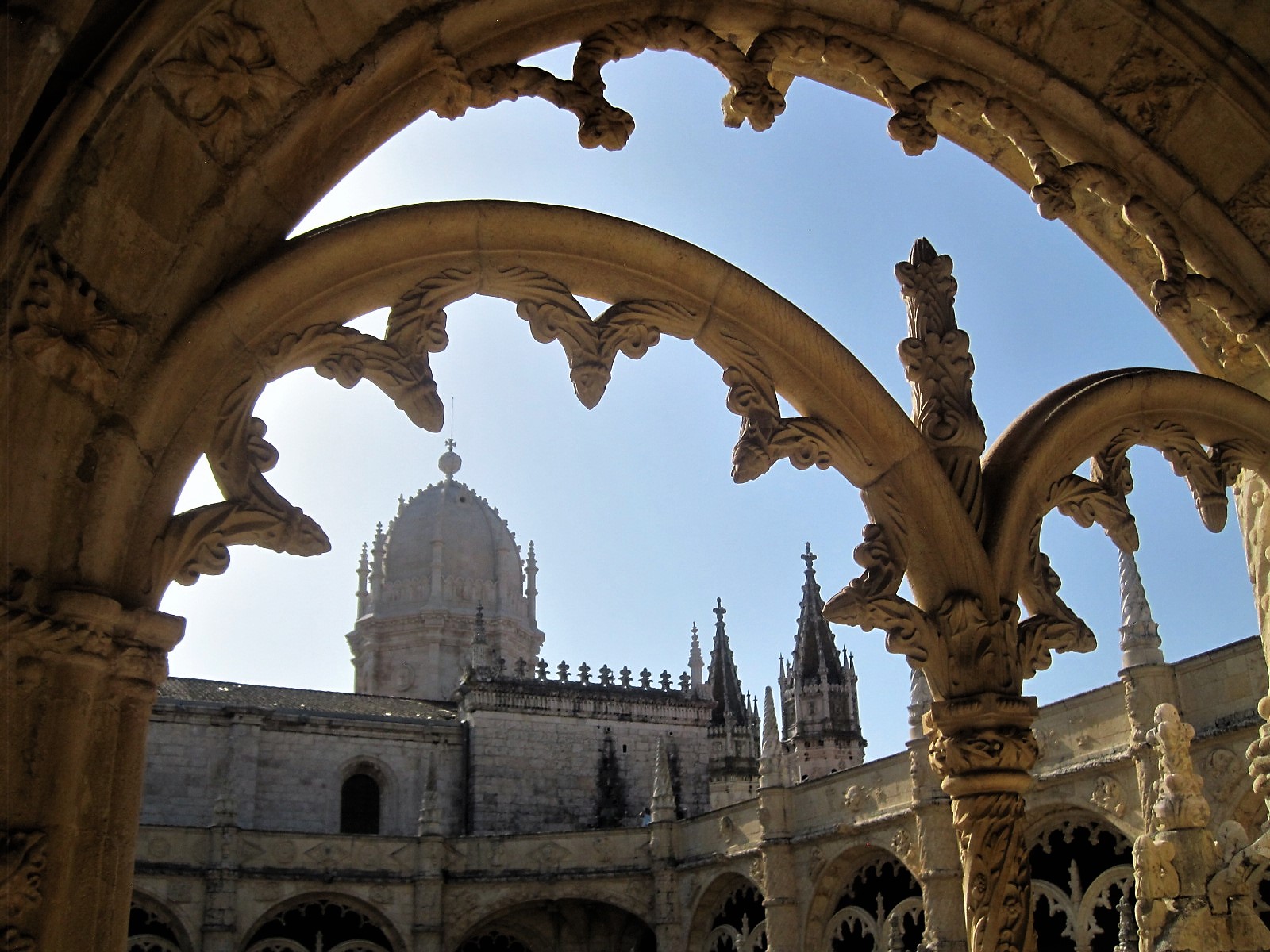
The first room that you enter is the monk’s dining hall.  Fortunately I can simply share a few azulejos, as Becky presents you with all the details in 500 years old this year.  You will be wowed!  I walk through the cloisters agape.  There is nowhere I can look that doesn’t delight me.  When I’ve almost looked my fill, I mount the stairs to look down on the courtyard.

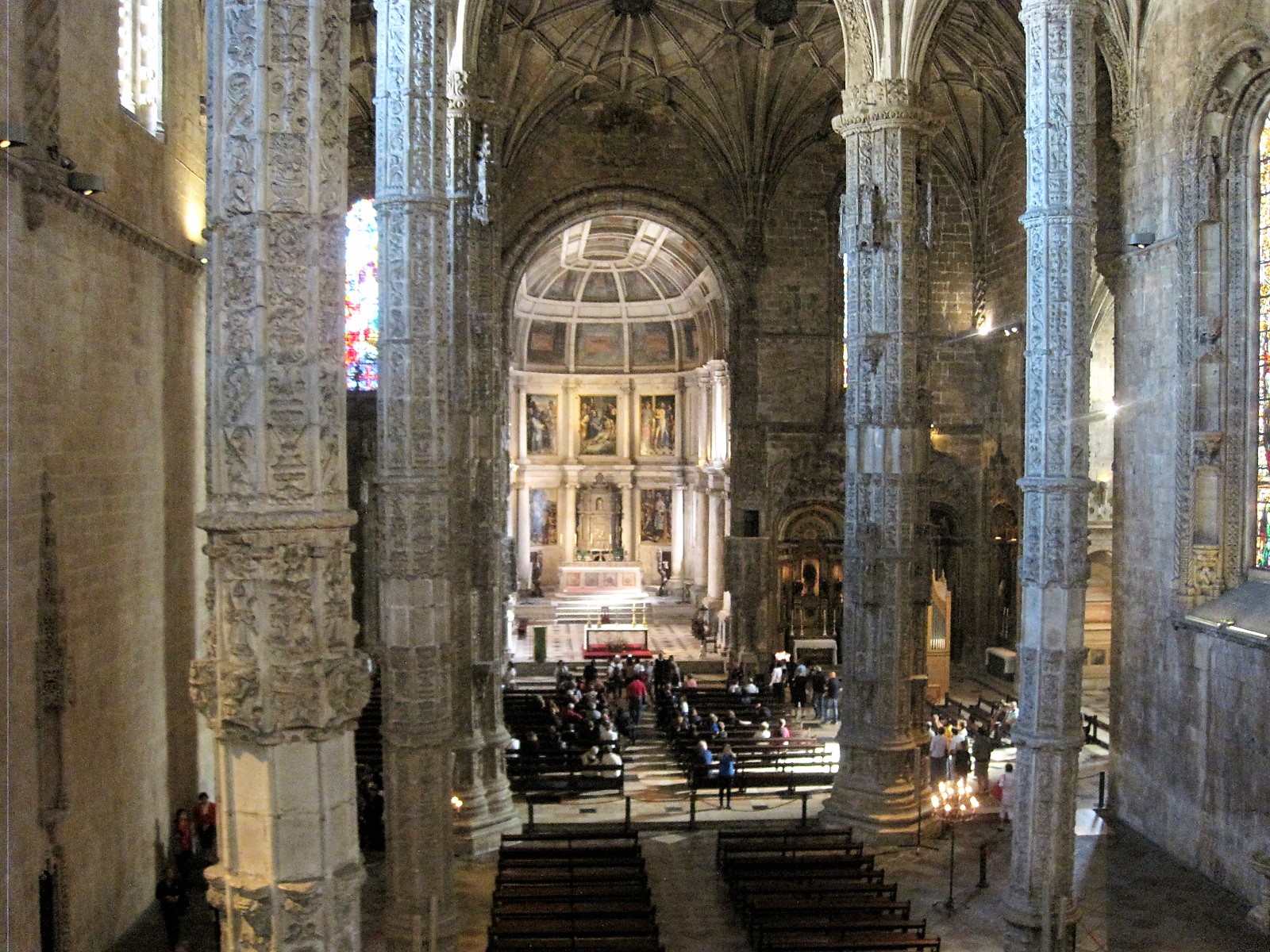
An incredible moment arises at the top of the stairs.  You step into a chamber arching high above you.  As you perceive the body of Christ on the cross and the stained glass Madonna, you notice people gathered at a stone balustrade.  Stepping forward your eyes light up!  You are looking down into the body of the church.

Back into daylight,  the gargoyles and faces, intricate knots and flowers combine to seduce.

Until finally my mission is accomplished and, with sensory overload, it’s time to leave.  The monastery was secularised and handed over to a charitable institution in 1833.  The many twists and turns since then can be read on the monastery website.

It’s that time of year and the Weekly Photo Challenge suggests that you might want to share your 2017 Favorites.  For me the last post that I wrote is invariably my favourite, but I do have one particular image that sings out to me from this post.  I wonder if you can guess which it is?  It simply remains to wish you all a blessed Christmas, and good health and happiness in the New Year.

Jo’s Monday walk : Beautiful Belém

Did you know that the name Belém derives from the Portuguese for Bethlehem?  And that makes it a very suitable subject for this time of year, doesn’t it?  Just 6km from the centre of Lisbon, it’s a distance I’d normally regard as walkable but, eager to get there, I squeezed myself onto a reluctant bus.  No tram for me!  My last visit to Lisbon ended in tears when my purse was pickpocketed whilst waiting for the famous no. 15 tram.  This time I was determined to make it to the Jerónimos Monastery.

And when I did, the disappointment of that failed visit was completely swept away.

I’ll bring you back to the incredible beauty of the monastery later this week, but for now I think we should do some walking.

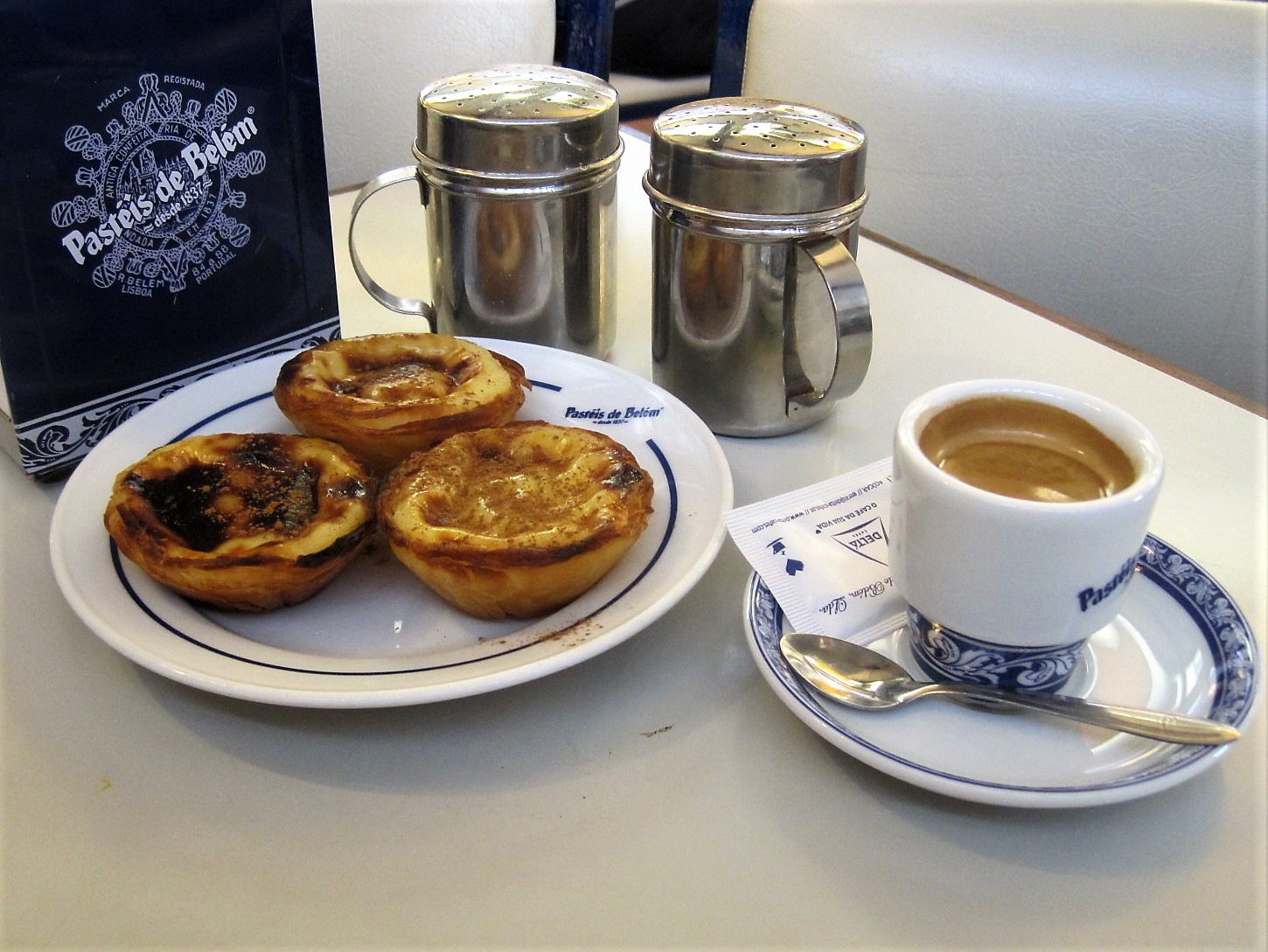
Much too soon to loiter over a pastel de nata!  We need to get going to stay ahead of the tour buses.  I promise you can have one or two later.  It is the festive season, after all!  Not sure what to make of this street art.  Genius or madness?

Rua de Belém, the main street, is a strip of historical buildings dating back to the earthquake of 1755.  This and Ajuda were the areas least affected by the devastation, and many of the survivors who lost their homes were temporarily installed here in tents and shacks.  The King and his ministers set up court nearby and, with the construction of Ajuda National Palace, brought trade to the area.  With the French invasion of 1807 the royal family fled to Rio de Janeiro, and Belém gradually evolved into an industrial zone.  Tanneries, textiles, glass makers and metal stampers were among the factories established.

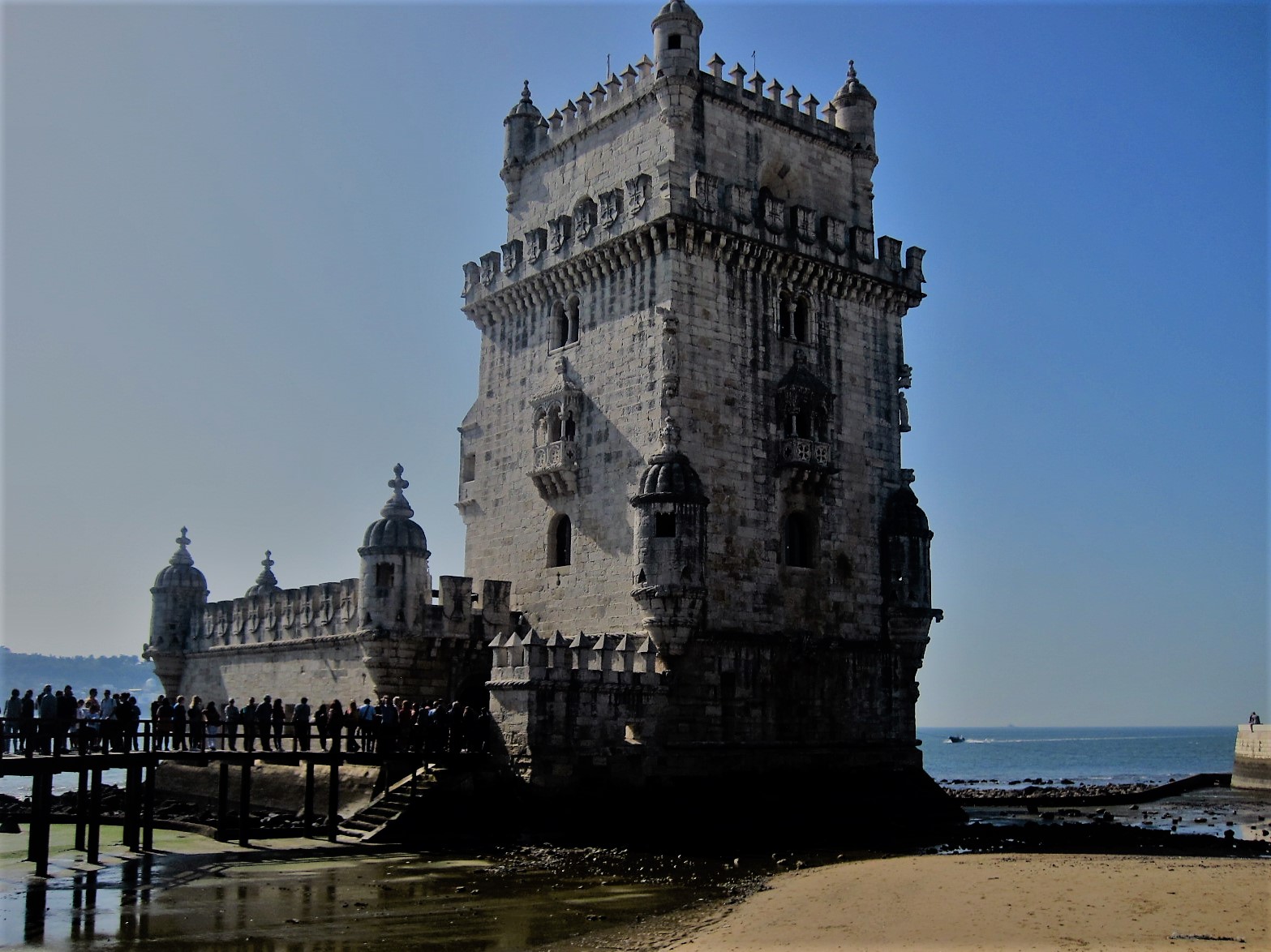
At the heart of Belém lies the Praça do Império, with gardens and fountain laid out during World War II, and beyond it a magnificent sweep of waterfront, culminating in the iconic Torre de Belém.  As you can see, it’s a popular spot.

The tower was built in 16th century.  Delicate as it looks, it was intended as part of the defence system at the mouth of the Rio Tejo, together with fortresses at Cascais– which we saw last week- and Caparica, south of the river.  A UNESCO World Heritage site, as is the monastery, it has a colourful history.  The two photos below are from a previous visit to Belém in 2005.

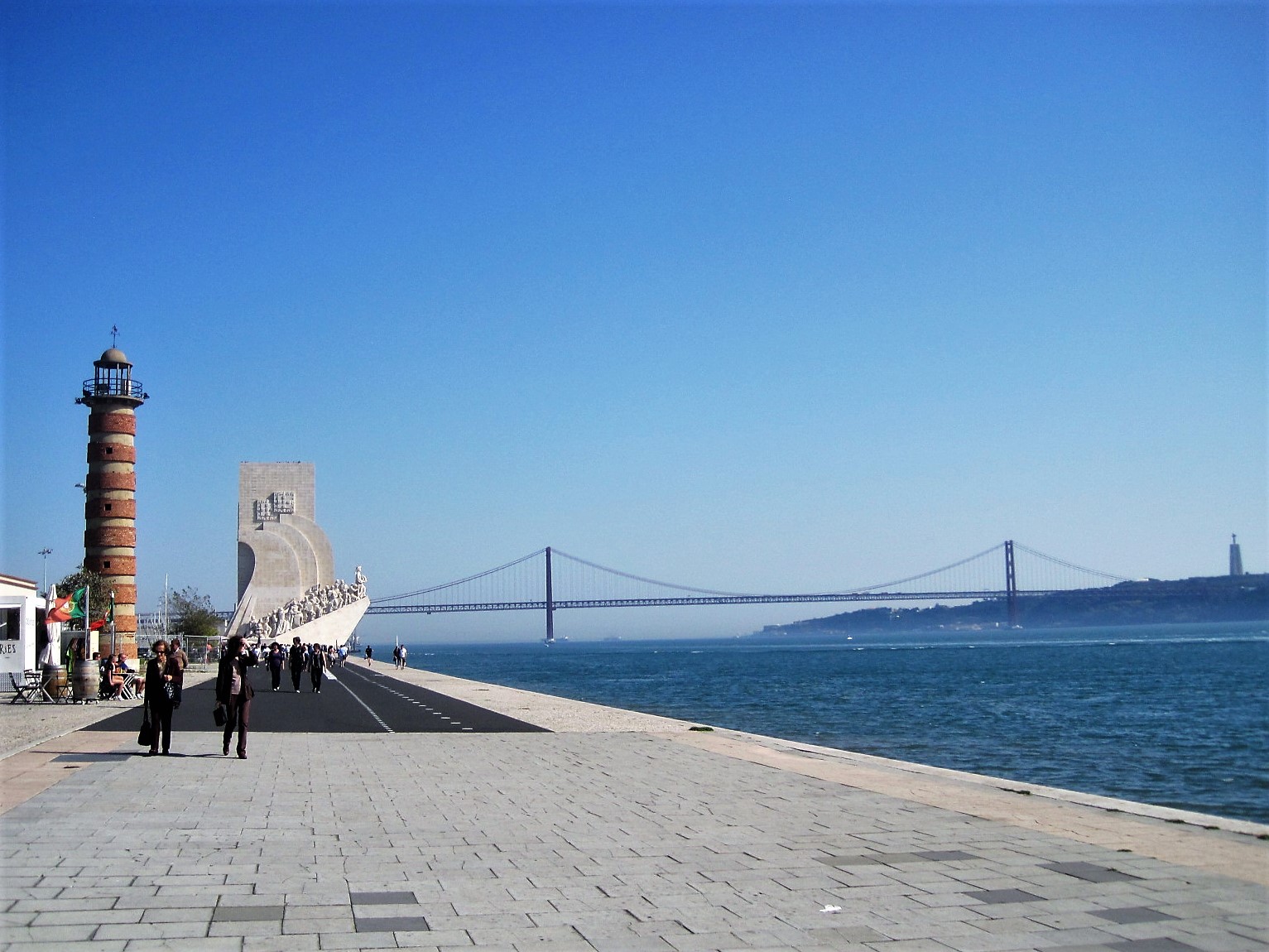
From here you can easily stroll along the riverfront as far as Ponte 25 de Abril, with any number of diversions en route.

You might think that not a lot of walking goes on.  It’s definitely an area devoted to fun in the sun, but looking ahead I’m excited!  The last time I was here I did not know that you could climb these structures.  Not only the lighthouse, but Padrão dos Descobrimentos.

The Monument to the Discoveries, as we see it today, was formally opened in 1960 to commemorate the voyages of exploration which departed from here as far back as the 15th century.  Trade was established with countries as far away as India.

You know what comes next, don’t you?  There was almost no queue for the lift that takes you most of the way up.

Did you spot Michael, in the blue t’shirt, sitting patiently waiting below?  He thinks it’s pastel de nata time.  Just another couple of shots!

Patience should be rewarded, I’m sure you’ll agree.  What a place!  I was astounded.  400 seats and choc full of character.  But best of all….

I don’t suppose many of you will feel like a walk on Christmas morning, so may I take this opportunity to wish all my walking friends a peaceful and happy Christmas.  I have enjoyed your company so much and I hope you’ll continue to walk with me in the New Year.

Not many walks to share this week.  Everyone’s busy, but spare a minute or two to say hello?  As always, many thanks to readers and walkers alike.  Details of how to join in are on the Jo’s Monday walk page.

…………………………………………………………………………………….

Let’s start with Tammy’s interesting tour in my part of  the world.  Watch out for the Fisherman!

North Shields Heritage Walk : Fish, Ships and Lighthouses

Jackie with a bit of seasonal spice this week?

Spicing things up

Why the battlefields of the Western Front are important to Woolly :

Jo’s-Monday-Walk-Wk46_Courcelette

And an excellent bit of sketching along the way, from Pauline and Jack :

Cliff top walk in the sun

That’s it for now.  Hope you enjoyed it.  Remember to breathe- it comes around every year.  Merry  Christmas!

Six word Saturday

I’m starting to see squares everywhere!

From dusk till dawn.  All part of life’s rich pattern.  Have you joined in with Becky’s Square Sky in December yet?  There’s still time.  Maybe you could combine it with Six Words?  Debbie won’t mind.  Happy Saturday, whatever you get up to!