Writing

Christmas in “Narnia”

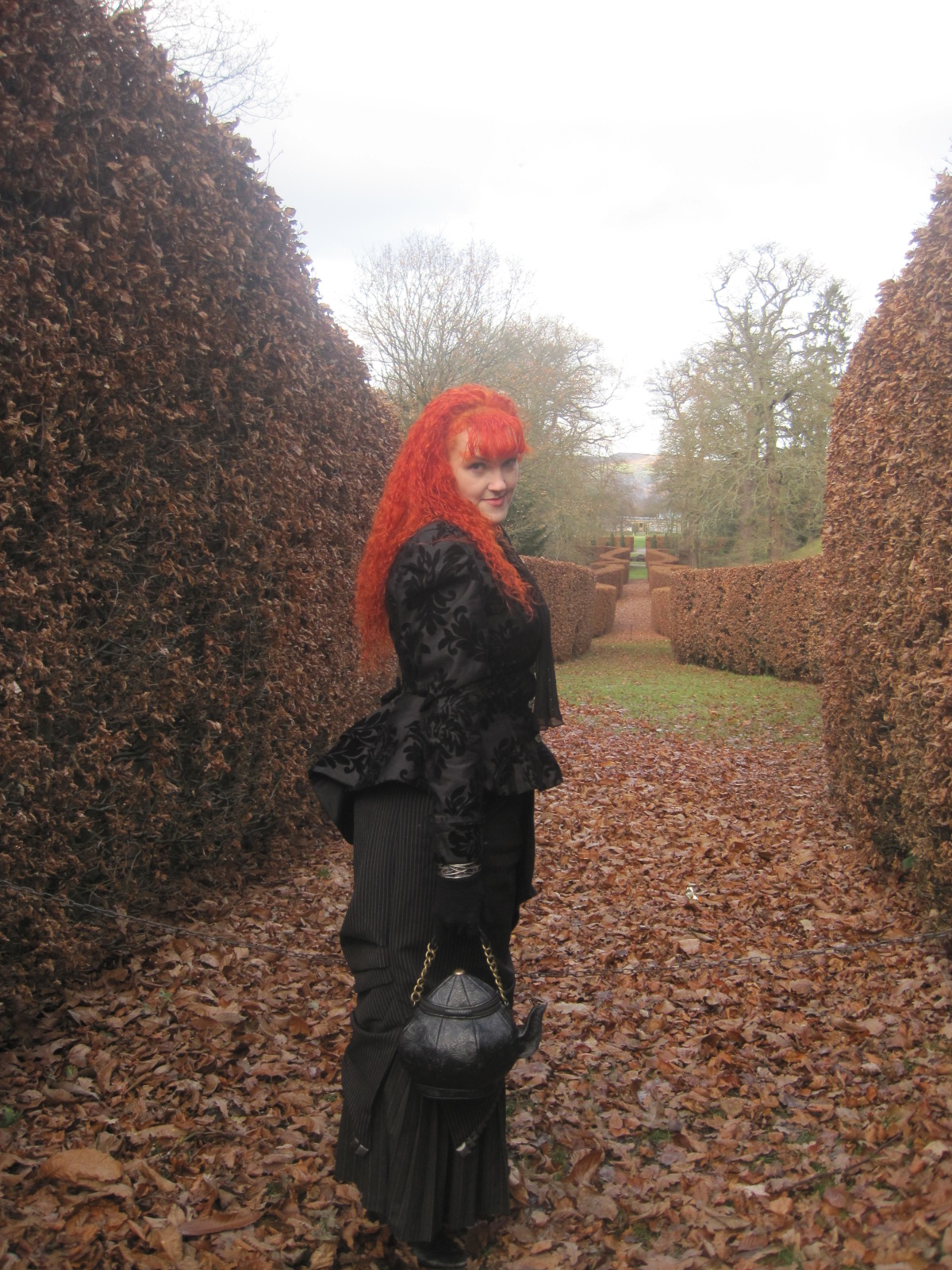
Russet leaves for a russet lady!

Russet leaves for a russet lady!

My first surprise of the day.  Lisa swept towards me- “Mum, I’m here!”  The flowing locks were a dazzling tangerine orange.  “It was just time for a change. I was tired of the red!”  And it suited her.  She looked radiant and happy- a look I love to see.

The venue?  Chatsworth House in the beautiful Peak District.  Every year this glorious home to the Duke and Duchess of Devonshire is themed for Christmas. This year it’s “Narnia”and totally irresistible.  My daughter has been a lifelong fan of the book by C.S. Lewis and the numerous films, so I planned a Christmas treat, for both of us. It’s quite a distance from home and I’ve never been inside the house before.  For Lisa it was about an hour’s drive from Nottingham.  Me- I hopped on the coach!  After the hugs and kisses it was off to see the spectacular grounds.

Sumptuous afternoon tea next, then the best bit!  Come with me to “Narnia”.

This slideshow requires JavaScript.

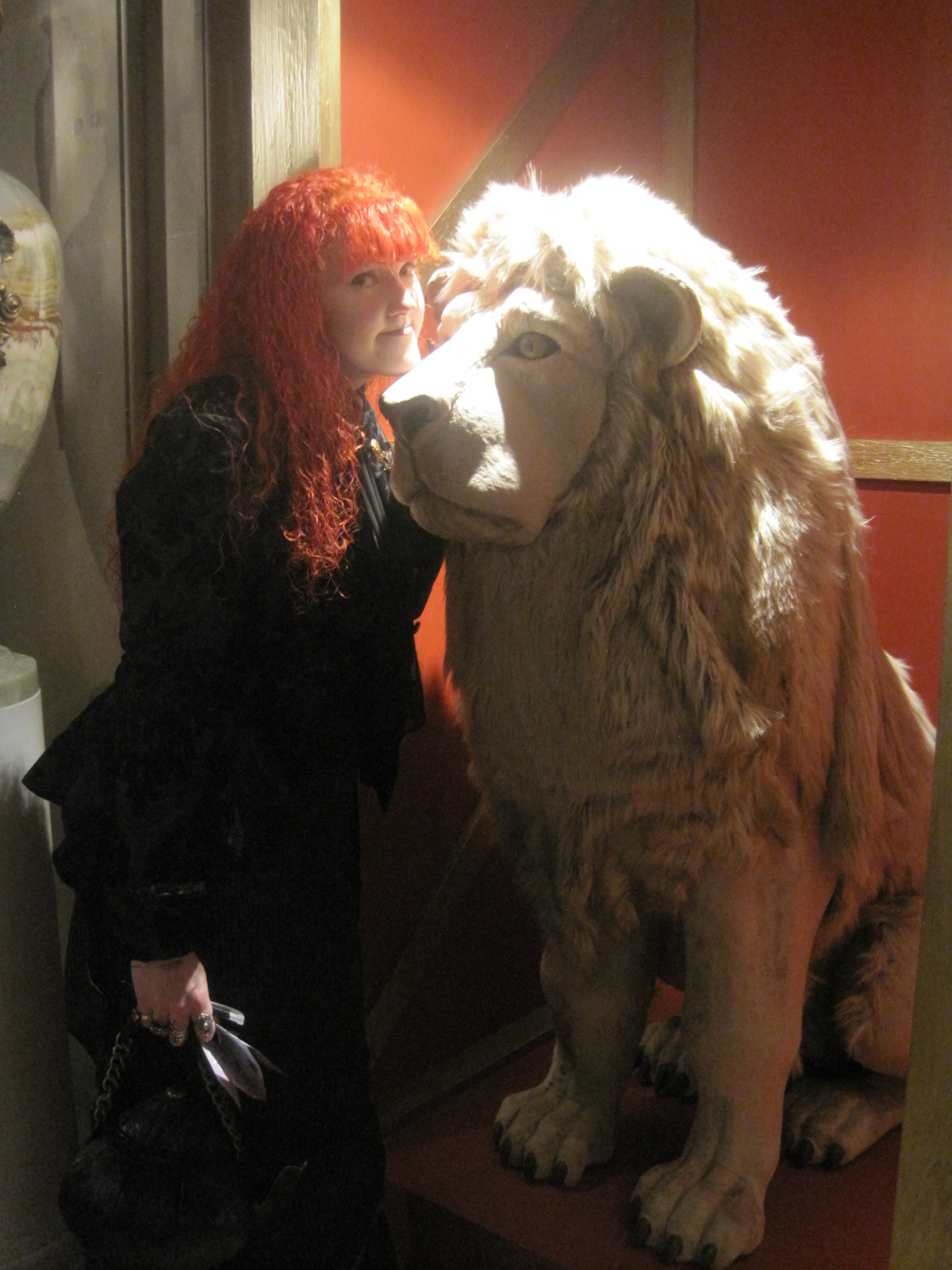
There were dressing-up clothes for children in some areas, and of course, Lisa couldn’t resist!  A Christmas Trail, finding cuddly Aslans and clues along the way, was also meant to keep the children happy.  Guess who else enjoyed it?

Are you ready to be scared yet?  It’s time for the witch!

I was joking- she's much too pretty to be scarey!

I was joking- she’s much too pretty to be scarey!

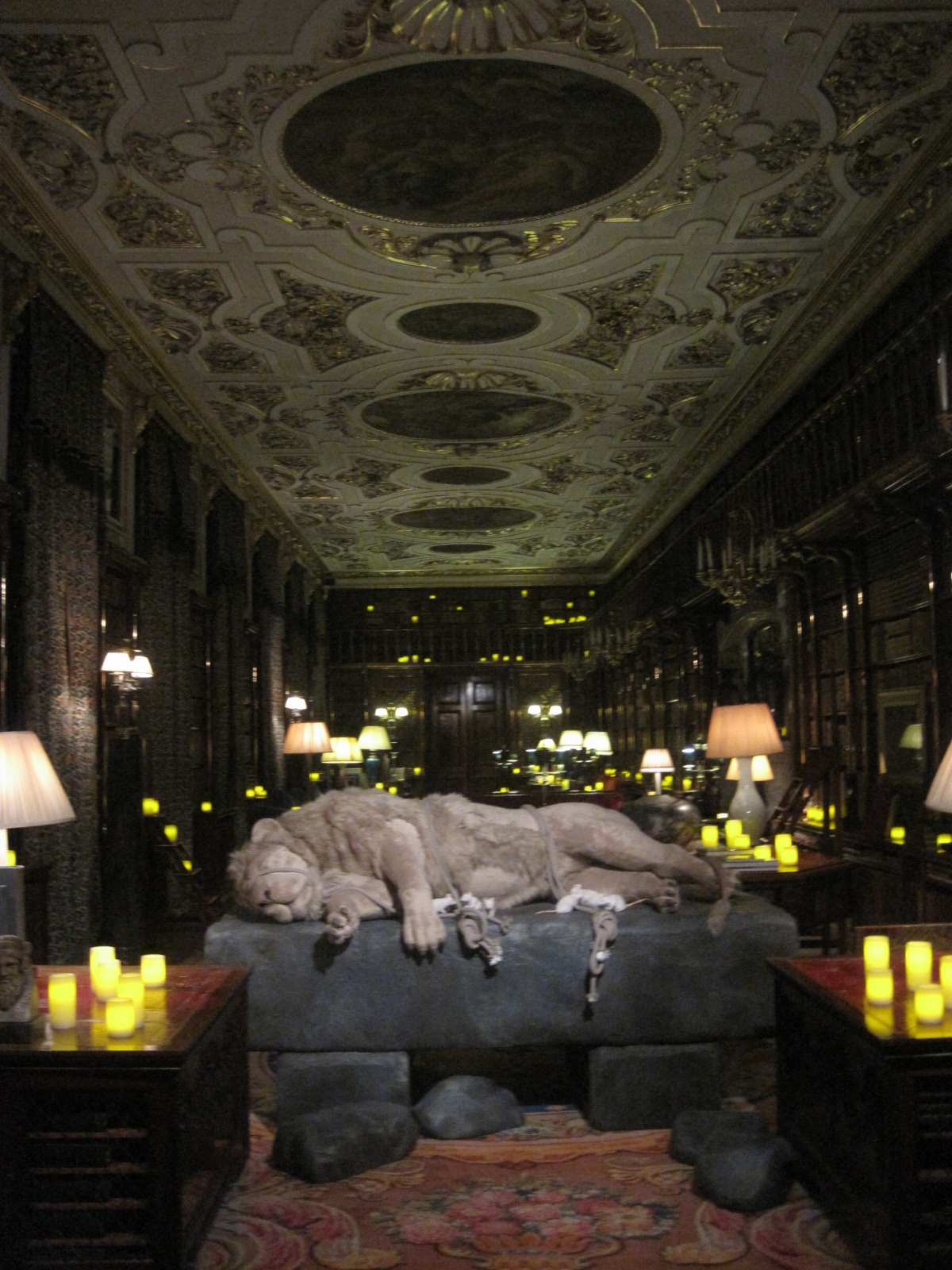
Note the small Aslan, keeping her company.  Another clue for the Christmas Trail.  But now for the really sad part!

He's still breathing!  It's going to be ok.

He’s still breathing!  It’s going to be ok.

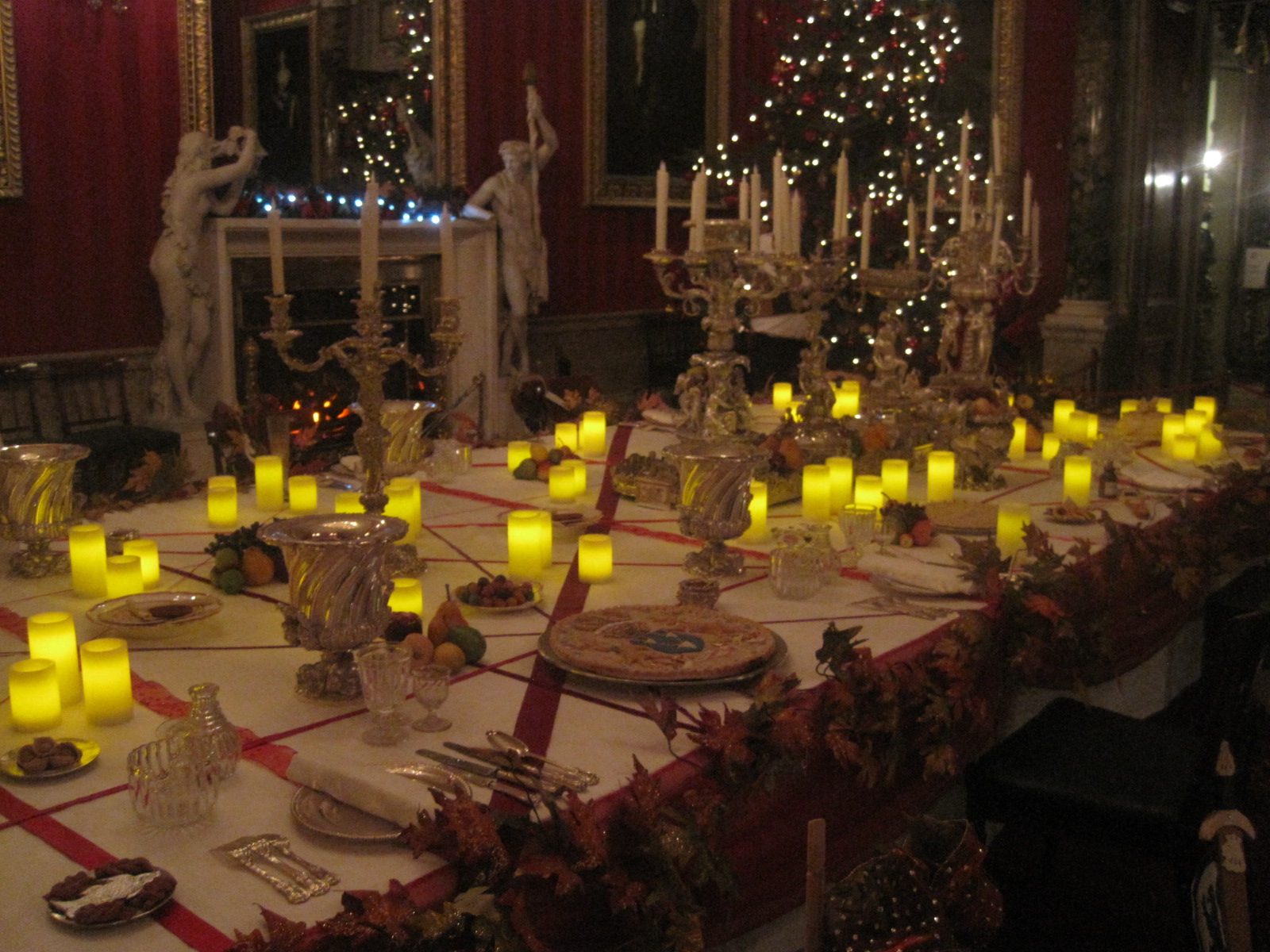
Time for a feast!

Time for a celebratory feast!

All's well that ends well!

All’s well that ends well!

I hope you enjoyed my little trip to Narnia.  It was the best Christmas present I could ever have asked for.  And now, I really must get on with my Christmas preparations.  I haven’t even bought the tree yet!  But I’ve made a list.

Chatsworth House is the most delightful setting and I will be posting more about the house and gardens.  If you are anywhere in the vicinity, “Narnia” will be available till 23rd December.  The link will give you directions.  I can absolutely recommend it.

Six word Saturday

6ws-participating-in-banner

Fancy a little Steampunk for Christmas?

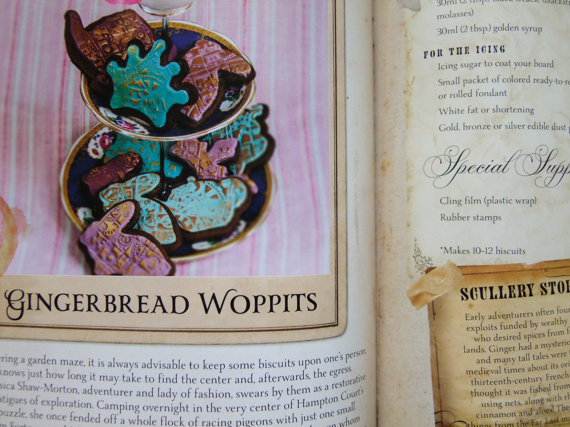
Teaparty bookcoverYou may remember, earlier this year, I was privileged to attend a book launch for Steampunk Apothecary?  It was a wonderfully fun occasion for dressing up and eating lots of cake.

The authoress, Jema Hewitt, is a hugely creative and multi-talented lady, who works extremely hard at making a living, and always with a smile.  Today she is at Waterstones in Bradford, signing her books and demonstrating jewellery making.  I wish I could be there, but this post will have to be my contribution.

Maybe you have a daughter or niece who would like something from her Etsy store?  I know there are a few pieces I wouldn’t mind.  And you can buy the book on there too.  The recipes are unique.

Mr. Woppit is adorable! Do you remember him?

Mr. Woppit is adorable! Do you remember him?

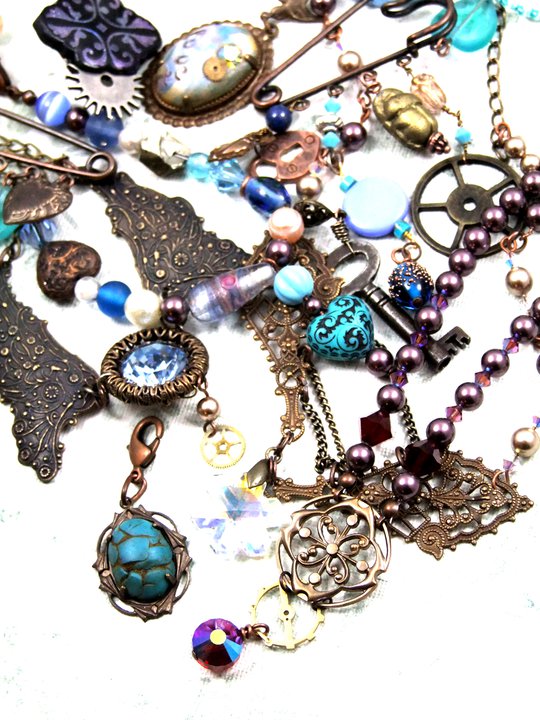
Some of the sparkly things Jema collects

Some of the sparkly things Jema collects for her jewellery

The red-haired lady is my daughter!

A page from “Steampunk Teaparty”.  The red-haired lady is my daughter!

Another Jema creation.

Another beautiful Jema creation.

If you ask for the book at your local Waterstones, even if you don’t buy it, the store will register your interest.  Every little helps!  I can claim no credit for the photos. They are all from Jema’s Facebook page.

Hope you’re all having a lovely weekend.  Many thanks to Cate for hosting Six word Saturday.  As usual, click on the links for more details.

6wsButton

Edinburgh- city of kilts and bagpipes

The lion and the unicorns grace Edinburgh Castle

The lion and the unicorns gracing Edinburgh Castle

The first sound I heard as I hopped off the coach at the end of Edinburgh’s Princes St. was the wail of bagpipes, leaving me in no doubt at all that I was in Bonny Scotland.  Renowned for my lack of sense of direction, no matter how hard I look at a map, I wandered onto North Bridge, gazing around for a landmark.  The city rose and fell all around me and, with a little sigh of relief, I spotted the Castle on its lofty mound.  Destination one was established!  Of course, the direction was up.

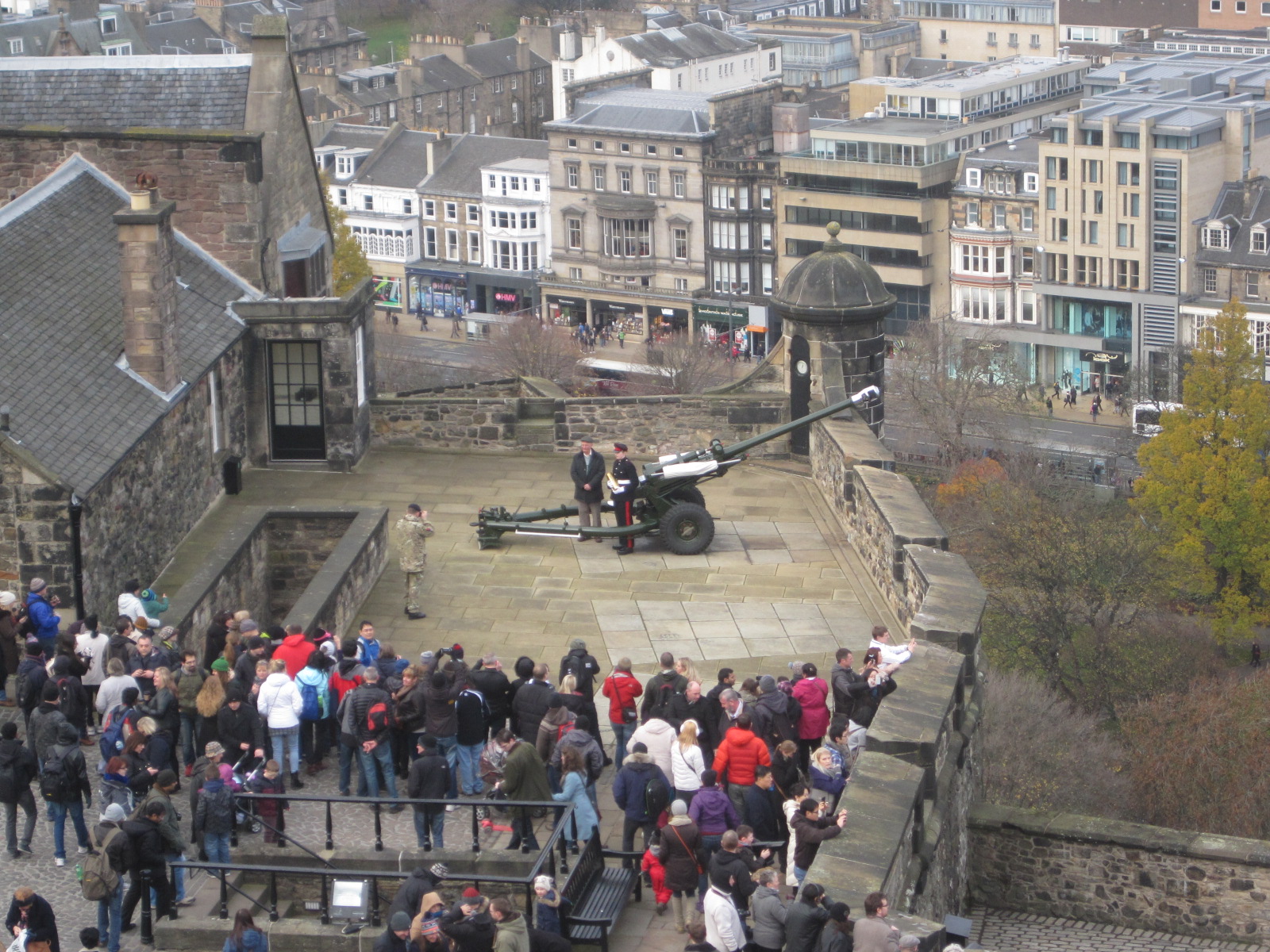
I had timed it nicely to arrive for the one o’clock salute.  The press of people was tight as we waited for the cannon to explode.  At the same time that the cannon is fired, across the city on Calton Hill a timeball drops on Nelson’s Monument.  Visible from afar, its original purpose was to enable the captains of ships on the Firth of Forth to set their chronometers for accurate navigation.

A nice moment occurred as I chatted to a neighbour.  A native of the city, he had never before managed to witness the dropping of the timeball.  I told him that I hadn’t been sure whether to head for Calton Hill or the Castle itself for the event. Neither had he, but he proceeded to show me that he had successfully recorded it on camera for posterity.  I wish I could show you!

But you'll have to make do with the cannon!

But you’ll have to make do with the cannon instead!

The sky was beginning to lighten as I made my way to my next destination- the Scott Monument on Princes St.  Not that I knew the way.  I followed my nose down some steps and eventually ended up lost in enormous Waverley Railway Station. From there the only way was up again.

I could have been tempted!

I could have been tempted!

Next I headed for Calton Hill itself, curious to see up close the reason for the city’s nickname “Athens of the North”.  Sure enough, there was the incomplete Parthenon!  Funds did not allow for completion at the time of building.  It matters little now because it is part of a wonderful green space in the city.

I imagine you’re starting to tire a bit now.  I left the house before 7am to catch my coach, but the knowledge that I had just this one day spurred me on.  I won’t keep you much longer.

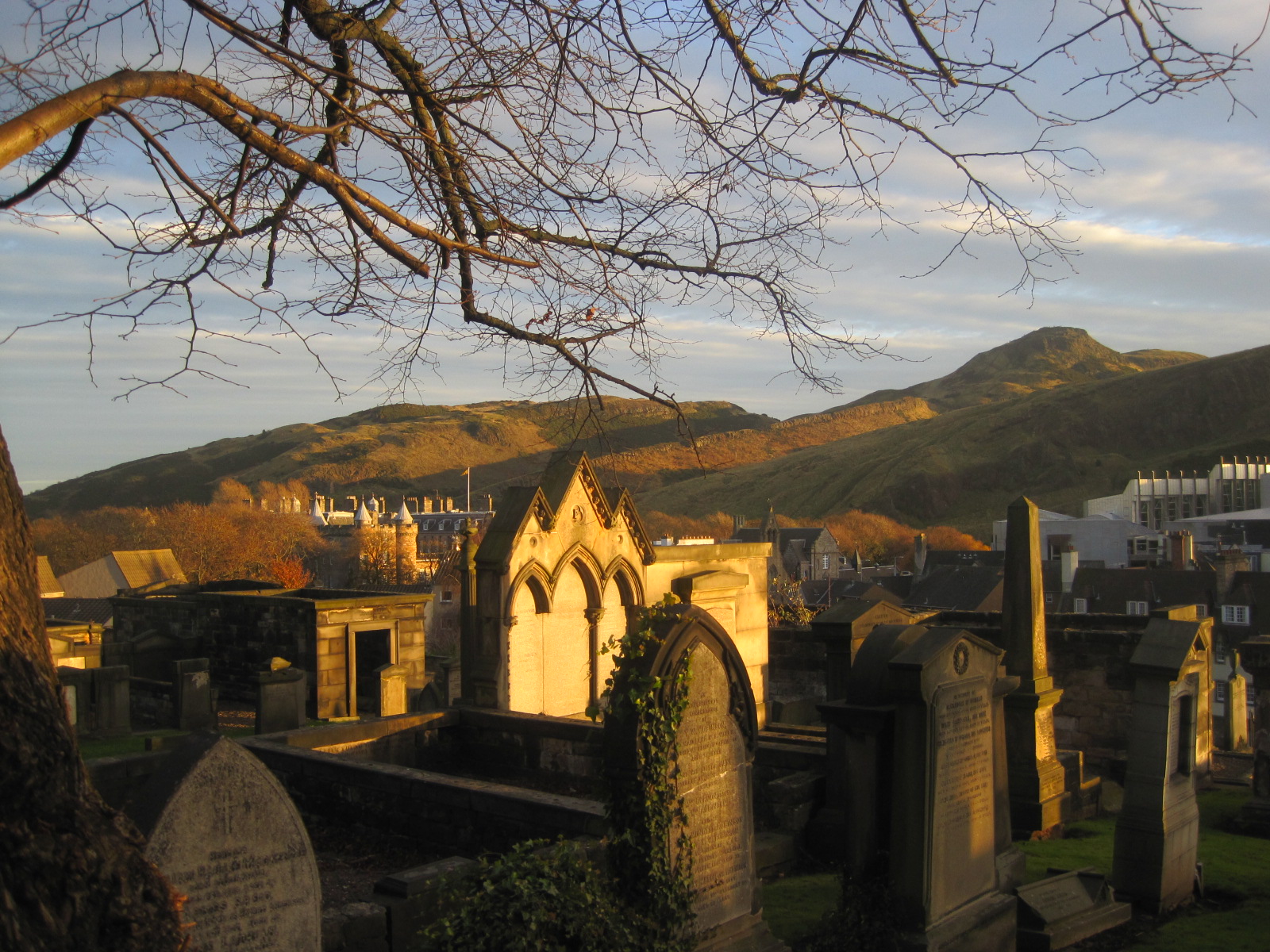
The day was sparkling as I headed downhill through a different cemetery to the Palace of Holyrood.  The queues didn’t allow me time to go in, but I managed a quick swish through the stylish Scottish Parliament building.  The sun was beginning to set and the lights to come on as I headed back up the Royal Mile.

Magnificent Arthur's Seat, viewed from Calton Hill

Magnificent Arthur’s Seat, viewed from Calton Hill

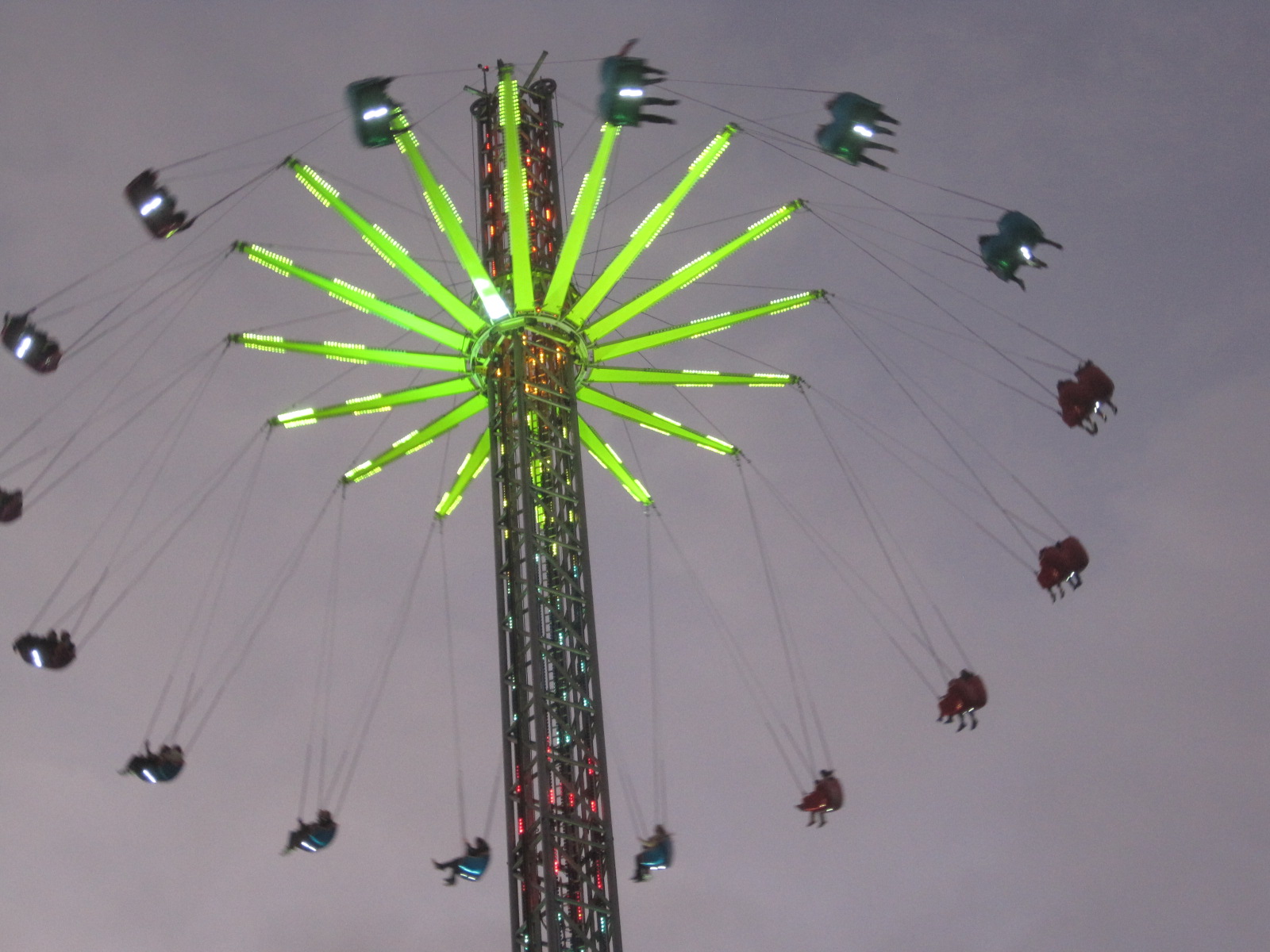
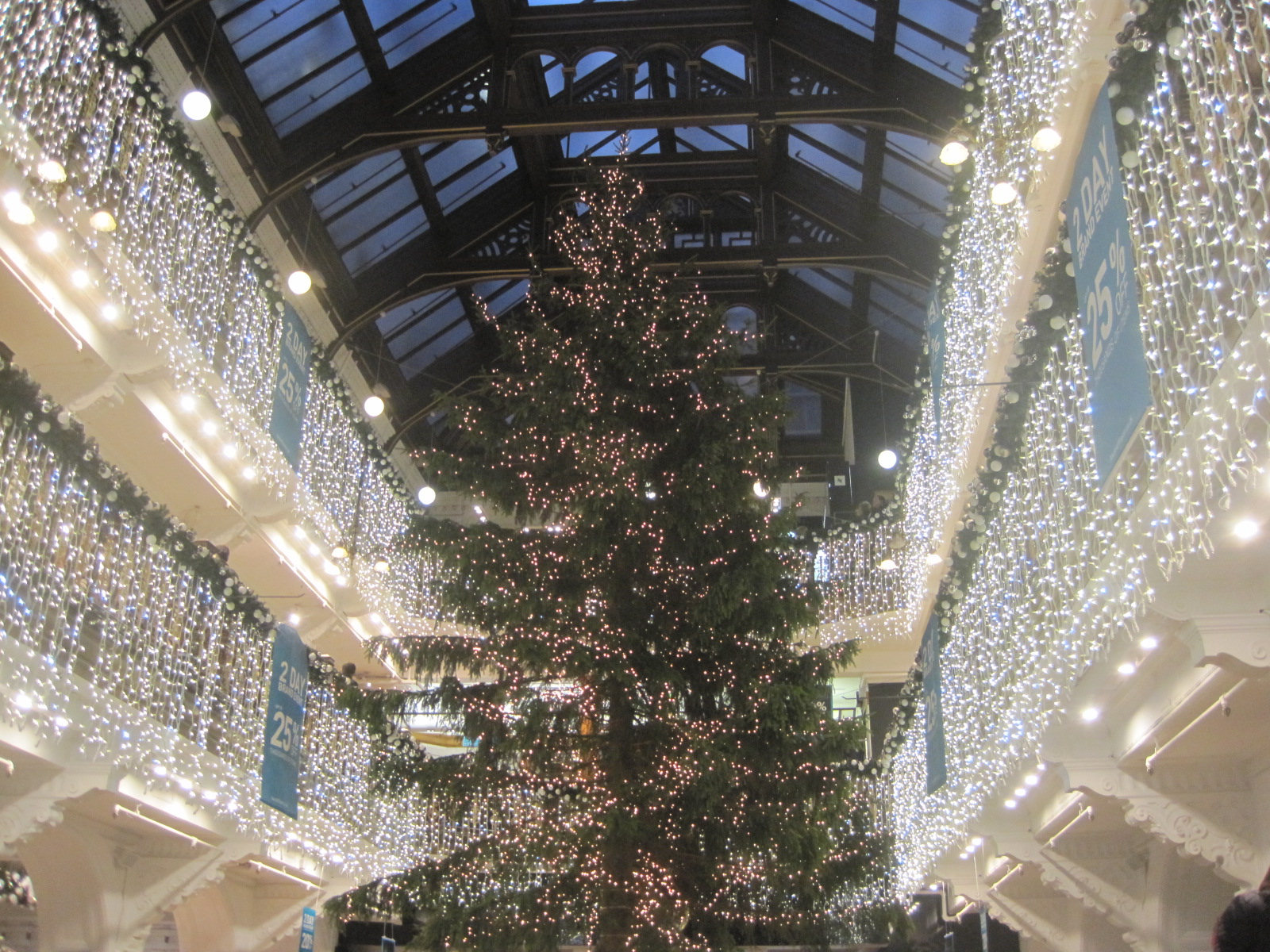
Just time to pop my nose in Jenners to see the Christmas tree and marvel at the rides in St. Andrews Place.  The kilts were still twirling and the pipes a-calling as I returned, most reluctantly, to the coach.

High riding at the Christmas Market!

High riding at the Christmas Market!

Jenners Christmas tree

Jenners Christmas tree

That last snippet of Autumn

Through a fence, lengthening shadows and a last hint of colour

Through a fence, lengthening shadows and the last hint of colour

The jacket and me went walking again today.  Goodness it was cold, but glorious, once I was striding along.  The village of West Auckland in County Durham is one I have often driven through but never before stopped in.  Our walk leader was born and bred there so this bright, late Autumn day seemed a good time to take a closer look.

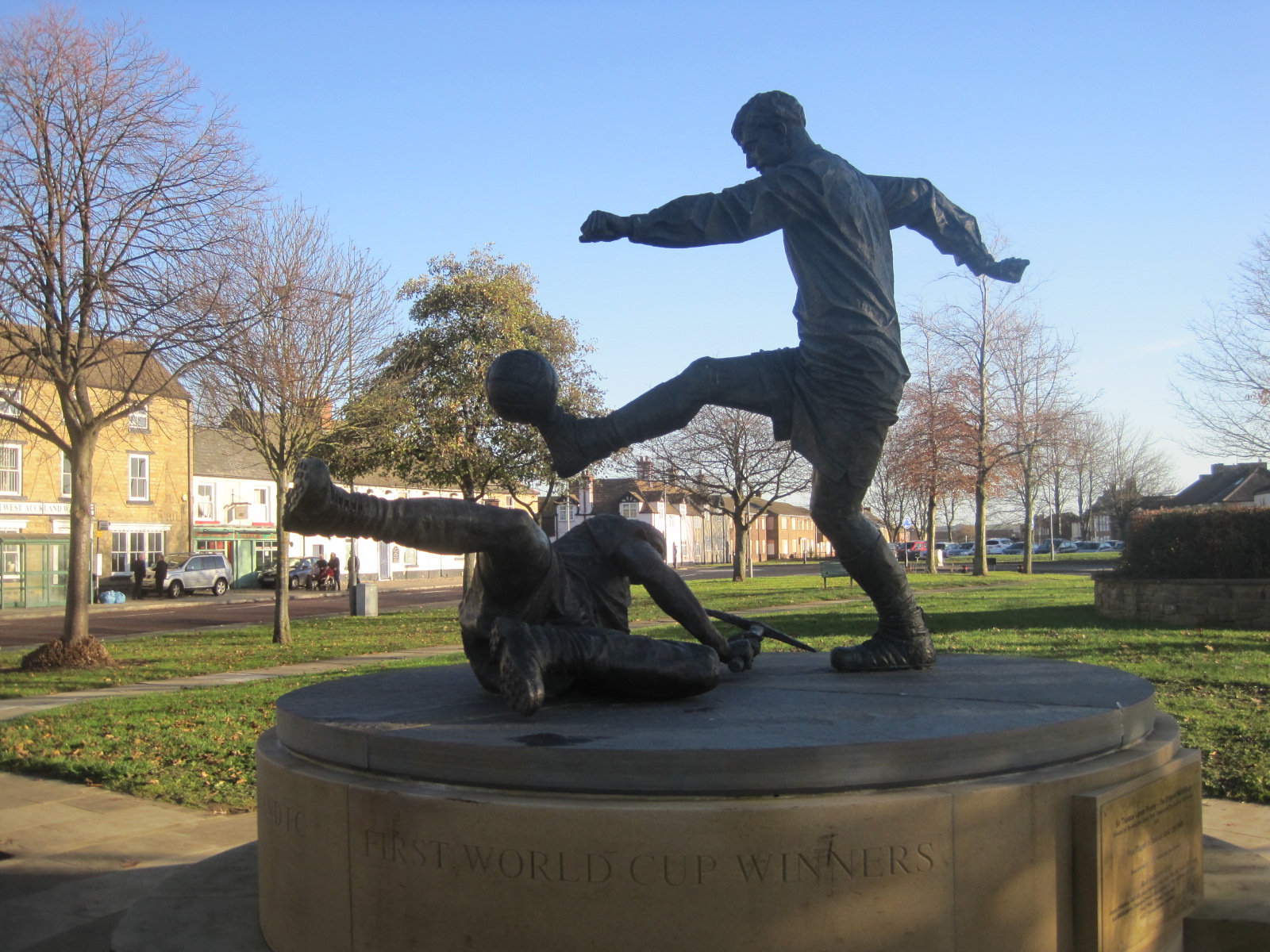
The village green, with its claim to footballing fame

The village green, with its claim to footballing fame

How strange that this quiet village should be a part of footballing history!  In 1909 West Auckland FC represented Great Britain in the inaugural World Cup competition in Torino, Italy.  A team largely made up of coal miners, they struggled to raise the finance for the trip.  Despite this they went on to beat Swiss team FC Winterthur 2-0 in the final, and even retained their title in 1911, beating Juventus 6-1!  Those were the days!

Me, I’m relishing any dry, bright days when I can get out and about.  Me and the warm jacket, that is!

Hospital de la Santa Creu i Sant Pau- a Modernista triumph

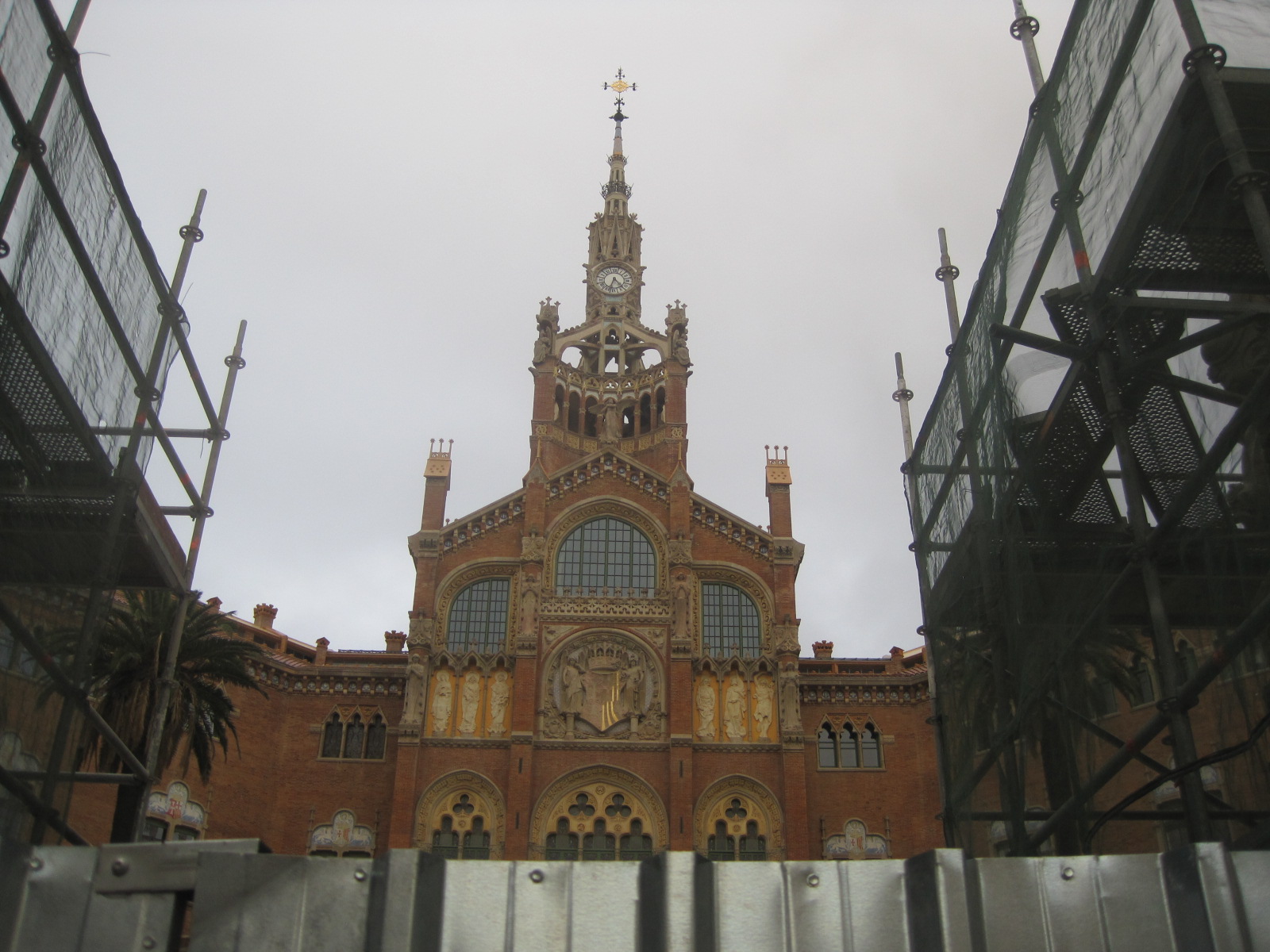
IMG_0583Scaffolding, barriers and grey skies are not what you want to see on your first afternoon in Barcelona.  I had already had a glimpse at Gaudi’s Sagrada Familia, and was still trying to assimilate what I had seen.  A stroll along Avinguda de Gaudi led me to this spectacle.  According to the guidebook it was Hospital de Santa Creu i Sant Pau, the work of Modernista architect Lluis Domenech i Montaner.

I had read about his incredible work of art, the Palau de la Musica Catalana, but this building was nothing like any hospital I had ever seen.  Apparently when it was completed in 1901 it was the most advanced in Europe. Domenech i Montaner conceived of a hospital which was modern and functional but also aesthetically pleasing.  He designed 12 pavilions, each with a different medical speciality, and linked them with underground passages. Light, ventilation and decoration were crucial to his plan, with open spaces for the use and wellbeing of the patients.

Standing on tiptoe I tried to take a shot of these magnificent buildings.  I never truly believe that barriers like this are meant to exclude me, so I made a circuit of the enormous site, looking for a way in.

This slideshow requires JavaScript.

You can see, it didn’t happen!  But I saw enough to be seriously impressed. When I got home I checked the website and it seems that guided tours are available. You get to wear a crash helmet and orange jacket too.  Never mind! There never was time for everything in Barcelona, and I have a new passion in life- Lluis Domenech i Montaner.

I know that Paula has a healthy curiosity about life too, so I’m hoping she’ll enjoy this tribute and welcome it into her Thursday’s Special.

jupiter-widget_text

Thursday : Lingering look at Windows- week 45

How about this for a spectacular start?

How about this for a view through a window?

If ever you are in Barcelona, find yourself just half an hour to tour the Palau de la Musica Catalana.  Better yet, attend a performance.  I promise you, you will not find a more beautiful theatre.

I had never before heard of the architect Lluis Domenech i Montaner, but on my first day in Barcelona I stumbled upon his Hospital de Santa Creu i Sant Pau and was immensely impressed. Day two found me lost in admiration for his Art Nouveau jewel of a theatre, which has been a listed UNESCO World Heritage Site since 1997.  The website aptly describes it as “a magical music box which brings together all the decorative arts”.

The view from foyer to the outside courtyard.

The view from the foyer to the outside courtyard.

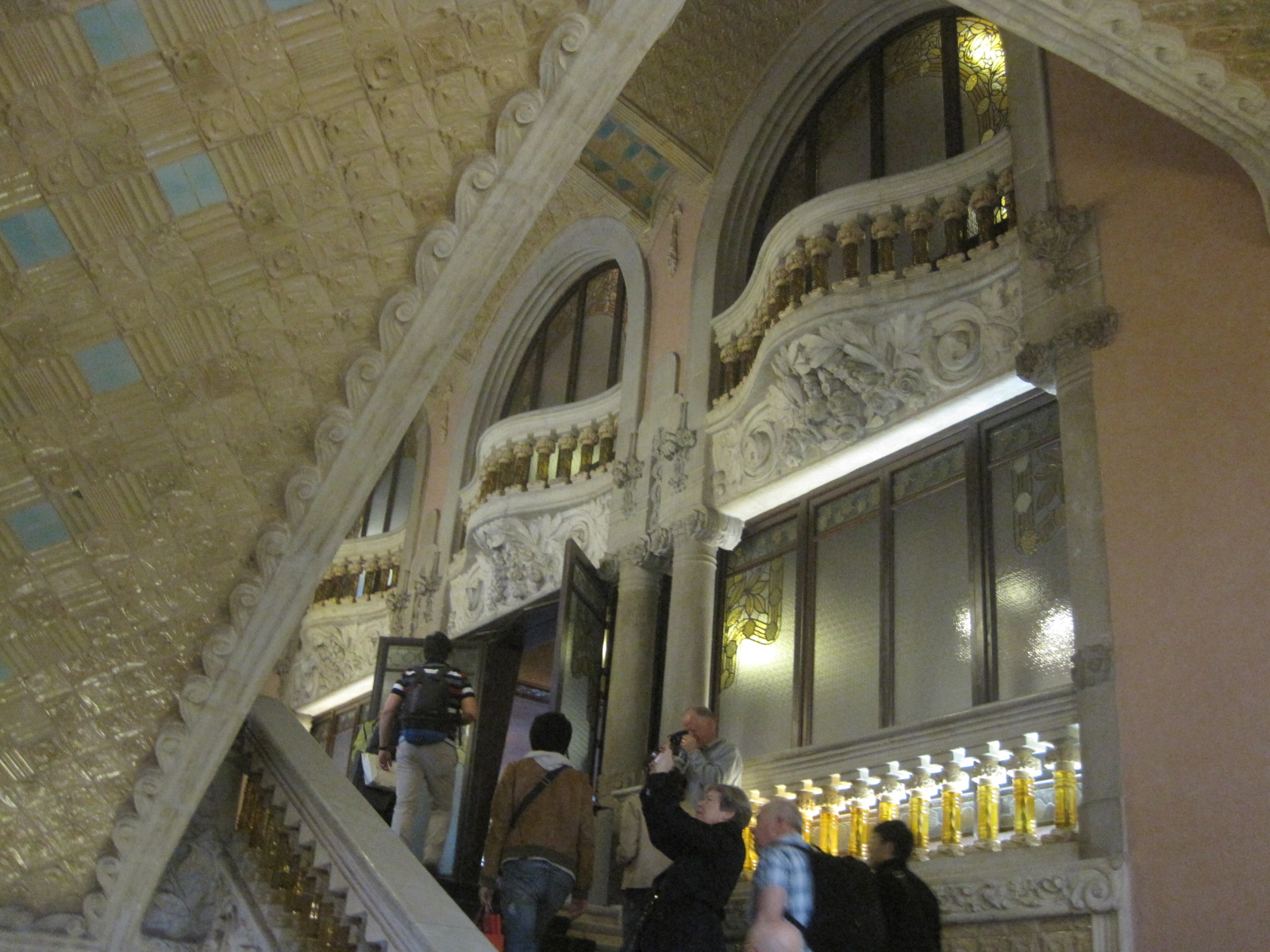
And then there are the stairs up to the theatre.

And then there are the stairs up to the theatre.

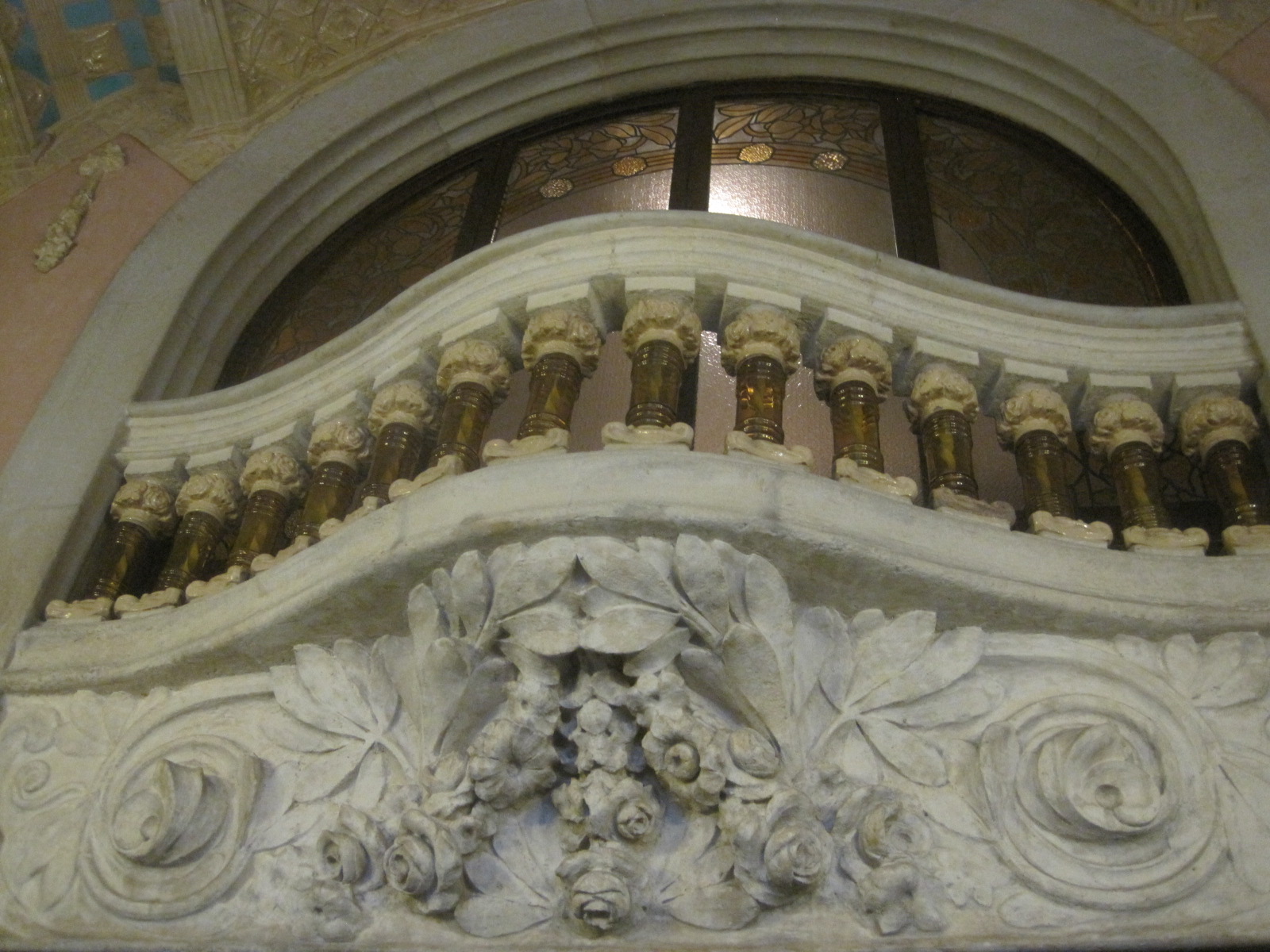
The details are beautiful

The details are beautiful

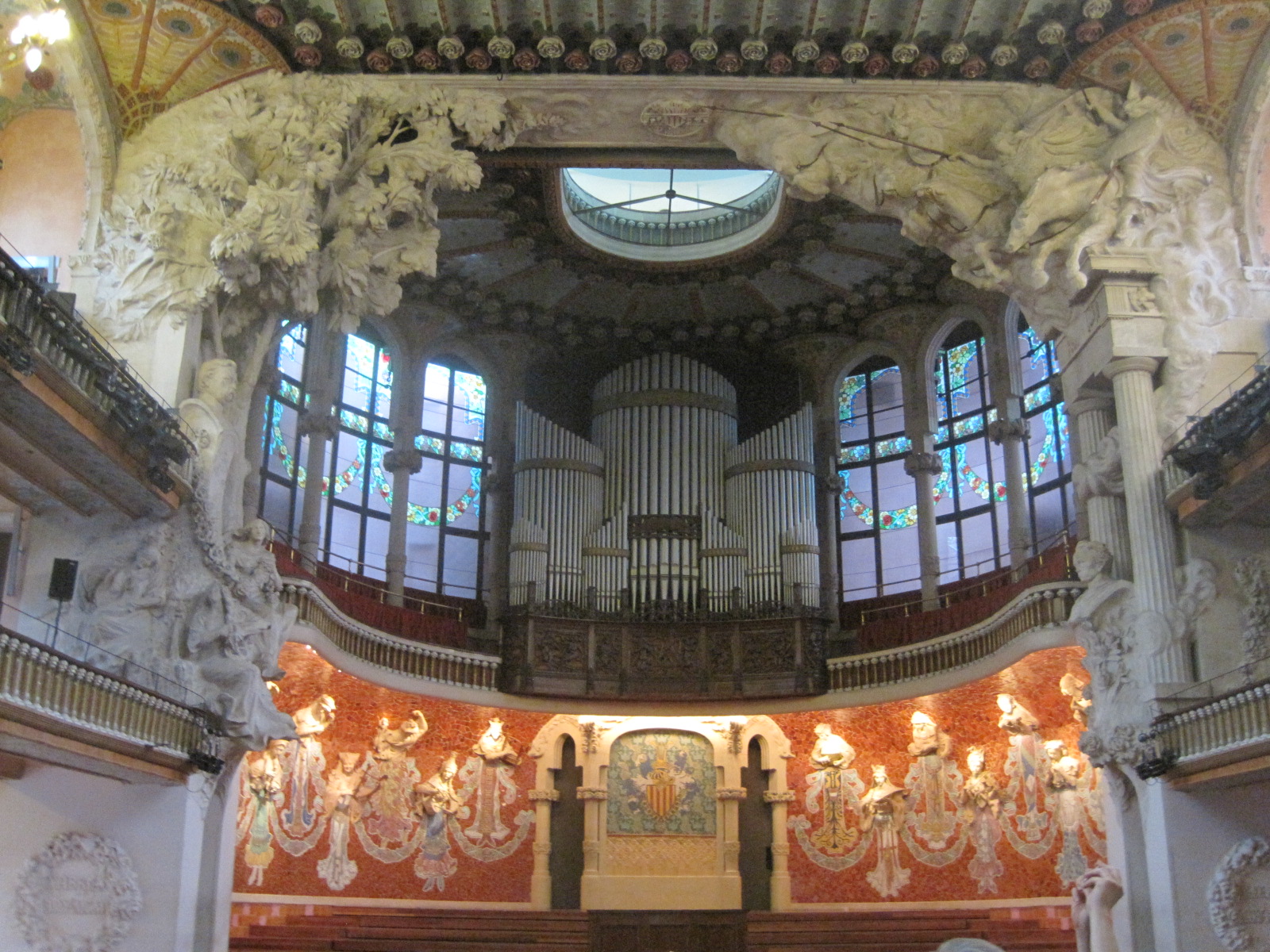
And then you are in the theatre itself

Then you are in the amazing theatre itself.

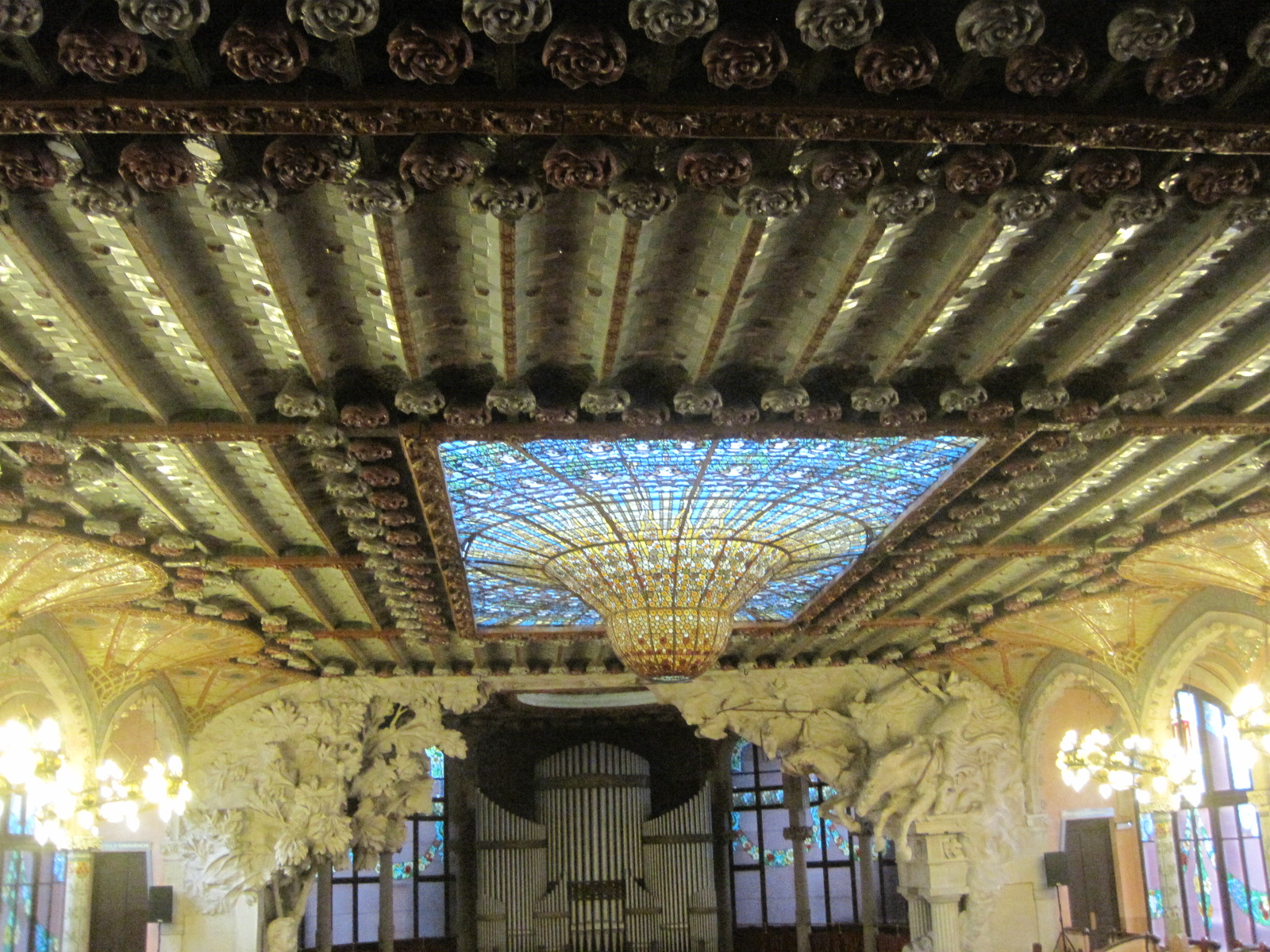
The auditorium is filled with natural light which filters in through the stained glass skylight and windows.  It was designed for daytime performances and the theme throughout is the natural world.  It is truly a masterpiece.  Sadly most performances these days are on an evening, as the tour guide explained.  She obviously loved her job and it wasn’t hard to see why.

It's hard to do the stained glass ceiling justice in a photo

It’s hard to do the stained glass ceiling panel justice in a photo

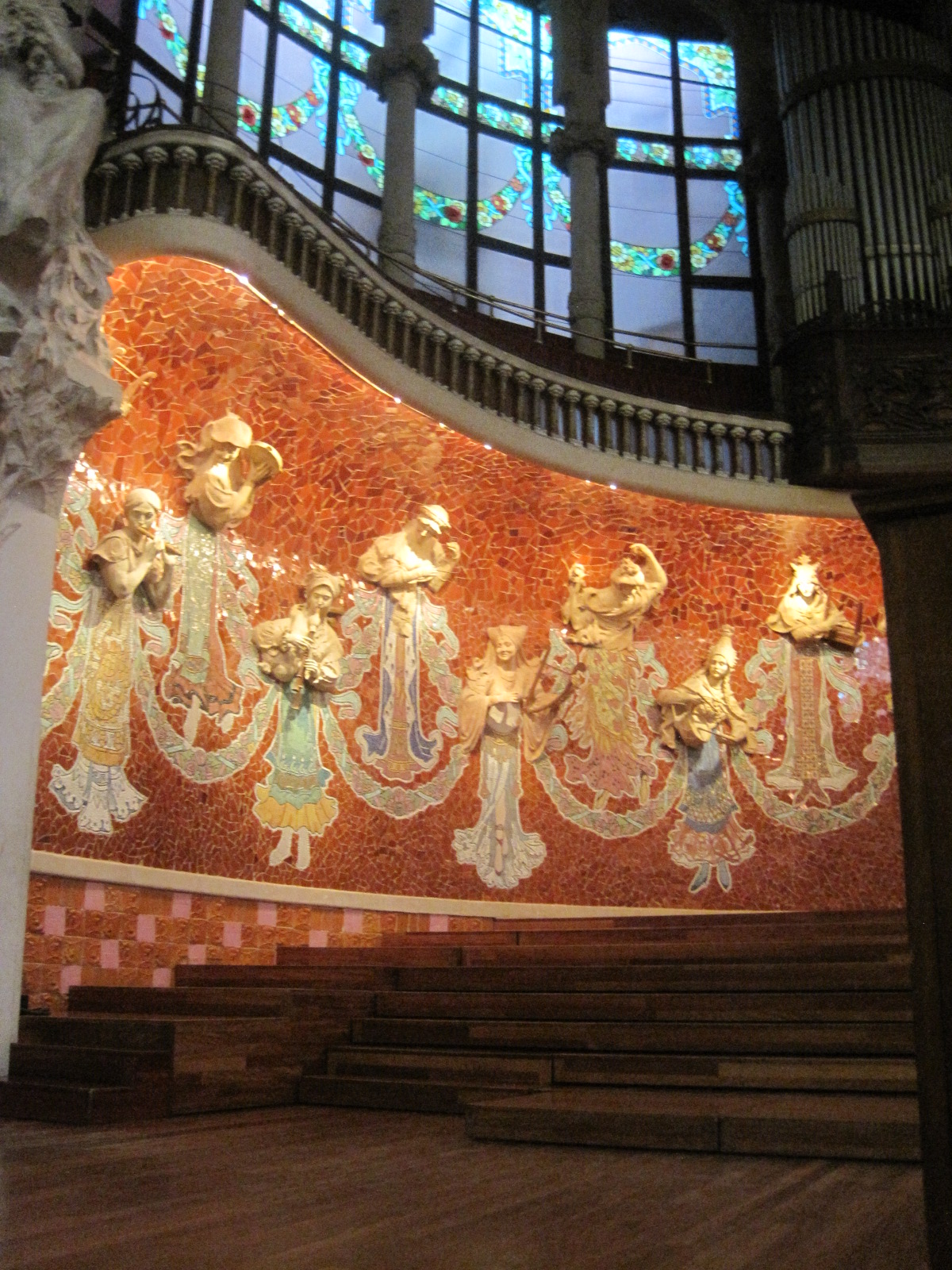
Or the trencadis "muses" that adorn the stage

Or the trencadis “muses” that adorn the stage

Each plays a musical instrument, though it might be hard to see here

Each plays a musical instrument- lute, tambourine, Catalan castanets…

The tour includes a short video which explains the background to the theatre’s existence and Catalan pride in this theatre, created purely for its’ choir and musical life.  In the theatre itself, the guide then explains all the symbolism and the special use of trencadis (mosaic made from broken tiles).  I had already perused the website and taken the virtual tour, but still I was enraptured with this wonderful creation, and a fan of Lluis Domenech i Montaner for life.

I hope you have enjoyed looking at some rather special windows with me.  A word of warning- be careful exiting down the marble stairs.  I descended rather faster than I intended!

Dawn has reached week 45 with this challenge.  Sorry I’ve missed a few, but I have a few more up my sleeve for the future.  Come and join us!

Cities of Kings

Cities_Of_Kings_Cover_2a.225x225-75I have to admit to being a little nervous when I was approached recently for my views on the above book, Cities of Kings.  I have followed Bespoke Traveller for quite some time and didn’t want to spoil a good friendship.  I needn’t have worried. Atreyee Gupta and Jesse Japitana have done a great job.  Their passion and enthusiasm for architecture and history transmits readily to this self-publication, and I am delighted to be able to heartily recommend it.

London is a city which captured my imagination as a girl, and it has never really let it go.  I visit infrequently these days, but when I do it conjures the same excitement and sense of pride I felt back then.  I delight in the architecture, old and new, and in that skyline, pierced anew by gravity-defying creations.

With Paris, I have only a fleeting acquaintance.  That same starry-eyed girl boarded a plane and wandered the banks of the Seine with the same enthusiasm she had bestowed on the Thames.  Sadly, I have never been back, but reading Cities and Kings I feel the need to return more than ever.

St. Paul's Cathedral and the Millennium Bridge- courtesy of Mike Bradley

St. Paul’s Cathedral and the Millennium Bridge- courtesy of Mike Bradley

In the book the two cities are compared and contrasted and their architectural histories told.  Detailed photographs accompany the text, and I learnt many little intriguing facts.  I hadn’t realised how ignorant I was of parts of my own history! The stories of the kings and queens and their passions are expertly woven into the fabric of London and Paris.

I love it when enthusiasm for a subject shines through as it does here.  I don’t want to reveal too much and spoil a good read, but you can be sure that you will be taken to The Tower, and stroll in the gardens of Hampton Court.  In Paris, I particularly enjoyed my visit to the Louvre, and to the lesser known area of La Defense.

The book is concluded with a practical section on visiting and getting around in the twin cities.  All in all, a thoroughly enjoyable read.  You can purchase the book on Amazon Kindle or at the Apple iBookstore.  I think it would make a rather good Christmas present.

Meantime I’m thinking that Paris would make a fine destination for our Silver Wedding next August.  What do you think?

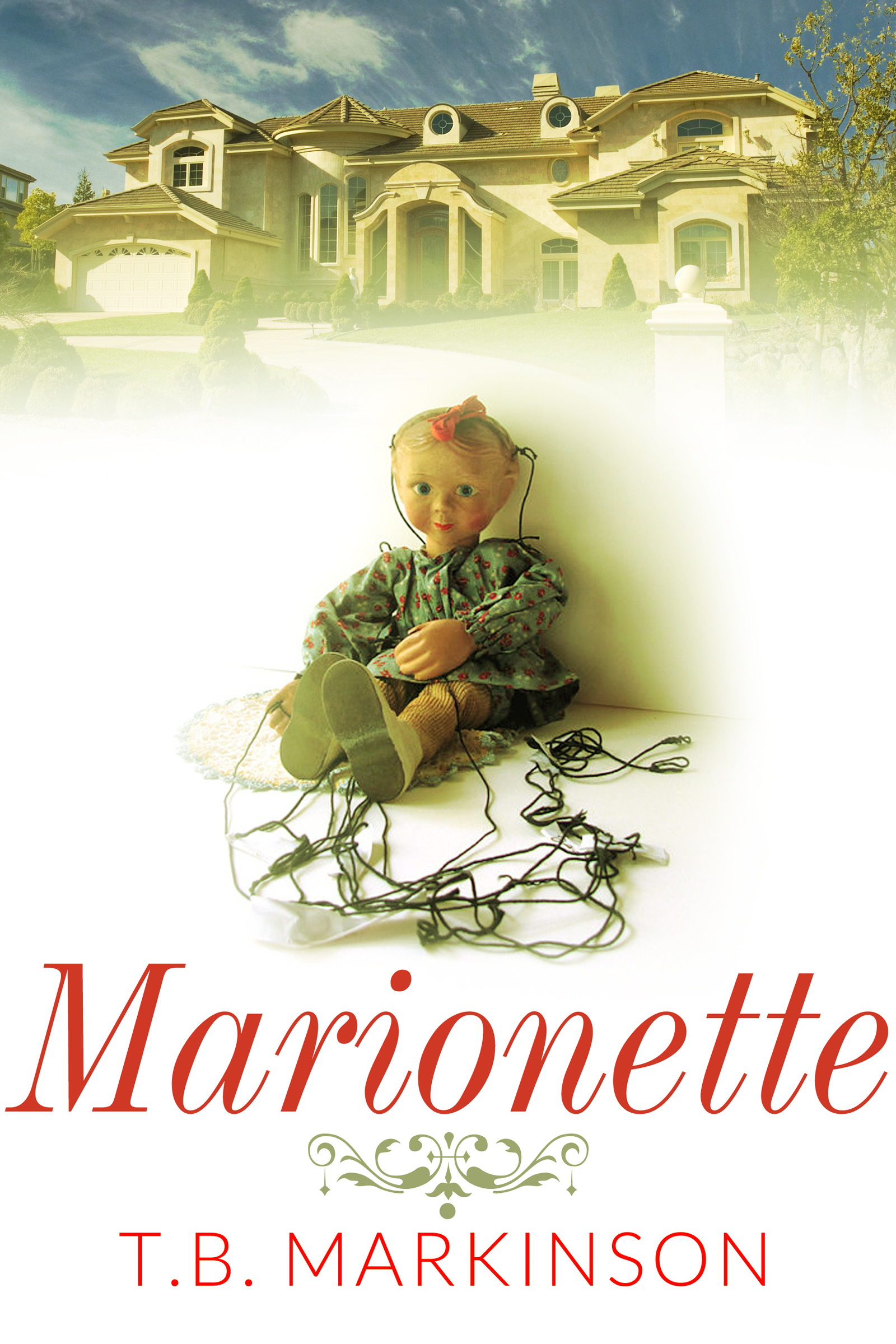
“Marionette” by T. B. Markinson

Something new for Restlessjo.  I can’t imagine life without a book, so I’m always interested when a blogging friend is about to self publish.  It’s a whole lot of work, in addition to the talent it takes to actually write the book.  I feel very privileged to be involved in this process, even in a small way.  The cover reveal is today and it hits the shelves in December.

mar-kindle

Title: Marionette

Author: T. B. Markinson

Cover Designer: Derek Murphy

Publication Date: December 2013

Synopsis:

Paige Alexander is seventeen and has her whole life in front of her. One day her girlfriend comes home to discover that Paige has slit her wrists. Paige isn’t insane, but she acts like she is. Why?

After the incident, Paige agrees to go to therapy to appease her girlfriend, Jess. However, Paige doesn’t believe that therapy will help her. She believes she’s beyond help. Paige doesn’t want to find herself and she doesn’t want to relive her painful past in order to come to terms with it. What Paige wants is control over her life, which she hasn’t had since her birth.

During her childhood, Paige is blamed for a family tragedy, when in fact, her twin sister, Abbie was responsible. Abbie doesn’t come forward and Paige becomes the pariah of the family.

To add to Paige’s woes while attending a college in a small town in Colorado, the residents are in the midst of debating whether or not gays and lesbians should have equal rights. Tension is high and there’s a threat of violence. She isn’t out of the closet and pretends to be straight at school since she fears what will happen if her parents find out she’s a lesbian. Will she end up dead like her best friend, Alex?

About the Author: T B Markinson

T. B. Markinson is a 39-year old American writer, living in England, who pledged she would publish before she was 35. Better late than never. When she isn’t writing, she’s traveling around the world, watching sports on the telly, visiting pubs in England, or taking the dog for a walk. Not necessarily in that order. Marionette is her second novel.  A Woman Lost was her debut novel.

Sign up to TB’s New Release Mailing List here. Your email will never be shared and you will only be contacted when a new book is out.

Twitter        Facebook        Blog            Goodreads


Thursday : Lingering look at Windows- week 38

Icecream, anyone?

Icecream, anyone?

I think, by now, most people who follow me will have a pretty good idea of how the place where I live looks.  I’ve trekked you north and south of here, showing you some spectacuilar scenery, and a little industrial grunge too.  What you won’t have seen much of, until now, is our neighbouring seaside “resort”, Seaton Carew.

Like such resorts throughout Britain it’s a little tacky, but in the summer months it’s a mecca for young and old alike. (and I’m not just talking bingo!)  It has a decent stretch of beach, a paddling pool and, of course, amusement arcades to part you from your pennies.  There’s really only one street to it, so you can’t exactly be overwhelmed.

Two fish and chip shops scowl at each other across the main street, and you can buy burgers and icecreams from the kiosks.  No candy floss, though.  I used to love that sugary smell and watching it whizz around the drum.  These days I’m rather fond of lemon tops.  I love the sharpness before you get down to the slurpy icecream.  How about you?  What’s your favourite seaside treat?

I don’t know that I’d book a holiday here, but there are a couple of nice hotels and some B & B’s.  The Staincliffe is popular as a wedding venue, and has made a bid for notoriety by naming the Darwin Room after a local character who pretended to have died to get his hands on his insurance.  He paddled off into the sea and was never seen again. (until he was spotted in South America)  Don’t say we don’t have a sense of humour in the north east.

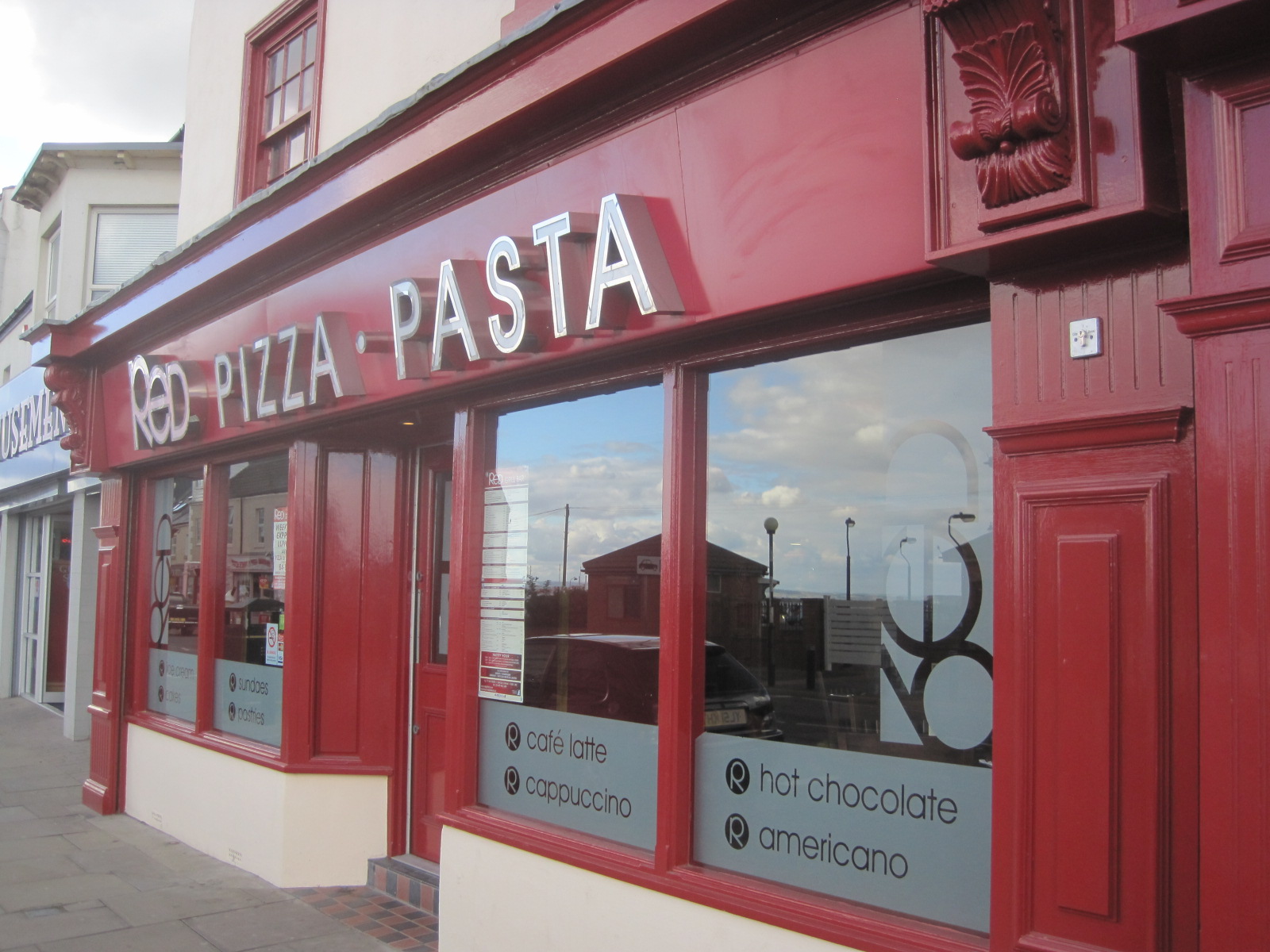
I thought I’d better show you these windows before the last of our hoped-for Indian Summer disappears.  It’ll be too cold to linger soon and we’ll all be clutching our hot chocolates.

There's always Red's when you need to warm up!

There’s always Red’s when you need to warm up!

Hope you enjoyed a saunter through Seaton with me.  I never mind lingering at a few windows.  Visit Dawn at Lingering Visions to spy out a few more.

L is for Lusia, Lodzia and Łódź

Poland-eagle-150squareThis is where my Polish friends might raise their hands in protest.  You see, in Polish there is a letter L and a letter Ł (ł in lower case).  The two are quite separate, but as there are 33 letters in the Polish alphabet and I am constantly short of time, I’m combining them in this post.  To English eyes they probably look very similar, but ł is pronounced like the English “w” in “wet”.

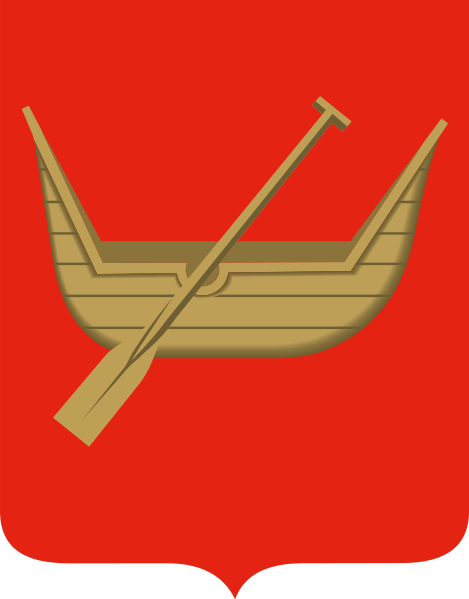
So, the city that I’m going to tell you a little about, Łódź, is pronounced Wooj, or something very like that.  I have never actually visited this city, which is the third largest in Poland, but it has always intrigued me for its name, which translates as “boat”.  This for a city which lies right in the centre of Poland, 84 miles south-west of Warsaw, and doesn’t even have a river running through it.  Apparently the city once had a total of 18 rivers, but they were covered over due to chronic pollution.

A boat, the coat of arms of Łódź- from Wikipedia

A boat, the coat of arms of Łódź- from Wikipedia

The first written record of Łódź appears in 1332 as the village of Łodzia, and in 1423 King Władysław Jagiełło (who you may remember from my J is for Jadwiga post) granted it city rights.  It was always at the crossroads of trade but at this time most of the inhabitants worked on grain farms in the surrounding flat lands. 

Like many another Polish city, the history of Łódź is colourful.  It lost its identity to Prussia in 1793, and then at the Congress of Vienna in 1815, became part of Russian Poland.  The Tzar gave territory deeds to German immigrants to clear the land and build factories and housing.  In 1825 the first cotton mill was opened and the textile boom began, with an eager Russian market on the doorstep.  Łódź has been likened to a “Polish Manchester” due to its prosperity from textiles.  Relationships with their Russian neighbours deteriorated rapidly, climaxing in the Łódź insurrection (or June Days) in 1905, which was violently put down by the Tzarists.
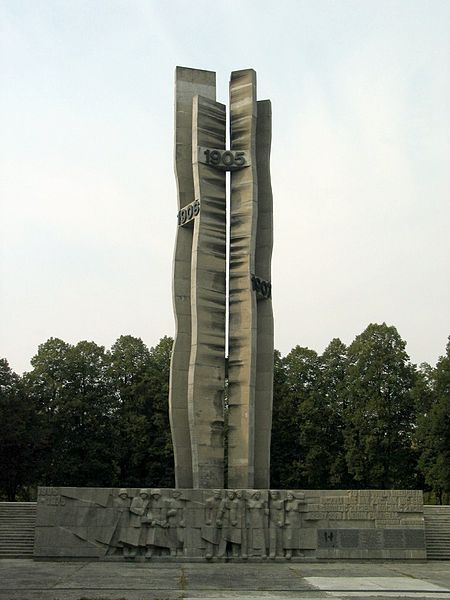
Łódź monument to the 1905 insurrection- from Wikipedia

Łódź monument to the 1905 insurrection- from Wikipedia

Many of the industrialists were Jewish, thus, during the Nazi occupation, the Łódź Ghetto was set up.  It was the last major ghetto to be liquidated due to the value of the goods the occupants produced for the German military.  The Germans requisitioned all factories and machinery and transported them to Germany so that Łódź was deprived of most of its infrastructure.  Refugees from Warsaw flooded into the city and in the aftermath of the Warsaw Uprising, Łódź became a temporary capital.  Apart from Kraków it was the only Polish city not to have been raised to the ground.

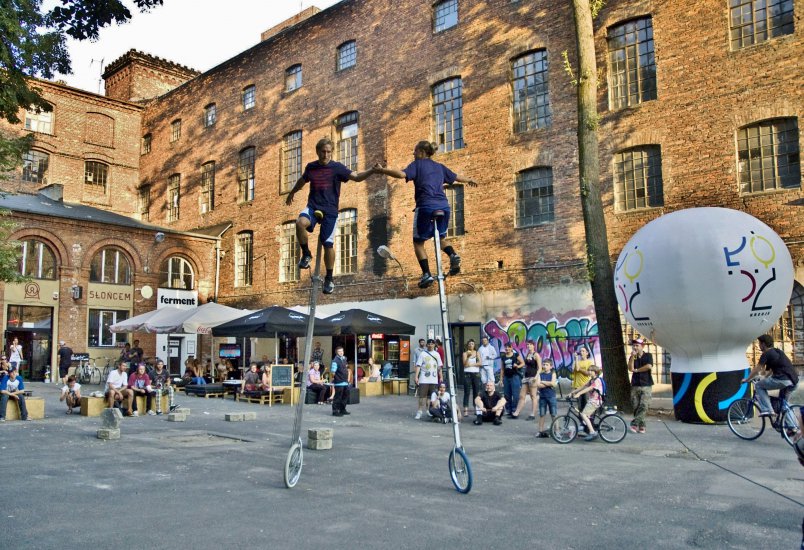
It’s not all doom and gloom.  I knew little about Łódź, but even I had heard of the National Film School, founded in 1948, and its famous student, Roman Polanski.  The film industry and new businesses locating in Łódź due to its excellent transport links have aided the slow rebirth of the city.  Renovation is ongoing on Ul. Piotrkowska, at 5km the longest main street in Europe. OFF Piotrkowska is a lively complex of cafes, restaurants and designer shops within 19th century former cotton mill buildings.

Sculpture of pianist Artur Rubinstein on Ul. Piotrkowska- from Wikipedia
Sculpture of pianist Artur Rubinstein on Ul. Piotrkowska- from Wikipedia

OFF Piotrkowska- from "In your Pocket" Łódź guide

OFF Piotrkowska- from “In your Pocket” Łódź guide

Even better news is that the rivers I referred to at the start of this post are now the subject of a restoration project.  Who knows where it all might end for the city of Łódź?  Manchester isn’t doing so very badly.

Lusia and Lodzia

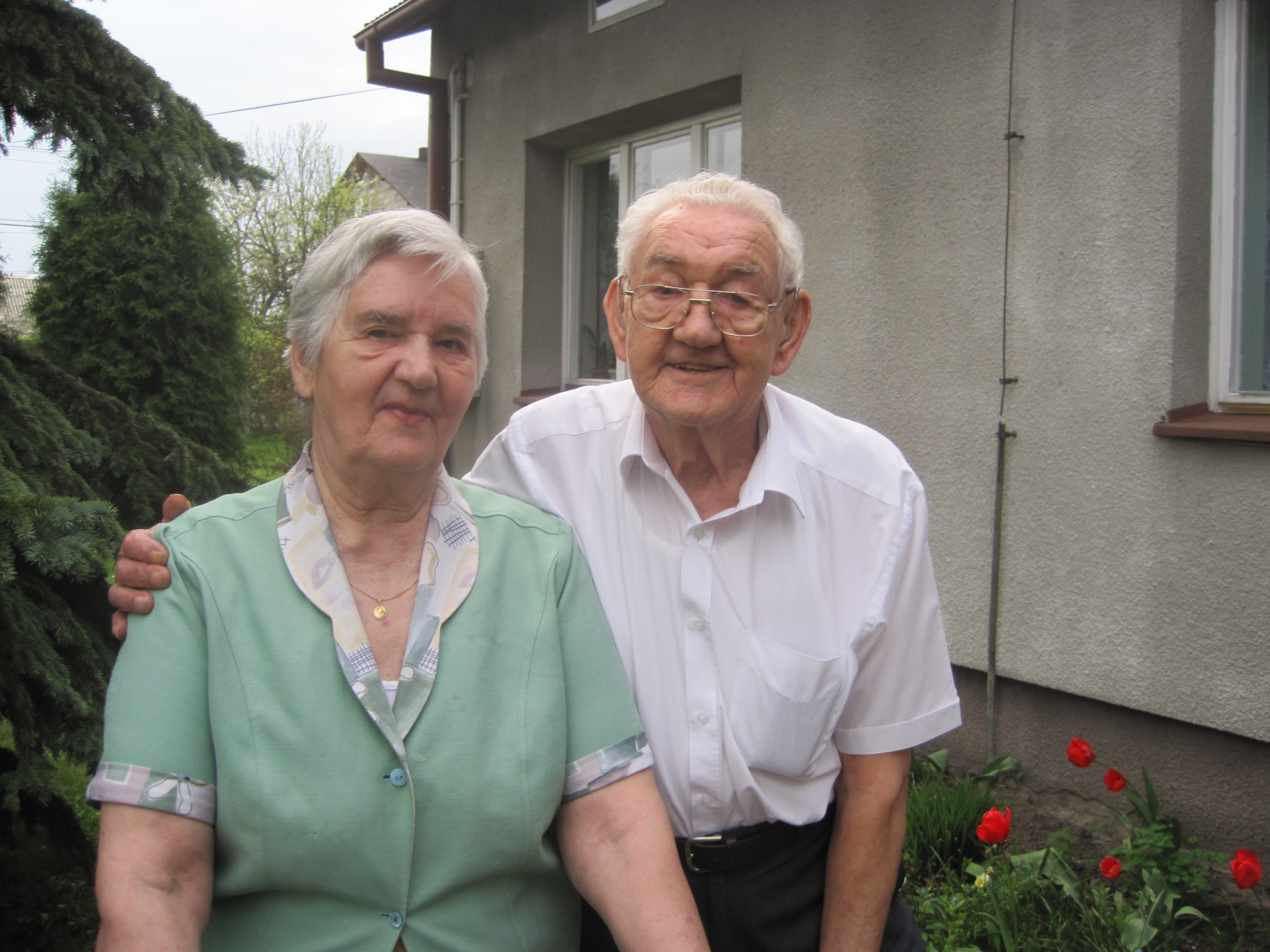
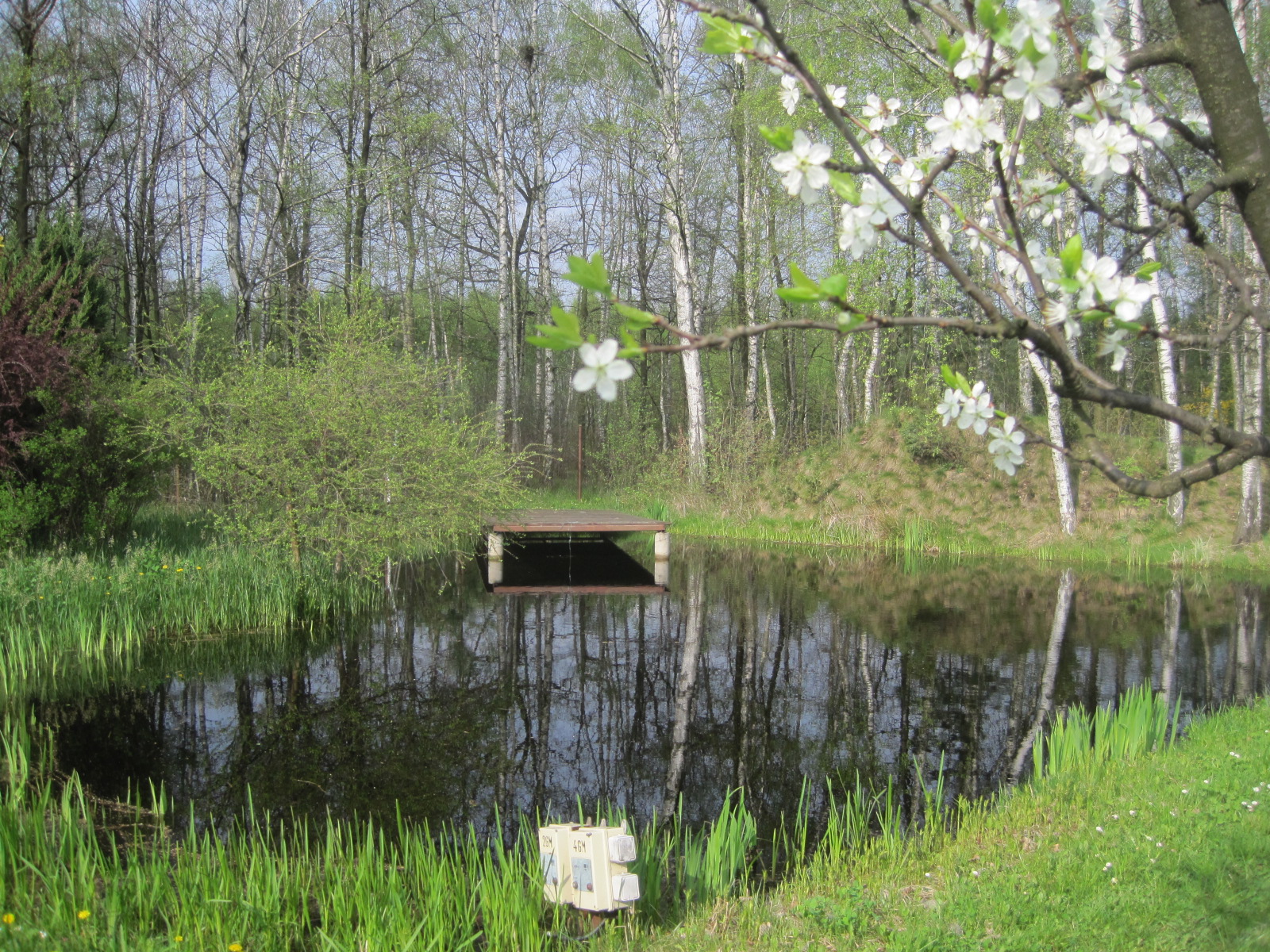
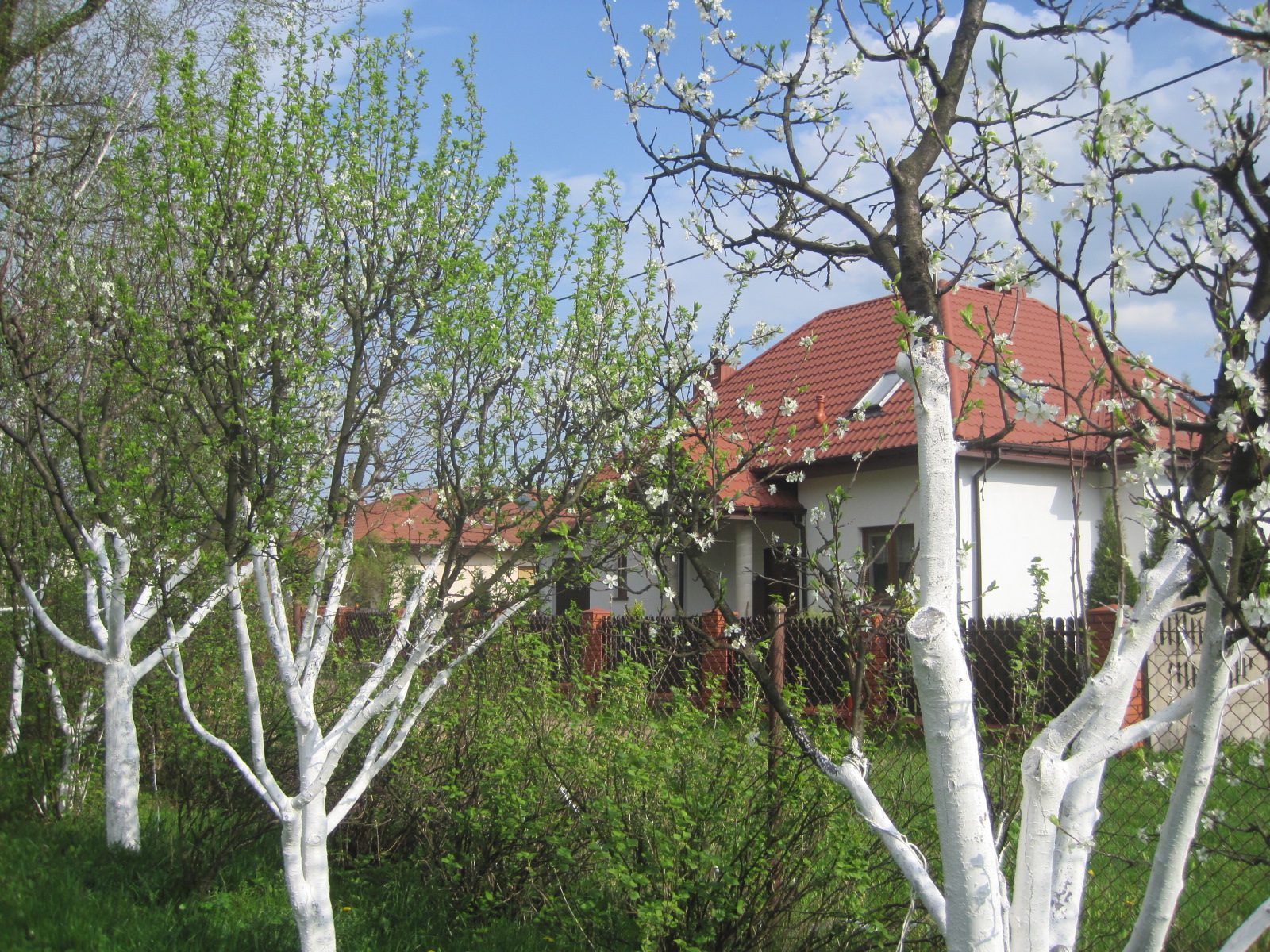
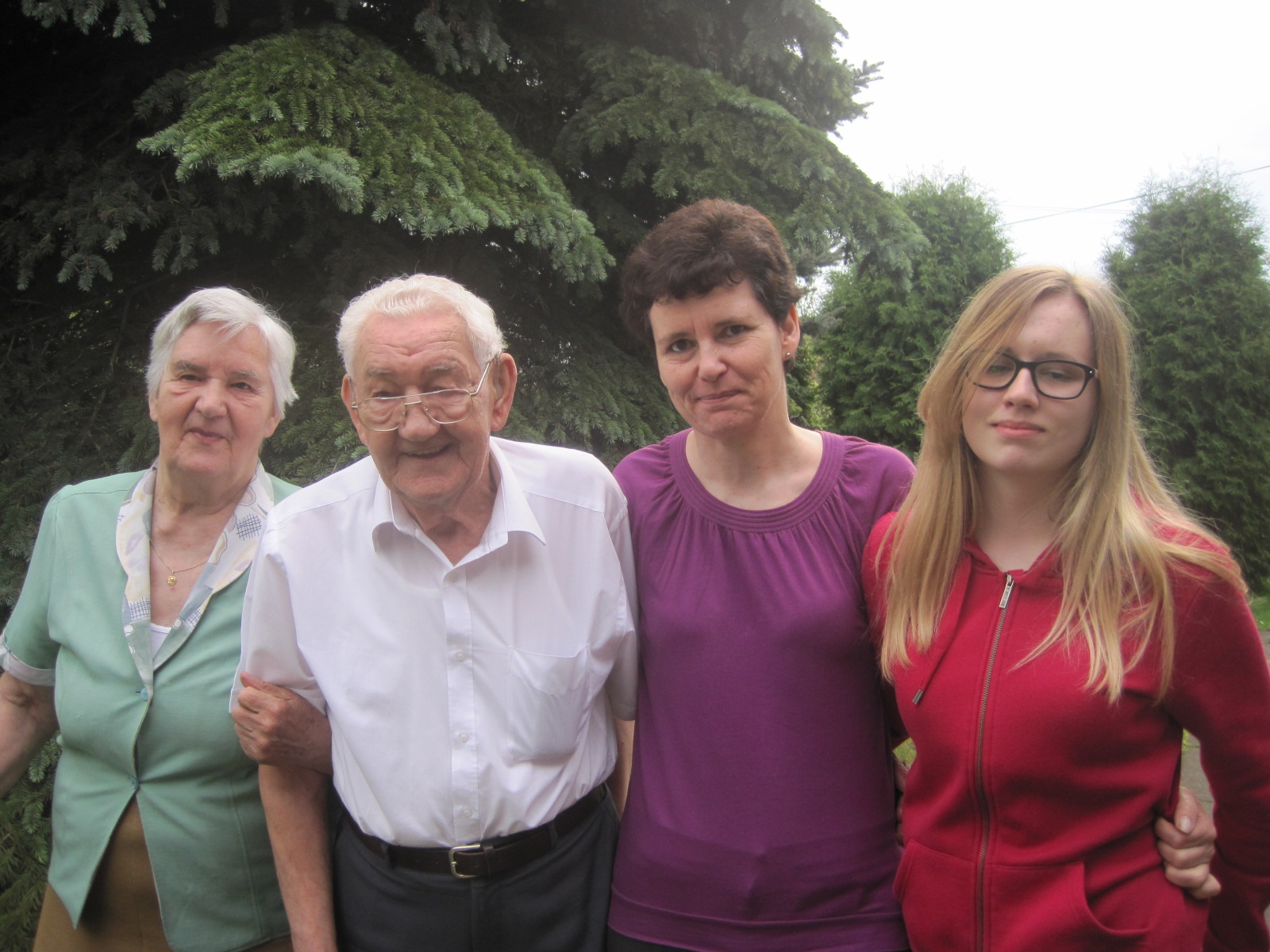
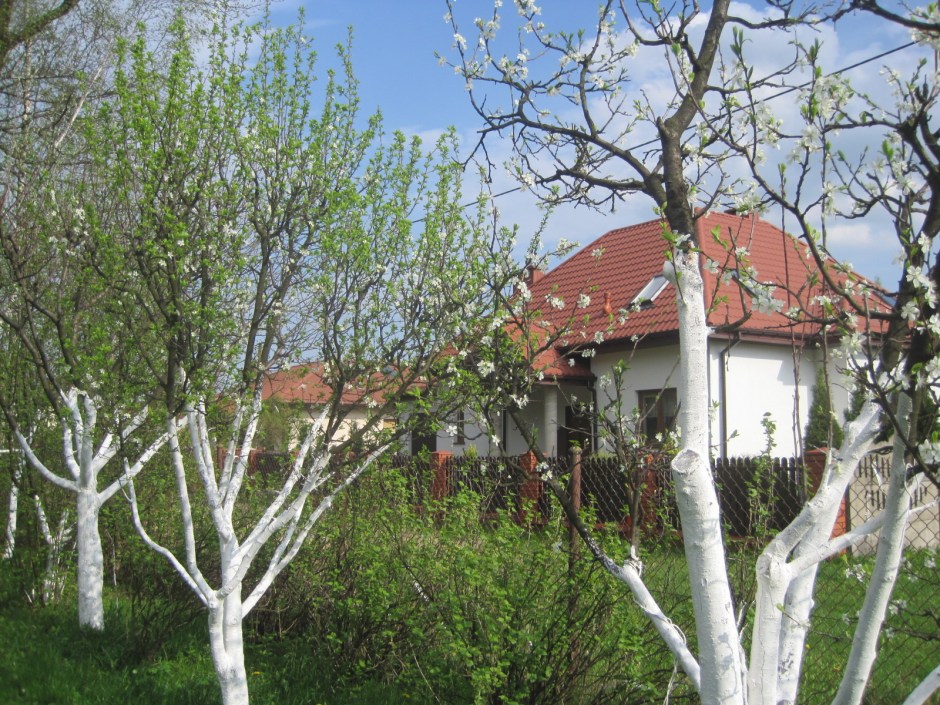
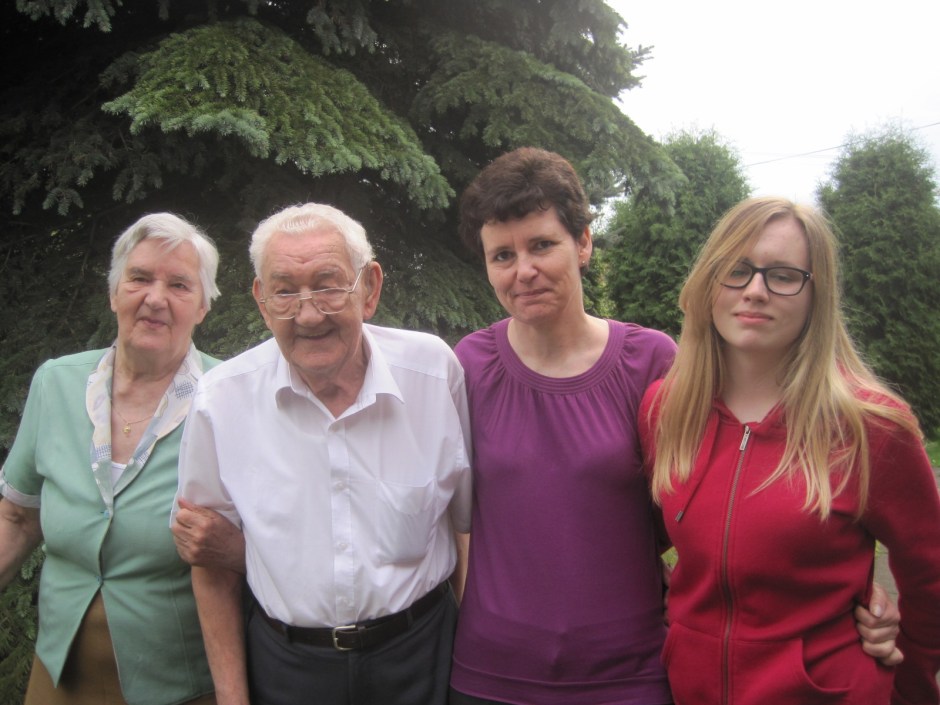
Most of my Polish family live in the neighbourhood of Bełchatów, about an hour south of Łódź.  As usual, when I was in Poland in May, I went to see my lovely Aunt Lusia in Zawady.  She is my Dad’s only surviving sister, and lives close to the farmstead where Dad grew up.  Her portion of land is a good size with a lovely pond and numerous fruit trees.  Lusia tended the huge vegetable plots herself when she was younger, but now much appreciates the help of her daughter Theresa, who lives with her.  Granddaughter Edyta completes the household (if you don’t count the rabbits, of which there are many!)
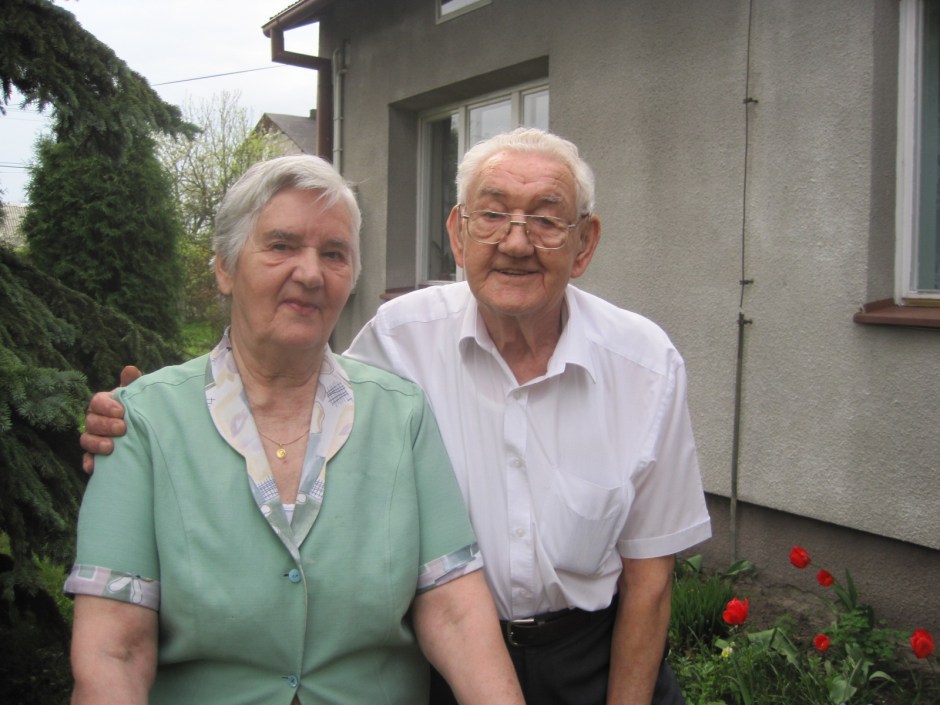
Lusia and Dad

Lusia and Dad

The pond at the bottom of the garden
The pond at the bottom of the garden

Fruit trees and the neighbours
Fruit trees and the neighbours

Lusia and Dad with Teresa and Edyta

Lusia and Dad with Theresa and Edyta

Most of the family have built houses on land from the original farm, and Lusia is now dividing hers to make life easier.  Her daughter Grażyna and son-in-law Marek live in a high rise flat in Bełchatów (I was there on my visit too!) and are now building a house next to Mum.  A widow for many years, I never met her husband  Zbigniew, but have seen photos of them as a happy young couple.  It will help Lusia to have family so close by.  A third daughter, Irena (who will feature in my letter “I”), also lives in Bełchatów.  One last little thing to share- Lusia’s given name is Otylia.  I’m not at all sure how Lusia comes from this, but that’s just how it is.

Just across the lane from Lusia is the home of Lodzia and her remaining unmarried family.  This is my Dad’s original home and was taken on by the oldest son Zygmunt, when their parents died.  Sadly Zygmunt himself died just months before the family reunion which brought Dad back to Poland.  He had tried so hard to find Dad, and maybe things would have gone differently if he had succeeded.

Lodzia has her sons Bolek and Piotrek helping on the substantial plot of land.  Dad remembers taking the cows to a stream when he was a small lad, but the cows are long gone (as is the stream, strangely enough).
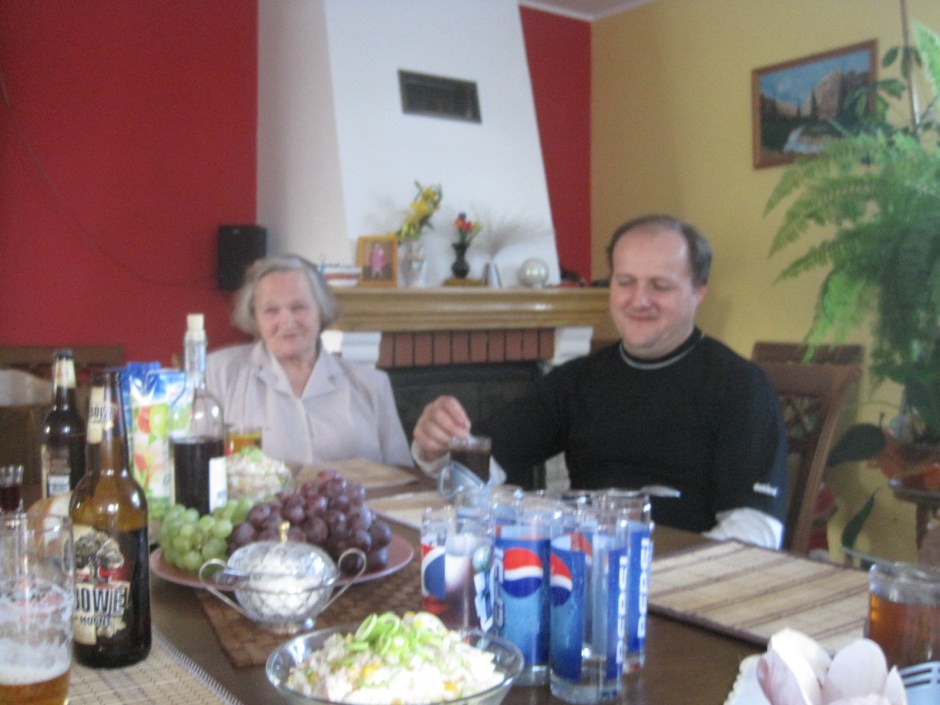
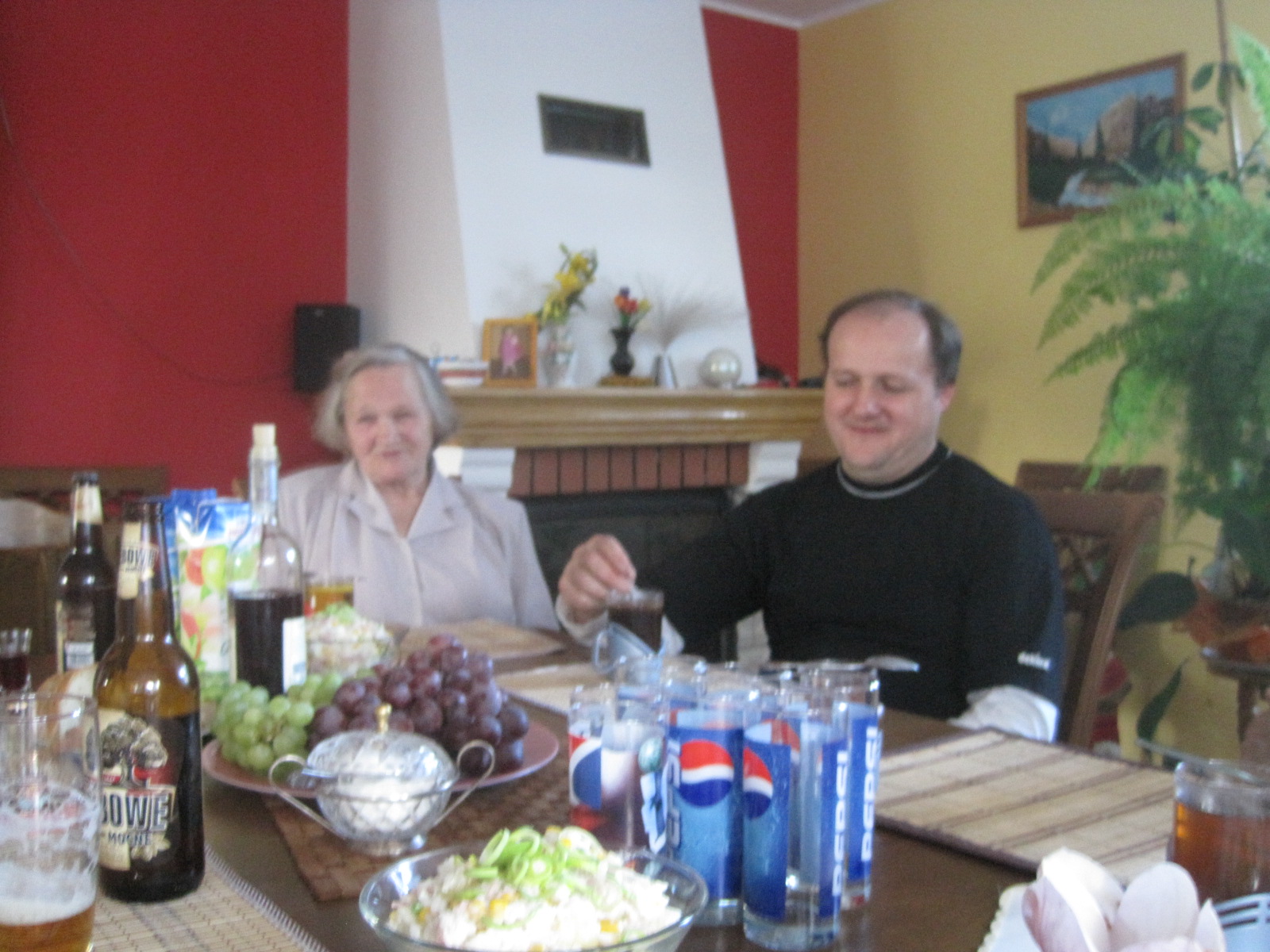
A slightly blurred photo of Lodzia and Bolek at Jadwiga's home

A slightly blurred photo of Lodzia and Bolek at Jadwiga’s home

You will have seen Lodzia on my blog before.  She is my lovely cousin Jadzia’s mum and we traditionally have supper at Jadwiga’s home, pictured above.  The farmhouse is now very run down and Lodzia does not have an easy life.  She also has the care of a blind son, Adam, who suffered the injury in an explosion many years ago.  Life is never all roses, is it?  My Polish family have had their share of tragedy, but they go on smiling and welcoming us each time.

 This post is part of my Personal A-Z of Poland, for which I owe thanks to Julie Dawn Fox.   I have put links to Wikipedia and my other posts for anyone who is interested.  The logo below will take you to Julie’s A-Z page, and I’m also linking to Frizz’s LLL-challenge, even though, as usual, I’m late!  MMM arrived this morning.

 banner4