#thursdaysspecial

A sad story?

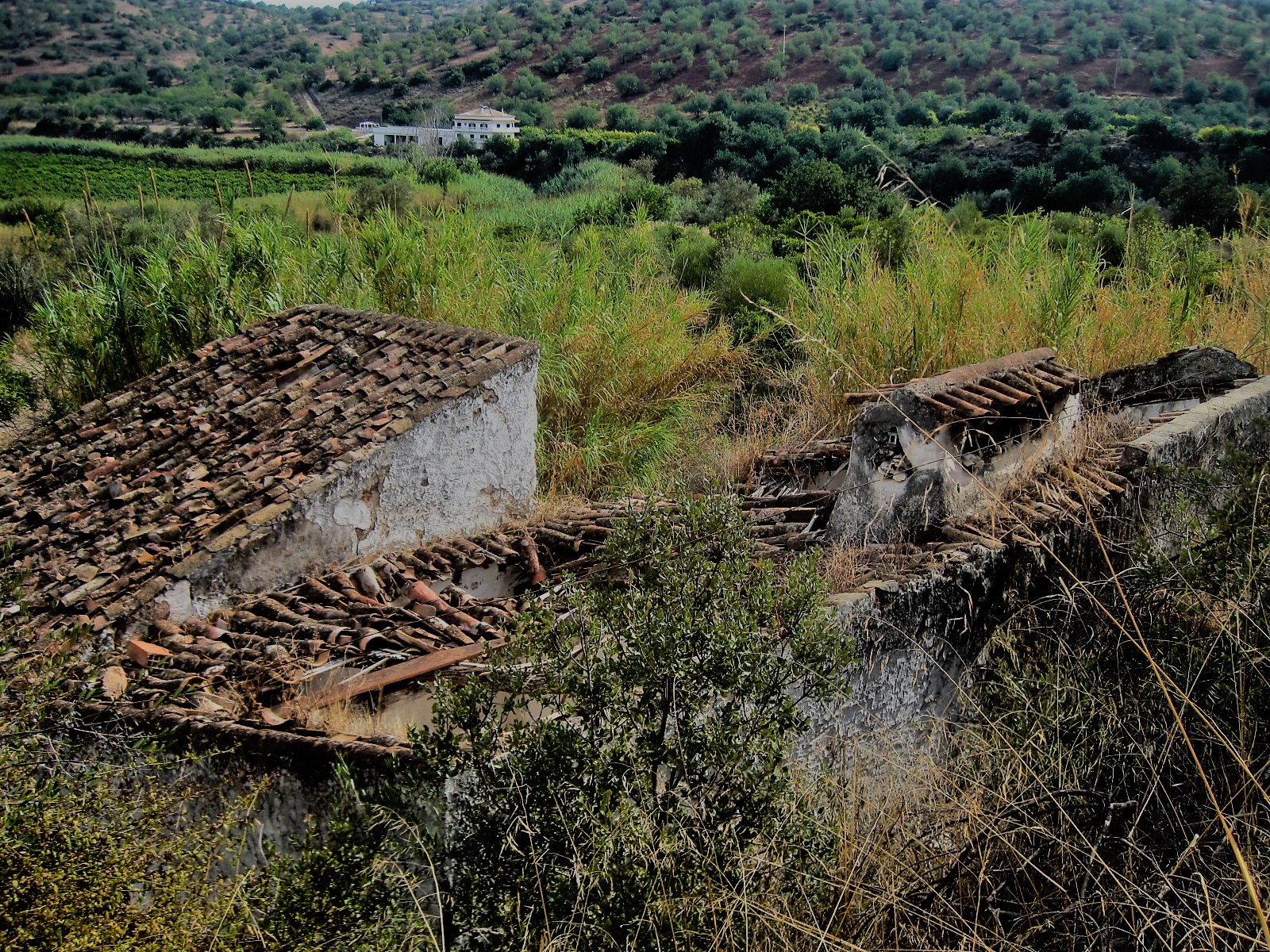
Up a flight of cobbled steps, on the corner of a tiny square, stands one of the most bedraggled, unloved houses in Tavira.  In a town where every other street has a ‘do-er upper’ – part of it’s charm – this one is nothing uncommon.  Often I look at a ruin and think, ‘that would make a great little home’, and pass right on by.  But this lost soul always stops me in my tracks.

I first saw it a dozen years ago, when I’d been puffing up and down hills, exploring Tavira’s delightful back streets.  It looked the perfect size.  And maybe I could have a tiny roof terrace where I could closet myself away, and peer down at the occasional passer by.  And then, one Christmas time, I saw the little square decked in all its finery.  What wonderful neighbours I could have!

But the years have rolled by, and I haven’t claimed it as mine.  Time hasn’t been kind and now I can see inside to the wooden ceiling.  Weeds sprout from the roof and gutters.  And still I’m tempted!  Why hasn’t it been snapped up?  Did I mention the steep, cobbled steps?  How would I ever get the shopping home as I get older and dothery?

It’s not as though there aren’t plenty of others to feel sorry for.  Spare a kind thought for these.

Why am I sharing these today?  Well, I thought I’d cheer up my old buddy, Sue.  She loves nothing more than a good ruin.  And Paula’s back with Pick a Word in another engaging Thursday’s Special.  I chose Remains and Non-Human to illustrate.

Forte de São Luís de Almádena

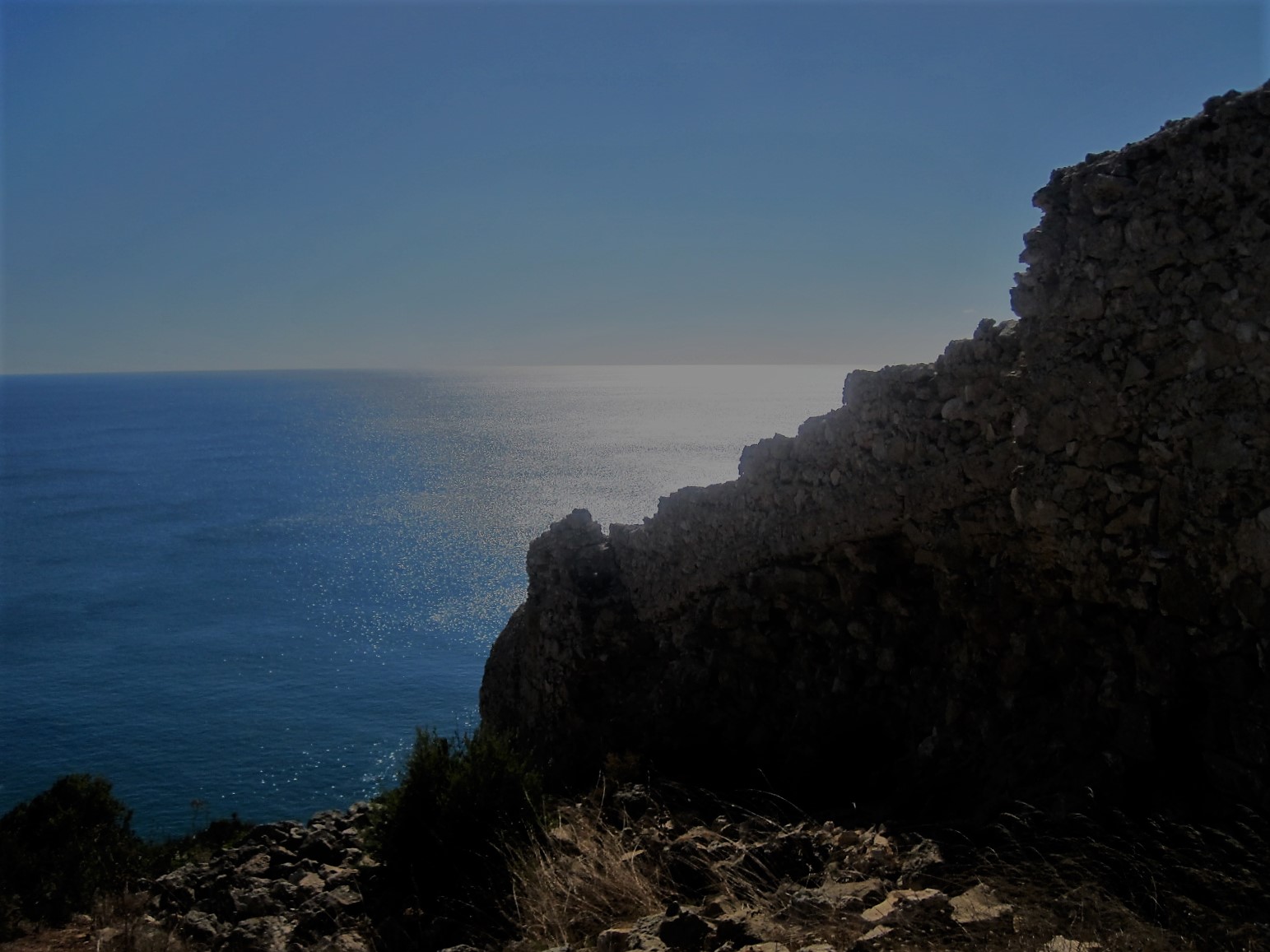
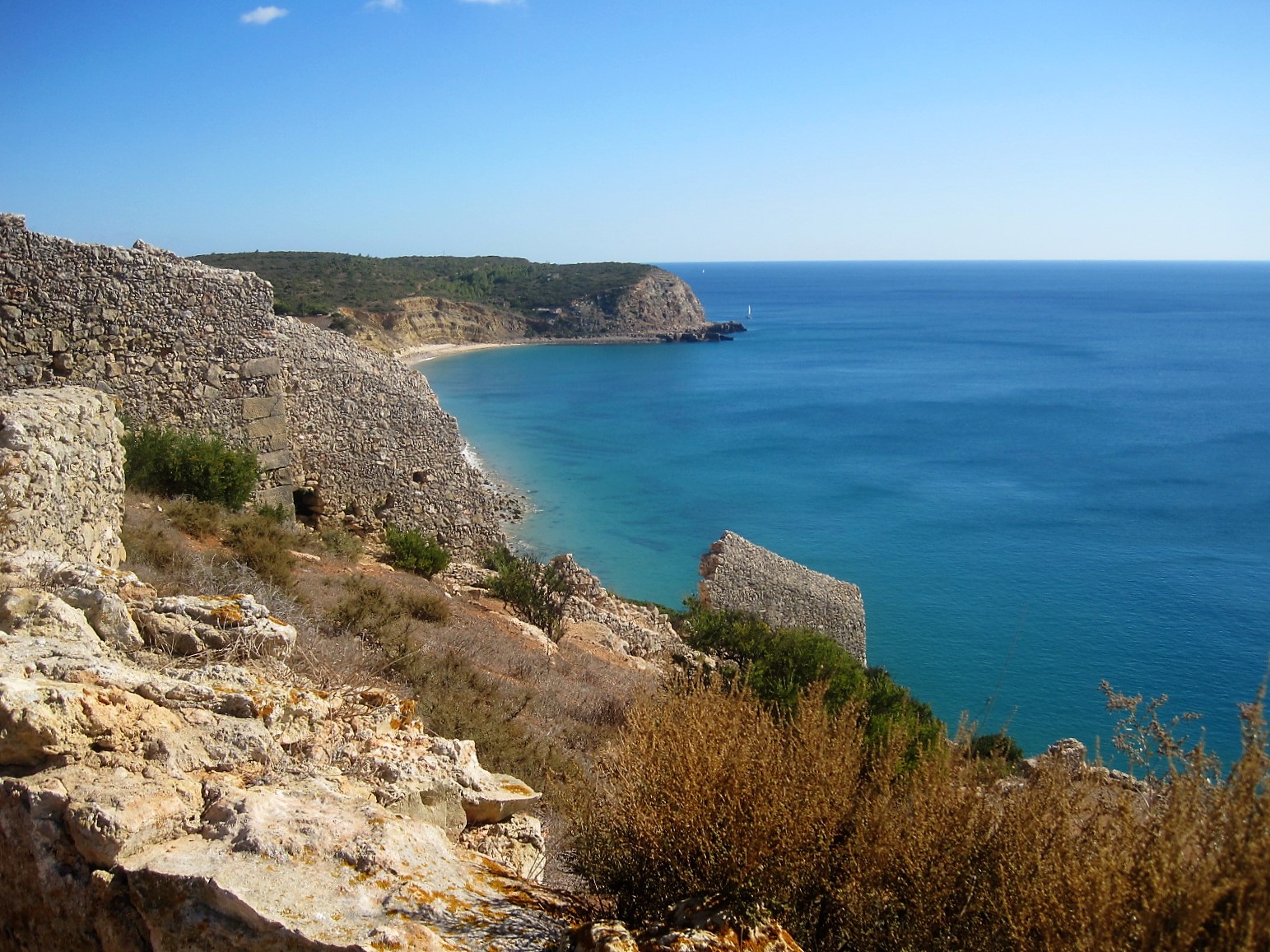
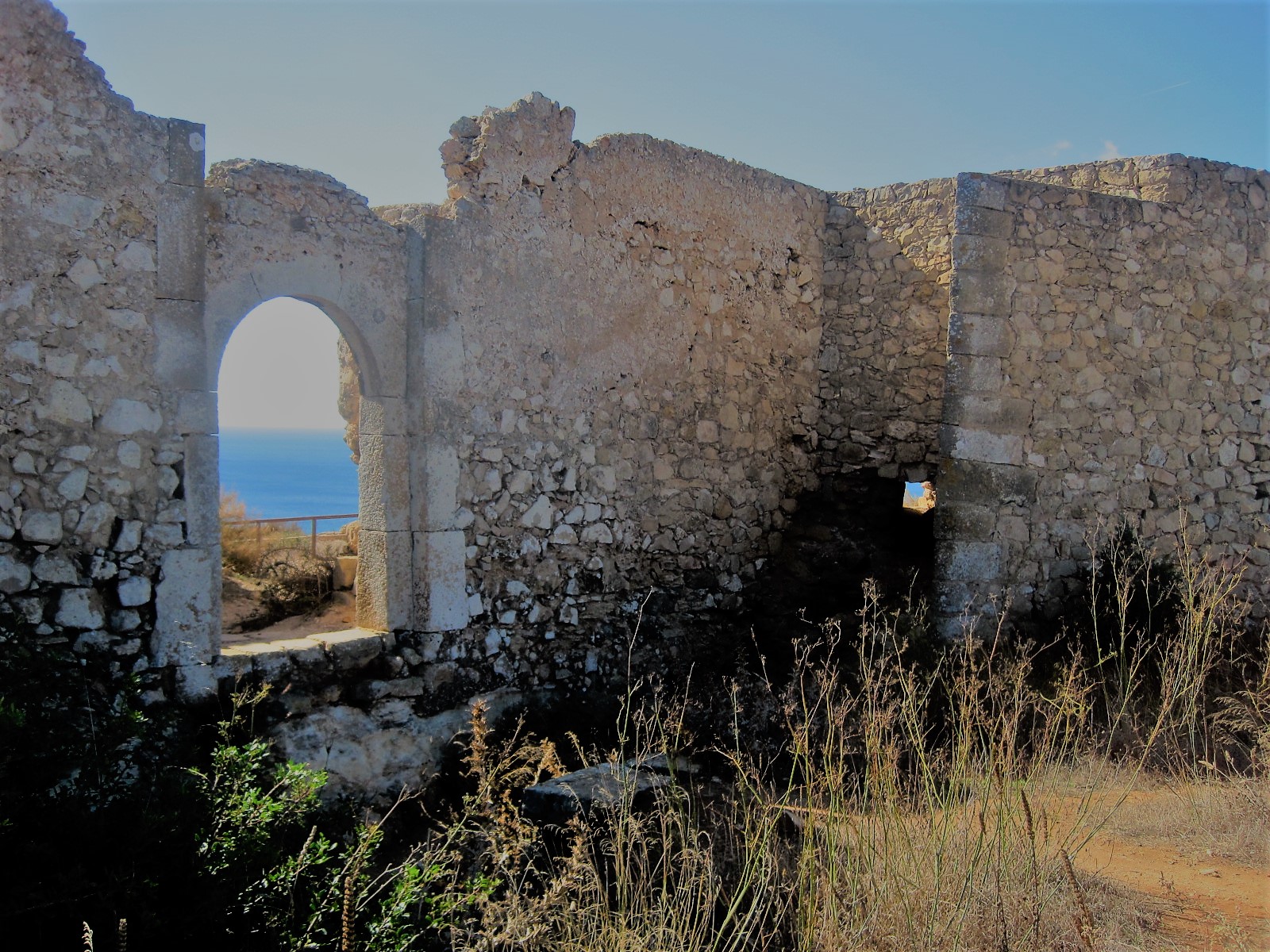
Forte de São Luís de Almádena sits on a rocky promontory, midway between the villages of Burgau and Saleema, in the western Algarve.  The fort was built in 1632, by order of King João III, in order to protect the local tuna fishing community from raids by corsairs and pirates.  It was finally abandoned in 1849, after sustaining considerable damage in the earthquake of 1755.  The ruins include 2 ramparts, a moat, gates and a barracks.

I considered myself very fortunate to discover these ruins.  We’d been strolling on the golden beach at Burgau, and as we left the village a sign pointed along the coast towards them.  A slight change of plan and 5 minutes later we were there.  In golden silence we surveyed the coast in all directions.  As I shielded my eyes from the glare of the sun, I was sure I spotted the masts of a pirate ship.

You’ll realise, of course, that it’s a Thursday and we’re all waiting for Paula to come back and be Special, as she always is.

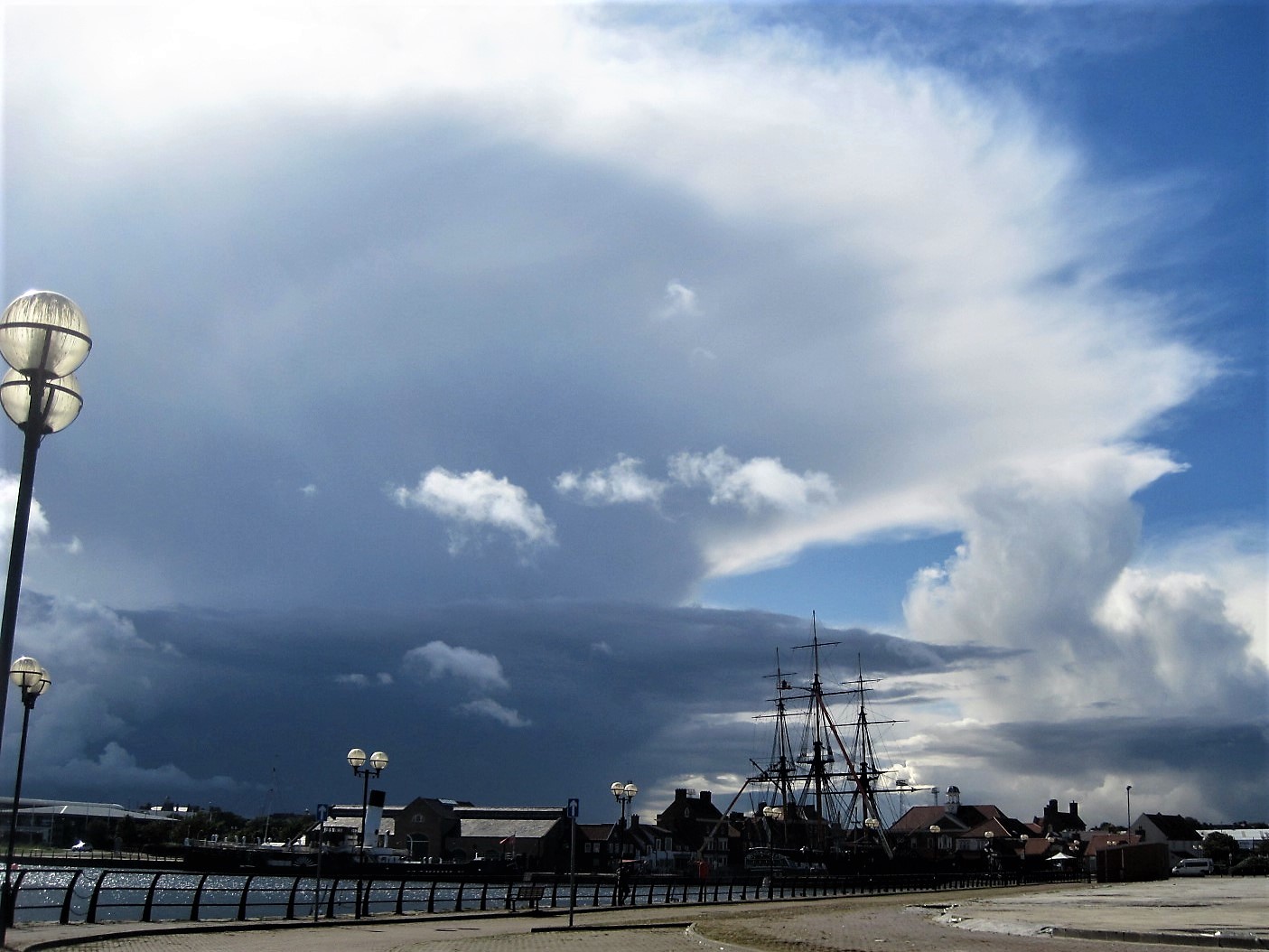
Past meets present in Hartlepool

It’s all a matter of perspective, isn’t it?  Once Hartlepool had thriving docklands where we’re standing now.  In 1913 alone over 1 million tons of timber and iron-ore were imported, and 2.5 million tons of coal and coke from the Durham pits left these docks.  World War II brought change, as well as bombardment, but the town picked itself up and looked for new industries to replace the old.

In the 1990s a marina brought a new lease of life to the town.  Old shipbuilding skills had not been lost and HMS Trincomalee was restored locally, soon to be joined by the paddlesteamer PSS Wingfield Castle.  Both now form part of Hartlepool’s Maritime Experience museum.  But what of the surrounds?  There we have an issue or two with our local council.  Jackson’s Landing was an attractive looking shopping complex, whose cafe enjoyed some of the best views in Hartlepool. Today it has been razed to the ground, after standing empty for countless years.  The seagulls now enjoy the forlorn open space.

But it’s not all bad, as you can see.  Great skies!  And Thursday’s Special has me back in our marina again, thanks to Paula.

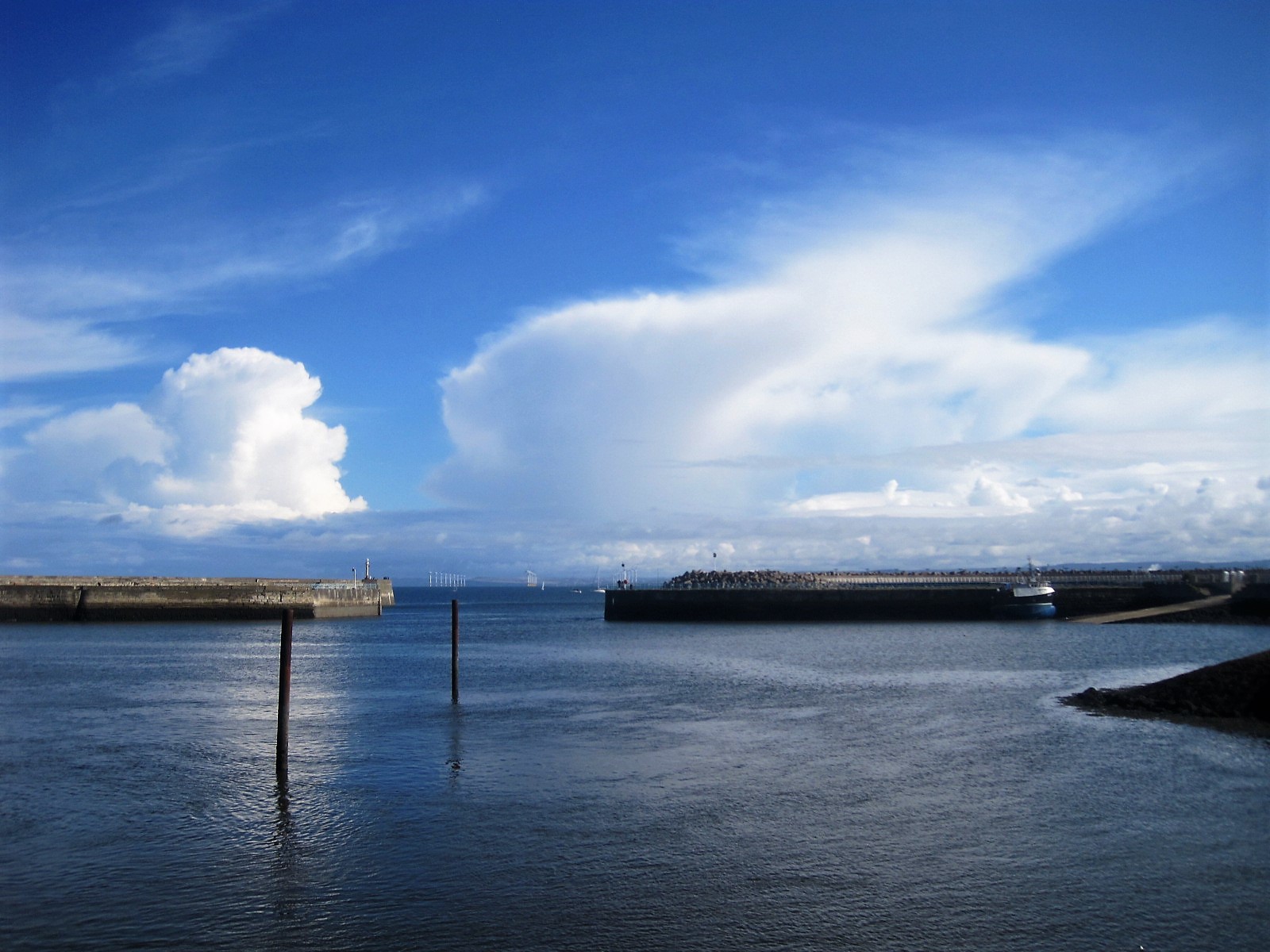
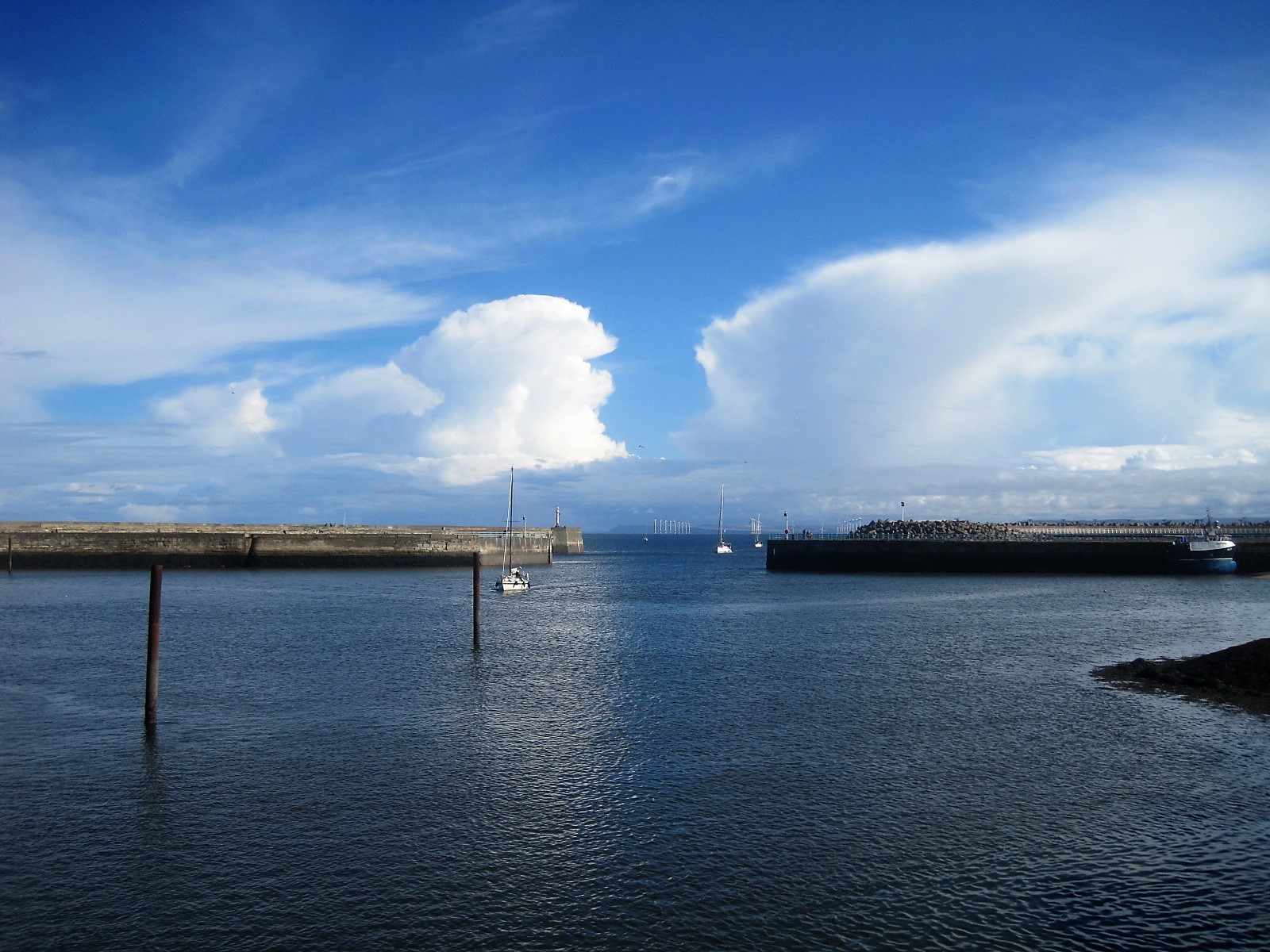
Still waters

Run deep, don’t they say?  Last Thursday I had you standing by the lock gates, in Hartlepool marina.  I was playing along with Paula, which I like to do.  By one of those strange serendipities of life, three days later found me back at the harbourside.  As you can see, it was an altogether different sort of day.  I sauntered around the marina, camera doing all the work.

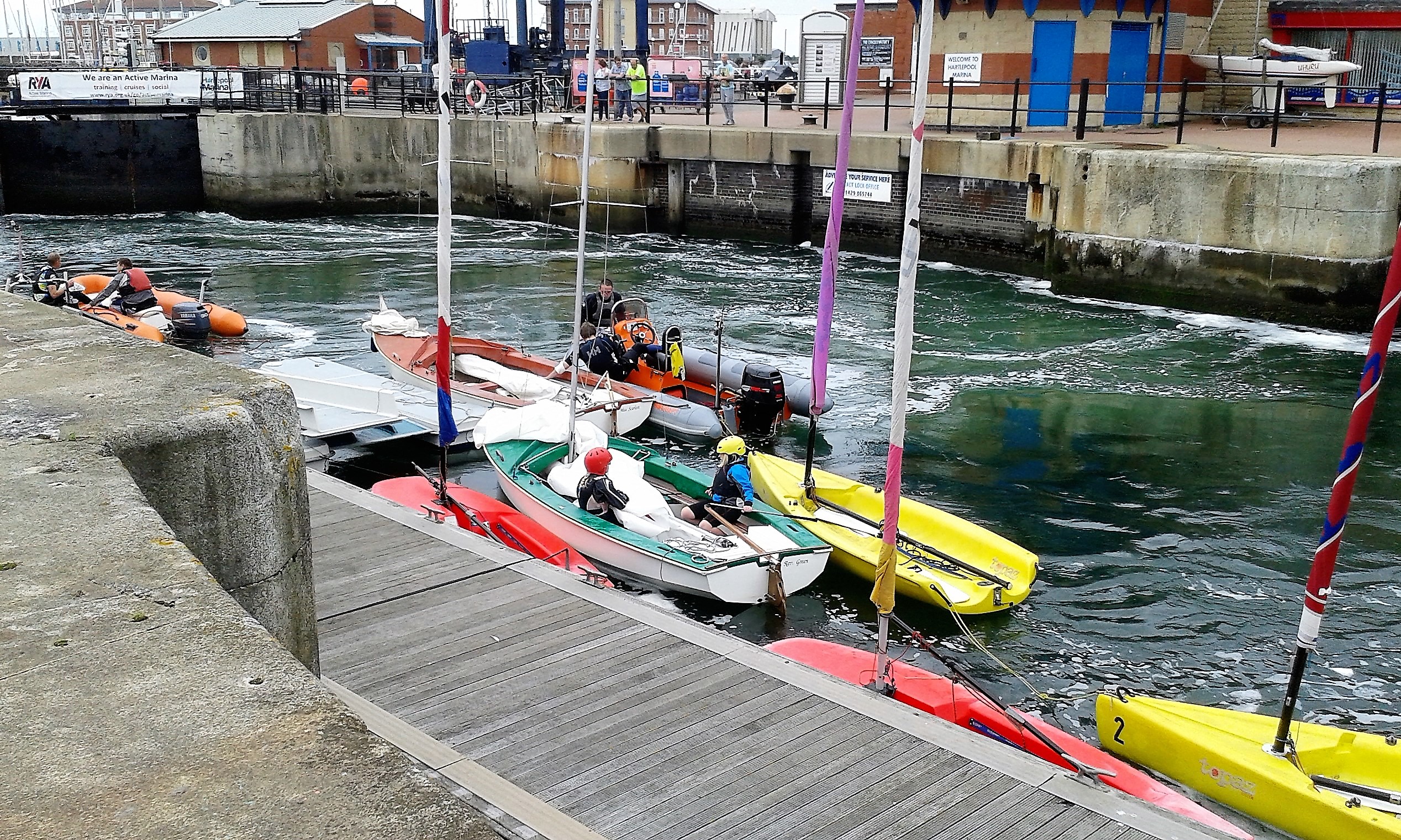
As I approached the lock gates the alarm began to sound.  One gate was closing and the outer gate opening, to admit incoming vessels.  It’s always a captivating sight to me, and I walked out to a good vantage point.  As I watched, a procession of boats lined up before me.

Isn’t the sky a magnificent canvas?  As the boats passed beneath me, I could almost reach down and ‘high five’ them.  Well, almost!

How do you decide what to post next?  Are you driven by the numerous challenges?  I try not to be.  I would far rather post what’s in my heart.  All the better if it’s something uplifting.  There are plenty of sad days, aren’t there?  I’m not joining Thursday’s Special this week, but it still is.

Along the Quayside

Funny what you can find when you dig about a bit.  Trying to reduce my oceans of photo files, I opened up a folder downloaded from my phone. Many of the photos have been retained out of sentiment.  I remember wandering in our marina one late afternoon, as the light lingered on the water.  No other camera to hand, I took the first group.

The lock gates often have their admirers, especially if there’s a huddle of canoeists passing through.  Yet again I must have been caught napping, without camera.  It’s a while since I went down to the Quayside.  I think these are custom made for this week’s Thursday’s Special.


A window on Shropshire

Windows are delightful things and I have to confess to collecting more than my fair share on my travels.  Looking out or looking in, I’m equally happy.  You never know what you might find, do you?

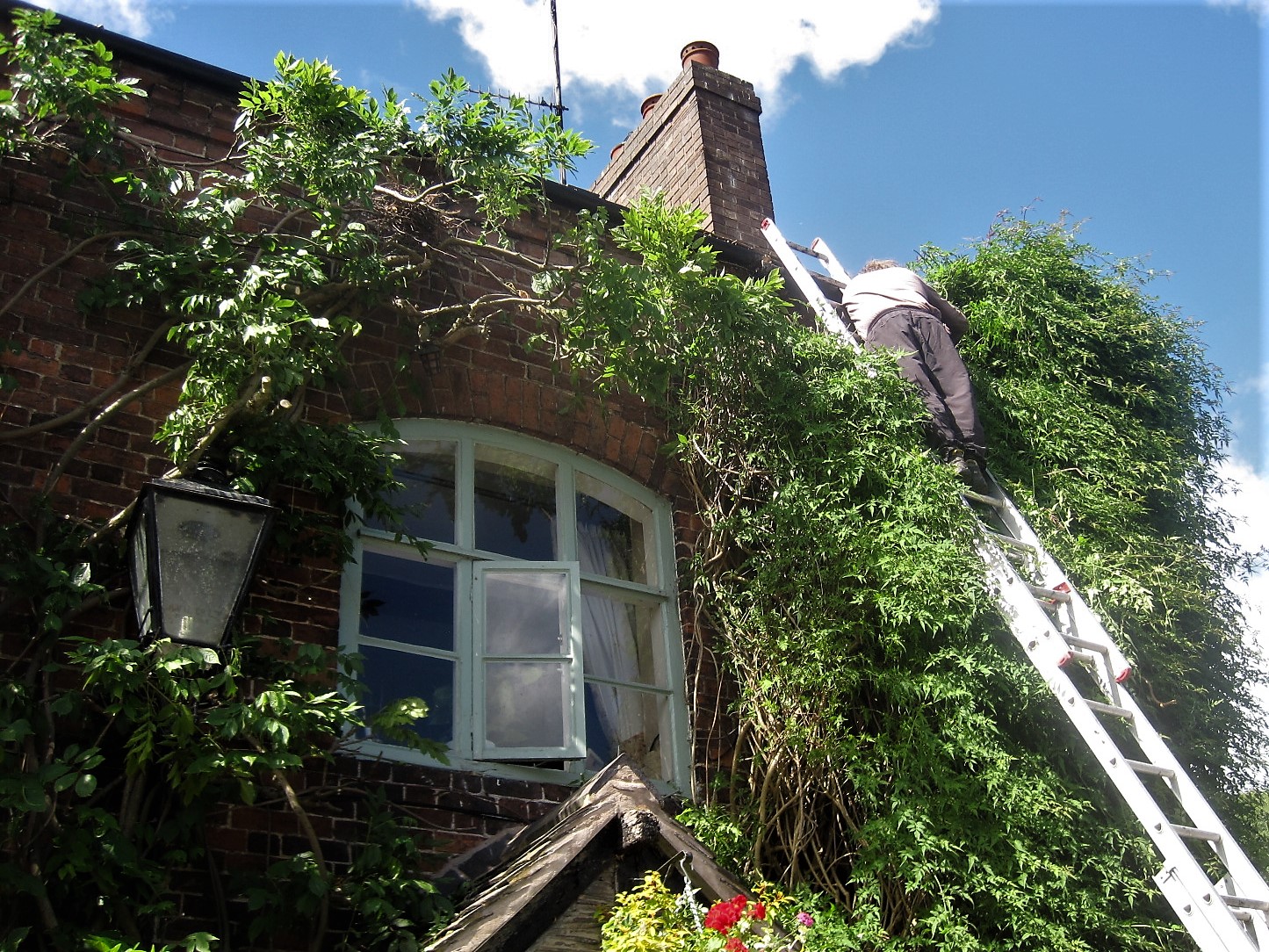
On my visit to Shropshire this week I stayed in a wonderful old Arts and Crafts property, Arden House, in Church Stretton.  Looking out of the windows I could hardly wait to get started on another adventure.

It has the nicest of country pubs, even if a malevolent wasp might be hiding beneath the plate, ready to pounce.  What’s this chap doing up there, you might wonder? Trimming back the wisteria, I believe, in rather precarious fashion.

I don’t mind scaling the heights now and again myself, in search of a good view. Stokesay Castle was a prime example.

There will be more, of course, but for now let me reassure you that the swelling from the sting has stopped.  I hope to have matching hands again in the near future.  Meantime you are free to go and look at Paula’s unusual Windows, because Thursday’s Special.  And maybe spare a thought for Dawn?  I haven’t lingered at her monthly challenge in the longest time.

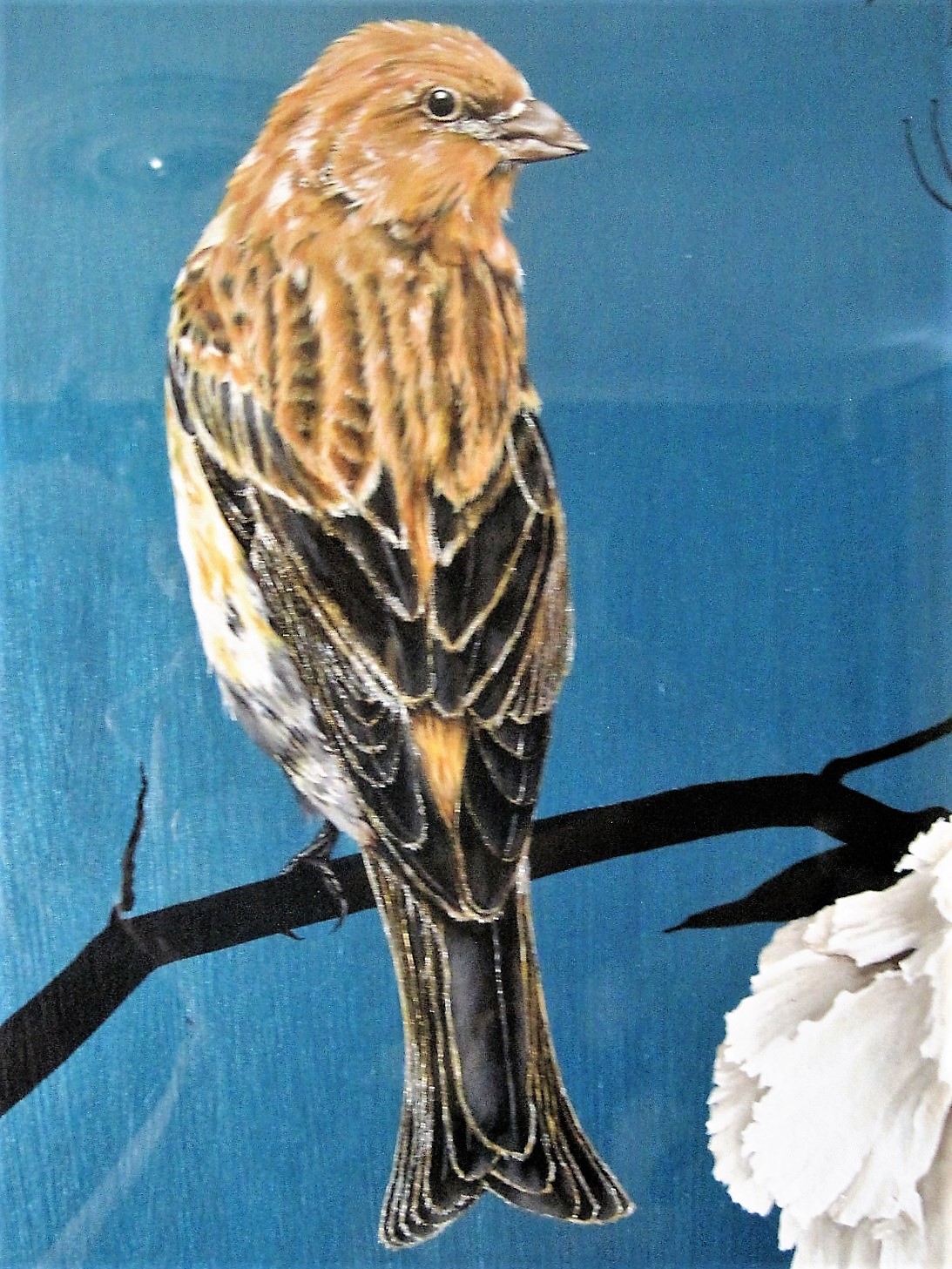
Goldfinch


I spy, with my eye,

A goldfinch, sweetly gilded.

Pure labour of love

Hand-painted, on my daughter’s living room wall.  He seems to be looking Over his shoulder, rather wisely, I think.  Join Paula in this week’s Thursday’s Special for a totally incredible look at the moon.

Vision of loveliness

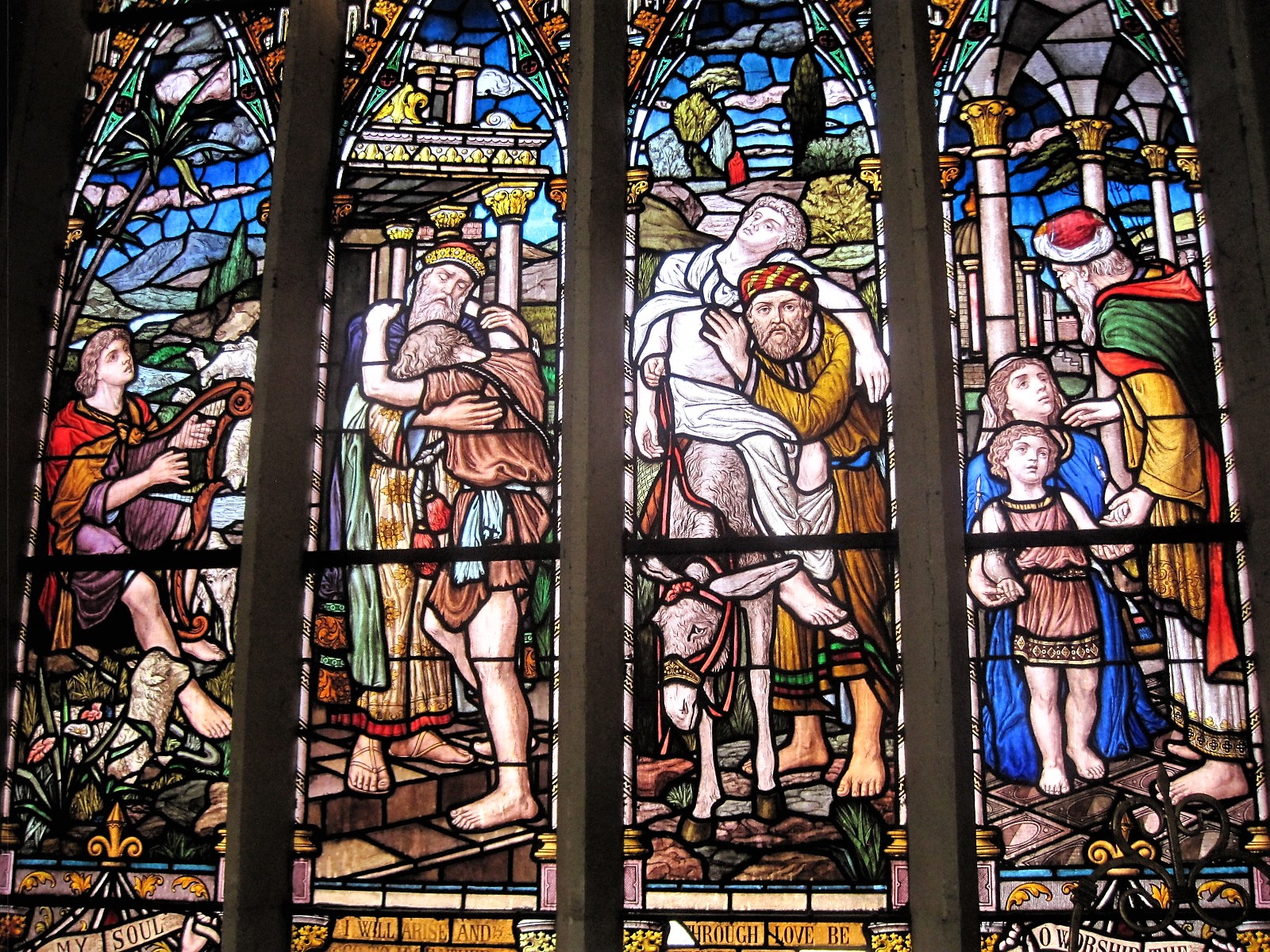
Where better to have a vision than in a church?  But this is no ordinary church.  The Pitcher and Piano in Nottingham is a deconsecrated Unitarian church, saved from dereliction in a rather spectacular fashion.

Meeting me from my bus journey on a balmy afternoon, my daughter proposed a refreshing drink.  To me, she was a vision of loveliness.  You could say that for our surroundings too.

Last week I was too excited at meeting my daughter to settle to a Thursday’s Special.  This week I’m home again, and able to share some of the magic.  The little girl in Paula’s Vision is beautiful too.

Looking east in the Algarve

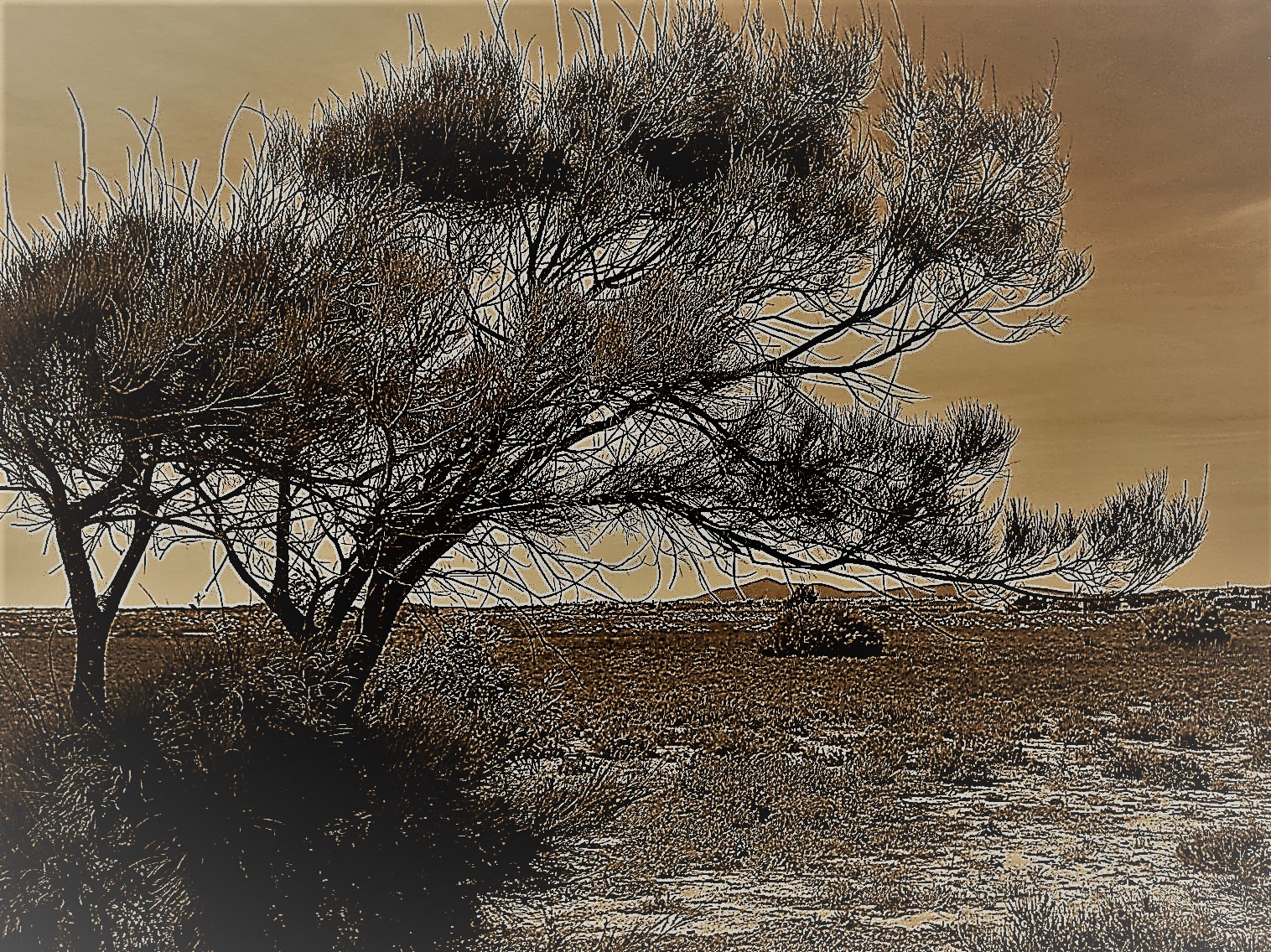
Branching wistfully

eastwards.  Tortured by the breeze.

Always in motion

I did say I was leaving my Algarve behind, but you can probably see why it’s hard to do so.  For Paula’s Pick a word in June  I am illustrating Branching and Continual.  For Gilly, a little haiku, because I miss her.  Thursday’s Special, isn’t it?

The Spectacle of the Roman Baths

It’s the strangest feeling to be surrounded by senators and looking down on Roman baths, and probably the only time I’ll be in the company of Julius Caesar, Hadrian and Constantine the Great, simultaneously.

Aquae Sulis was the Roman name for Bath, named for the waters of the goddess Sulis.  This natural phenomenon has caused 240,000 gallons of hot water, at 46C, to rise on this spot daily for thousands of years.  Spa water has been used for curative purposes for 2,000 years, originally involving bathing, and then in the form of drinking water from the late 17th century. This Walkthrough will take you step by step through the complex.

The Roman Baths are below modern street level and comprise the Sacred Spring, Roman Temple and Bath House, with finds from the baths carefully preserved and displayed in the museum.  After the ‘Friends, Romans, countrymen…’ moment on the imposing terrace you descend stairs to the interior, glimpsing the Sacred Spring through glass windows.

The Romans identified Sulis with their goddess Minerva.  It is likely that her gilt bronze statue would have stood within her temple, beside the Sacred Spring, and may well date back to the first century AD.  Gilt bronze sculptures are very rare finds in Roman Britain.  This head has six layers of gilding, two by a process known as fire gilding and the later four applied as gold leaf.

The Temple pediment and Gorgon’s Head is likely to date from the same period.  It would have been supported by four large, fluted columns. Another fascinating detail of Roman life are the 130 curse tablets, which would have been rolled up and thrown into the Spring.  They were petitioning the goddess for justice or revenge for petty crimes, including theft of their possessions from the baths.

Every effort has been made to turn the Roman Baths into a Spectacle .  Animated projections bring to life the cold plunge pool and the heated rooms.  Evidence of the hypocaust system the Romans used is clearly visible in this amazing subterranean world.

The spa waters contain 43 minerals, and are said to have a distinctive taste.  You can sample them from a fountain in the west baths, or from the Georgian Pump House, next door.

Pop over and see Debbie’s extraordinary owl, and don’t forget that Thursday’s Special.  This week Paula weaves her magic on Venice.