azulejos

Jo’s Monday walk : In search of Tiles

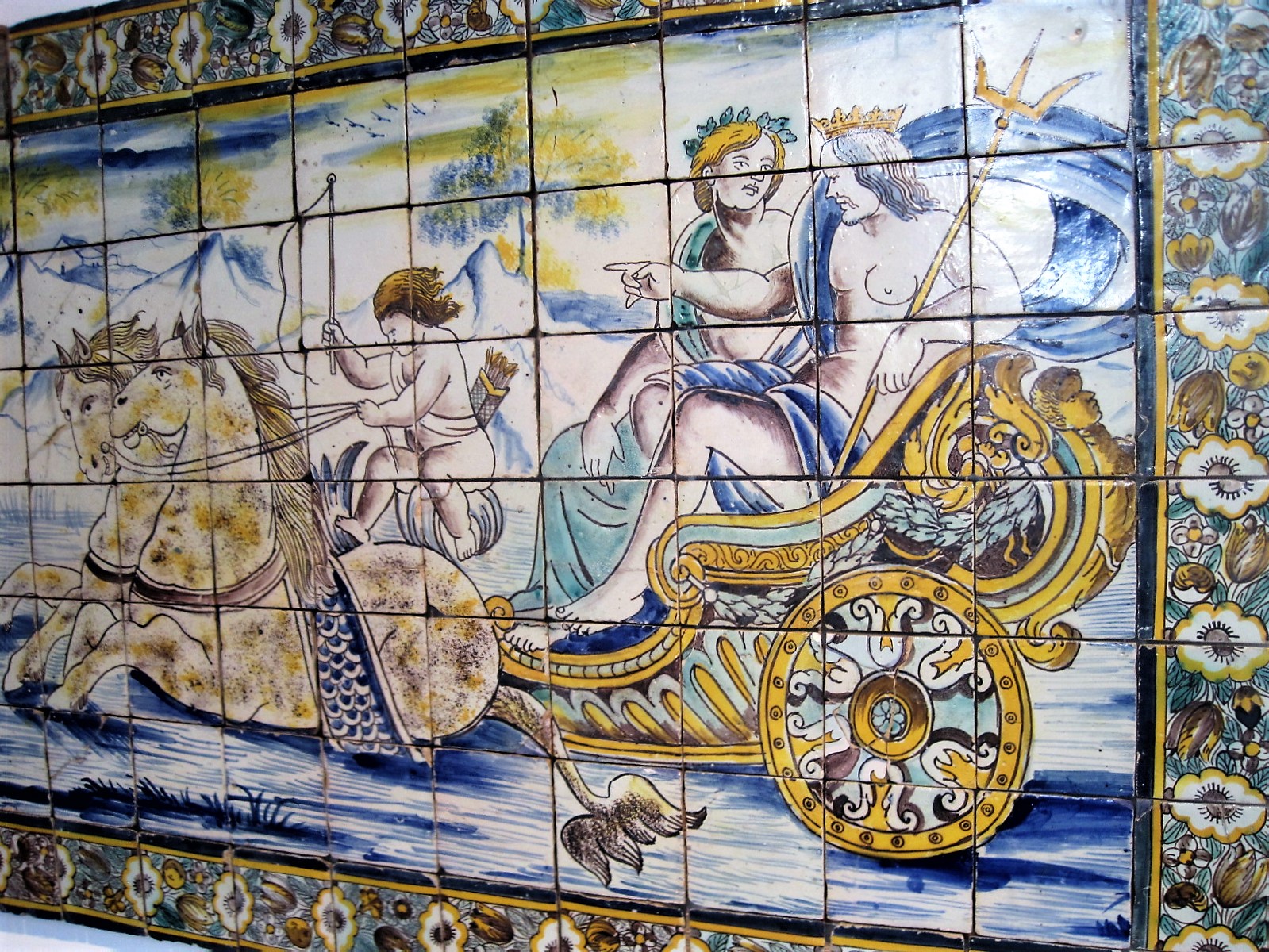
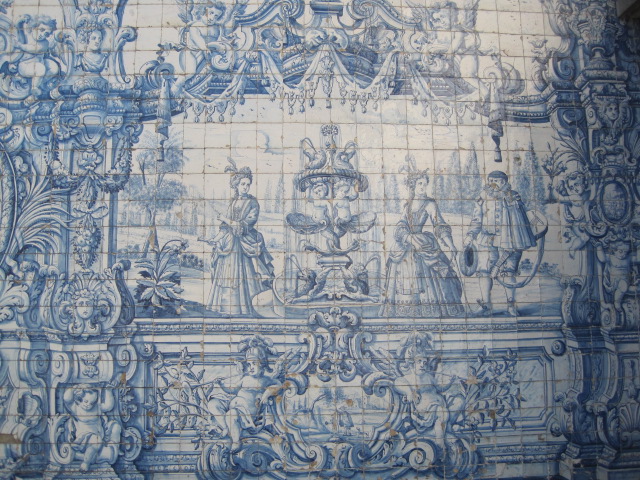
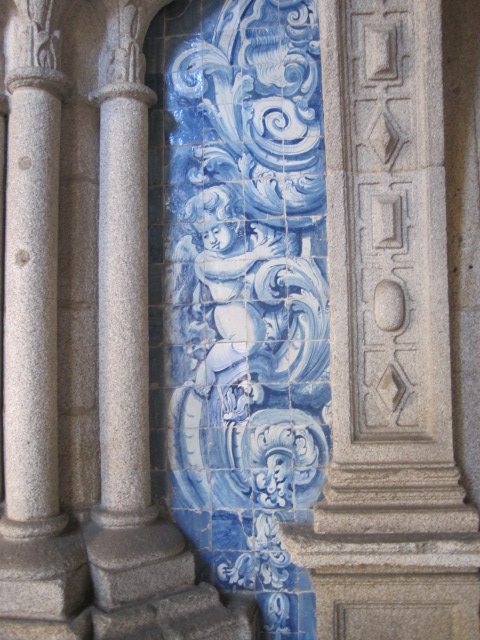
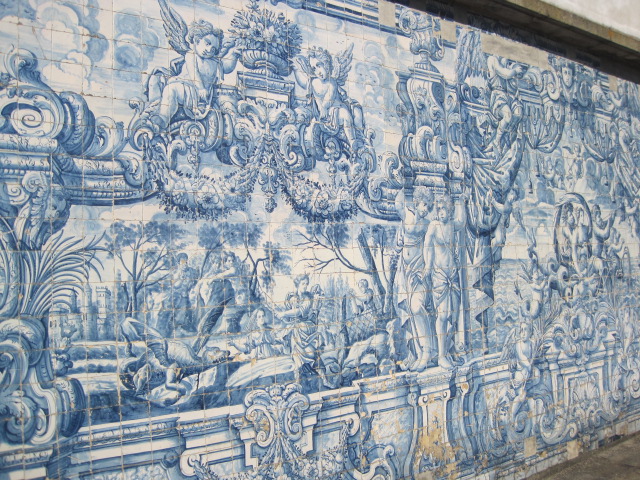
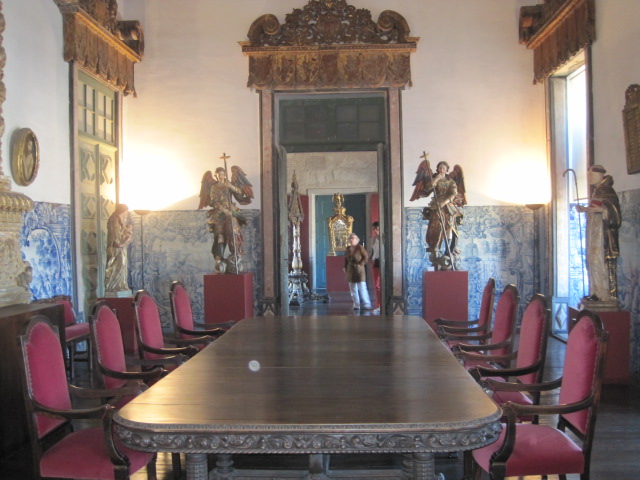
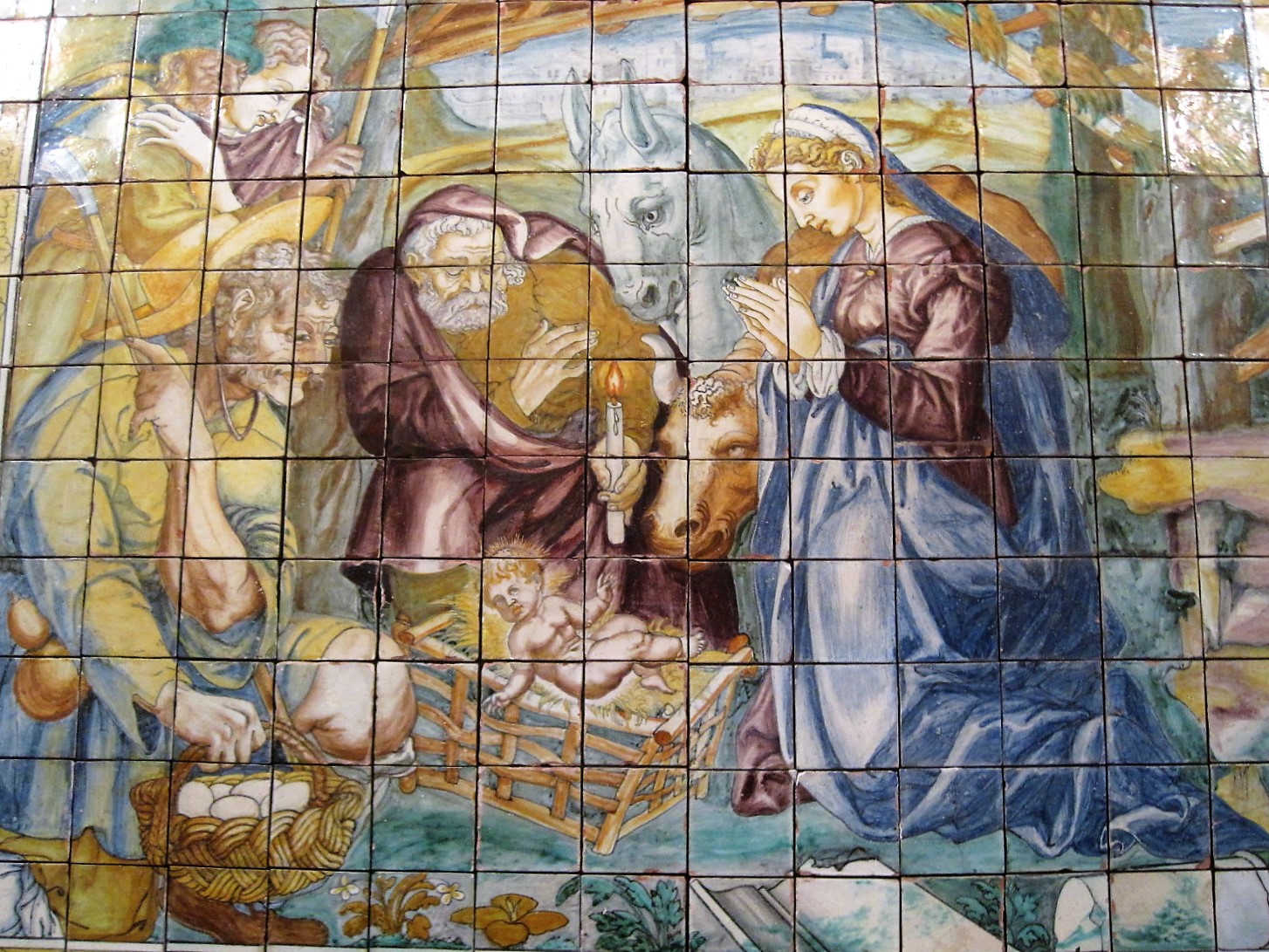
There were two main reasons for my visit to Lisbon last October.  I’ve already shared with you the first- the Jerónimos Monastery.  This is the second- the Museu Nacional do Azulejo.  It’s not normally recommended to walk there, but it’s not a great distance, and there’s a very nice restaurant when you arrive.  So, why not?

My start point was Praça do Comércio, always an interesting space, where Lisbon fronts the water.  Some people can sleep anywhere, can’t they?

I even found a tiny strip of beach, but let’s not get distracted.  The road threads along the riverfront, beneath Alfama.  Roadworks were a bit of a nuisance, as was a chap on a bench, who misdirected us for the price of a euro.  That’s cities for you!  I had it in my head that along the way I might stop off at São Vicente de Fora, for the cloisters, a coffee, and a view.  Don’t try it on foot!  A tuk-tuk ride would be a much better idea.

Google Maps showed that it was only 1.2 miles from the Praça to the museum, but I found myself hugging shade as it was remarkably warm for late October.  Interesting rather than scenic is how I would describe the route, as we passed the cruise terminal and then Santa Apolónia railroad station.  At a bridge spanning railway and docks, a tourist bus sped past.  And then, amazingly, there it was!

What a wonderful use for an old monastery.  Tile lovers, you are in for a treat!  The convent of Madre de Deus was founded in 1509 by Queen Leonor.  Over time, many azulejo panels were stored there, and in 1957 it was decided to have an exhibition commemorating 500 years after Leonor’s birth.  The Calouste Gulbenkian Foundation undertook the restoration work needed.  When the exhibition ended, in Jauary 1958, a wealth of tiles were available and it was proposed to transfer the Ceramic Section of Lisbon’s Museu Nacional de Arte Antiga to the building.  It was finally opened to the public as a museum in the 1970s.

First things first!  It was into the restaurant for some recovery time with delicious salads, in a prettily tiled setting, or a leafy outdoor courtyard if you preferred.  Fully fortified, it was time to tackle three floors of azulejos.

The museum surrounds the courtyard and cloisters, and has an incredible collection of azulejos, dating from 16th century to present day.

The magnificently restored church is incorporated into the museum.  You will be advised not to miss it and I could easily see why.  The decor includes rich, gilded woodwork, fine paintings and, of course, azulejo panels.

Time to climb to the next level.  There are interesting distractions along the way, but if you really can’t manage it then there’s a lift.

The azulejos change style and era on the next floor.  I tried to keep track of the accompanying details but it was too difficult.  Much easier to simply admire.  The museum website has an App to help you identify the pieces.

One of the most thrilling aspects of my visit to the Jerónimos Monastery was the moment when I stepped through a doorway to find myself looking down into the body of the church.  The same thing happens with Madre de Deus on the second level of the museum. I love the feeling of omniscience.  A seat in the Gods.

There is just one more level.  The exhibition culminates, at the top of the building, with an amazing 40 metre panorama of Lisbon, dating from 1730.  I have to admit, my eyes were starting to glaze over by the time I’d looked my fill.

The good news is that you don’t have to walk all the way back to the centre.  There’s a bus stop directly outside the museum and in 10 minutes you can be whizzed back to Rossio, and a different world.

Thanks for your company again this week.  It’s much appreciated.  I hope you can join me with a walk of your own soon.  Details are on my Jo’s Monday walk page.  Meantime please do enjoy these :

……………………………………………………………………………

Powder white, fresh snow makes for the most beautiful scenery.  Thanks, Drake!

The white track

I think Pauline might be grateful for a handful or two :

Hiding from the heat in the gallery

Becky will be enjoying this in a week or so’s time :

Another glimpse of the Guadiana

You could get the impression that Jackie doesn’t do anything but eat!

Cold Turkey

And Woolly?  He’s visiting War Graves again :

Jo’s-Monday-Walk-Wk48_Prowse-Point

An old friend takes us on a hike, California style.  Thanks, Kongo!

March to the Sea

Ending with something simply splendiferous!  Don’t miss this from Jude :

Heligan by Night

Whatever the week has in store, I hope you enjoy it.  I’m off out with my English walking group today.  See you soon!
 

Jo’s Monday walk : Loitering in LOULÉ

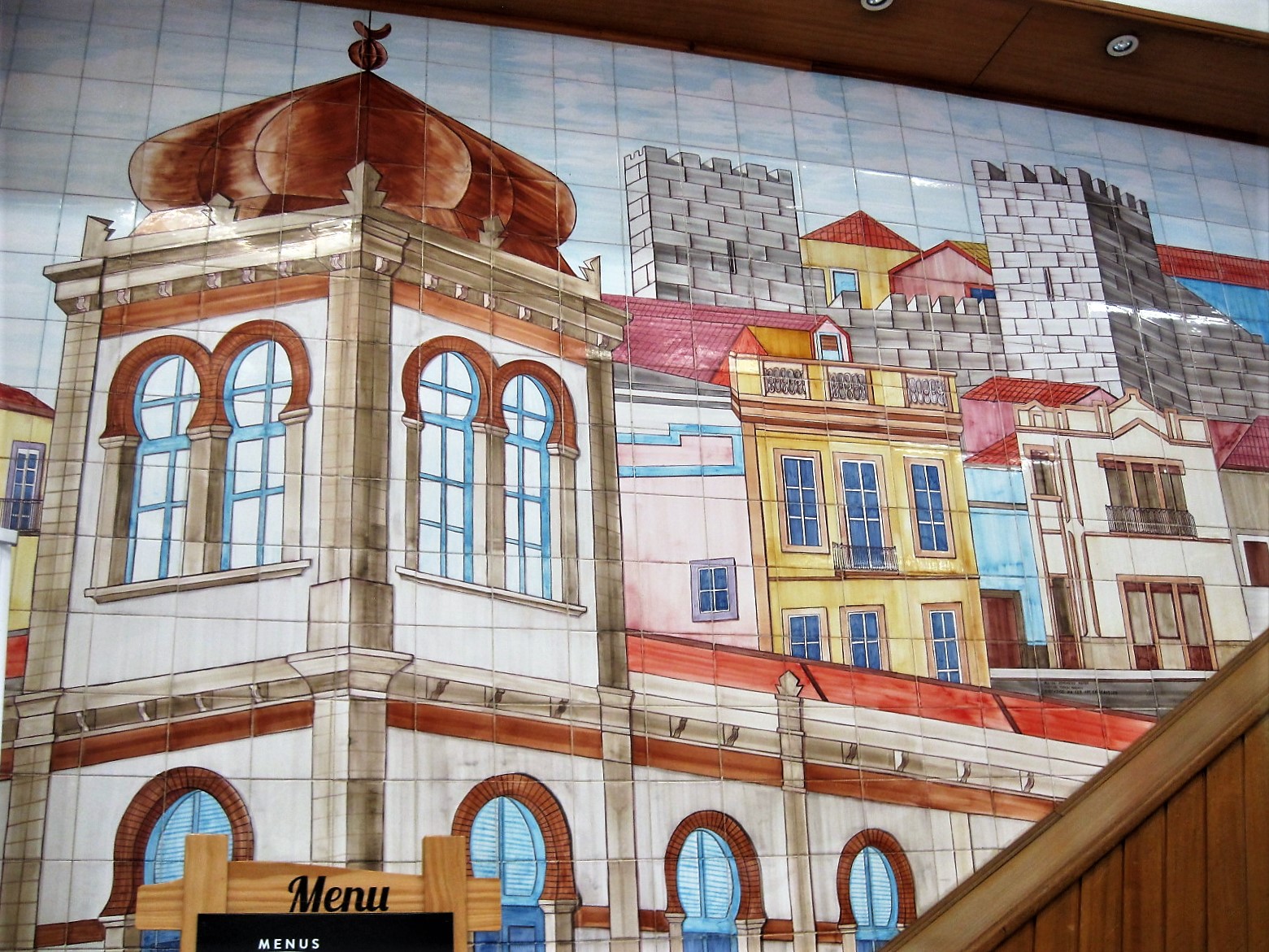
I always try for variety in my walks.  Sometimes I have to look back to see where I’ve taken you, as was the case with Loulé .  The attractive tile panel of the Arab market, shown above, was hidden away in a Pingo Doce supermarket. (I was looking for a birthday cake at the time, strangely enough)  Loulé is one of those places you can go when the Algarve weather is not all that you might have hoped for. (yes, it happens!  Though not often, in my experience.)  There’s always something of interest to see and do there.

Despite the urban sprawl, it has a rather elegant old quarter, resplendent with calçadas, so I’m sure my friend Madhu would enjoy it.  Billowy panels fluttered above the streets, evidence that it had been consistently hot and sunny.  Meandering on Rua 5 de Outubro, I had an urge to go and see Nossa Senhora da Piedade.  It’s an uphill climb to the church, but I think it’s worth it.

As luck would have it, I was diverted before I could even begin my climb.  A banner on the side of a church building proclaimed the closing days of an art exhibition, by João Garcia Miguel.  A smile from the receptionist, just inside the doors of Convento de Santo Antonio, invited me inside.

This slideshow requires JavaScript.

But what an extraordinary sight greeted my eyes.  I’m afraid the art exhibition took second place.  The central nave of the church had been restored, in a plain and simple style, while retaining the crumbly but beautiful arches and alcoves of the side chapel.

A solitary, beautiful fresco vied with the artwork.  The most joyful experience!  The cloisters were barriered off and in poor condition, but restoration appeared to be ongoing.  I will return, for sure.  But first, a hill for us to climb…

I won’t dwell too long on Nossa Senhora da Piedade, as we’ve been there before, but I’m sure you can see the attraction.  The tiny chapel was built in 1553, almost survived the earthquake of 1755, and has been restored in all its exquisite detail since then.

Overshadowed by the huge dome of the 2oth century addition, you might never know this chapel exists, but it’s been bringing the crowds here for the Easter procession since the 16th century.

I must have had my religious head on that day because, wandering back into town, I found myself drawn to Nossa Senhora da Conceição.  Sitting in a quiet corner on Rua Paio Peres Correia, there’s often a queue outside this small chapel with its beautiful 18th century azulejos.  I was lucky!

This slideshow requires JavaScript.

So many riches in my walk today!  I think we’ll just tootle past the bandstand and head for home.  But, wait a minute!  I’ve not treated you to cake lately, have I?  Better put that right.  Please, be my guest!

I hope you enjoyed returning with me to Loulé today.  Next week I plan to take you to Cascais, on the Lisbon coast.  A change is as good as a rest?

Thanks so much for the lovely response I got last week.  I’ve got some great walks to share, so let’s get that kettle on and settle in.  Join me with a walk of your own any time.  Details are on my Jo’s Monday walk page.

…………………………………………………………………………………..

Anabel starts us off with a walk around a delightful Scottish island I’d never even heard of!

A walk round Kerrera

Cathy wanders in all sorts of fascinating places.  Some day I’ll catch up!

A walking tour of Pest & a confusing (but fun) visit to the szechenyi thermal baths

And closer to home :

Maryland Heights : the Overlook Cliff Trail

This week Jackie is being disgustingly lazy.  I know- I’m jealous!

Tutti Frutti

And Ellen only breaks into a saunter now and again :

Going for a Crazy Cabbagetown Walk/Atlanta, Georgia, Pt.2

Not our Sue, though!  Energy is her middle name :

Irish Cliffs of Moher and Selfie Shenanigans

Hikeminded!  Isn’t that a great name?  I hope you’ll read her post too :

Berlin Day Hike : Fallen Leaves in Blumenthal

I think Carol deliberately set me up with this one.  May not be quite what you expect :

Roaming in Roma

Shazza stays close to home, and braves the weather :

A waterfall walk in the Dales

And talking of weather, these seas look awfully cold, Drake!

Traveling boxes

Australian beaches are a sight to behold, especially in the company of Meg  :

Eurobodalla beaches : Josh’s Beach

Woolly tells me that there are more than 2,500 Commonwealth War Grave cemeteries on the Western Front.  So much sadness!

Jo’s-Monday-Walk-Wk44_Polygon-Wood-Cemetery

Jo’s-Monday-Walk-Wk45_Polygon-Wood-Cemetery-2

Come boardwalking in the sunny south with Pauline!  It’ll set you up for the week ahead :

Joining Jo on a Monday walk

Another sunny city that I’ve always wanted to see (and don’t miss the Transporter Bridge)- thanks Cadyluck Leedy!

Jo’s Monday Walk: Bilboa, Spain

That’s it for another week.  I have my last pre-Christmas walk with my walking group today, so I expect mince pies will follow.

Thoughts on benches

A little meaningful conversation?

A little meaningful conversation?

Some posts seem to just glide effortlessly onto the page.  Others don’t!  They kick and bite and scratch.  You can’t find just that photo that you wanted, lost in the annals of untidy folders.  Too many thoughts collide in your head, often at silly times like 5 in the morning. And then there are those that miss the deadline by a smidgeon.  Just enough to be annoying.  I’ll leave you to work out which this is.

IMG_9803

Rustle and tussle

A backlit ballerina

Twirling in the wind

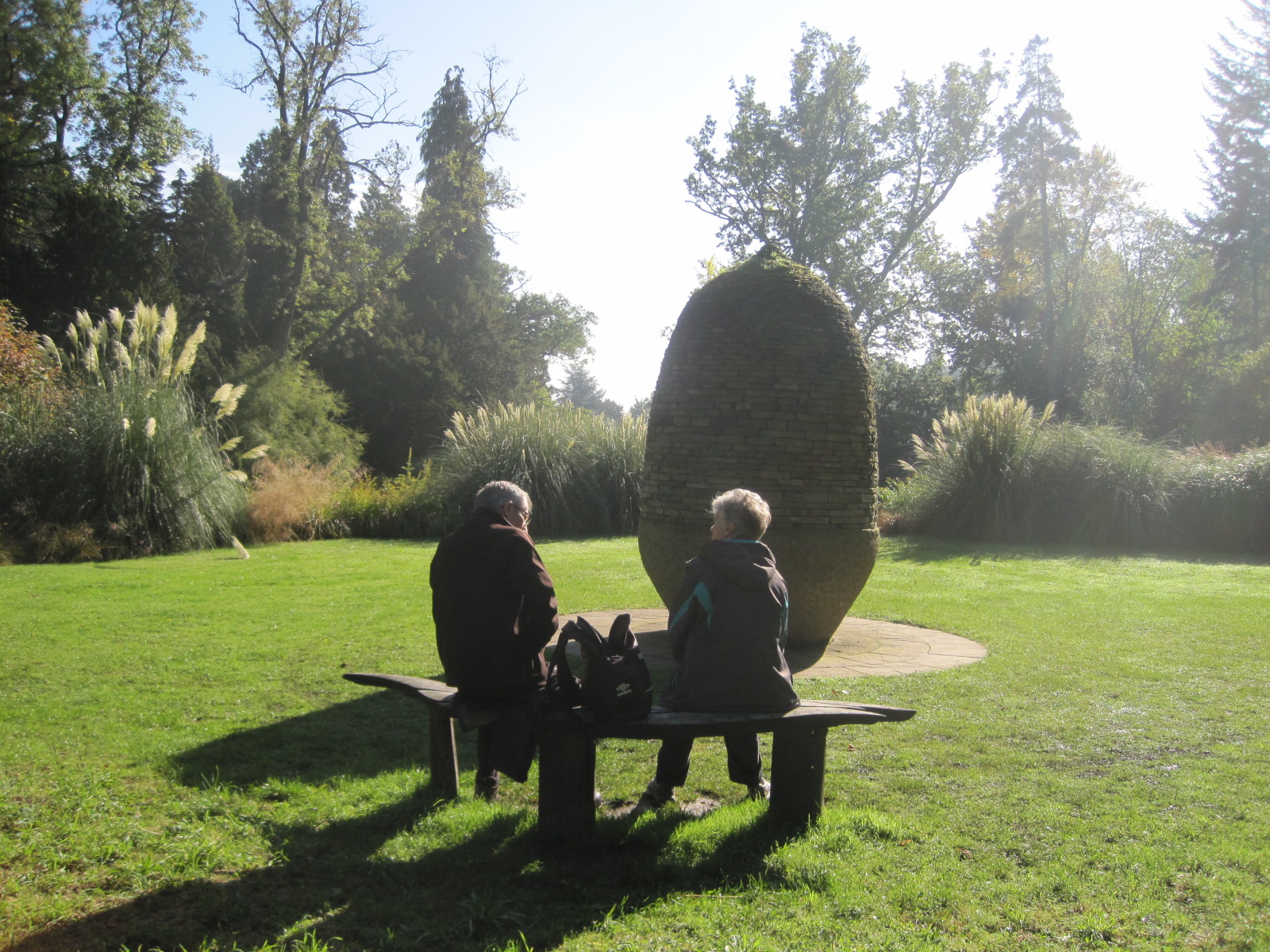
And whilst I have been known to cheat occasionally, in the interests of a beautiful azulejo or two- can you spot these people sitting on benches?

I’m off out to kick a few leaves now.  You never know- I might spot somebody loitering on a bench.  If I do I may even share it with Jude.

Benches with a past

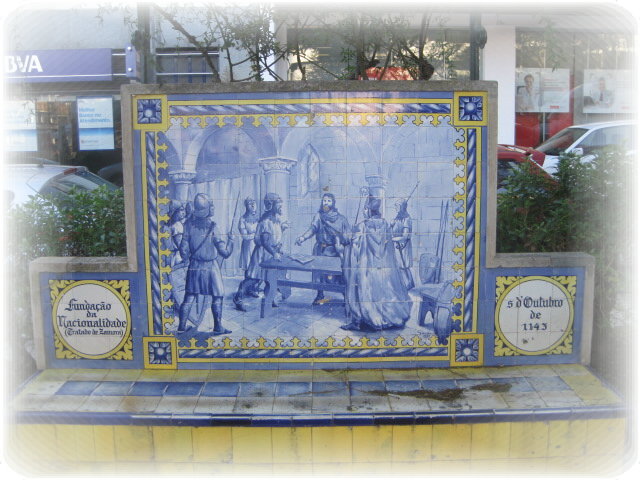
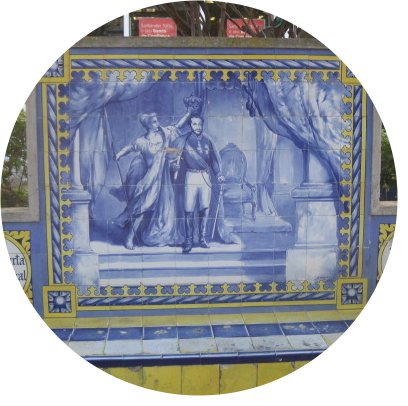
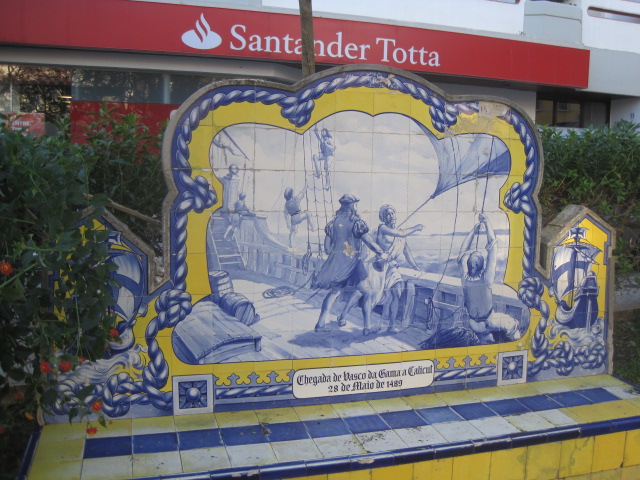
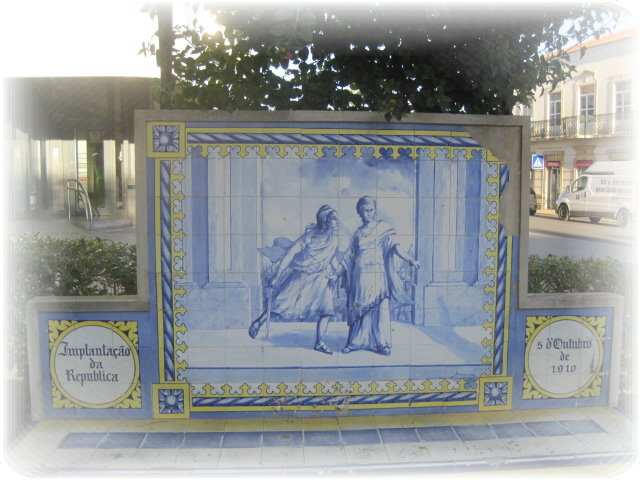
Bench 1In Largo 1 de Dezembro, a busy square near the river front in Portimao, traces of Portuguese history linger.  A series of benches commemorate events from the past.  Some depict the glory years, when Portugal had an empire and her explorers roamed the world. Others, significant turning points, like the foundation of the Portuguese nation, on 5th October, 1143, shown above.

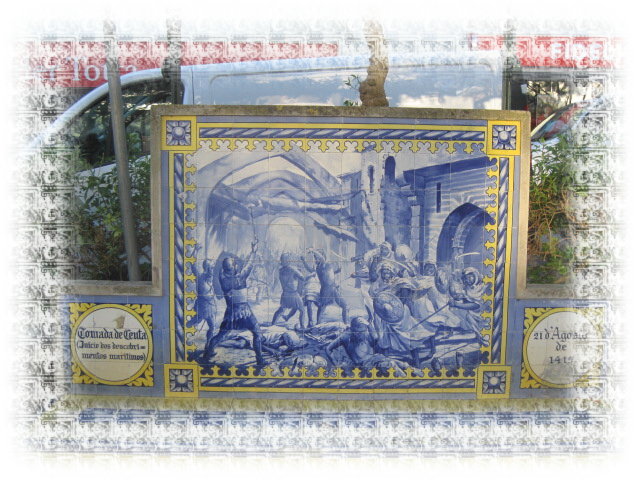
Bench 6Not a peaceful scene to accompany a lunchtime sandwich, this bench commemorates the Battle of Aljubarrota on 14th August, 1385. One of many battles with Spain, here King Joao 1 and his general Nuno Alvares Pereira defeat the Castilians.Bench 5The Portuguese Empire spanned almost 600 years, from the capture of Ceuta in North Africa in 1415 to the handover of Macau to the People’s Republic of China in 1999- the longest lived of any of the European colonial empires.  The scene above shows the fall of Ceuta in Morocco, on 21st August, 1415.

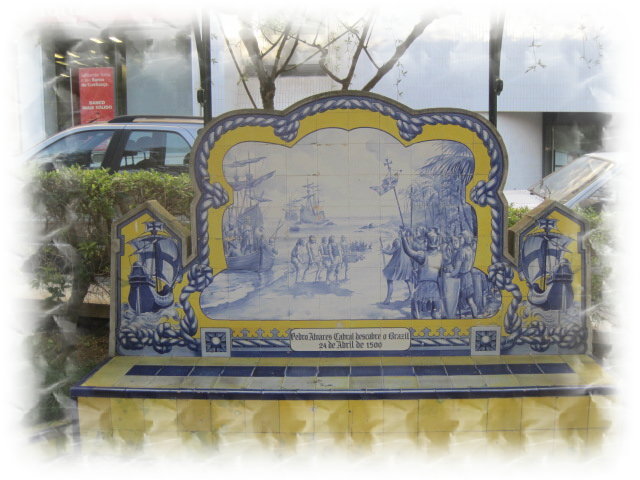
Bench 3Probably my favourite scene denotes the arrival of the Vasco da Gama in Calicut, India, on 28th May, 1489.  Below we have the discovery of Brazil, on 24th April, 1500.

Bench 2

Brazil provided a safe refuge for the Portuguese monarchy during the Napoleonic Wars but all good things come to an end and Brazil finally achieved independence in 1822.

Circle bench

The October Revolution in 1910 resulted in the overthrow of the monarchy, the expulsion of the Braganca dynasty, and and the founding of a Portuguese Republic.   Still, it makes a pleasant bench to sit a while and contemplate history.

Bench 4I hope you can enjoy a lunchtime linger.  Jude asked for Benches with unusual details this month. The condition and situation of these benches means I’ve had to employ a little artful disguise.

Like many people I thought that the name azulejos (the type of tile shown on these benches) came from the Portuguese word azul, or blue.  The name actually derives from the Arabic al zuleycha.  Just one of many delightful things I discovered while reading the online magazine Enjoy the Algarve.  You might like it too.


Jo’s Monday walk : as promised, Portimão

The fishing community of Portimao revere the Virgin

The fishing community of Portimao are mostly religious

Portimão is that intriguing mix of shabby and chique that, for me, typifies the Algarve.  Always assuming you can find it, that is!  Portimão is a big city by Algarve standards, but still I struggled to locate it. Fortunately for me, my driver has a much better sense of direction.

Heading for the city centre, we managed to end up at the beach, at neighbouring Praia da Rocha. That was fine and produced a highly enjoyable Monday walk last week.  In theory, we then just needed to follow the mouth of the River Arade inland till we came to the waterfront at Portimão. ‘Oops- I think it’s back that way’ sound familiar to you?  I think my advice to strangers would be to catch the bus!  The bus station is, conveniently, right alongside the waterfront.  But if you do manage to find it by car, there’s a generous parking area.

Deep in thought!

Deep in thought!

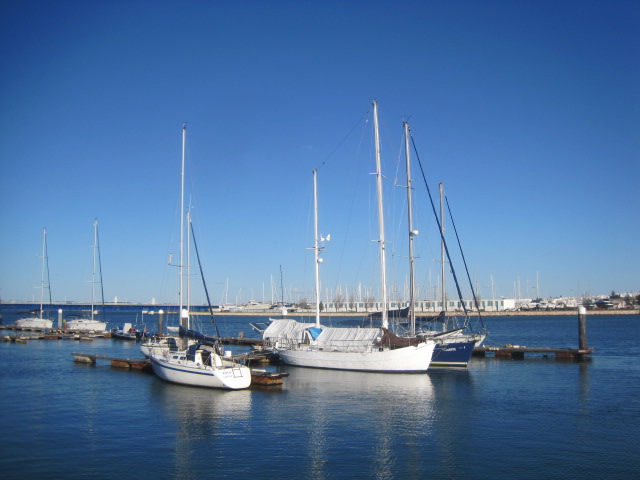
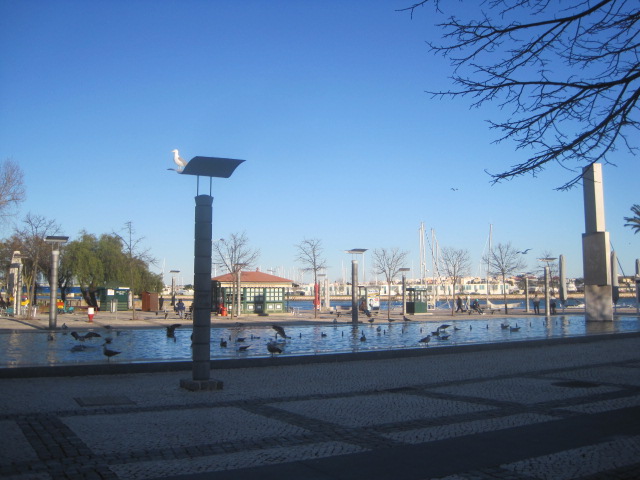
So what will you find, and does it repay the effort?  Well, boats, of course, and fish (Portimão boasts an impressive selection of fish restaurants).  Come stroll with me along the Manuel Bivar gardens at the waterfront.  Then we can delve a little into the history of this town.

Did somebody mention boats?

Did somebody mention boats?

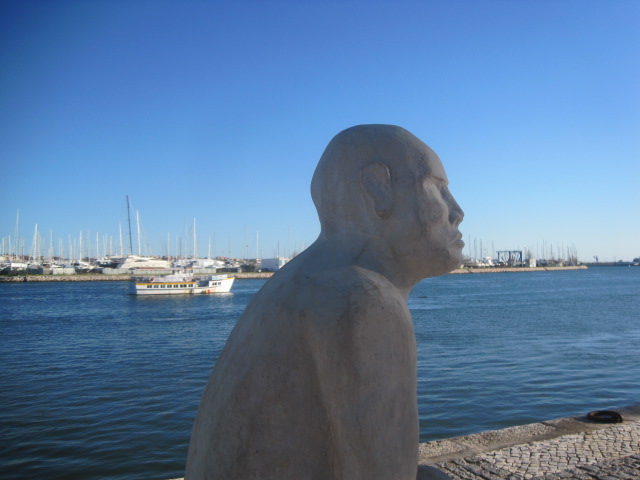
Aside from the fishing industry the city hosts numerous sailing events, and the Portuguese Gran Prix of the Sea, for those who like noisy powerboats.  In Summer you can catch a boat all the way up the river to beautiful Silves.  At this time of year, the waterfront is peaceful, peopled simply with a series of sculptures.

But I do like this sad face

I rather like this mournful face

The promenade continues to Largo de Barca, the home of many of the simple fish restaurants. Sizzling sardines are the staple diet in these parts.  A bridge spans the enormous width of the river at this point.  On the far shore, pretty Ferragudo.  For many years access was by ferry only.

With its excellent situation, in the natural shelter of the River Arade, Portimão began to develop into an important trading centre from the time of the Phoenicians. In 1435 it was awarded town status and walls were constructed to protect growing prosperity, and prevent pirate raids.  Two forts were built at the river mouth- Santa Catarina, featured in last week’s Praia da Rocha walk and, across the river in Ferragudo, the picturesque Castelo de São João. The earthquake of 1755 did major damage to the town walls.  Santa Catarina fort was damaged too, but was later reconstructed.

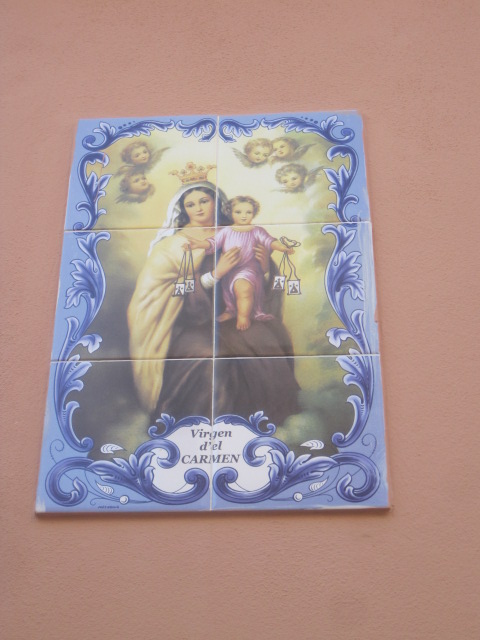
Turn in on Rua Professore Jose Buisel, from Largo de Barco, and you are in a neighbourhood of slightly down-at-heel fishermen’s homes.  Many still have original azulejo tiles, with religious images above the door.  The road leads toward the pedestrianised shopping area.  The spire of the mother church, Igreja Matriz, provides a good landmark in its elevated position above Praca da Republica.  A huge Jesuit college dominates the Praca.  You are very welcome to look inside.

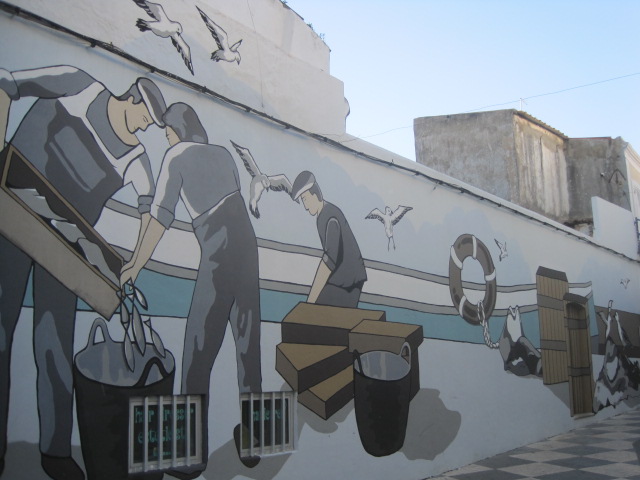
From the Praca, turn right down Rua Diogo Tome and you are heading back towards the river. The shops in this area are smart, so it comes as a bit of a surprise to come upon some wall art.

Fishermen, of course, plying their trade

Fishermen, of course, plying their trade

Plying their trade

And a gull or two

I was heading towards Largo 1st de Dezembro because I’d read about some azulejo tiled benches there.  If you saw my Six word Saturday this week you’ll know that I’ve been collecting bench photos lately.  The benches commemorate famous dates in Portuguese history.

IMG_6456


The benches are a little shabby these days, and slightly incongruous in a busy city square, but you can still admire the artistry.  I imagine on a fine day in Summer that the benches would all be taken with office workers on their lunch break. I stole a longing look at the most elegant of cake shops, but it was time to return to the waterfront, just ahead of me. I reflected as I did how foolish that I had been unable to find this vast river in a city which orients itself totally to the sea.

Returning to the river

Main square at the riverfront

Had it been worth it?  I think so.  I thoroughly enjoyed getting to know Portimão a little better.  I hope you did too.  If you prefer to see it bustling with people, a huge market wraps around Largo de Barco at the beginning of each month.

walking logo

Lots of walks to share this week!  You’ll need plenty of stamina.  And a cuppa or two!  If you’re new to my walks just click on the logo to find out how to join in.  To everybody else, thank you for your fantastic contributions and for making Jo’s Monday walk a success.

……………………………………………………………………………………………

As always, Drake is here, waiting, to make me smile.  Isn’t he the nicest guy?

Step on Stones

Paula always has something beautiful to share, and this week is no exception  :

Summer Bloom 

Tobias is in the woods this week.  My favourite is number two.  How about you?

A Walk in the Forest 

If anyone you know can have fun with symmetry, it has to be Yvette!

Symmetry

Anabel takes us walking by Loch Lomond.  The islands are beautiful!

Balmaha and Conic Hill

Jude’s taking us to sunny Australia.  Form an orderly line, please!

The Manly Eastern Hill Heritage Trail

Please welcome newcomer (to my blog) Geoff!  As the song goes…

You’ll never walk alone!

Or you could venture into the Polish capital, with Meg.  Please do!  She’d love your company  :

Walking through the heart of Warsaw 

And there’s the cutest squirrel in this one!

A walk in Lazienki

Esther charmingly rhymes as she walks  :

Walk on the Beach

Elizabeth revives some beautiful memories  :

Walking in the Mountains above Interlaken

And Minou takes us canal rambling in Holland (or you could grab a bike!)

Following the footsteps of pilgrims in Leiden

And then climbing the most beautiful windmill.  You can just watch if you’re tired.

Climbing Leiden’s Windmill

Pauline is posting a storm warning.  By the time you read this it will have passed over, with not too much damage, I very much hope.

Storm Warning 

If temple ruins in Laos appeal, this is the post for you!

Vat Phou, the Angkor-style temple in Laos 

So many fantastic places to visit in this world, aren’t there?  Thanks again everybody.  Have a happy week, and keep walking!


Three things I love about Porto

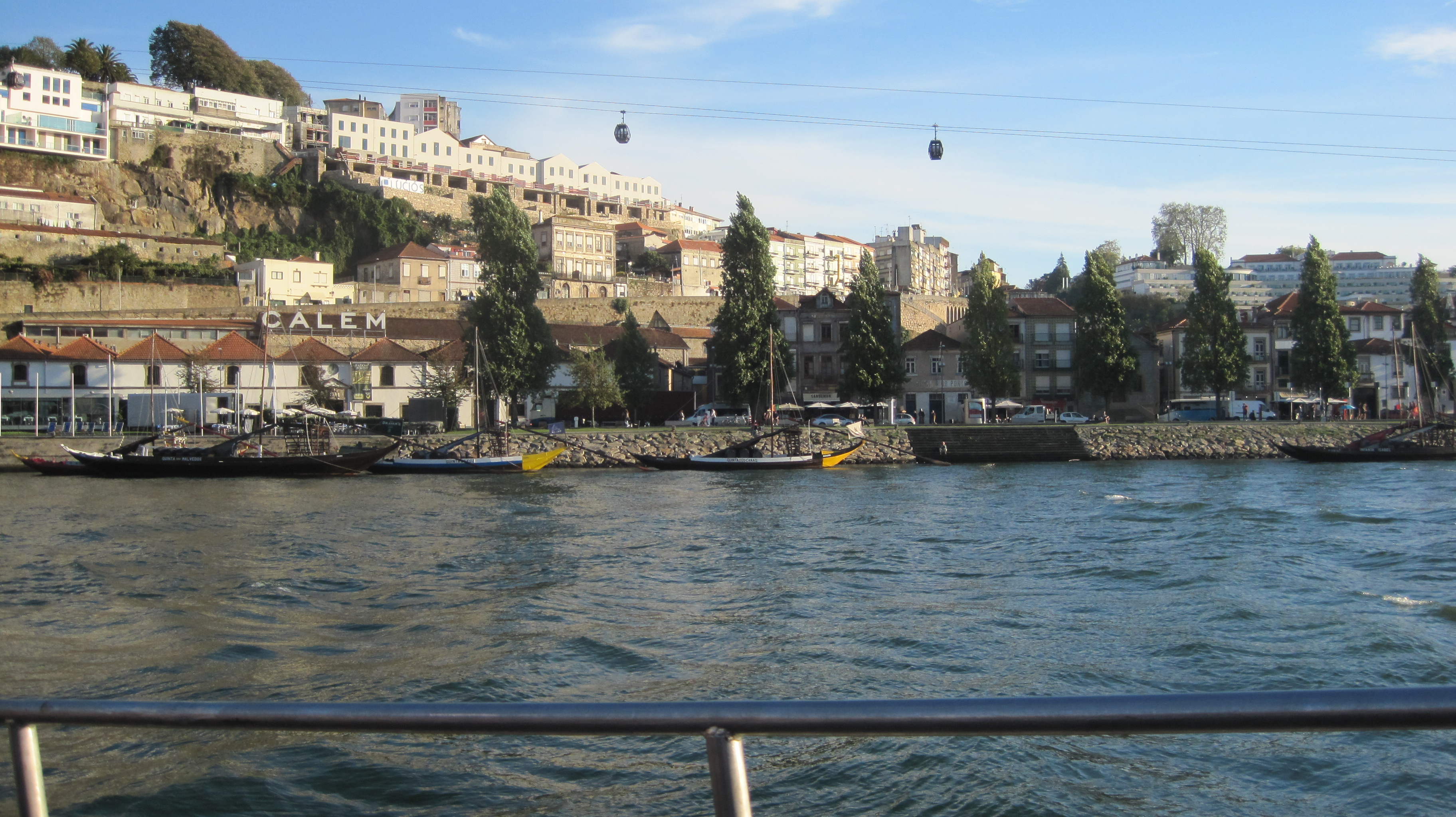
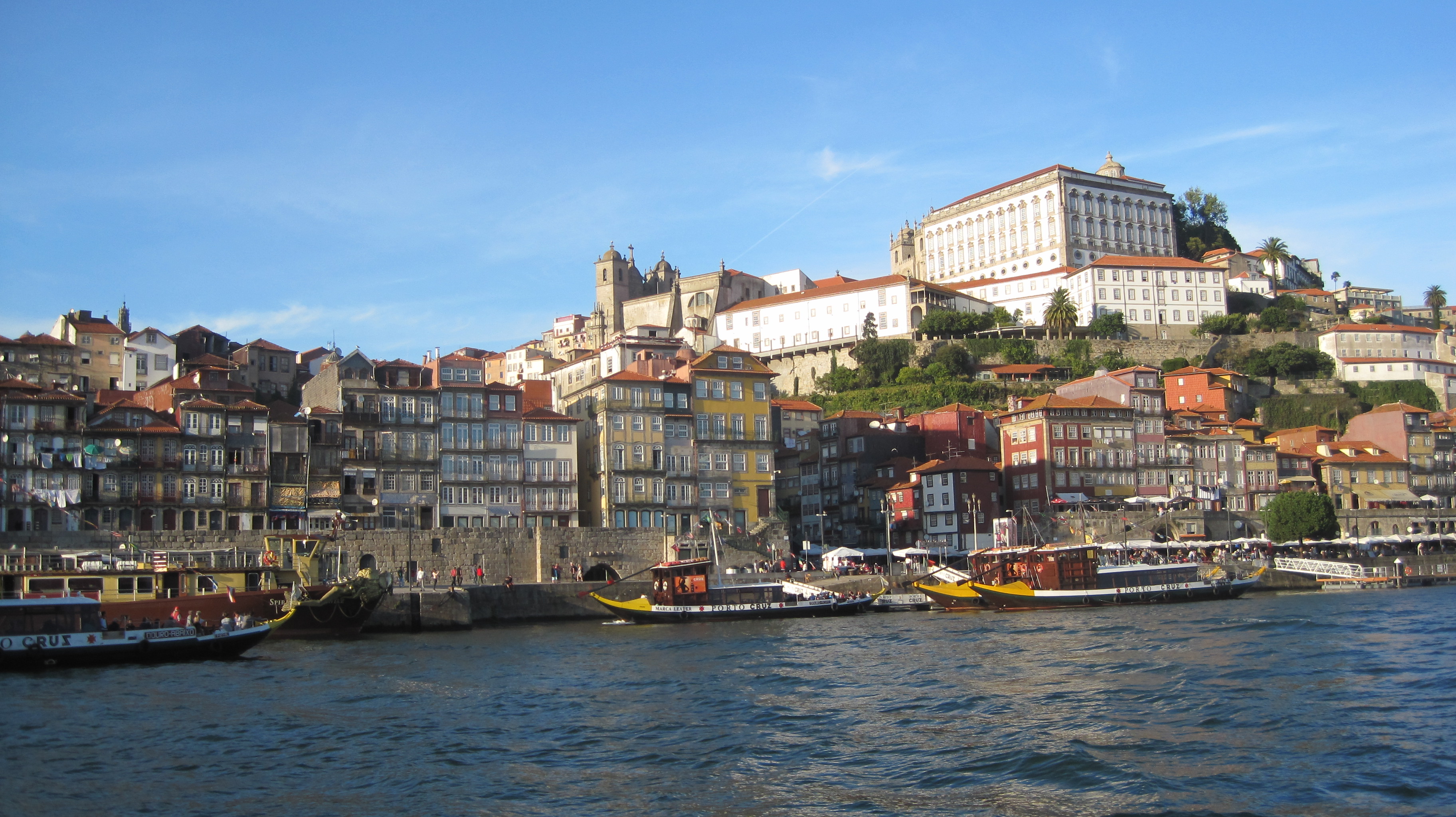
Porto, seen from the water

Porto, seen from the water

A great sight, whichever way you look!

A great sight, whichever way you look!

Challenged recently to come up with three things I love about my favourite city, I barely hesitated before my thoughts turned to Porto, in Northern Portugal.

Accor Hotels are inviting bloggers to create a post (or a video) illustrating their three favourite things about any city they love.  In return, you can win a three-night stay for two, in London, Paris or Amsterdam.  Something nice to look forward to at this dreary time of year?  But you’d better get your skates on- last date for entries is Monday, 26th January at 12.01pm.  Sorry I couldn’t give you more notice.

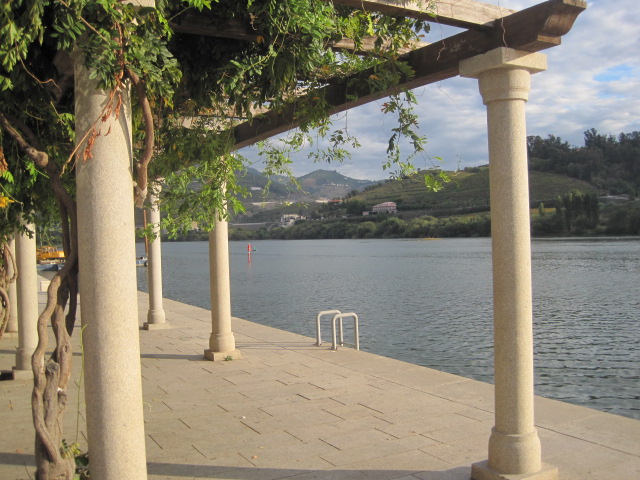
The quayside at Peso da Regua

The quayside at Peso da Regua

So, why Porto, you might be asking yourself.  If you were around when I came back from my trip two years ago, you might remember that I was totally besotted.

1.  The city lies at the mouth of the River Douro.  Step into a boat (or catch a train if you’re a landlubber) and you have before you one of the most beguiling landscapes you could ever imagine.  As you depart the city, the hills ripple away on either shore, swathed in vines that change hue with the seasons.  Utterly tranquil, yet with the frisson of a huge lock or two to navigate, and ruggedly wild beauty as you penetrate further along the river.

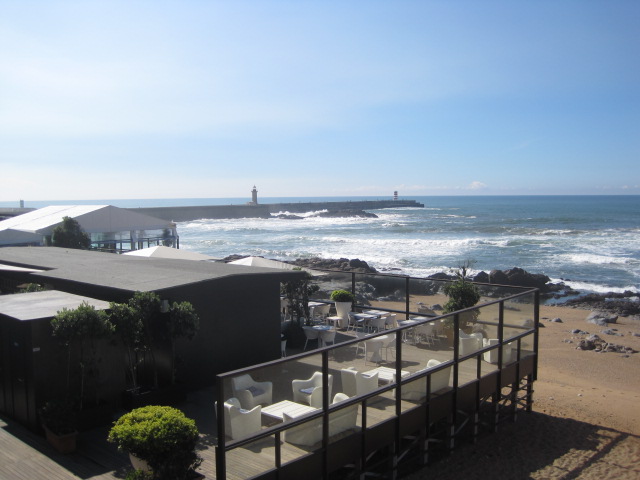
2.  Porto has a beach!  Crucial for someone who could never envisage life away from the sea. Nothing could be more delightful than hopping on the tram and rattling out to Foz do Douro.  Or perhaps you would stroll it, but save some energy for when you get there.  There’s a long promenade after the last tram stop.  An old fort sits on the headland and there’s Seaworld if you prefer your fishes in a tank.  Bars and restaurants abound for a lazy toasted end to the day.

A restaurant with a view, at Foz do Douro

A restaurant with a view, at Foz do Douro

3.  It’s all in the name!  The home of port wine, there is no better setting for sampling a glass or two.  Three if you’re going to try Ruby, Tawny and White port.  No need to rush it!  There are numerous wine lodges, beside the river or up on the hill with magnificent views, if you can handle the climb.  You will amble home with a smile on your face. That’s for sure!

Barcos rabelas at ease in their moorings

Barcos rabelas at ease in their moorings

If you’d like to spend a little more time in Porto with me, try Simply beautiful blue and white.  It’s a feast of azulejos! But then you should decide which is your favourite city, and visit A tale of three cities for details of how to enter the competition.

Six word Saturday

6ws-participating-in-banner

And ten in Portugal with Michael

Following on from my last Six word Saturday, my feet have just about touched the ground and it’s Michael’s turn for a holiday.  Lucky me gets to go too, of course!

Dad is still in Poland, sitting in Uncle Jakub’s garden if it’s sunny, and playing dominos.  While I know he’s in good hands, it seems like a good time to escape for a little sunshine of our own.  If you’ve seen O is for okropny and the Ojcow Valley you’ll know the weather wasn’t always kind in Poland.

I’ll be sharing more Polish tales on my return but for now it’s back to my postcard collection.

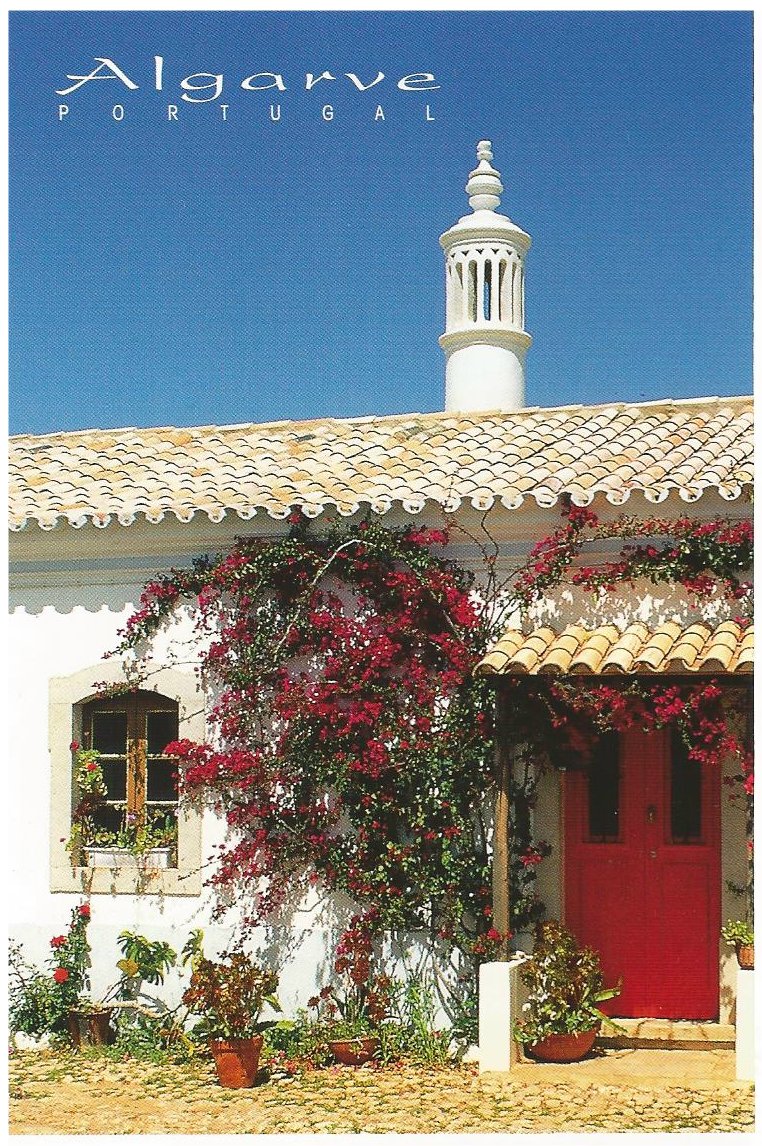
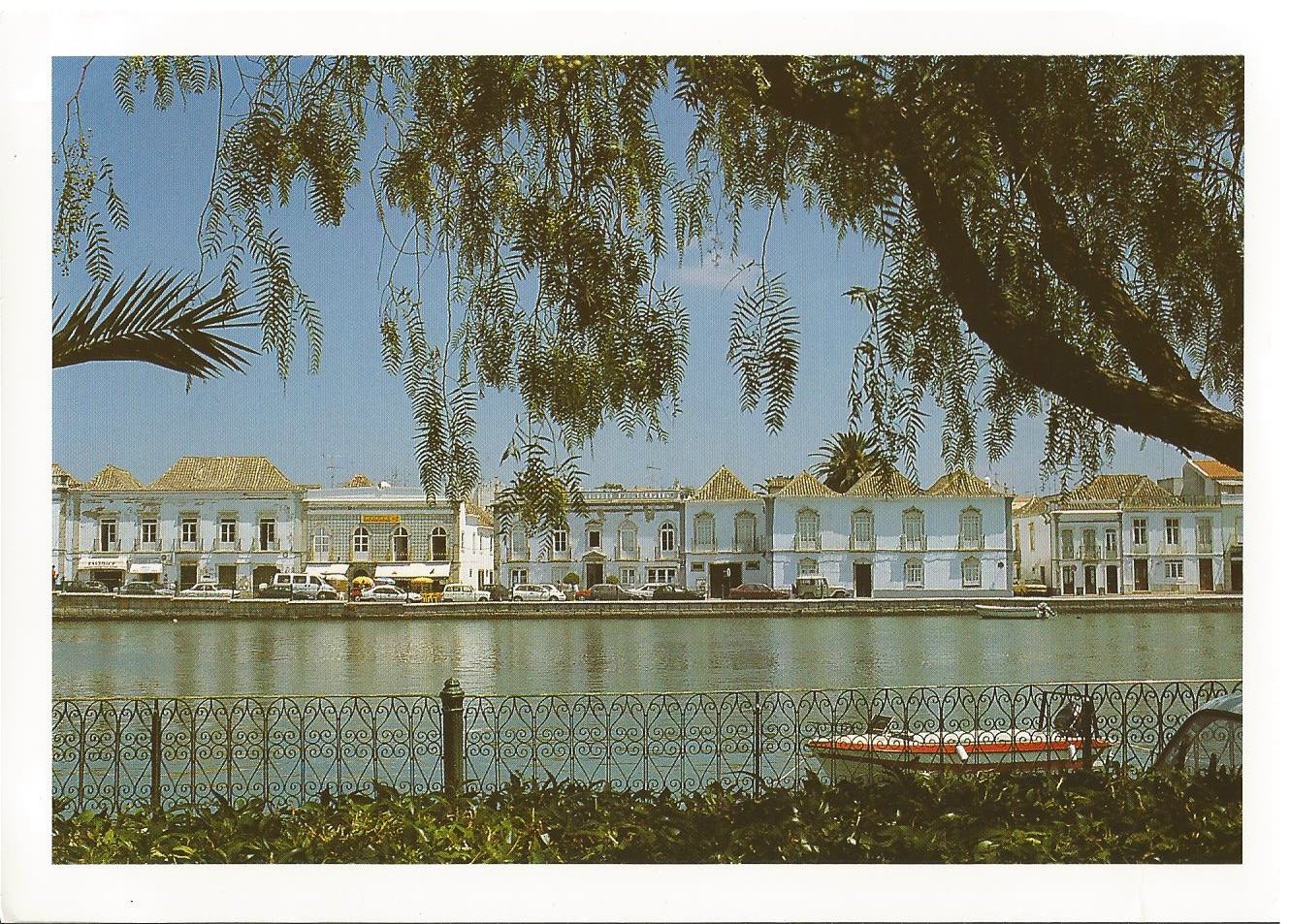
Exactly why I love the Algarve so- pretty as a picture.

Exactly why I love the Algarve so- it’s pretty as a picture.

I'll soon be strolling in the riverbank gardens again.

I’ll soon be strolling in the riverbank gardens again.

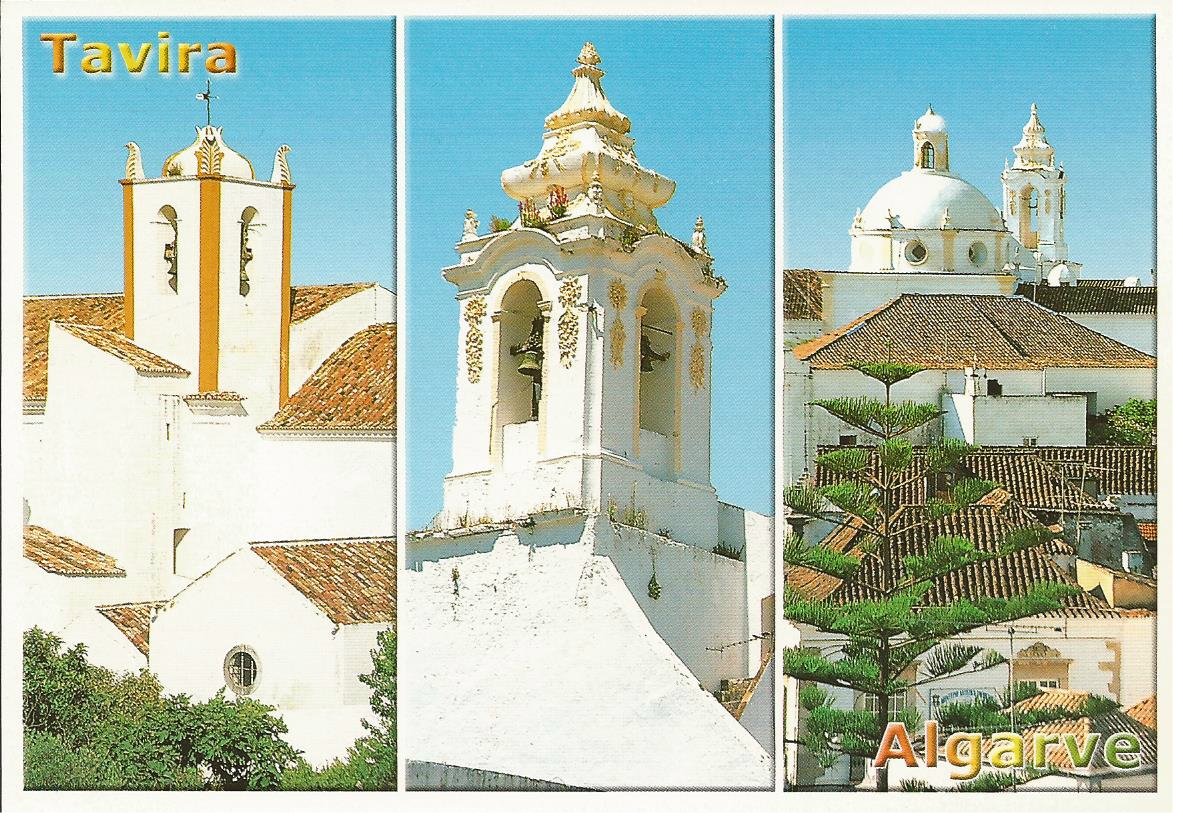
Checking out a few more churches

Checking out a few more churches

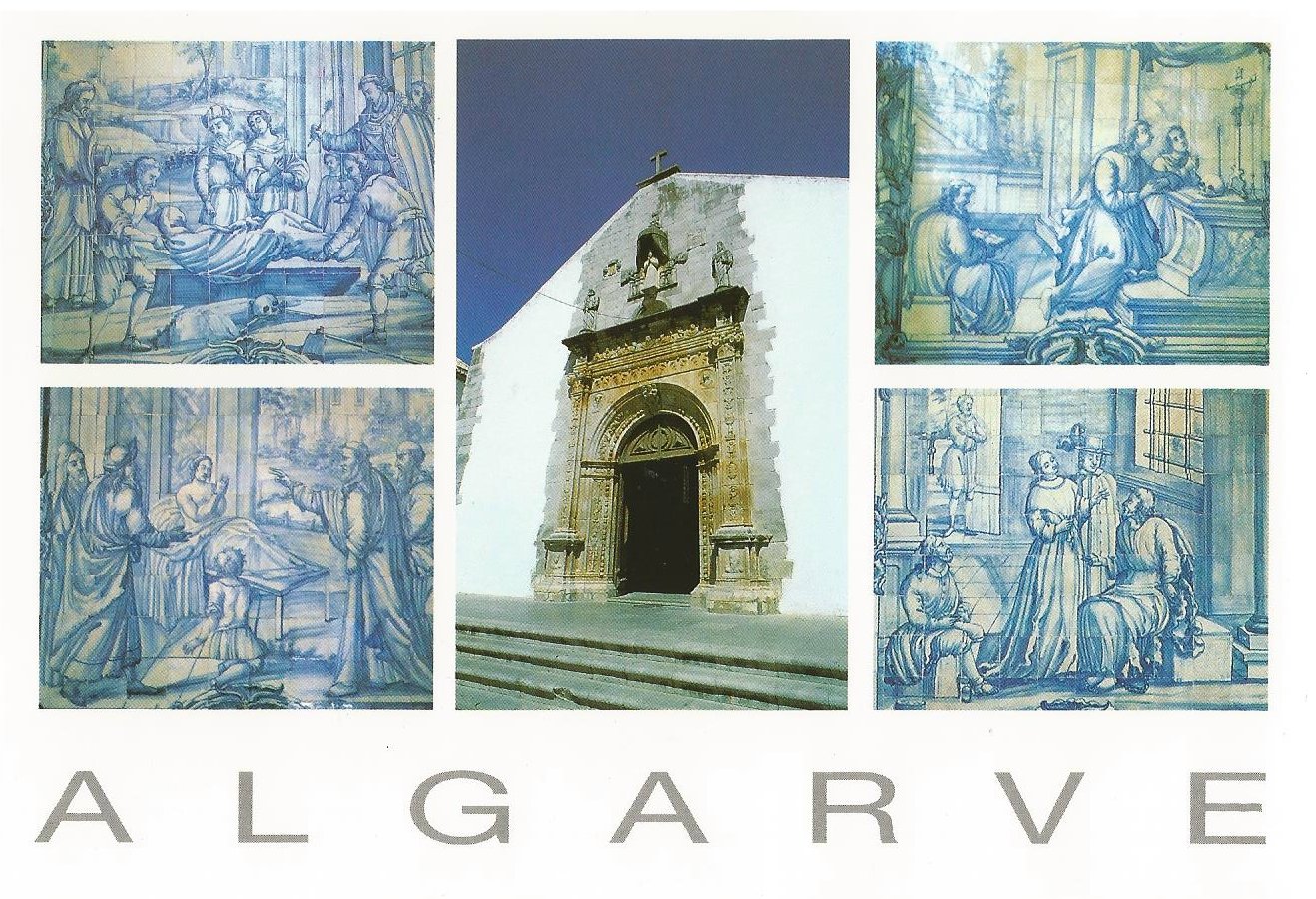
Especially the azulejos in Igreja da Misericordia

Especially the azulejos in Igreja da Misericordia

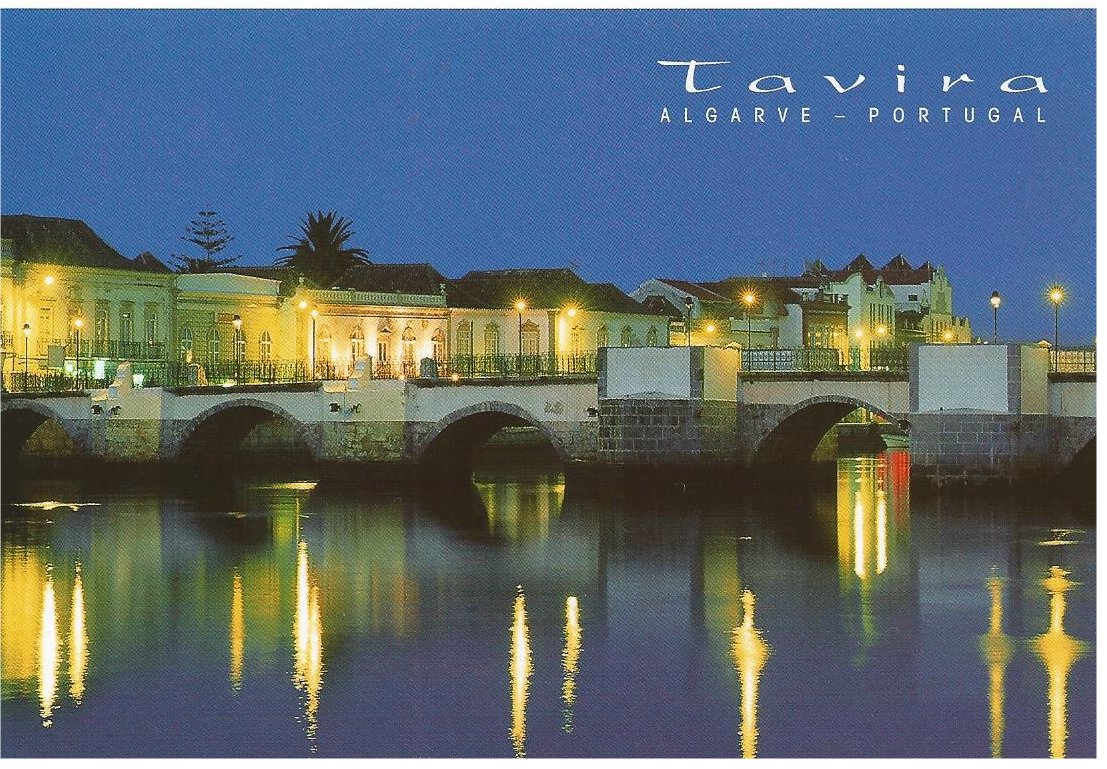
And you know my evenings will be spent beside this bridge.

And you know most of my evenings will be spent beside this bridge.

Not hard to see what keeps taking me back, is it?  And I haven’t even mentioned the beaches!

I’m catching up with as many of you as I can before I leave tomorrow evening.  It’s Mother’s Day isn’t it, so have a good one!  I’ll be frantically cooking, ironing and restocking the freezer for our son, but what a lovely present tomorrow evening will bring.  Take care, all!

Thanks Cath for hosting Six word Saturday.  Don’t forget to check out the other entries on Show My Face.  Just click on the header or the link.

6wsButton

Simply beautiful blue and white

One of my earliest memories is of the blue and white Willow pattern plate that sat on a shelf of my grandmother’s Welsh dresser.  It was side by side with a heavy glass plate, with The Lord’s Prayer etched around the rim.  Commonplace in those days, I expect, but I loved them.

I don’t know if it’s that memory, or my lifelong embrace of the sparkling colours of the sea, but I’ve always loved the simplicity of blue and white.  Imagine then, my response, on arriving in Portugal and finding that so many of it’s buildings have been lovingly clad in blue and white tiles.

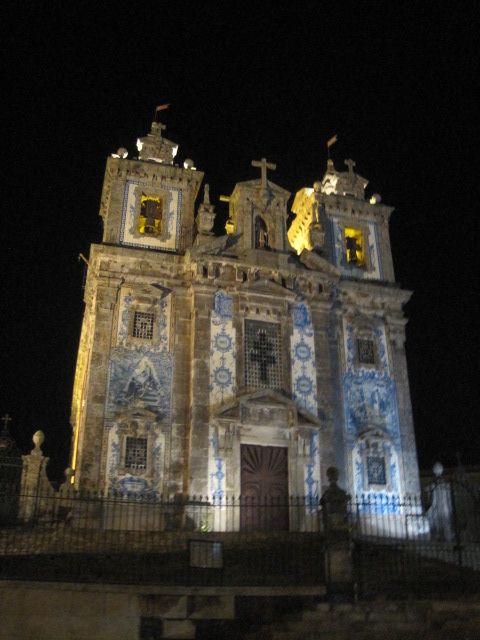
Porto?  Well, that was just the icing on the cake!  Stepping out of Bolhao Metro, I turned down Rua de Santa Caterina.  Immediately in my vision, the Capela das Almas, a solid wall of blue and white.  It was late evening and dark, so the church was floodlit.  What a welcome!  I knew right then that coming to Porto was going to be all that I had hoped for.

The road dips gently down, passing famous Cafe Majestic (pinch me, I really am here!) and into Praca de Batalha.  I just stood and stared, and stared.

Hauntingly lovely Igreja de Santo Ildefonso

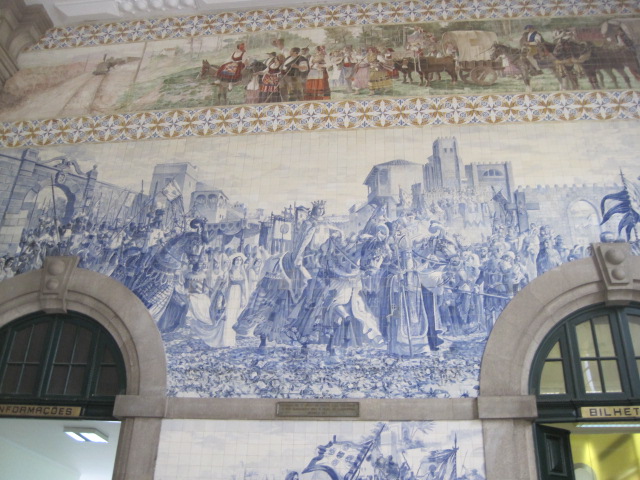
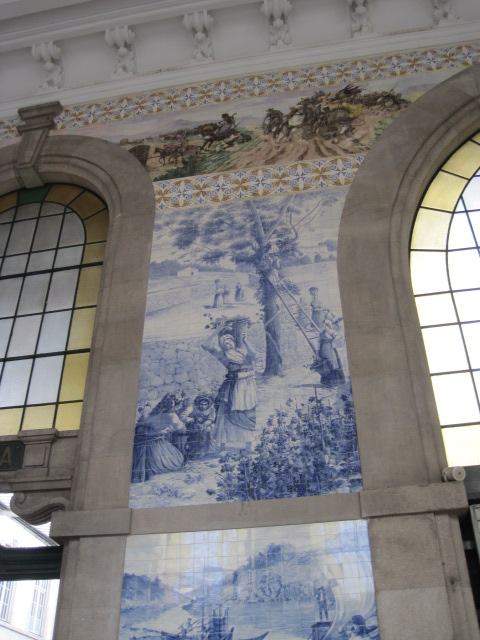
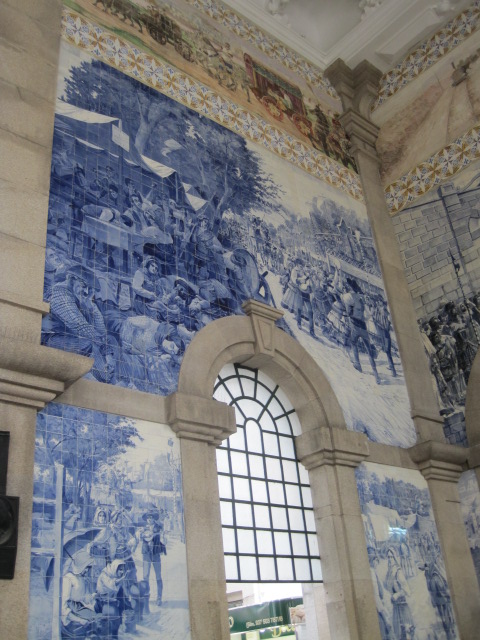
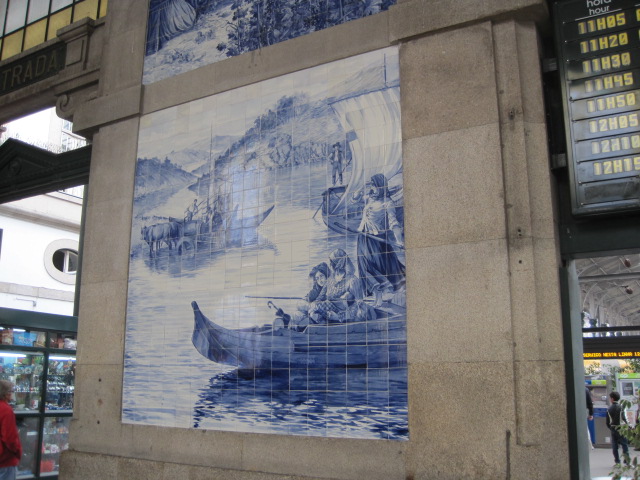
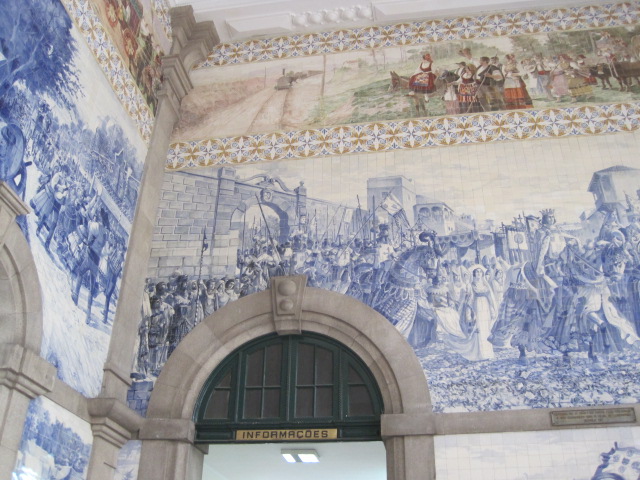
After a night’s sleep, it just got better and better!  Well, you’ve all heard of Sao Bento railway station, haven’t you?  It was just around the corner.

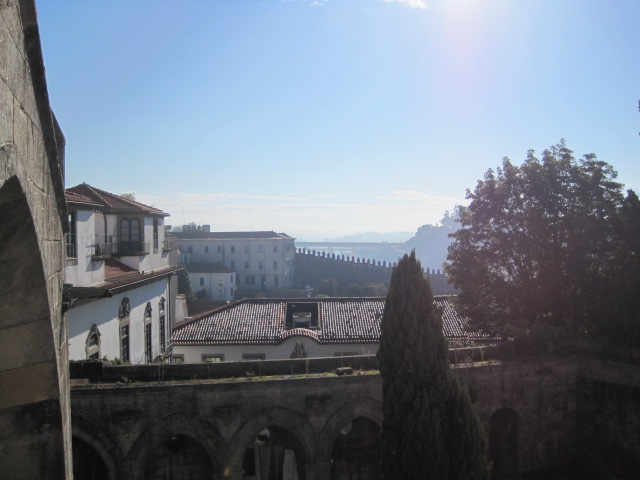
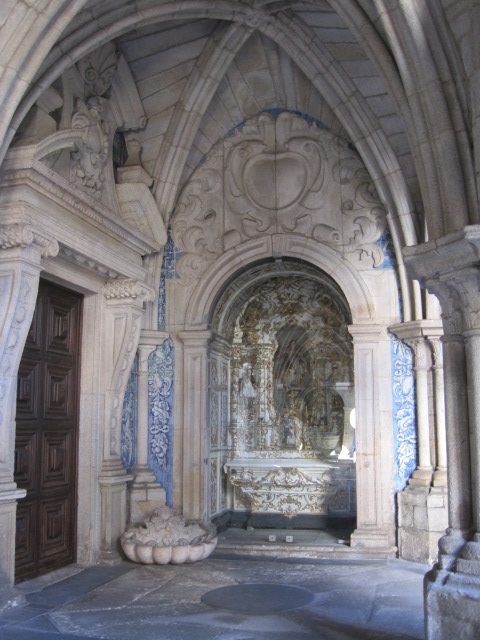
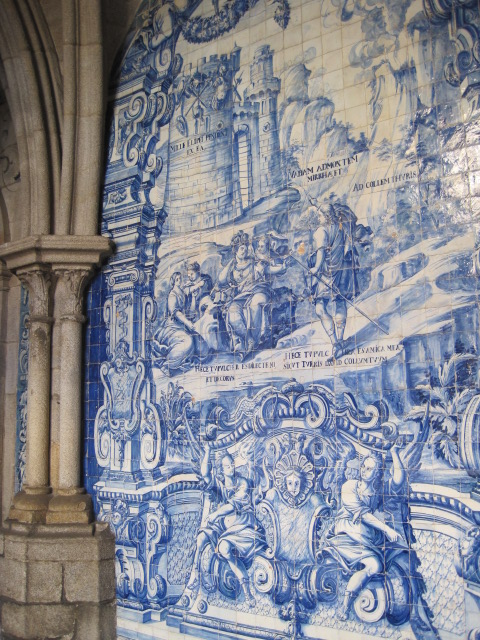
I wasn’t so sure at first about the Se, or Cathedral.  It has the Rose Window and the sturdy pillars of my own Durham Cathedral, back home, but step into the cloisters and you’re in a magical world.  Climbing to the Royal Apartments and viewing terrace, I couldn’t imagine ever attending to the affairs of state with such a view on hand.

The view from the terrace above the cloisters

Stepping in to a fragile and wonderful world

Those courtly days

A cherub or two

A few more?

And one by the window, ready to steal a peep

A room fit for a king

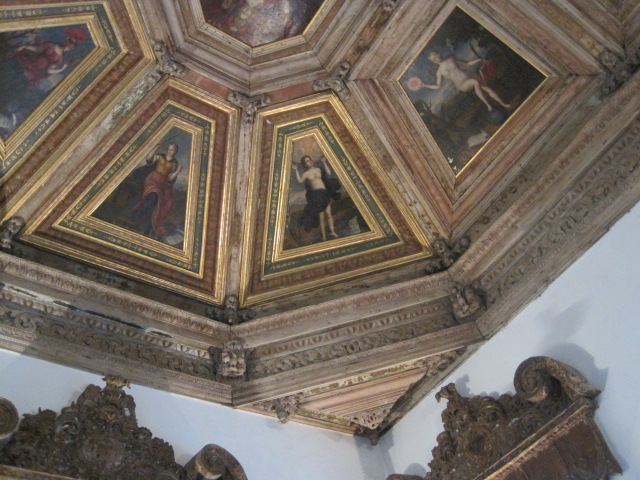
Even the ceiling is gorgeous

But nothing surpasses blue and white

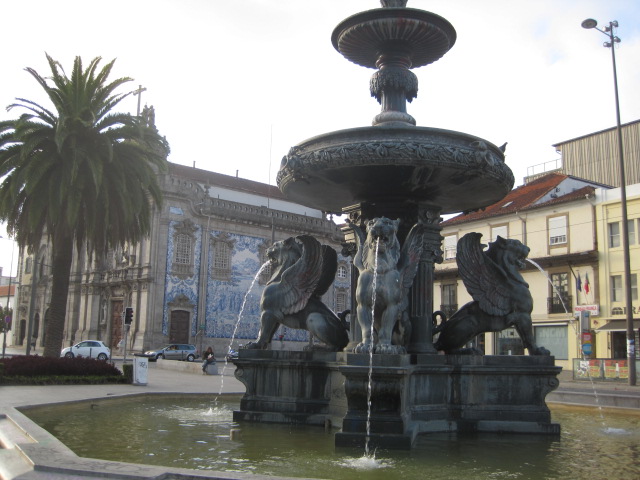
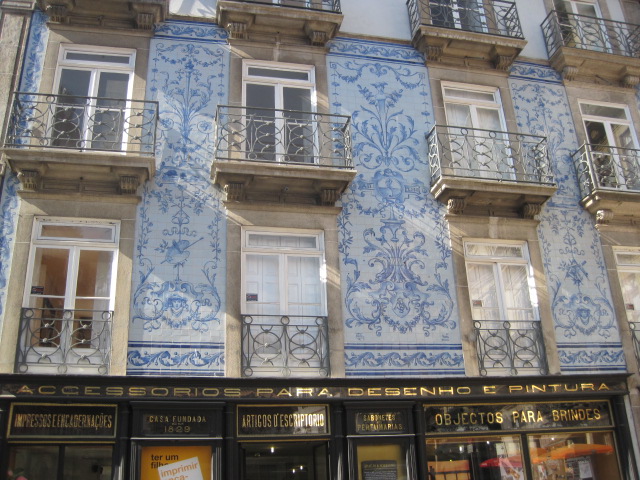
Of course, it doesn’t end there.  There’s the Carmo Church in the University Quarter,  a tile wall that I adore in Rua das Flores, and many others.

Just a glimpse of the Carmo Church, behind the Lion Fountain

Lovely Rua das Flores

But I don’t want to wear you out.  We still have to travel up the Douro together.  There was no shortage of azulejos there either, and the most stunning scenery I’ve seen in some time.  So do come back, won’t you?  I’m looking forward to it.

Picture the World!

Who knows what will land in your inbox next?  I had a lovely surprise this week, courtesy of Lucy Dodsworth of On The Luce.

Lucy has one of the best travel blogs I know, and always keeps her ear to the ground for what’s going on in the travel world.  So it’s no surprise to find that she was the first person to provide a representative photo to display on the Picture the World Project.

The Departure Board website have a great initiative to create a gallery of wonderful photos, one from each country in the world.  It’s a great honour for me to be nominated to provide a photo from my collection to represent Portugal.  I dearly love the country, so hope that I can do it justice.

I’ve been through my photo albums a time or two, and have finally settled on this one.

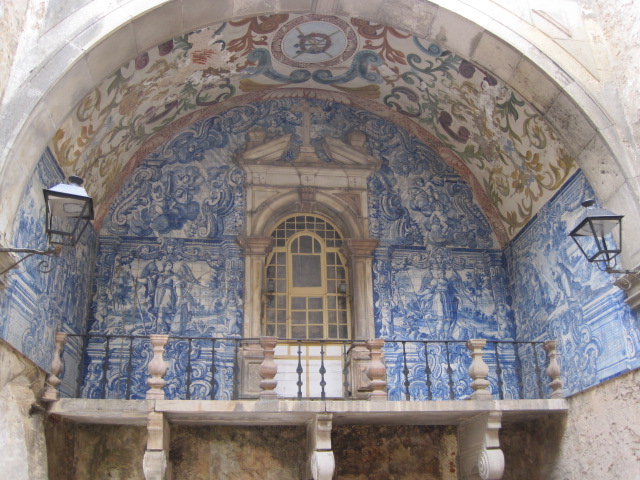
Porta da Vila, Obidos

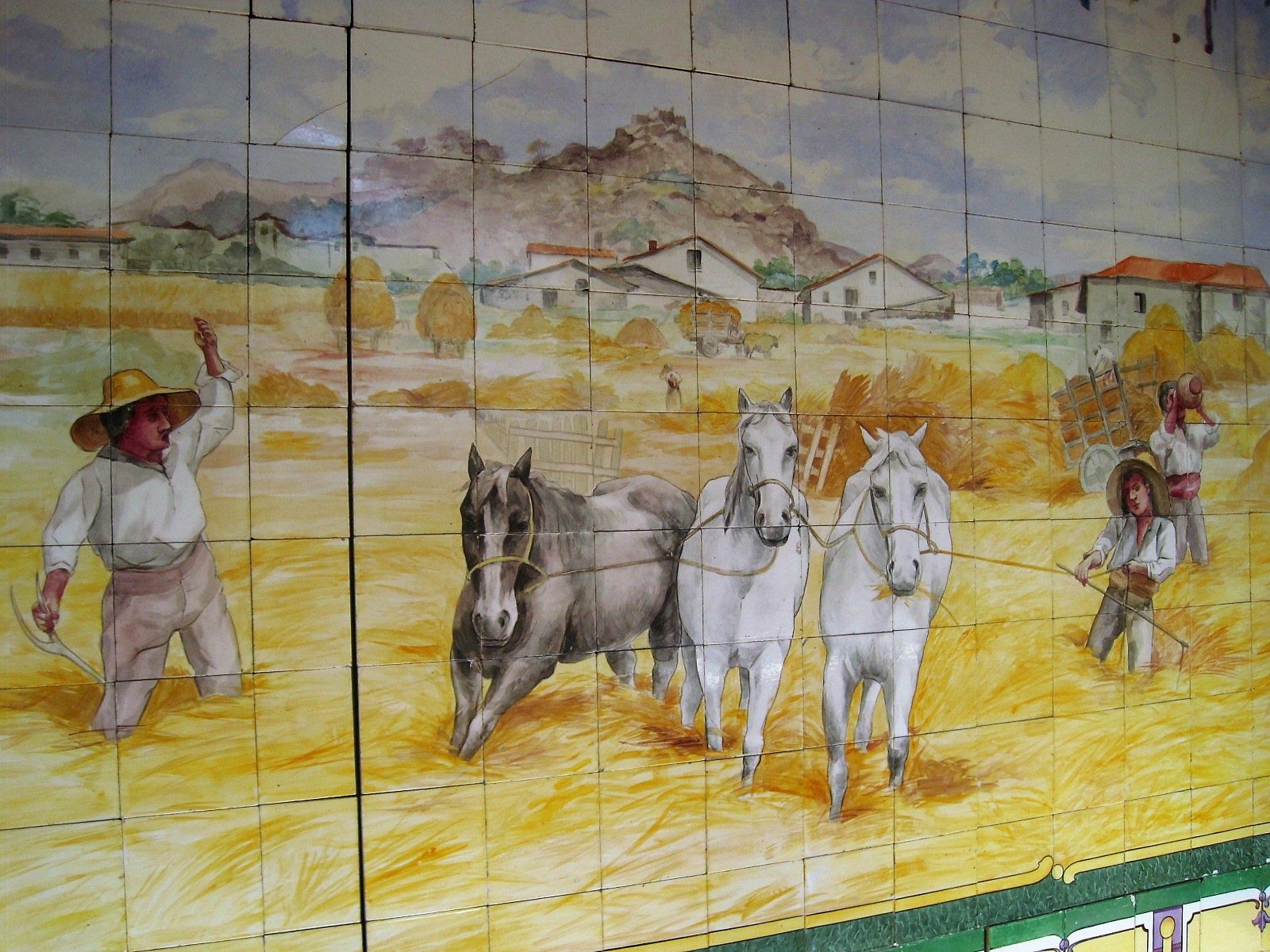
Everywhere in Portugal you can observe these beautiful blue and white azulejo tiles, though seldom used to better effect than in the town gate at Obidos.  Most frequently they tell religious stories in churches, Sao Lourenco in the Algarve a stunning example.  Railway stations are common places to find them- Sao Bento at Oporto has some of the best known.  Sometimes they relate to life at sea, or to agricultural scenes from Portuguese life.

Modern homes, too, often have tiled panels displayed, and they are easily obtained from garden centres. (we have two in our patio)  It’s a nice tradition to perpetuate.

Of course, I considered many other photos, and you might like to see some I rejected.

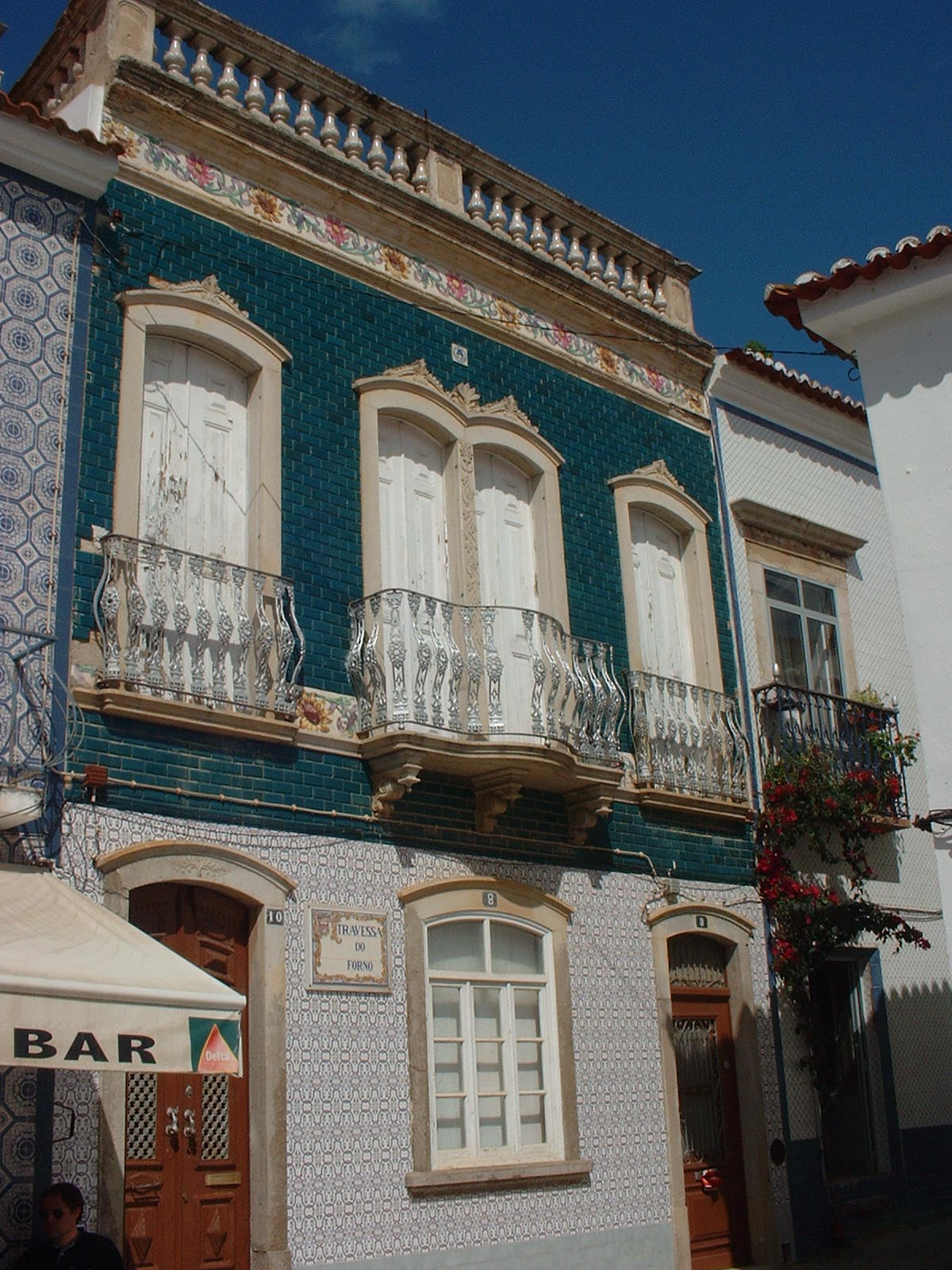
Tile fronted houses in Tavira

This is my personal favourite, but I discarded it because I felt that this style of housing, designed in part to keep the houses cool, though fabulously decorative, is more representative of the Algarve than of Portugal as a whole.

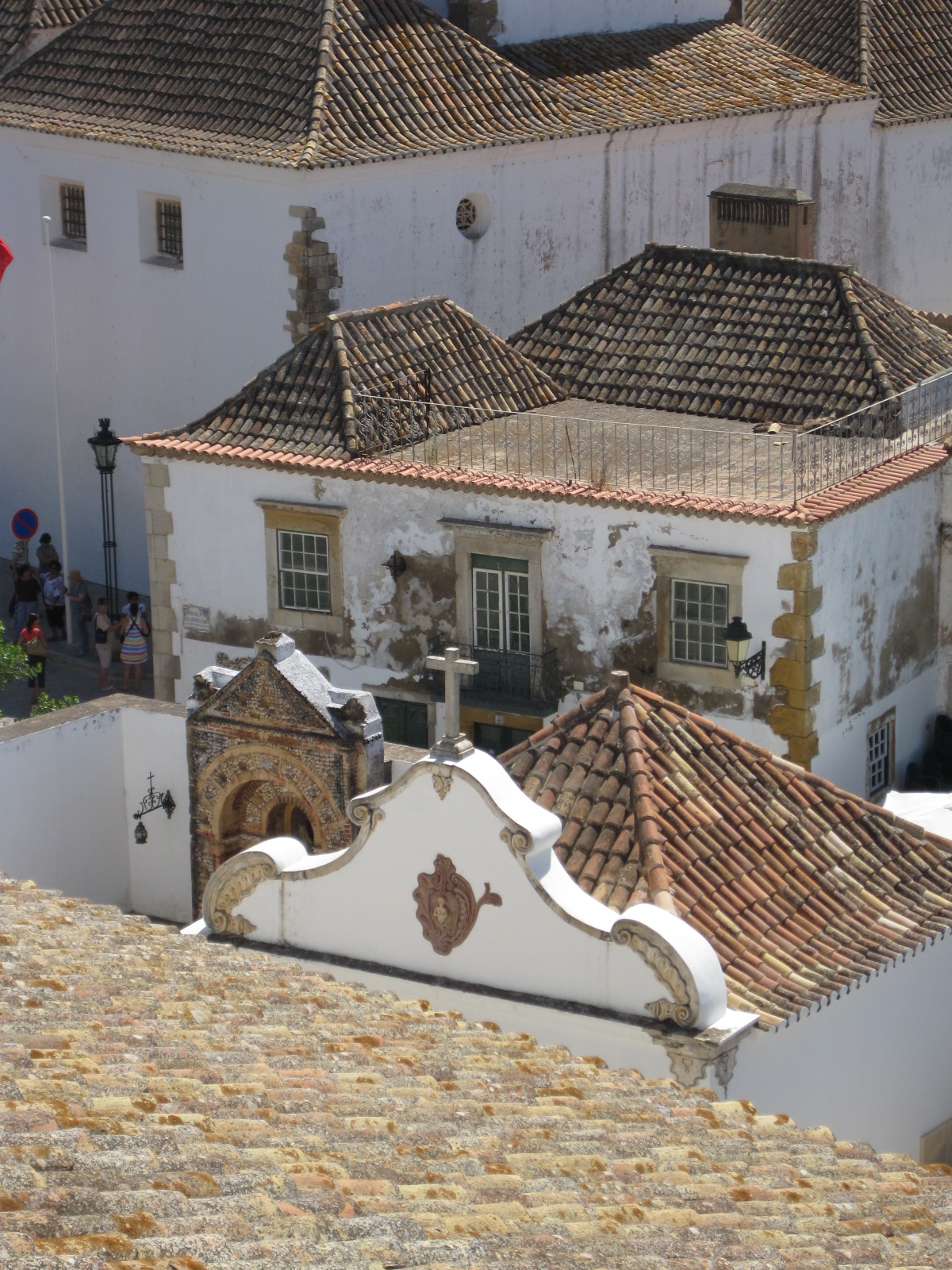
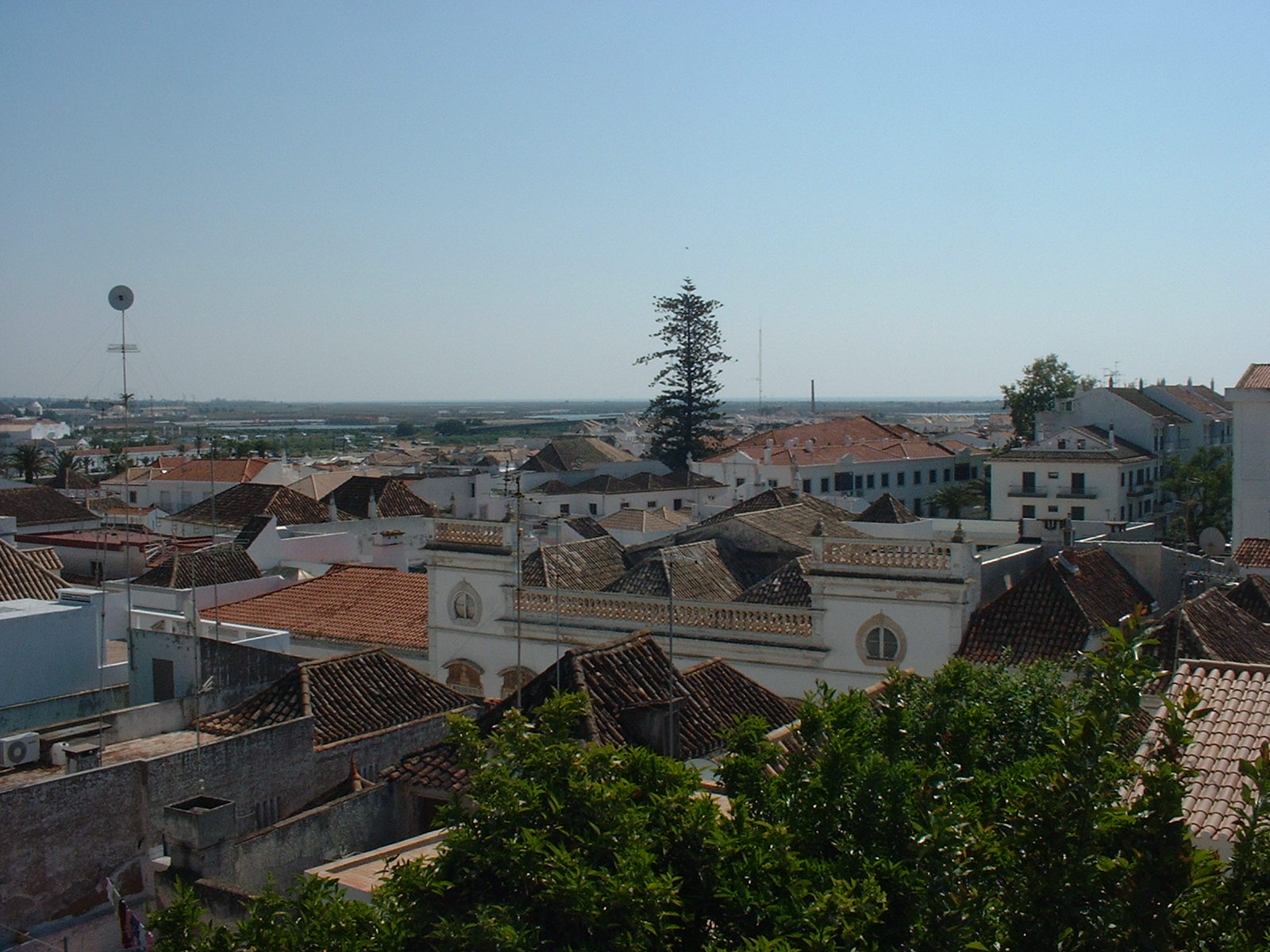
Faro roof tops from the bell tower of the cathedral

I love this one too, with it’s wonderfully shabby walls and the tessoura roof, but again I felt it more typified the Algarve than Portugal as a whole.

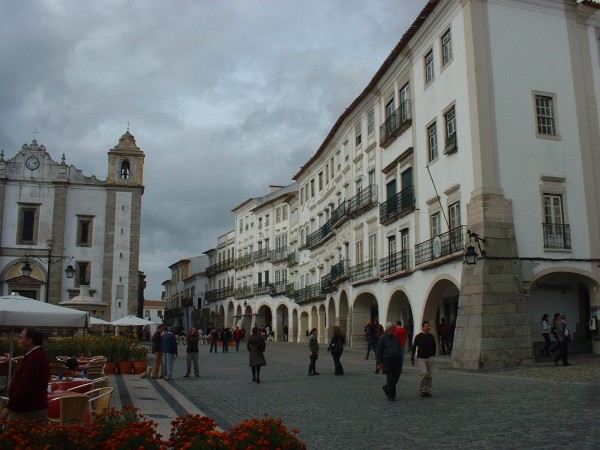
Praca do Giraldo, Evora

This one focuses on historic Evora, in Portugal’s Alentejo.  Cobbled streets are seen everywhere in Portugal, and regularly painstakingly renewed.  There’s a beautiful church in the photo.  In this religious country even tiny villages have a lovely place of worship.  The mix of Moorish and modern architecture is also a common sight in Portugal, nowhere more beguiling than in Evora.

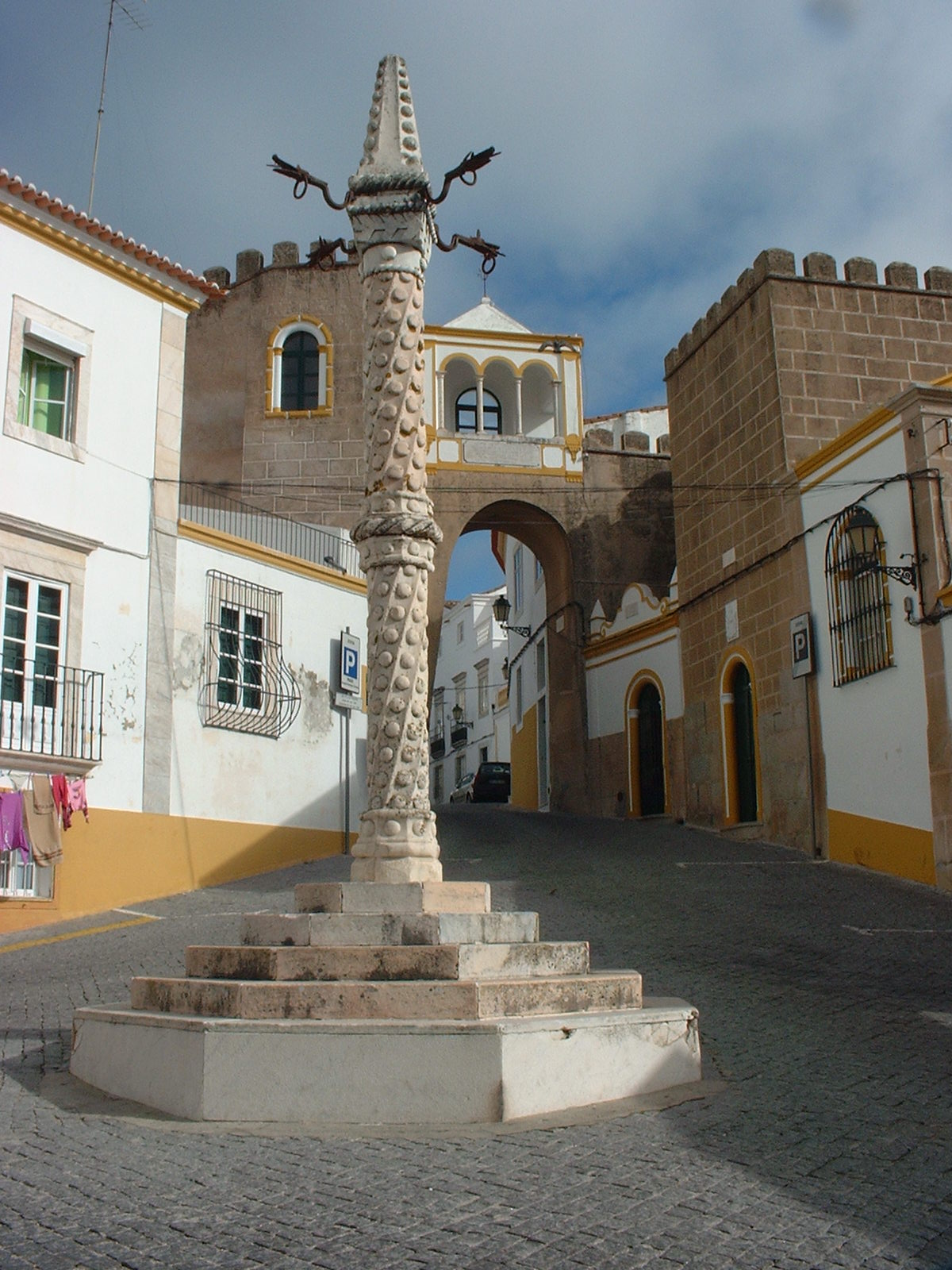
The pelourinho (pillory) in Elvas

This one in Elvas was a strong contender.  It has cobbles, washing hanging in the street, and of course the Moorish connection.

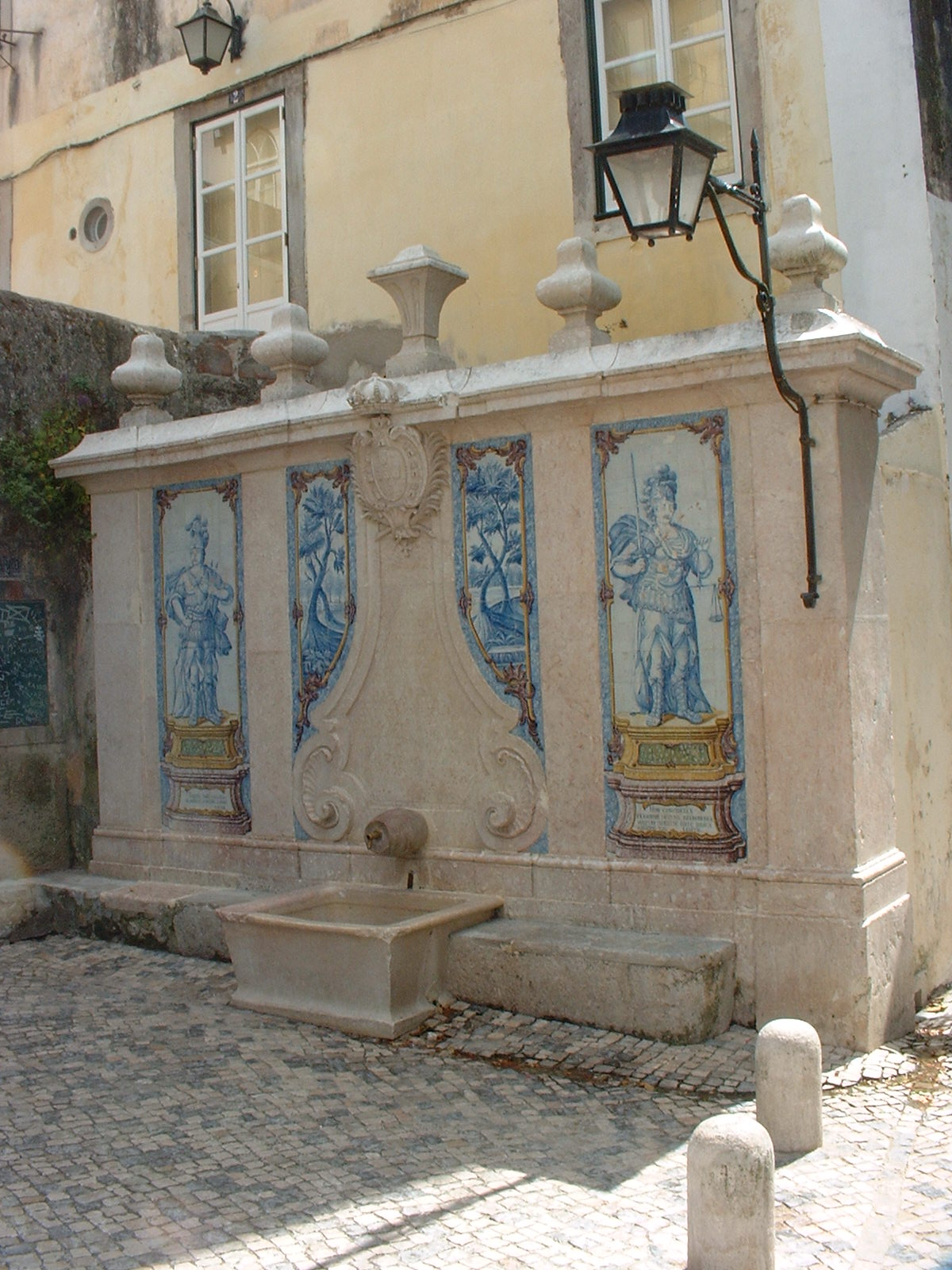
Back street fonte in Sintra

Finally, this one, stumbled upon in Sintra, and again typical of the azulejo panelled features you can find everywhere in Portugal.

So what do you think- did I make the right choice?  The Departure Board advised me that they prefered Landscape photographs, so that narrowed it down a bit.

It’s also my task to nominate two people to submit photos of another country.  There are so many to choose from but I’m passing this on to Cathy of A nomad in the land of Nizwa for her wonderful depictions of life in Oman, and to Andrew Petcher of Have Bag, Will Travel as we all know how passionate he is about Greece.

If you have a great shot which you think typifies any of the world’s countries, you too can submit your entry to Picture the World.  Go on- you know you want to!

Talking about Tavira

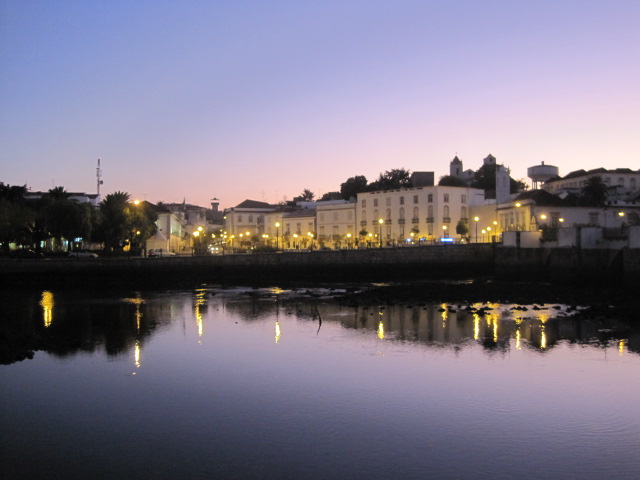
Having made the comparison in my last blog between Tavira in the Eastern Algarve and the lovely city of Durham, it must be time to introduce you properly to Tavira.  At this time of year we rush towards Christmas but, when the cold nips and the nights are dark, I can’t help longing for the skyline that I love.

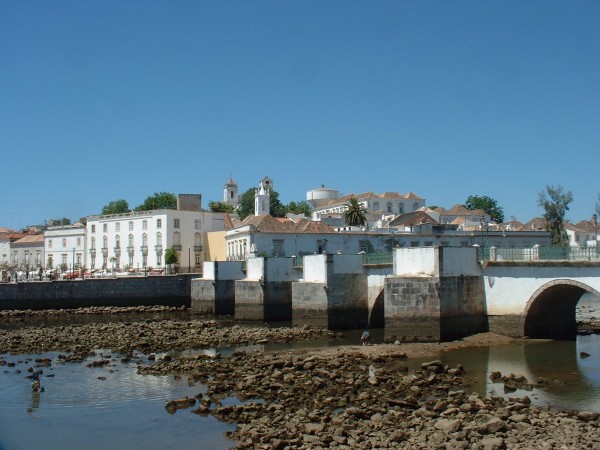
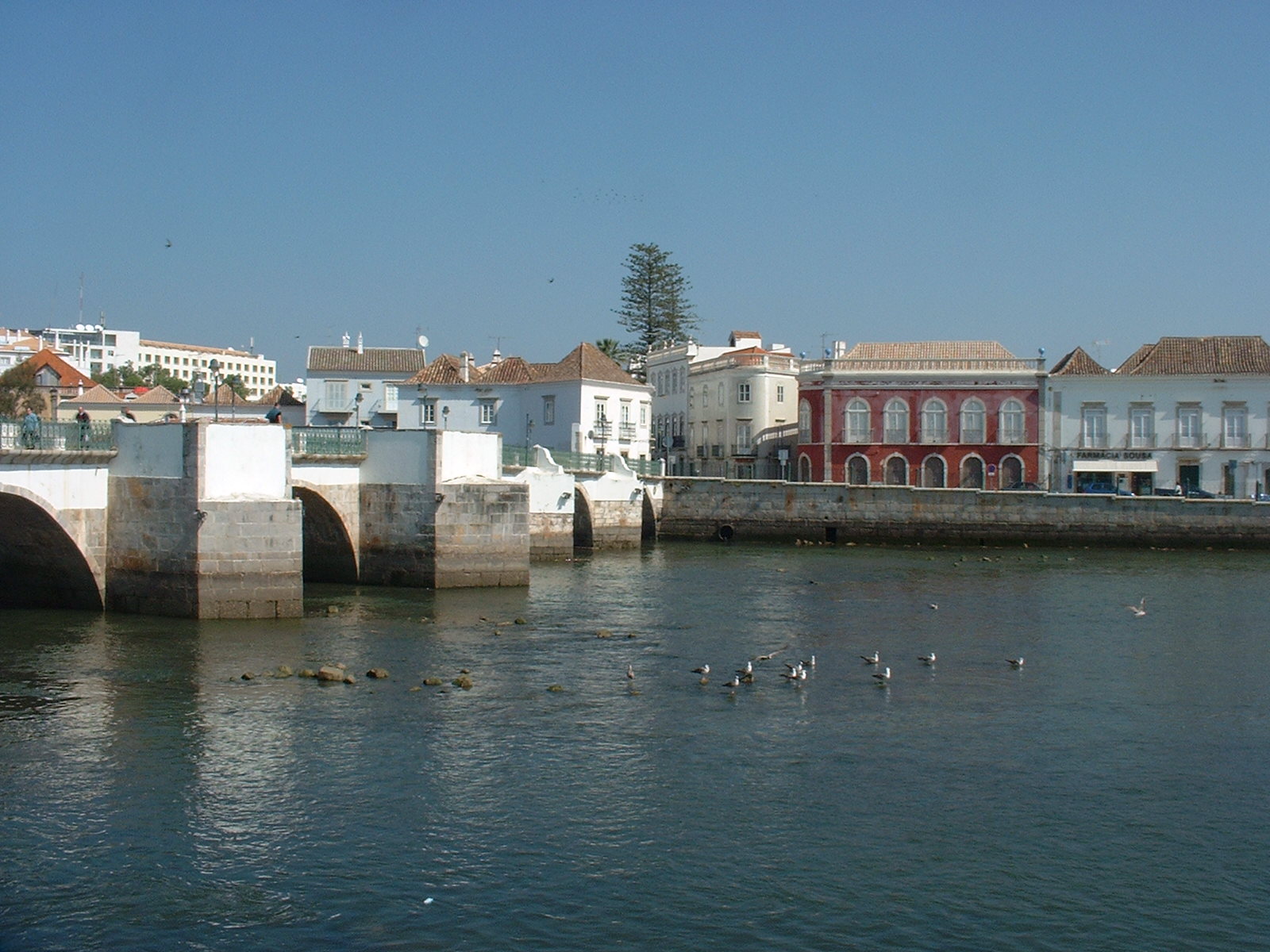
Ponte Romana and the skyline

Ponte Romana and that compelling skyline

I first arrived in Tavira on an October day when the streets were full of puddles.  Blue sky peeped around the fluffy white clouds, but I had eyes only for the buildings.  Rainbow coloured tiles washed their faces, and I had my first introduction to the azulejo- a blue and white tile used throughout Portugal for telling a story.  And I do love a good story.

Carmo church

Igreja do Carmo

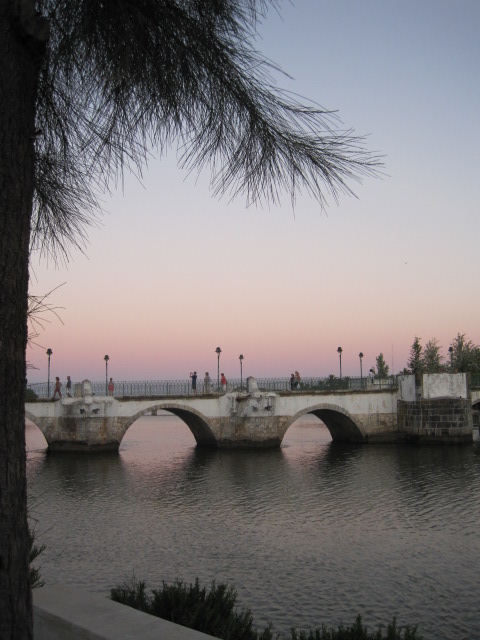
Parking and the one way system wasn’t easy for a newcomer but we found a space by the Igreja do Carmo, the mother church, and happily abandoned the car.  The cobbled streets wander erratically down to the river.  Gardens line both riverbanks, and across the River Gilao a tempting panorama of churches and castle walls awaits.  Two bridges provide easy access- one to admire the other from, with Ponte Romana effortlessly winning the beauty contest.

Rio Gilao and Ponte Romana

Rio Gilao and Ponte Romana

Ponte Romana

Ponte Romana

From the riverside cafe

From the riverside cafe

The river bank and Military Bridge

The river bank and Military Bridge

Off the main square, Praca da Republica, steps lead up to Igreja da Misericordia (Church of Mercy).  Here I was to discover the power of the azulejo.  The life of Christ and Works of Mercy are depicted in blue and white panels on the walls.  Our Lady of Mercy looks down from above the imposing main entrance.

Igreja da Misericordia

Igreja de Misericordia-copyright Wikipedia

On up the steep steps, I pause to admire the fine building that is the Palacio da Galeria.  Stepping inside I am entranced to discover that I can see through glass plates, down to the foundations.  To the rear, excavation continues slowly into Tavira’s history.  Restoration has created a beautiful museum, with sloping wooden ceilings.

View from the Castle Walls

View from the Castle Walls

Gardens and Santa Maria

Santa Maria through the castle gardens

Castle walls

Castle gate and walls

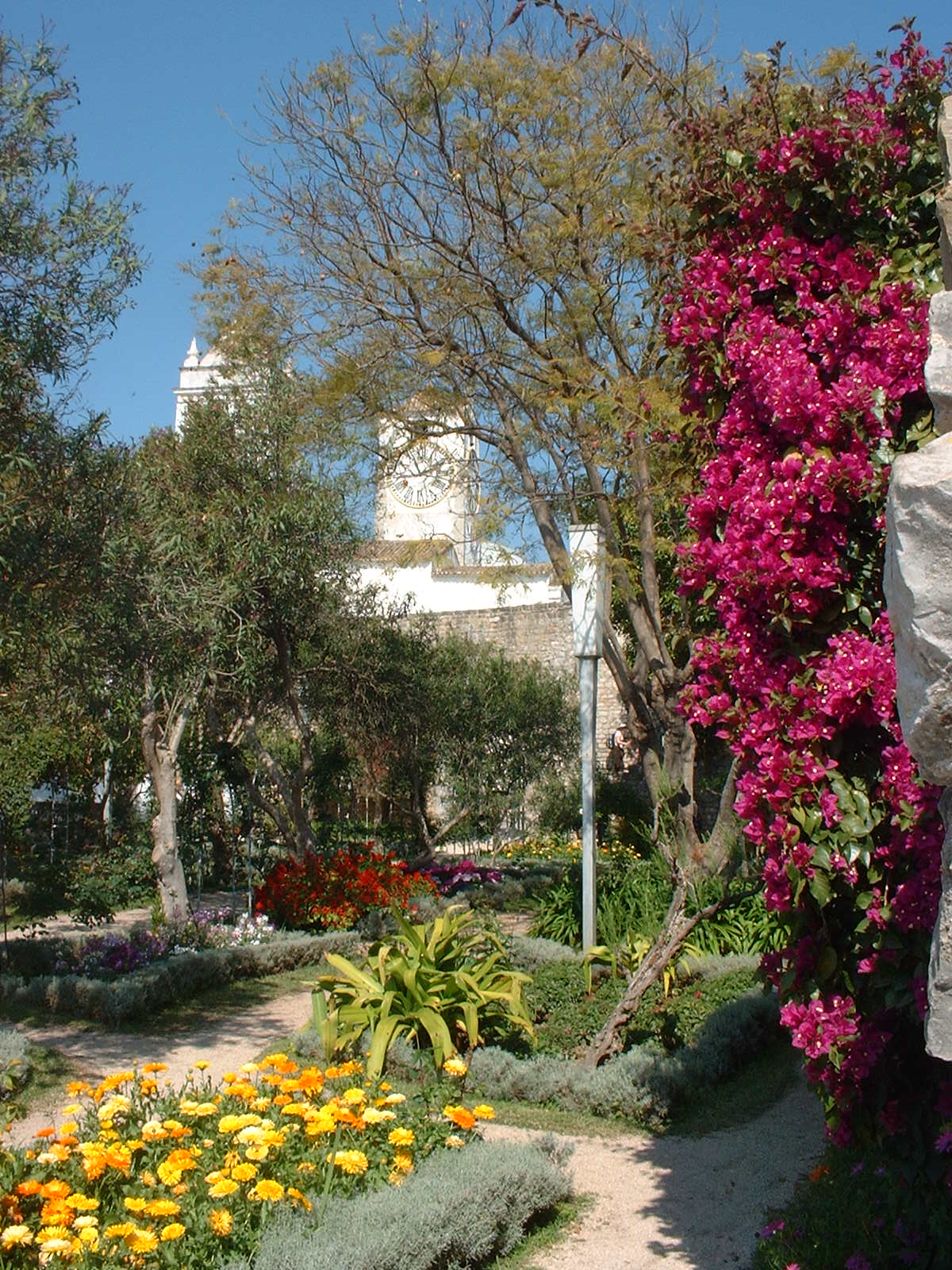
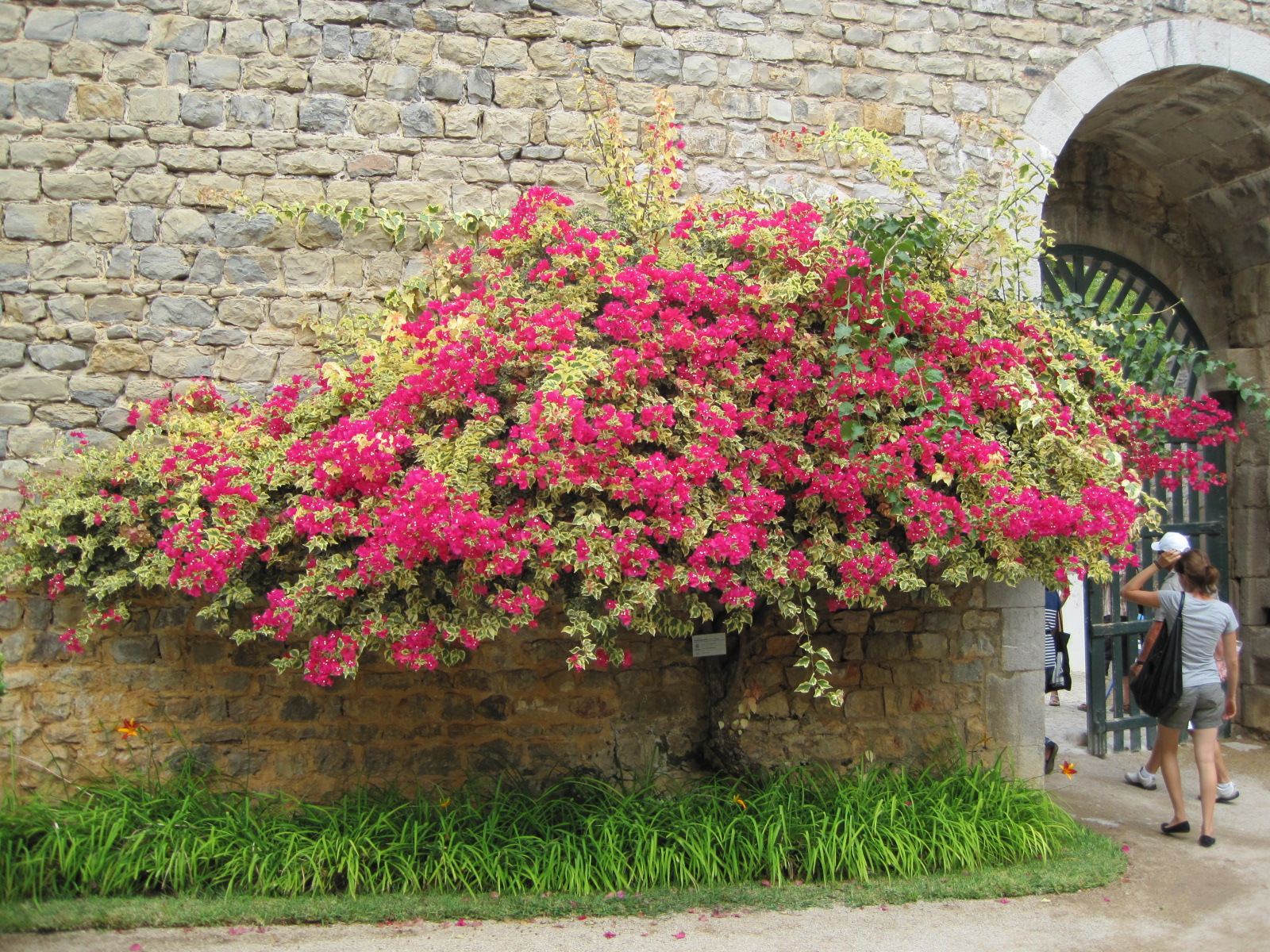
Just a little further up and you can rest in the gardens within the remains of the Castle walls.  A peaceful spot, the views from here out over the river mouth and the salt marshes are lovely.  The traditionally styled tessoura roofs are everywhere below.  Opposite the gardens another church, Santa Maria, contains the tomb of Dom Paio Peres Correia and the seven knights for whom he took back the town from the Moors in 1242.  The town had been ruled from Moorish Cordoba since 711 but the treacherous murder of his knights during a time of truce provoked Dom Paio.  Much of the town was destroyed during the conflict, and the church of Santa Maria was built on the site of the razed Mosque.

The name Tavira is thought to be derived from Arabic tabira, “the hidden”, but its history is long, dating back to the Late Bronze Age.  It was one of the first Phoenician settlements on the Iberian Peninsula and later the Romans built a port nearby.  The 17th century was a boom time for trade; salt, dried fish and wine were shipped.  The massive earthquake of 1755 destroyed much of the town, which was largely rebuilt in the 18th century, including the Misericordia church.

Bus station

The grand looking bus station with Santa Maria and the water tower(Camera Obscura) behind

Behind the Santa Maria, the landmark water tower has been converted for use as a Camera obscura.  On sunny days it is quite amusing to look up at the ceiling to view all of Tavira reflected there.  The charge is small and refreshments can be taken while you wait your turn.  Much grander refreshment is available at nearby restaurant A Ver, “the view”.  Outside tables provide one of Tavira’s finest, but at a cost.  The lunchtime menu is more reasonable, if you can’t resist the experience.

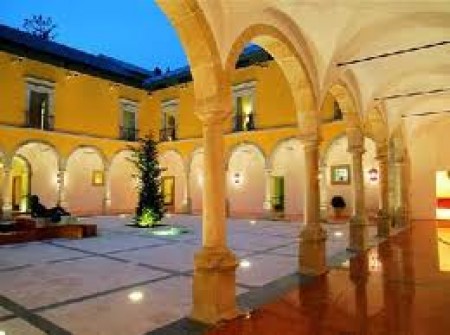
Conversion of fine buildings is almost a compulsion in Tavira and I watched with immense pride the reconstruction of the Convento de Graca, now a pousada– a state owned hotel.  The cloisters are stunning and it’s a place I would love to stay if I didn’t have a home here.

I can wander for hours in the back streets, noticing the detail on different buildings and choosing from the endless supply of pastelaria, the cafes the Portuguese love so much.  Almost all of the cakes are almond based and sticky sweet, delicious with a bica, the small strong hit of coffee.  My favourite remains the traditional pastel de nata, the custard tart- I was hooked from that very first bite.

Bandstand-vertical

Bandstand in riverside gardens,complete with terrapin

Blue tile building

One of many beautifully tiled buildings

Military Quarter

Military Quarter

Mercado-fish exhibition

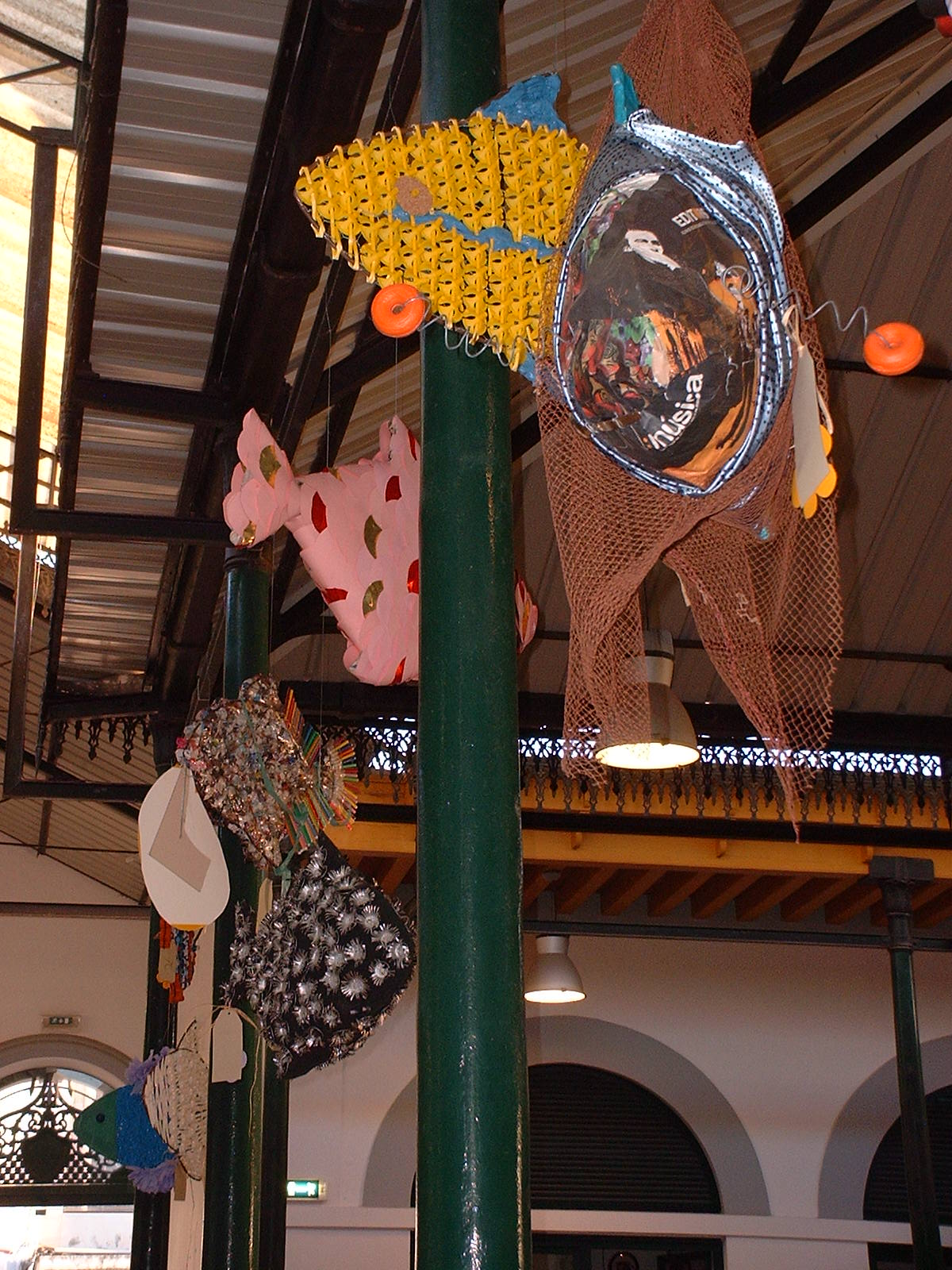
Tavira repays wandering, with many peaceful small squares and unpredictable buildings: the Military Quarter on Rua do Poeta, with its soldiers reclining on the roof and the immaculate parade ground within; the new library with its designer-look corten steel wall; the old Mercado beside the river, now home to restaurants and shops and quirky exhibitions.  Most of all, the numerous churches, each so different in character.  These days I regard it a personal triumph if I can find open a church that I have not been inside.  The opening hours are somewhat unpredictable.  Another lovely place to linger with a book, or just to sit – the gardens of the Igreja de Sao Francisco, off Praca Zacarias Guerreiro.

Weir at sunset

Sunset Ponte Romano

Sun sets on the Ponte Romano

Shoreline at sunset

That view again!
Always, as evening descends, I’m drawn back to the waterfront, stilled from the bustle of the day.  Seated outside our old friend, café Anazu, many evenings have come and gone, watching the swifts dart about, and sipping at a port wine.  It isn’t easy to do justice to this place, and the calm I feel on my return.  Nor have I yet mentioned Tavira Island and our numerous boat trips, for they are the subject of a different blog. To be fair, I suspect that the more northerly Tomar with its winding river and Convento, of which I have already written in Festa dos Tabuleiros, is a better comparison with Durham.  Nao faz mal as they say in Portugal- it doesn’t really matter.