Travel

Seven Super Shots

On a grey, murky Easter Sunday afternoon, after a rather nice dinner had been eaten and washed up, I decided to focus on my next challenge.  Julie Dawn Fox kindly tagged me to take part in HostelBookers Seven Super Shots.  You can see what Julie made of the challenge by clicking on her link above.  Quite appropriate that there’s a chocolate Johnny Depp to be viewed.  I didn’t get any Easter eggs.  Did you?

A photo that takes my breath away

The Ria Formosa from Cacela Velha

You might know that I’d be starting in the Algarve.  I have more beautiful shots from there than just about any place I’ve ever been- not surprising really.  This is a good time to point out that many of the photos on my blog are the handiwork of my husband Michael (he would say the better ones!)  As we sometimes share a camera, it can get confusing, but for the purposes of this post I have to stick to photos that I’ve taken.

The above shot comes from the very first time I witnessed the natural beauty of the Eastern Algarve, in the tiny hamlet Cacela Velha.  It really was breathtaking, and a moment I love to recapture.

A photo that makes me laugh, or smile
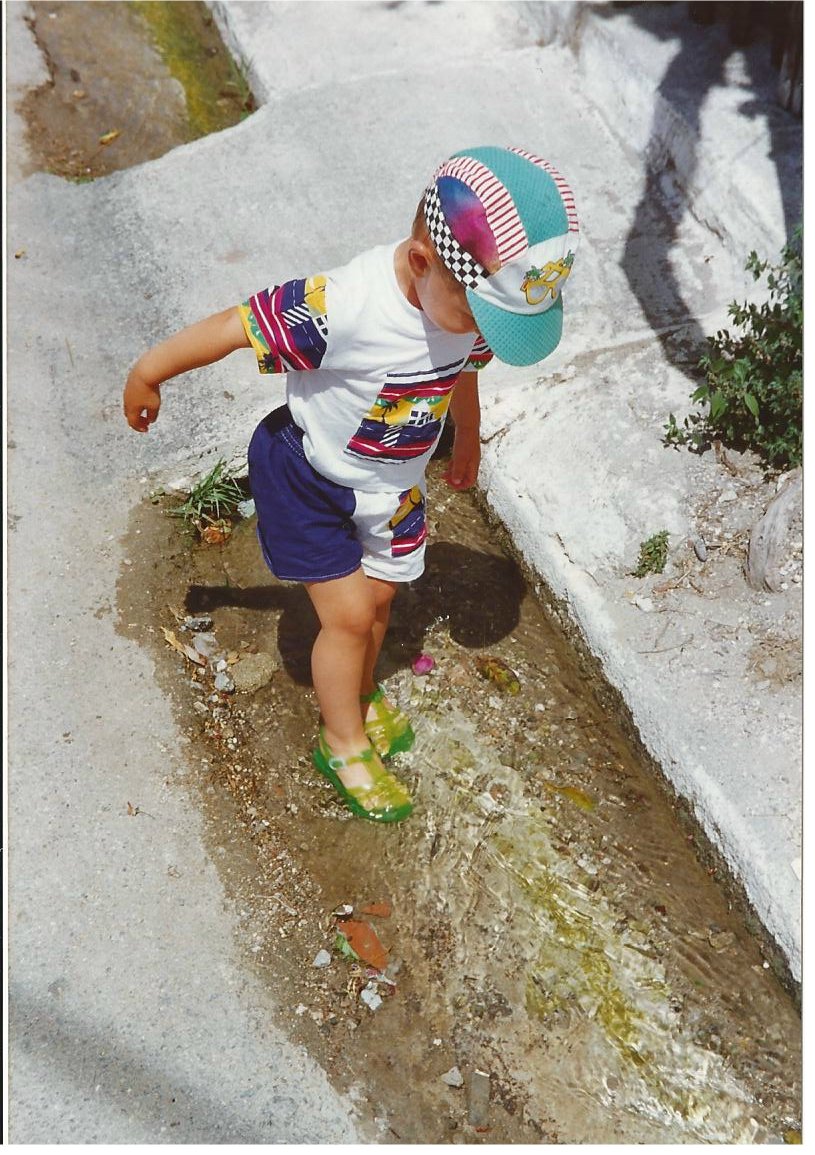
James goes paddling

This is one of many engaging photos of my son James that make me smile.  He was a charming toddler and easily found entertainment wherever in the world he happened to be.  Water was inevitably a success.  This was on Rhodes.  Can’t you tell?

A photo that makes me dream

North coast of Madeira from Porto Moniz

I’m fairly sure that this is one of Michael’s photos- oh dear, you’d better disqualify me!  It encompasses everything that I love in a photo- water, mountains, blue sky.  I thought Madeira one of the most beautiful places I have ever seen.  Cascades of flowers everywhere, distinctive buildings, fabulous scenery and wonderful levada walking- most definitely a place to dream.

A photo that makes me think

Part of the wall in the Jewish Cemetery, Krakow

I was very moved by this section of wall, constructed from the headstones wilfully destroyed by the Nazis during the Second World War.  I have been too cowardly to visit Auschwitz.  Just the descriptions of the teeth, hair and glasses massed in cabinets has me in bits.  I really can’t make myself go there.  But Kazimierz, the Jewish Quarter of Kraków, speaks to me of the past, and I was intrigued by the synagogues I saw there.  The area is now quite tourist orientated, but if you are able you should experience one of the free walking tours that are available.

A photo that makes my mouth water
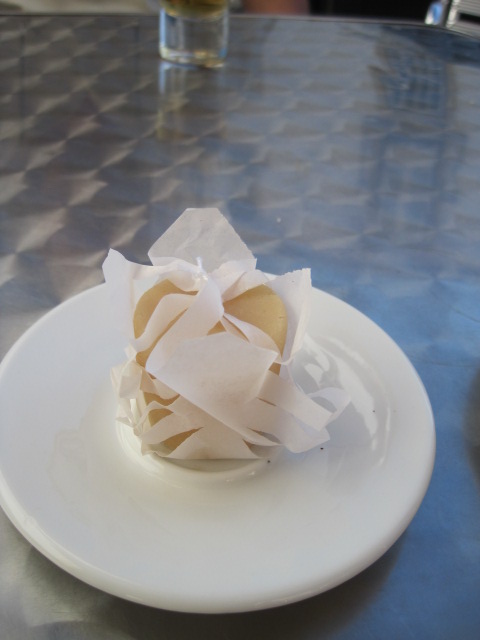
A "quejinhos do ceu"

I’m not much of a foodie and I rarely remember to take any photos of food- I just eat it!  I was delighted with this exquisite little cake though.  I was in the small village of Constancia in Central Portugal, at the junction of the rivers Zezere and Tejo.  It’s a lovely peaceful spot for canoeists and nature lovers (unless you time it to arrive on a Youth Festival weekend, as I did)

In the tiny village square with its pelourinho (ornate pillory), visible from our hotel bedroom, we lingered for a coffee at the end of the day.  I have a fondness for the pastel de nata (custard tart), widely available in the Algarve, but the proprietor, Luis, advised me that they only had the local delicacy, quejinhos do ceu.  What a find!  It looked as good as it tasted- a strong hit of almonds.  Strictly for sweet toothes!

A photo that tells a story
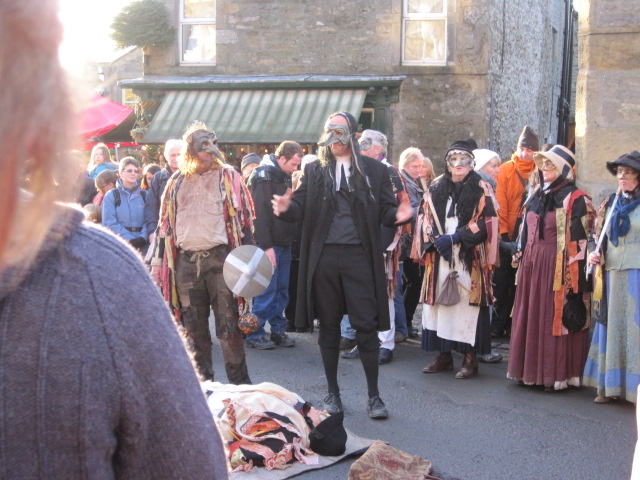
Mummers at Grassington Dickensian Festival

Not the best of photos, but a memorable occasion.  The Dickensian Festival in the Yorkshire Dales village of Grassington is one not to miss if you’re in the area in December.  Together with nearby Skipton village, festivals are staged over 3 successive weekends.

The whole is in aid of local charity and you are quite likely to be offered “a kiss for 20p” from a nice-looking young shepherd. (no, that’s NOT my main reason for going!)  The Mummers have many a tale to tell, and if you’re into audience participation they’ll happily include you.  The day closes with a procession through the streets, following Joseph and Mary as they search for shelter at the three village inns.

The photo that I am most proud of (aka worthy of the National Geographic)

Porta da Vila, Obidos

I’m out of my depth here as I am no technician when it comes to photography- I just know what I like and do my best to capture it.  You knew I’d end with Portugal, didn’t you?  I’m going to give you two to chose from, since that one in Madeira wasn’t really mine.  That way I can legitimately claim seven.  The Porta da Vila is part of the town walls of Obidos – another place you don’t want to miss if you have the opportunity.  I was there at the time of a Medieval Fair, which really added to the atmosphere, but the liqueur Ginja de Obidos, served in chocolate cups, makes it a great venue at any time of year.

Sunset in Cabanas

I can never resist a sunset and am often up on our roof terrace at the end of the day, listening to the birds and watching the changing sky.  The above shot was taken in February, during an evening stroll along the boardwalk in Cabanas, just a few miles east of Tavira, in the Algarve.  I like to think I’m getting better at taking photos, but in reality I’m very hit and miss.

So I’ll pass on the challenge to someone I know can do much better:

Francine in Retirement

Fun and Fabulousness

Just a Smidgeon

Bringing Europe Home

Fabulous 50s

I am knocked out by the photography on all your blogs and I don’t know how you’ll pick just seven.  You also need to tweet your post to HostelBookers to let them know you’ve taken part at #7SuperShots.  Don’t forget to check out Julie’s Johnny Depp!

My travel inspiration

More excitement!  I’ve been nominated by Suzanne of the travelbunny to take part in Easyjet’s Inspiration Initiative.  Suzanne is a very well-travelled lady and I love her blog, so I musn’t let her down.  Inspiration to travel?  You only need to browse the current dazzling array of travel blogs.  Easyjet would like to know Who, What, When and Where are the inspiration for your travels?  There are prizes!
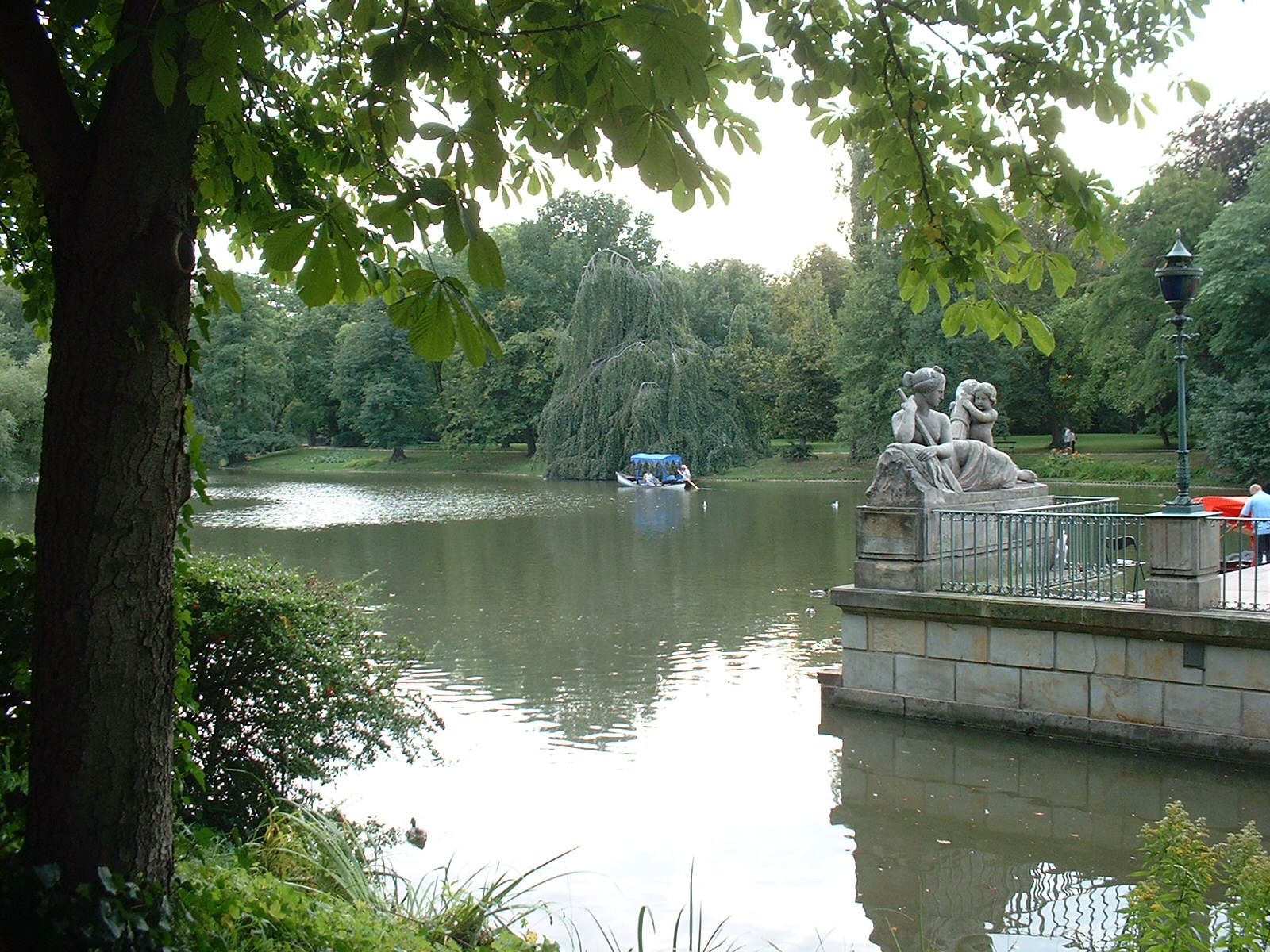
Who?  Like many others, I have a great fondness for Michael Palin and his gentle way of being in the world, interested but unobtrusive. (unless you count the camera crew, of course!)  His warmth and humour are ever-present, in sometimes quite trying circumstances.

Class 153, Michael Palin at
Cambridge, Wikipedia

I don’t imagine it was much fun battling altitude sickness in the Himalayas, and he’s certainly slept in some strange places.  Still, watching him on TV was the first time I can ever remember thinking “I want that job”.  I want to travel.  Why, he even has two trains named after him!

Living in hostel accommodation in London in my late teens, I explored back streets and wandered the riverside for hours.  I was besotted with the shiny city, so different from my quiet hometown.  Then one of my room-mates announced that she was emigrating to Australia.  The possibility had just never occurred to me!  Tempted though I was, I never made that leap, a new and lustrous relationship keeping me in place.  Who knows where I’d be today if I had, but I’ll never forget my inspiring, adventurous friend, Di.

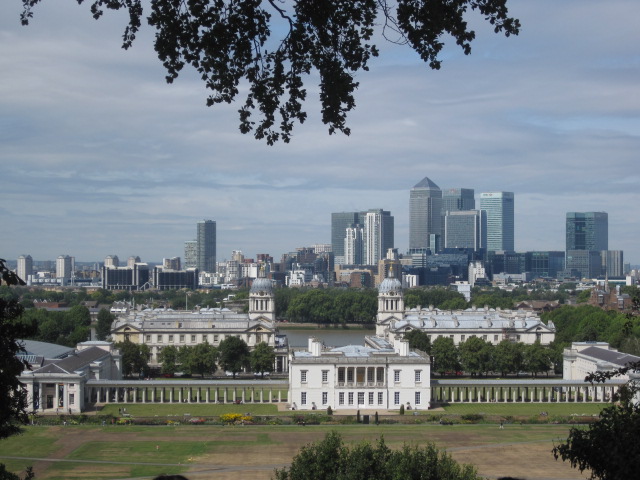
London Town viewed from Greenwich Park

What?  It’s books for me, all the way.  I can never walk past the Oxfam shop in Durham without nipping upstairs for a peak at the travel section.  Before I know it I’m sunk in an armchair, with a heap before me on the coffee table.  Buddhist temples, multi-hued mountains, languid beaches- the world at my fingertips.

"Lumiere" 2011, Durham City

And planning?  I read everything related I can get my hands on.  I cannot bear to return from a trip and have somebody say “did you see…” and my answer be “no”.

Years ago I used to watch every episode of “A Place in the Sun”, riveted by the snippets of background on each of the destinations.  Every week I was “living” somewhere different.  Little did I think then that I’d fall in love with, nevermind buy, in Tavira, on the Eastern Algarve.

Ponte Romana and the skyline

When?  I still have home commitments and a husband who loves his work, or my gypsy caravan would have worn its wheels down long ago.  I always dreamed of owning a boat and following the coastline into infinity.  The nearest I’ve managed to date is gulet sailing in Turkey, and ferrying between the islands of Greece, but I’m still hopeful.  In the meantime, whenever I can get a well-priced flight the antenna start to quiver.

Where?  Many of my travels are centred in Portugal, but that’s no hardship.  It’s a beautiful country with one foot still a little bit in the past, and I like that.  From its vivid capital Lisbon, inland to the most wistful of castles at Almourel; from spectacular coastline to historic cities, there’s little that Portugal can’t supply.  I’m on a mission to see the Duoro valley this year.  You just can’t take the wanderlust out of Restlessjo, and I’m often to be found with my head in a travel guide.  Moorish Seville, Granada and Cordoba have surrendered, Jerez and Cadiz yet to be conquered.  Did somebody mention “Tall Ships” this year?  It must have been in the Easyjet magazine.

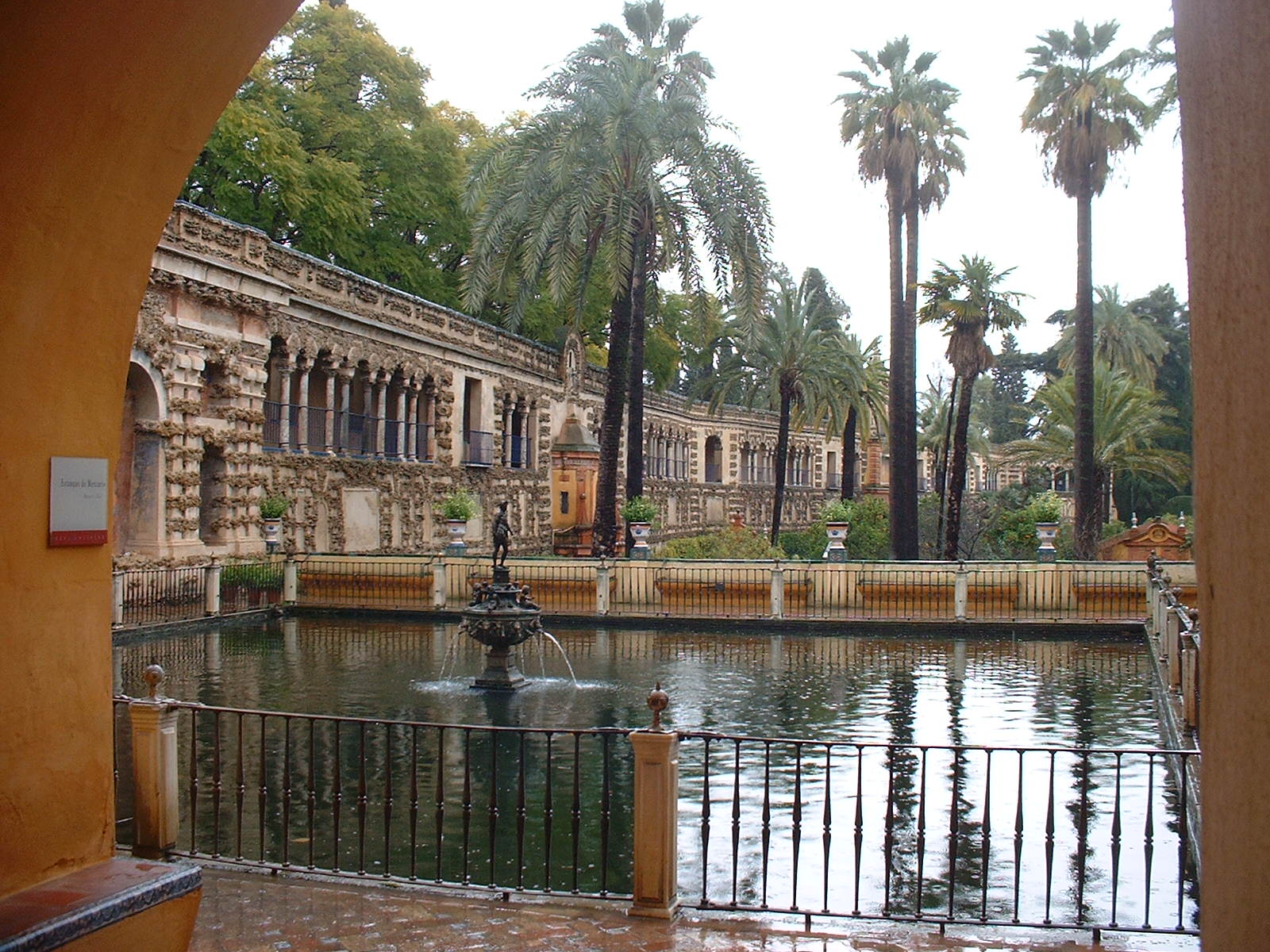
Real Alcazar gardens in Seville

My new found Polish family introduced me to a different culture, whose cities and landscape I find equally beguiling.  Krakow and the Tatry mountains certainly know how to inspire.  Nor can I discount the pleasure of walking on my native North Yorkshire moors, or a visit to my daughter in lively Nottingham.

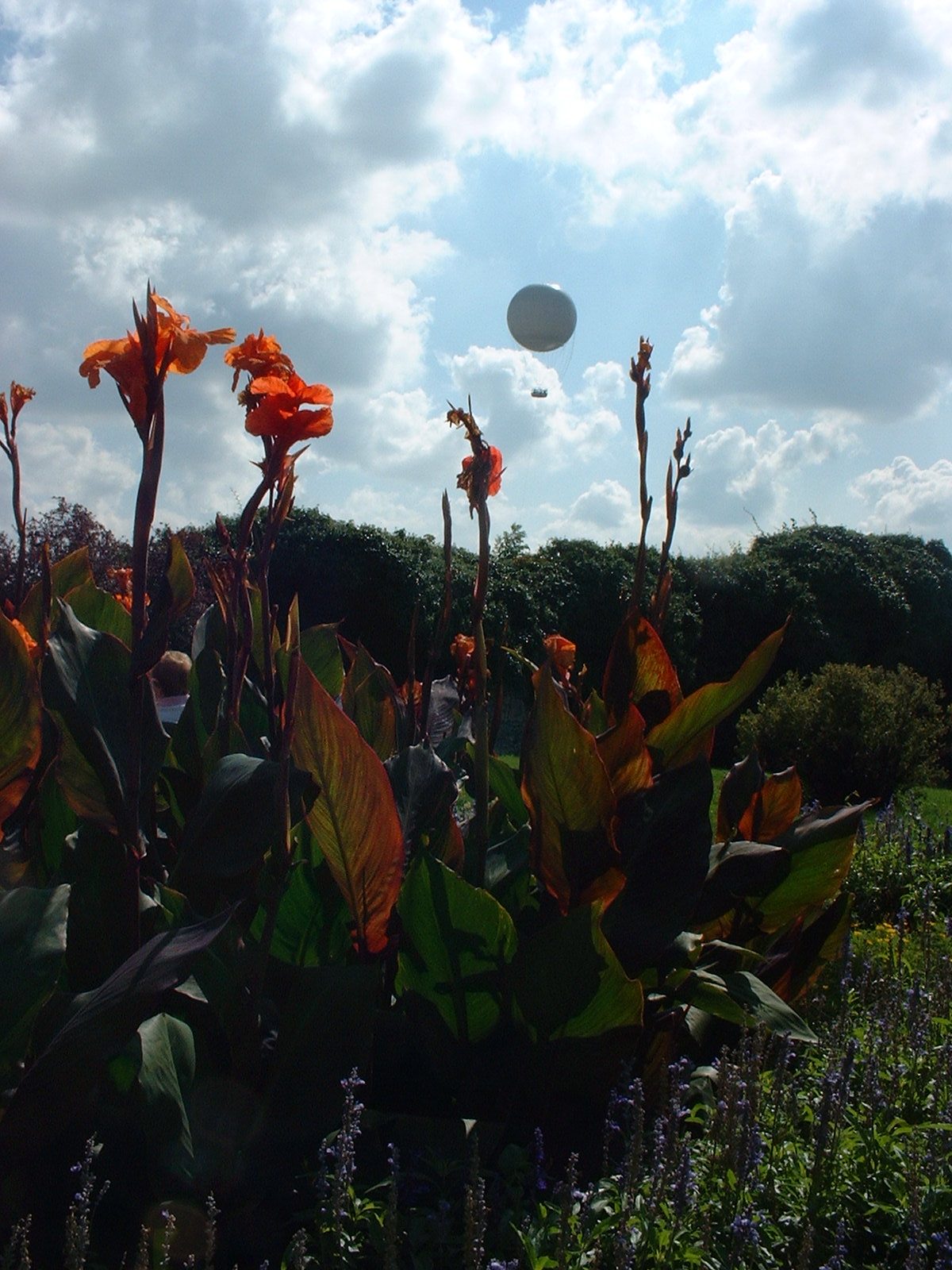
Balon Widokowy (tethered hot air balloon) over Krakow

These days every morning presents a different trip.  I open up my emails and am transported to Anne Frank’s house in Amsterdam, or to play with traditional dolls in Japan, or climb the Great Wall of China.  How much have my blogging friends enhanced my world and inspired me!  Thank you all.

My 5 nominations are:

Have bag, will travel

Bringing Europe Home

Julie Dawn Fox in Portugal

A bit of culture

Travels of a Non Traveller

Good luck and happy travels folks!

Six word Saturday

Celebrated landmark 50th post this week

https://restlessjo.wordpress.com/2012/03/30/k-is-for-krakow/

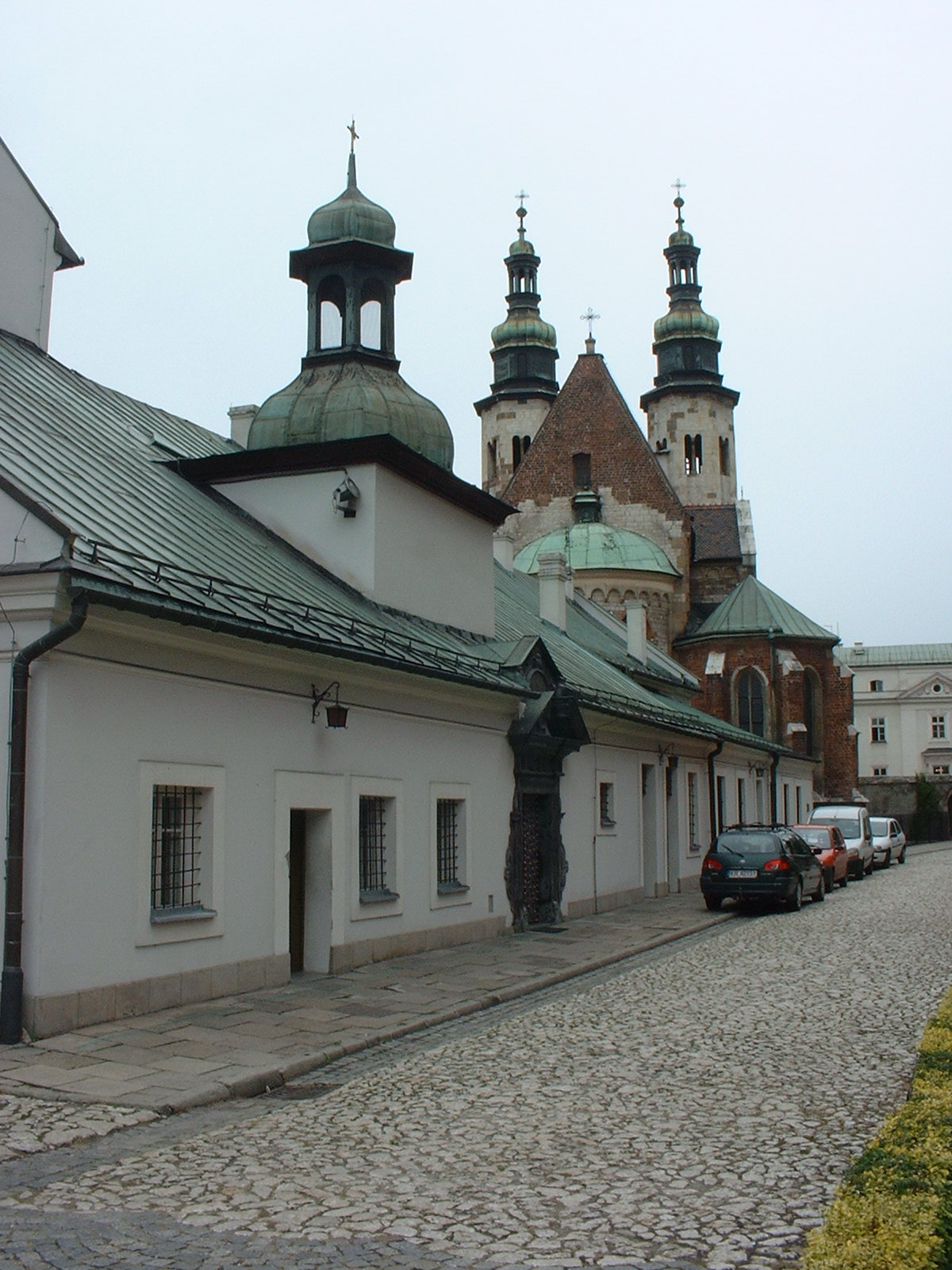
Wawel Cathedral

Thought I’d share with you just a few more images of my favourite Polish city.

Jewish Cemetery- the wall is partly reconstructed from smashed up tombstones

Section of the town wall that doubles as an art gallery

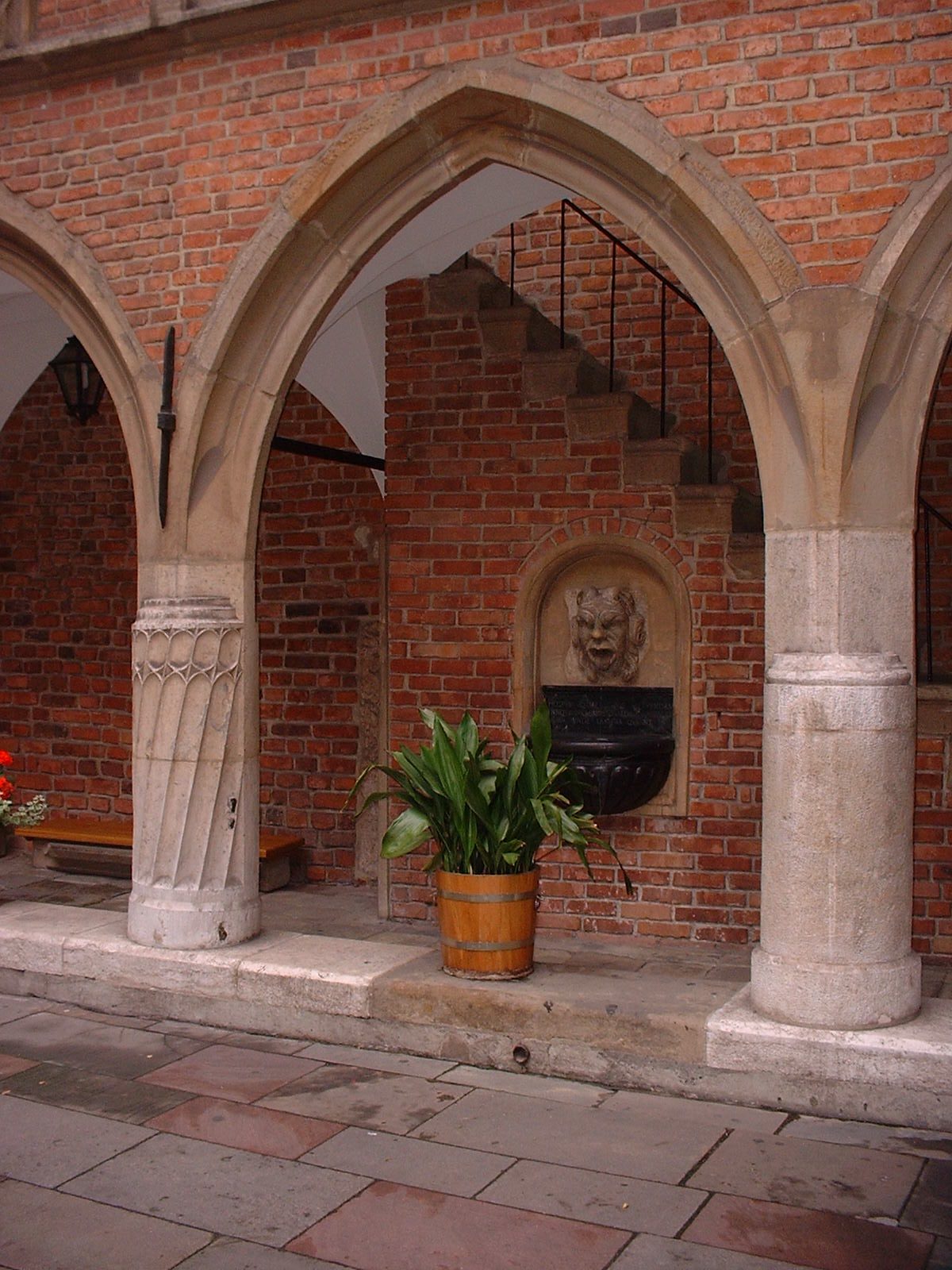
Collegium Maius- the prettiest ticket office lies just through those arches

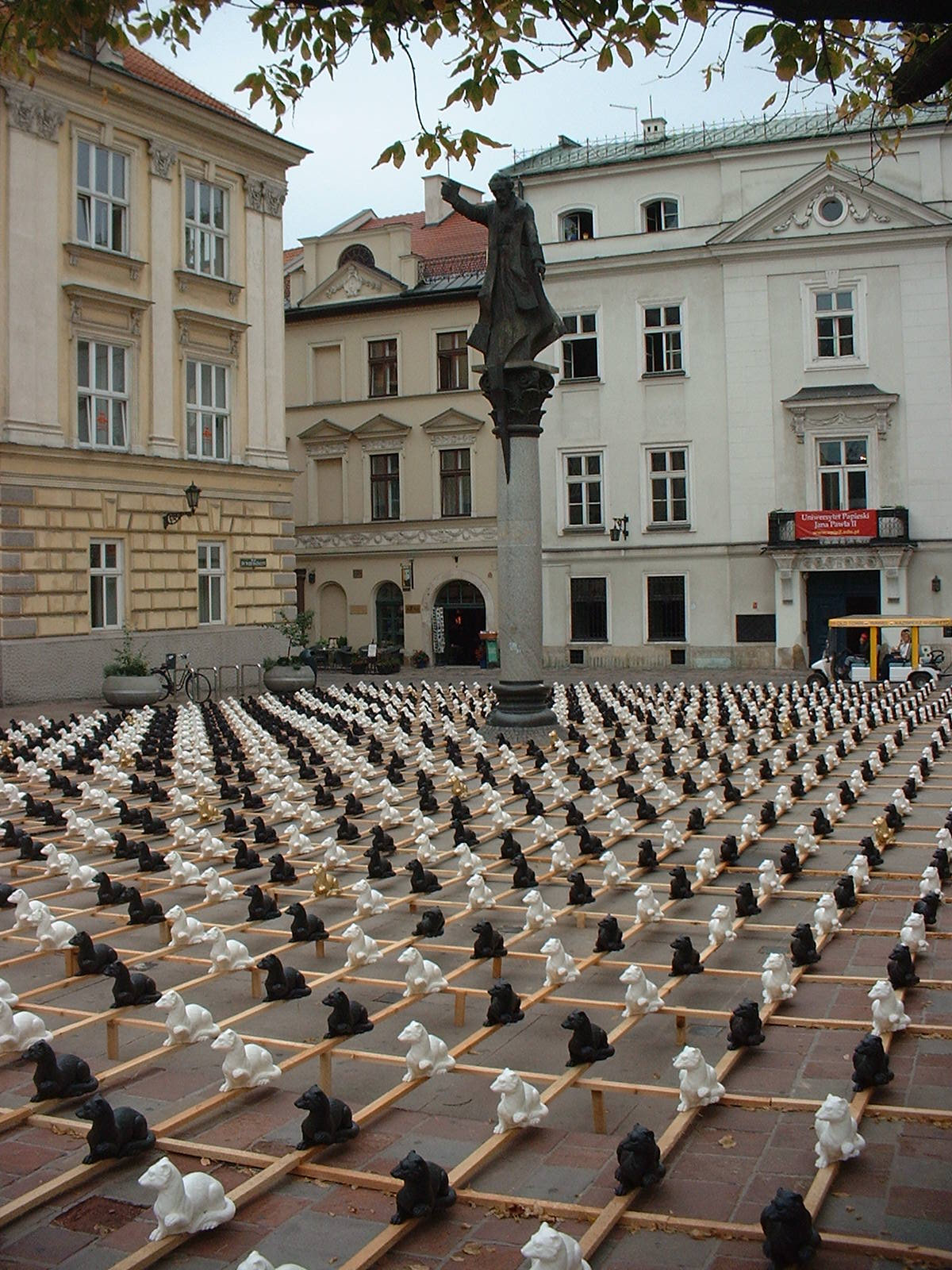
Wasn't sure what to make of this outdoor exhibition but I liked it. "Lady with the ermine" reference?

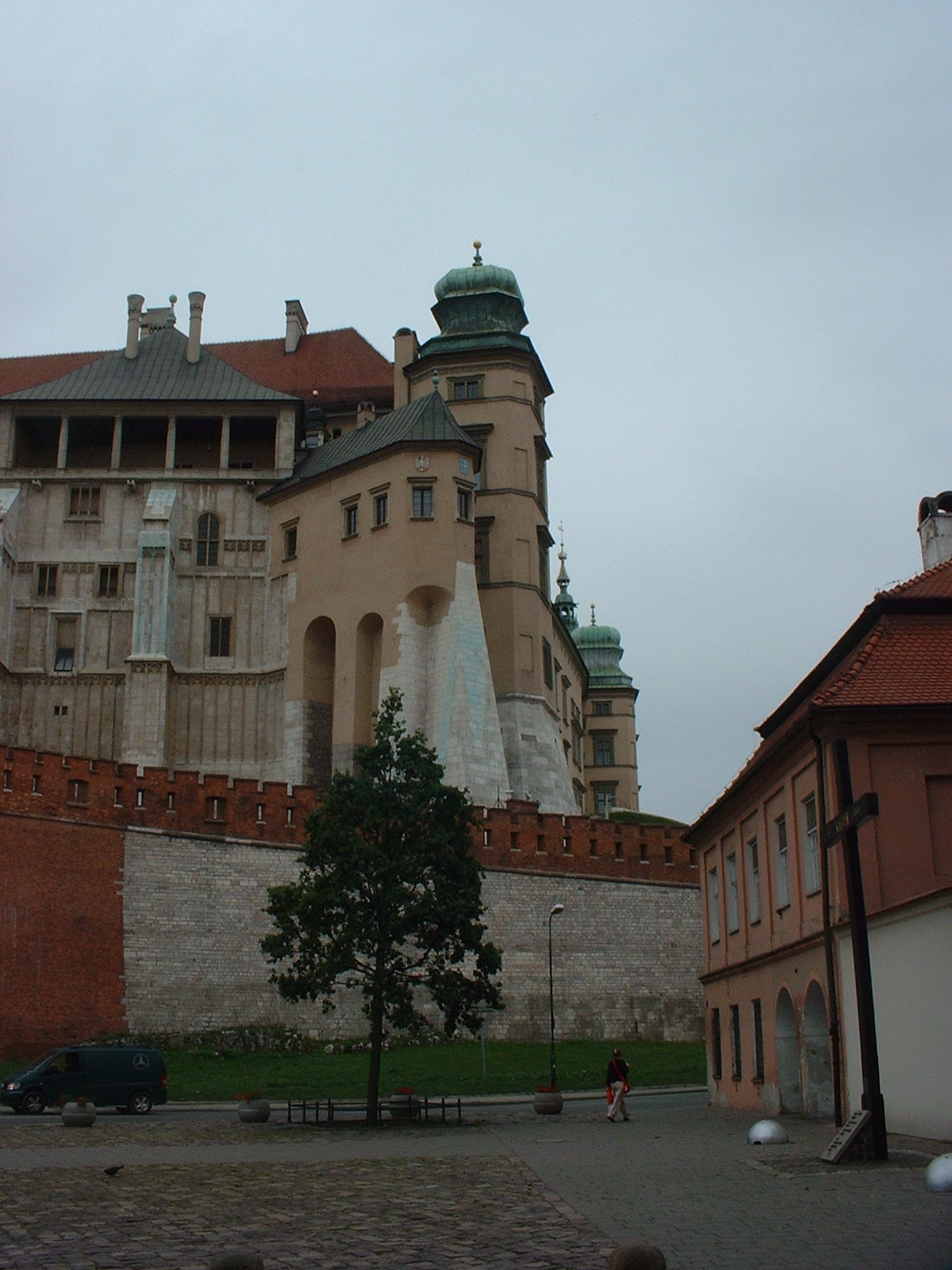
Wawel Castle from Kanonicza

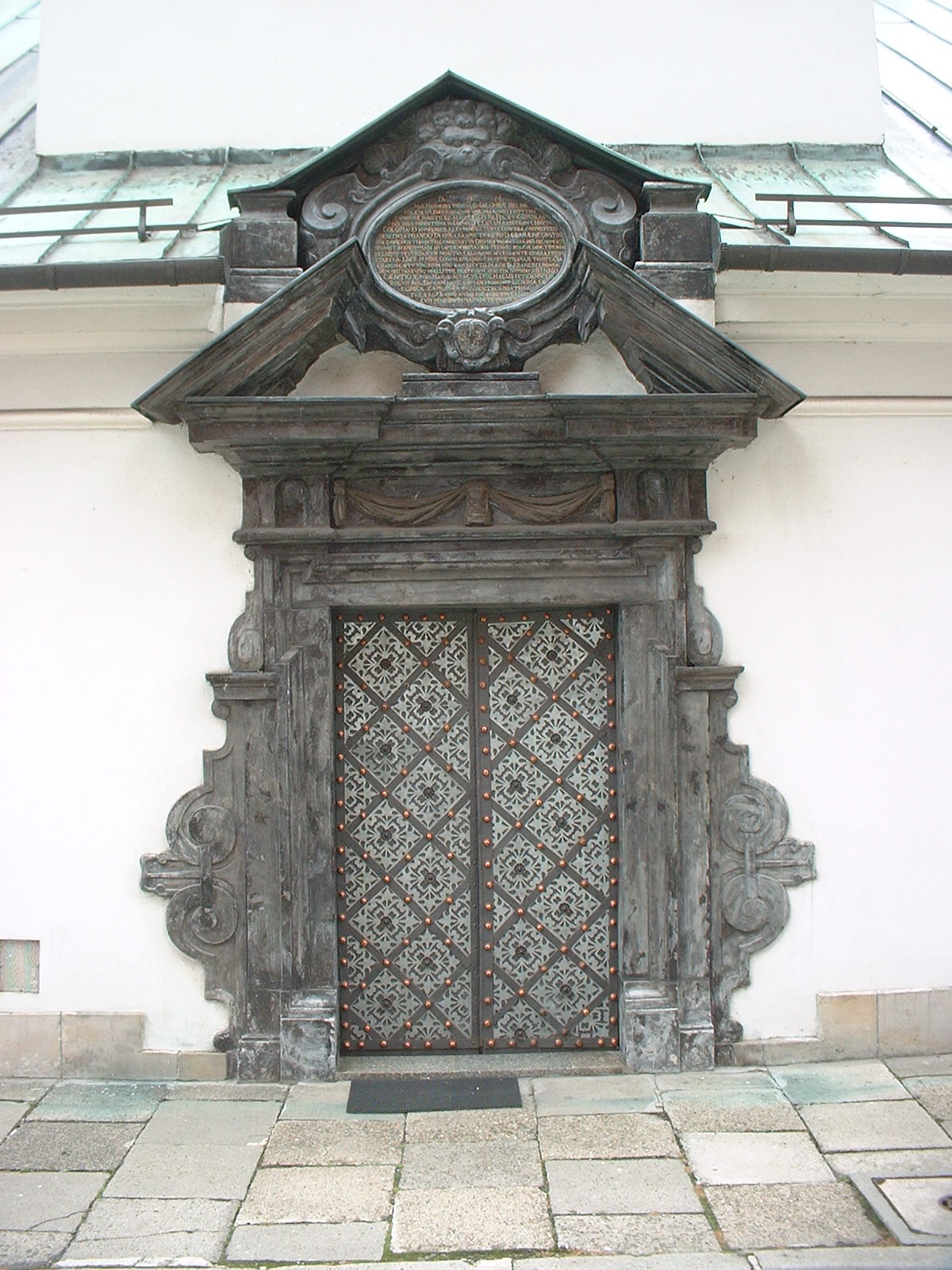
Loved this gate

Aren't the shapes just magical?

Up, up and away! Balon Widokowy from Wawel Castle gardens

Hope you enjoyed these as much as I did.  Read the Krakow guide and tell me what you think if you have time?  Have a good weekend and don’t forget to play Six word Saturday with Cate at http://www.showmyface.com/2008/01/six-word-saturdays.html  Click on the button below to see more of my Six word Saturdays.

K is for Kraków

I just know I’m going to struggle with this post.  I have so much affection and admiration for Kraków, and so many happy memories that keeping to a readable length may well prove impossible.

Woodcut of Krakow from the Nuremburg Chronicles,1493- from Wikipedia

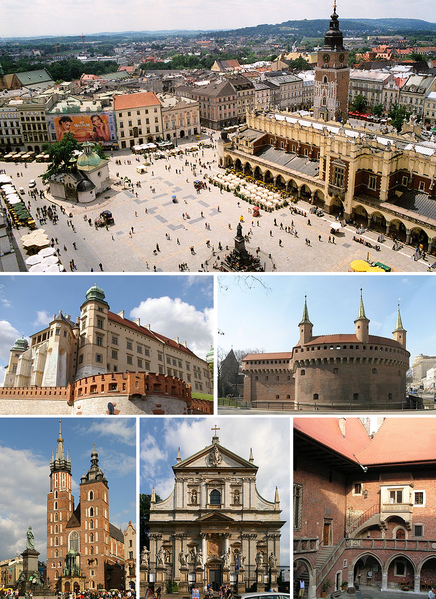
Polish cities have had to be masters of the art of survival.  Nowhere is this better illlustrated than in Kraków, Poland’s ancient capital and seat of its kings for more than 500 years.  I was in love with this city from the first time I walked, arm in arm with my Aunt Anna, into Spring sunshine-filled Rynek Główny, the magnificent market square at the heart of Stare Miasto, the old town.

Rynek Glowny- from Wikipedia

I did not know then of the acid rain inflicted on the city by the post war communist regime.  The construction of Nowa Huta, the largest steelworks in Europe, on the city’s outskirts was intended to humble a proud, cultured city by grafting on a new working class.  If anything, it worked to strengthen anti-communist feeling, so that when opportunity presented itself, the steelworkers were quick to join Solidarity and agitate to overthrow their oppressors.

Kraków’s elegant buildings were little damaged by World War 2, since Hitler chose the city as his base of operations in Poland.  Yet a mighty struggle was needed to reverse the damage to the city and its inhabitants by the toxic chemicals from Nowa Huta.

None of this is apparent in today’s Kraków.  As I gazed in awe at the opulence and vast space of Rynek Główny, crowned by the Cloth Hall, Sukiennice, I was aware only of the gentle pressure of Anna’s arm.  I’m trying to discount the presence of the cameras that followed us- Dad’s story had attracted media attention back home.  https://restlessjo.wordpress.com/2011/10/24/exploring-the-polish-connection/ Flower stalls, candles and corn plaits filled the square with vibrant colour.  It was almost Easter and traditional circular bread rings were on sale.  My cousin Adam is a baker and it proved essential to sample these.

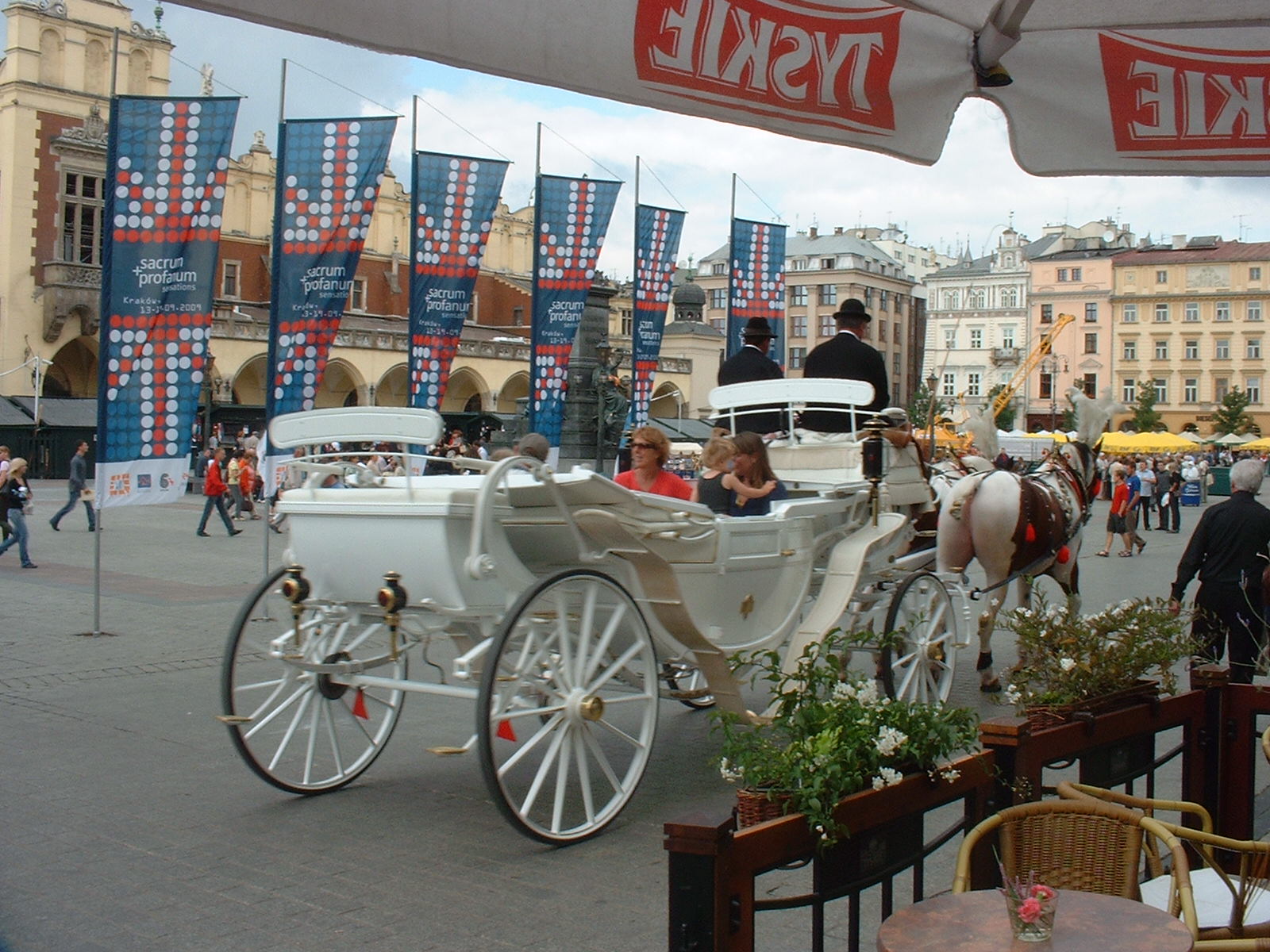
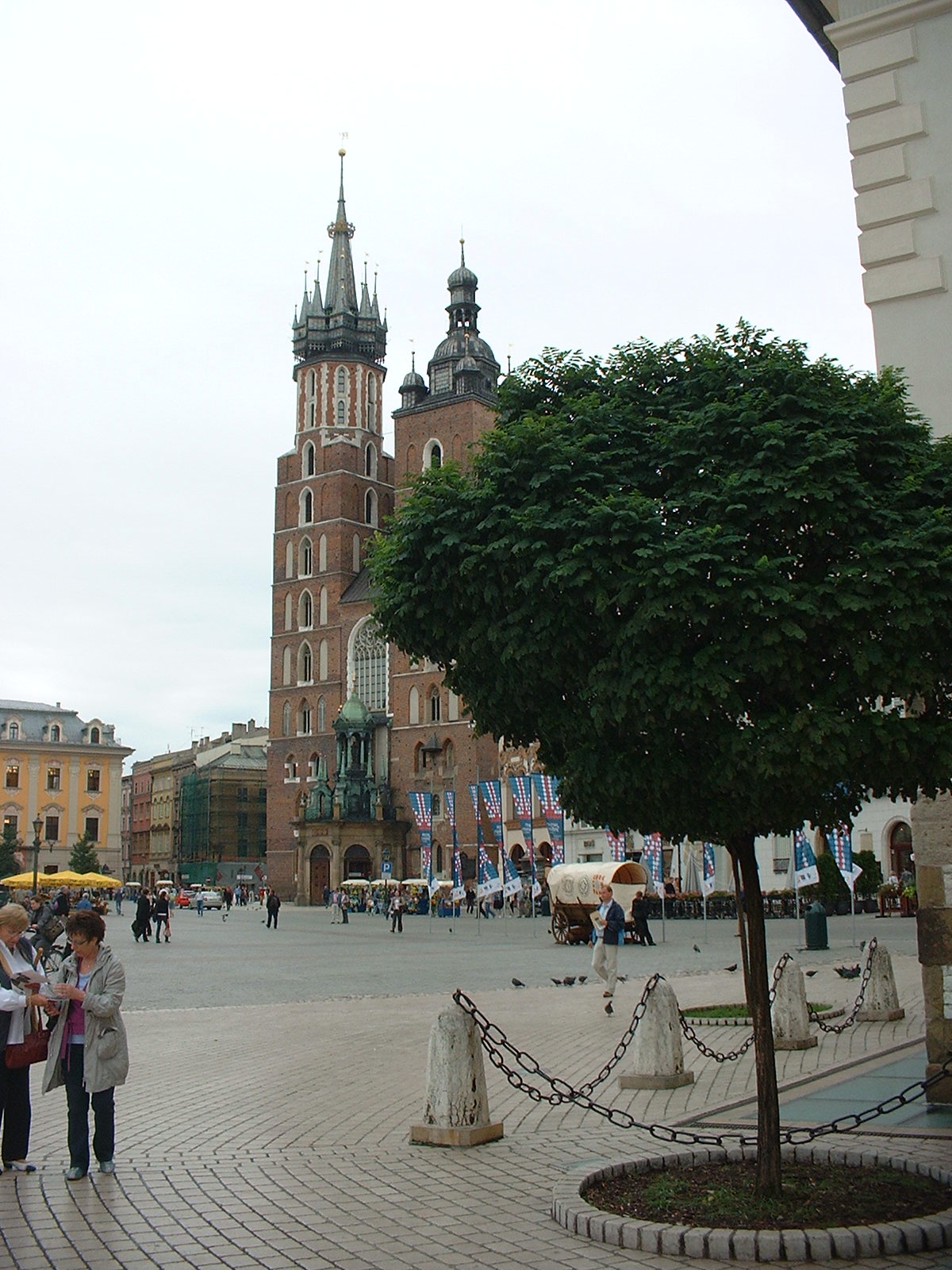
That day we didn’t linger, but I’ve returned many times since to Europe’s largest medieval market square.  I find it magical, with the gentle clop of horses’ hooves as the costumed drivers steer their carriages through strolling tourists.  Always, as the hour chimes, a cluster of people gaze skywards at the tallest tower of the Mariacki Church, St. Mary’s.  Legend has it that during a Tartar raid on the city in 1241, the watchman tried to sound the alarm from this tower.  He was cut short from his trumpeting by an arrow through the throat.  An hourly tribute to this moment ends mid phrase, then the trumpeter waves cheerily to the crowd, and lives to repeat his performance.

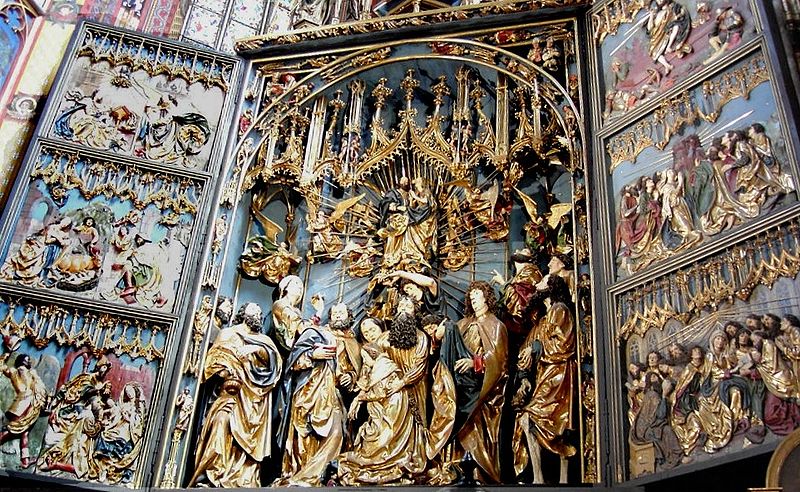
An altogether different performance takes place inside the Mariacki Church at noon each day. (Sundays and saints’ days excluded)   I found the cobalt blue ceiling with its panorama of stars and local artist Jan Matejko’s painted friezes truly beautiful, but it’s the opening of the high altar that draws the crowds.  Carved by Nuremberg craftsman Veit Stoss, from 1477 to 1489, it’s one of the finest examples of Gothic art in Europe.  The outer of the gilded limewood polyptych illustrates the life of the Holy Family.  With great pomp and ceremony the outer panels are drawn back to reveal six superbly colourful scenes from Christ’s life, while “sleeping” Mary is watched over by the Apostles.

Veit Stoss altar- from Wikipedia

You need to purchase a ticket to witness the opening.  A small ticket office in the adjacent square Pl. Mariacki opens shortly before each unveiling.

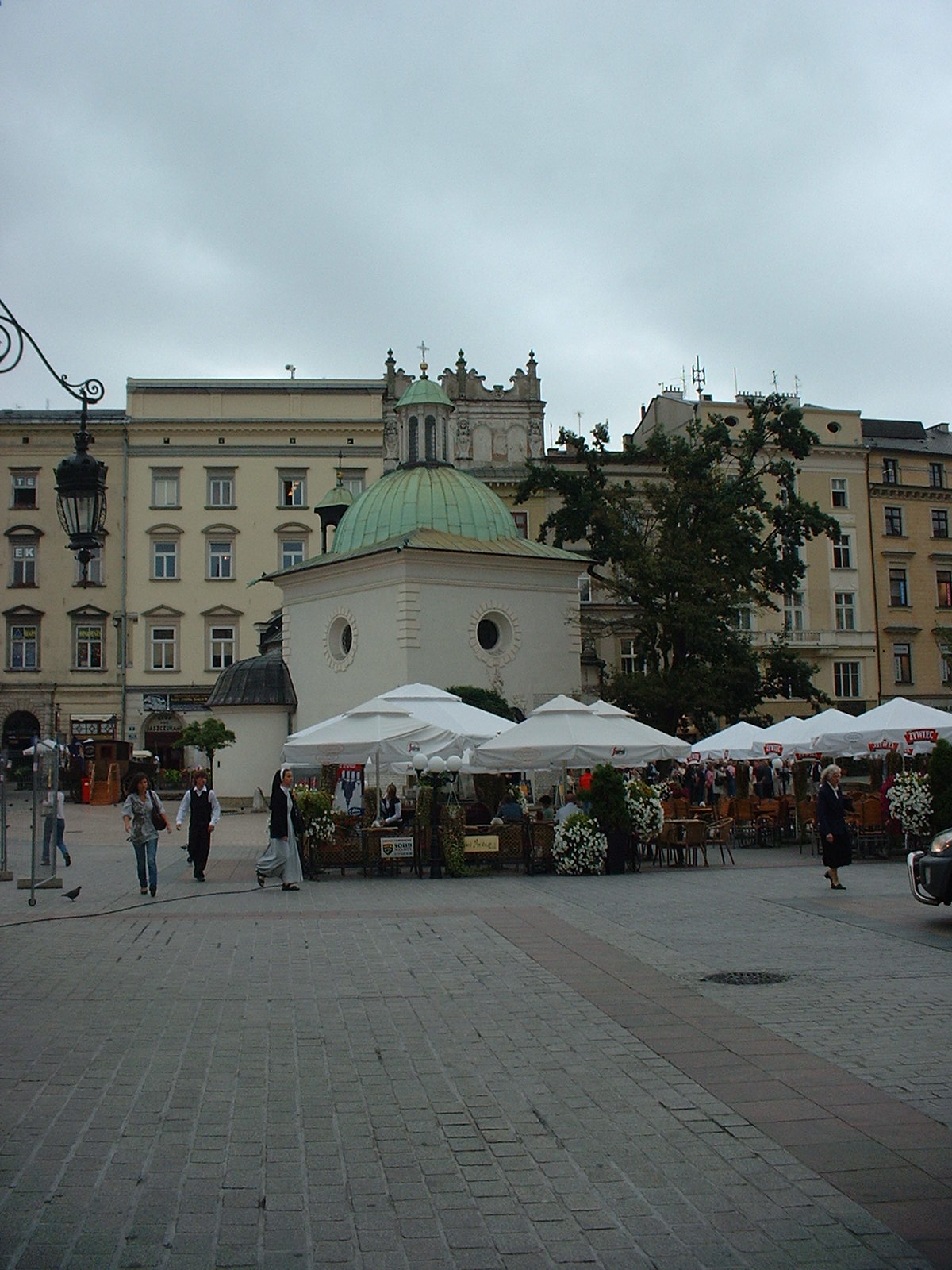
Back in Rynek Główny, the contrast with tiny St Adalberts, the oldest building in the square and the first church to be founded in Kraków, couldn’t be greater.  It’s serenely peaceful inside, and in the basement the original 10th century foundations are still visible.

St Adalbert's Church

The flamboyance of medieval Sukiennice constantly draws the eye.  It has to be the prettiest indoor market I have ever seen.  Inside the stalls are laden with amber and sparkly things, craftwork and woollens.  Heraldic shields sit high on the whitewashed walls, a reminder that the richest of cloth merchants once worked here.  In the cafes, under the arcades, writers and artists once met.  Now tourists are catered for, with inflated prices.  I prefer to sit at the edge of the square, looking in on an ever changing scene.

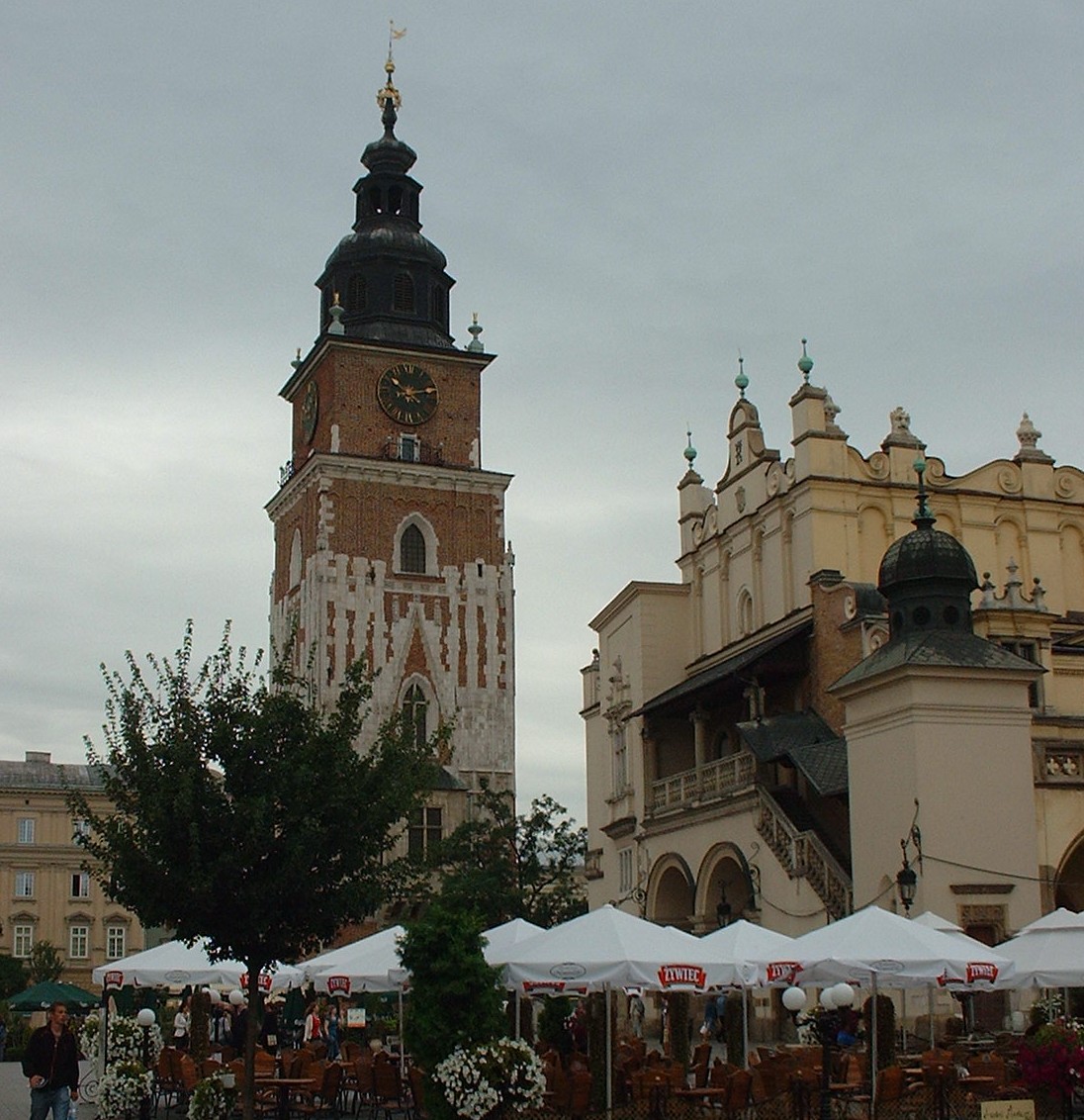
A bird’s eye view of the square can be obtained from the Ratusz, the lofty tower all that remains of a 14th century Town Hall.  It now houses a Tourist Information office, with useful maps detailing the many restaurants and places of interest.

Ratusz and Sukiennice

Twice I have eaten cake at no 15, Hotel Wierzrynek, Kraków’s oldest and most famous restaurant.  Charles de Gaulle, Steven Spielberg, Yehudi Menuhin- and me!  The grandest restaurant I’ve been in, other than London’s Ritz. www.wierzrynek.pl

Much simpler, but quite delicious, I found Chimera, at 3 Sw. Anny, just off the Rynek.  A pretty enclosed courtyard, offers buffet style with lots of choice, or you can eat in the classier basement restaurant if you can afford more than student prices. www.chimera.com.pl

Just around the corner lies Collegium Maius, part of the Jagellonian University, where Copernicus allegedly studied in the 16th century.  It surrounds an imposing courtyard.  Guided tours can be booked from a ticket office as lovely as any I have ever seen.

Collegium Maius

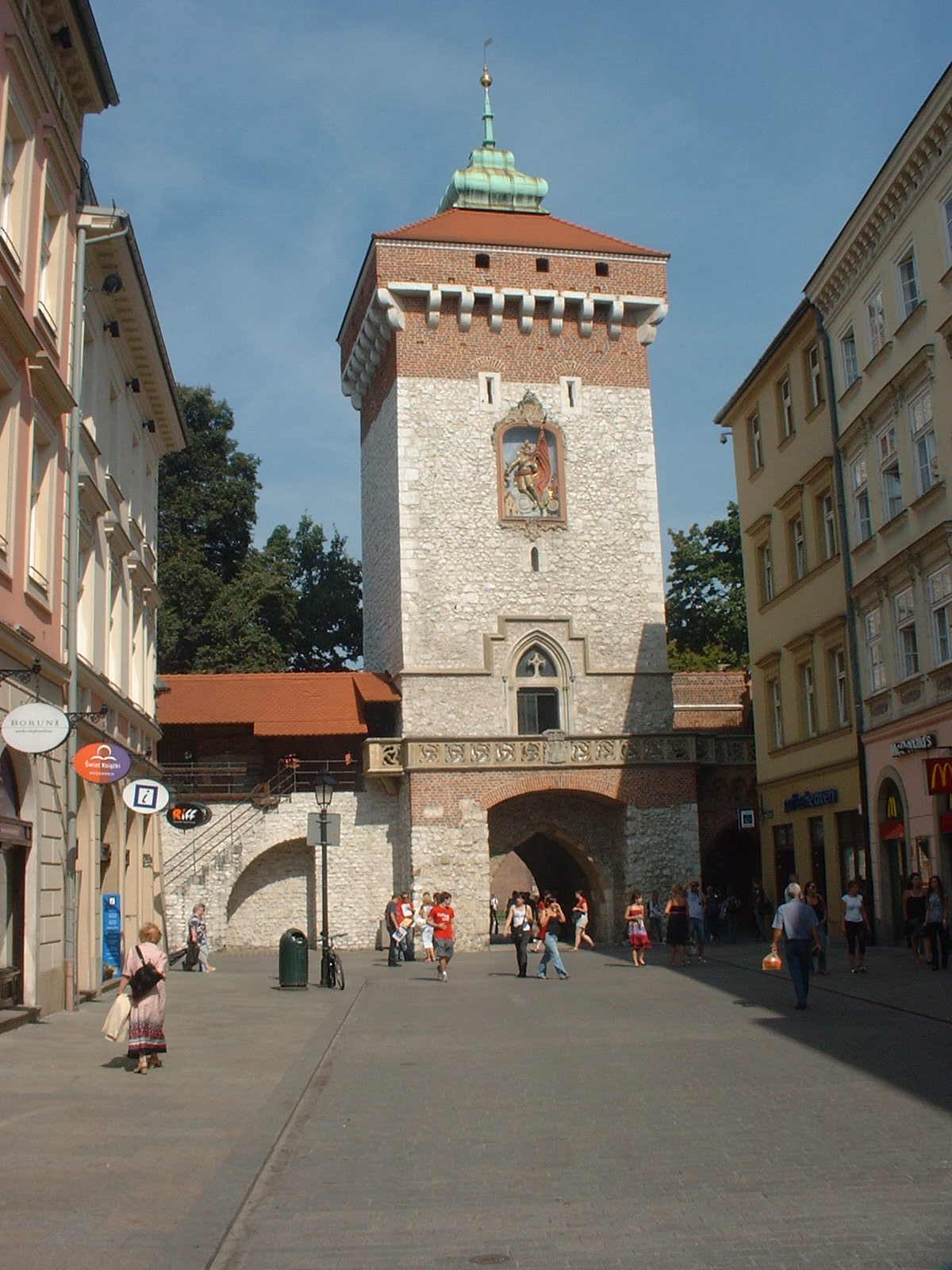
Florianska is one of my favourite streets.  Leading north from the Rynek, the architecture is powerful, old and new mingling with surprising ease.  High fashion hides behind grand old facades and at Jama Michalika, no 45, afternoon folklore shows take place in a cavernous interior.  Florianska Gate, at the end of the street, marks the edge of Stare Miasto.  Artists’ impressions hang on the old defensive walls of the city.  Once there were 3 kilometres of wall, 10 metres high and almost 3 thick, with 47 bastions.  Only Barbakan remains, a lonely giant.  The old town is surrounded by the green and leafy Planty, which follows the course of the old ramparts.

Florianska Gate

Heading south from the Rynek, Grodzka follows the traditional route of the Polish monarchs to the glory that is Wawel Hill.  Part of the old trade route to Hungary, it passes by the Dominican and Franciscan churches, and the mighty Basilica of SS. Peter and Paul.  Beckoning in the distance, the spires of Wawel Castle and Cathedral.

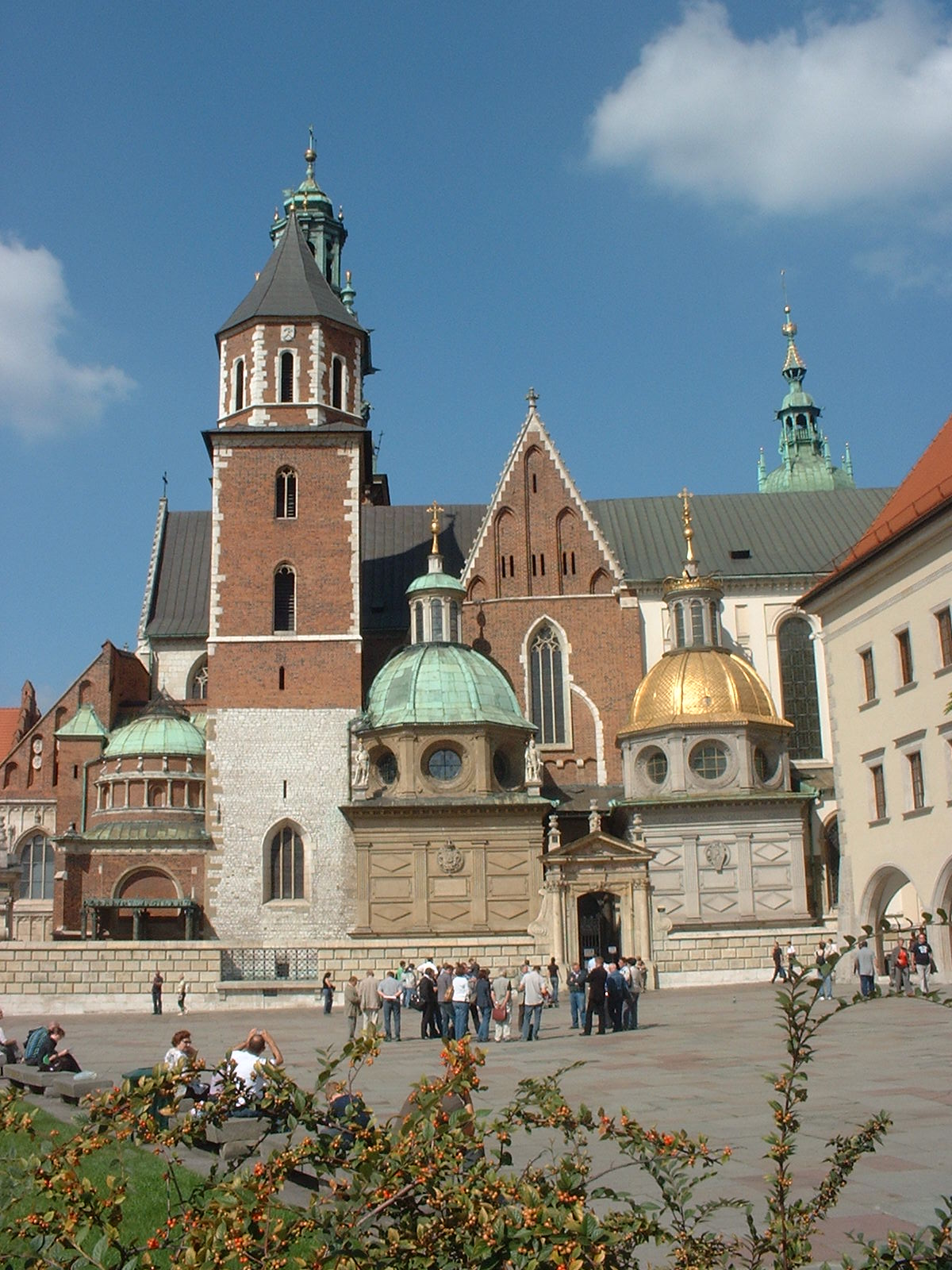
Wawel Cathedral

Wawel is the spiritual and patriotic heart of Poland.  Even after the capital was moved to Warsaw, Polish monarchs continued to be buried in Wawel Cathedral, along with many of the nation’s heroes and writers.  You will find as many Poles as foreigners looking around this awesome sight, justifiably proud of their heritage.  Pope John Paul 2nd, who gave his first mass as a priest there and became a much loved Archbishop of Kraków, described the cathedral as “the sanctuary of the nation”.  The first cathedral was built here around 1020, and fragments of the original can still be seen.  I never saw so many beautiful shrines in one space.  The largely Gothic Cathedral is as lovely outside as within.  It’s a bit of a scramble up Sigismund Tower to view the mighty bell “Zygmunt” and its four medieval companions, but the views are fine.

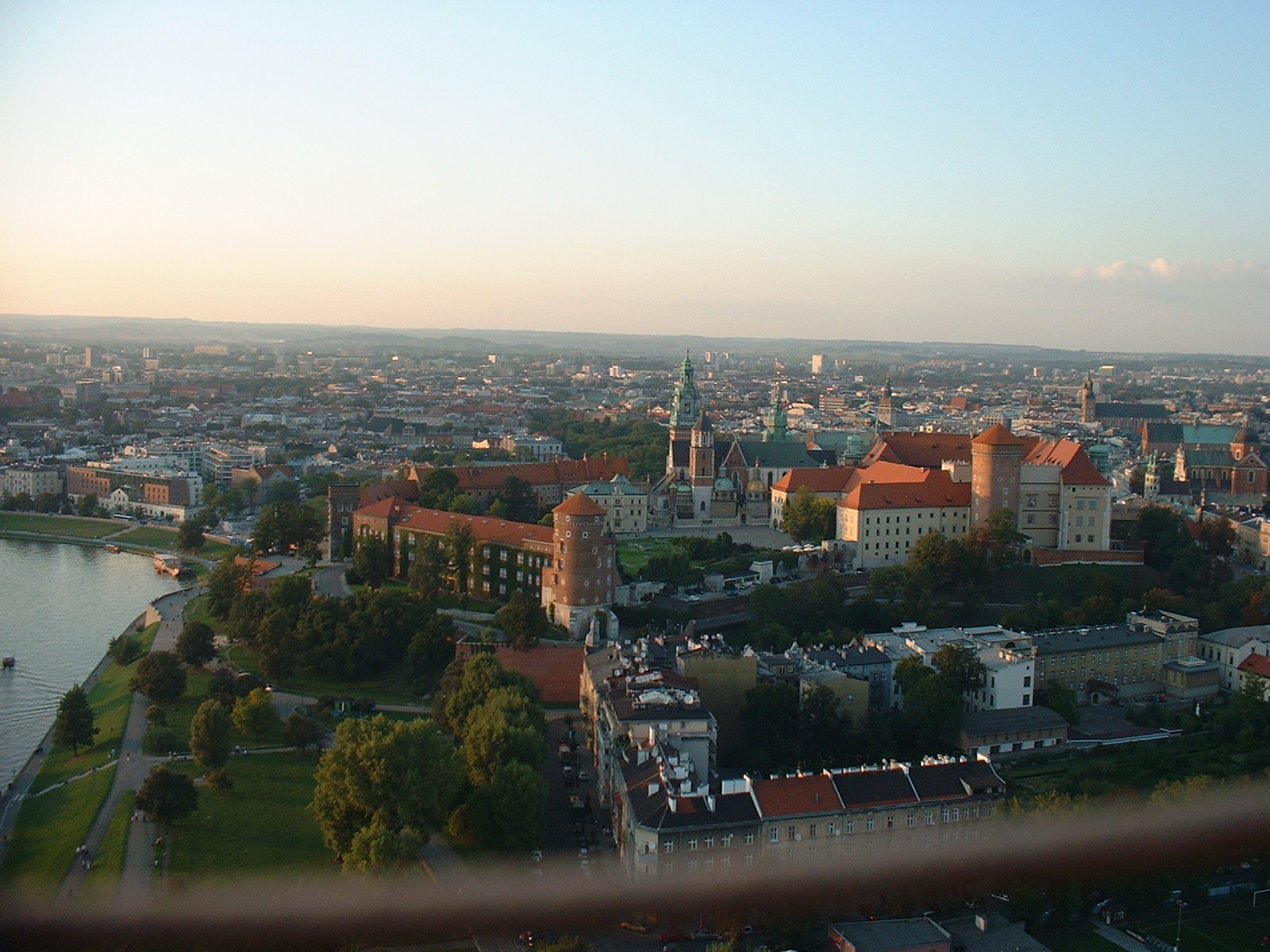
The magical view from Balon Widokowy at sunset

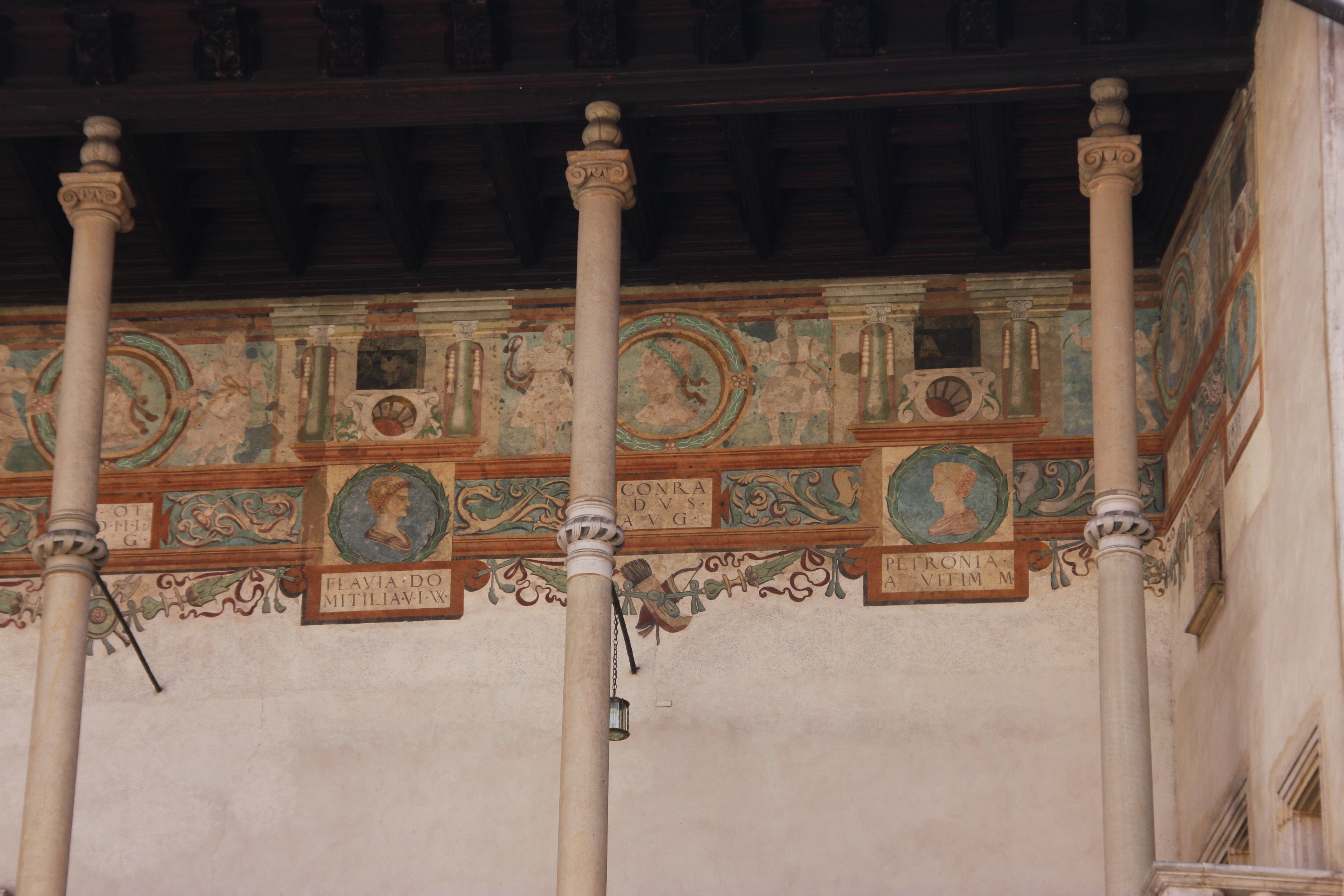
Wawel Castle spins a fairy tale if ever there was one.  One of my best memories is of viewing it from the sky in “Balon Widokowy”- a tethered hot air balloon on the banks of the River Wisła (Vistula).  The Castle was the royal residence until 1609.  The internal courtyard is immense.  Surrounded by 3 tiered arcades, it has the feel of an Italian palazzo.  The Royal Chambers are furnished in Renaissance style and contain 136 well-travelled Flemish tapestries from the 16th century.  At the outbreak of World War 2 many of the castle treasures were spirited abroad.  Just as well because occupation by Governor Hans Frank and his Nazi henchmen followed.  The tapestries were only partially recovered, many of them returning from Canada in 1968.

The castle courtyard. Below, frescoe detail

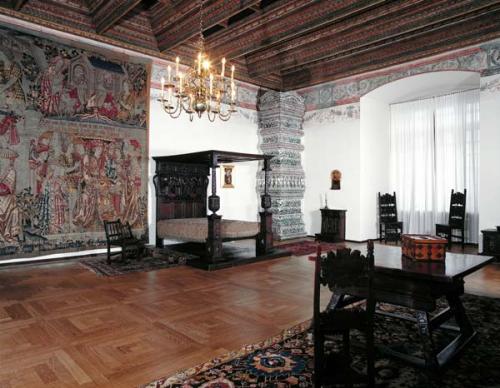
Tapestries on display in the Royal Chambers

Guest bedroom with the oldest of the tapestries and 18th century ceramic heater

Admission to the Royal Chambers is free on Sundays.  Separate tickets are needed for Castle and Cathedral and I could fully recommend the Castle tour.  Details on www.wawel.krakow.pl

Oh dear!  I’ve only just scratched the surface and I haven’t even mentioned Kazimierz, the charismatic Jewish Quarter.  Or the szopki, nativity scenes very special to Kraków.  Or Wieliczka– salt mines such as you’ve never seen, with salt crystal chandeliers.  Or the views from Kosciuszko Mound (don’t go on a hazy day, as I did!)  Or, more seriously, Auschwitz.

Just as well I can put these into other A-Z posts!  Meantime, for all the things I haven’t told you www.krakow.pl is an excellent site, with English version available.  Transport, what to see, events- it’s all there.

Kraków is an emotionally charged city for me and I hate it when I see it dismissed as “a venue for stag nights and hen parties”.  Having survived so much, I’m sure it can overcome this image.  Do go and see for yourself.

I’ll close with some Easter symbols: eggs, the candles bought for me in the Rynek by Aunt Anna and an Easter blessing.


Few things stranger than life, and just after posting this I got a “shout” from Mark of Travels of a Non Traveller, who was in Krakow.  He has some great tips on free walking tours so just follow his link.

Six word Saturday

Flat Ruthie lights up my week

I always loved playing with cardboard cutout dolls when my daughter was small, so I was enthralled when I came upon the website Cardboard Me Travels, while indulging in a little armchair travel myself.

Flat Ruthie meets Snoopy and Old Bear

I hastened to http://cardboardmetravels.com/about/ to find out more, and in no time at all a pink envelope was slipping onto my doormat, all the way from Pittsburgh, Pennsylvania.  My introduction to Flat Ruthie was complete.

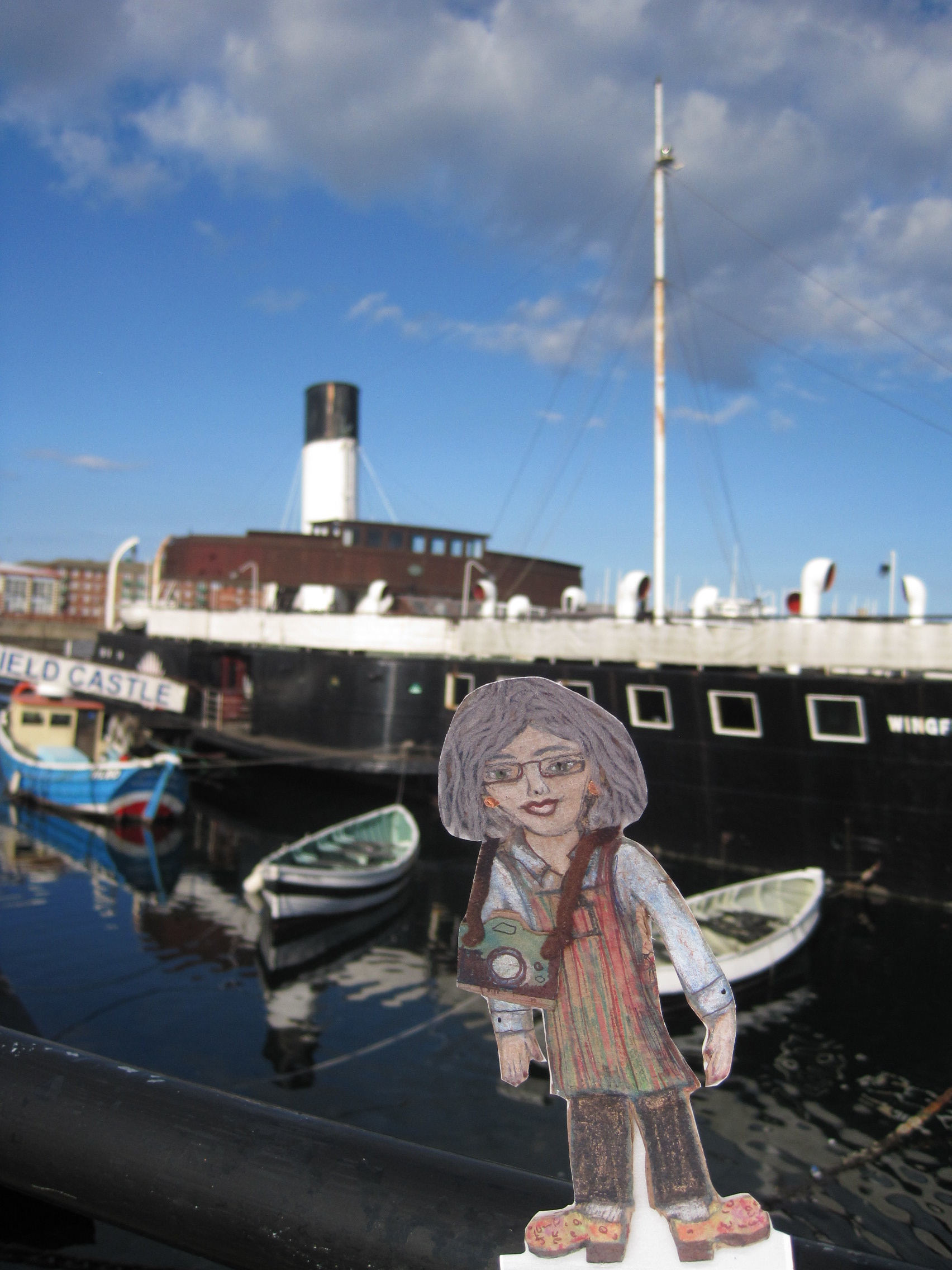
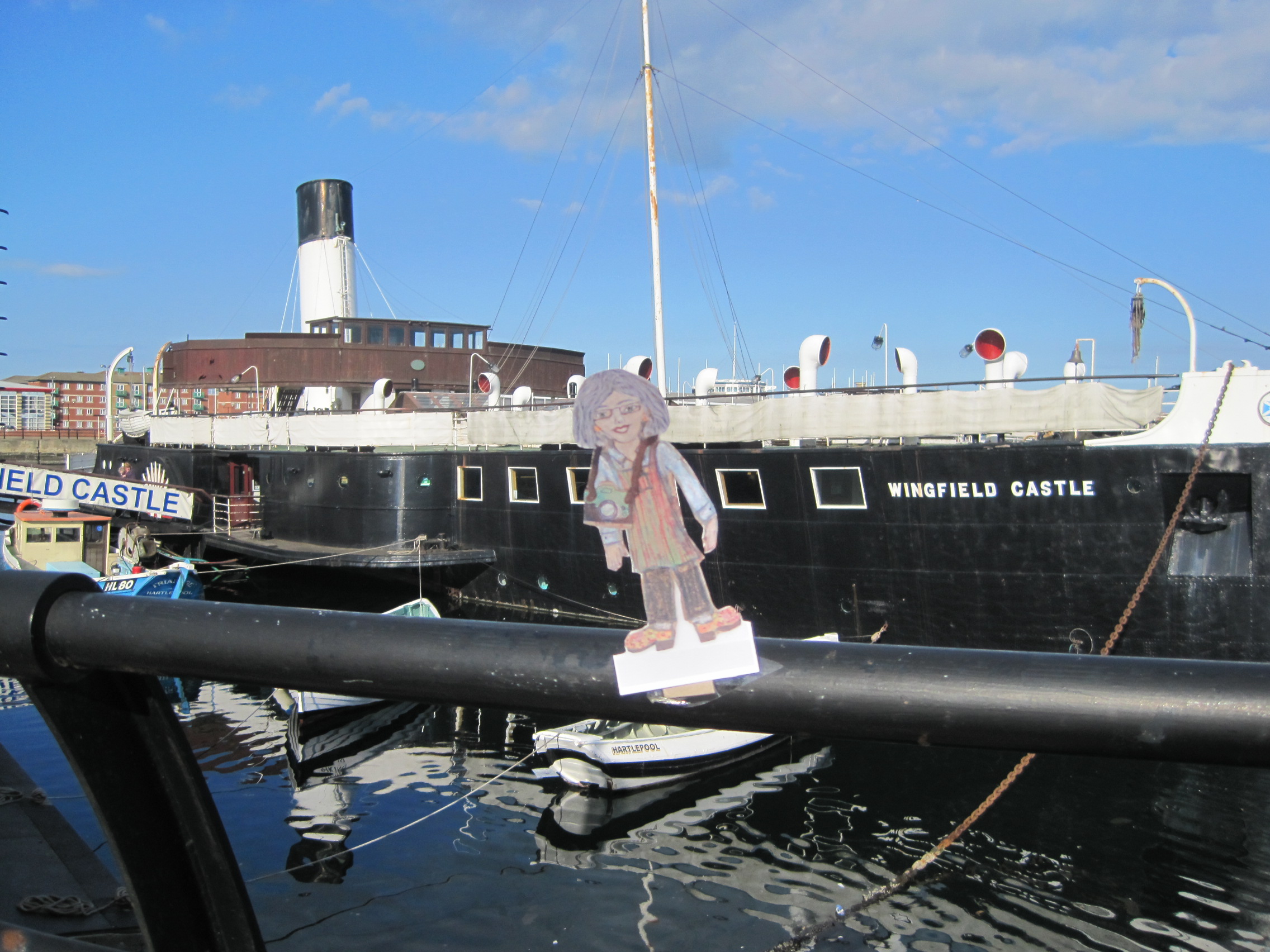
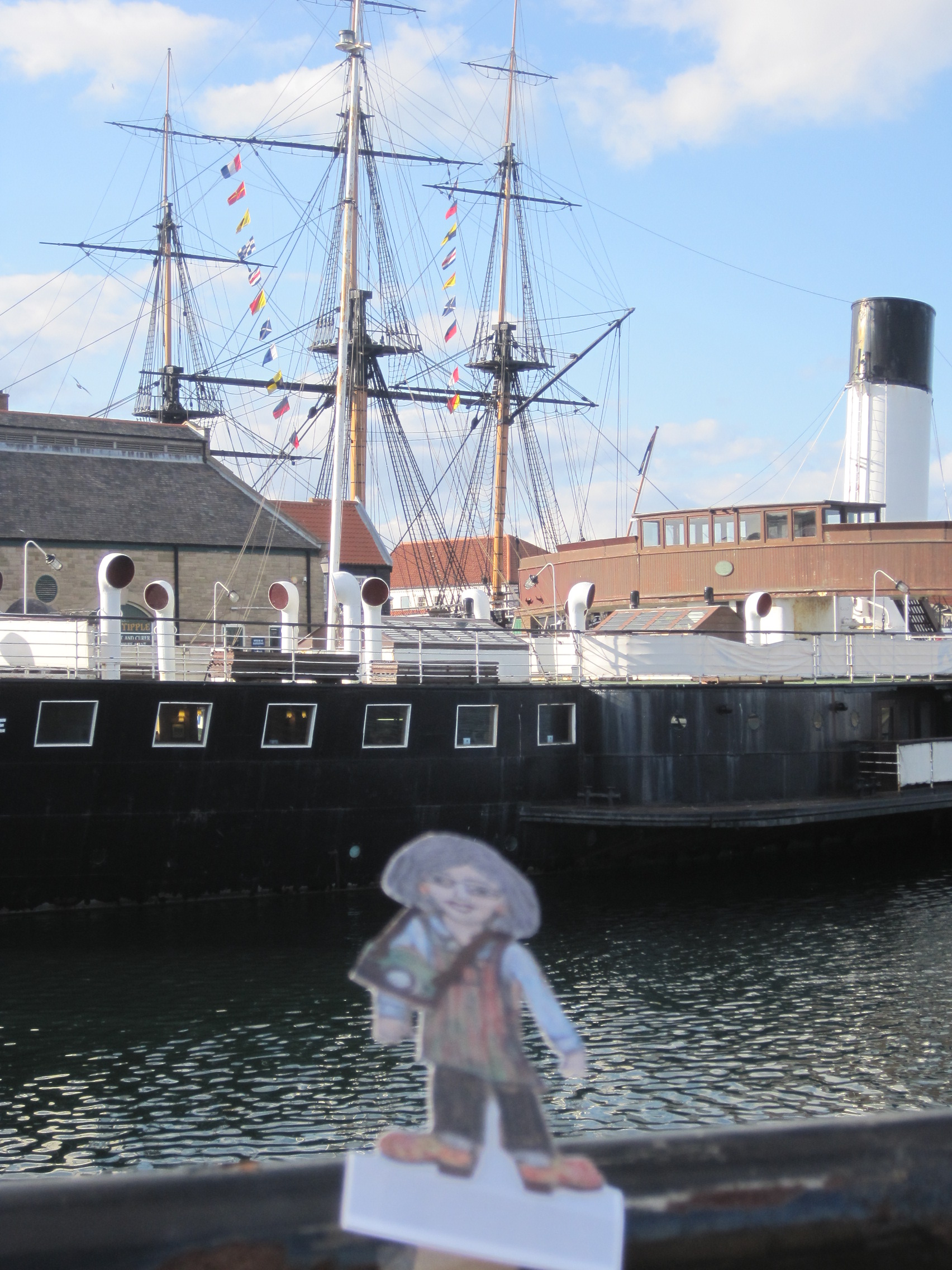
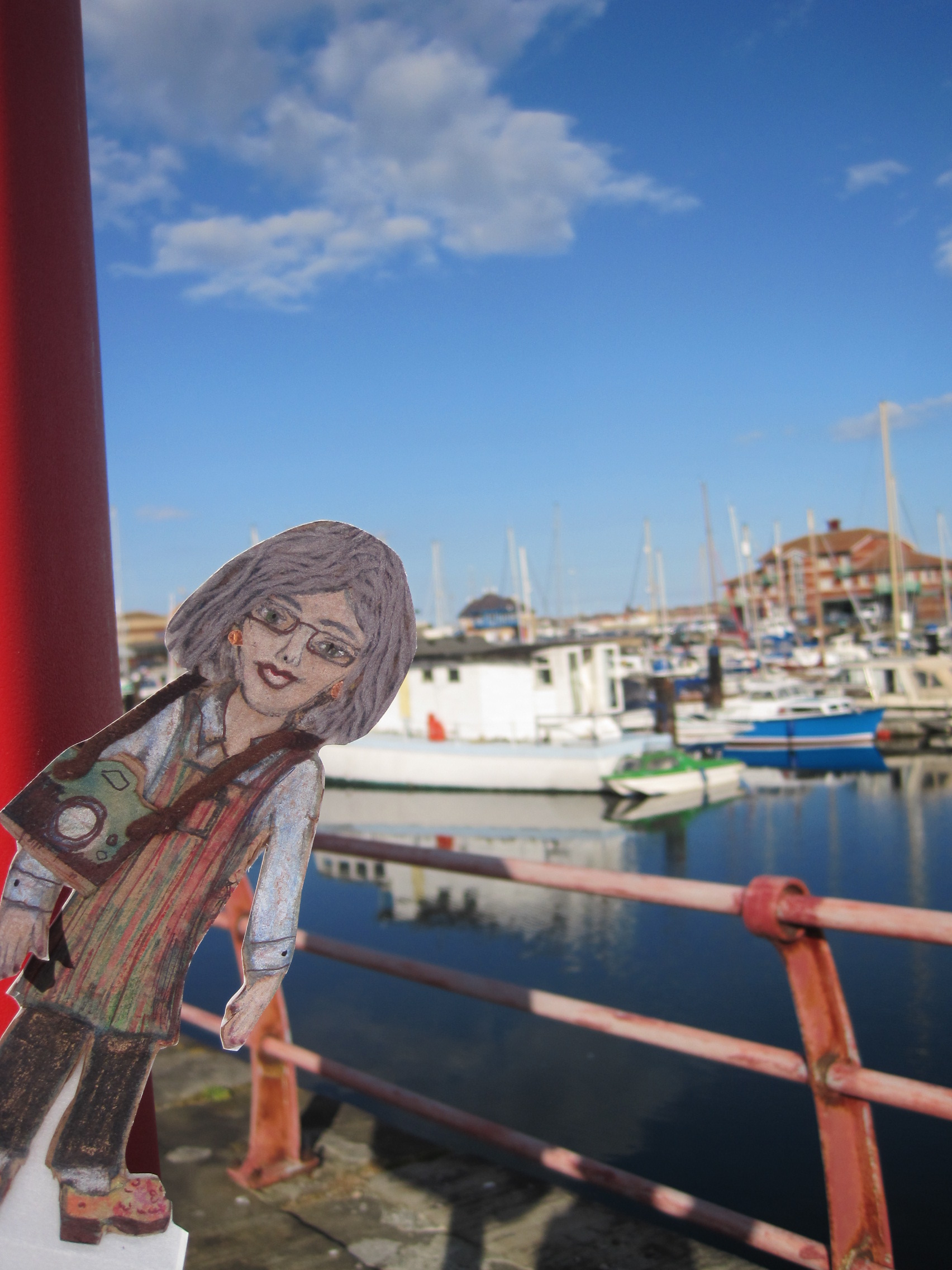
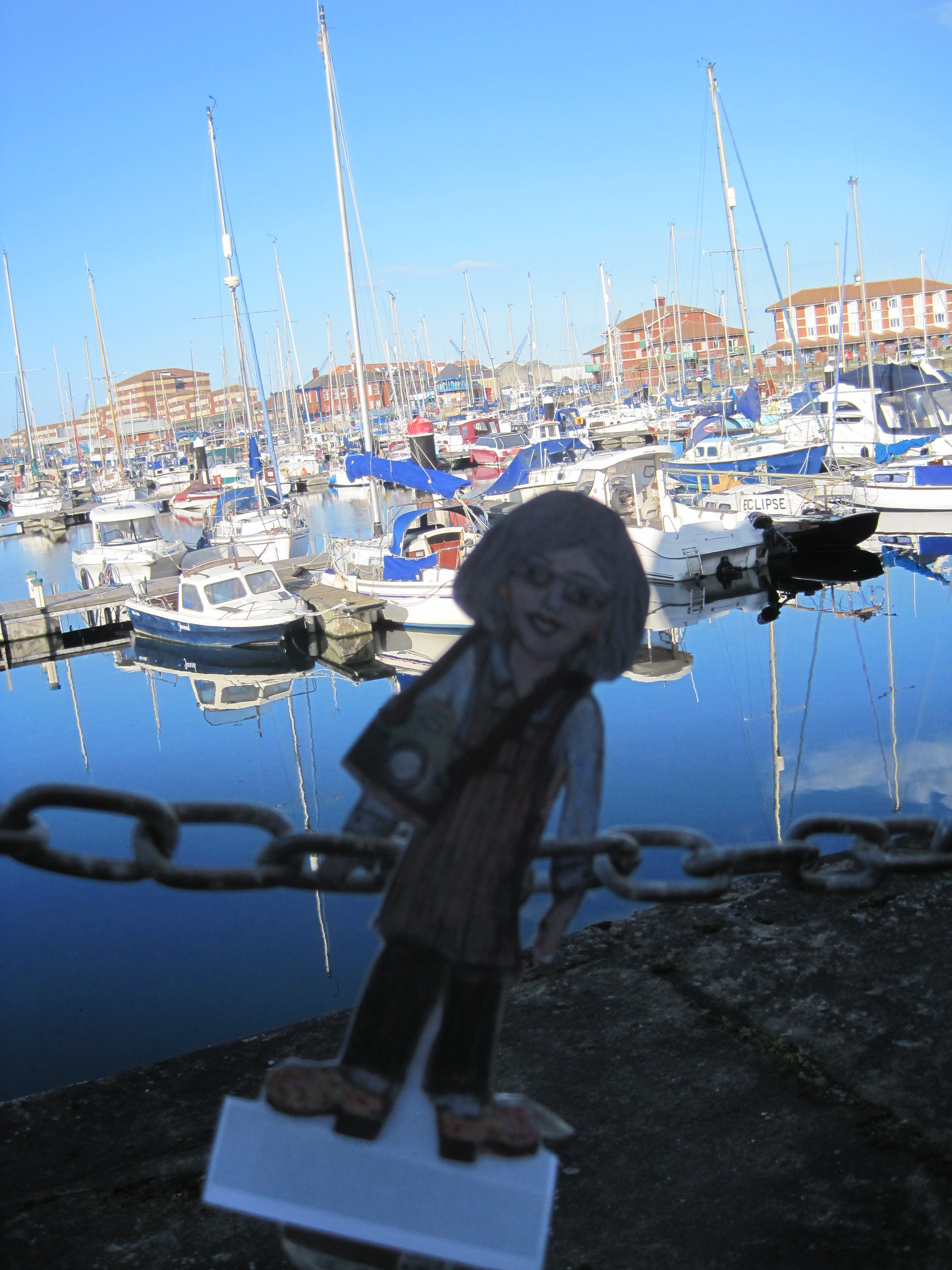
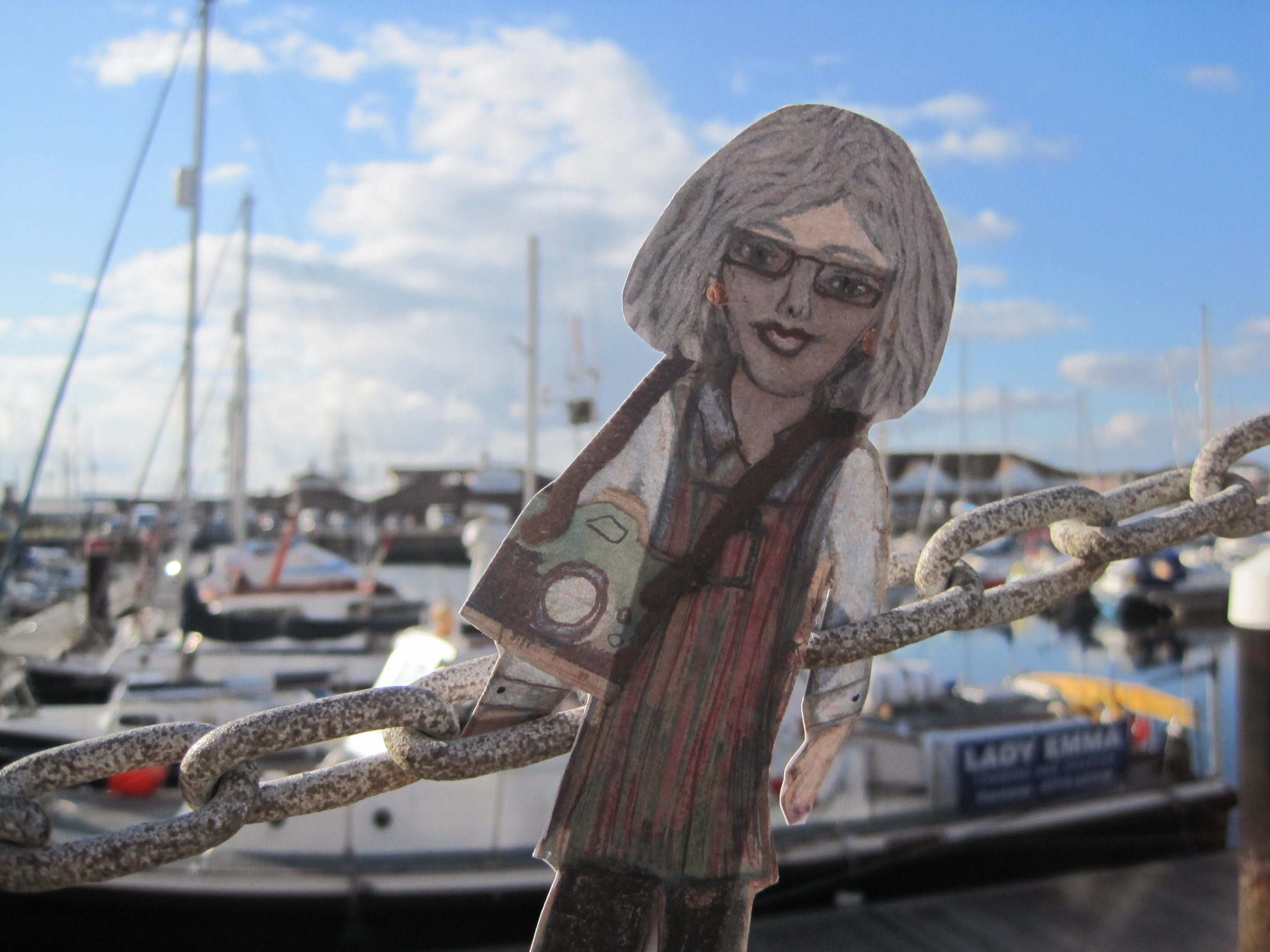
This young lady doesn’t like to stay in one place too long, her restless nature being on a par with mine, so it was off to Hartlepool marina on the first sunny day available.  Just look at that blue sky!

Flat Ruthie boarding PSS Wingfield Castle in Hartlepool marina

And "hanging out" with boats

I had great fun with “the shoot” and it made a lovely post. https://restlessjo.wordpress.com/2012/03/19/flat-ruthie-captures-hearts-in-hartlepool/ I couldn’t help but notice there were Six Words in the title.  Hmmm!

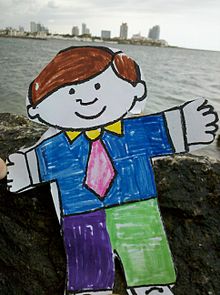
It didn’t end there.  Through the week Ruthie accompanied me to t’ai chi, Nordic walking (no suitable miniature poles for her, alas) and even zumba, making fans along the way.  She was even responsible for introducing me to Flat Stanley.

Flat Stanley, from Wikipedia

She also tweaked my memory and caused me to seek out another awesome blog http://themiddlestsister.com/ that takes me back to happy days playing with Fuzzy Felts.  The child in me is reluctant to take a back seat, and I am a lifelong Snoopy fan.  What better way to end this post.  Huge thanks to Flat Ruthie for brightening up my week. (And to “Big Ruth” of course- I’m sure she’s really not!- without whom none of this would be possible)

"Oh Snoopy, I love your nose"

Thanks also to Cate at http://www.showmyface.com/2008/01/six-word-saturdays.html whose blog I am just about to visit.  Why don’t you come too?  You might just get hooked.  Follow my other Six word Saturdays on the logo below.

Flat Ruthie captures hearts in Hartlepool

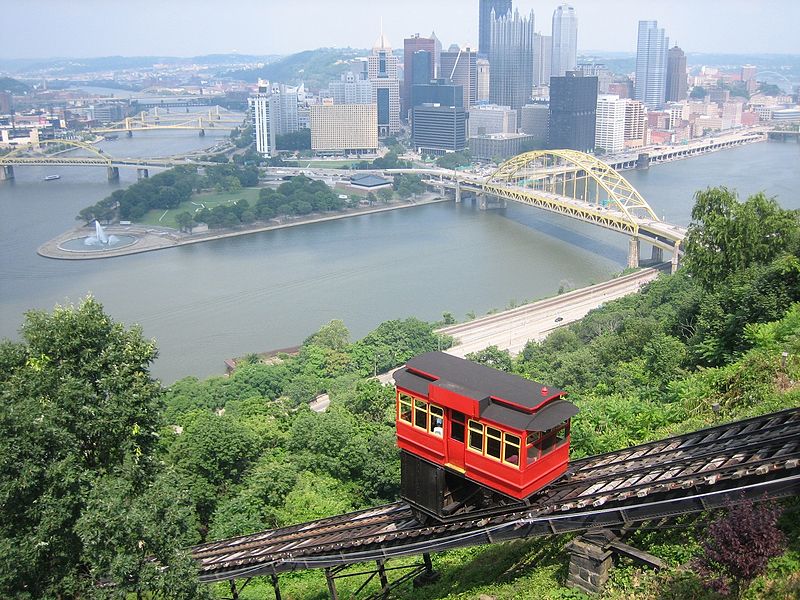
This week I played hostess to an inquisitive young lady who hailed all the way from Pittsburgh, USA.  An impressive-looking city on the Ohio River in Pennsylvania, I kind of worried what I could show her in my humble little home town Hartlepool, on the north east coast of England.

Duquesne Incline, Pittsburgh, by Wikipedia

I needn’t have worried.  Flat Ruthie knew her manners and had been impeccably brought up in her website home http://cardboardmetravels.com/

Our town has a strong maritime heritage so it was off to the marina and Hartlepool Historic Quay http://www.hartlepoolsmaritimeexperience.com/ Cameras swinging nicely in tune we checked out the paddle-steamer PSS Wingfield Castle.

Hello sailor!

And Britain’s oldest fighting ship, HMS Trincomalee, built in India in 1817, was restored in Hartlepool over a 10 year period.

Pirates lad? Where be my cutlass?

A pirate party was about to break out on board so I steered Ruthie away to admire some smaller craft.  I’ve seen what a cutlass can do to a cardboard lady!

The Customs Office! Any smuggling still going on in these parts?

Let's just hang around a while

Whoo, I'm dangling!

Swiftly on to the lock gates, I think.

Tickets anybody? No? Oh, you can cross over for free- great!

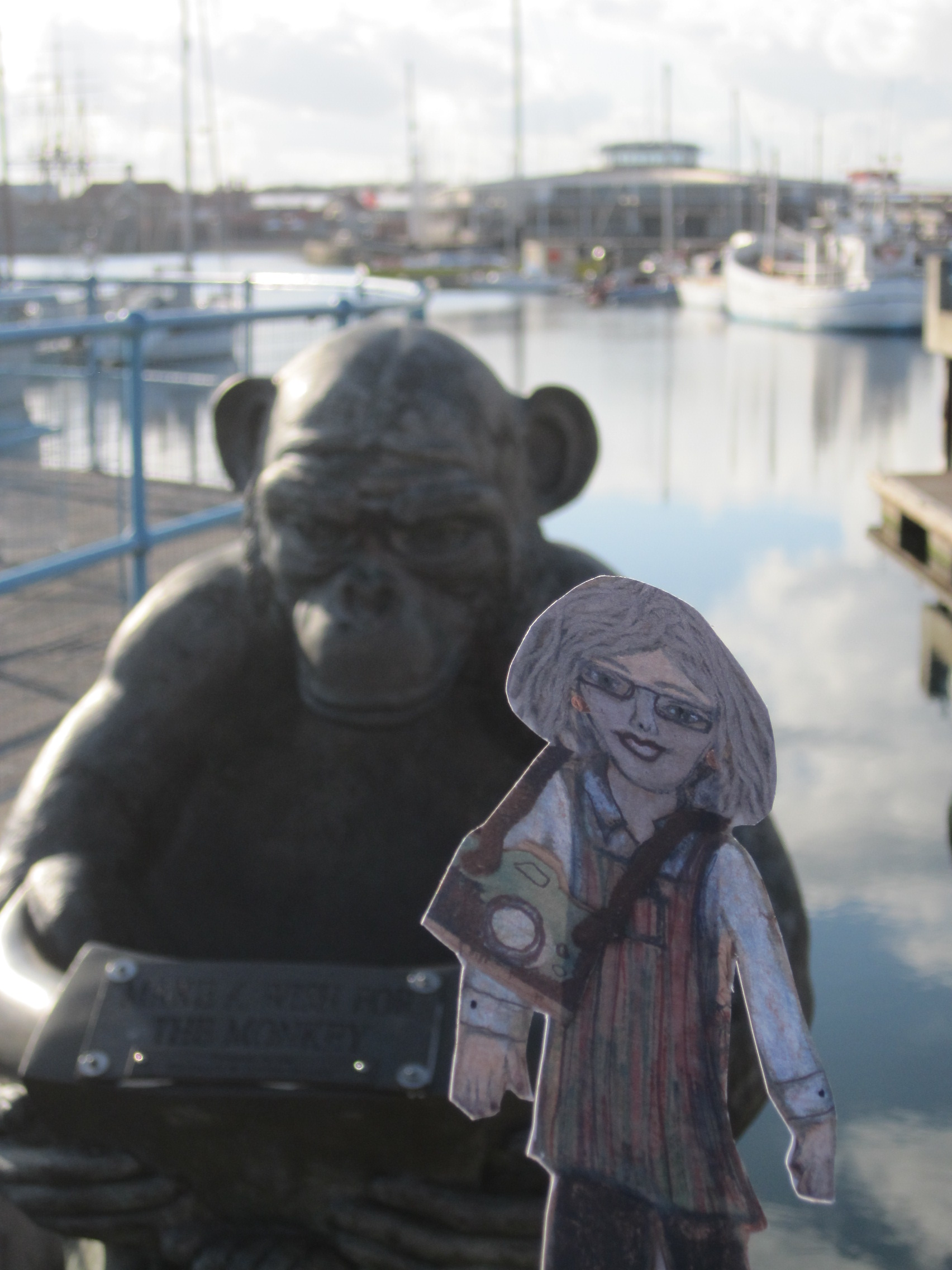
Ah, now we're talking! You know I like monkeys.

Knowing Ruthie has a fondness for monkeys I didn’t like to share with her the Legend of the Monkey Hanger!  But you might like to read it- it’s just a bit of folklore. http://www.thisishartlepool.co.uk/history/thehartlepoolmonkey.asp

Tired with our efforts and beginning to attract a crowd of admirers, we decided to save the beach for another day and head home for a cuppa.

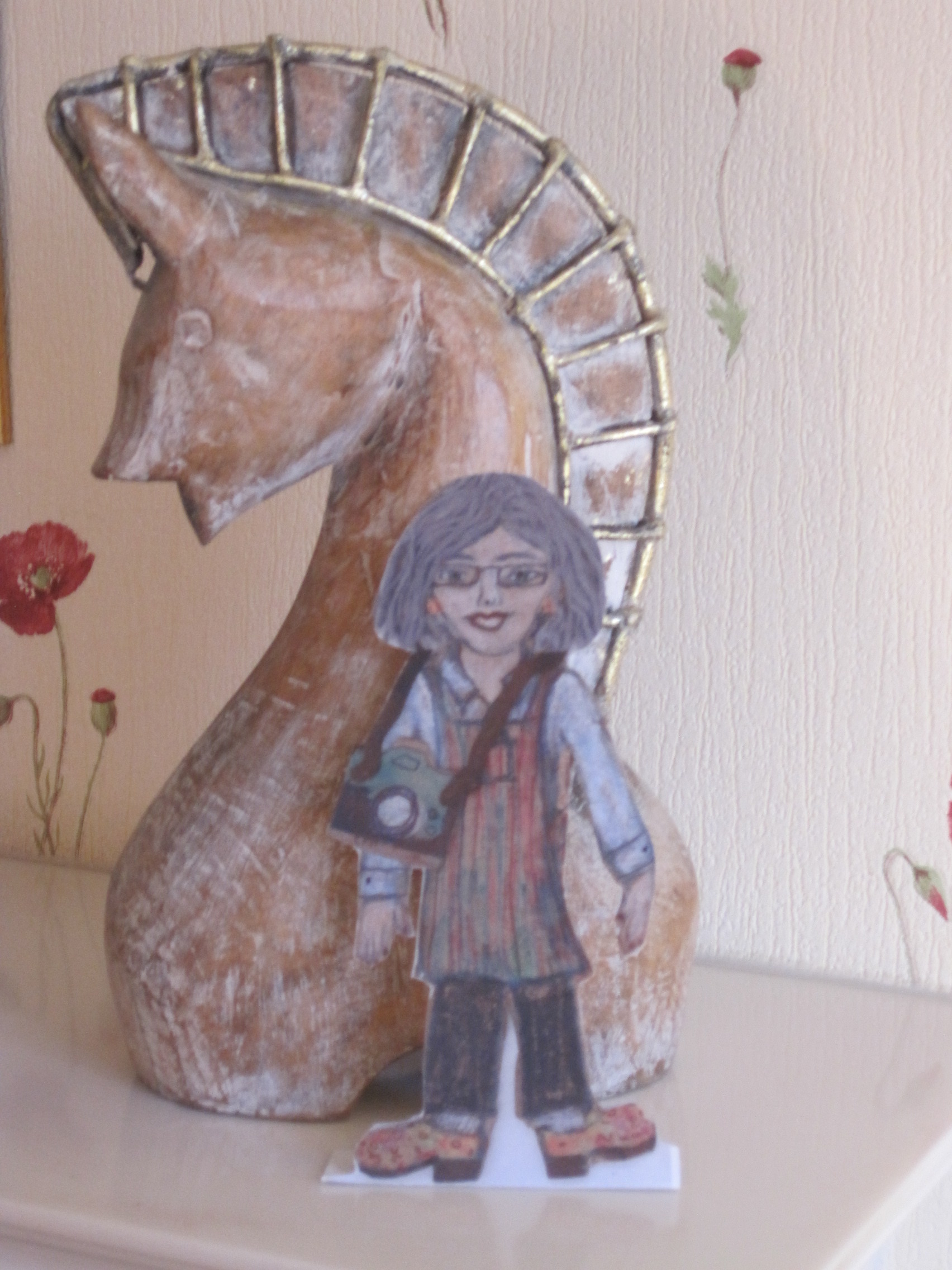
Is this a seahorse, Restlessjo? No dear, just a bookend.

Very grateful thanks are due to Ruth of http://cardboardmetravels.com/ for creating my little friend and allowing her to travel with me.  I’m hoping she just might accompany me to the Algarve sometime, and there I really can promise her a beach.

I absolutely love Ruth’s idea.  You can read all about it and follow Flat Ruthie’s travels by following the link.  Maybe some of you would like to escort Ruthie on a little trip yourselves?  The gal loves to travel- we’re kindred spirits.

Six Word Saturday

 Donkey jacket,

woods and

Robin Hood!

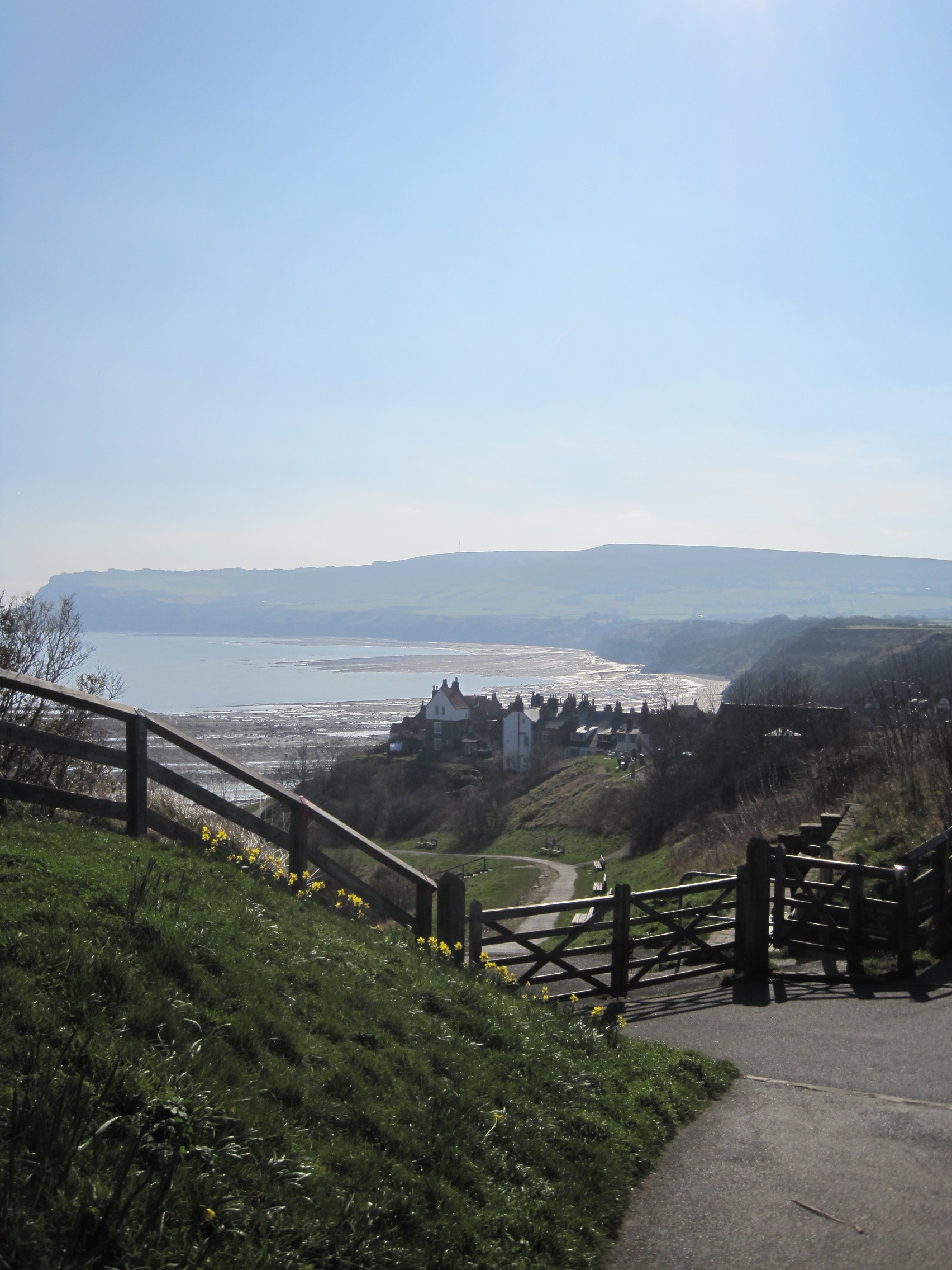
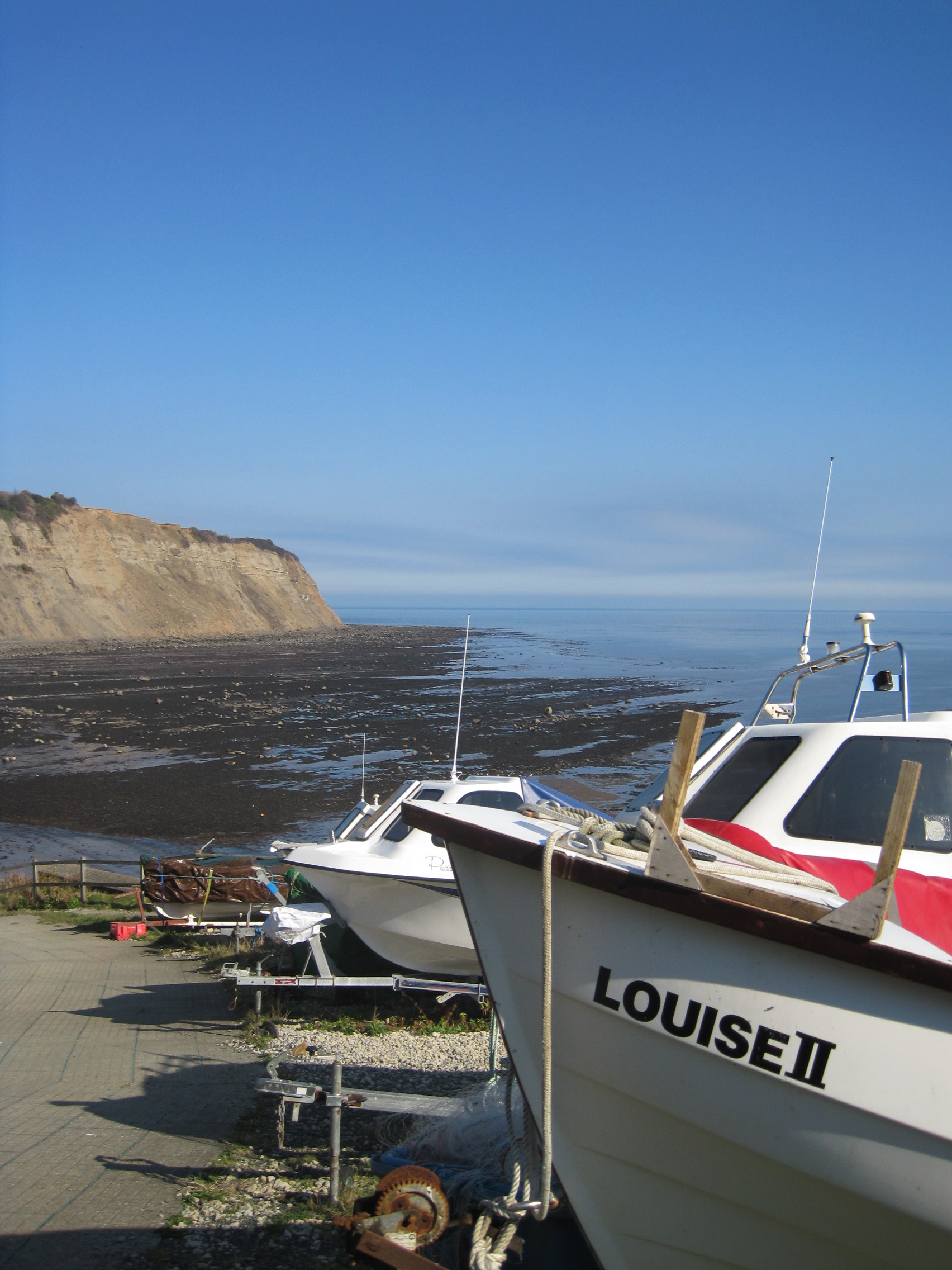
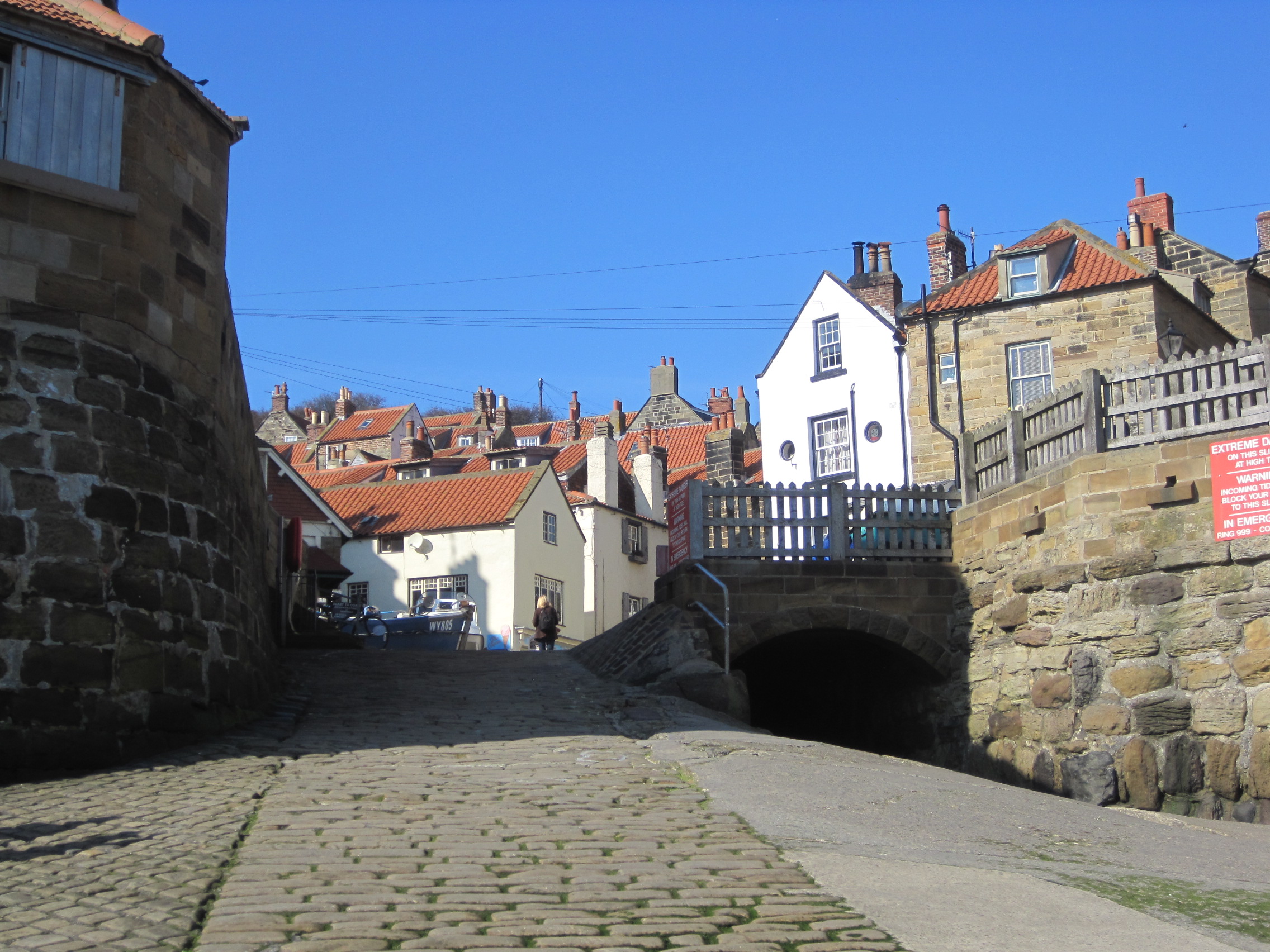
What a week!  One minute it was cold enough for a donkey jacket, the next I was sweltering on the beach at magnificent Robin Hood’s Bay on the North Yorkshire coast.  I hadn’t been there for many years so it was a rare treat to see it in all it’s Spring finery.

Weatherwise we’ve had everything in between too, but clambering through the woods in the good company of my rambling friends was a highlight.

What’s the Robin Hood connection, I asked myself?  Apparently it’s pirate related.  No surprise that, for this neck of the woods.  Seems he encountered French pirates pillaging the village, captured them and returned the loot to the villagers.  It’s just a legend of course, but it seems to’ve stuck.

More happy wanderings next week on http://www.showmyface.com/2008/01/six-word-saturdays.html.  You’re welcome to join me, or indeed to join in yourself.  Just follow the link or click on the header.

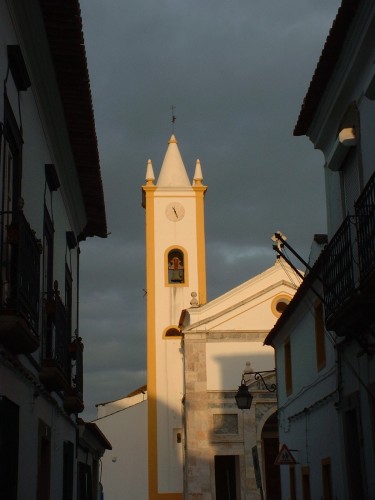
E is for Elvas, and Evora, of course

For the whole length of the River Guadiana and beyond, you can see the mighty fortresses that bear witness to Portugal’s struggles over the years with neighbouring Spain.  From Castro Marim and Alcoutim in the Algarve, on across the Alentejan plains, past Beja, to my tiny favourite Monsaraz, and dramatic Marvao, the evidence rolls on.  The border towns have seen more than their share of strife.

Marvao by Rosini for Wikipedia

None has a more embattled history than Elvas.  Just 12km from the Spanish border and a Moorish stronghold for 500 years, it has some of the best preserved fortifications in Europe. It was of great strategic importance during the wars of independence with Spain, in mid-17th century, and later became Wellington’s base to besiege Badajoz, across the Guadiana.  Walking around the castle ramparts above the town you cannot fail to be impressed with the scale of the star-shaped bastions.  Or with the views, which are endless.

Elvas from the castle walls

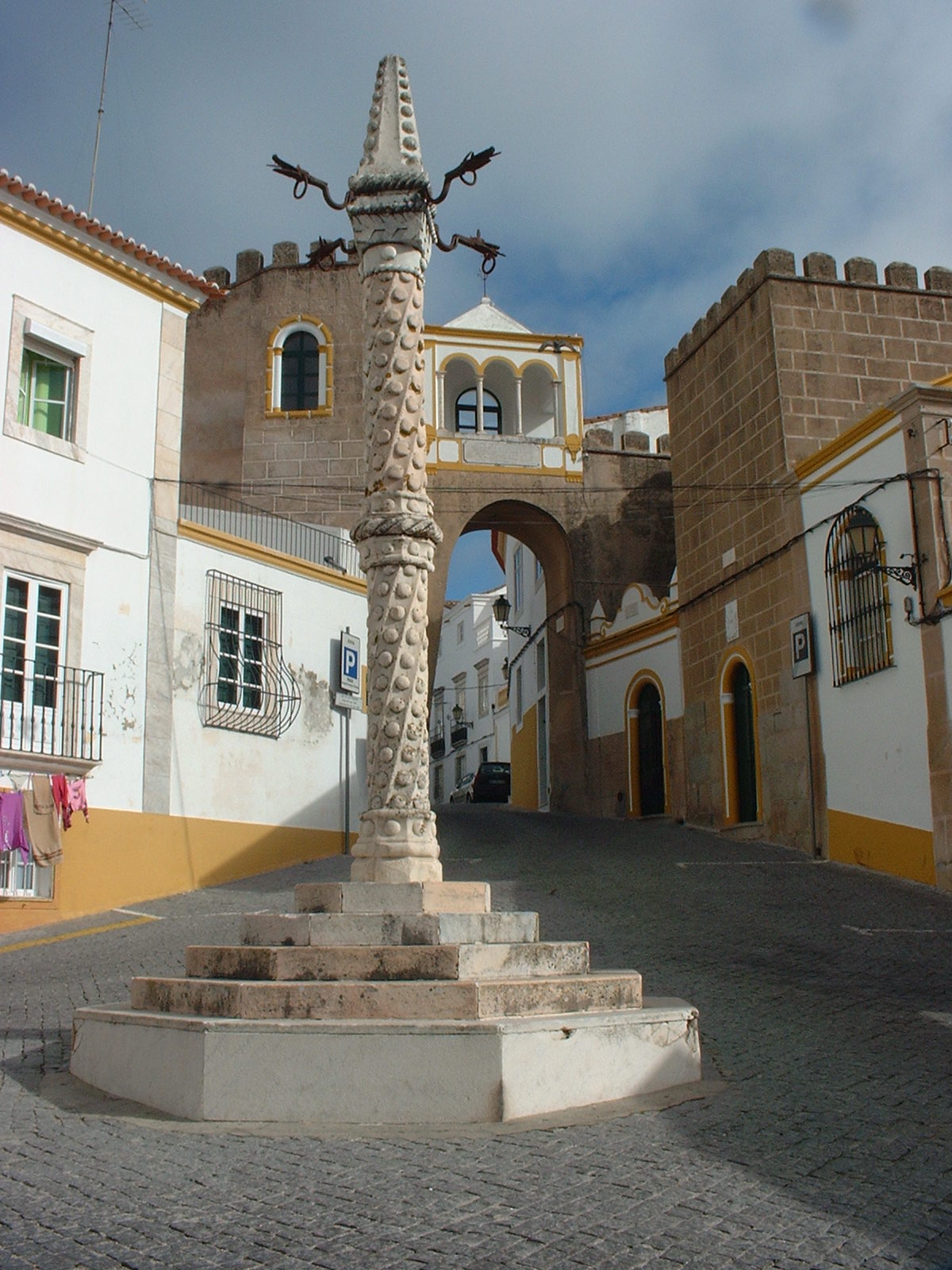
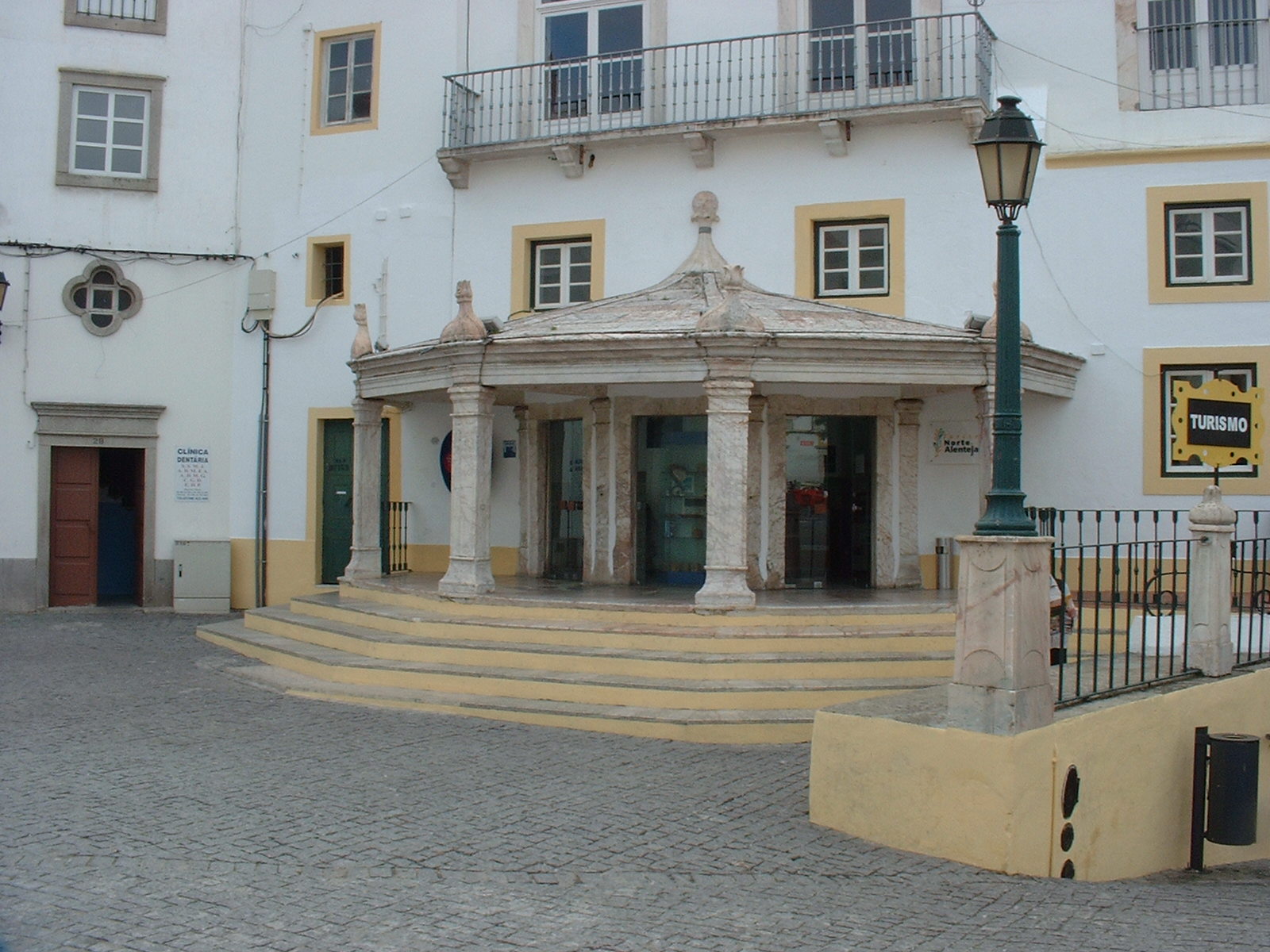
The only sign of violence on the slumbering streets of Elvas today is the pelourinho.  The ornate pillory makes such an artistic photograph that you tend to forget its original purpose, to shackle prisoners.  Elvas is one of many small Portuguese towns that repay a little browsing.  Nossa Senhora da Annuncao on the main square is hard to miss, but the dilapidated white walls of Nossa Senora dos Aflitos behind it hide a small but achingly lovely interior.  Marble columns and glorious azulejos reach high into the cupola.  The elegant TI on Praca da Republica can supply a town map, but basically the castle walls are top of the town and everything else falls away below.

Pelhourinho or pillory

The Turismo (TI) in Elvas

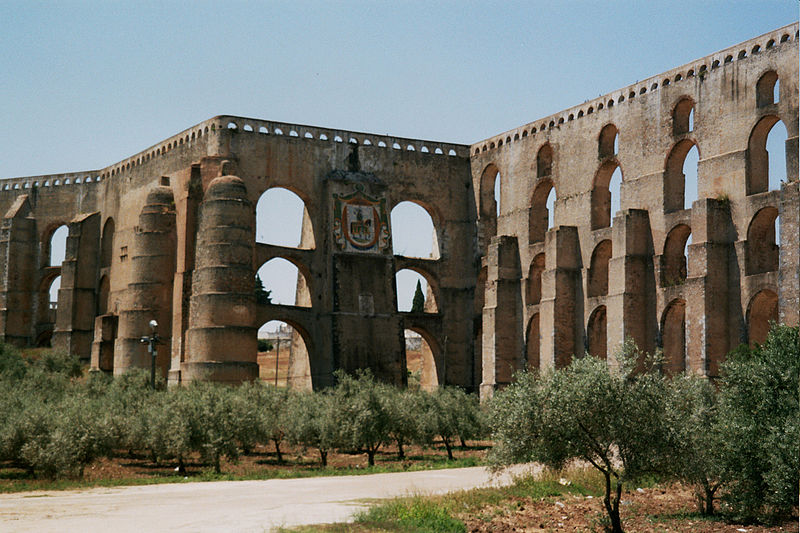
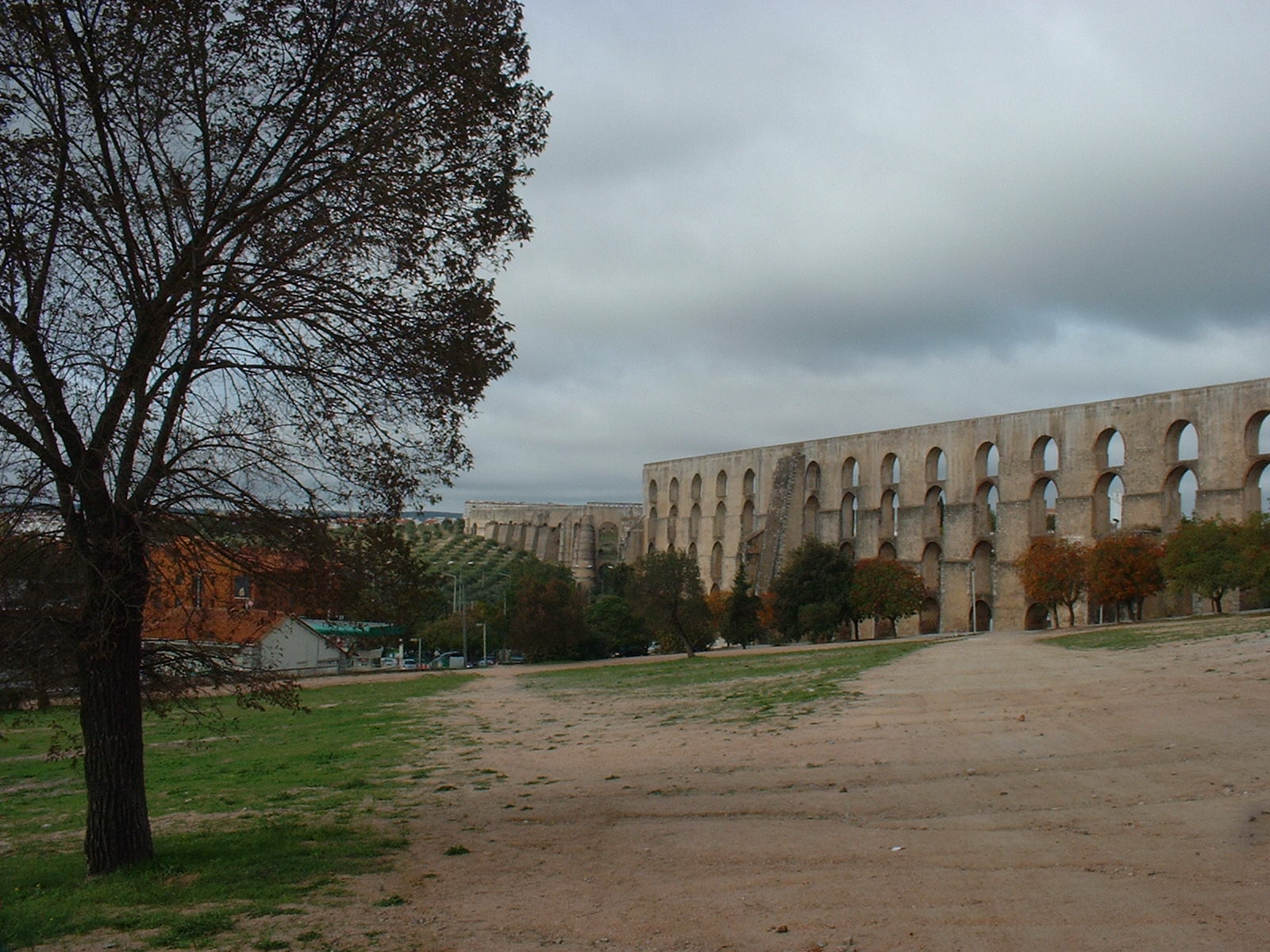
Approaching Elvas you are sure to have seen the staggeringly high Aqueduto da Amoreira.  With 843 arches and up to five tiers, it still delivers water 5 miles across the valley to the fountain in Largo da Misericordia.  You can park on the patchy ground overlooking it to explore the town.  Sample the delicious preserved plums sold locally- they are thought to be the original sugar plums after which the Nutcracker Fairy was named.

Aqueduto da Amoreira, by Acaro for Wikipedia

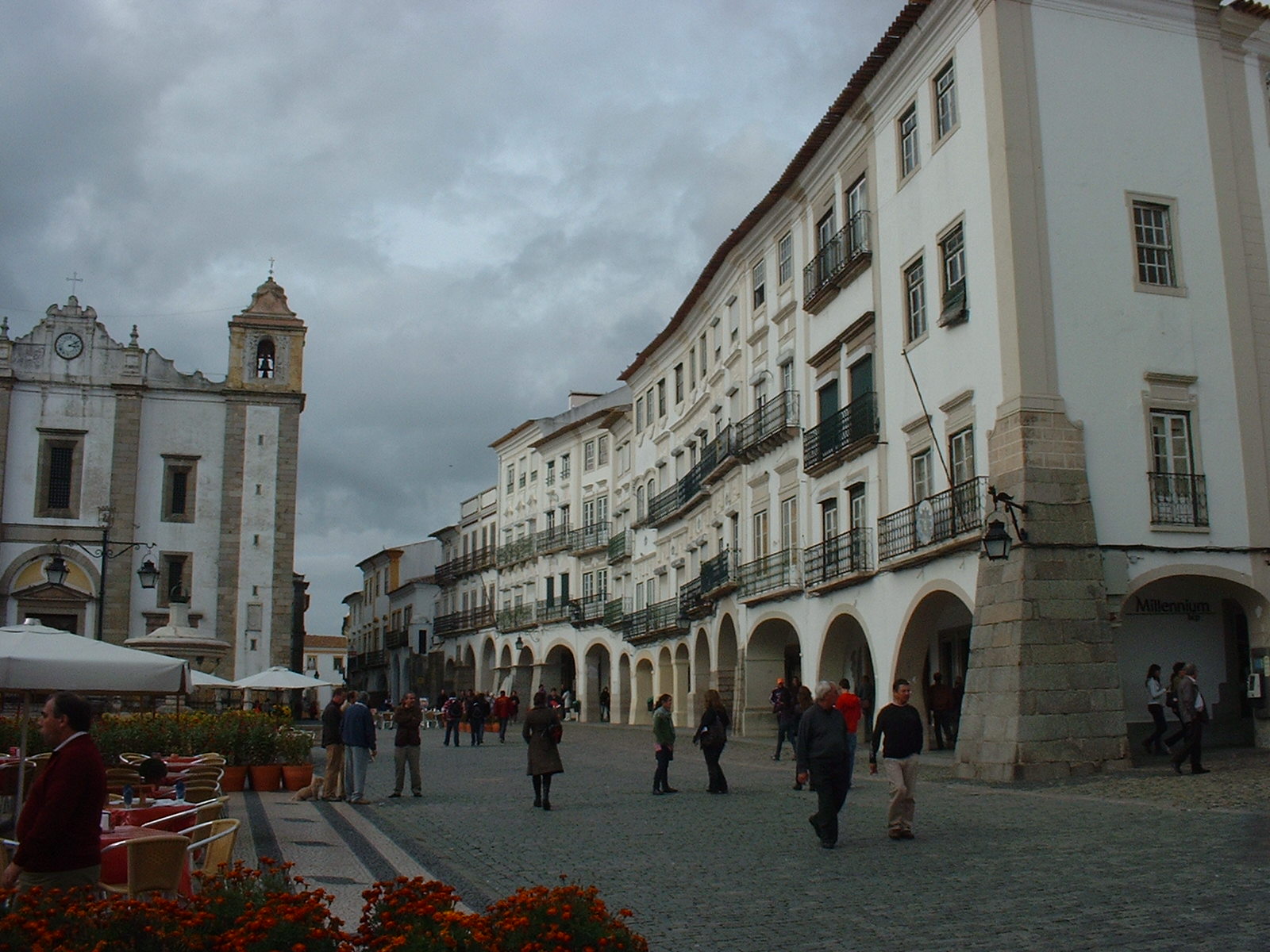
Most people drawn to this part of the world are attracted here by Evora– an atmospheric walled city of Roman origin, with deserved UNESCO status.  I was no exception.  I visited in November as a birthday treat so the skies were a bit leaden and the air fresh.  Knowing the heat that can envelop the Alentejo in the summer months, I felt this was no bad thing.

Praca do Giraldo, Evora

As soon as I saw the Praca do Giraldo I felt that bubble of excitement I sometimes have in a new and exciting place.  The Moorish arcades march away down the street.  Beneath them smart boutiques rub shoulders with more traditional stores.  Again I obtain a street map, from the TI on the Praca- more necessary here than Elvas, and a nice memento for my collection.

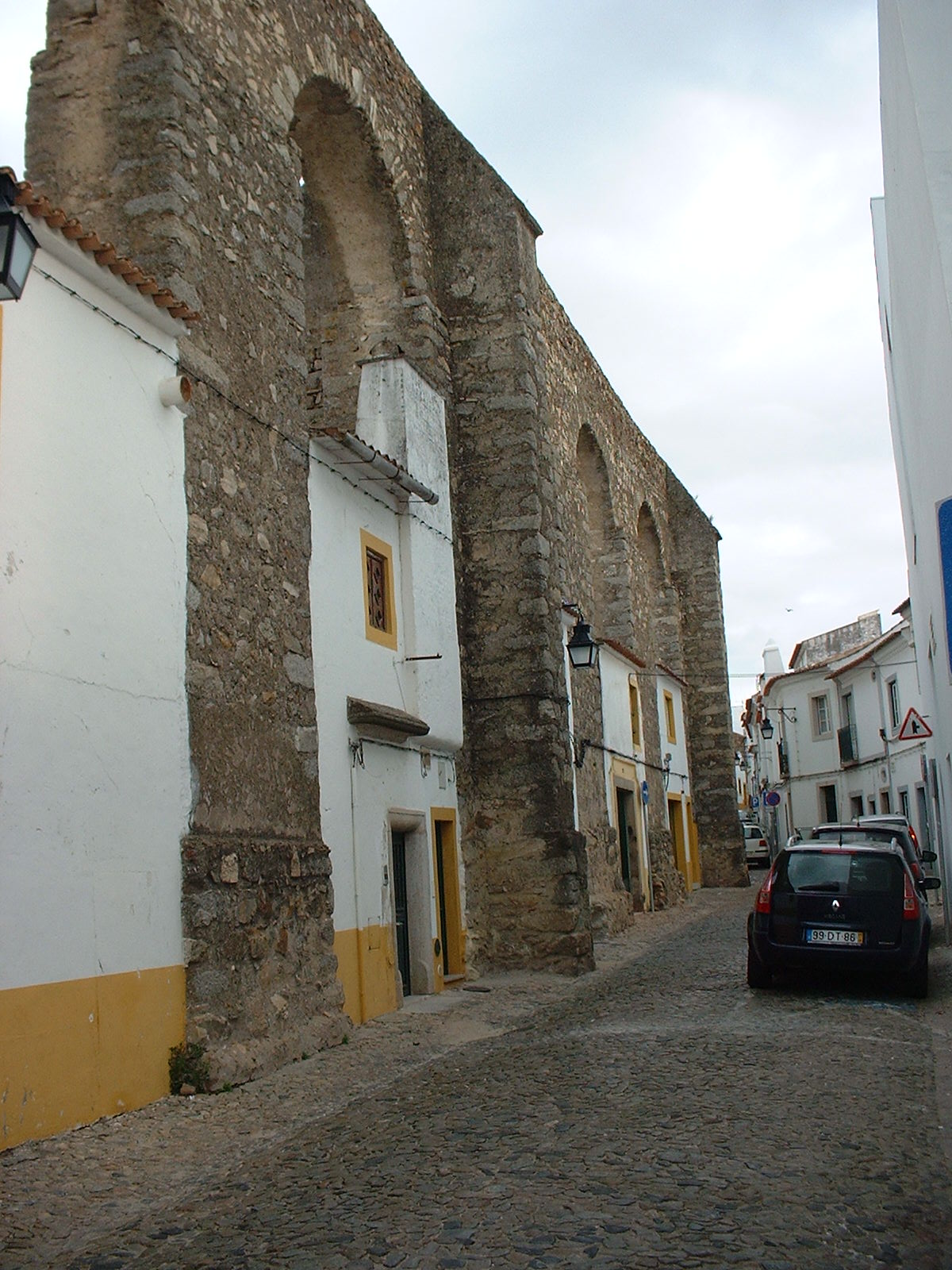
I did have a plan, but it was thrown to the winds as I delved deeper into the narrow streets, with their intriguing houses and artisans workshops built into the town walls, along with another ancient aqueduct, Agua de Prato (silver water).  Backtracking I make for the main sights.

Aqueduto de prato

Aqueduto de prato

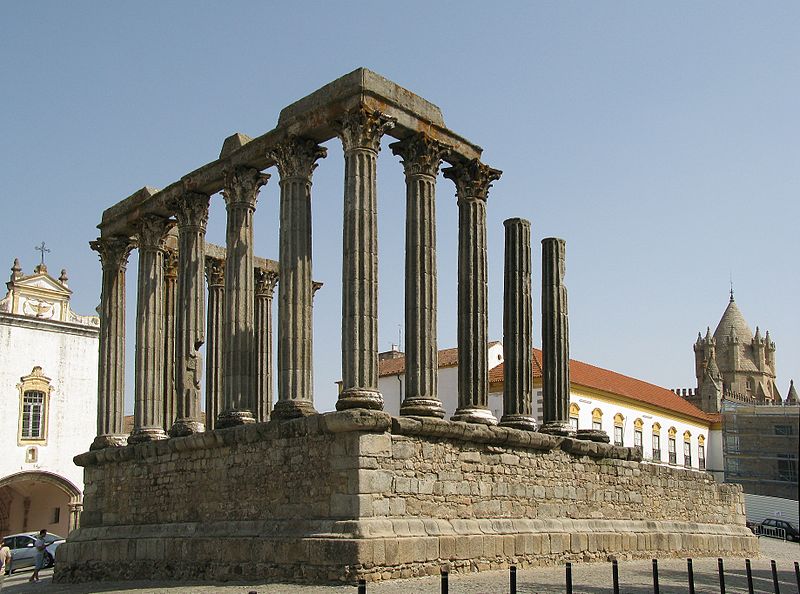
The dramatic ruins of the Templo Romana, commonly known as the Temple of Diana, date back to 2nd Century AD.  The oldest Roman remains on the Iberian peninsula, they survived because they were incorporated into a medieval fortress, and later, bizzarely, a slaughterhouse.  The façade and mosaic floor have disappeared completely but 14 Corinthian columns remain.  They present a lovely vista in Largo Conde Vila Flor, with the mismatched towers of the cathedral beyond.  The views in the opposite direction, equally compelling, look out over Evora and the wide open plains.  Quiosque Jardim Diana is a good place to linger, with icecream or coffee.

Templo Romano by Wikipedia

Largo Conde Vila Flor

I couldn’t resist a quick peak inside elegant Convento dos Loios.  This former monastery, now a pousada (state run hotel), has the most beautiful adjoining chapel, Sao Joao Evangelista.  You’d never guess what lies behind the uninviting curtained door.  It’s well worth a couple of euros to see.

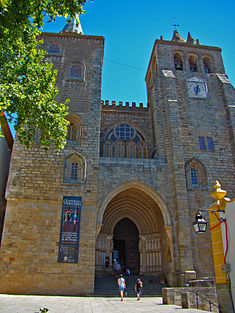
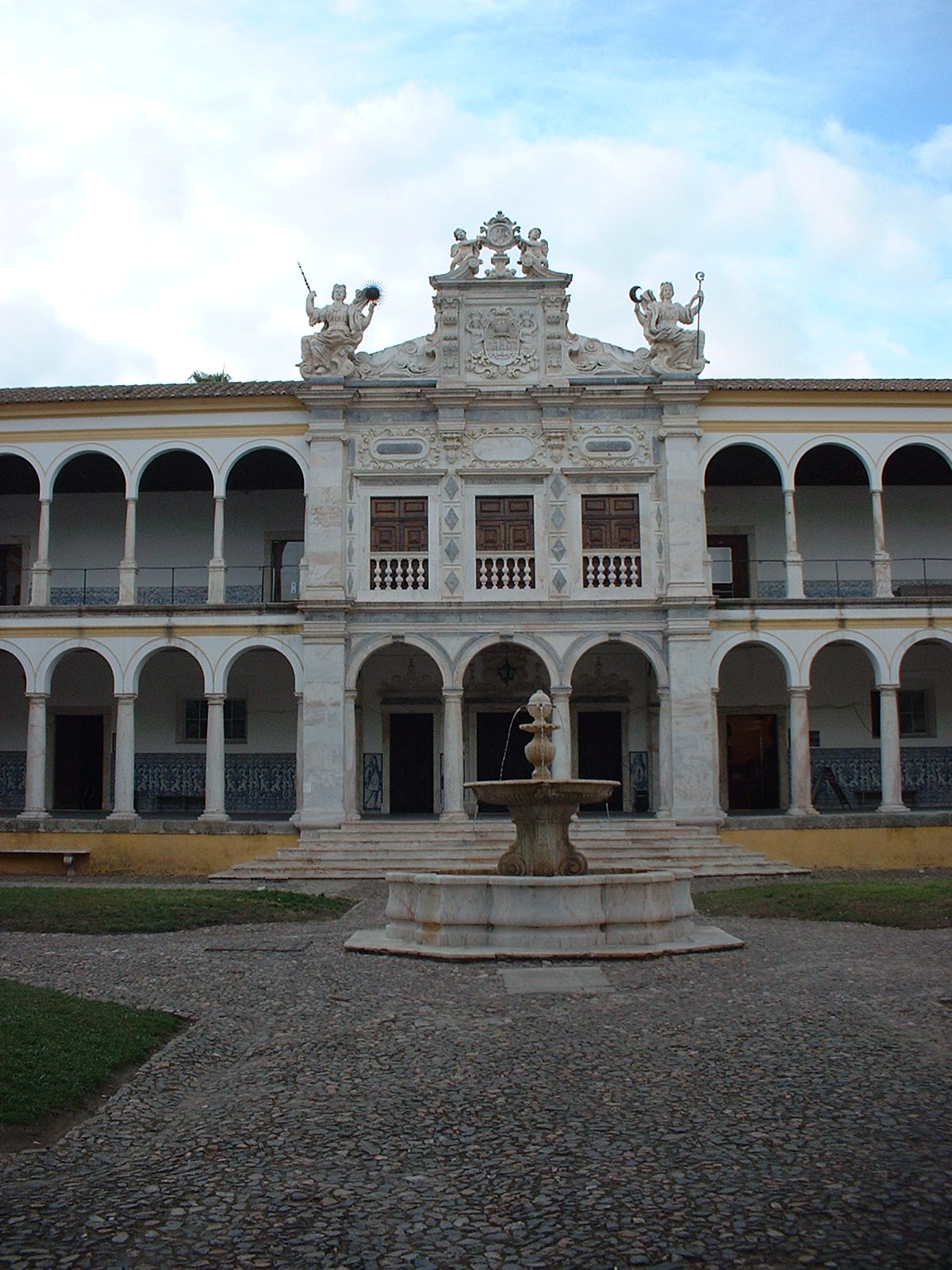
By contrast the 12th century Cathedral is a rather sombre experience, though striking in appearance, with its asymmetric towers.  The cloisters are grand but were outshone for me by those in the Jesuit University.  Downhill from the cathedral, the 16th century University stems from Evora’s heyday as a centre of learning and culture.  The blue and white azulejo tiled panels indicate the subject taught within each of the classrooms.  A hushed atmosphere prevails and I want to tiptoe down the corridor, satchel over my shoulder.

The Se or Cathedral by Lacobriga, Wikipedia

The Jesuit University

Follow your map down Rua da Republica to find Sao Francisco, the church of the “mother’s curse”.  The chapel, Casa dos Ossos (house of bones) is entirely lined with the bones of some 5000 people.  Less macabre, the chapterhouse is decorated with azulejos depicting scenes from the Passion and an “altar of promises”.  Wax effigies of parts of the body are placed there if prayers for a cure are successful.

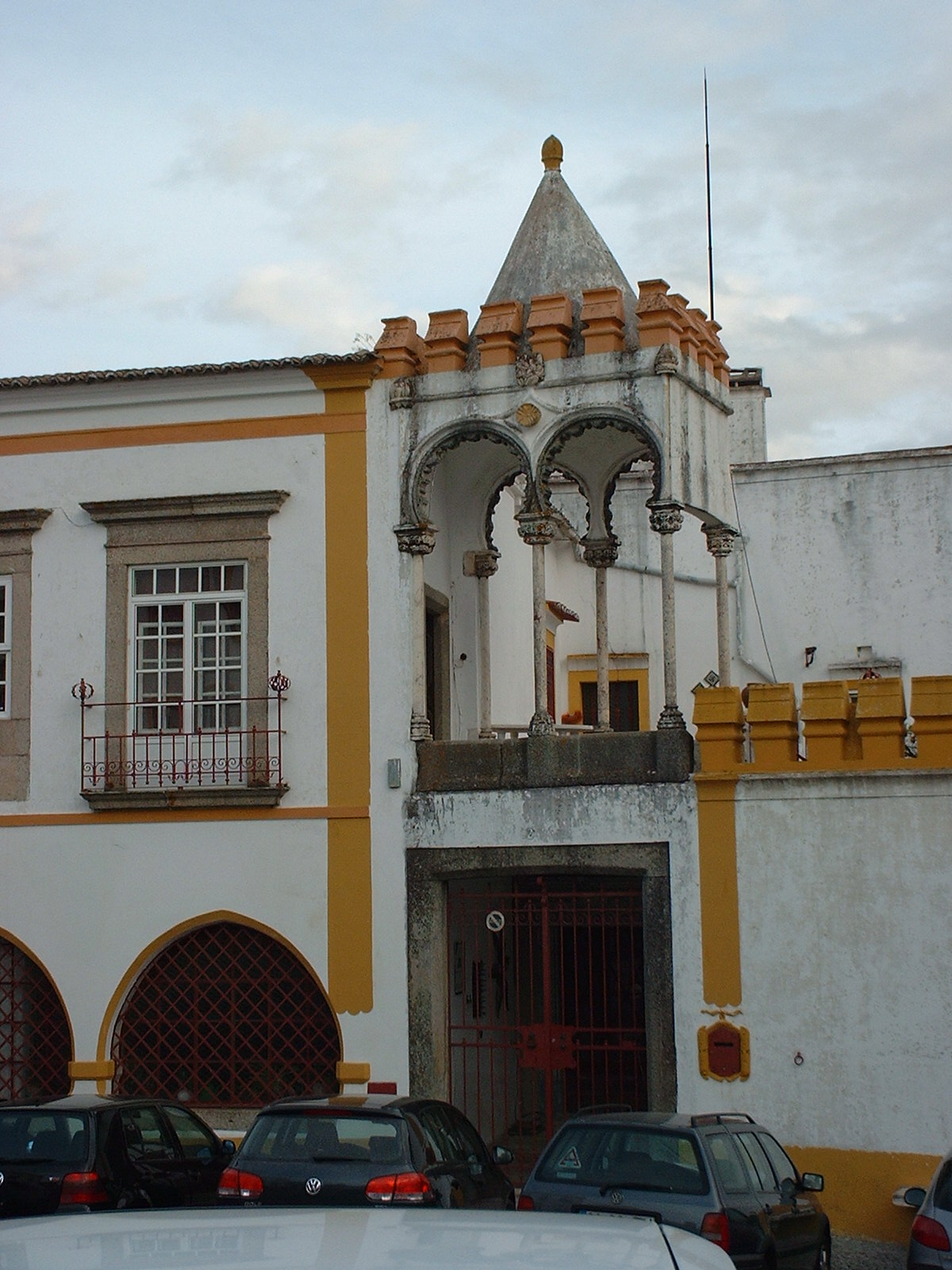
Evora is full of graceful architecture.  Tradition has it that visiting dignitaries are welcomed by a display of vivid bedspreads hung from the wrought iron balconies.  Rua 5 de Outubro is certainly a colourful place to wander.  Squeezed into one of the tables at tiny VIPS café, my husband cannot believe that he acquires a samosa, huge slab of cake, glass of wine and coffee for 3 euros.  The food is for hearty appetites in the Alentejo.  Substantial amounts of black pork are consumed, interesting soups and a goat’s cheese I adore.

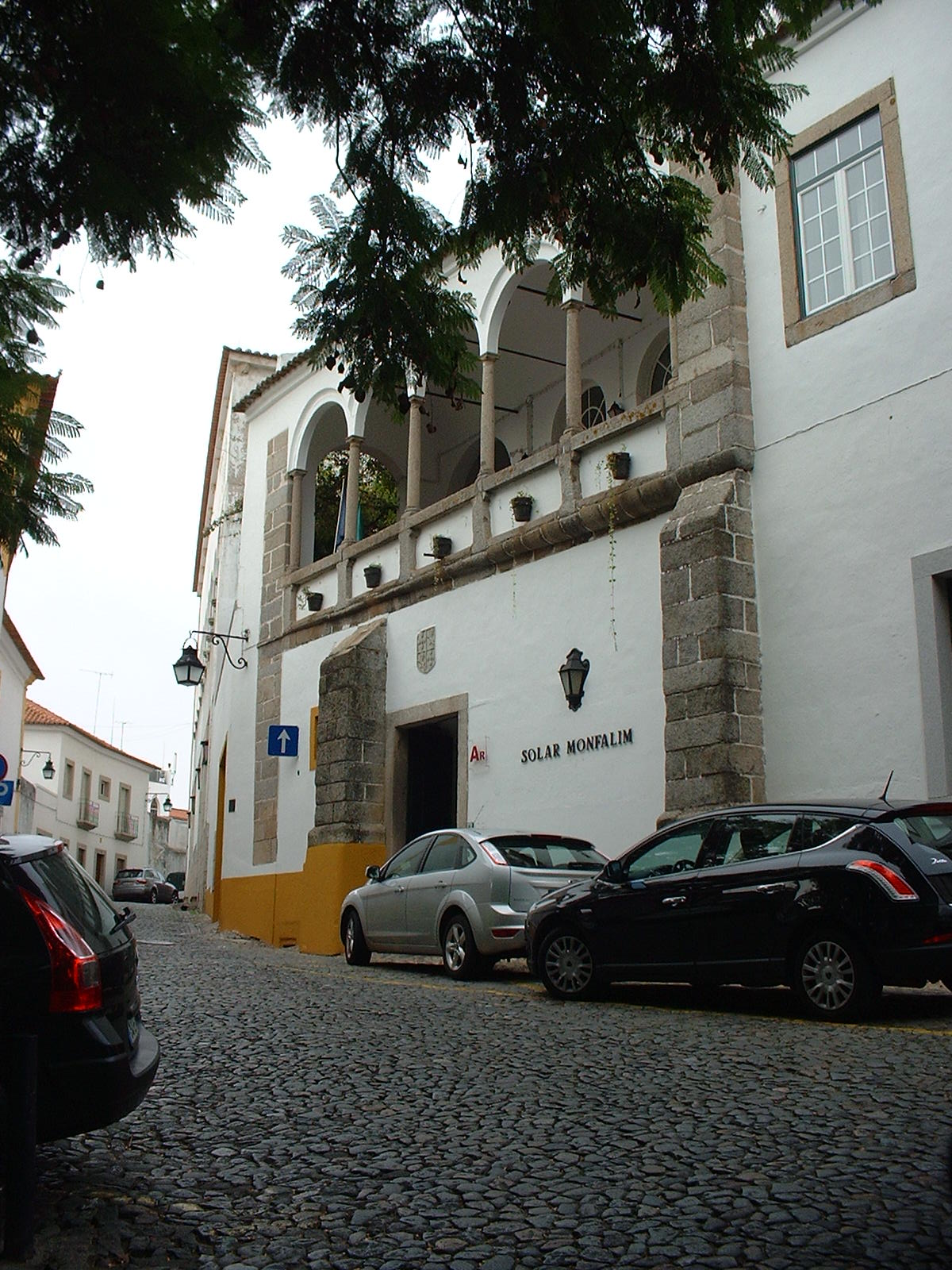
There’s a wide range in hotels too, but I opted for a former ducal palace, Albergaria Solar Monfalim, with its faded grandeur.  The solid stone staircase climbs to a lofty cloistered area overlooking the cobbled street. (Largo da Misericordia 1)

Evenings are wonderful in Evora, the Temple of Diana and Cathedral spectacularly staged with floodlight.  And afterwards a quiet glass of port in the hotel bar, filled with Evora’s past.

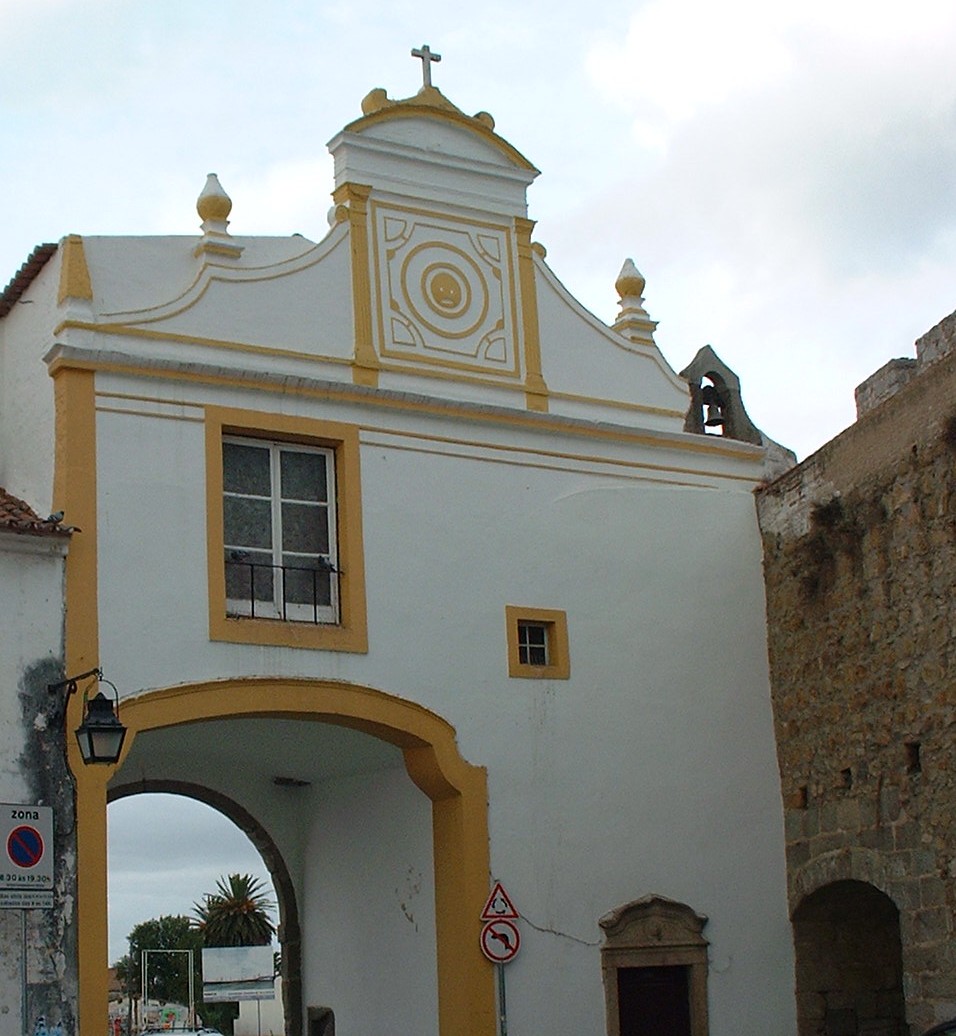
Parking is easy on the huge expanse of land outside the town walls, approaching from Lisbon, except maybe when the annual Feria takes place in June.  From there you’re through a gate onto Rua Serpa Pinto and history beckons.

While writing this post I discovered that the name Evora derives from the Latin ebora = of yew trees and has links with the city of York, not far from my UK home.  In Roman times, York was known as Eboracum, “place of yew trees“.  Isn’t life strange sometimes?

This post is part of my personal A-Z of Portugal, Julie Dawn Fox’s great idea.  Follow my journey through the header or logos, or even join in.  You’ll find some great stories.

Just an afterthought for anyone thinking of visiting in the summer.  Evora has good open air swimming pools so it is possible to cool off. http://www2.cm-evora.pt/piscinasmunicipais/condicoes_horarios_verao.htm  There’s a map on the site.

W is for Warsaw

I do worry that maybe I’m being a bit too personal with my A-Z of Poland so I’m nipping right down to the foot of the alphabet to tell you about Warsaw, a place I don’t have an emotional connection to.  Some of you may know it much better than I do.  I was only there for one day, but what I saw was truly inspirational, and I wouldn’t hesitate to go back.

Not that I was sure of this when I emerged from Warsawa Centralna railway station into a honking, braking cacophony of traffic.  I looked across at the unmissable 231 towering metres of the Palace of Culture and Science, took a deep breath and plunged.  Once over on the green island that surrounds the museum, things didn’t seem so bad, but that impression wasn’t to last.

Museum of Culture and Science

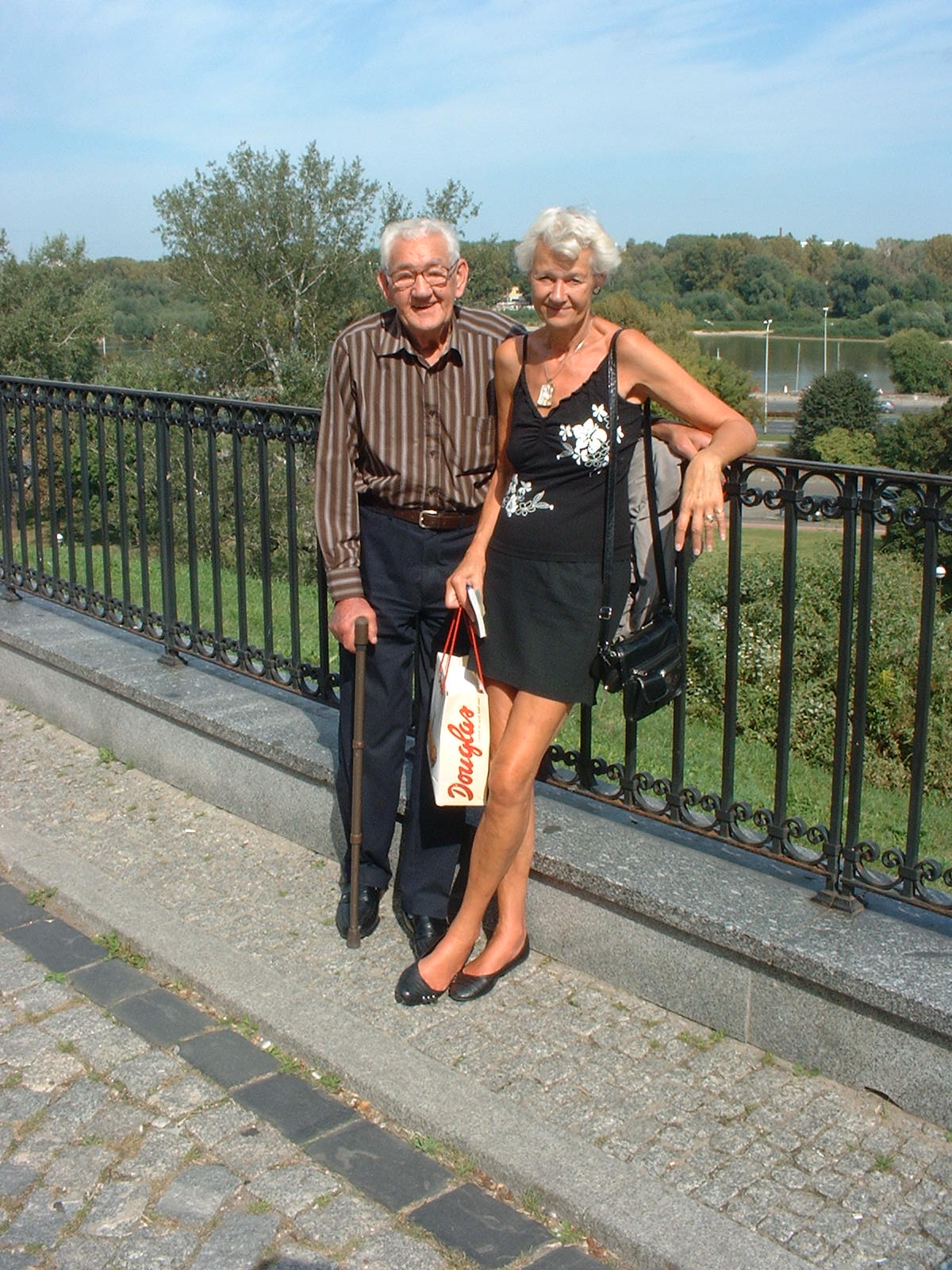
Time was short and my priority was to see Stare Miasto, the old town, more than 80 percent of which had been deliberately razed to the ground during World War 2.  Some of the family were already inside the museum, cameras clicking.  The rooftop panorama from the 30th floor viewing deck appealed, but it was hot and busy so I decided to reconnoitre the surrounding area, looking for a bus stop which would take us to the Old Town.  Mistake!  With hindsight it would have been faster to walk, but that was never an option as Dad was with us, and he’s not so good on his legs.  He’d been determined to accompany us, despite knowing that it would be a tiring day.  Rightly enough, as he’d never seen his Polish capital in all his 80+ years.

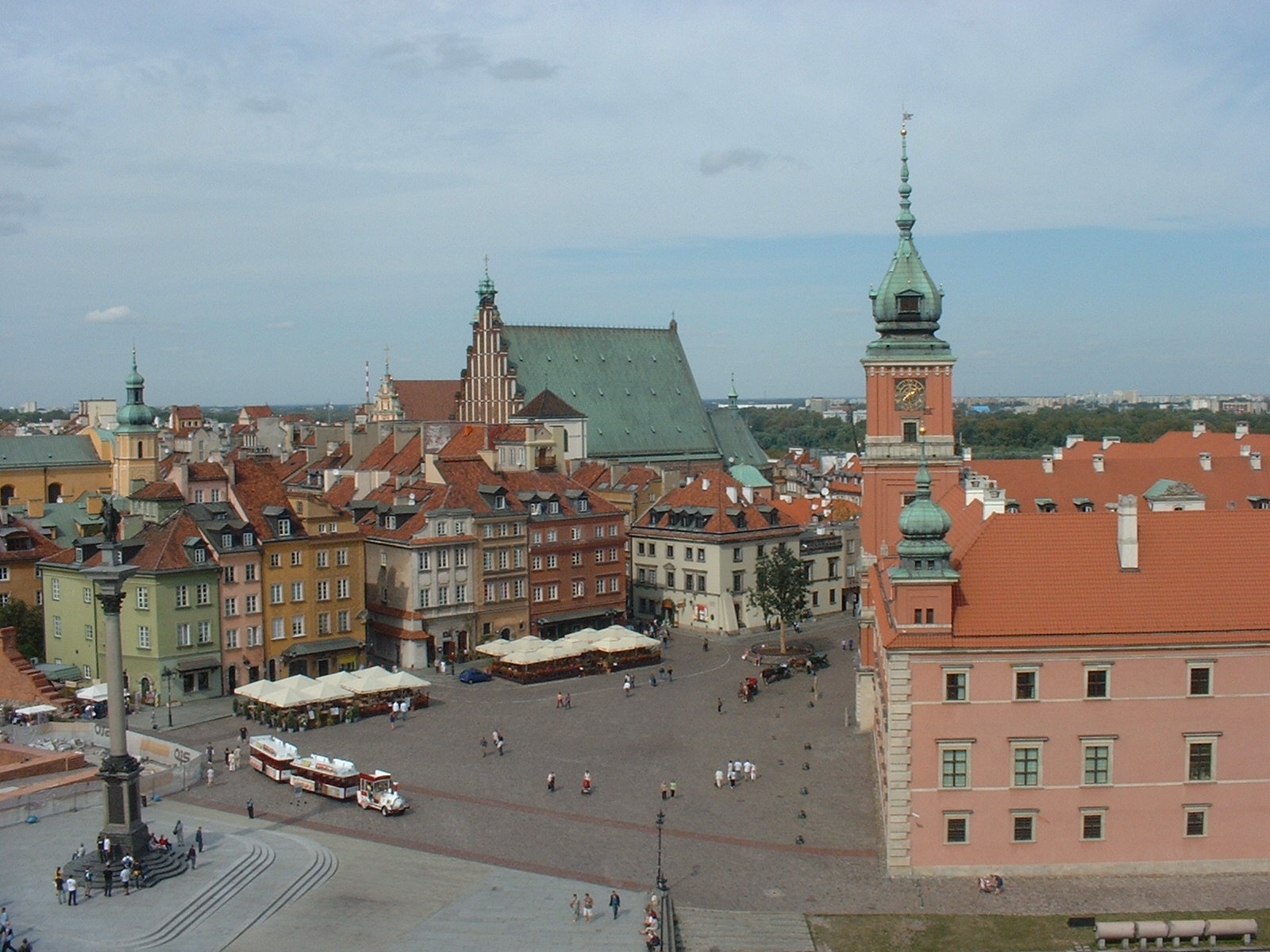
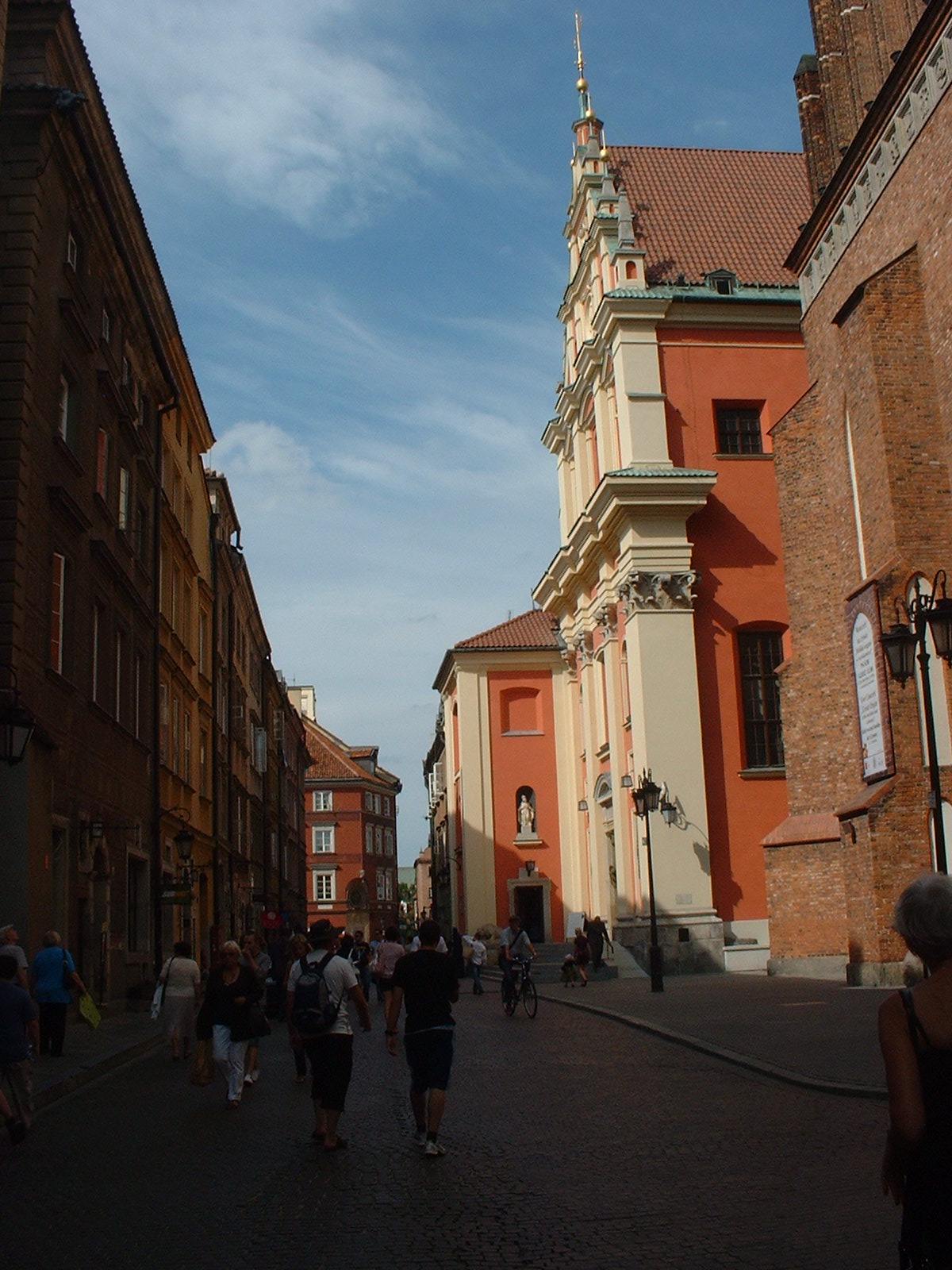
Let’s just say that we hopped into taxis, but not before I had seen a little too much of modern Warsaw and taken plenty of wrong turnings.  Never mind, it all faded away as I gazed in awe at Plac Zamkowy, Castle Square, with its serene Royal Palace, barely believing that this was all reconstruction.  I said that I don’t have an emotional connection to this city but it would be impossible not to be moved by what transpired here.  Following almost total annihilation, in 30 years, working from paintings and old photographs, the Old Town was painstakingly resurrected in all its glorious colour.

Plac Zamkowy from St Anne’s Church roof

It was a grand setting in which to sit and admire this seat of Polish kings from 17th century onwards.  It opens for guided tours Tuesday till Sunday (free on Sundays).  http://www.warsawguide.com/royal_castle.html  Cafes and restaurants line this majestic space, not cheap by Polish standards, but you don’t have to pay for the view if you don’t want to.  You can grab an icecream and hitch up on a wall or the stone seating if you can find a space.  Dad, as so often, charmed his way in.

I had picked up a map at the Tourist Information office in the square and it seemed a good idea to get our bearings on board the mini tourist train.  The commentary was in Polish but it didn’t matter as it was difficult to hear whilst rattling over the cobbles.  The map was useful, especially when it came to strolling out of Plac Zamkovy, past St John’s Cathedral.  It was occupied by German tanks during the war and so badly damaged that only the Gothic exterior is original.  Kanonia, behind, has views of the endless River Vistula.

St John’s Cathedral

Kanonia

By the River Wisła (Vistula)

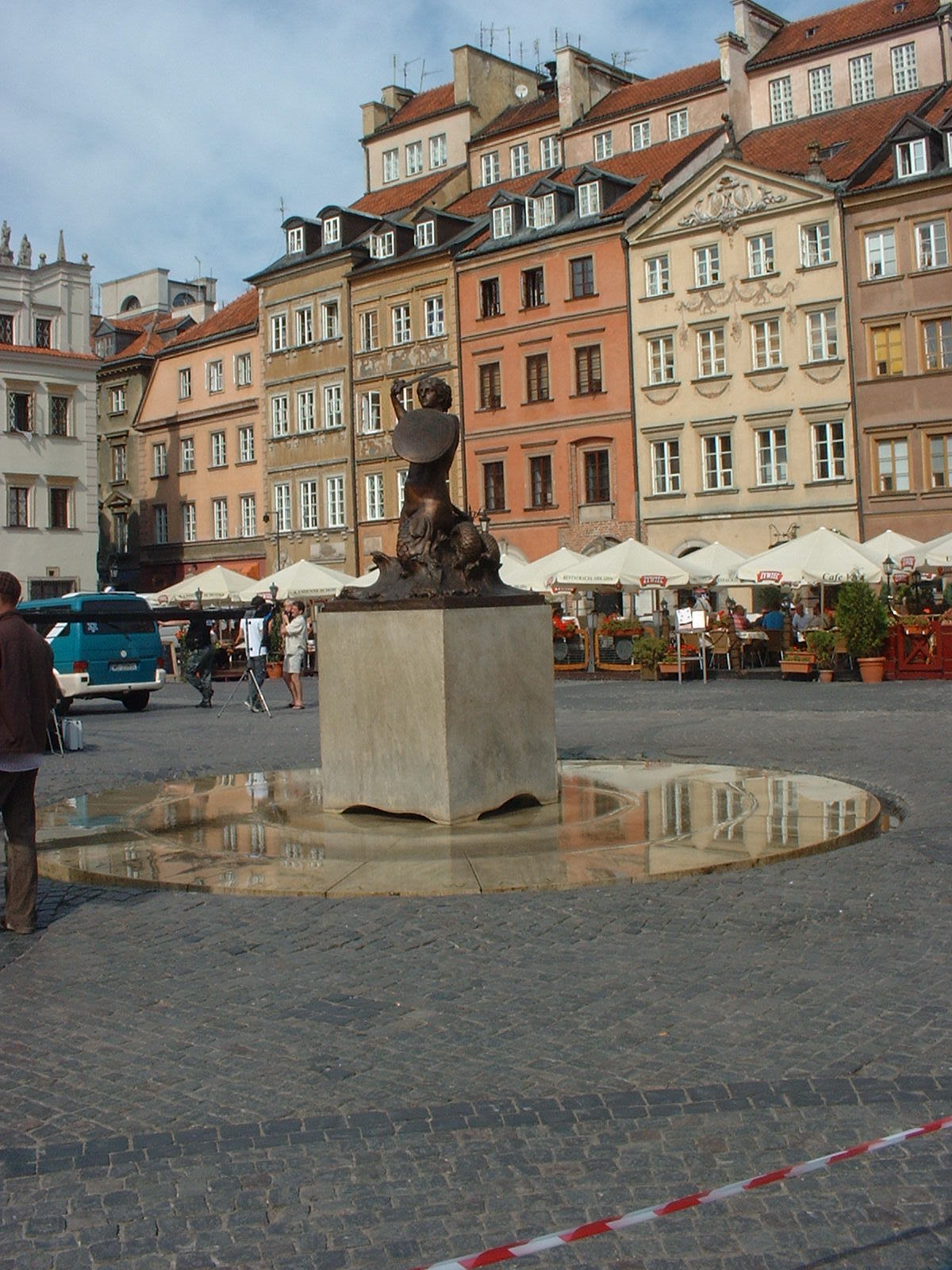
I was beguiled by Rynek Starego Miasta, Old Market Square, smaller and bustling, with Syrena, the mermaid statue, at its heart.  The buildings are beautifully patterned.  No.42, the Historical Museum of Warsaw, is where you can follow the entire story of the city’s heroic rebirth.  In Summer artists stalls and florists thrive in the space.  A circuit of the charismatic narrow streets will bring you to Ulica Podwale, where a bronze statue of a small boy in a gigantic helmet symbolises the children who fought alongside their parents in the Warsaw Ghetto.

Syrena, the mermaid, in Rynek Starego Miasta

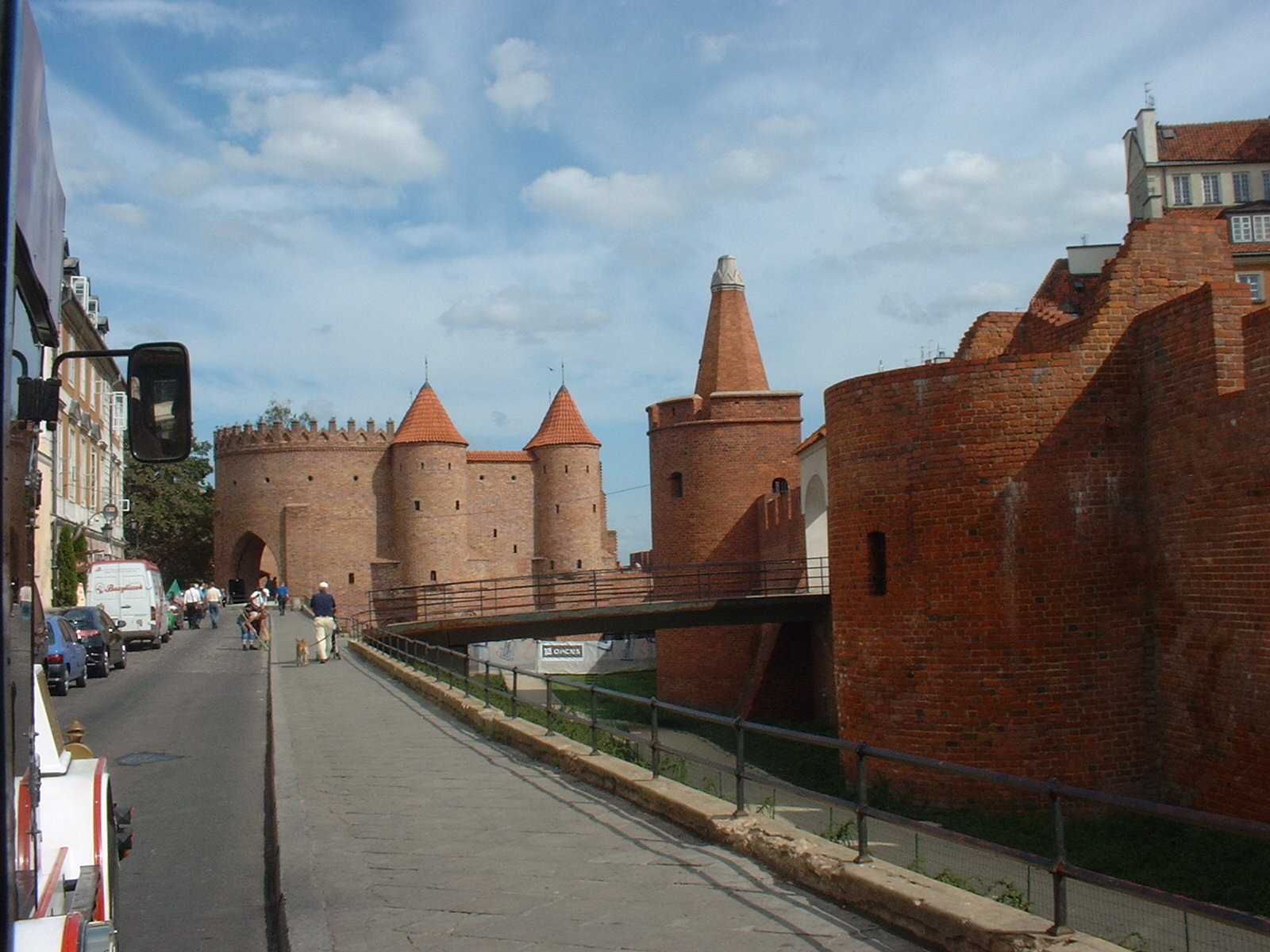
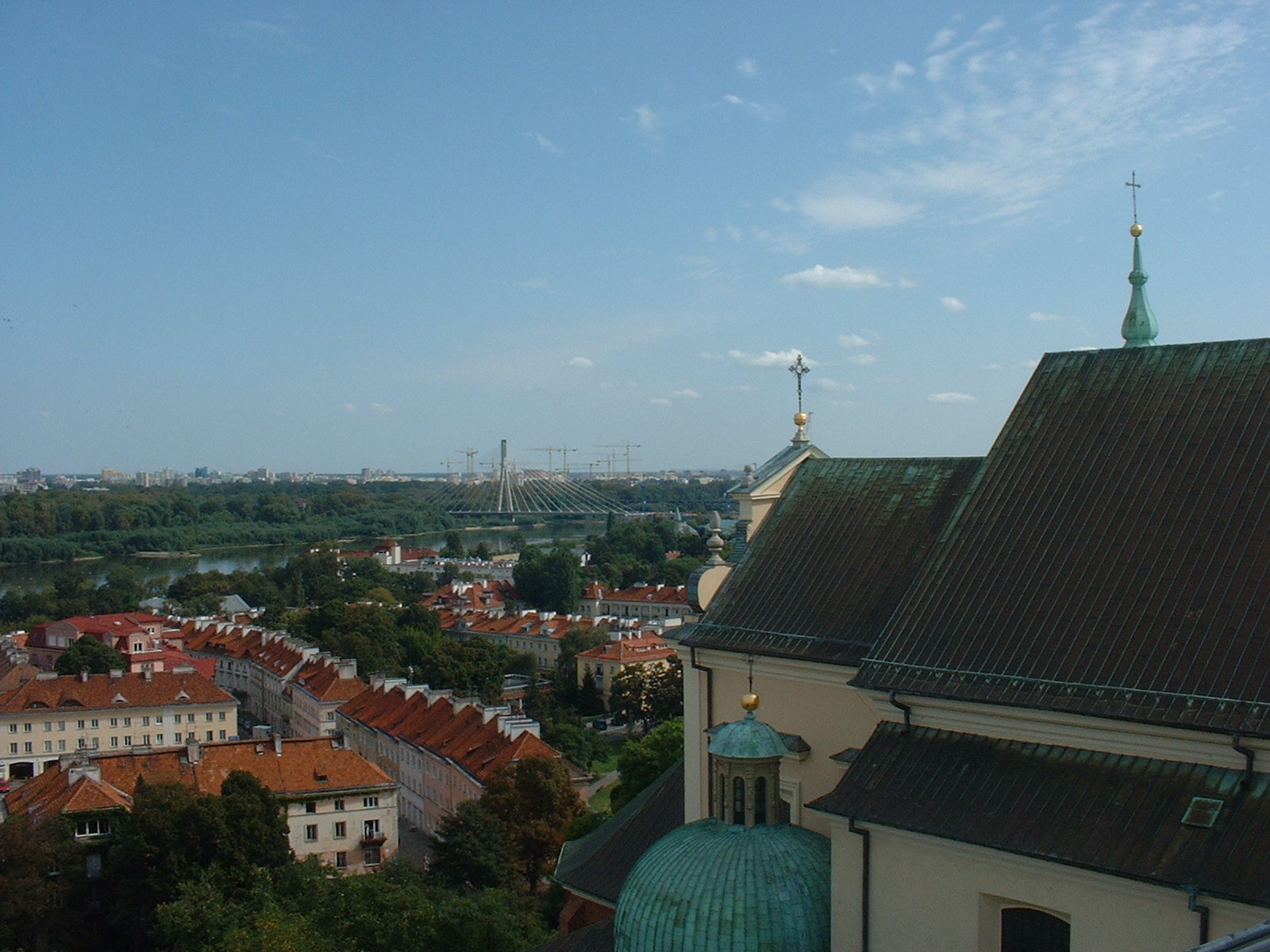
The defensive walls of the Barbican lead back to Plac Zamkovy.  A final treat before leaving the square is to climb to the observation tower in St Anne’s Church, which amazingly withstood the surrounding devastation.  The views out across the Old Town and the river provide wonderful photographic opportunities.

The Barbican

River view from St Anne’s roof

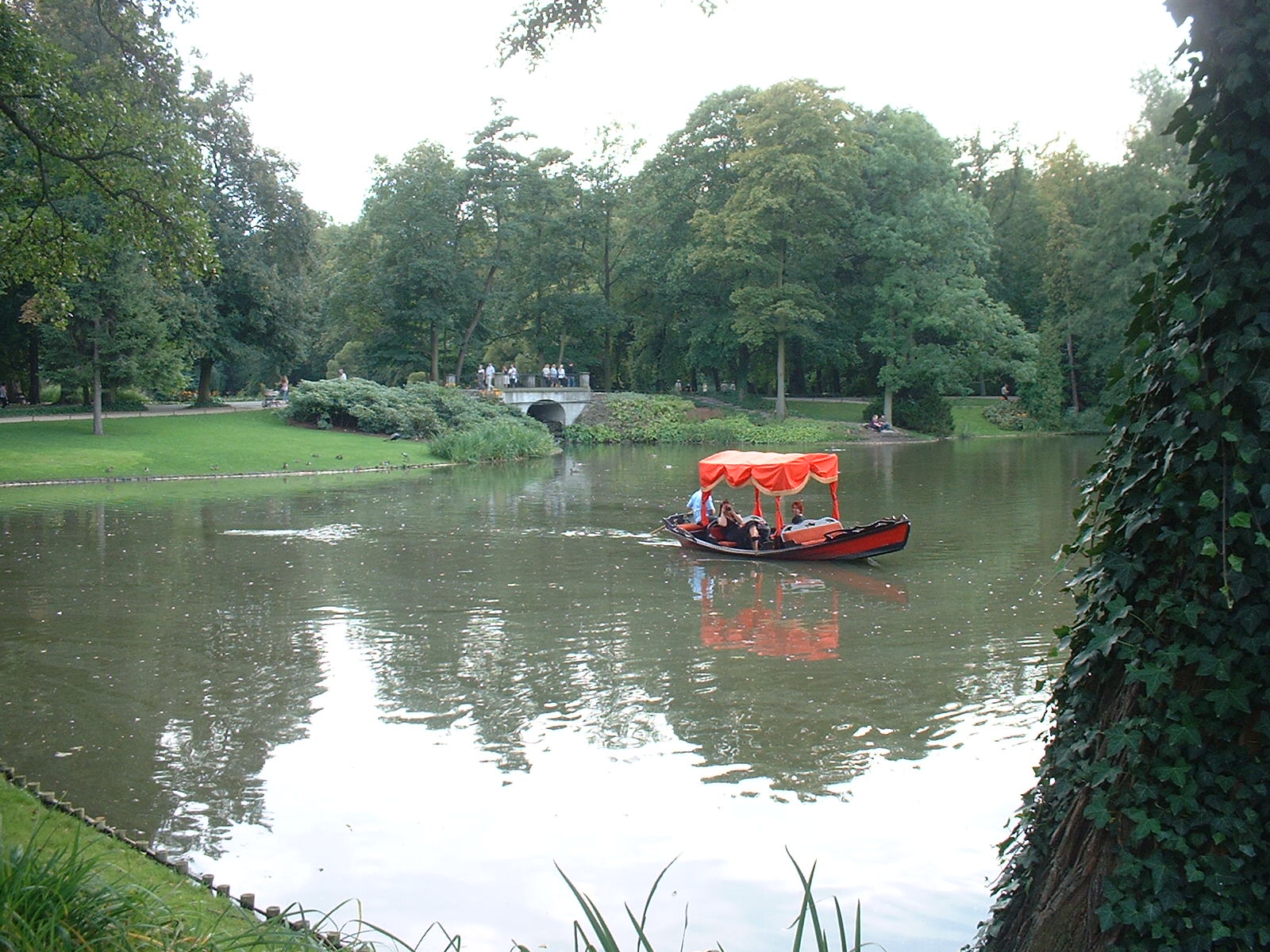
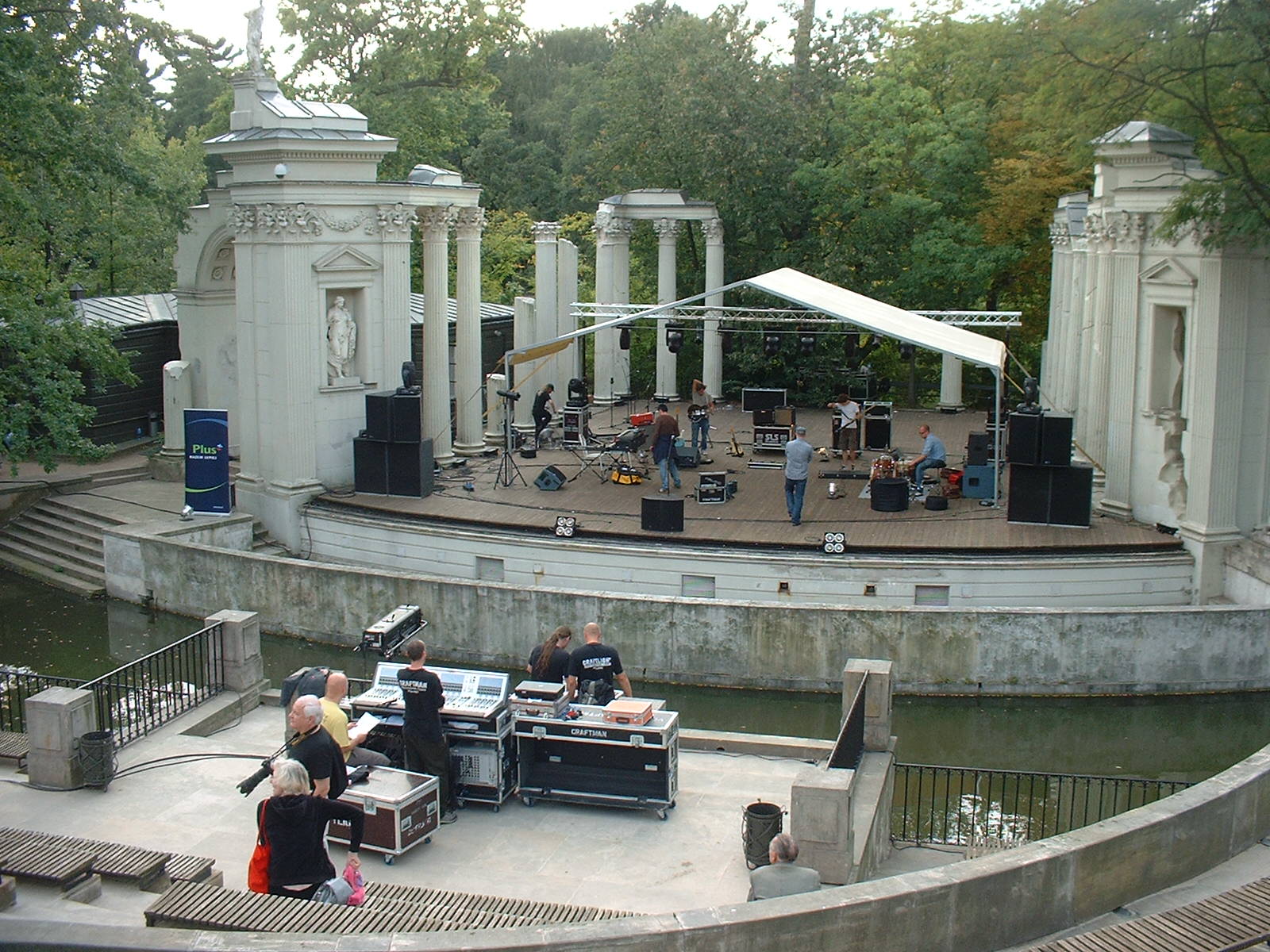
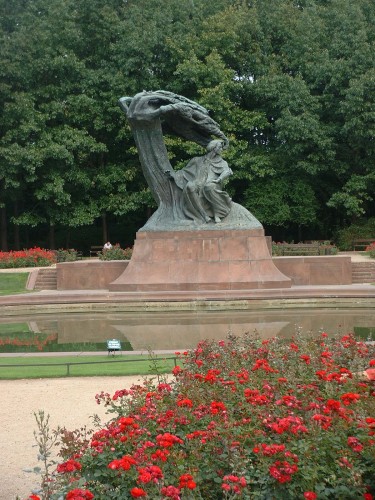
Krakowskie Przedmiescie is the start of the 4km Royal Way and an elegant stroll to Łazienki Palace.  My husband designs gardens for a living and I was sure that he would be impressed by these.  Dad was tiring and we hopped a 180 bus directly to the palace gates.  Not far inside Dad was delighted to find an open air café where he could relax with herbata (tea) while we explored.  The palace was the Summer residence of Poland’s last monarch, King Stanislaw Poniatowski, and the park was awash with canals, pavilions and statuary.  We shared the green space with nimble red squirrels and gracious peacocks.  On Sunday afternoons in Summer, the Chopin Monument is a concert venue to showcase the composer, but we were surprised to find a rock band tuning up in a handsome stone amphitheatre.

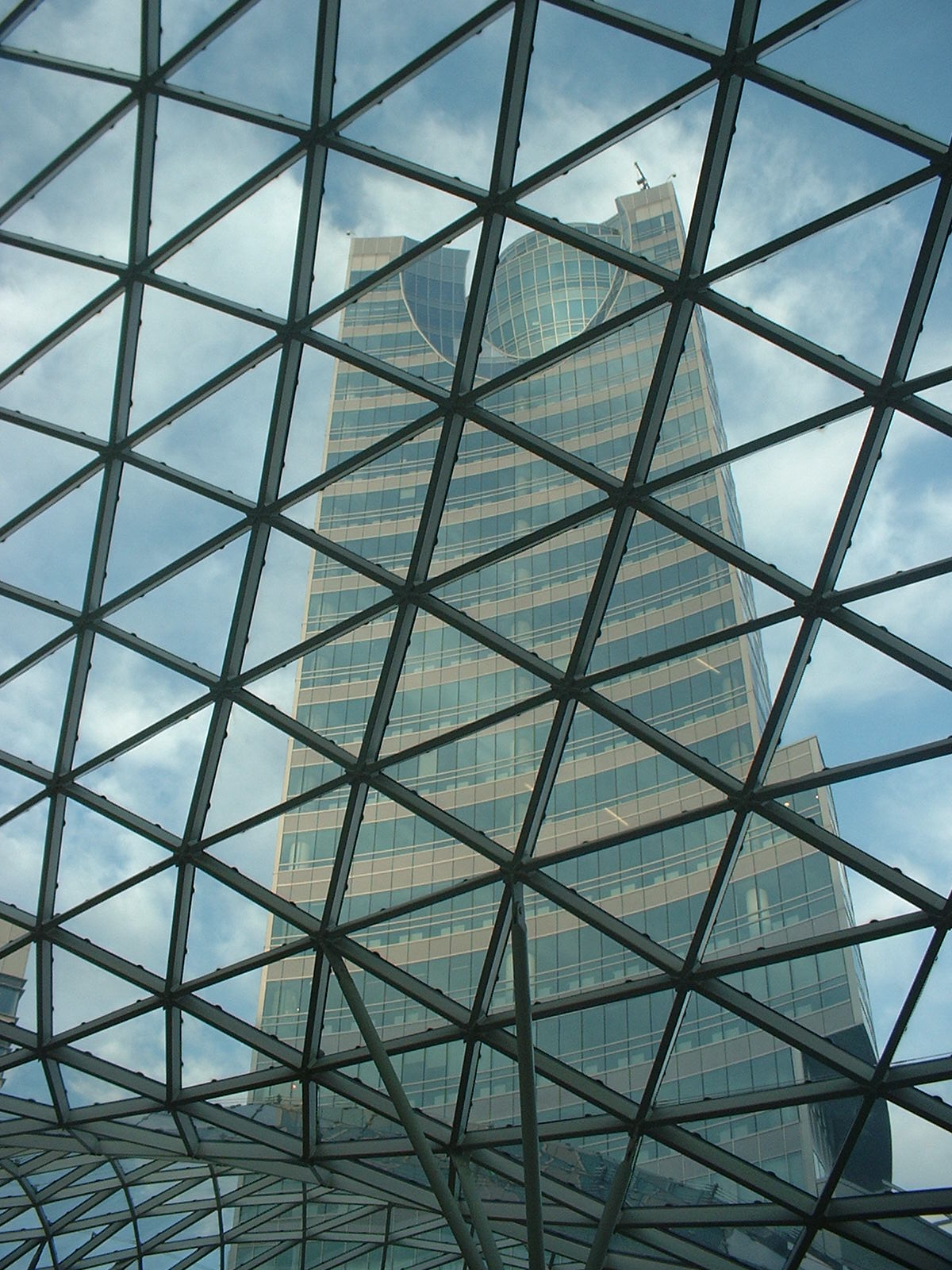
Time was beginning to run out on us and we gratefully languished in a taxi back to the centre.  We rejoined the rest of the family and ate in the striking glass shopping complex, Złote Tarasy, close to the station.  I had the strong impression that this could be a shopper’s paradise.  I left Warsaw with the happy conviction that there was much more to see and do, after a totally memorable day.

Złote Tarasy

I should mention that I travelled to Warsaw by express train from Kraków, in the company of my step-brother Tony, wife Carole and step-sister Lynne, who had travelled all the way from Canada with husband George, so it was quite a family affair.

More of my Polish adventures can be found by clicking on the Polish eagle banner at the top of this post, and in the sidebar.  You can join in with Julie Dawn Fox’s Personal A-Z challenge from the link or the logo below.  And if you want a different take on life, Frizz at Flickr Comments welcomes all comers on his A-Z challenge too.

banner4

C is for Carnaval

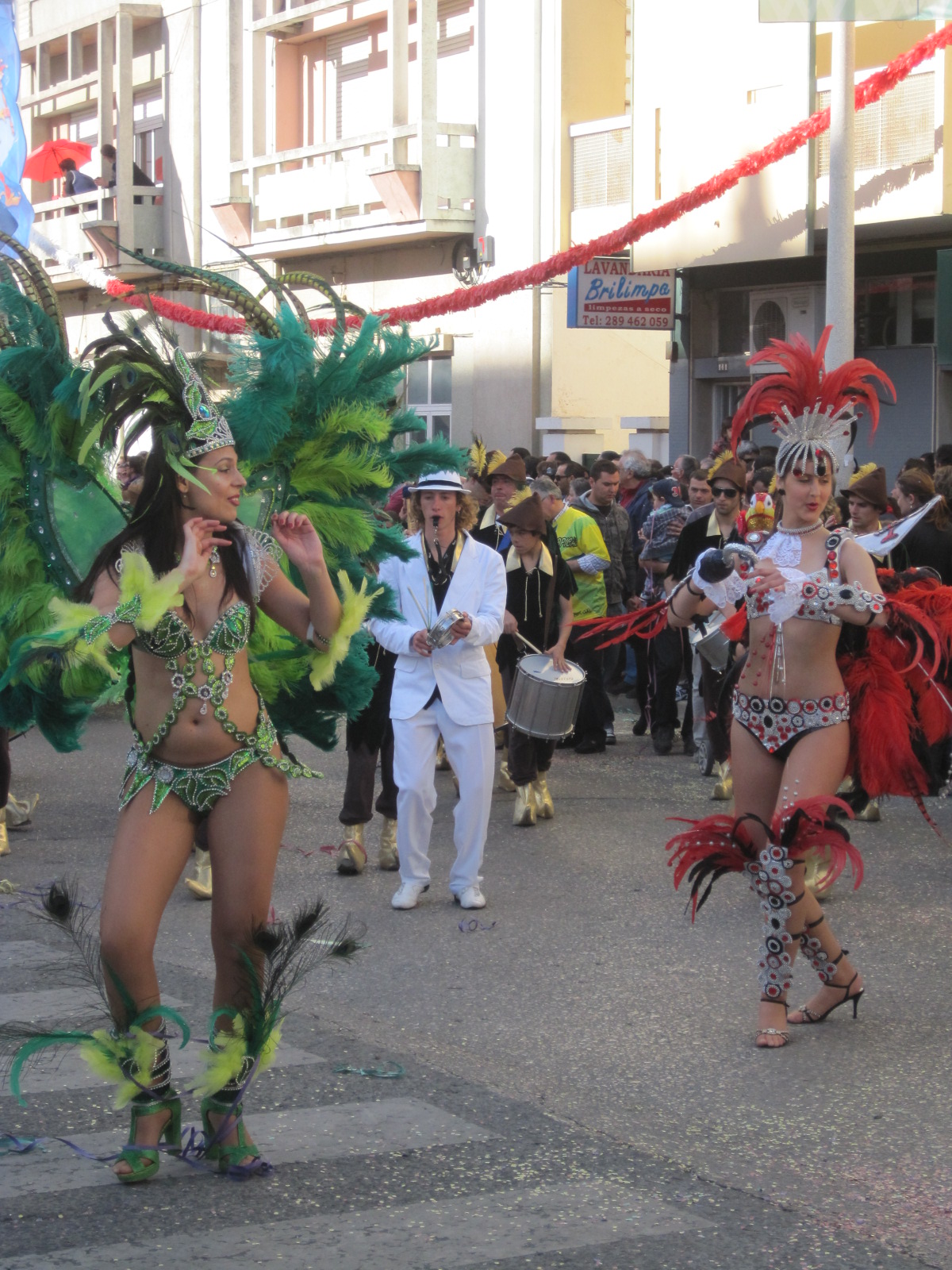
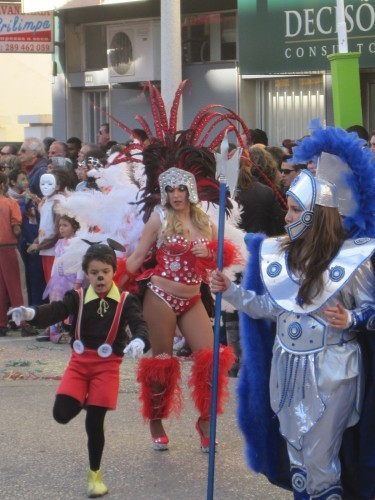
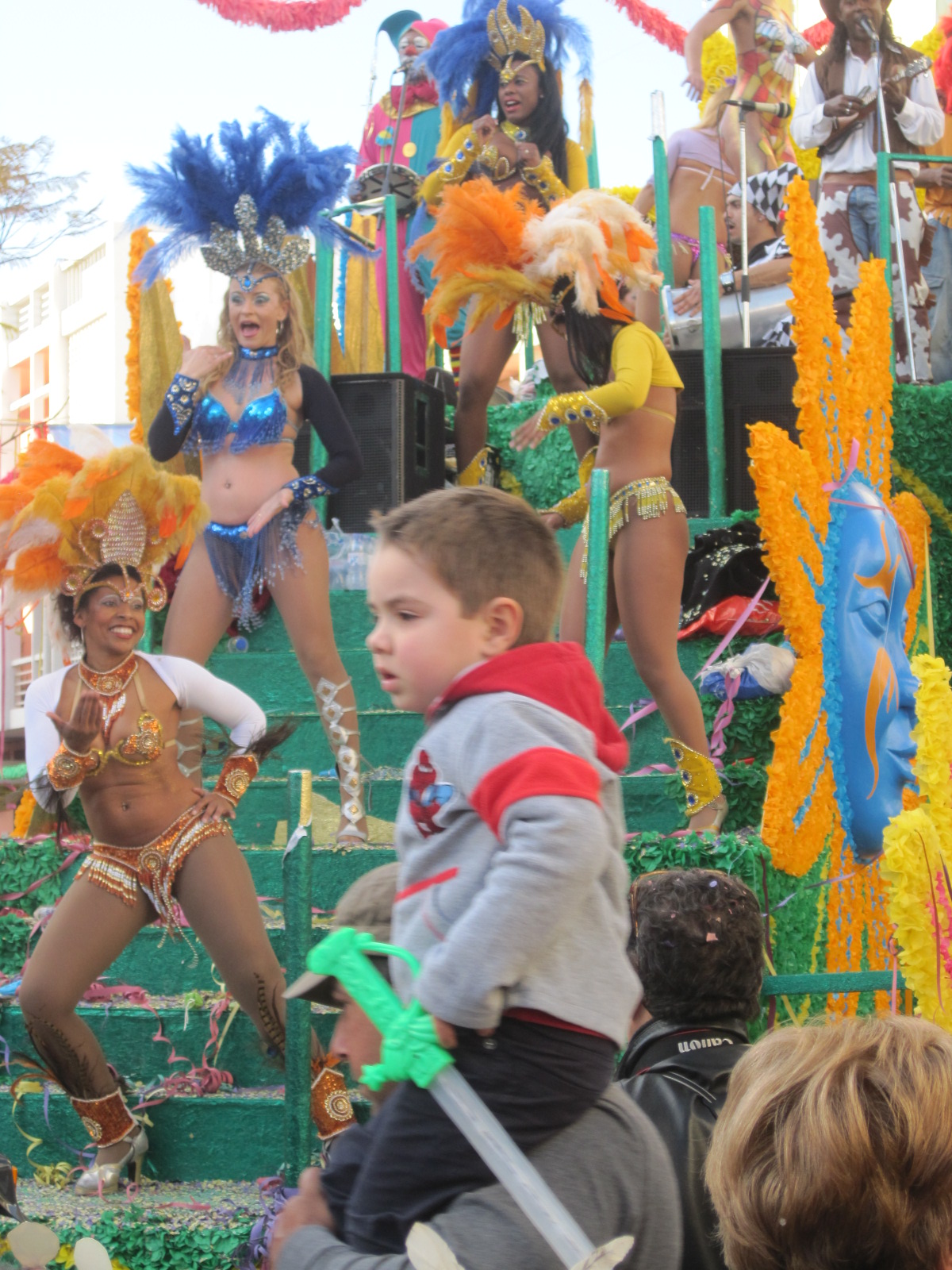
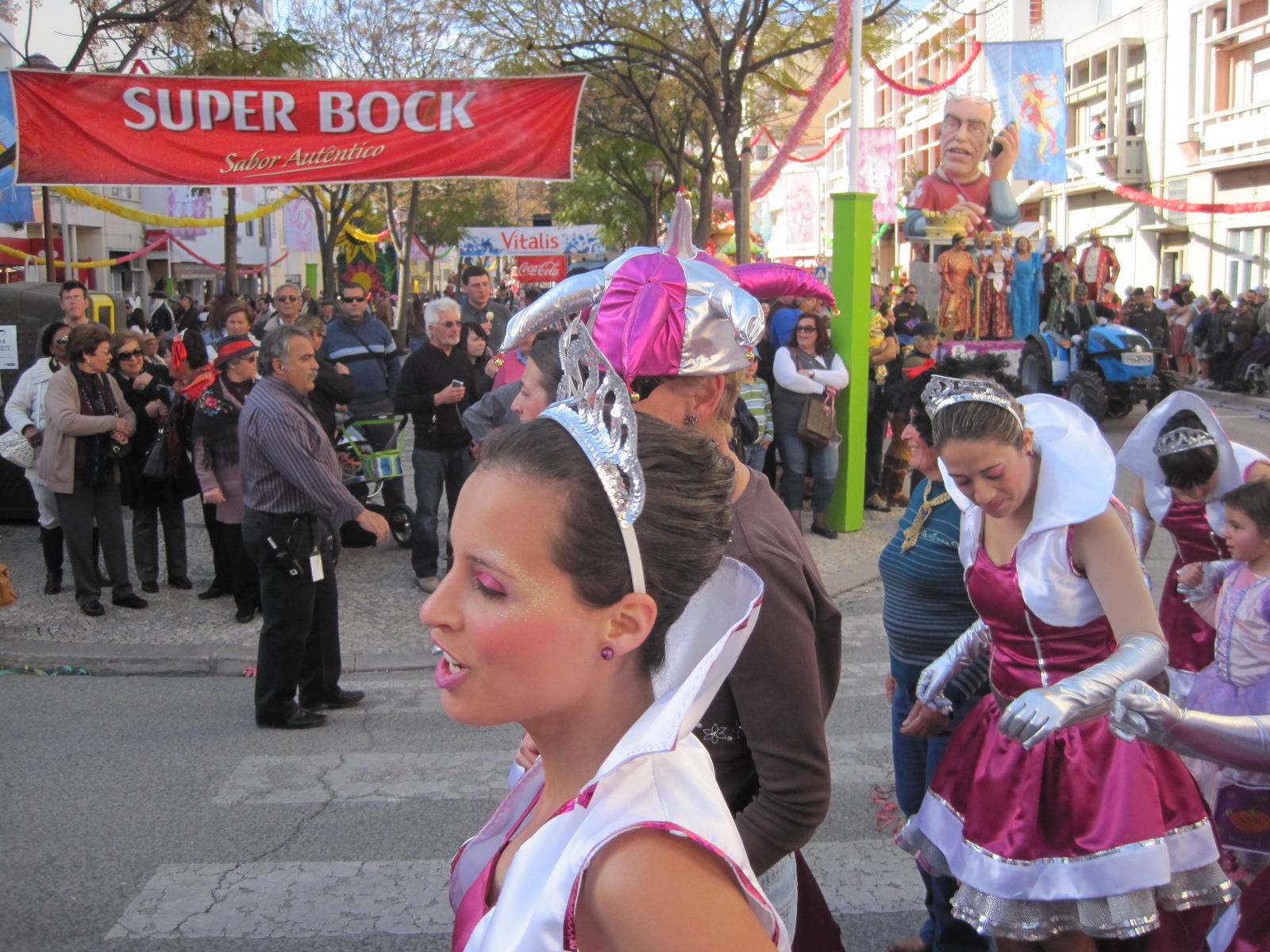
I fought long and hard to resist writing this, and then capitulated.  A bit like my husband when the dancing girls stopped in front of us and took each of us by the hand, to my expression of delight and his of abject dismay.  Happily for him, it was over in a flash and we were back in the crowd, minus my jester’s hat.  Shame!

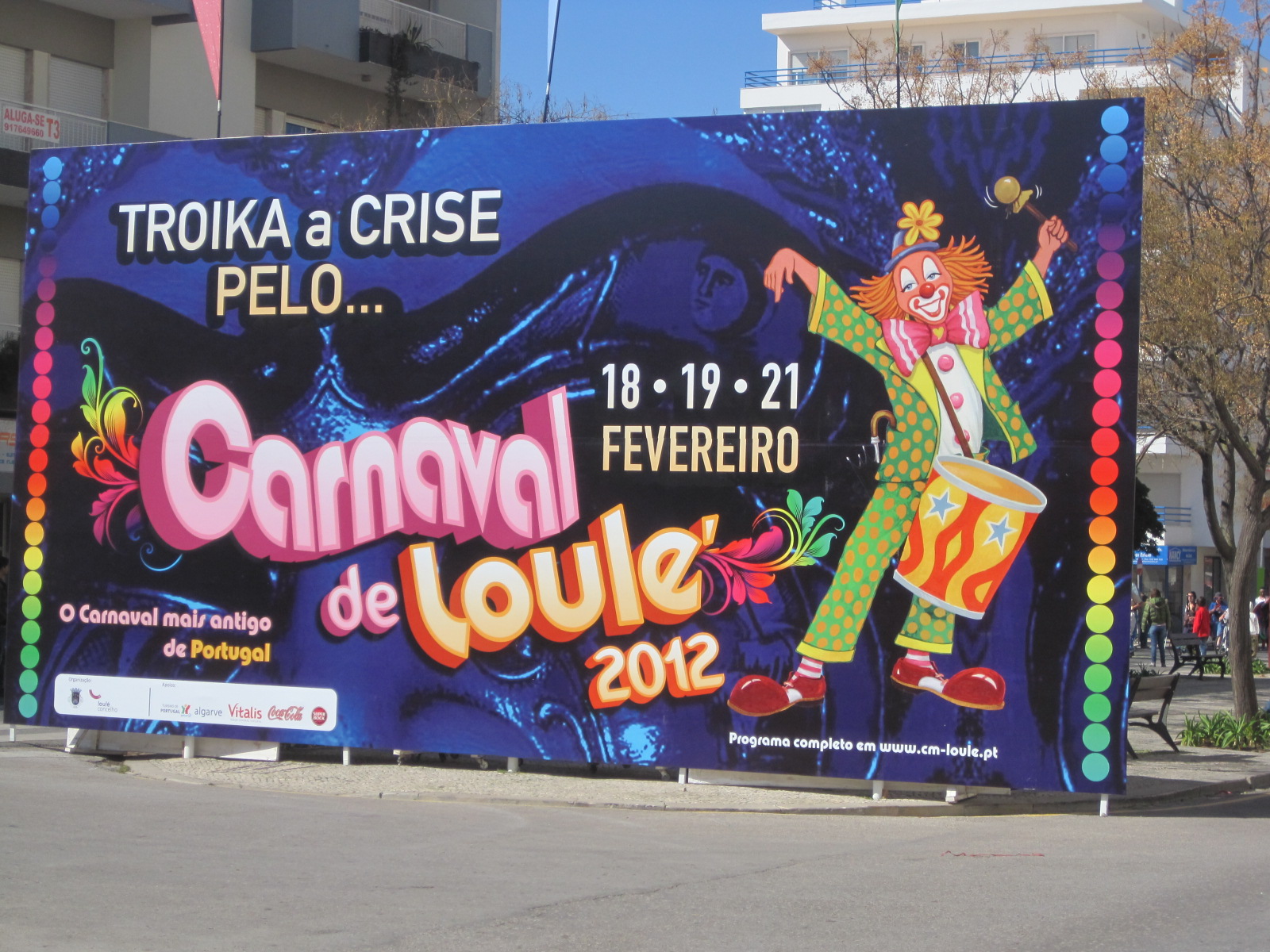
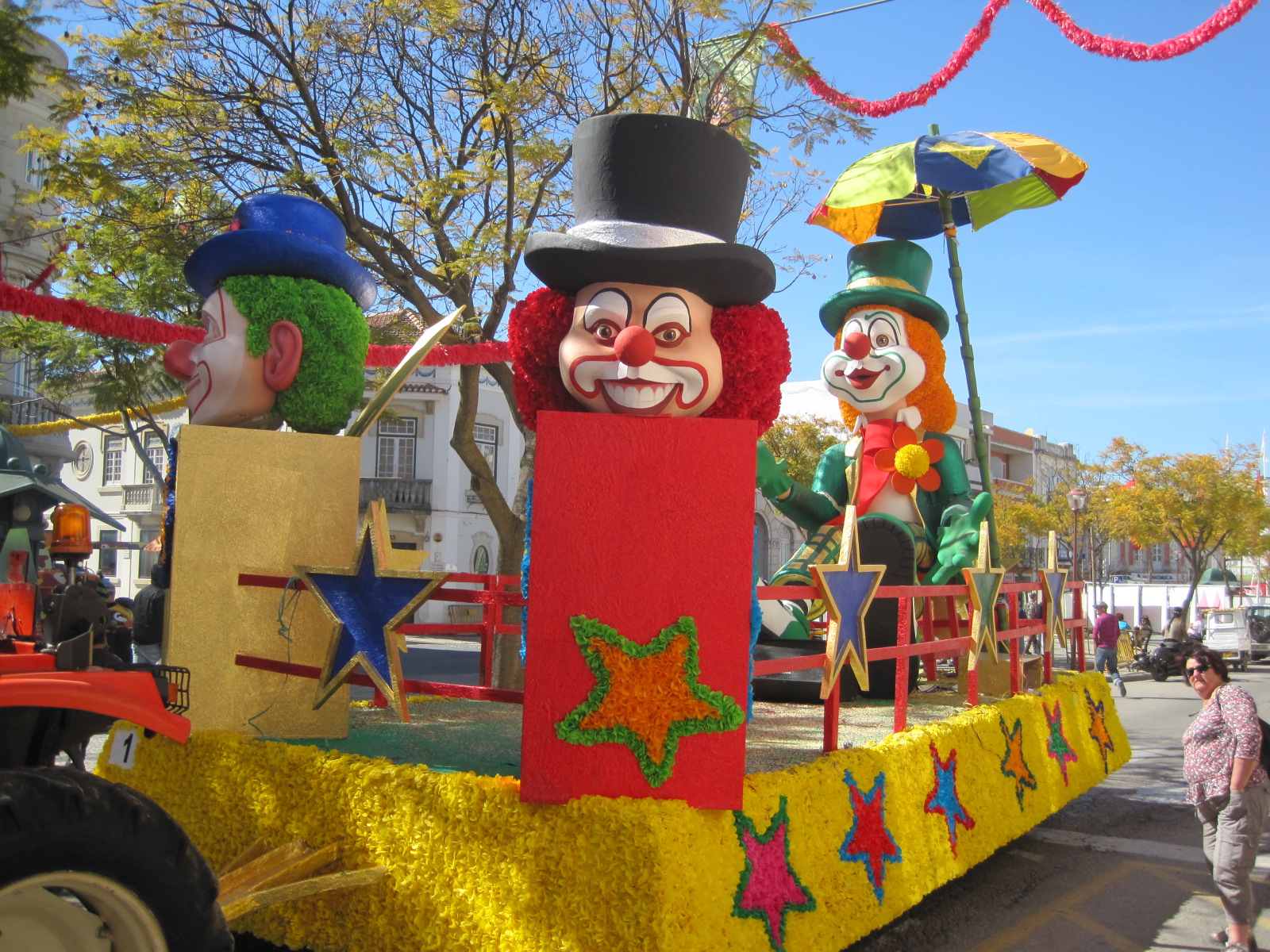
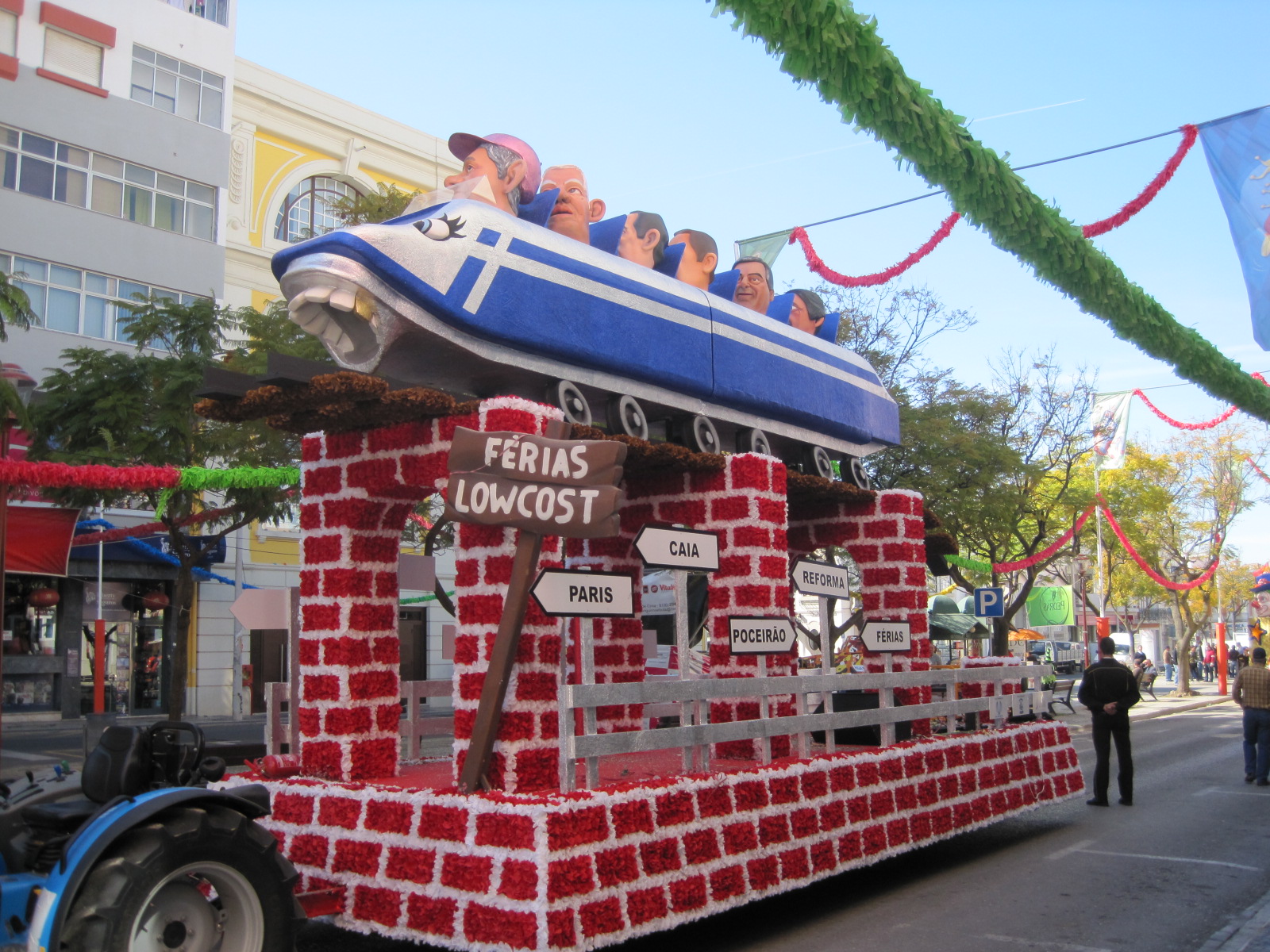
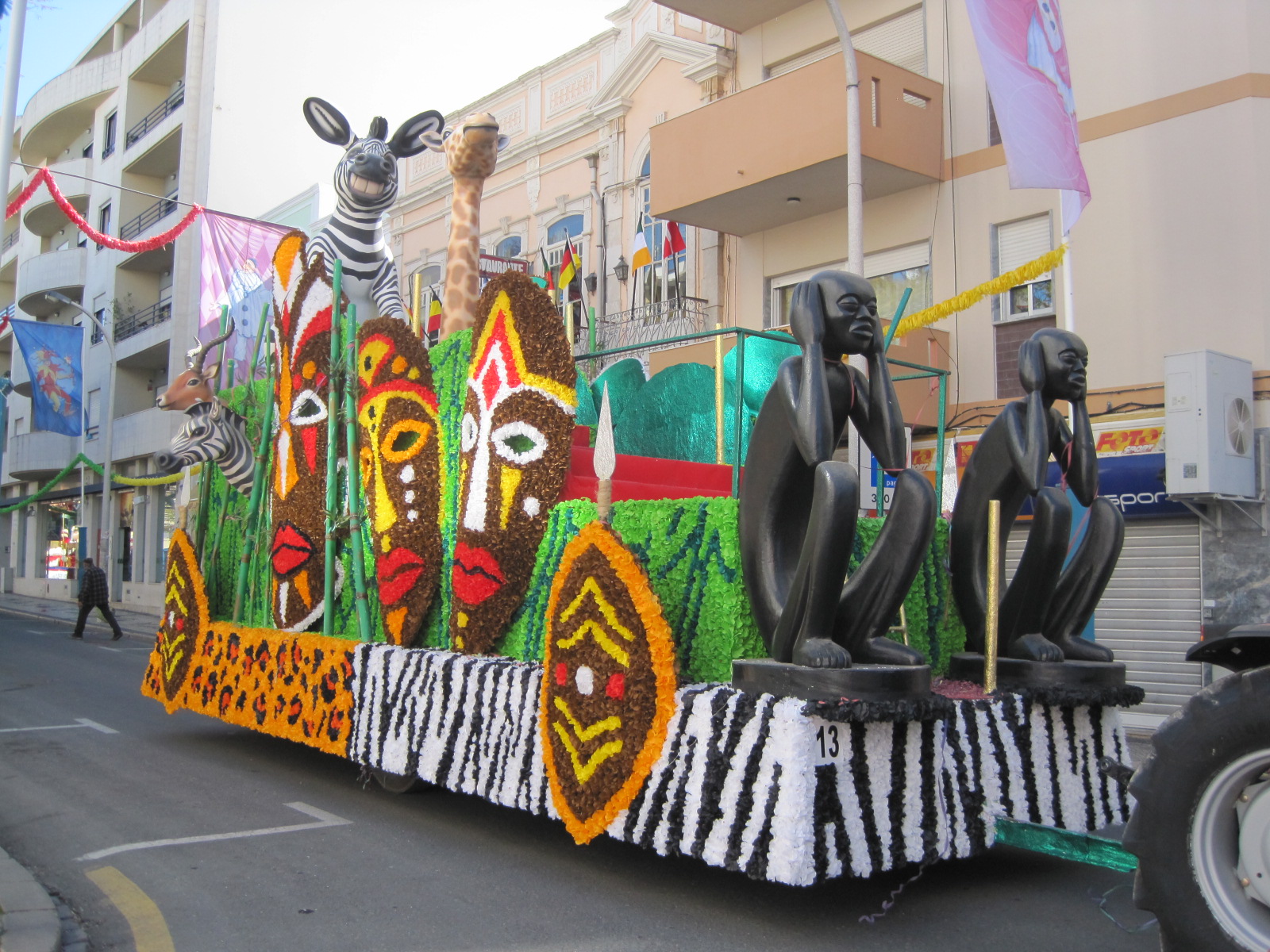
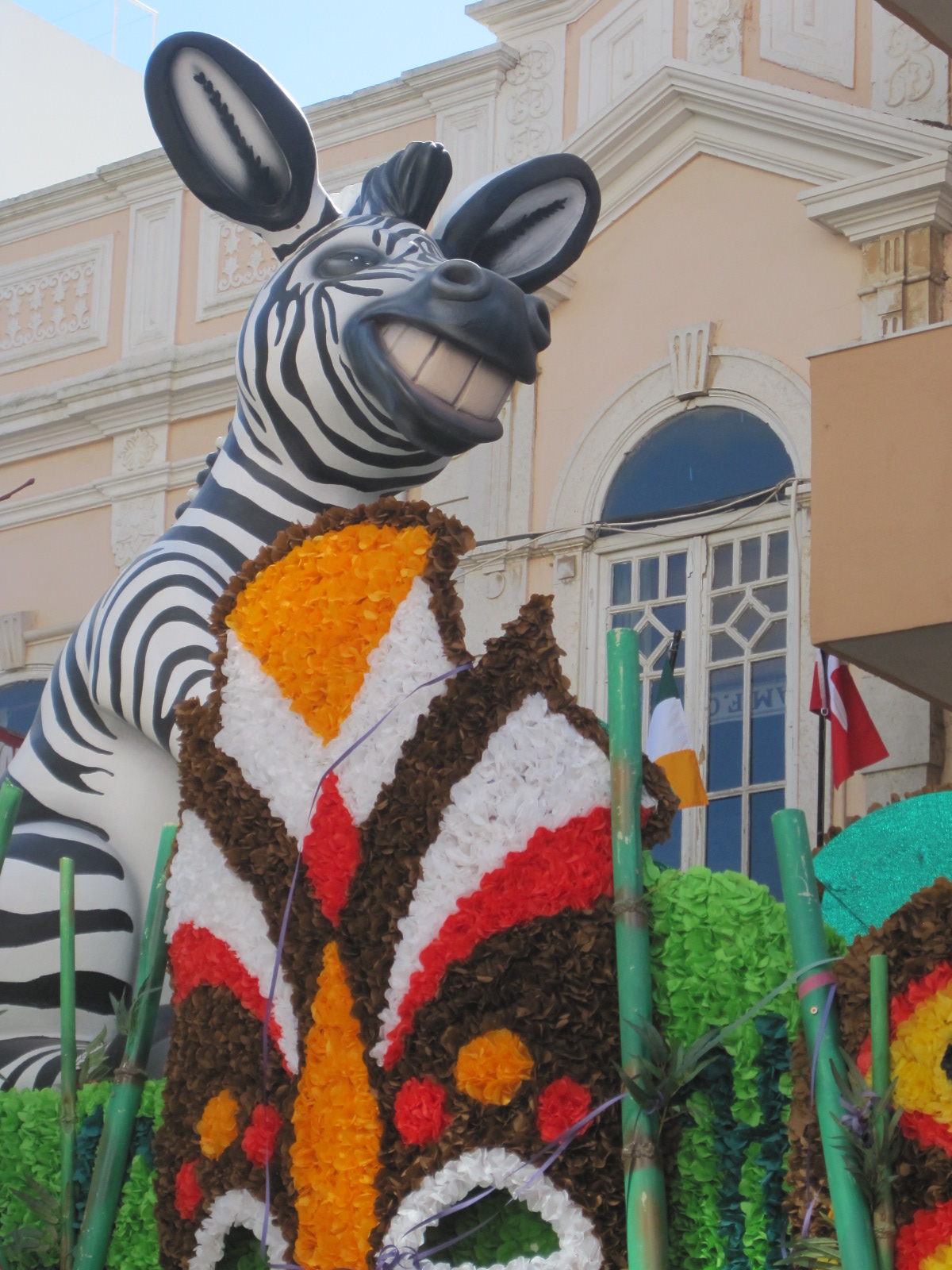
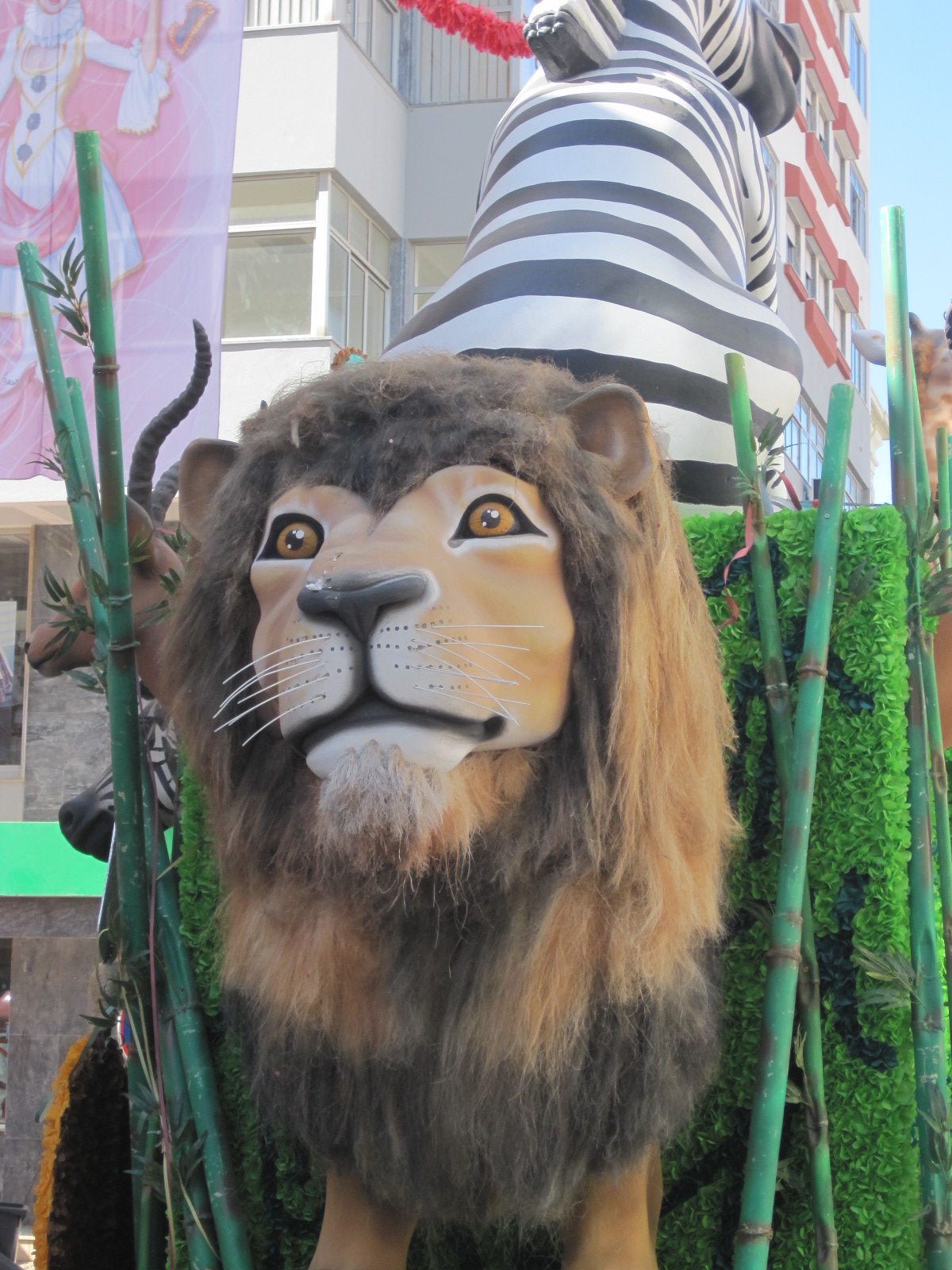
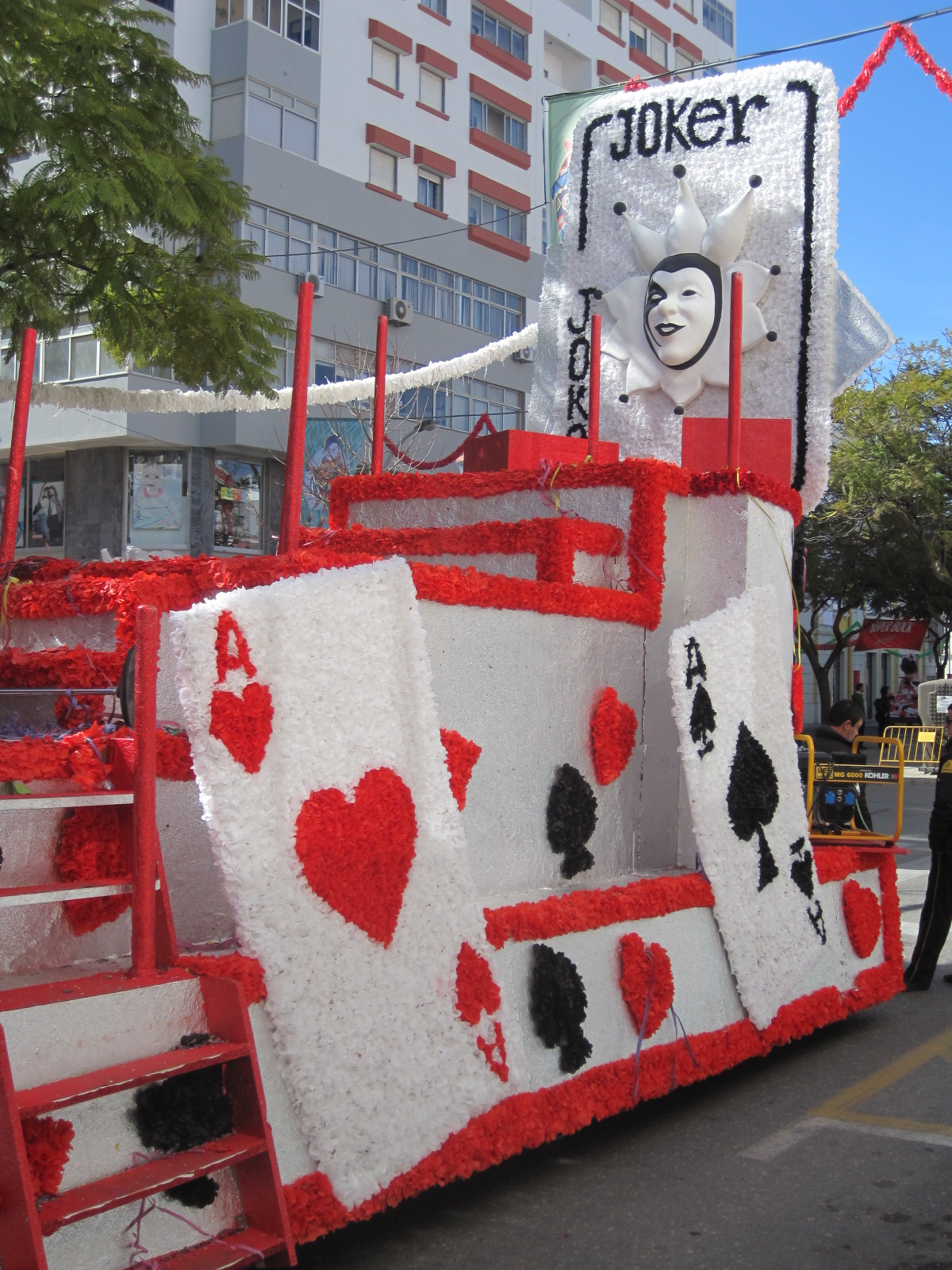
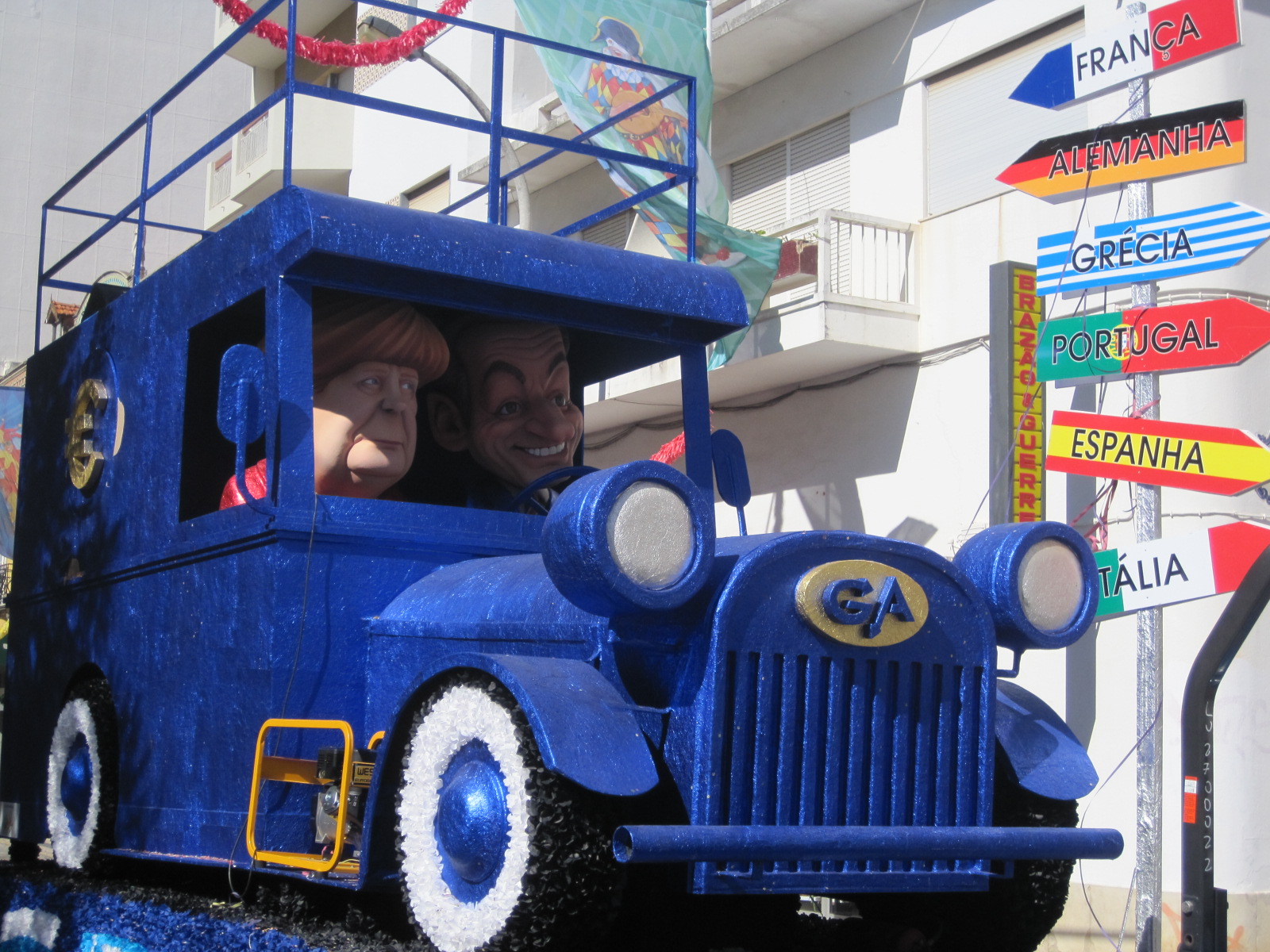
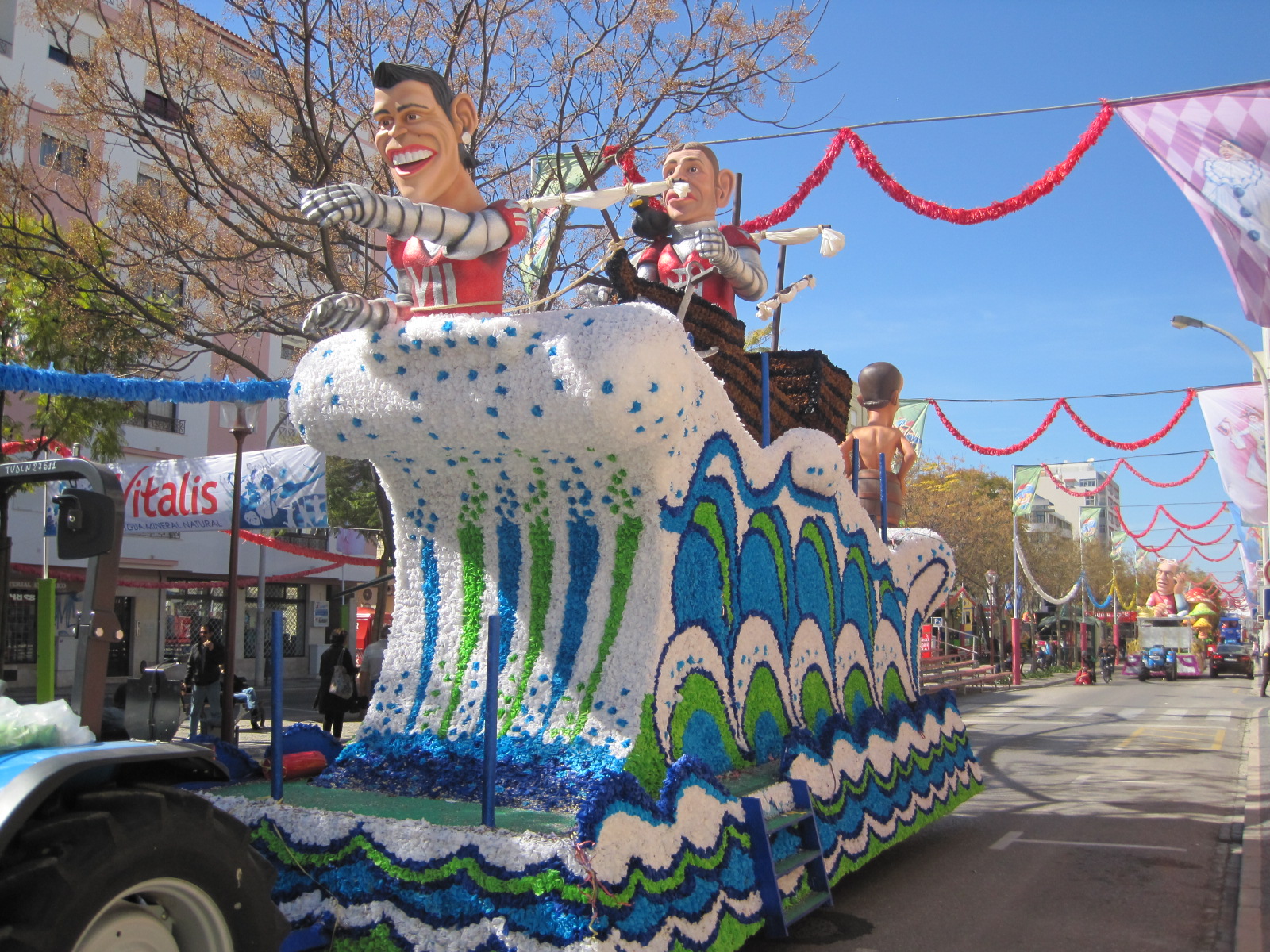
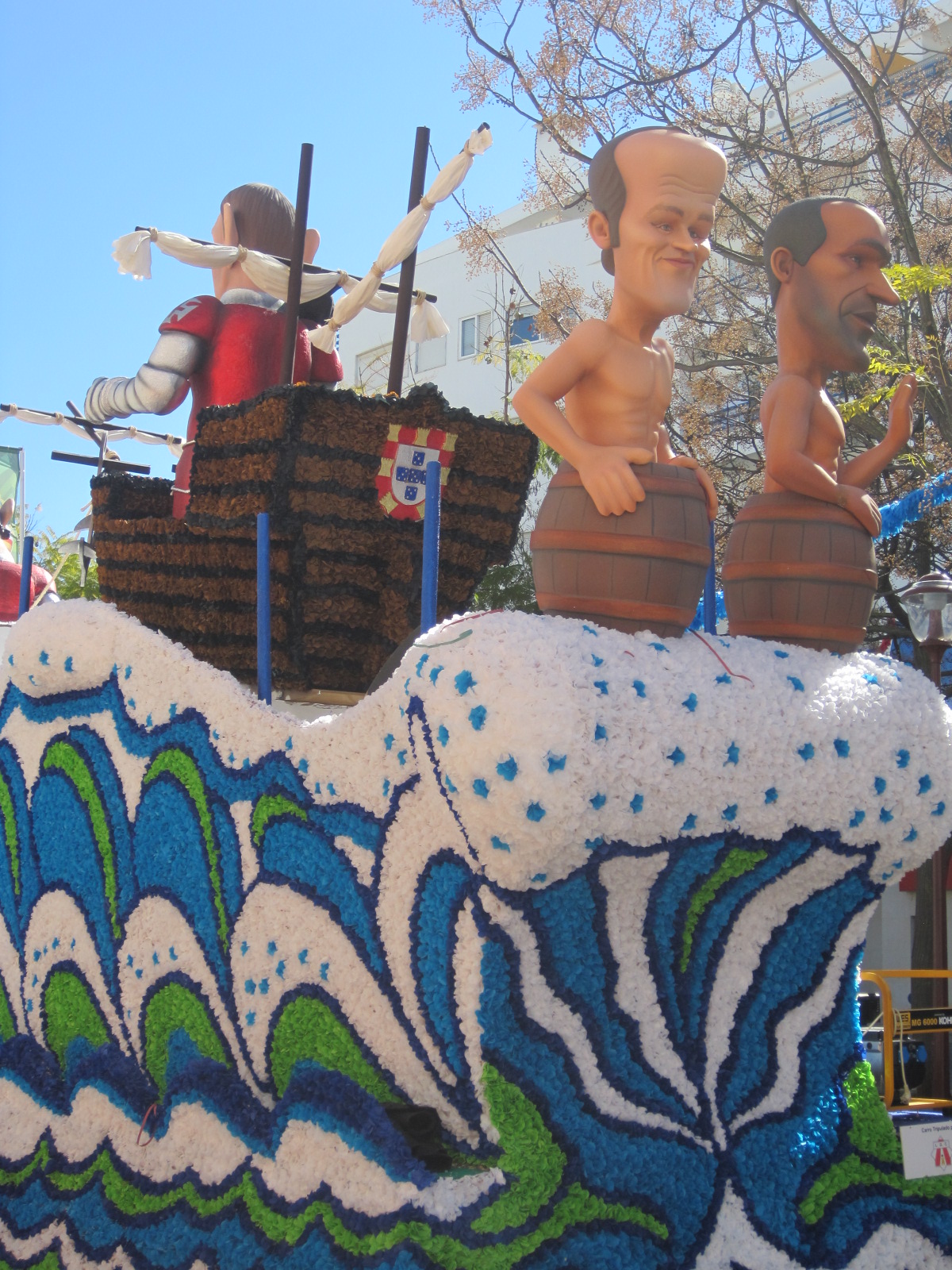
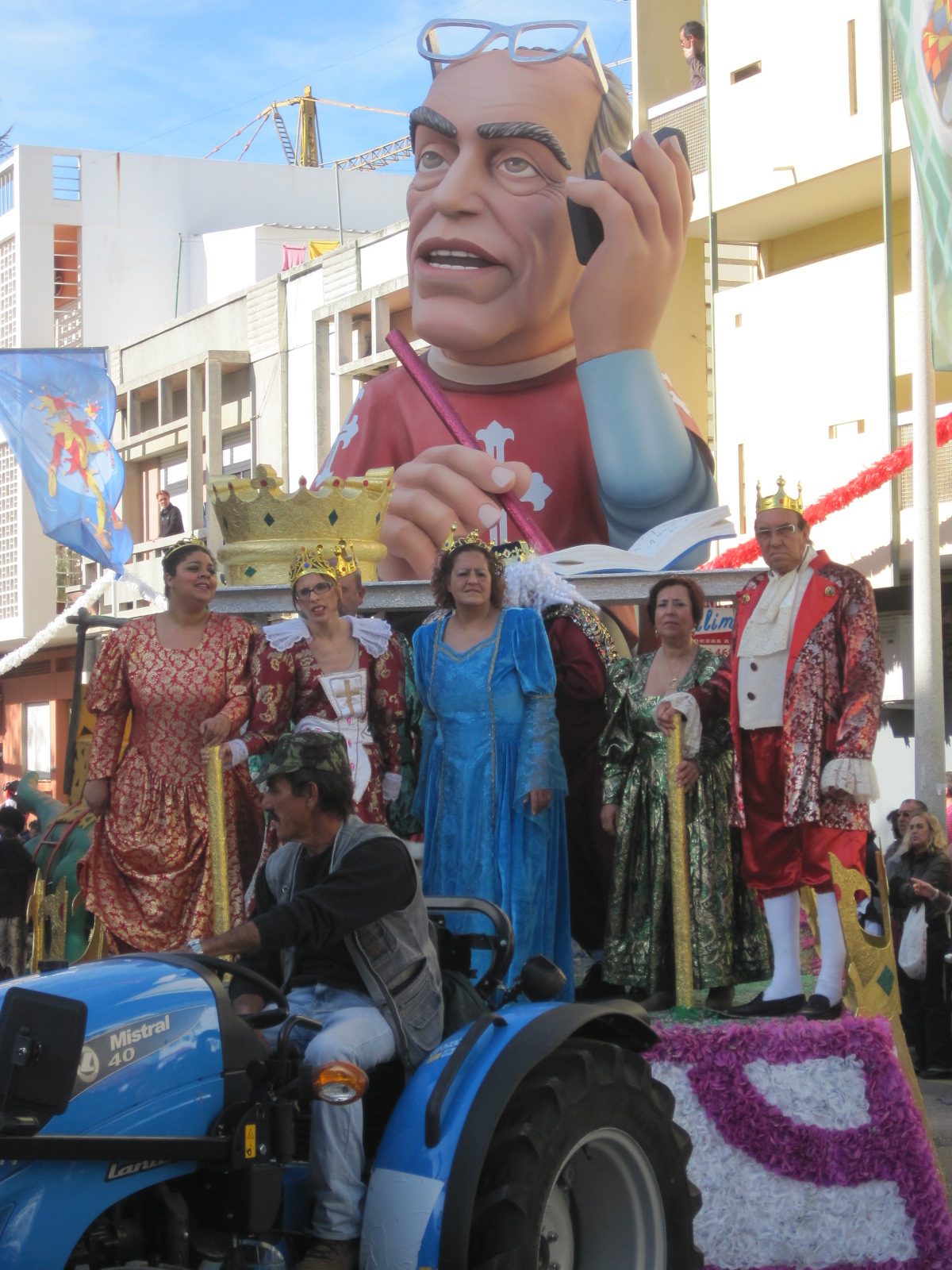
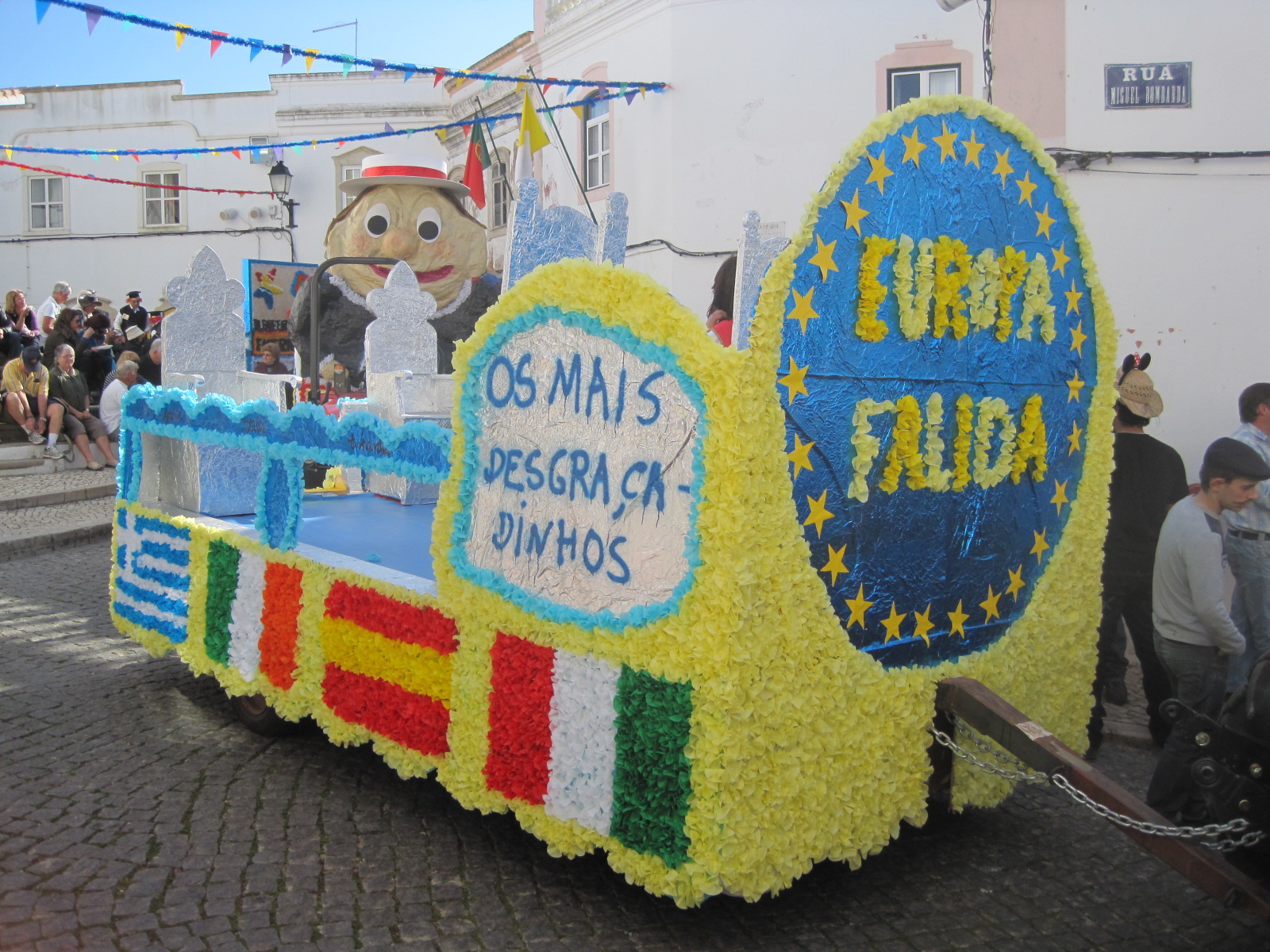
Financial crisis hits Loule Carnival

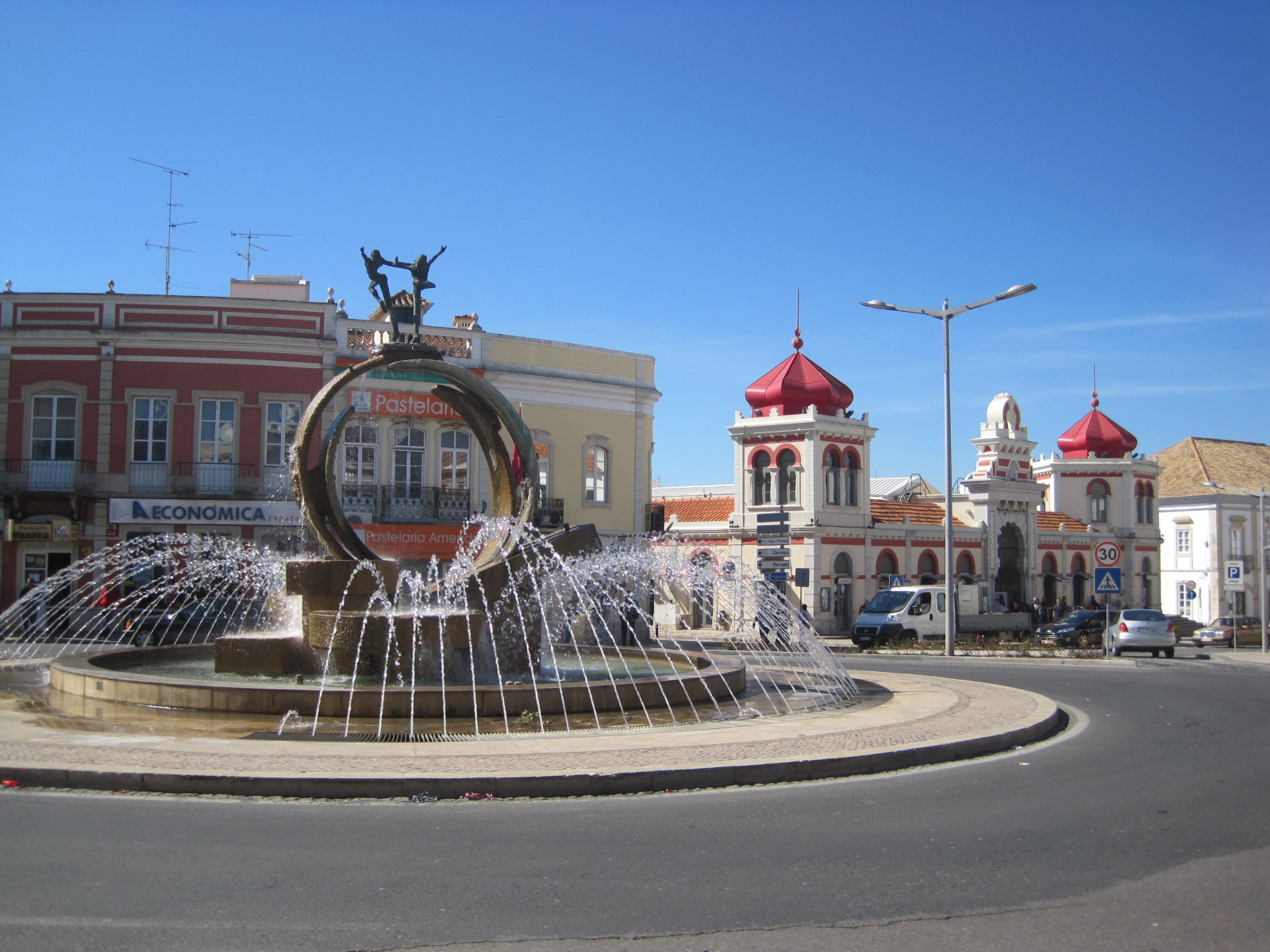
It was our first experience of the Loule Carnaval procession and it fully lived up to our expectations.  Loule is an interesting market town, 16km north of Faro in the Algarve.  The remains of the castle date back to the 12th century and the almedina, the old quarter, is a maze of streets lined with artisan shops and cafes.  The Arab style market hall on Praca da Republica is a focal point, and there’s a lively street market on Saturday mornings.

Fountain and the Arabian market, Loule

Much of Loule is a modern sprawl and we were uncertain about access to this, the Algarve’s biggest Carnaval celebration.  For once, it turned out well.  We approached the town on the N270 from Sao Bras de Alportel and at lunchtime traffic was minimal.  There was the distinct impression that the townsfolk were conserving their energy to party later.  Establishing where the barriers were on the main street, Avenida Jose da Costa Mealha, we parked a little way out on Rua Alfonso de Albuquerque and strolled back into town in pleasant sunshine.

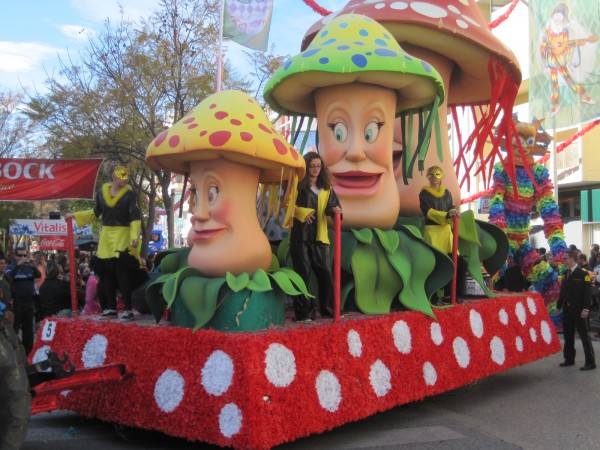
A pavement coffee and pastry to watch the excitement build was a good choice.  The 15 floats were towed gently into place and there was plenty of time to wander between them to admire and take photographs without the crowd.  Loudspeakers announced a 3pm start and it was time to seek out that good spot, having first paid your 2 euros at the kiosk.  It was entertainment in its highest form just watching the locals arriving, many of the children in costume and jiggling with excitement.  This year costume shops and stalls had been set up to encourage people to get into the spirit of Carnaval and shake off the doom and gloom.

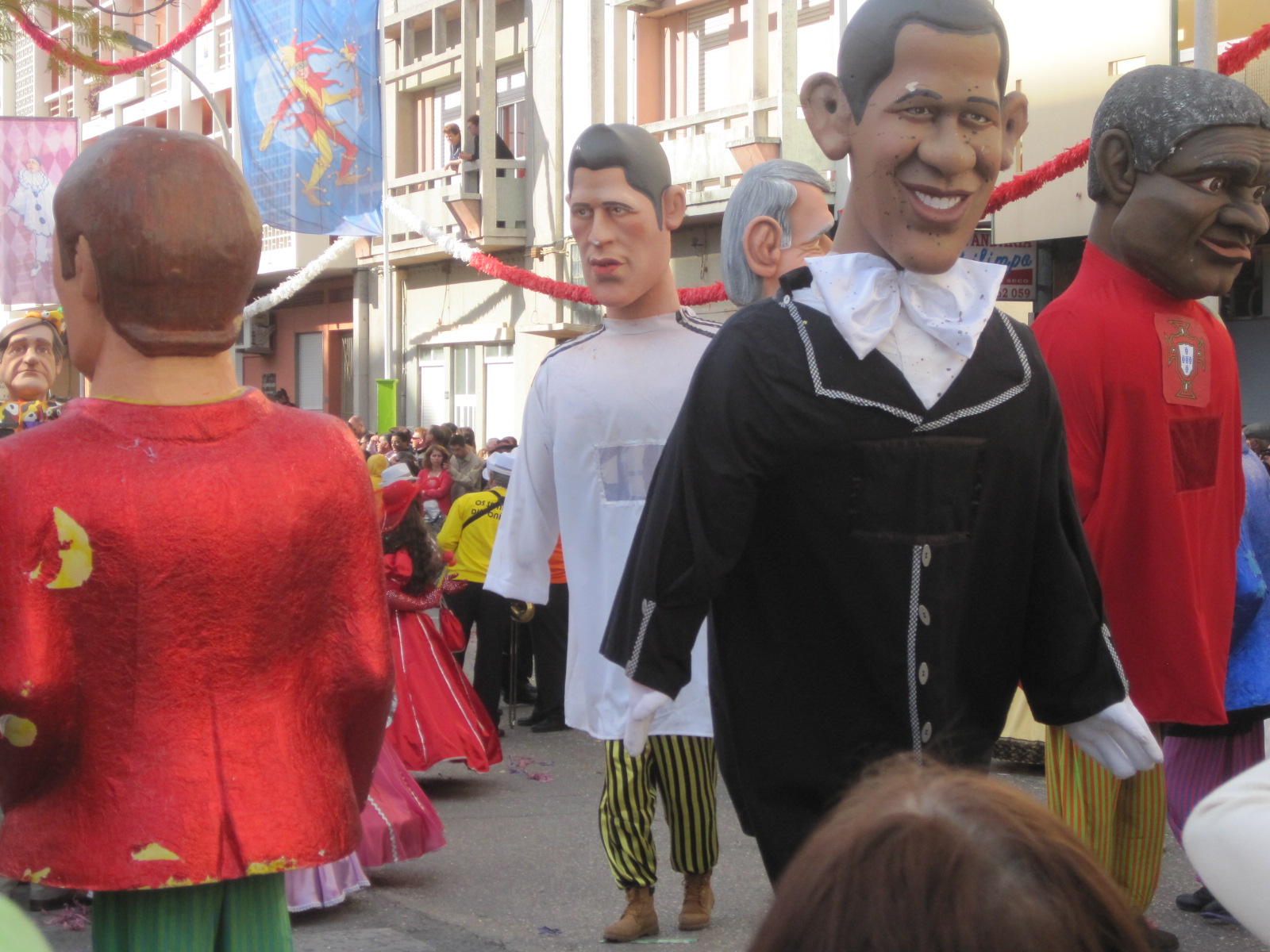
The Portuguese are very happy to poke fun at their leaders and celebrities and the Carnaval has a political theme.  Many of the floats produced wry smiles if not outright chuckles.

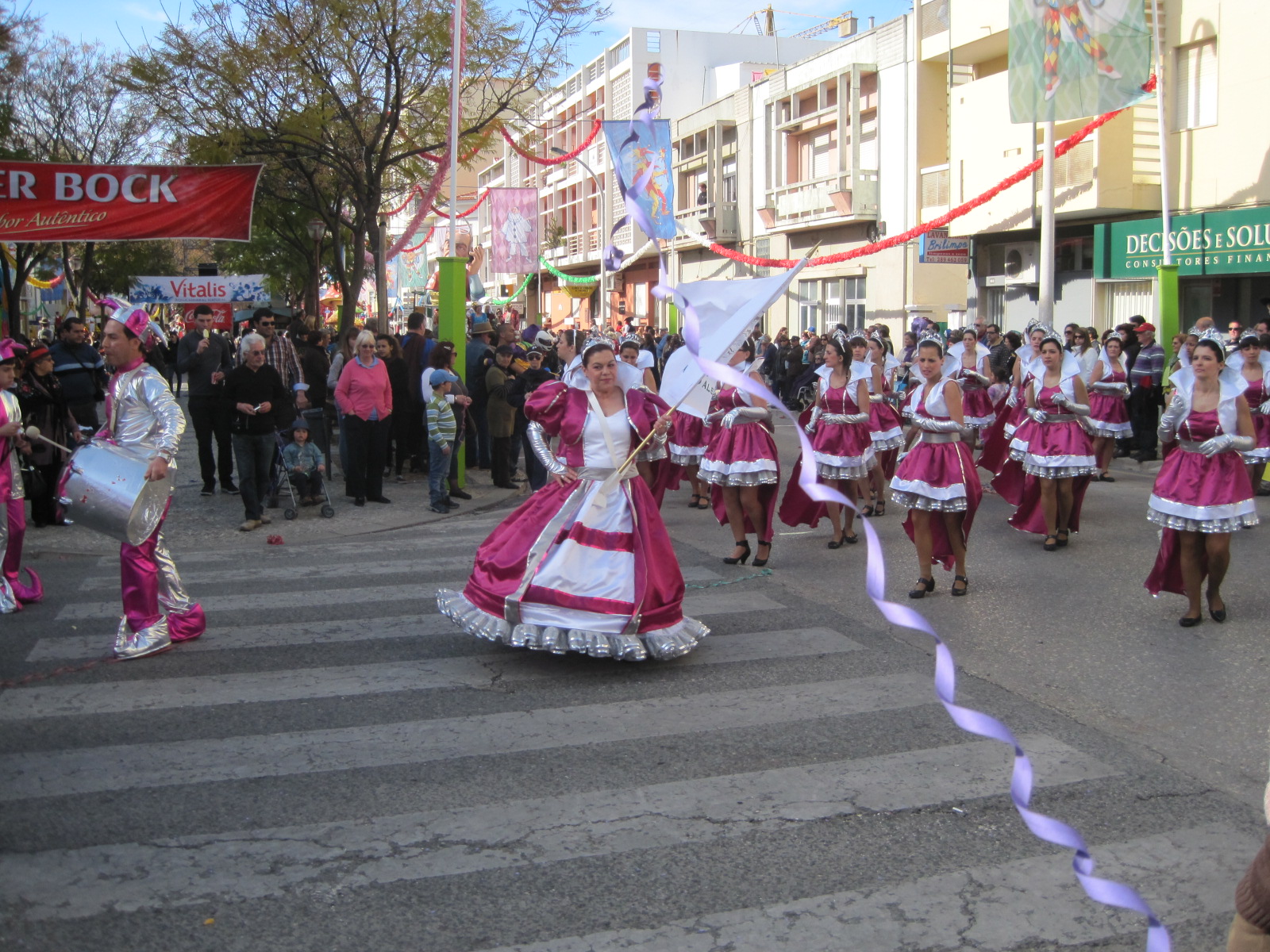
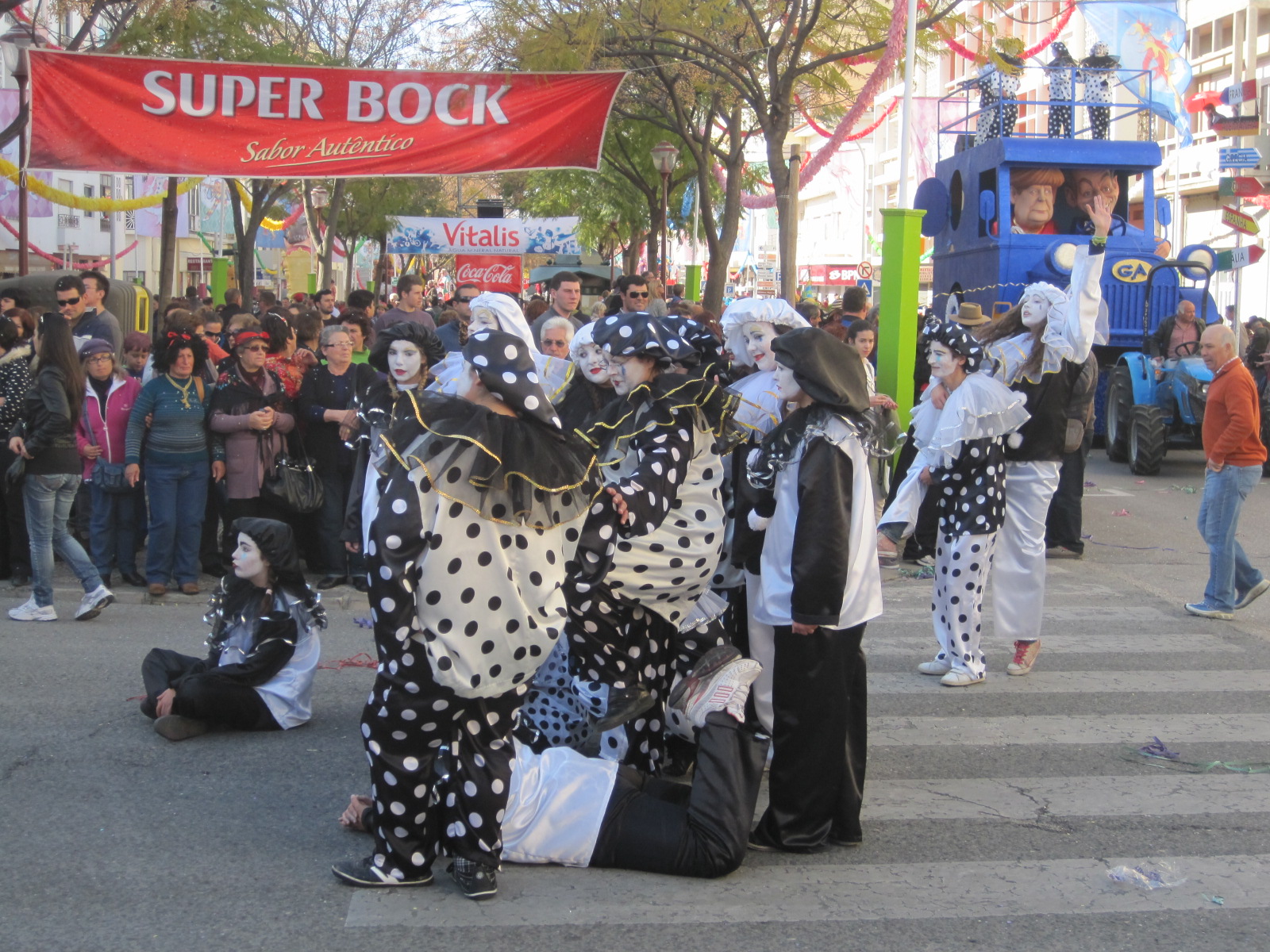
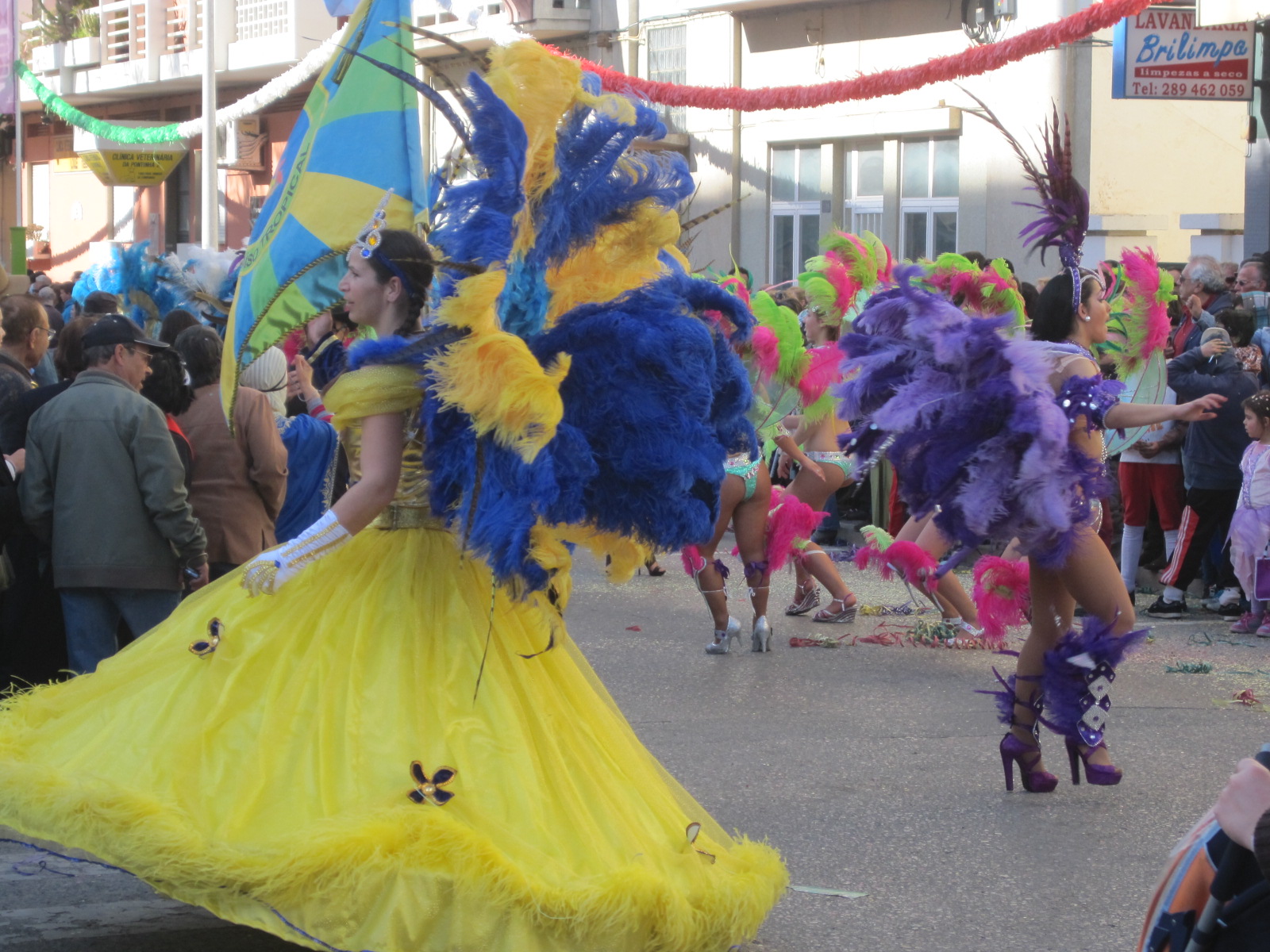
Just a bit more shuffling of feet and the parade was assembled and off.  It was everything you could have hoped for and more- strange characters on stilts, who bent down to engage with the children, dancers by the score, trick cyclists, pierrots, and of course the “Samba” ladies in their provocative outfits.  As each float pulled to a standstill hoards of paper streamers and tiny keepsakes were flung into the crowd.  As the sun sank behind the buildings I had to jiggle harder to the music to keep warm.  It took over an hour for all of the floats to pass by- 2 euros very well spent.

Our dancing ladies were just feet away when Michael decided that enough was enough- he wasn’t going to be involved in another round of embarrassment.

My all too brief moment of fame, then I had to give the hat back!

We really did have a great time, but it was in fact our second experience of Carnaval, Algarve-style.  The event runs for three days, culminating on Shrove Tuesday, and on the previous Sunday we had gone to a far more low key and traditional style of parade at Paderne, a small inland village.  We were familiar with the village having spent time there seeking out an exquisite art gallery, Corte Real, and on another occasion following a trail to Paderne Castle.

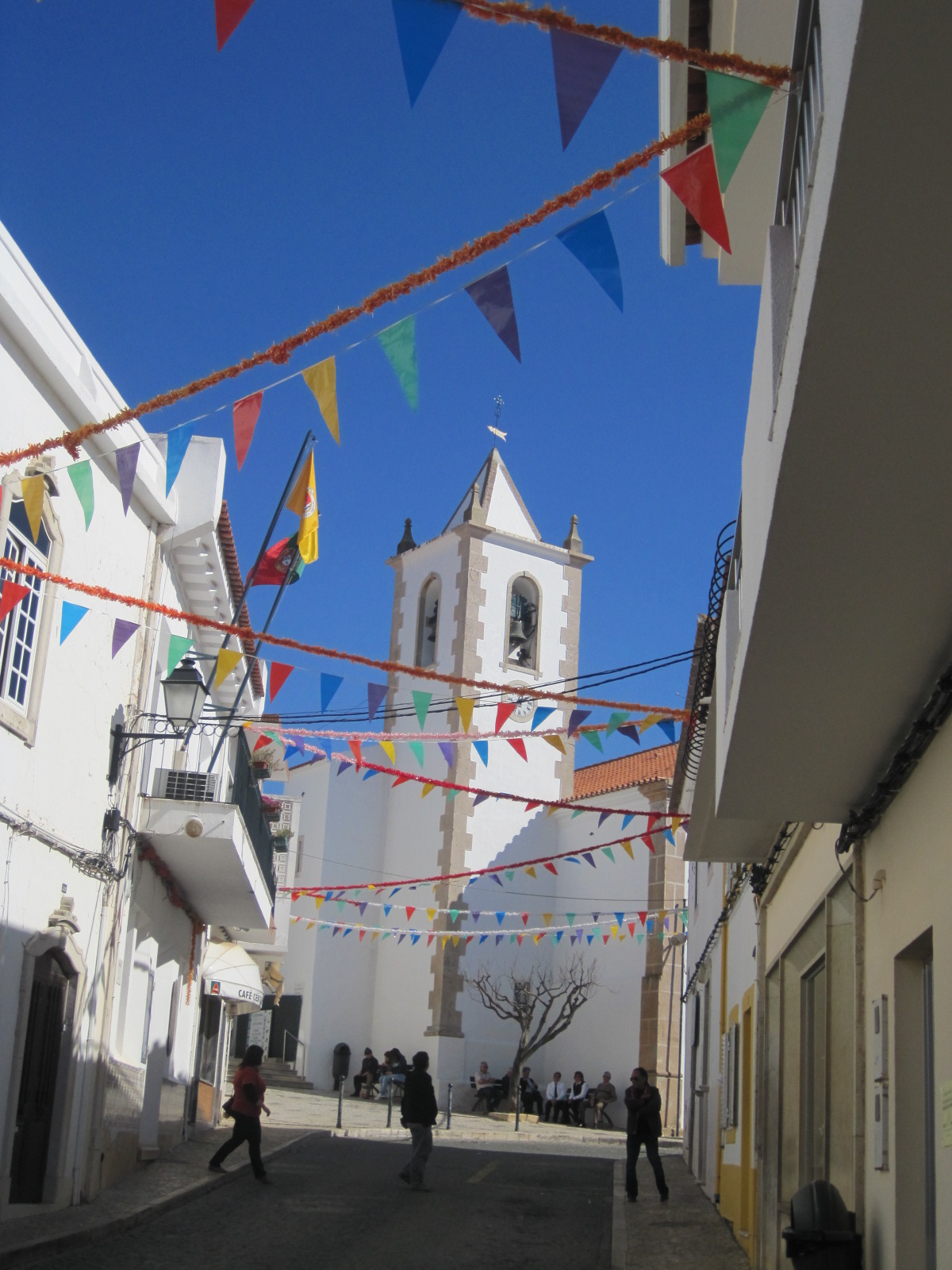
The church at Paderne

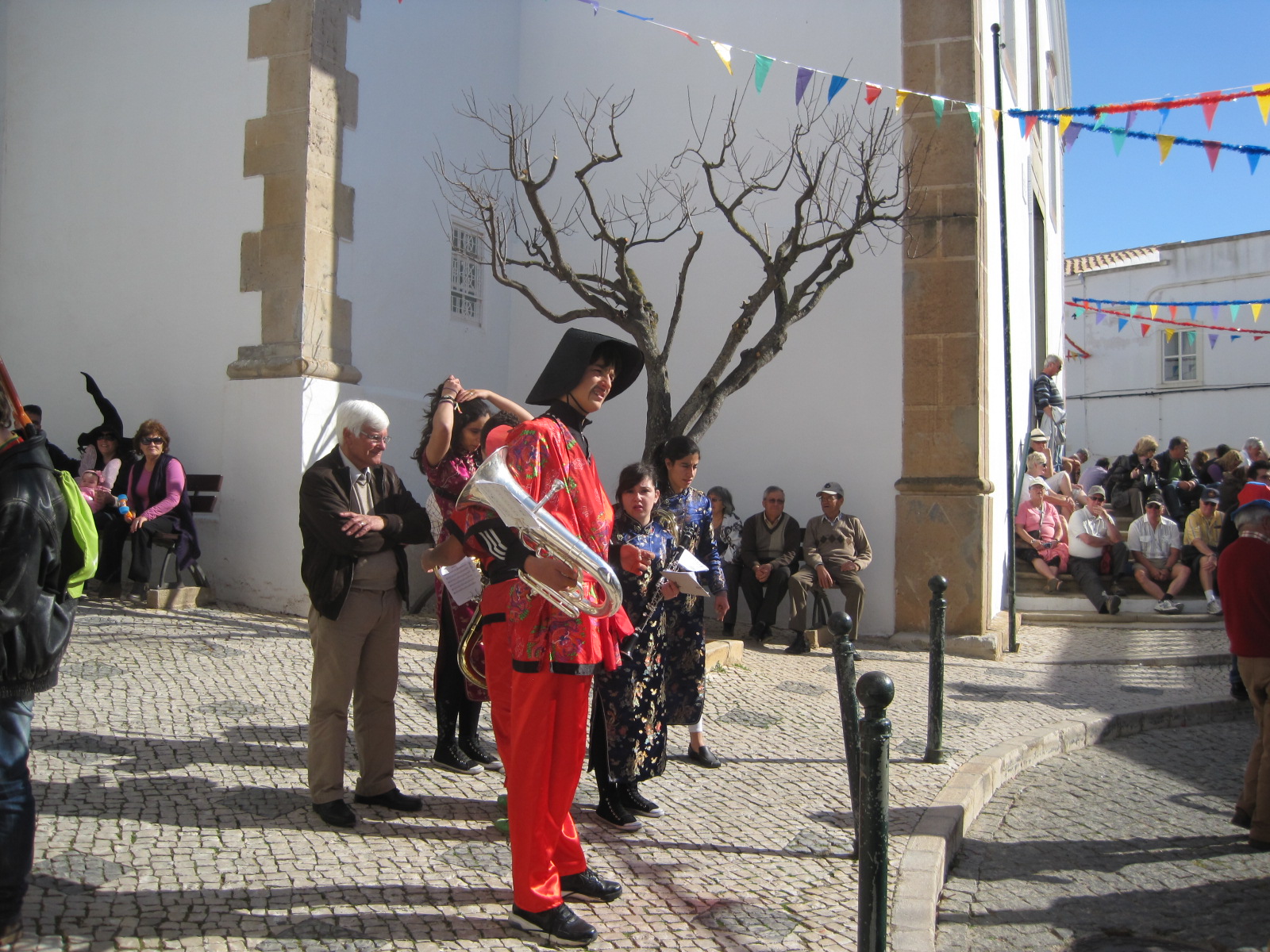
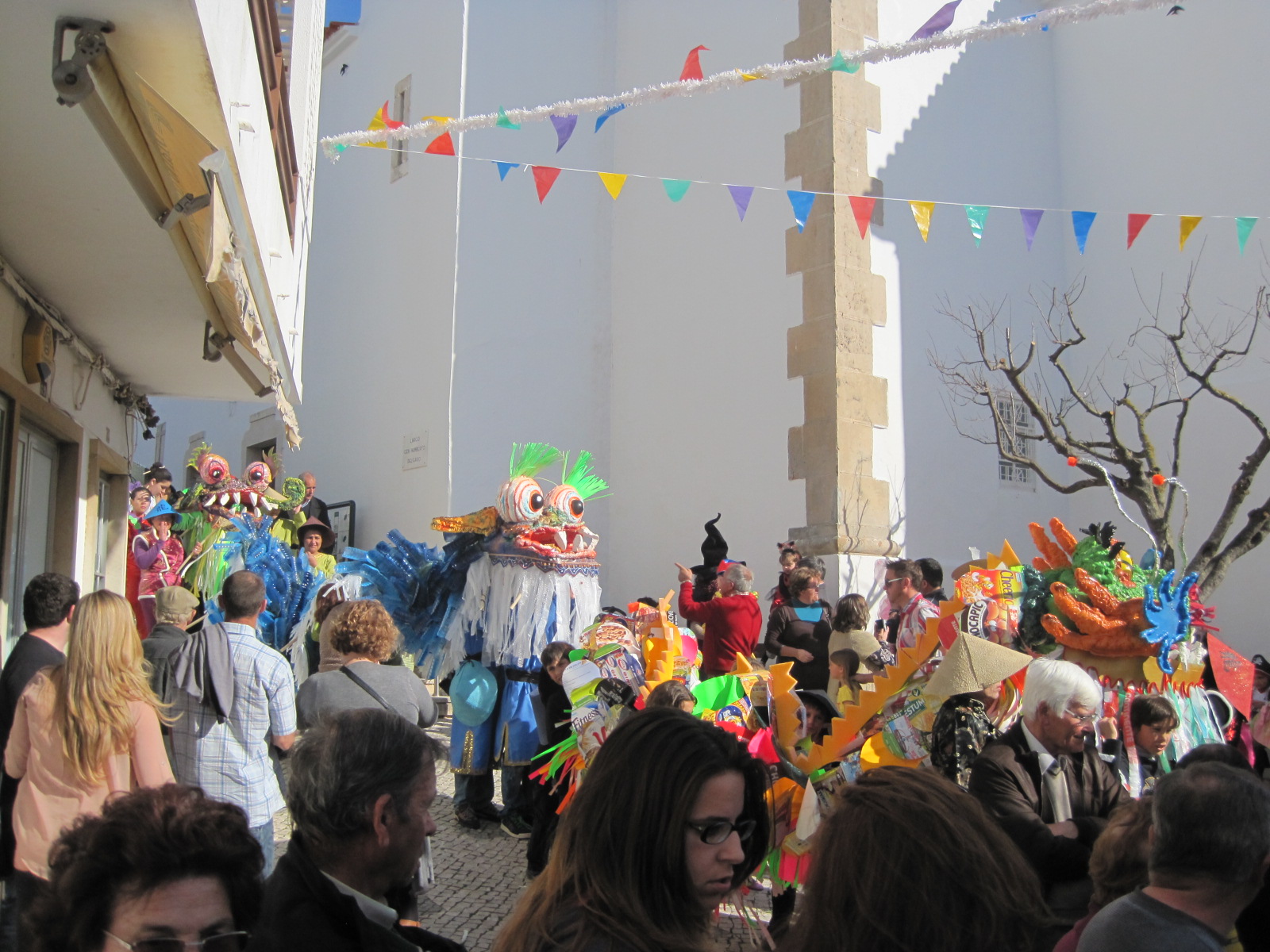
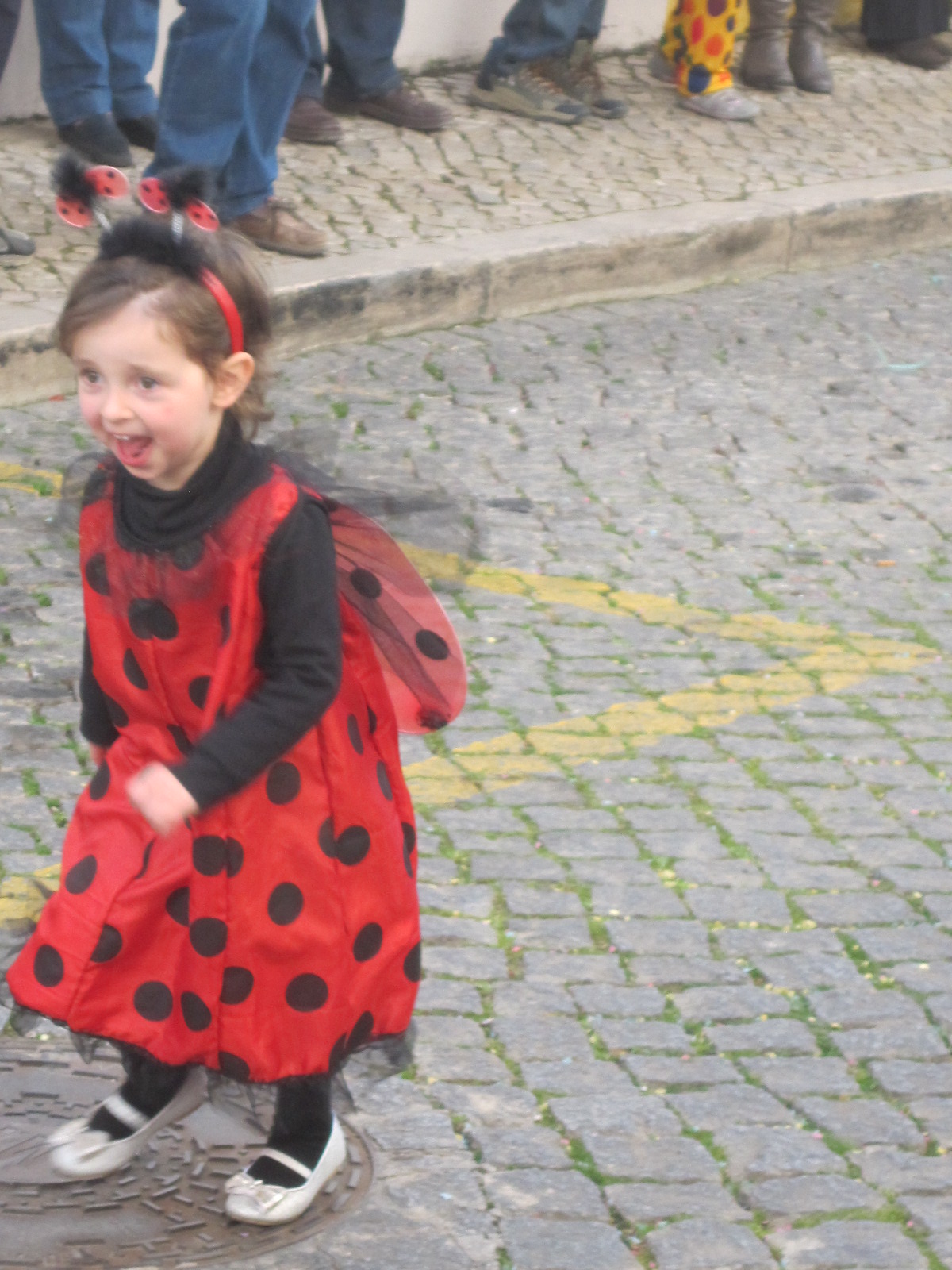
Paderne regularly fools us and this time was no different.  Apart from some streamers overhead there was little sign of life in the village so, assuming we’d got it wrong, we set off for a stroll in the sunshine, down to the Fonte, a rather intriguing spring.  Half an hour later the village had mobilised into action and suddenly we were in the thick of the preparations.  The excitement was tangible.  Mystified we retired to a tiny café where a captivating toddler, dressed as a fluffy yellow chicken, was passed around its adoring family.  When we poked our noses back out again the parade was about to begin.

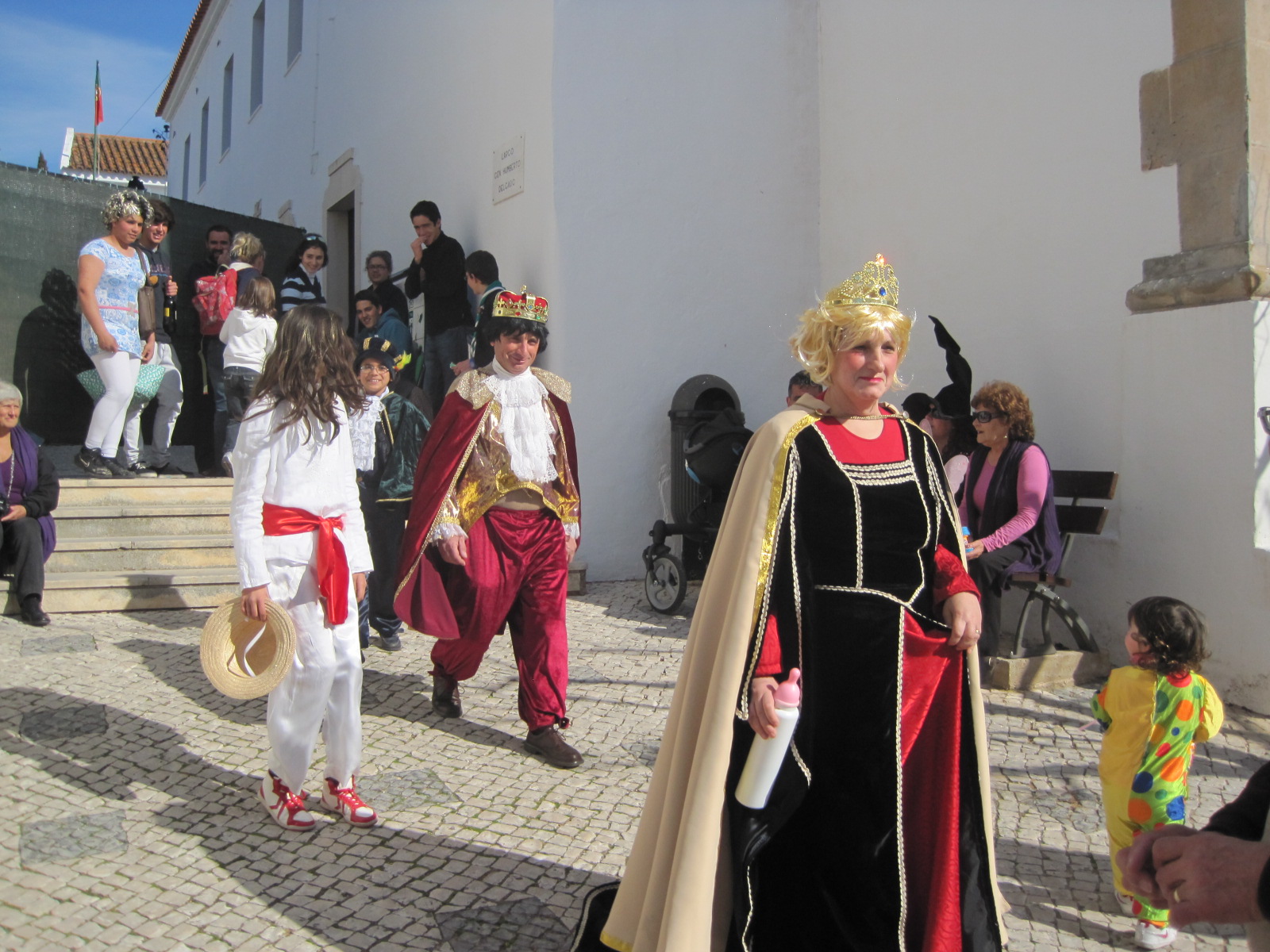
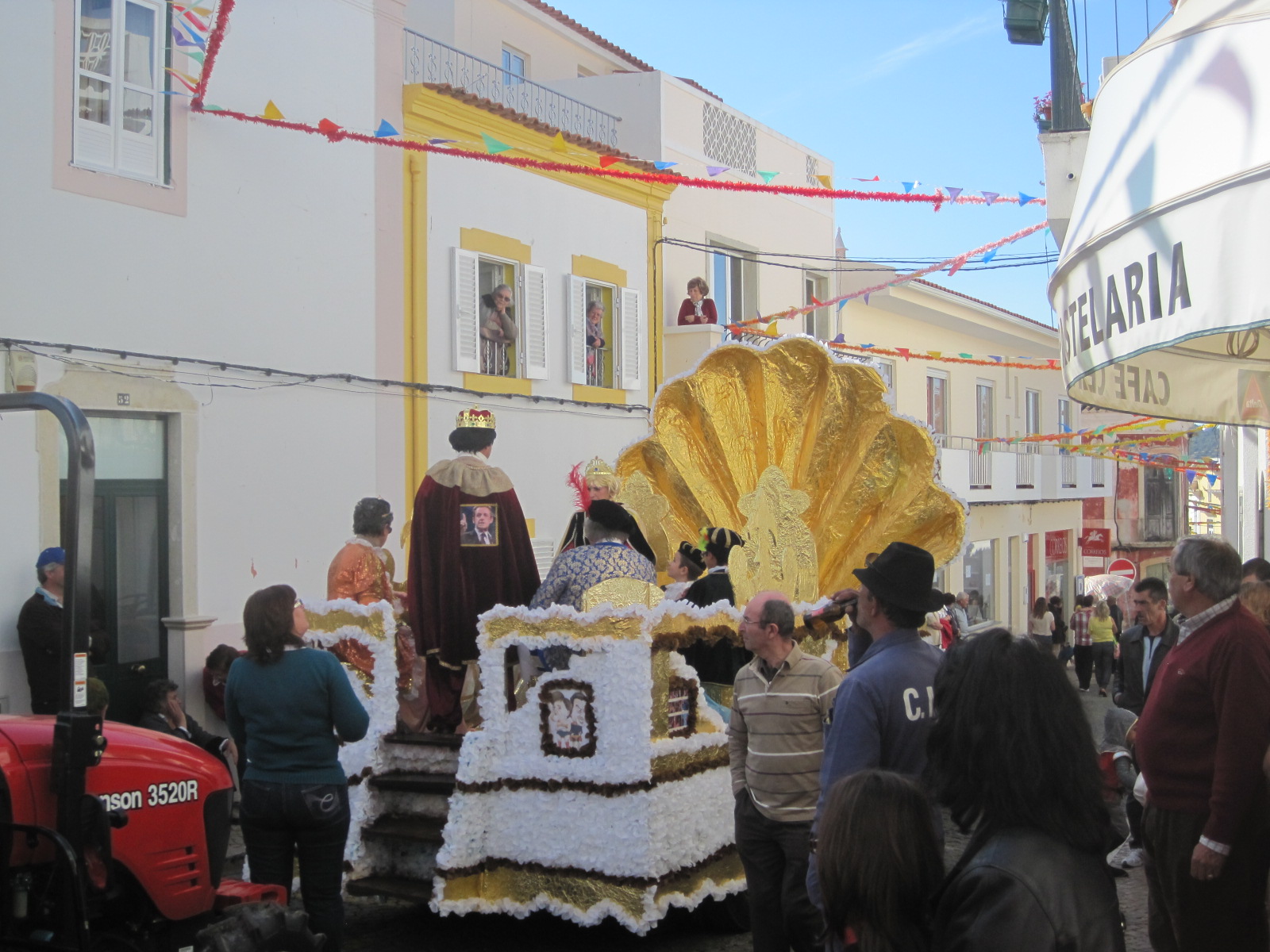
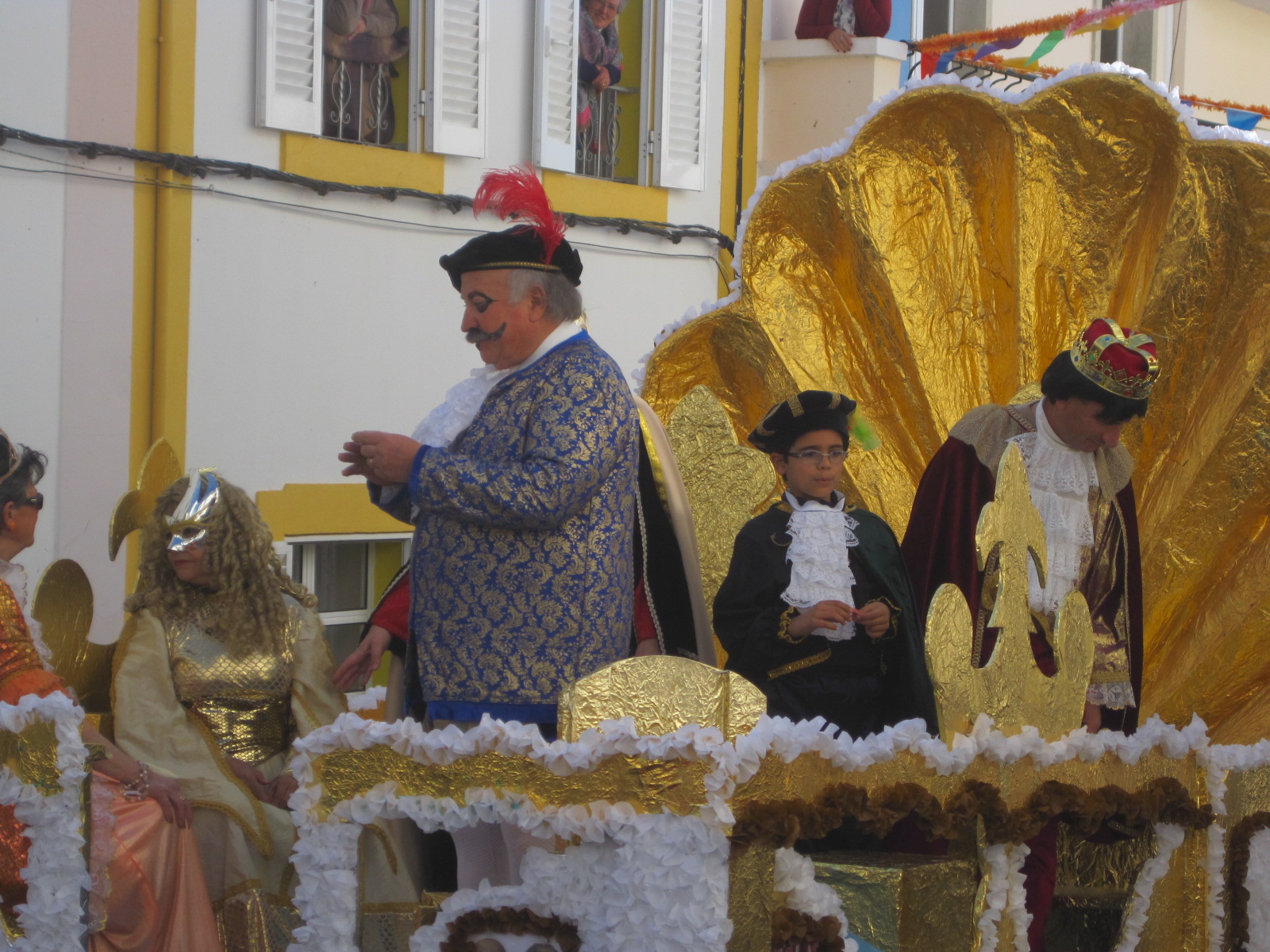
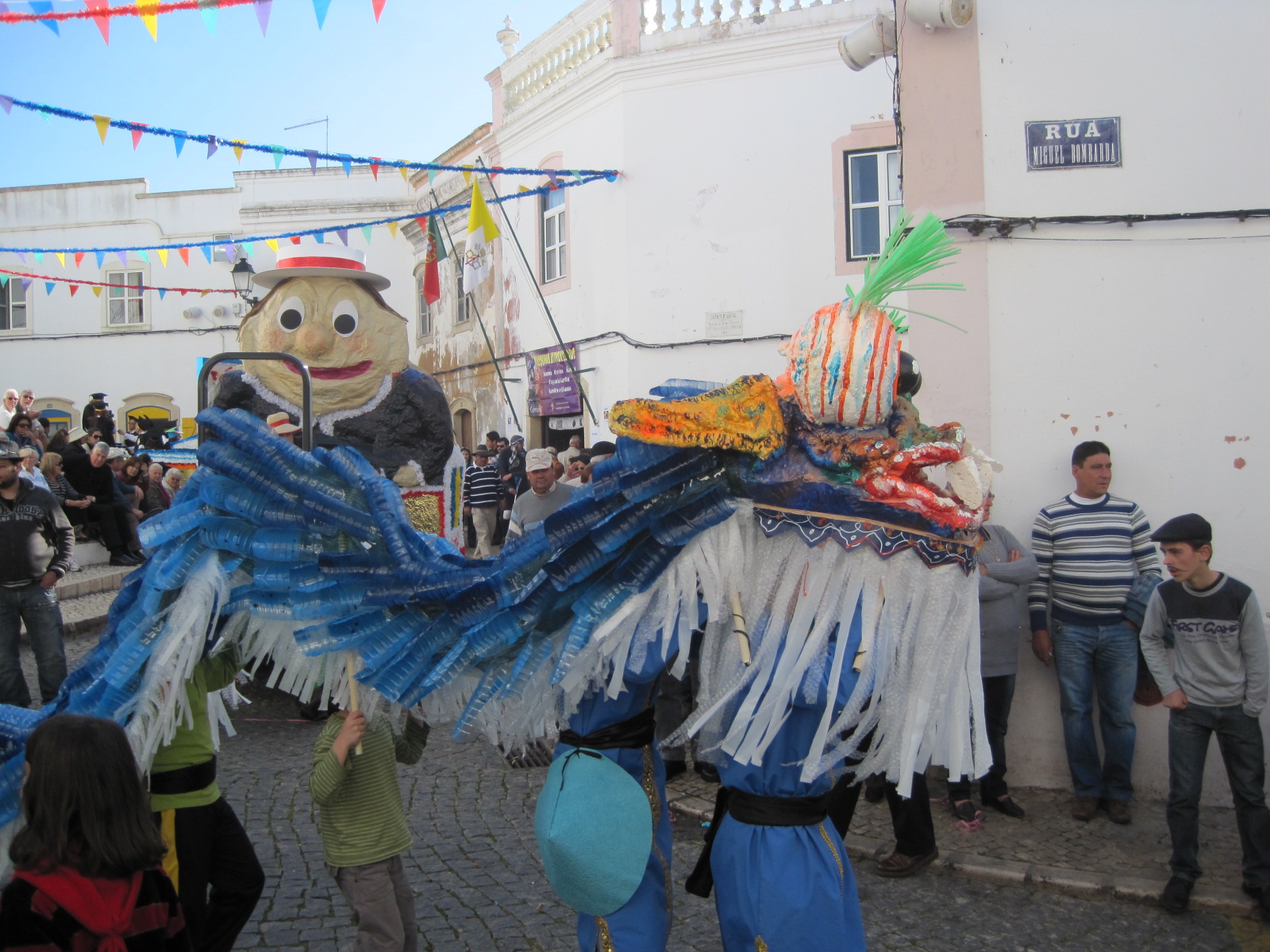
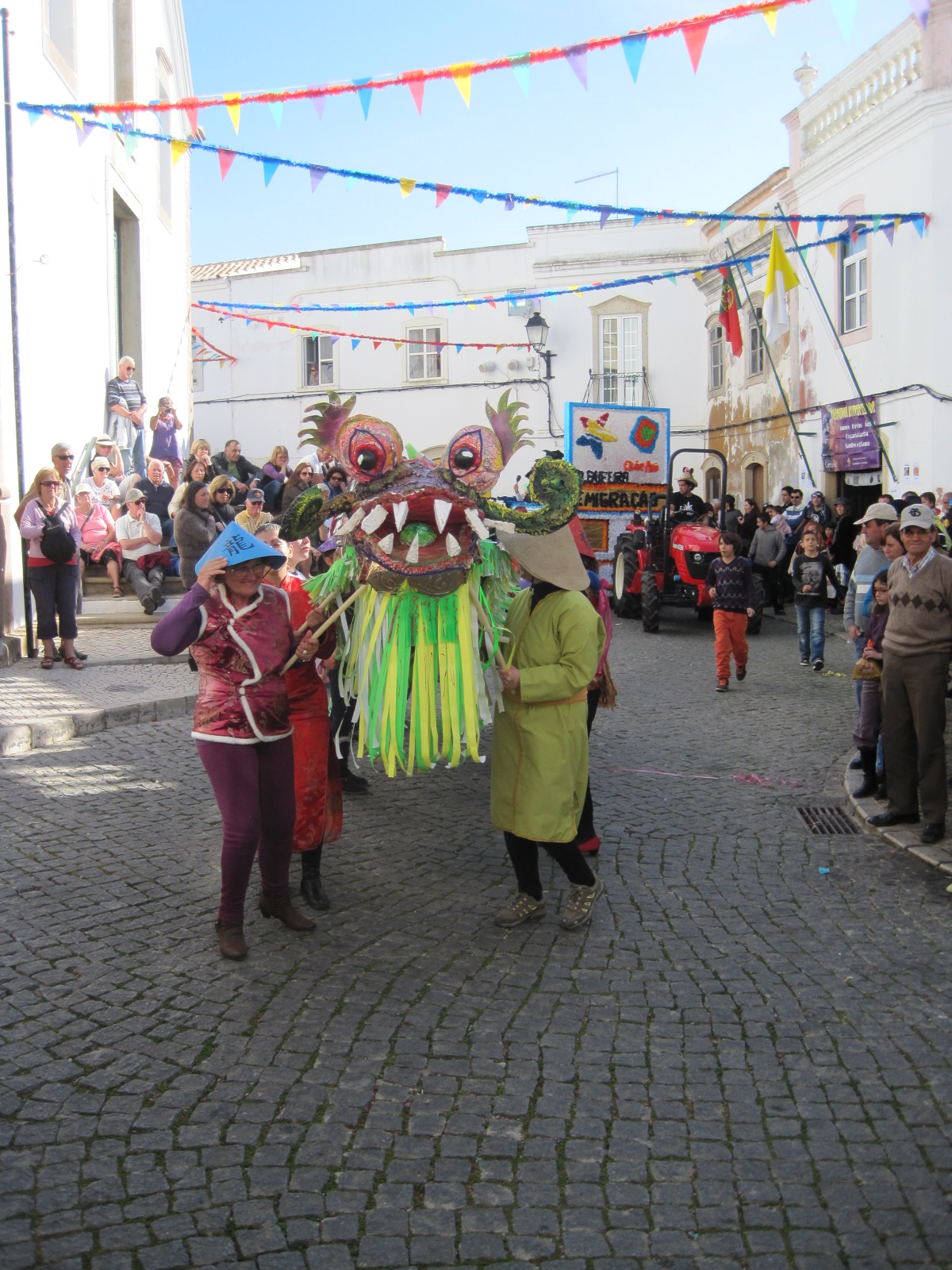
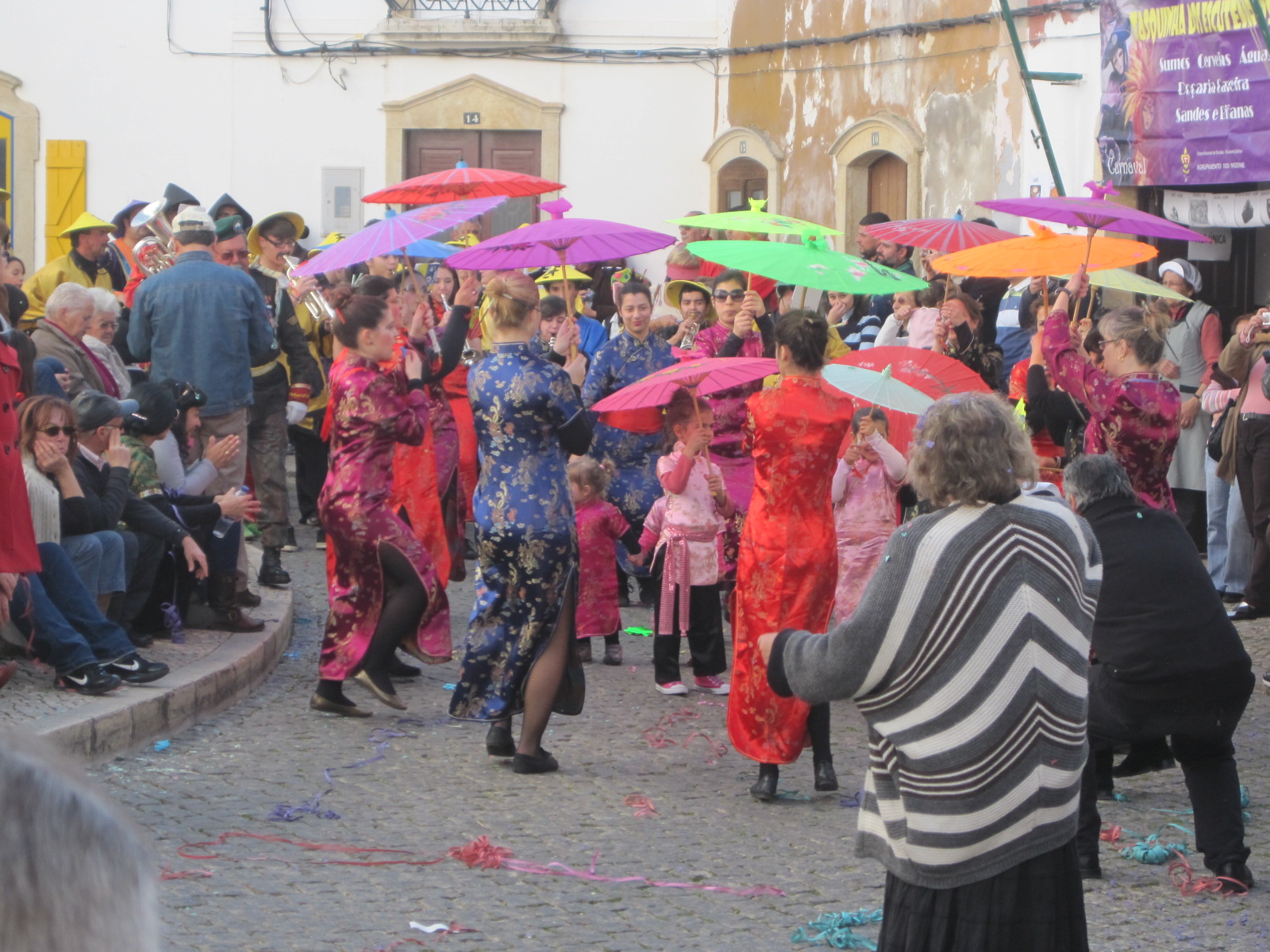
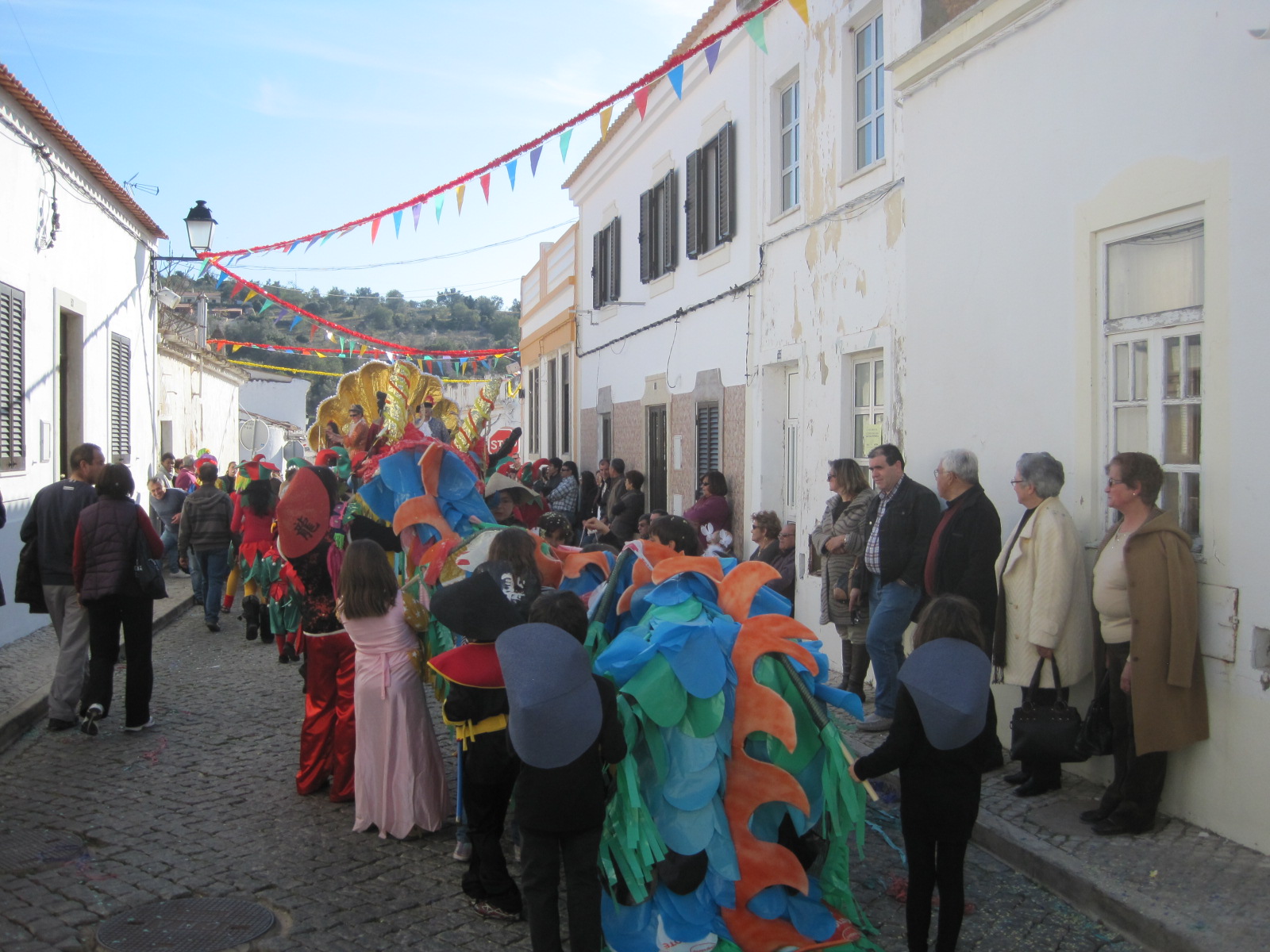
Although much smaller than its Loule counterpart, the procession was no less fun.  The setting was intimate, within just a few village streets, locals looking down from bedroom windows.  The lords and ladies mounted the floats and as they moved off four shimmering Chinese dragons manoeuvred into position.  I was delighted to observe that their scales had been constructed painstakingly from cartons.  The theme was Chinese business and a flutter of parasols and coolie hats took to the streets.

With enormous energy they paraded around and around, and as we made for home there were still queues at the kiosk.  We were left in no doubt that the Algarveans know how to party.

I’m entering this in the word a week photography challenge on celebrations as it just seems to fit so well.