Portugal

A day with Flat Ruthie in Portugal and Spain

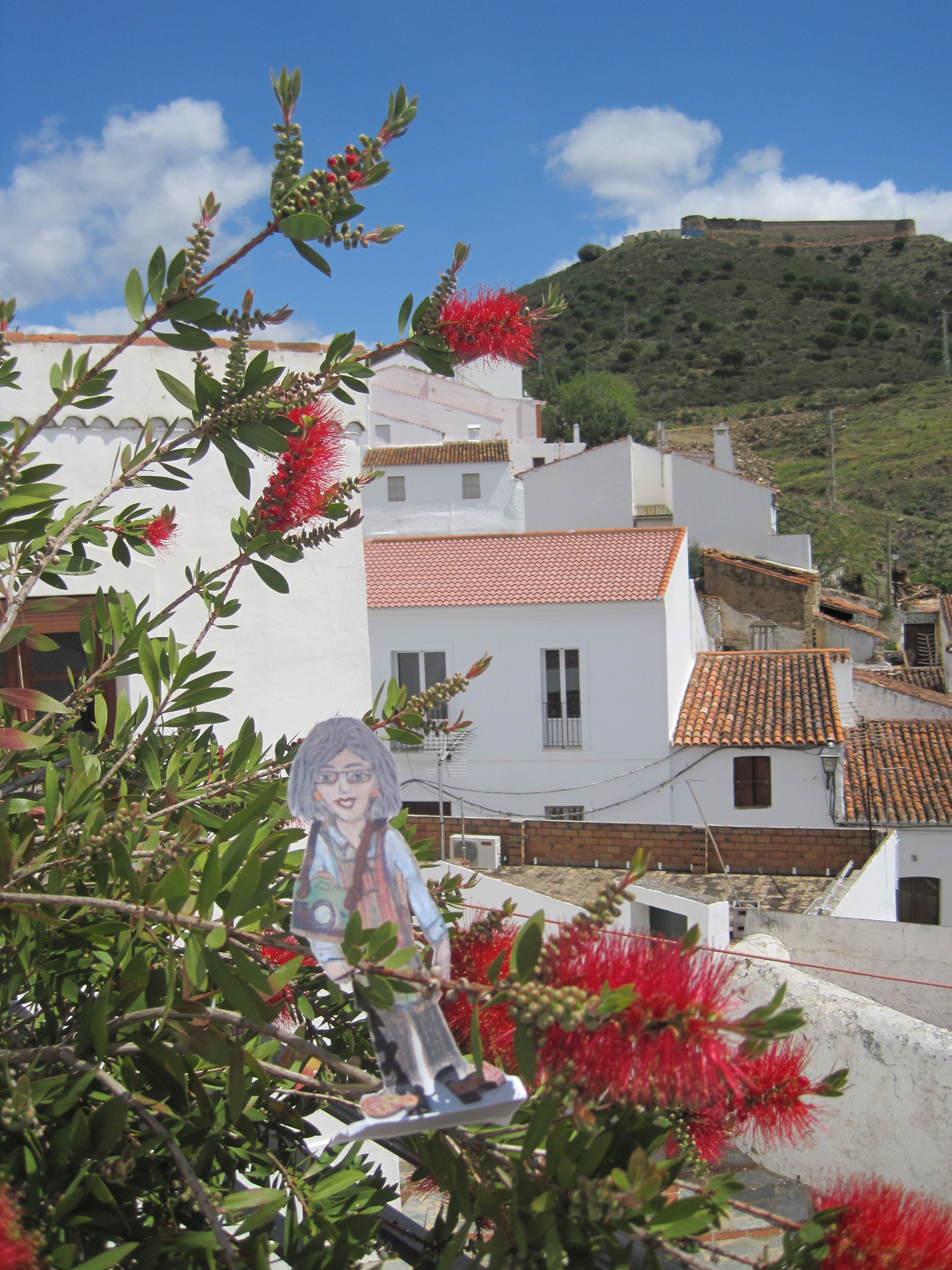
Who better than Flat Ruthie, with her keen observational skills, to accompany me on a short foray across the border?  For a number of years the snow white village of Sanlucar de Guadiana has been calling to me, across the still waters of the Guadiana.  The village of Alcoutim, on the Portuguese side, is blessedly peaceful, but I always wanted to look back at it.  Mission accomplished!  With a little help.

Alcoutim, with a little help from a friend

Just minutes later the breeze caught her and she’d fallen out of a tree!  She was gallantly rescued from the rocks by my husband, looking daggers at me.  It’s a good job a Flat doesn’t bruise easily.  Maybe a beach umbrella would be a better option?  Softer landings, anyway.

Johanna, am I quite safe here? And by the way, it prickles!

Into my pocket she went, just for a little while, so we could have a proper look around, without her blowing away.

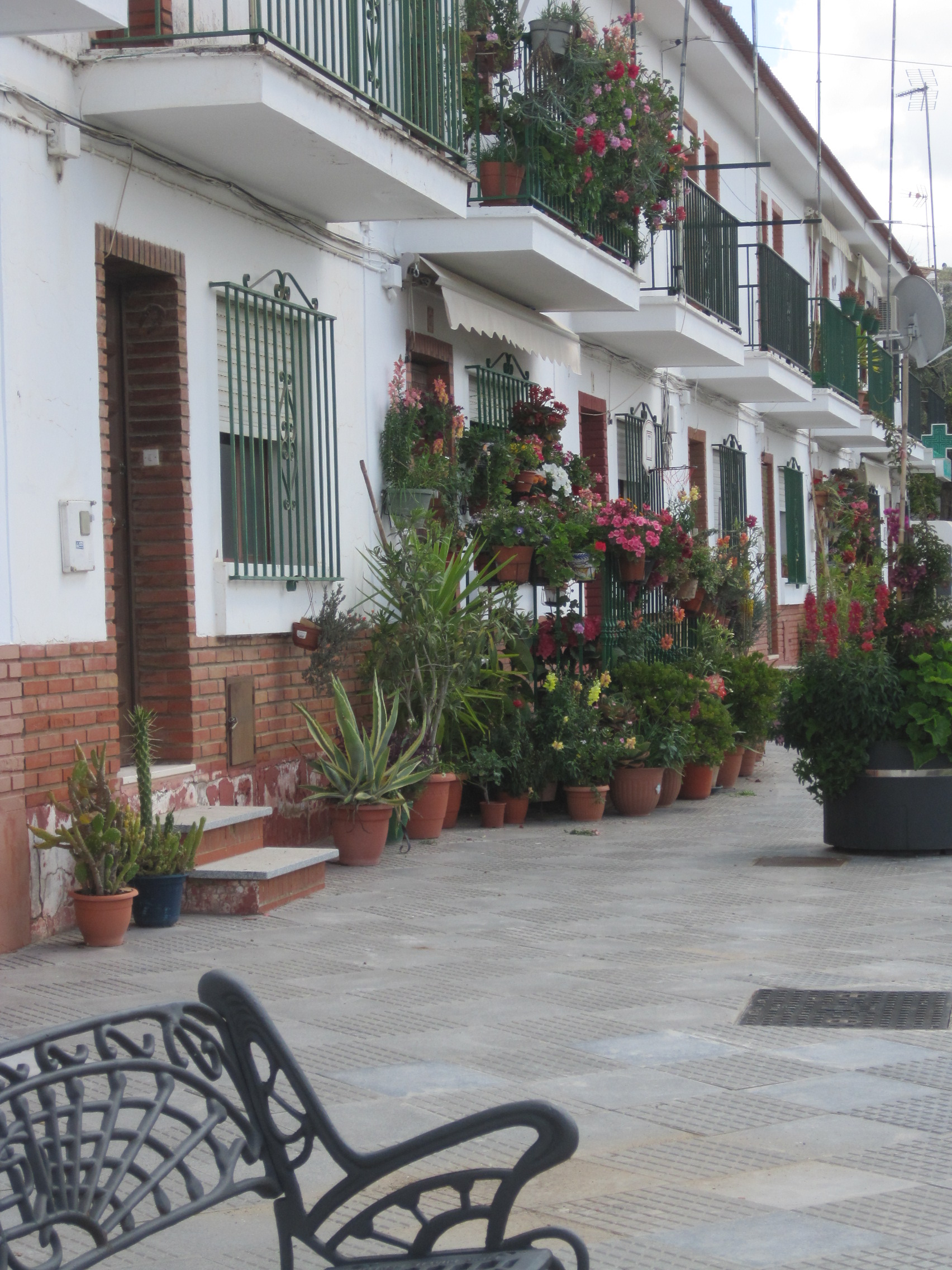
Such a delightfully pretty place

Can I be in this one, Jo please? I just love castles.

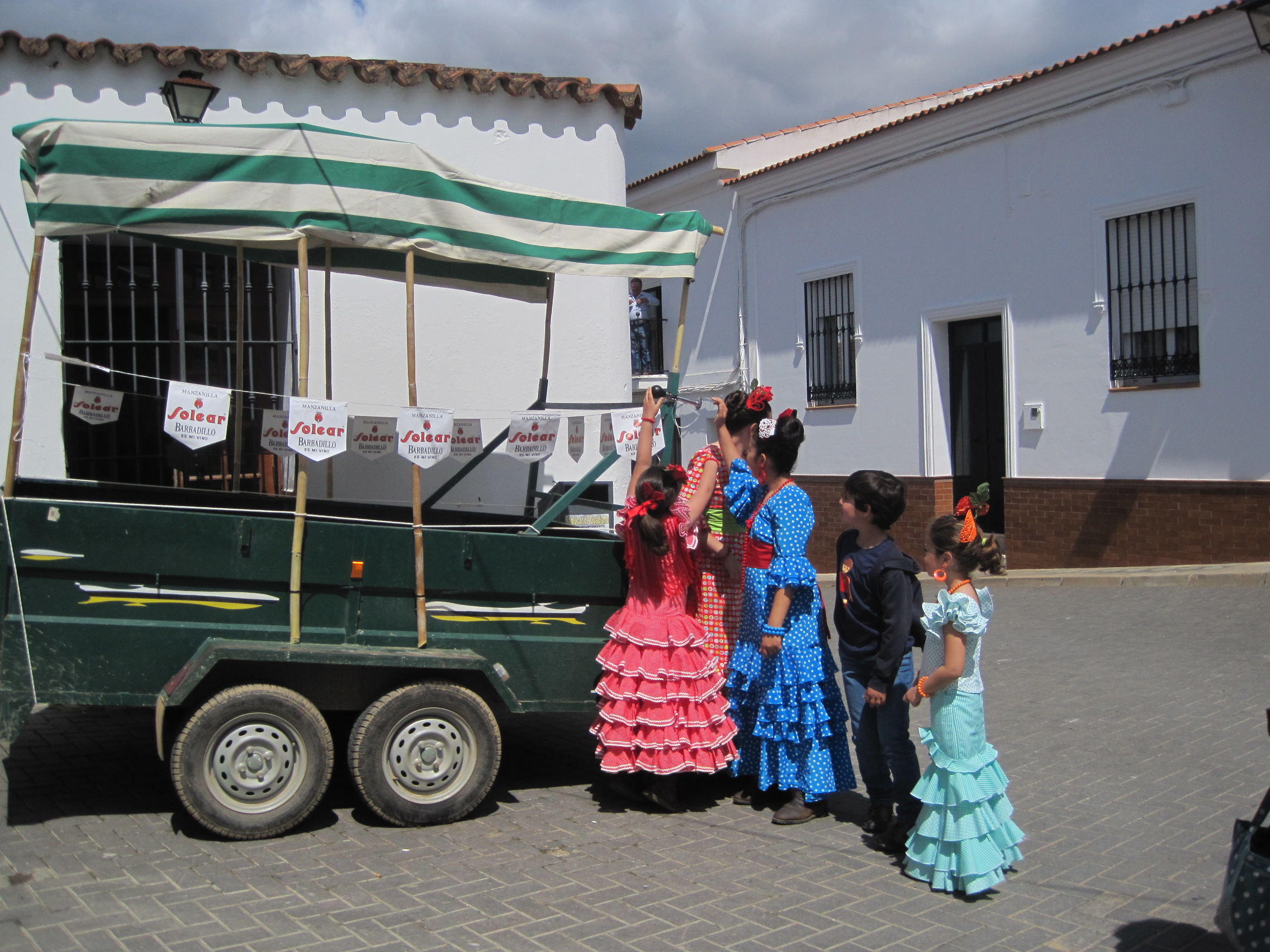
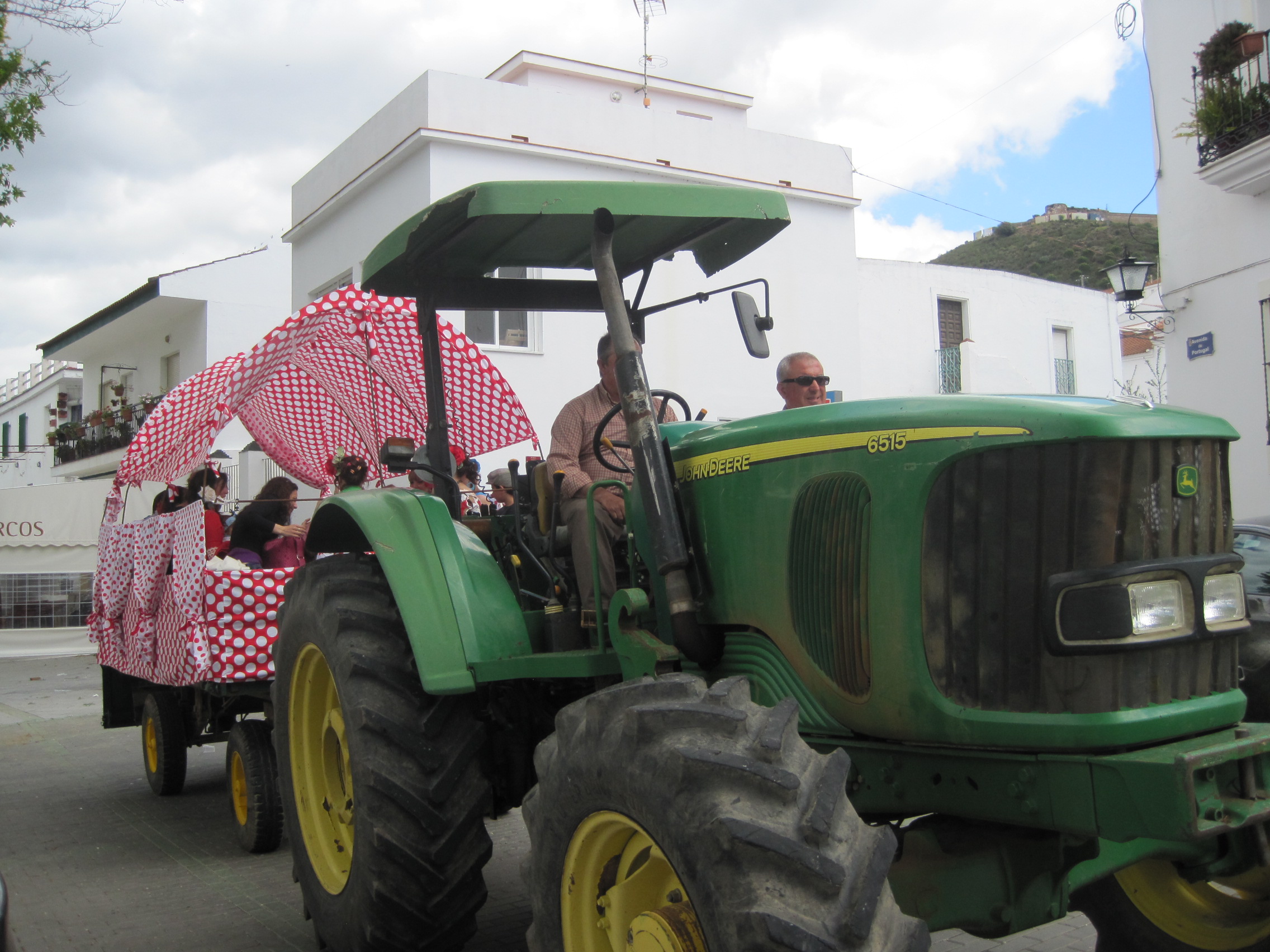
Just a minute- what’s happening here?

Ah, now I understand. It’s a festival!

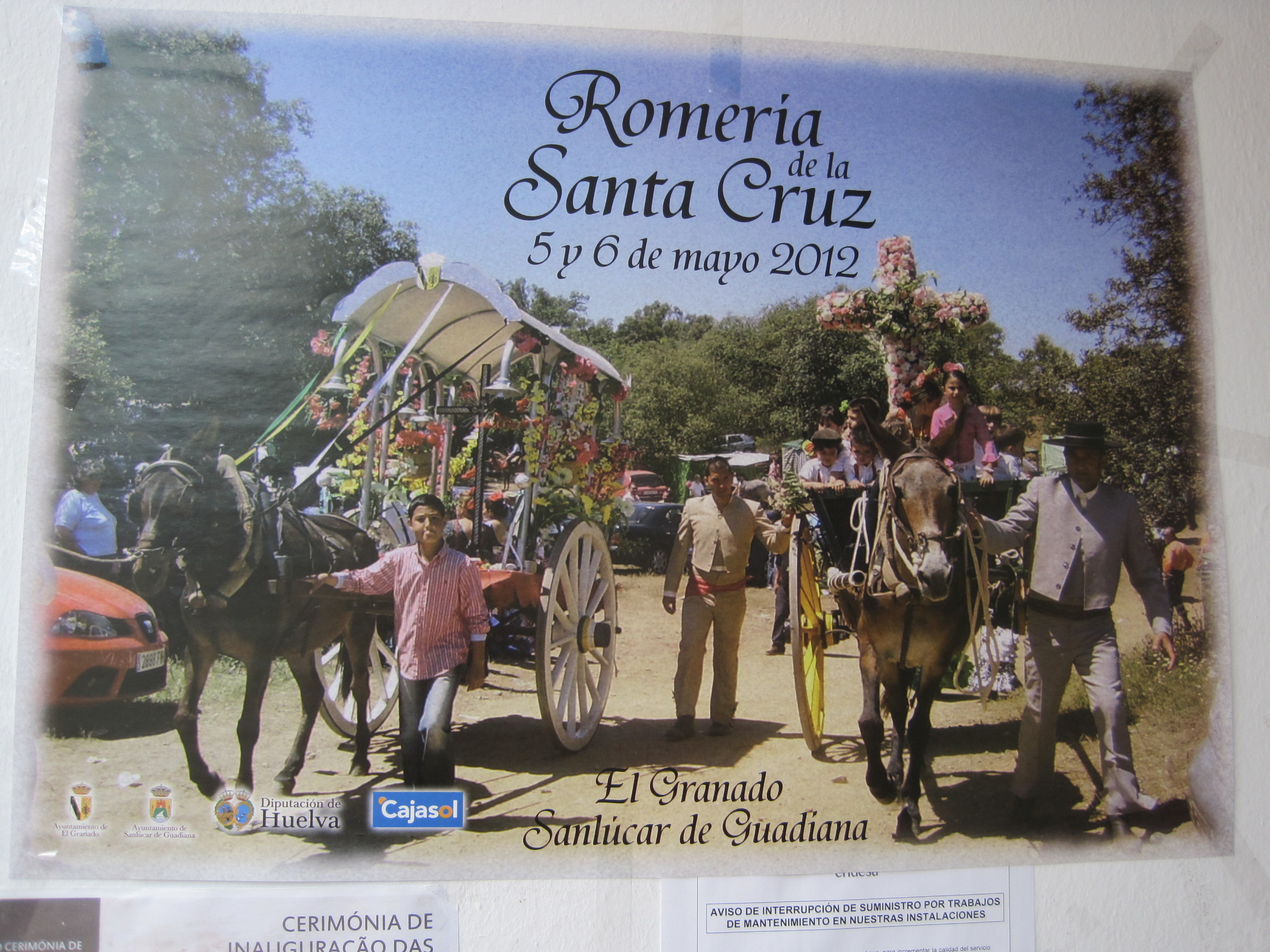
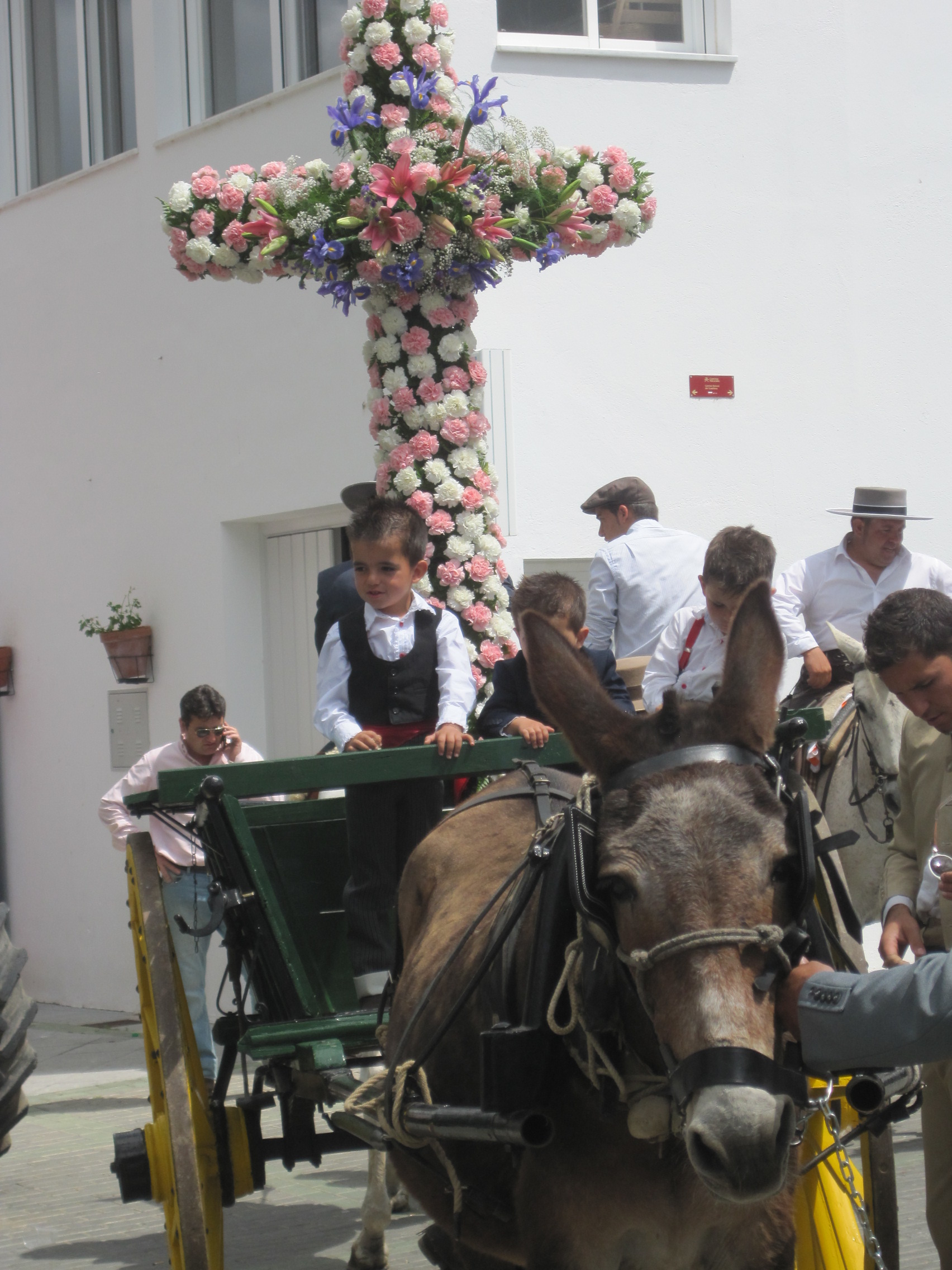
We chatted to a lovely local lady who explained that the village of Sanlucar and the village higher up the hill. El Granado, compete in a yearly festival.  The procession would be lead up the hill by the mayor, with a floral cross and a donkey, to a meeting place, where the fun would begin.  What luck!  I hadn’t known anything about it.

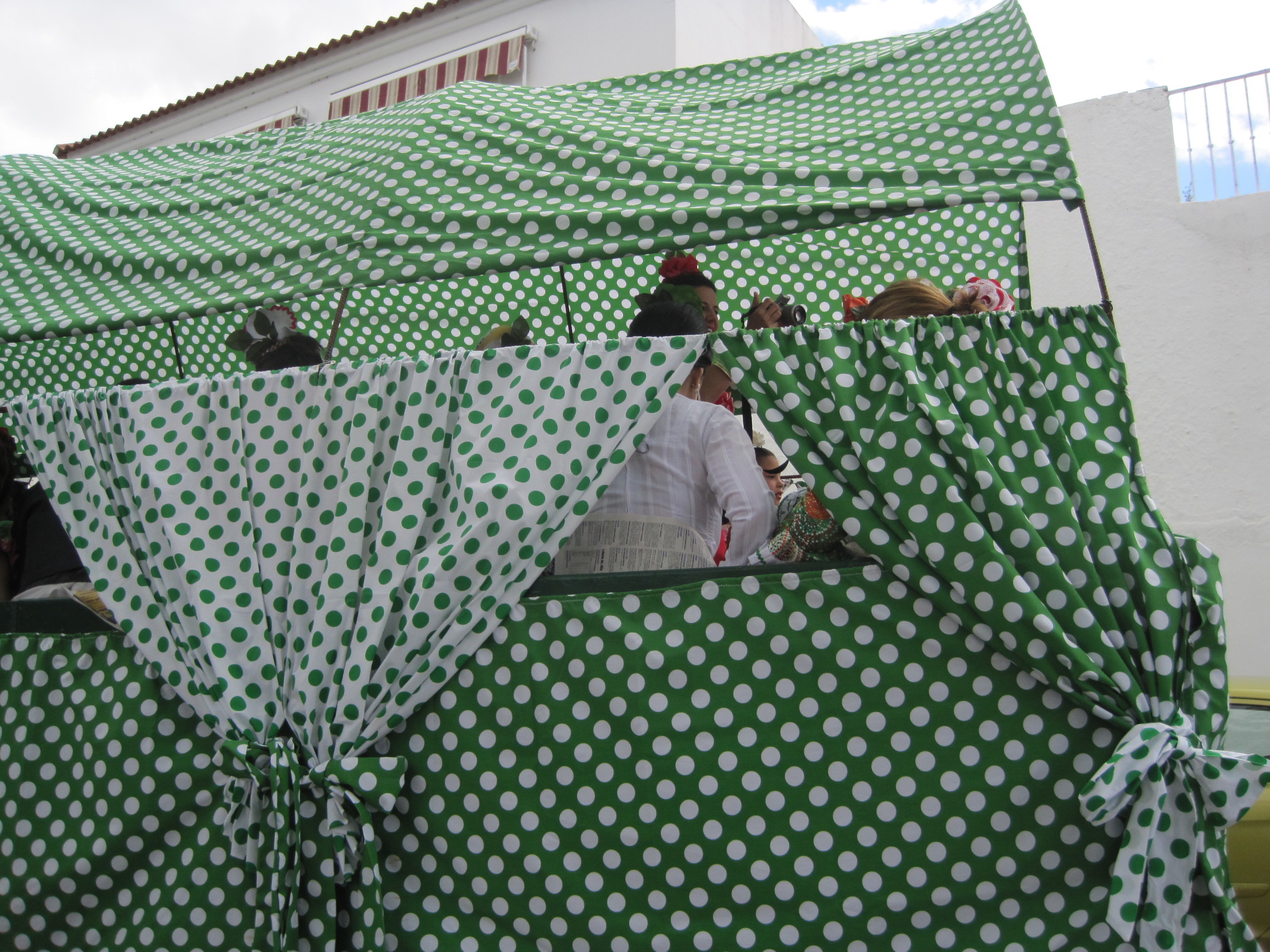
In all their finery.

Such a patient donkey! And such lovely little boys.

Side saddle and very elegant

Incognito?

Take me with you!

And then they were gone, and our lovely villager was heading off to get changed to join in the fun herself.  The village was effectively closed to business.  We waved to the ferryman and crossed back to Alcoutim, where we sat with a drink and watched as the procession slowly mounted the hill.

The riverside cafe at Alcoutim

Of course, Flat Ruthie wanted to see another castle and flirt with the fountains a little, but that was fine by me.

New fountains at Alcoutim

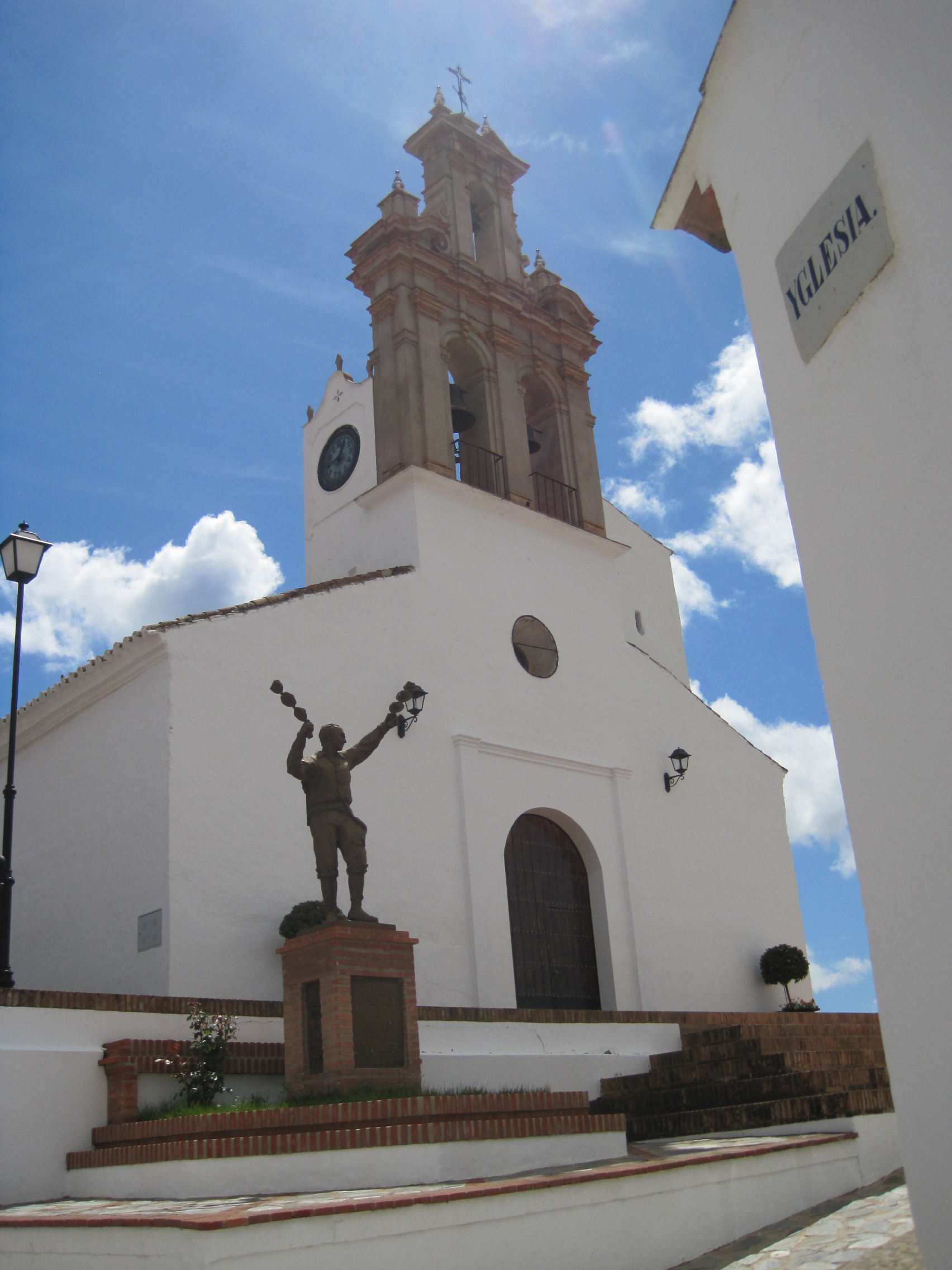
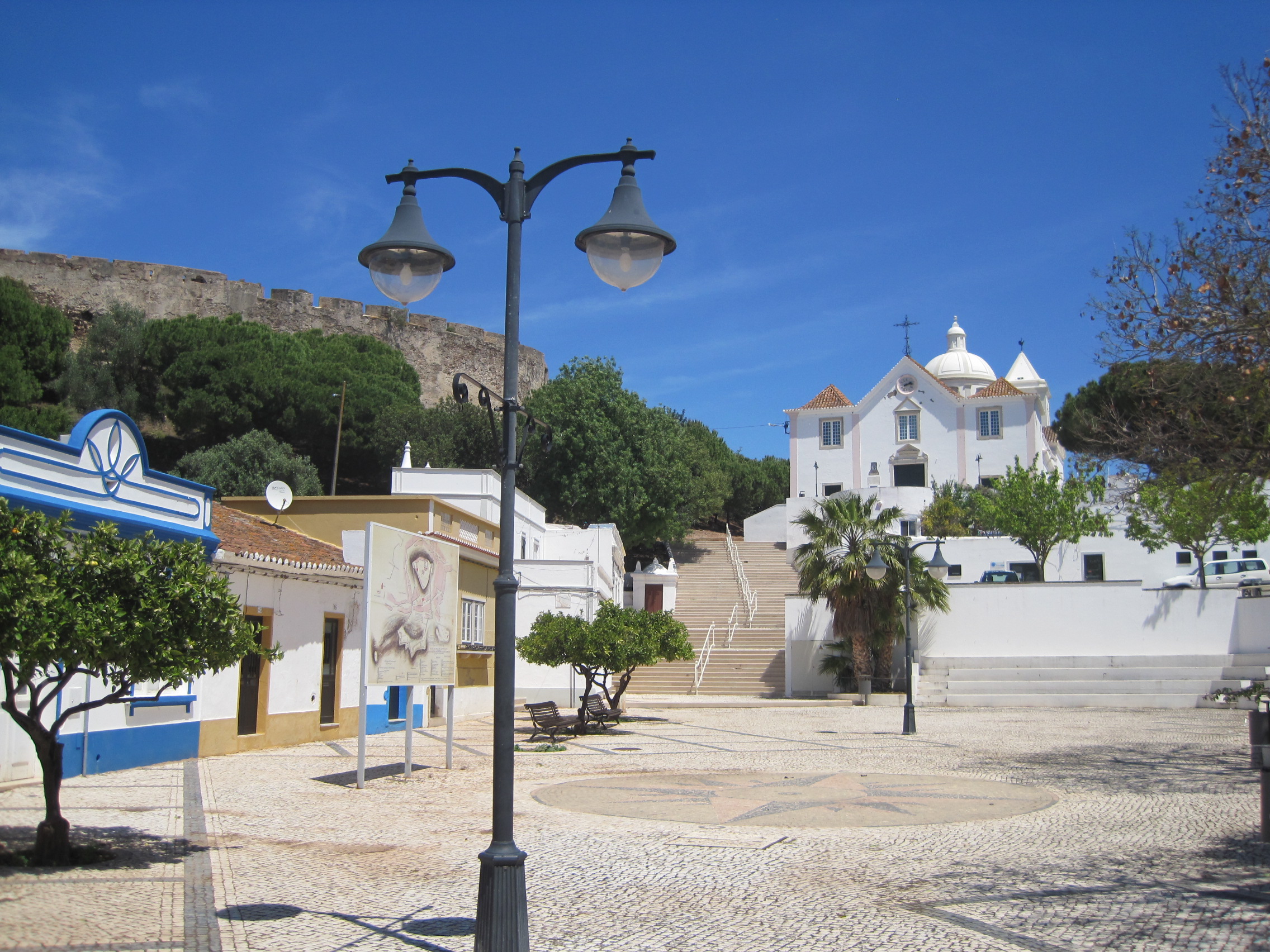
Castro Marim main square with church and castle

The orange blossom is choking me!

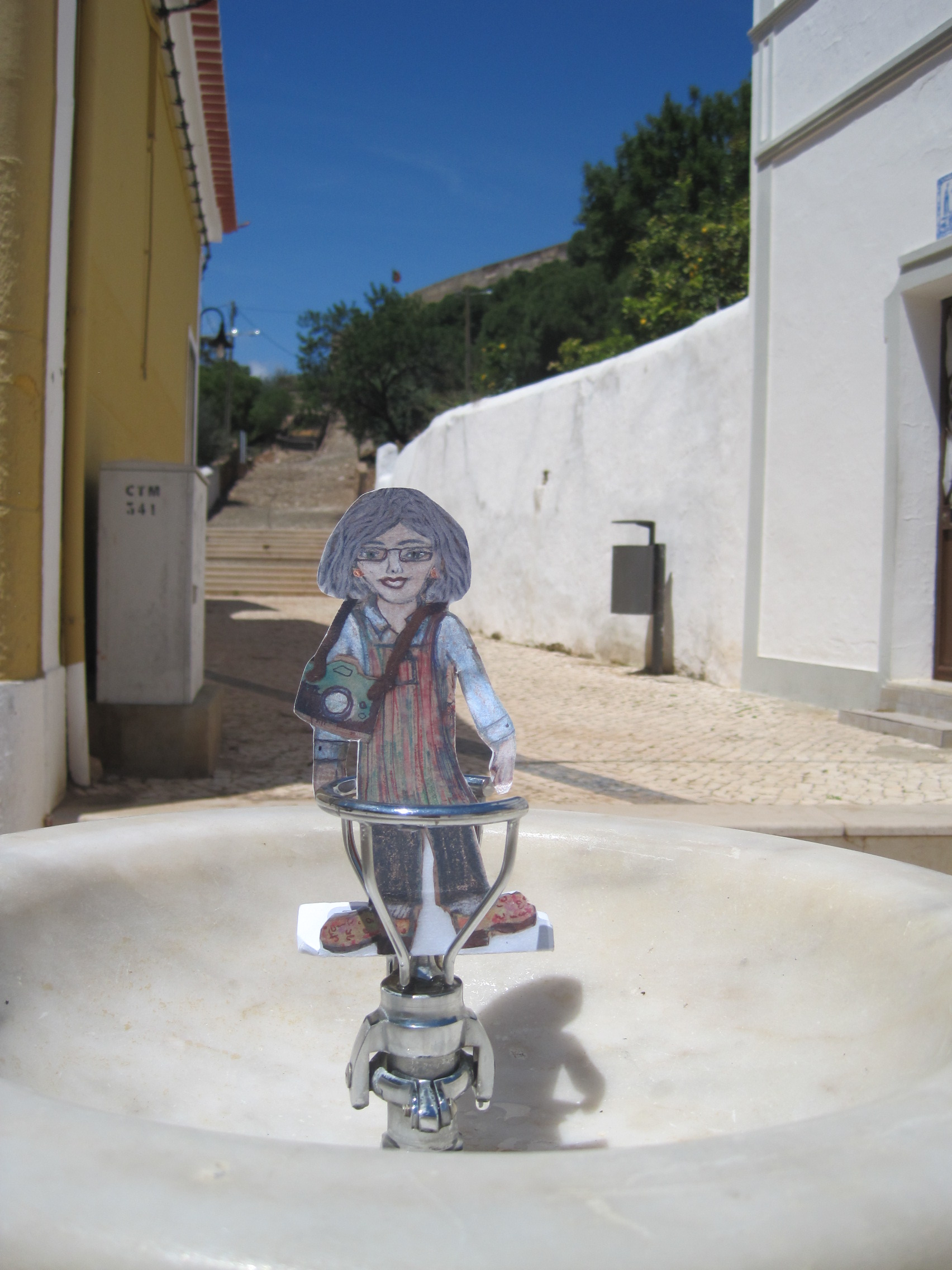
A drink before we climb those steps? Is my foot stuck?

But it wasn’t!  The funny thing was that we had gone to Castro Marim expecting a festival to be taking place, and with the promise of an Algarvian goat contest.  The place was quiet as can be.  Reading the leaflet later, my husband pointed out that the festivities were actually taking place in a village called Azinhal, “near to” Castro Marim.  Ah well- something for another trip.  All’s well that ends well.

Many thanks Big Ruth for loaning me your little gal, and for your wonderful idea.  To join in and read Flat Ruthie’s other adventures, you should contact Cardboard Me Travels.  She even ventures to Hartlepool marina you know.

My travel inspiration

More excitement!  I’ve been nominated by Suzanne of the travelbunny to take part in Easyjet’s Inspiration Initiative.  Suzanne is a very well-travelled lady and I love her blog, so I musn’t let her down.  Inspiration to travel?  You only need to browse the current dazzling array of travel blogs.  Easyjet would like to know Who, What, When and Where are the inspiration for your travels?  There are prizes!

Who?  Like many others, I have a great fondness for Michael Palin and his gentle way of being in the world, interested but unobtrusive. (unless you count the camera crew, of course!)  His warmth and humour are ever-present, in sometimes quite trying circumstances.

Class 153, Michael Palin at
Cambridge, Wikipedia

I don’t imagine it was much fun battling altitude sickness in the Himalayas, and he’s certainly slept in some strange places.  Still, watching him on TV was the first time I can ever remember thinking “I want that job”.  I want to travel.  Why, he even has two trains named after him!

Living in hostel accommodation in London in my late teens, I explored back streets and wandered the riverside for hours.  I was besotted with the shiny city, so different from my quiet hometown.  Then one of my room-mates announced that she was emigrating to Australia.  The possibility had just never occurred to me!  Tempted though I was, I never made that leap, a new and lustrous relationship keeping me in place.  Who knows where I’d be today if I had, but I’ll never forget my inspiring, adventurous friend, Di.

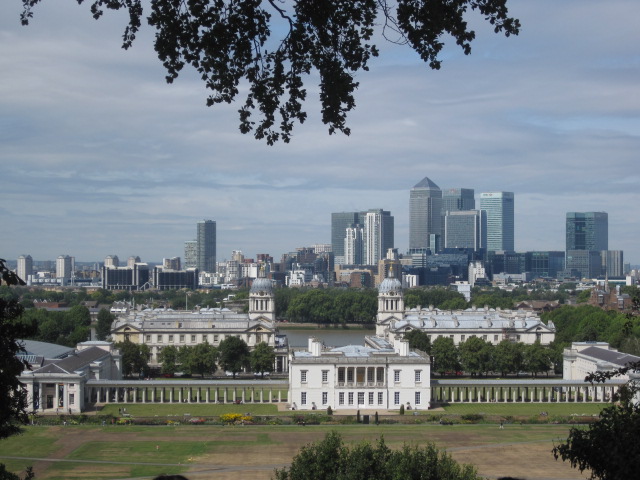
London Town viewed from Greenwich Park

What?  It’s books for me, all the way.  I can never walk past the Oxfam shop in Durham without nipping upstairs for a peak at the travel section.  Before I know it I’m sunk in an armchair, with a heap before me on the coffee table.  Buddhist temples, multi-hued mountains, languid beaches- the world at my fingertips.

"Lumiere" 2011, Durham City

And planning?  I read everything related I can get my hands on.  I cannot bear to return from a trip and have somebody say “did you see…” and my answer be “no”.

Years ago I used to watch every episode of “A Place in the Sun”, riveted by the snippets of background on each of the destinations.  Every week I was “living” somewhere different.  Little did I think then that I’d fall in love with, nevermind buy, in Tavira, on the Eastern Algarve.

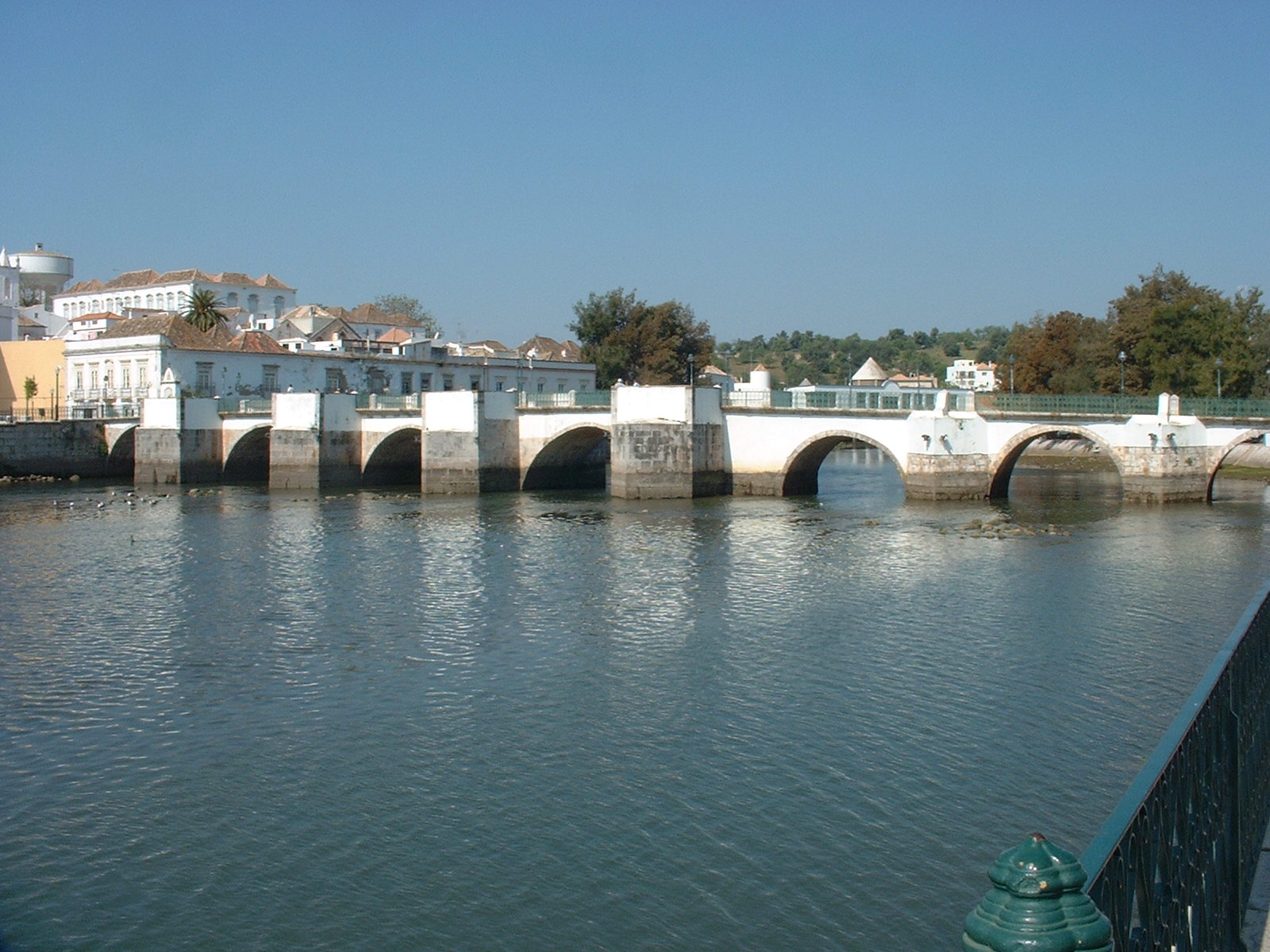
Ponte Romana and the skyline

When?  I still have home commitments and a husband who loves his work, or my gypsy caravan would have worn its wheels down long ago.  I always dreamed of owning a boat and following the coastline into infinity.  The nearest I’ve managed to date is gulet sailing in Turkey, and ferrying between the islands of Greece, but I’m still hopeful.  In the meantime, whenever I can get a well-priced flight the antenna start to quiver.

Where?  Many of my travels are centred in Portugal, but that’s no hardship.  It’s a beautiful country with one foot still a little bit in the past, and I like that.  From its vivid capital Lisbon, inland to the most wistful of castles at Almourel; from spectacular coastline to historic cities, there’s little that Portugal can’t supply.  I’m on a mission to see the Duoro valley this year.  You just can’t take the wanderlust out of Restlessjo, and I’m often to be found with my head in a travel guide.  Moorish Seville, Granada and Cordoba have surrendered, Jerez and Cadiz yet to be conquered.  Did somebody mention “Tall Ships” this year?  It must have been in the Easyjet magazine.

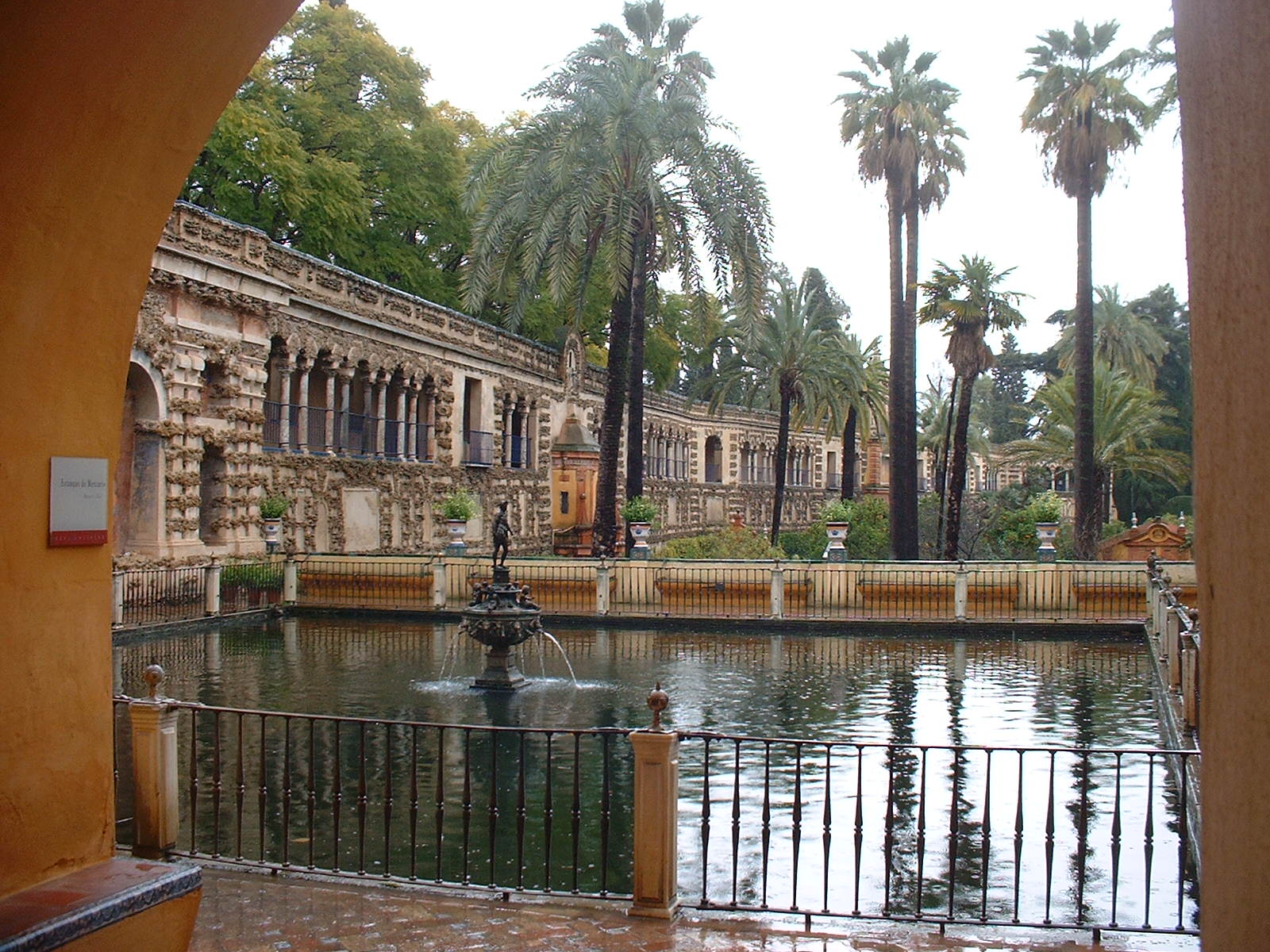
Real Alcazar gardens in Seville

My new found Polish family introduced me to a different culture, whose cities and landscape I find equally beguiling.  Krakow and the Tatry mountains certainly know how to inspire.  Nor can I discount the pleasure of walking on my native North Yorkshire moors, or a visit to my daughter in lively Nottingham.

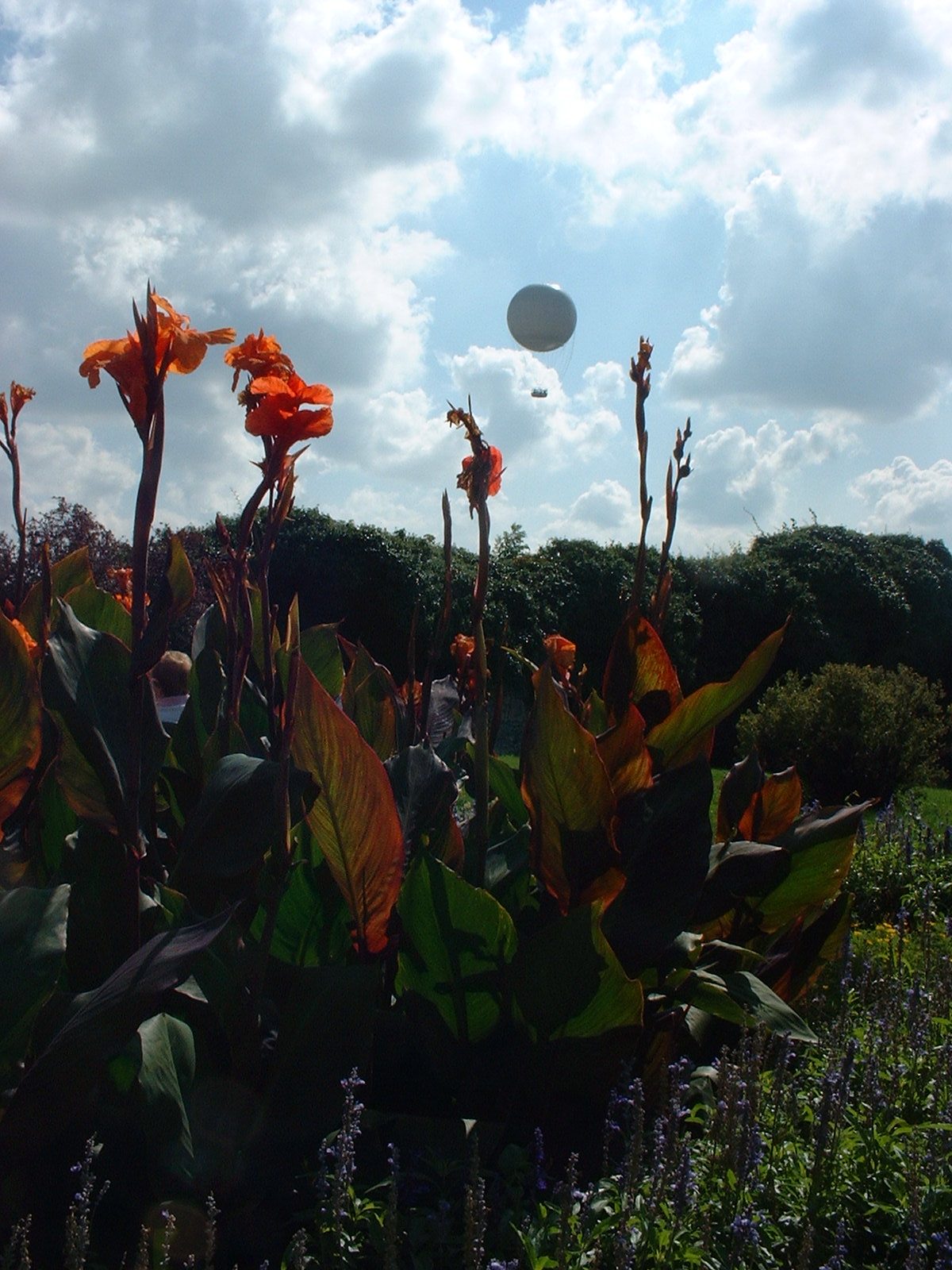
Balon Widokowy (tethered hot air balloon) over Krakow

These days every morning presents a different trip.  I open up my emails and am transported to Anne Frank’s house in Amsterdam, or to play with traditional dolls in Japan, or climb the Great Wall of China.  How much have my blogging friends enhanced my world and inspired me!  Thank you all.

My 5 nominations are:

Have bag, will travel

Bringing Europe Home

Julie Dawn Fox in Portugal

A bit of culture

Travels of a Non Traveller

Good luck and happy travels folks!

C is for Carnaval

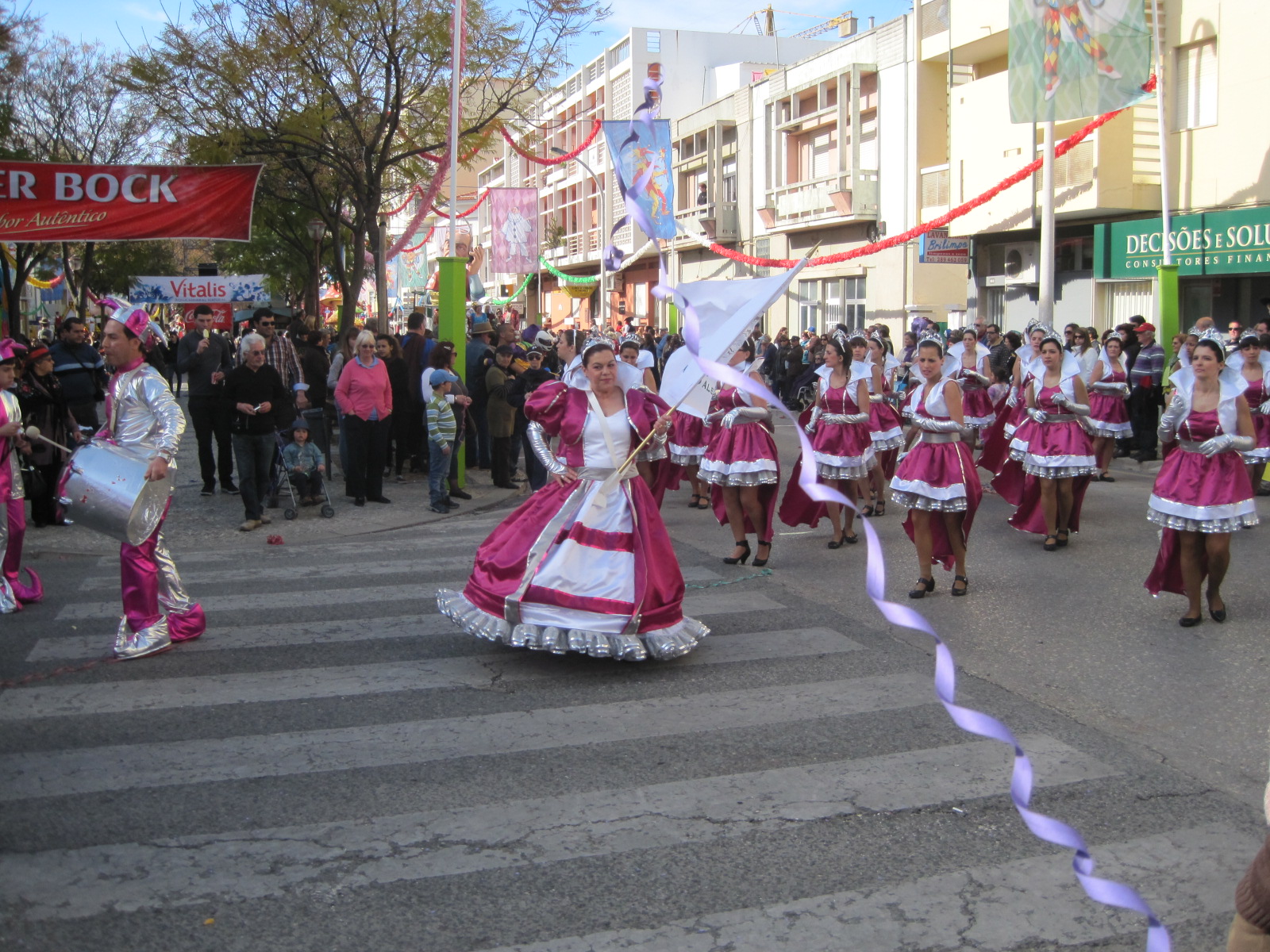
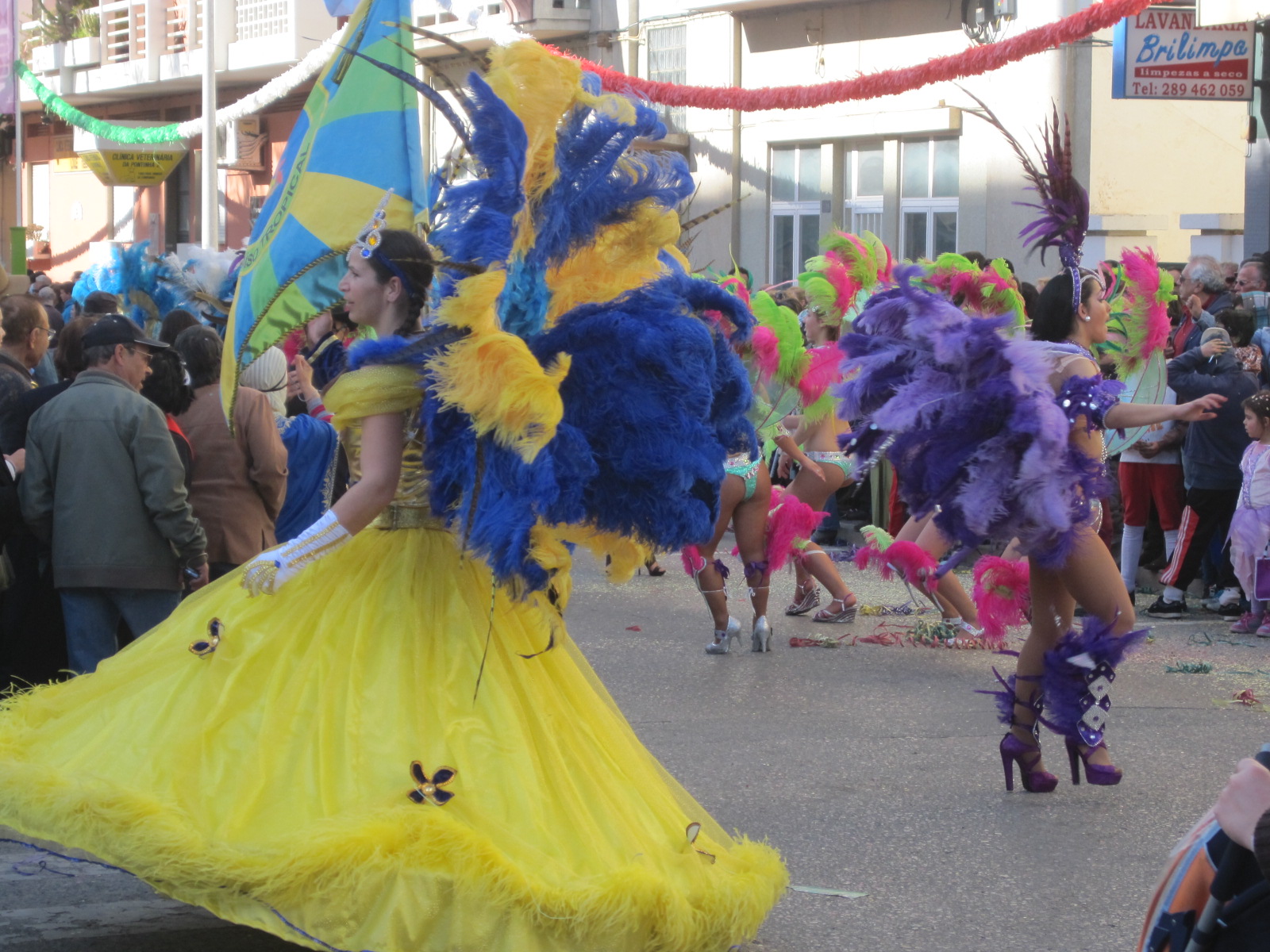
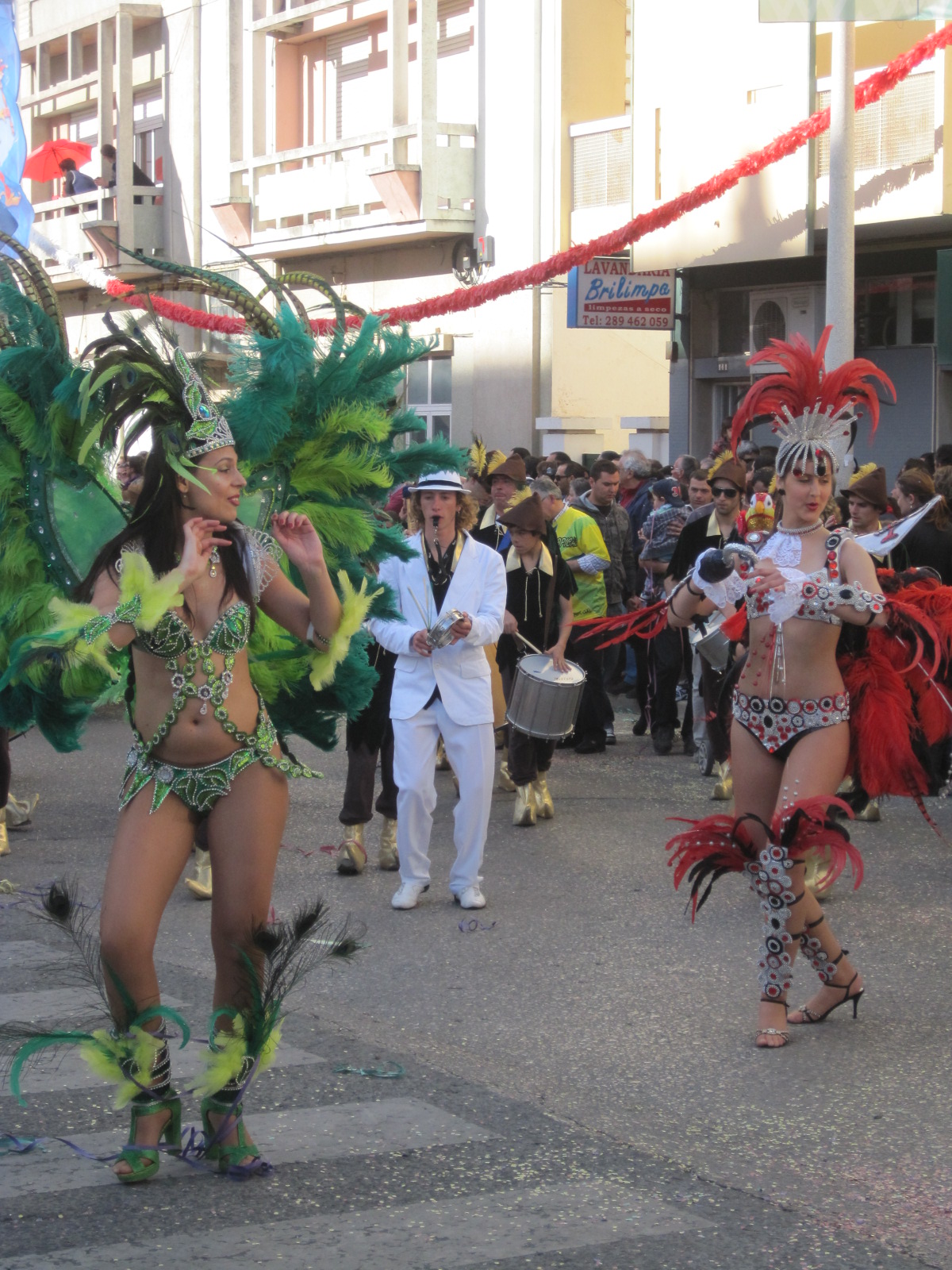
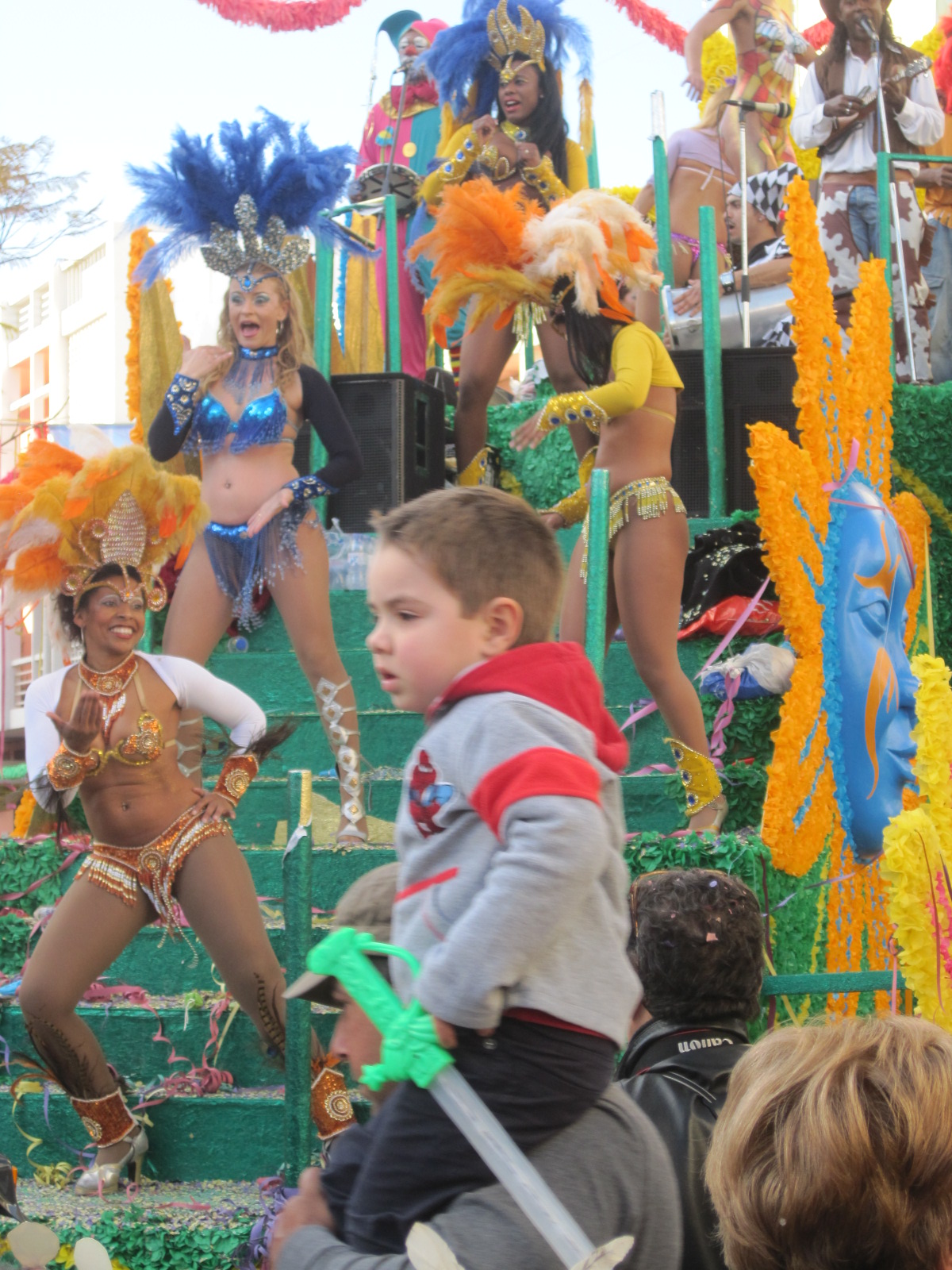
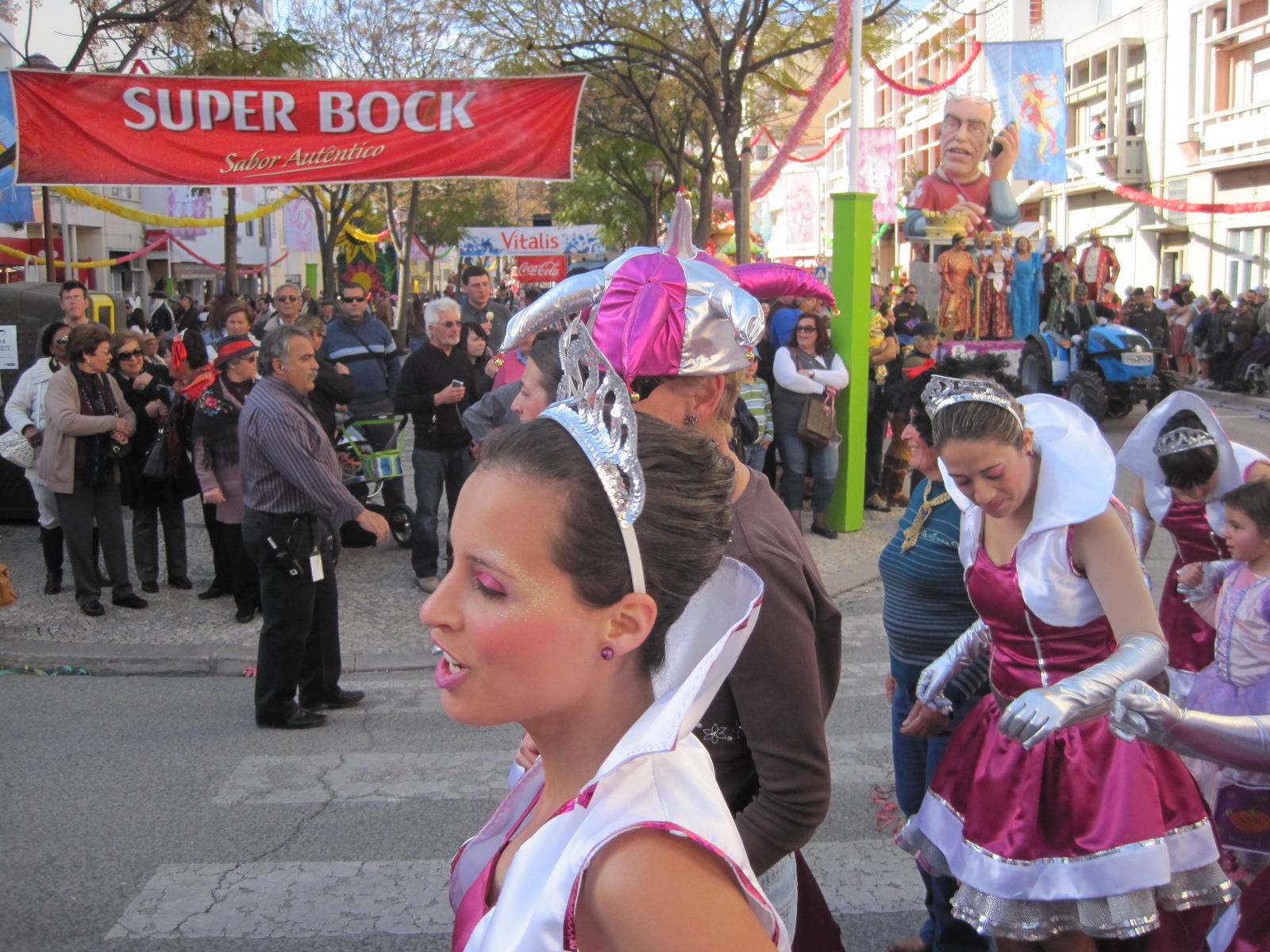
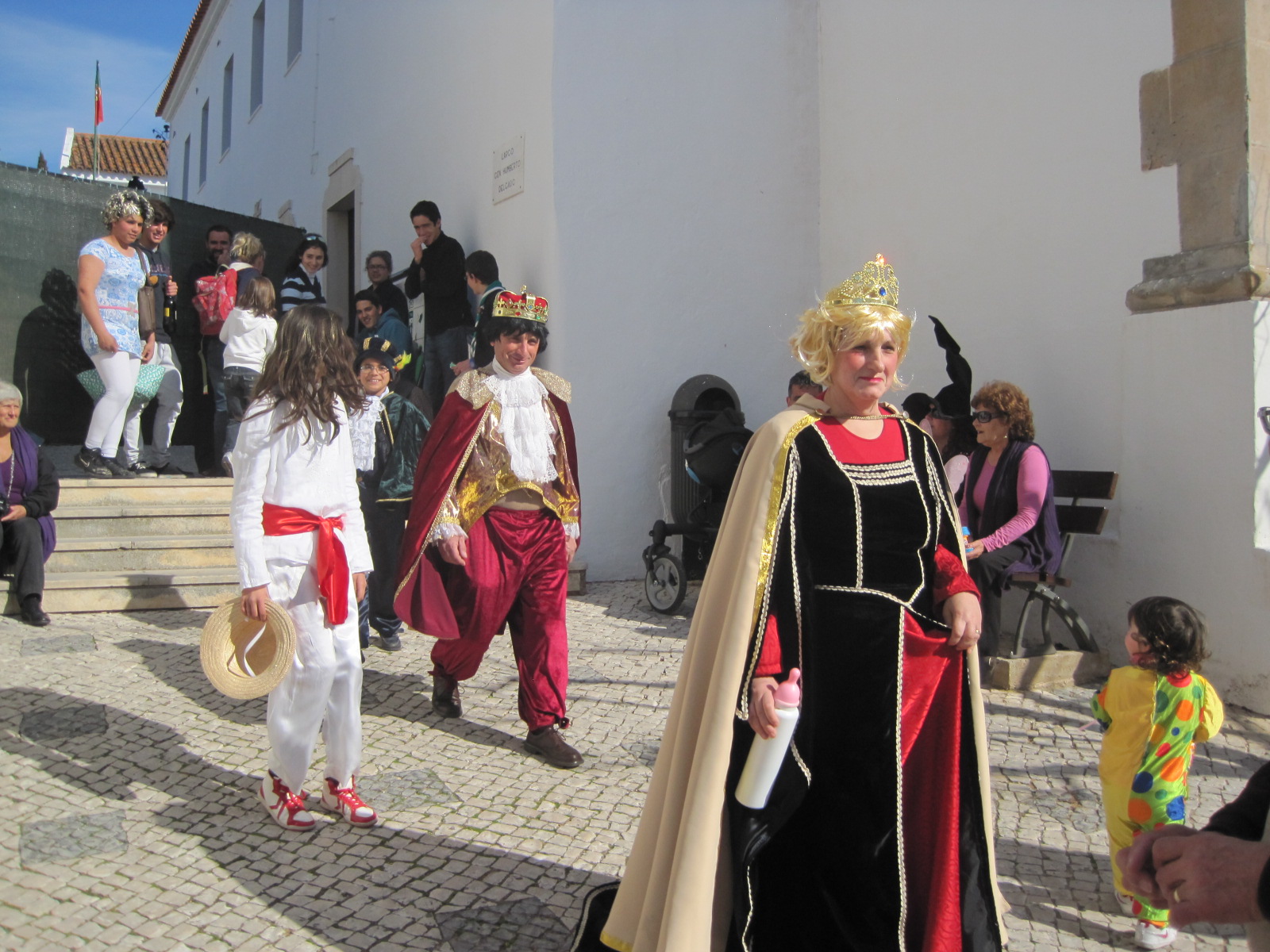
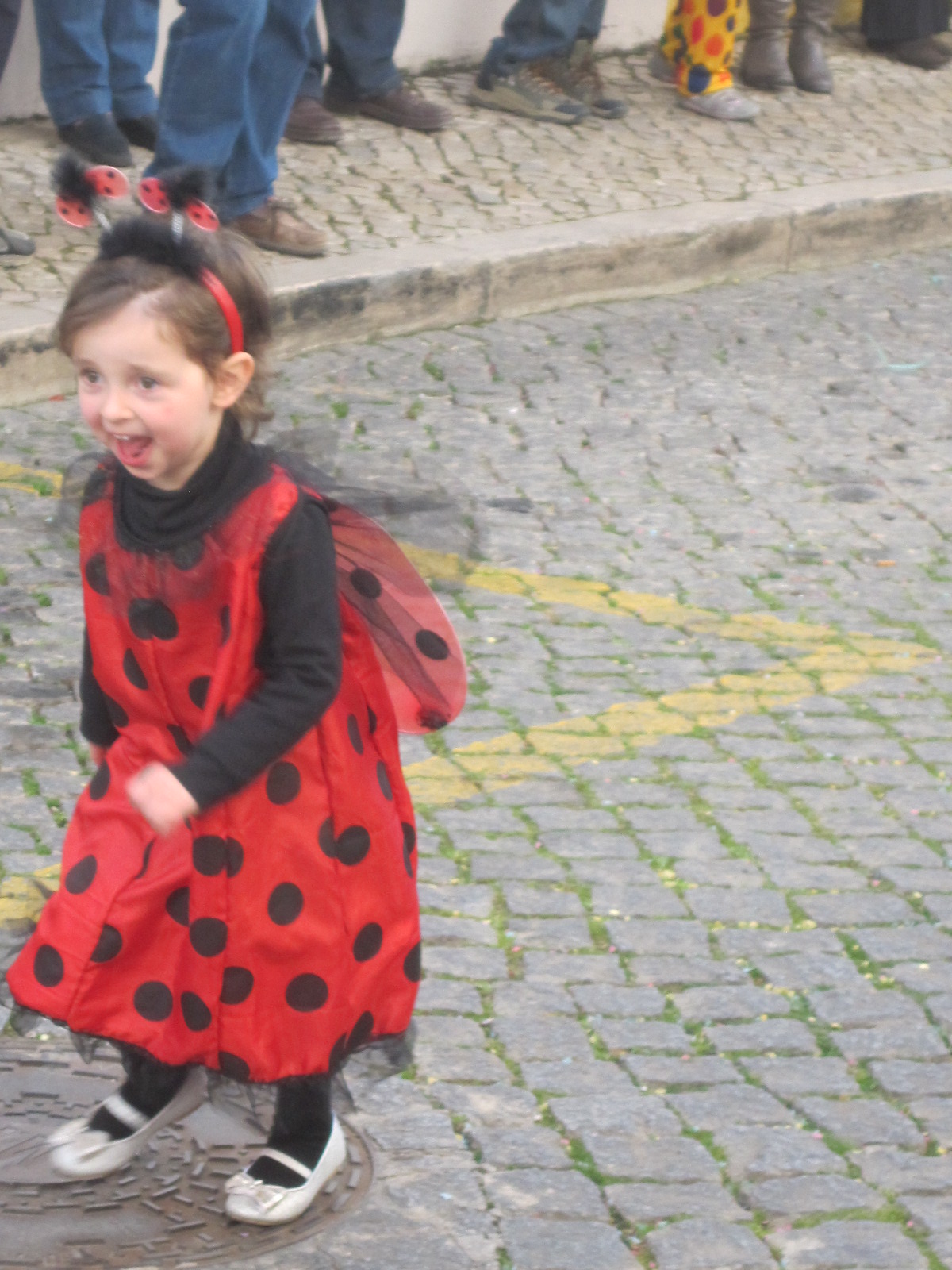
I fought long and hard to resist writing this, and then capitulated.  A bit like my husband when the dancing girls stopped in front of us and took each of us by the hand, to my expression of delight and his of abject dismay.  Happily for him, it was over in a flash and we were back in the crowd, minus my jester’s hat.  Shame!

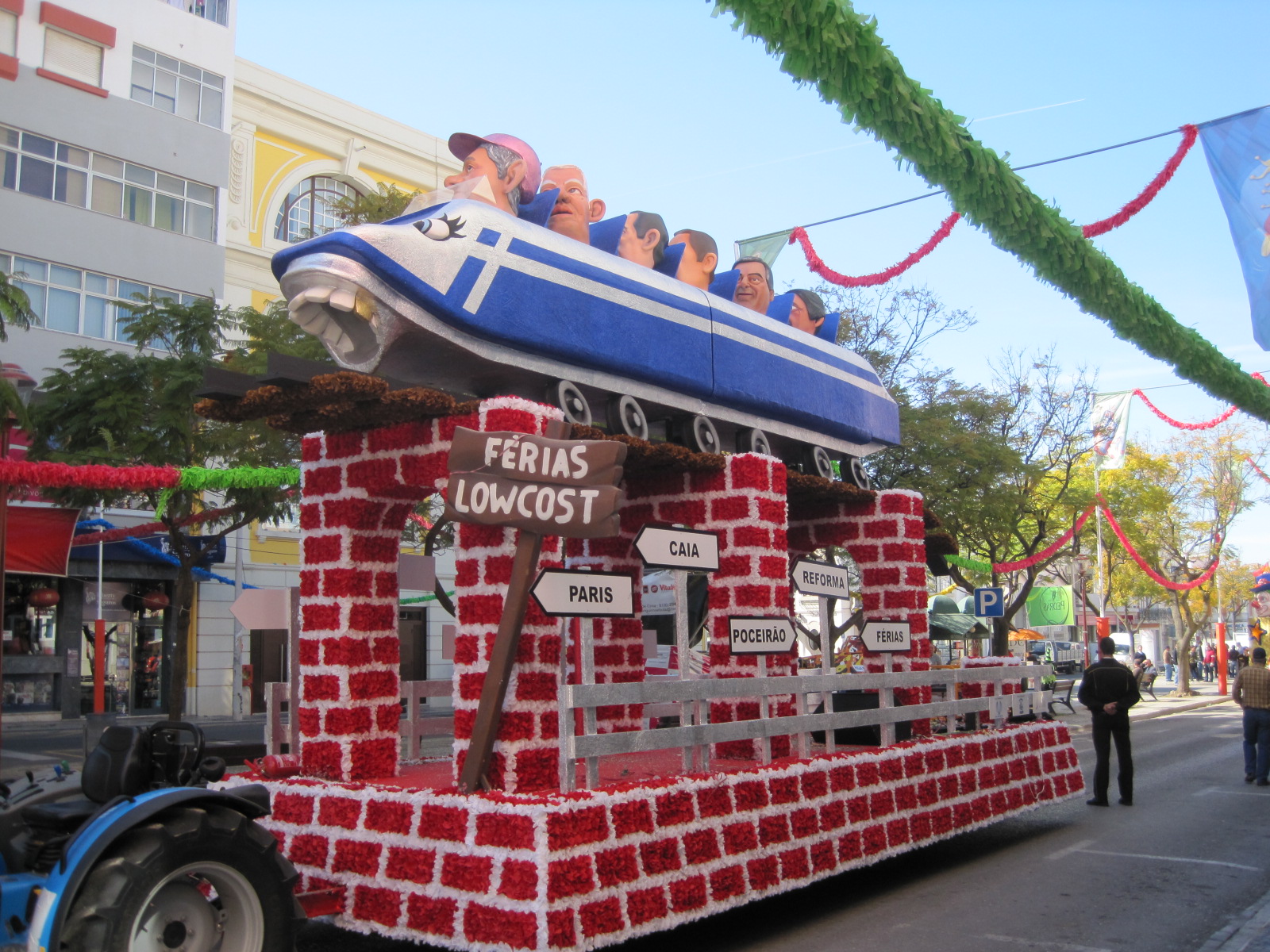
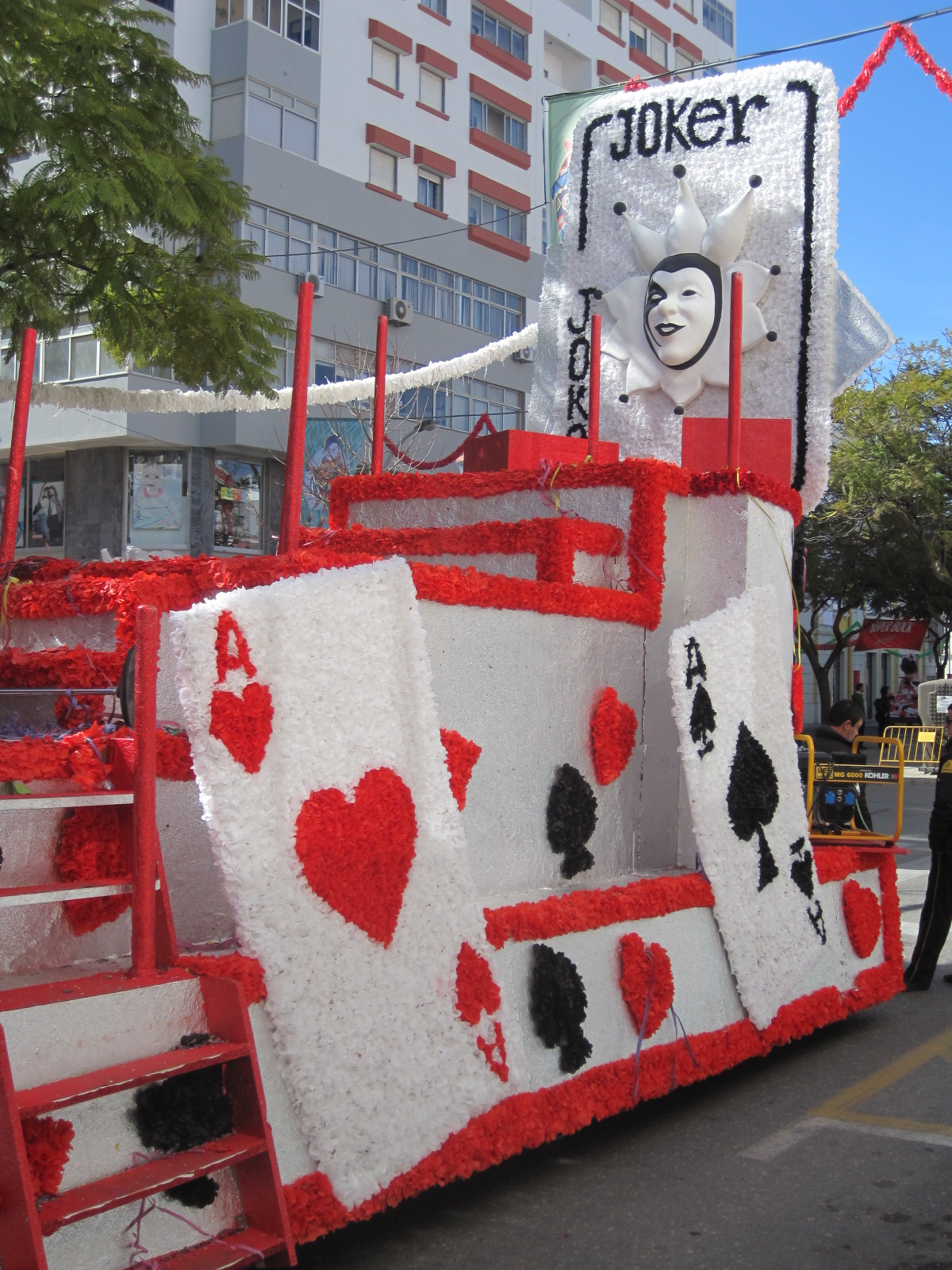
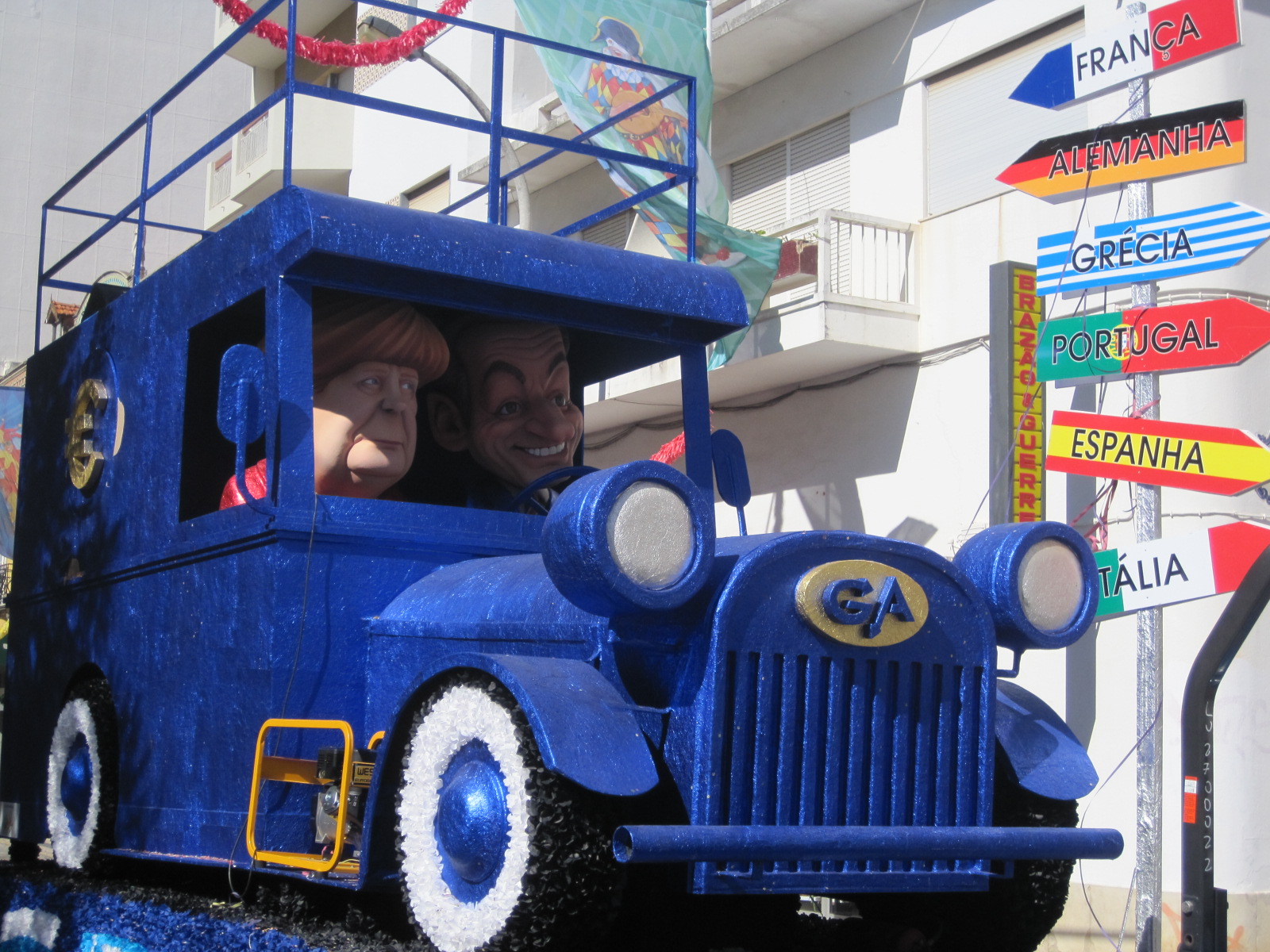
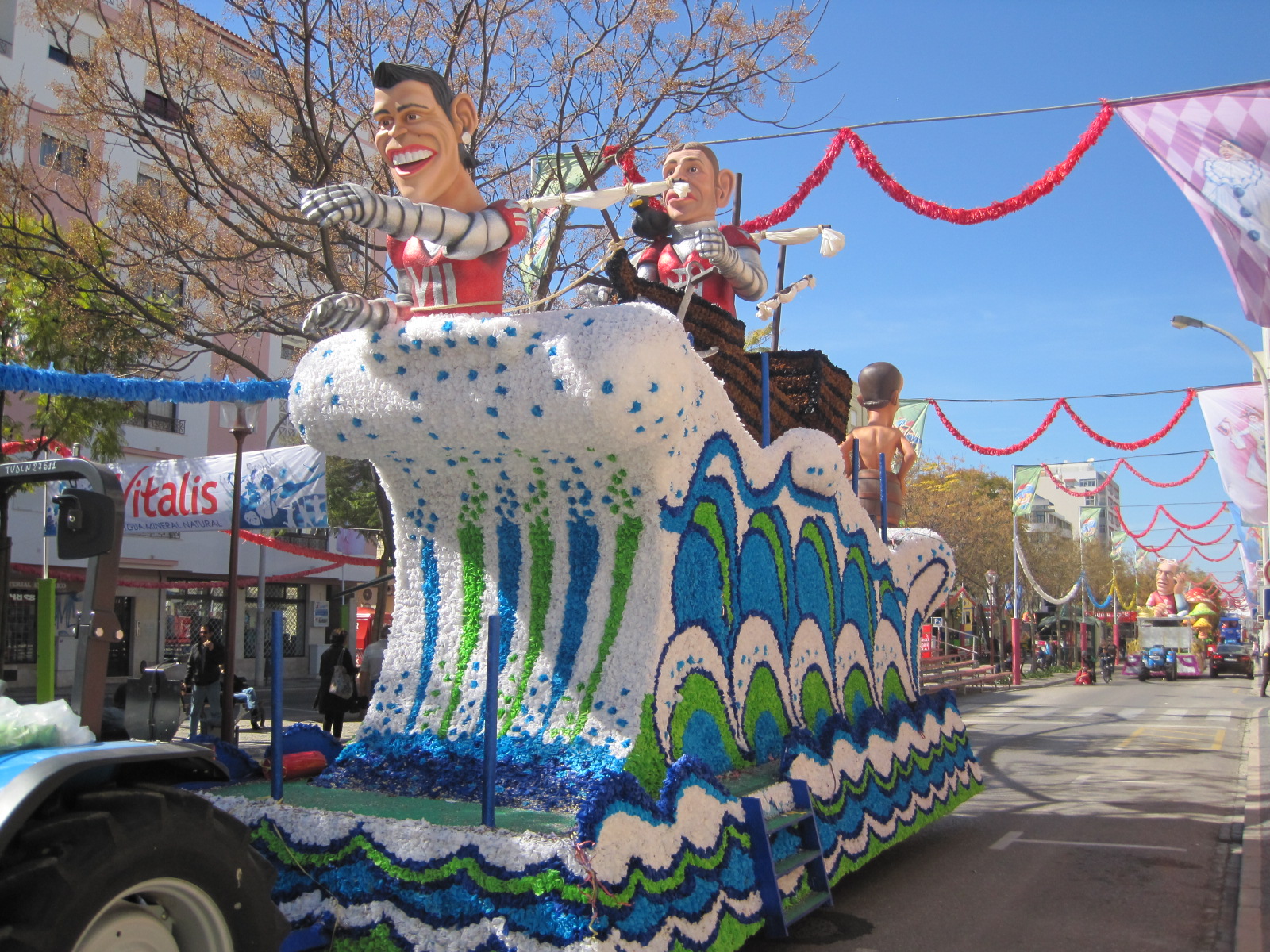
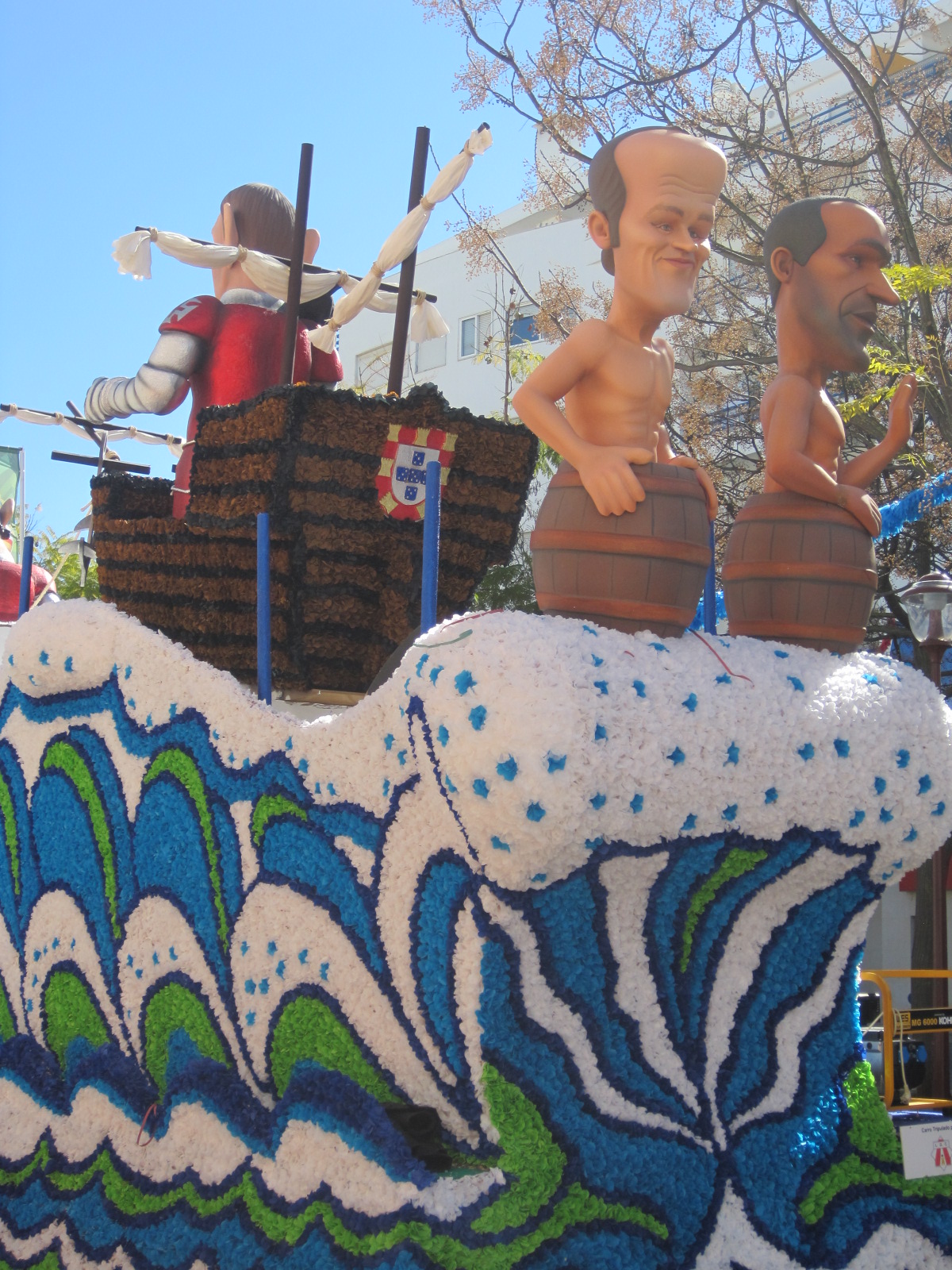
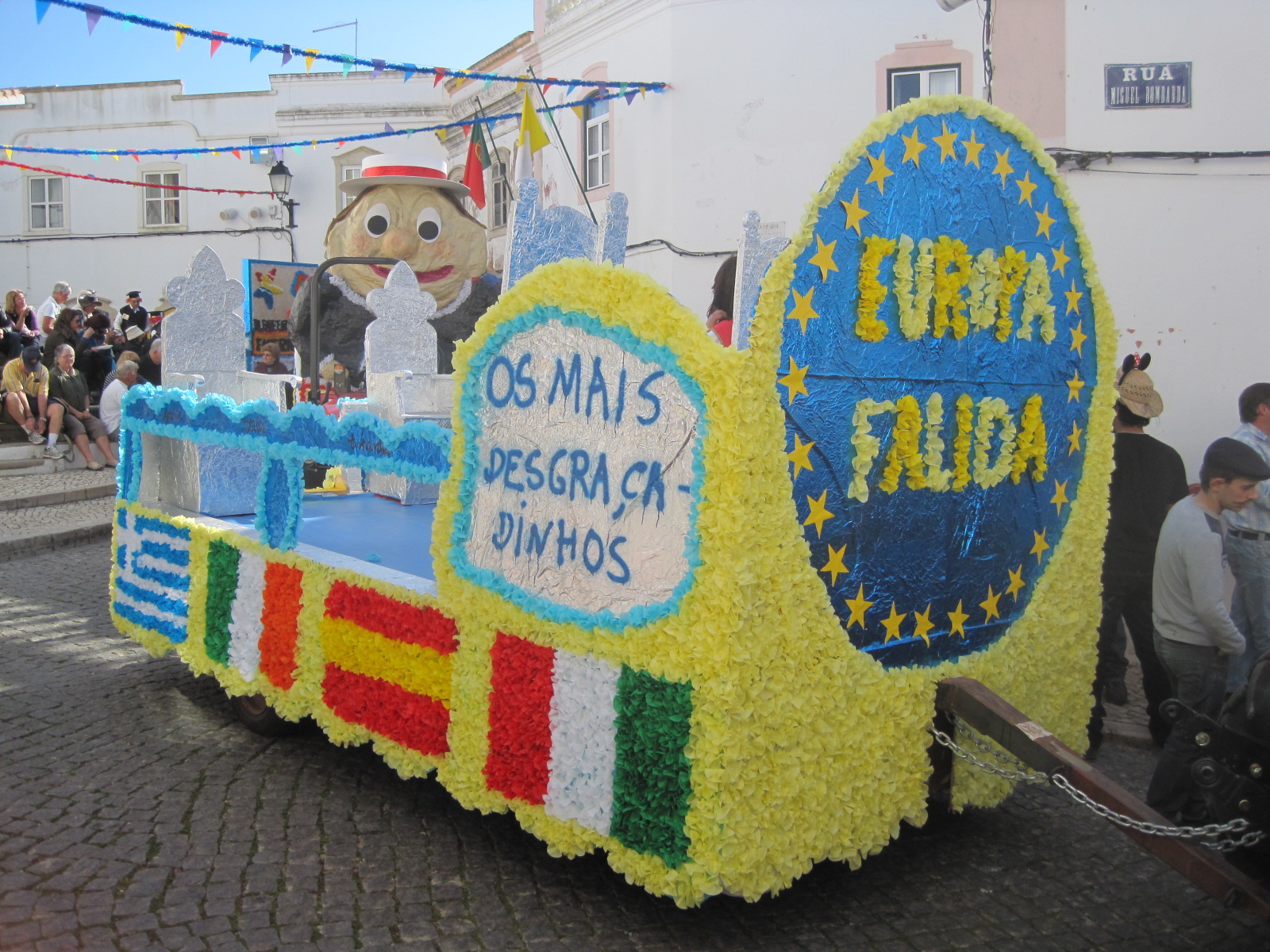
Financial crisis hits Loule Carnival

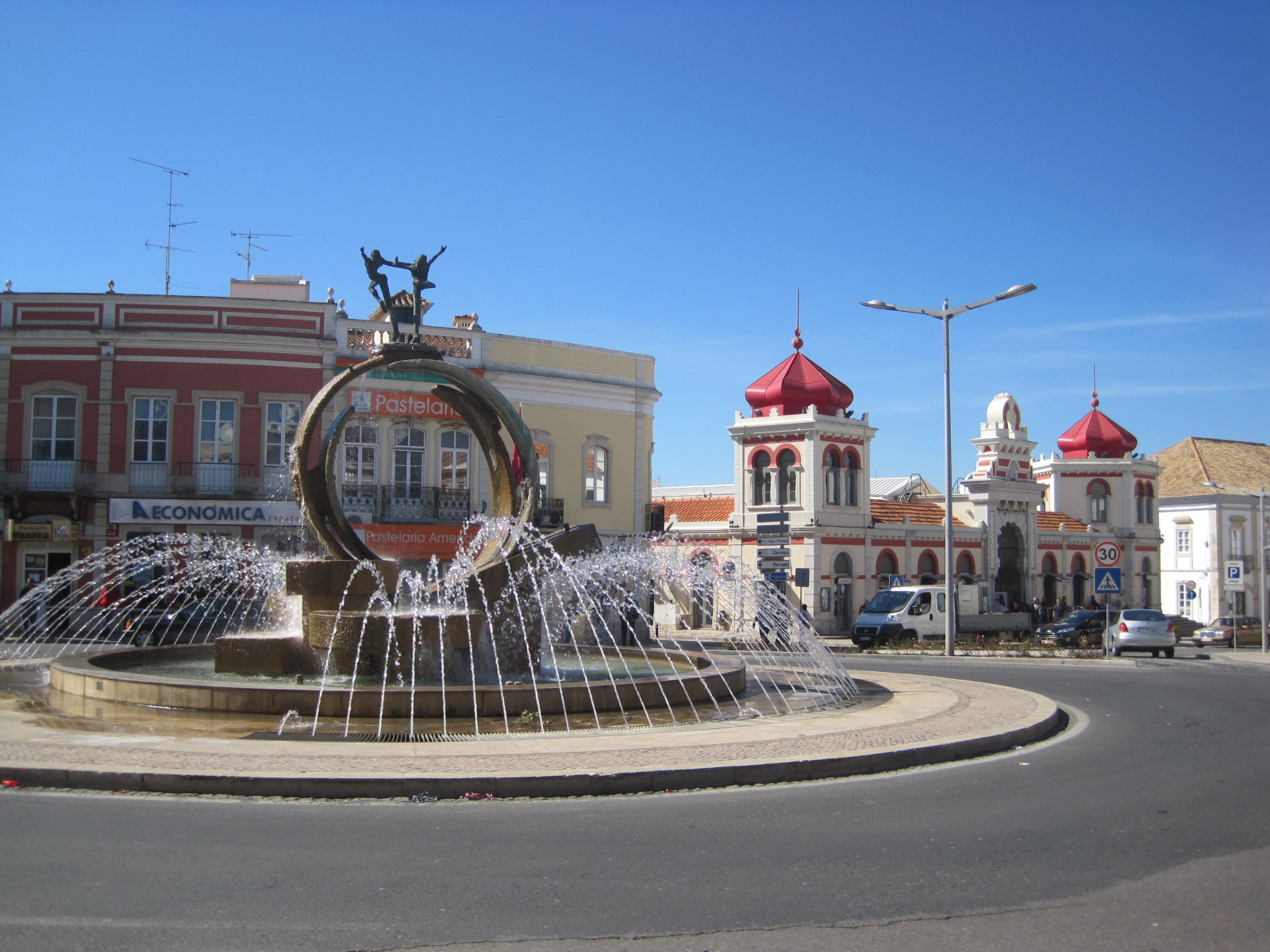
It was our first experience of the Loule Carnaval procession and it fully lived up to our expectations.  Loule is an interesting market town, 16km north of Faro in the Algarve.  The remains of the castle date back to the 12th century and the almedina, the old quarter, is a maze of streets lined with artisan shops and cafes.  The Arab style market hall on Praca da Republica is a focal point, and there’s a lively street market on Saturday mornings.

Fountain and the Arabian market, Loule

Much of Loule is a modern sprawl and we were uncertain about access to this, the Algarve’s biggest Carnaval celebration.  For once, it turned out well.  We approached the town on the N270 from Sao Bras de Alportel and at lunchtime traffic was minimal.  There was the distinct impression that the townsfolk were conserving their energy to party later.  Establishing where the barriers were on the main street, Avenida Jose da Costa Mealha, we parked a little way out on Rua Alfonso de Albuquerque and strolled back into town in pleasant sunshine.

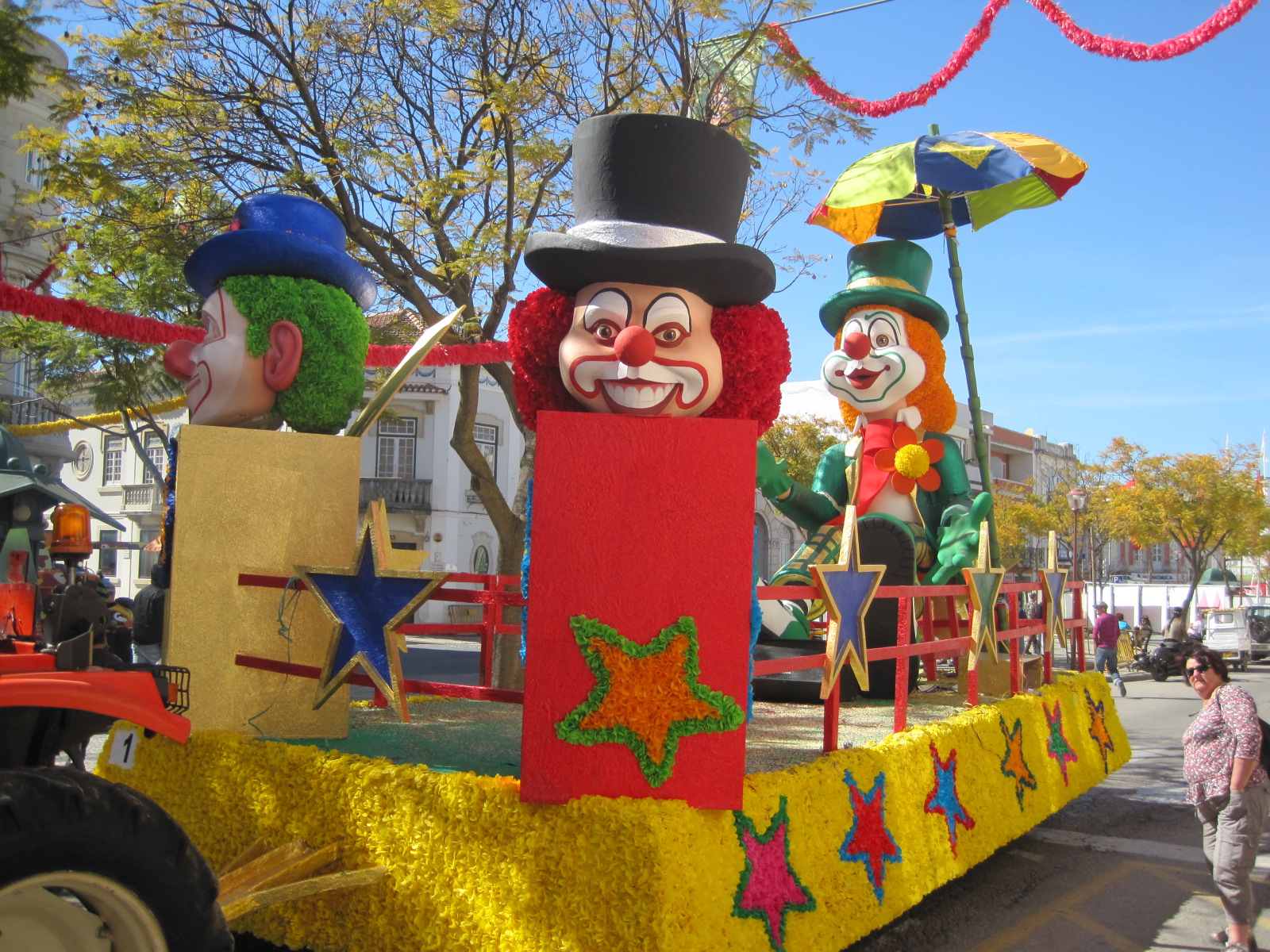
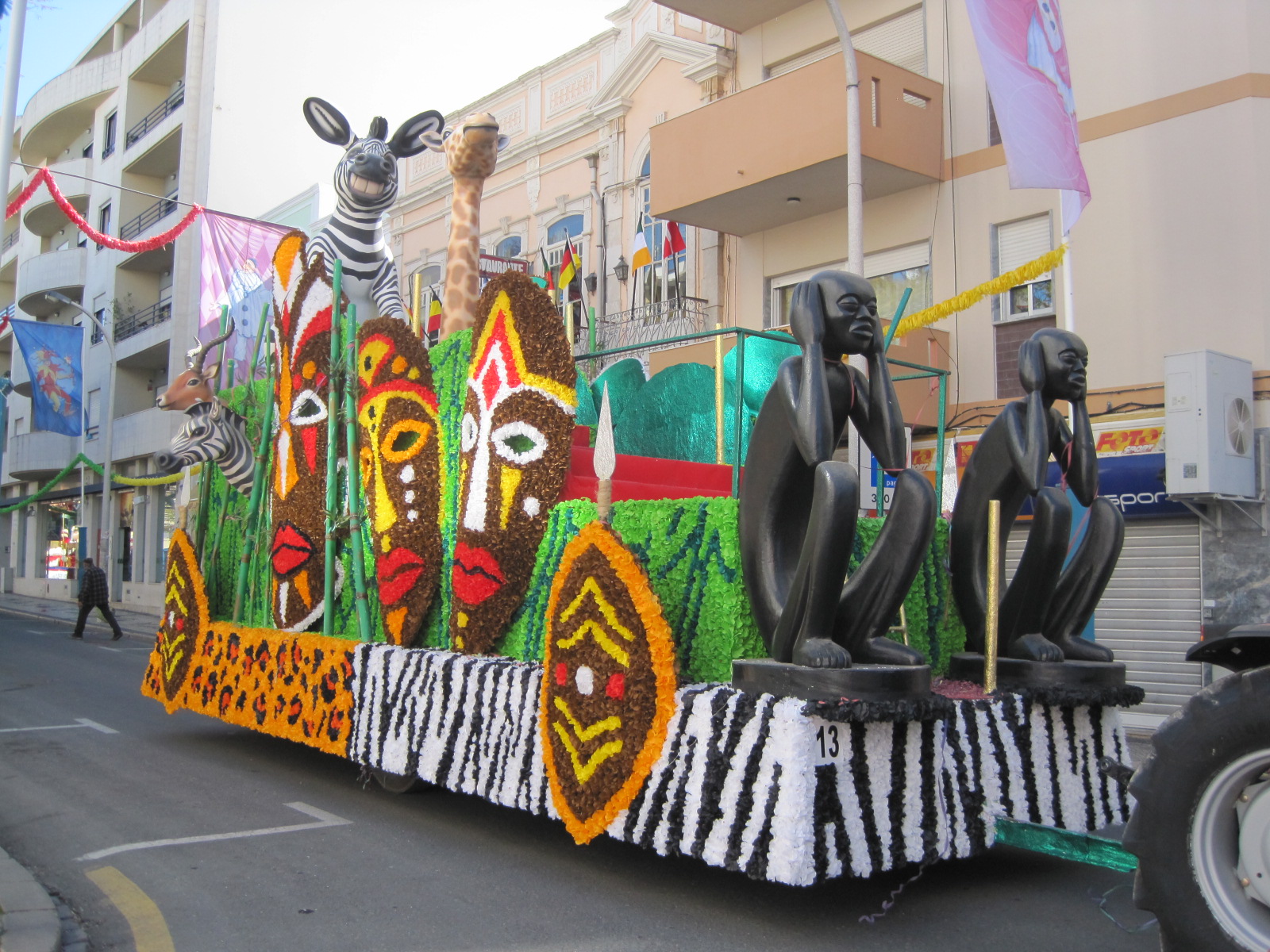
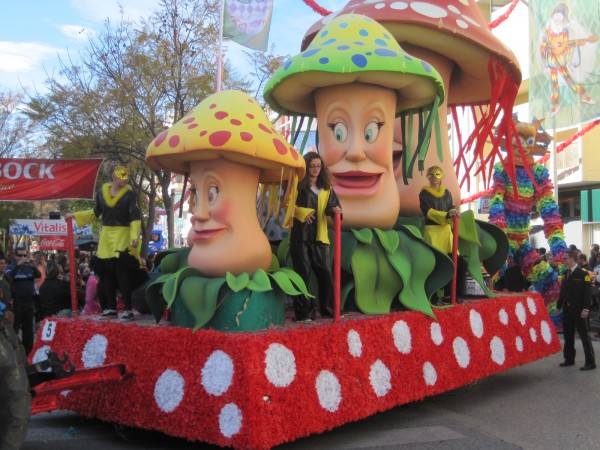
A pavement coffee and pastry to watch the excitement build was a good choice.  The 15 floats were towed gently into place and there was plenty of time to wander between them to admire and take photographs without the crowd.  Loudspeakers announced a 3pm start and it was time to seek out that good spot, having first paid your 2 euros at the kiosk.  It was entertainment in its highest form just watching the locals arriving, many of the children in costume and jiggling with excitement.  This year costume shops and stalls had been set up to encourage people to get into the spirit of Carnaval and shake off the doom and gloom.

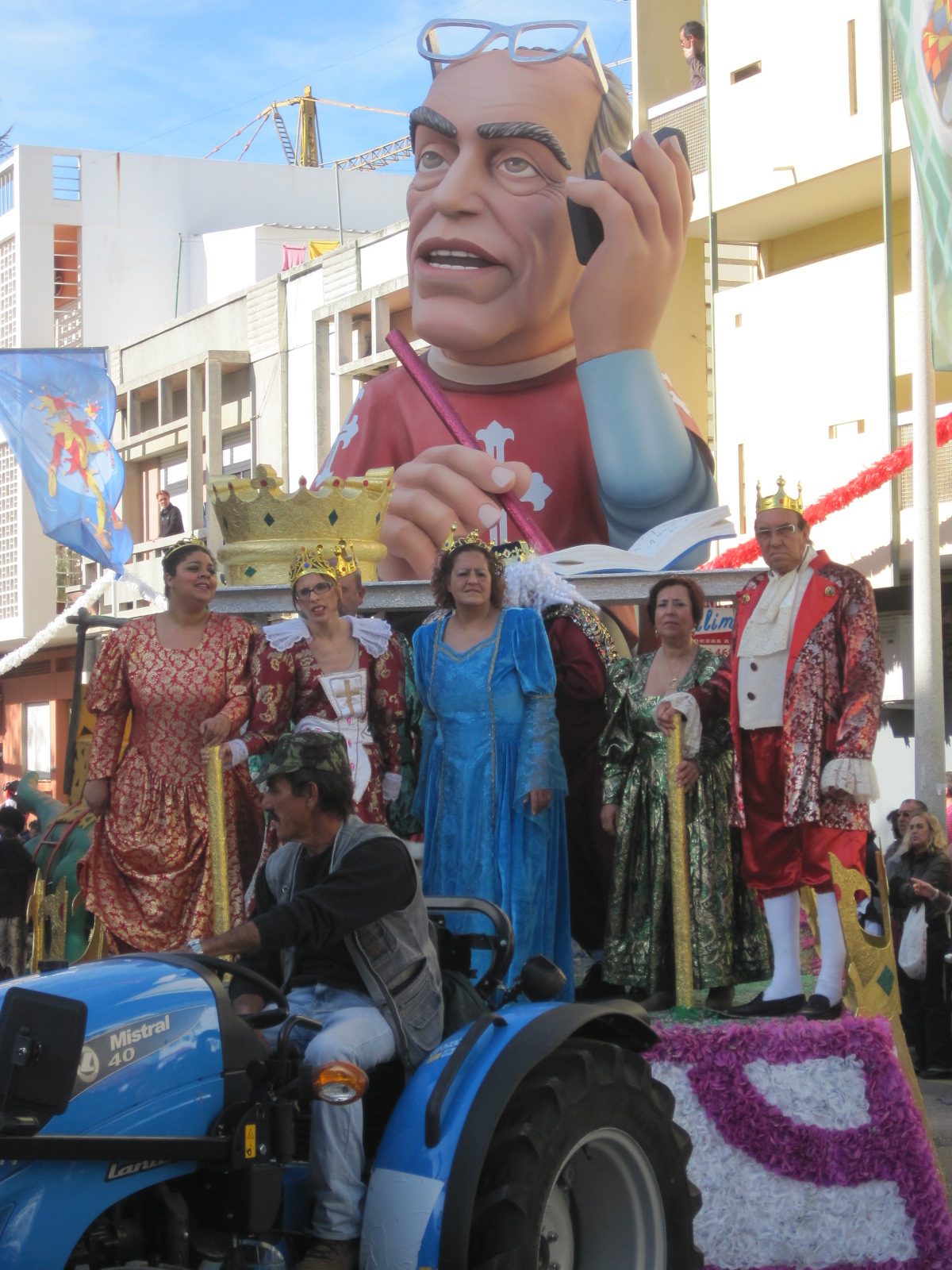
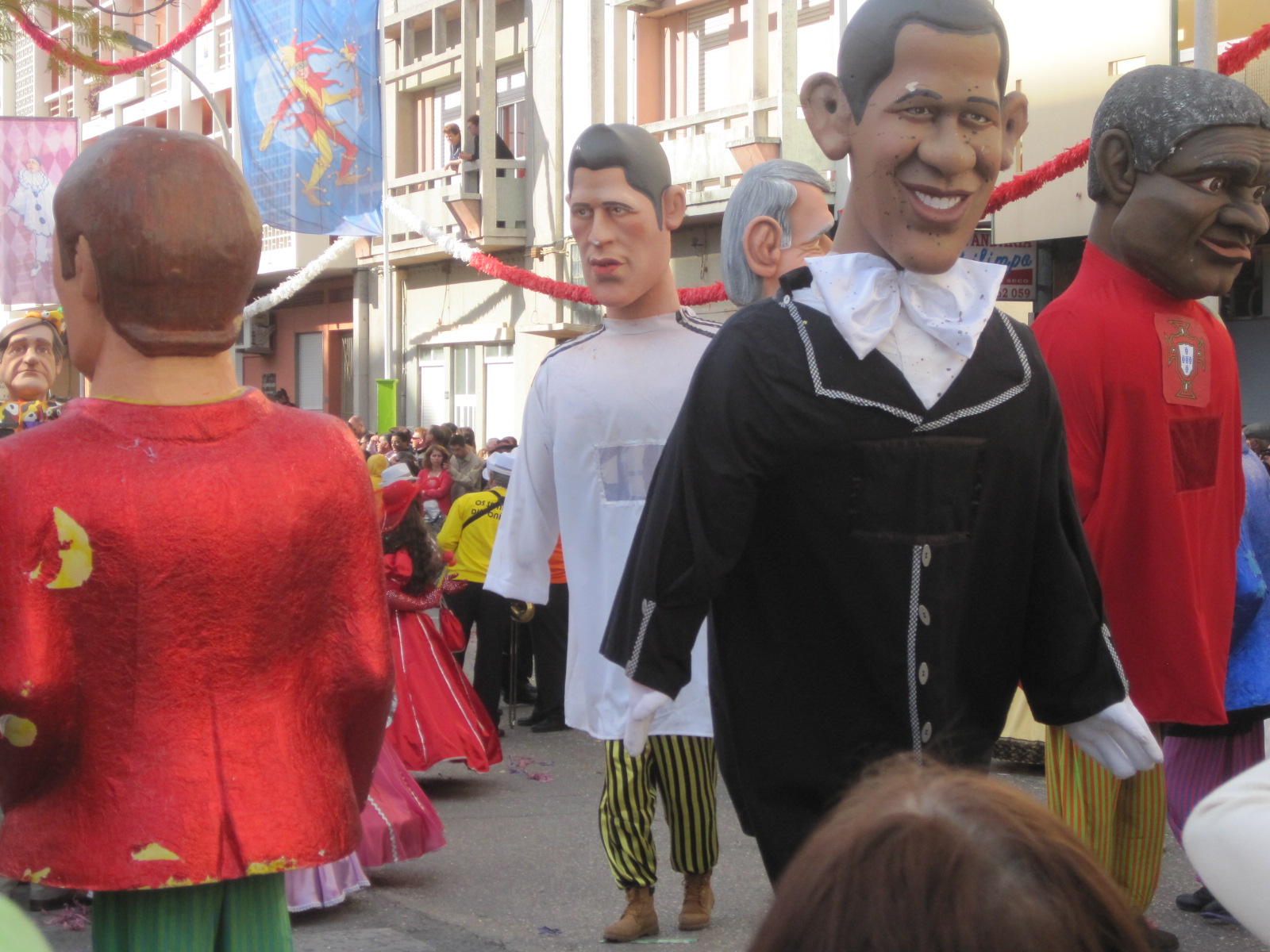
The Portuguese are very happy to poke fun at their leaders and celebrities and the Carnaval has a political theme.  Many of the floats produced wry smiles if not outright chuckles.

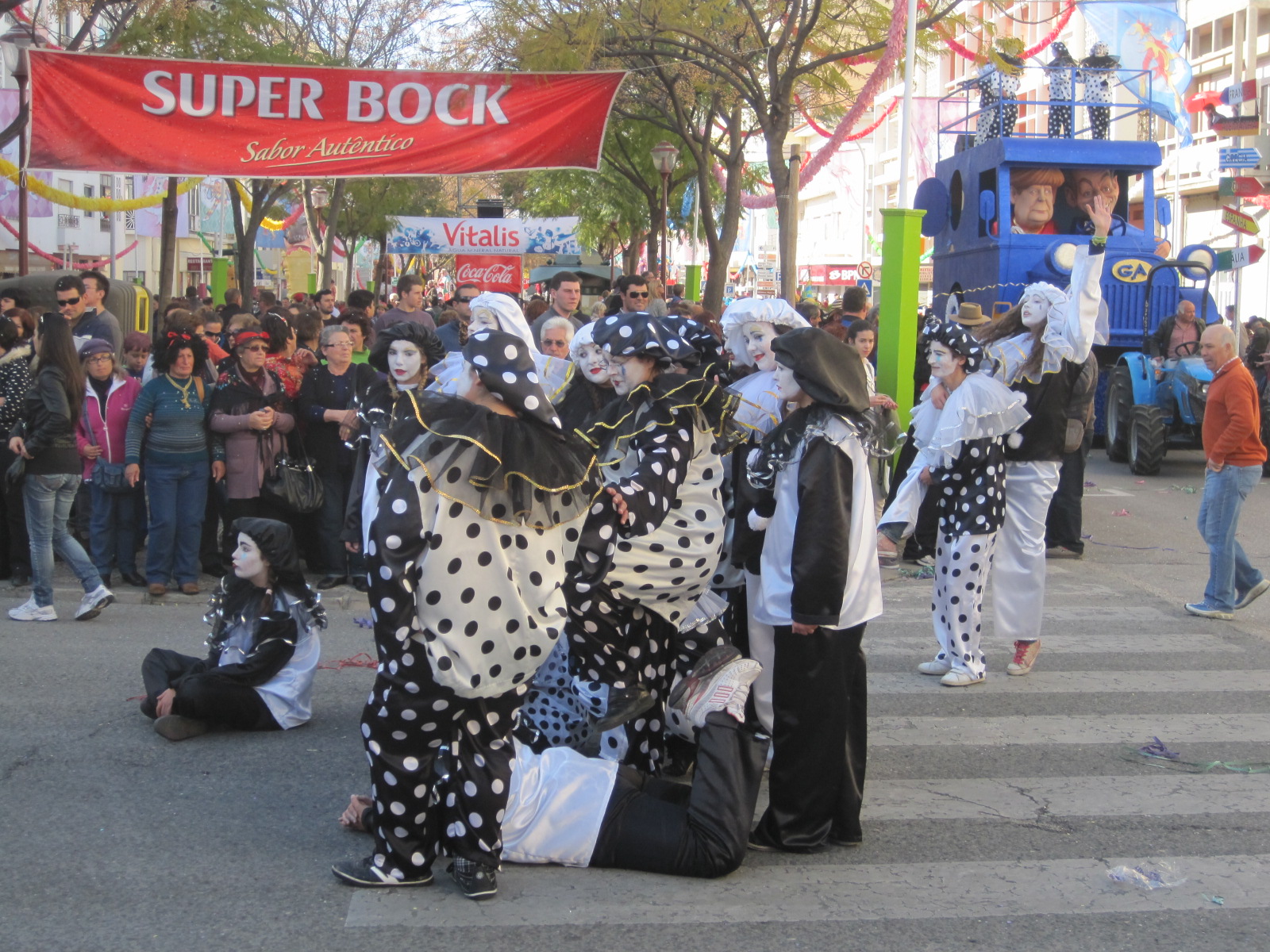
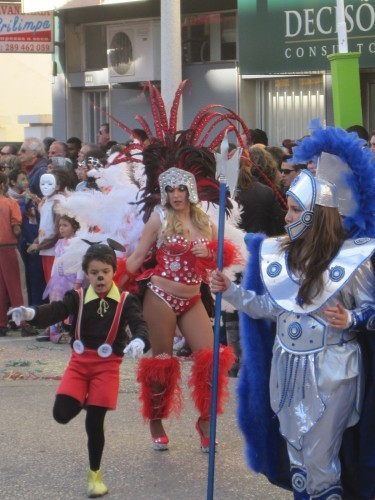
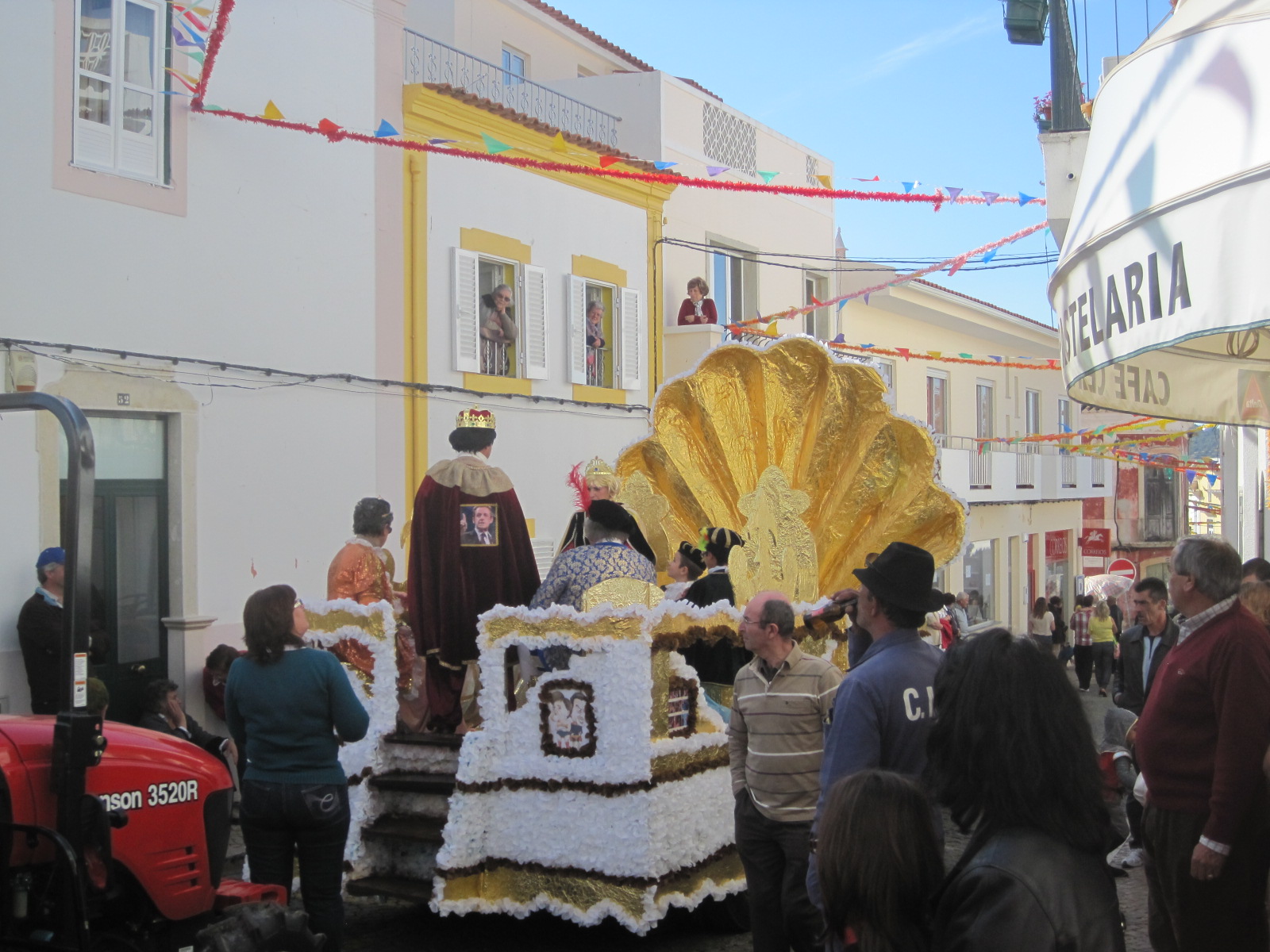
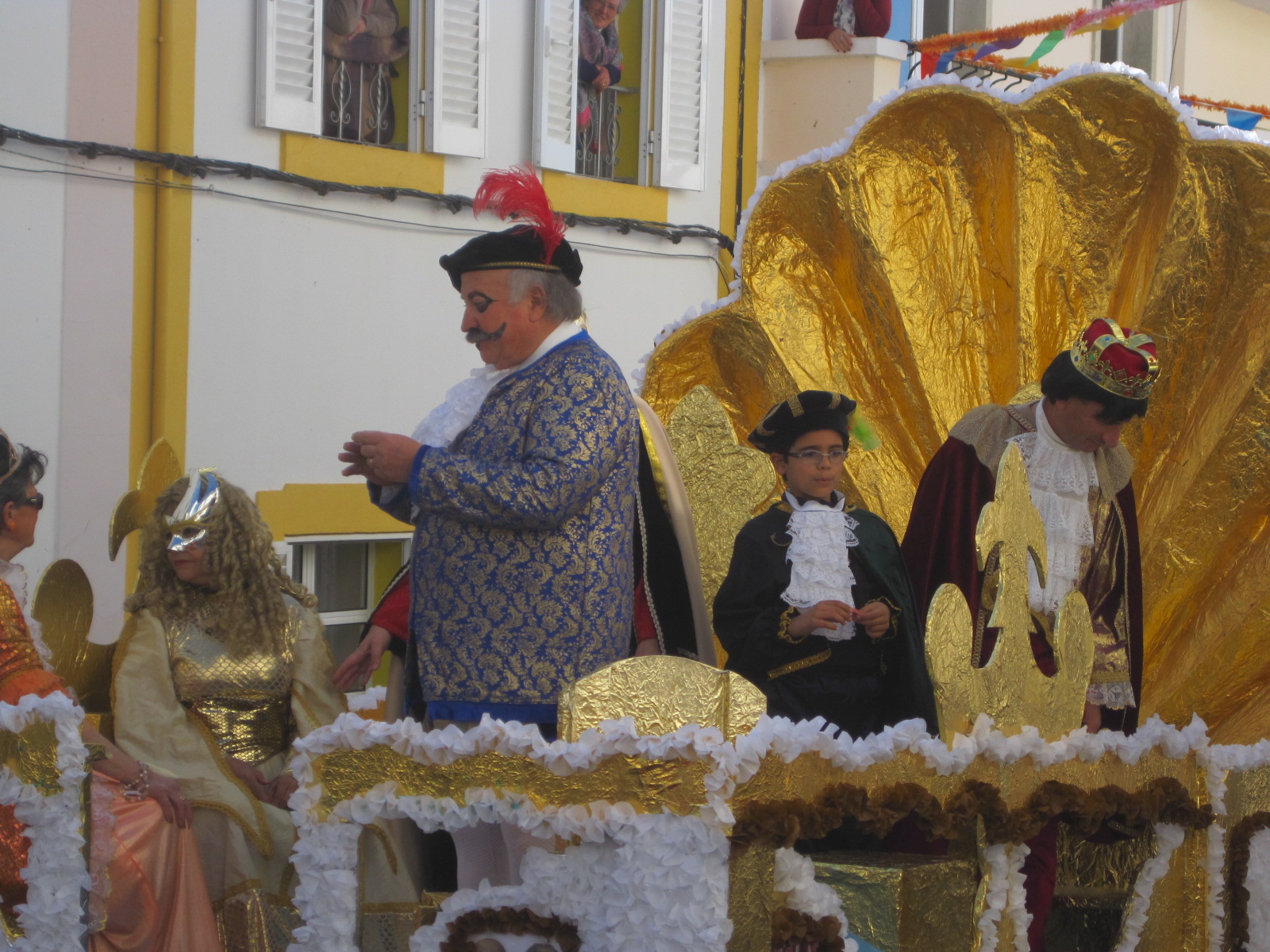
Just a bit more shuffling of feet and the parade was assembled and off.  It was everything you could have hoped for and more- strange characters on stilts, who bent down to engage with the children, dancers by the score, trick cyclists, pierrots, and of course the “Samba” ladies in their provocative outfits.  As each float pulled to a standstill hoards of paper streamers and tiny keepsakes were flung into the crowd.  As the sun sank behind the buildings I had to jiggle harder to the music to keep warm.  It took over an hour for all of the floats to pass by- 2 euros very well spent.

Our dancing ladies were just feet away when Michael decided that enough was enough- he wasn’t going to be involved in another round of embarrassment.

My all too brief moment of fame, then I had to give the hat back!

We really did have a great time, but it was in fact our second experience of Carnaval, Algarve-style.  The event runs for three days, culminating on Shrove Tuesday, and on the previous Sunday we had gone to a far more low key and traditional style of parade at Paderne, a small inland village.  We were familiar with the village having spent time there seeking out an exquisite art gallery, Corte Real, and on another occasion following a trail to Paderne Castle.

The church at Paderne

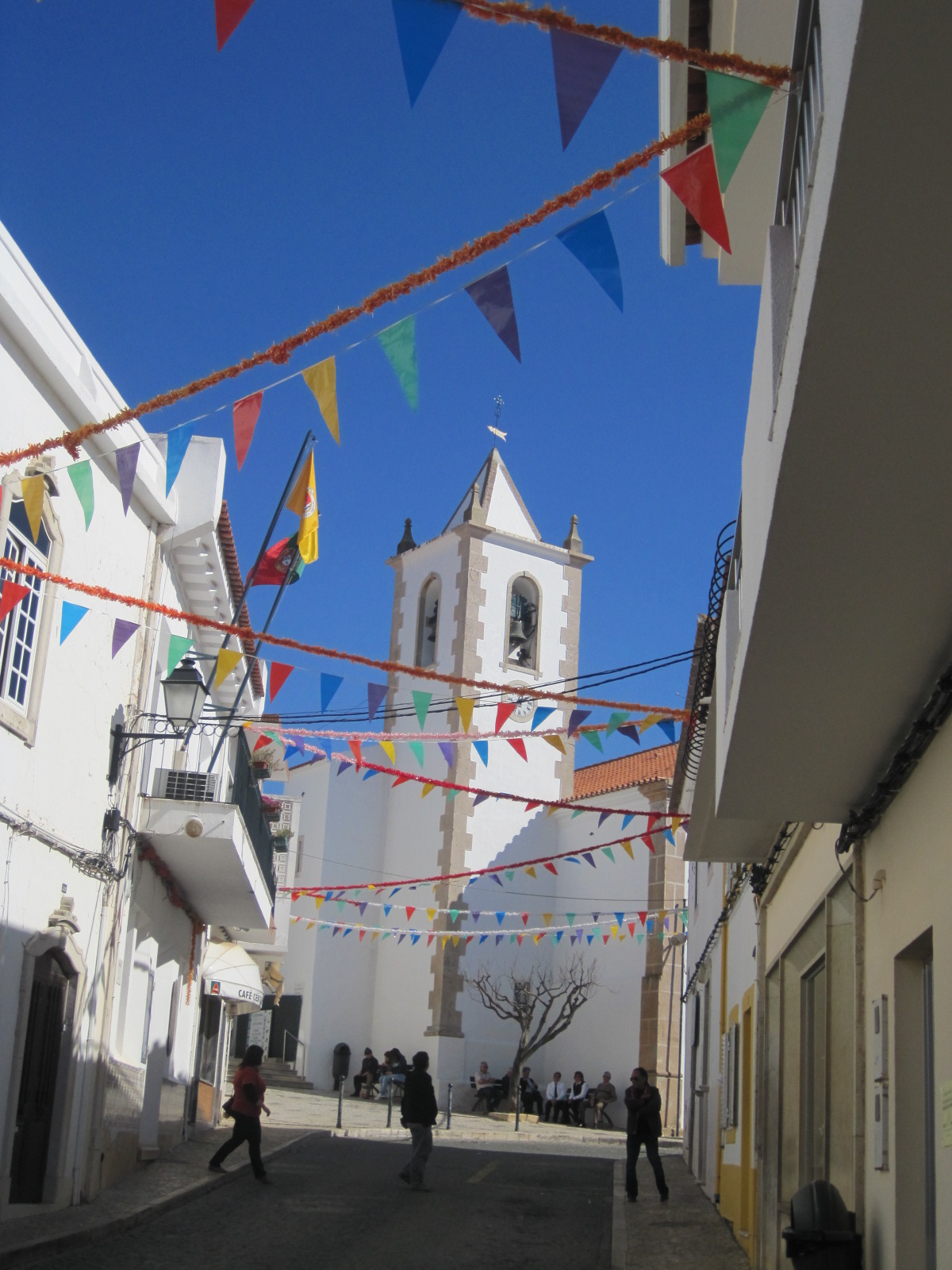
Paderne regularly fools us and this time was no different.  Apart from some streamers overhead there was little sign of life in the village so, assuming we’d got it wrong, we set off for a stroll in the sunshine, down to the Fonte, a rather intriguing spring.  Half an hour later the village had mobilised into action and suddenly we were in the thick of the preparations.  The excitement was tangible.  Mystified we retired to a tiny café where a captivating toddler, dressed as a fluffy yellow chicken, was passed around its adoring family.  When we poked our noses back out again the parade was about to begin.

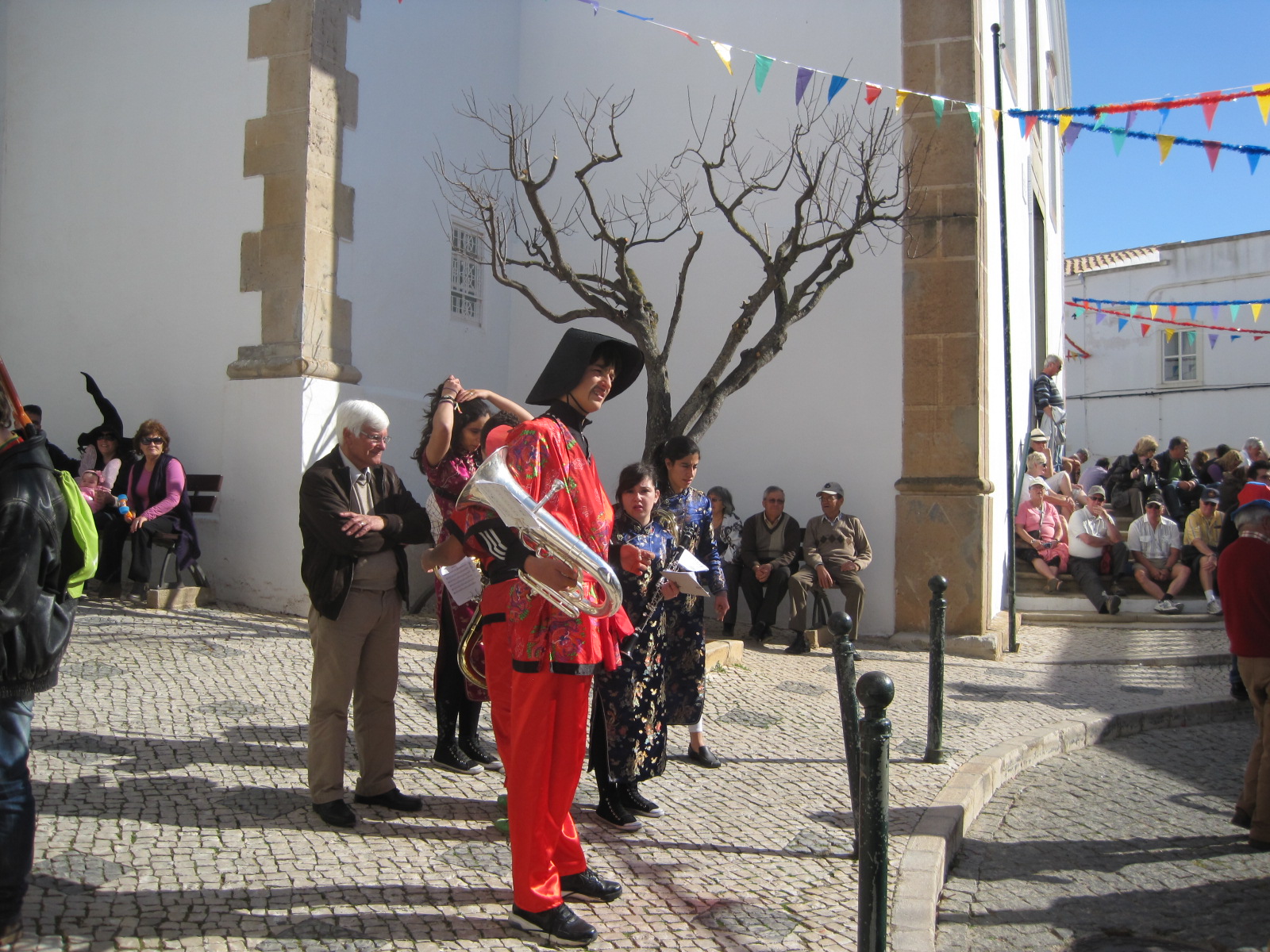
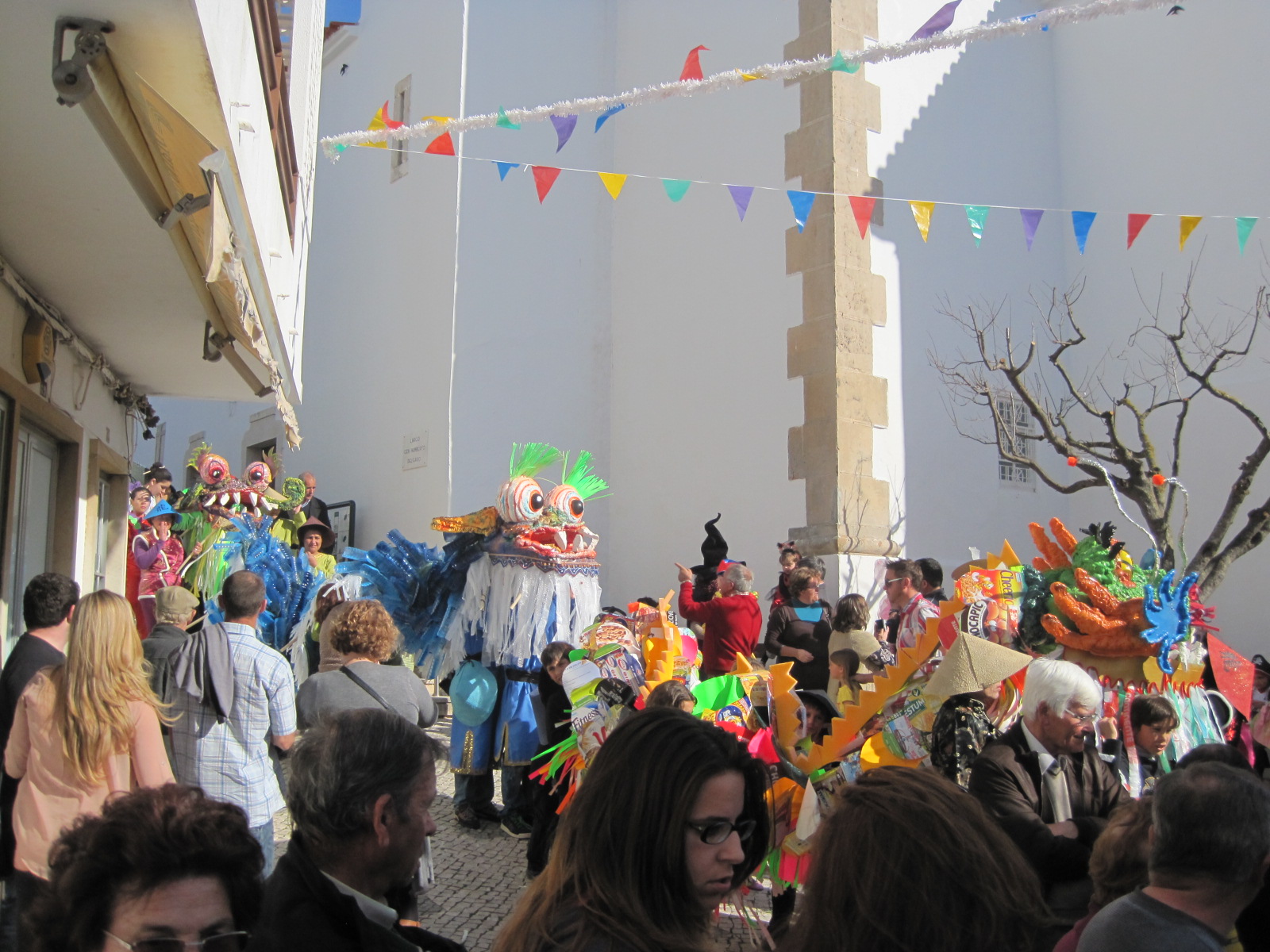
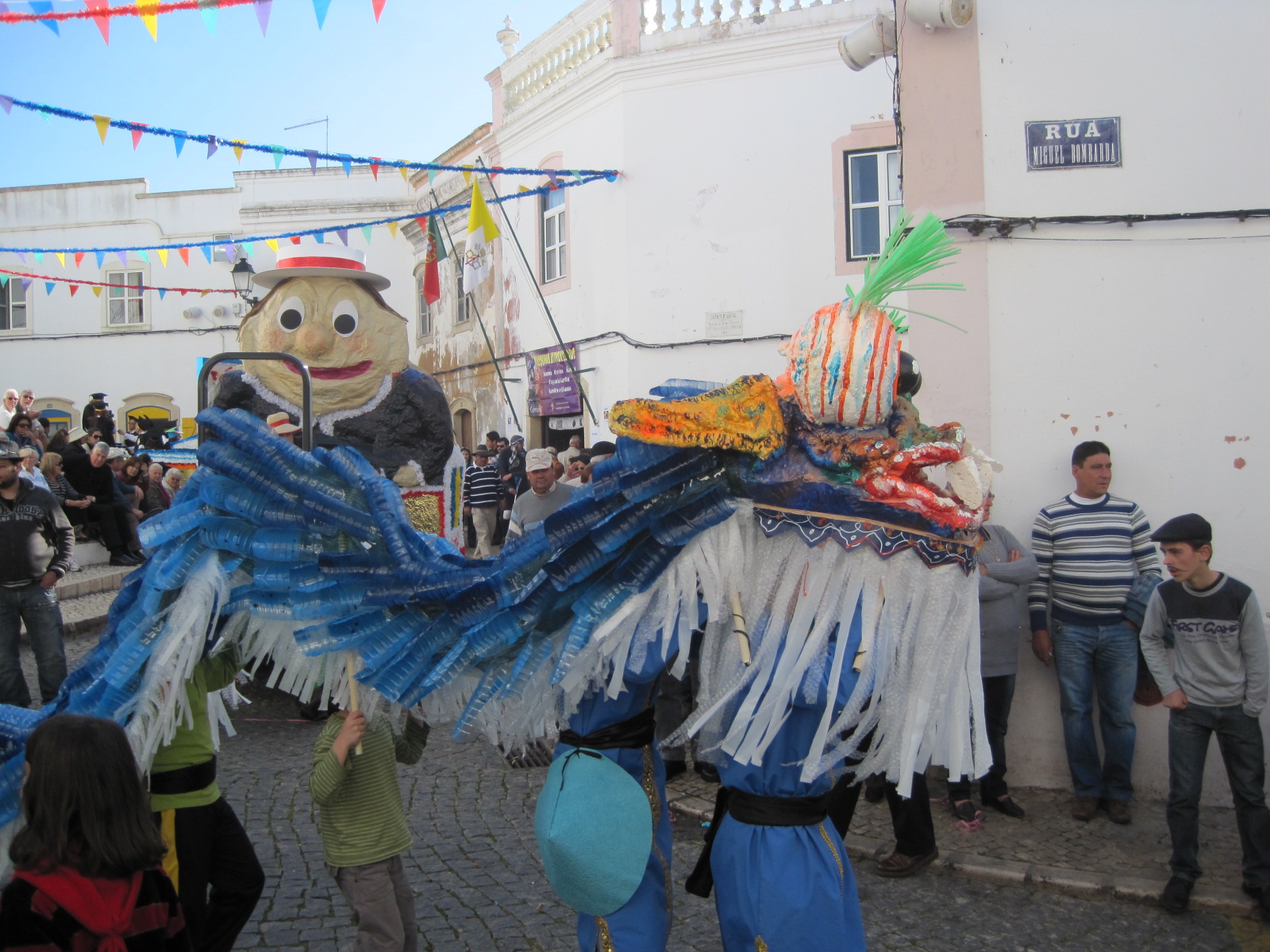
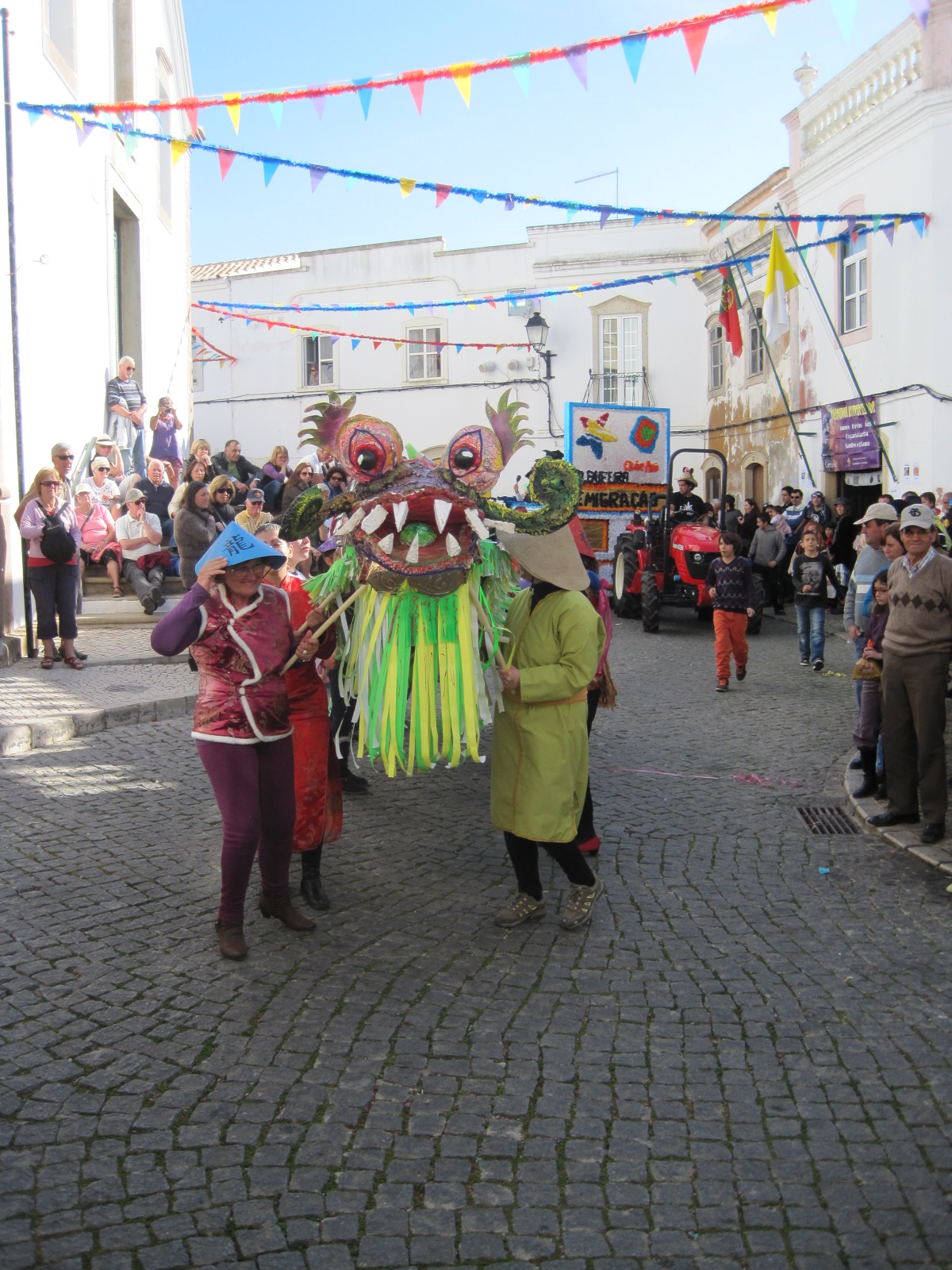
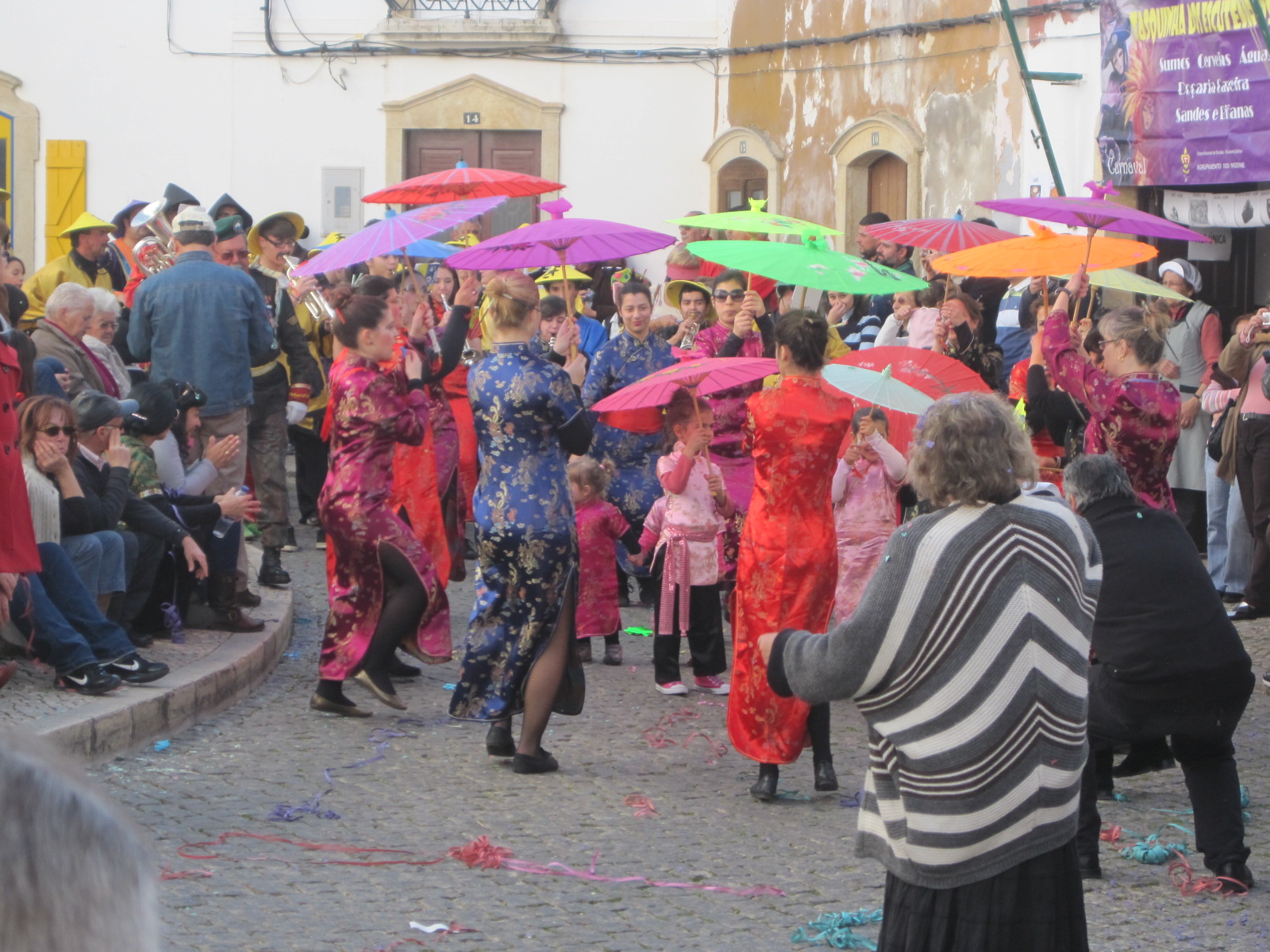
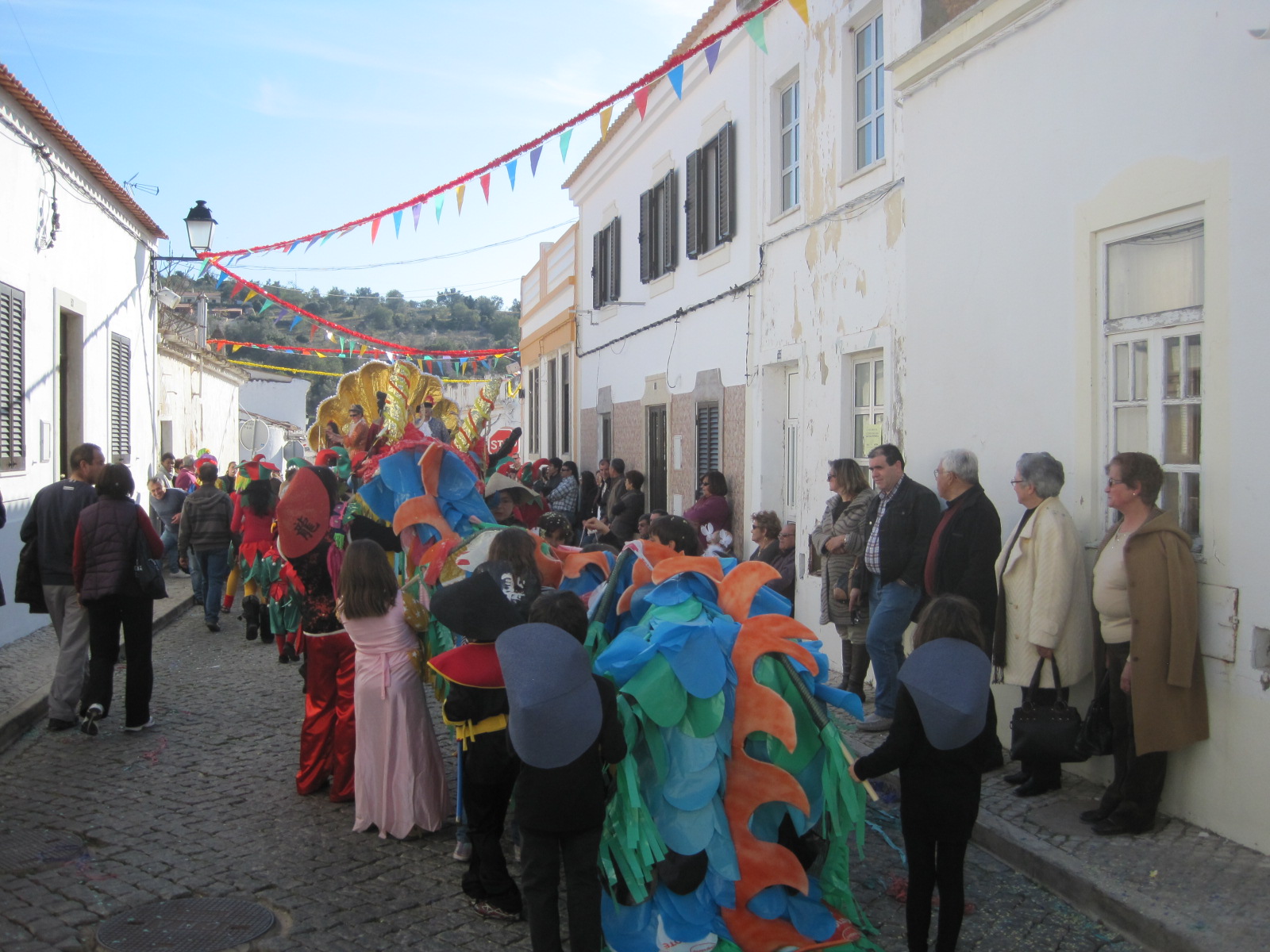
Although much smaller than its Loule counterpart, the procession was no less fun.  The setting was intimate, within just a few village streets, locals looking down from bedroom windows.  The lords and ladies mounted the floats and as they moved off four shimmering Chinese dragons manoeuvred into position.  I was delighted to observe that their scales had been constructed painstakingly from cartons.  The theme was Chinese business and a flutter of parasols and coolie hats took to the streets.

With enormous energy they paraded around and around, and as we made for home there were still queues at the kiosk.  We were left in no doubt that the Algarveans know how to party.

I’m entering this in the word a week photography challenge on celebrations as it just seems to fit so well.

Six Word Saturday

Music in the Churches of Tavira

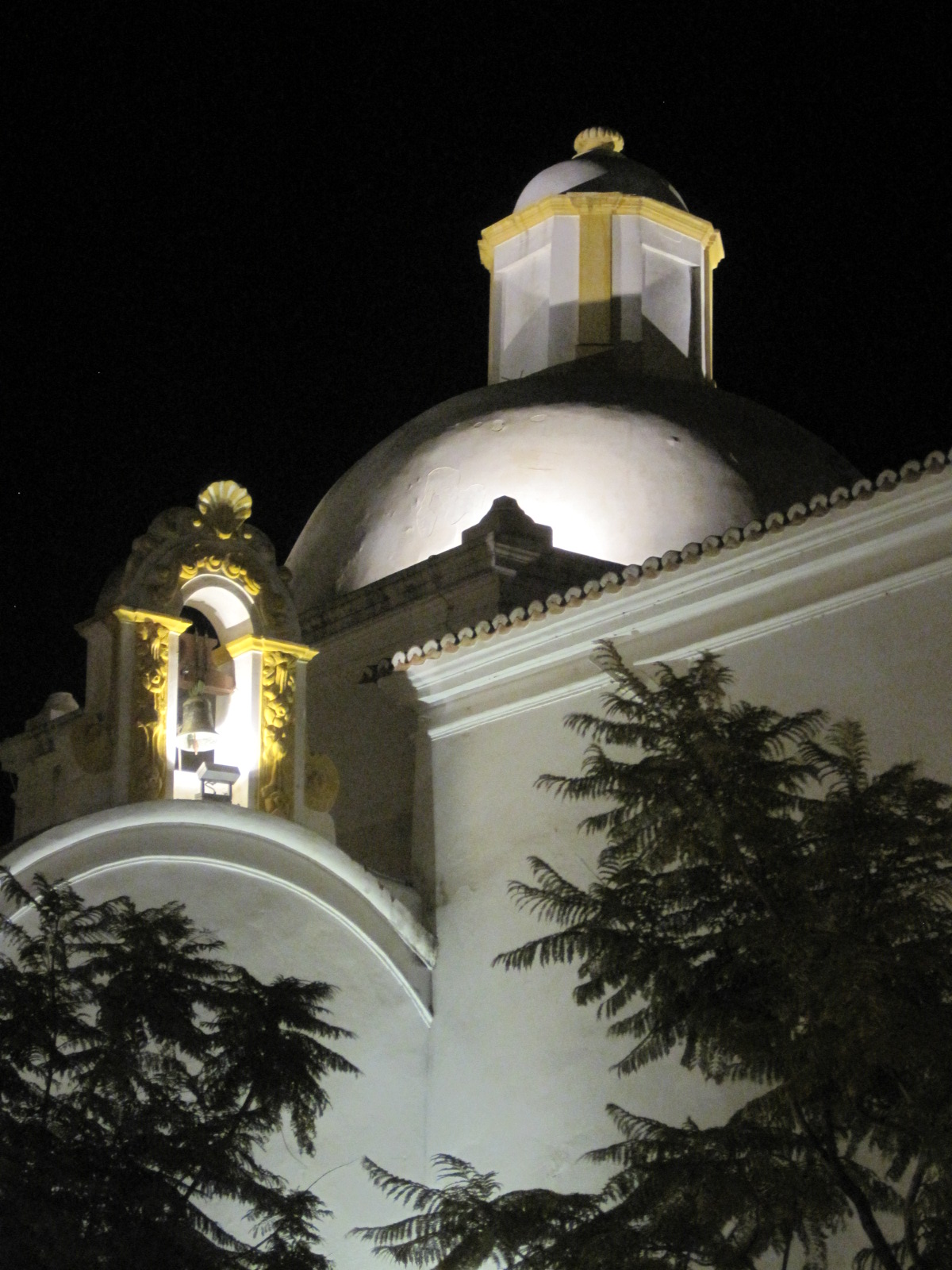
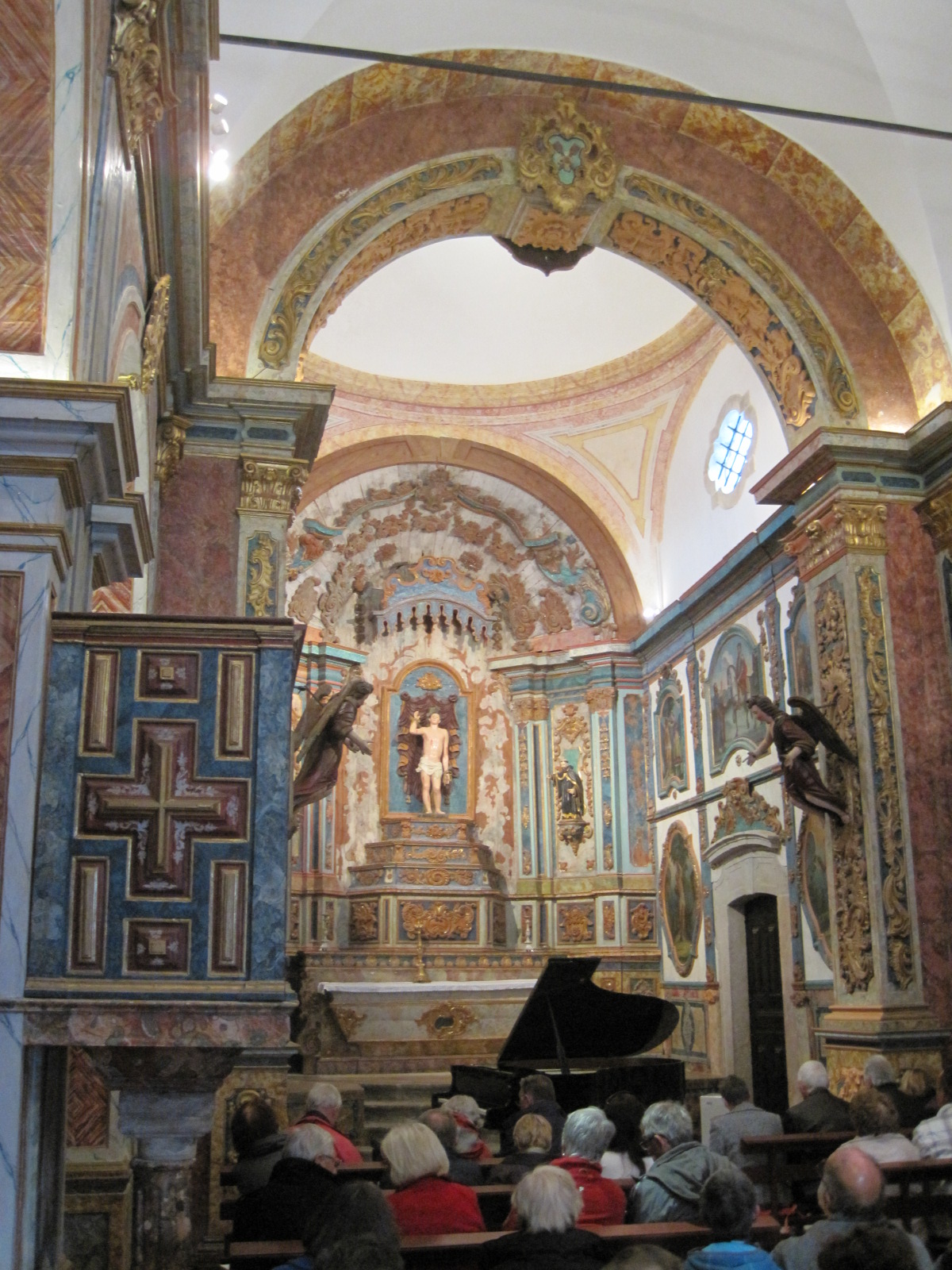
Sao Sebastiao Church, Tavira

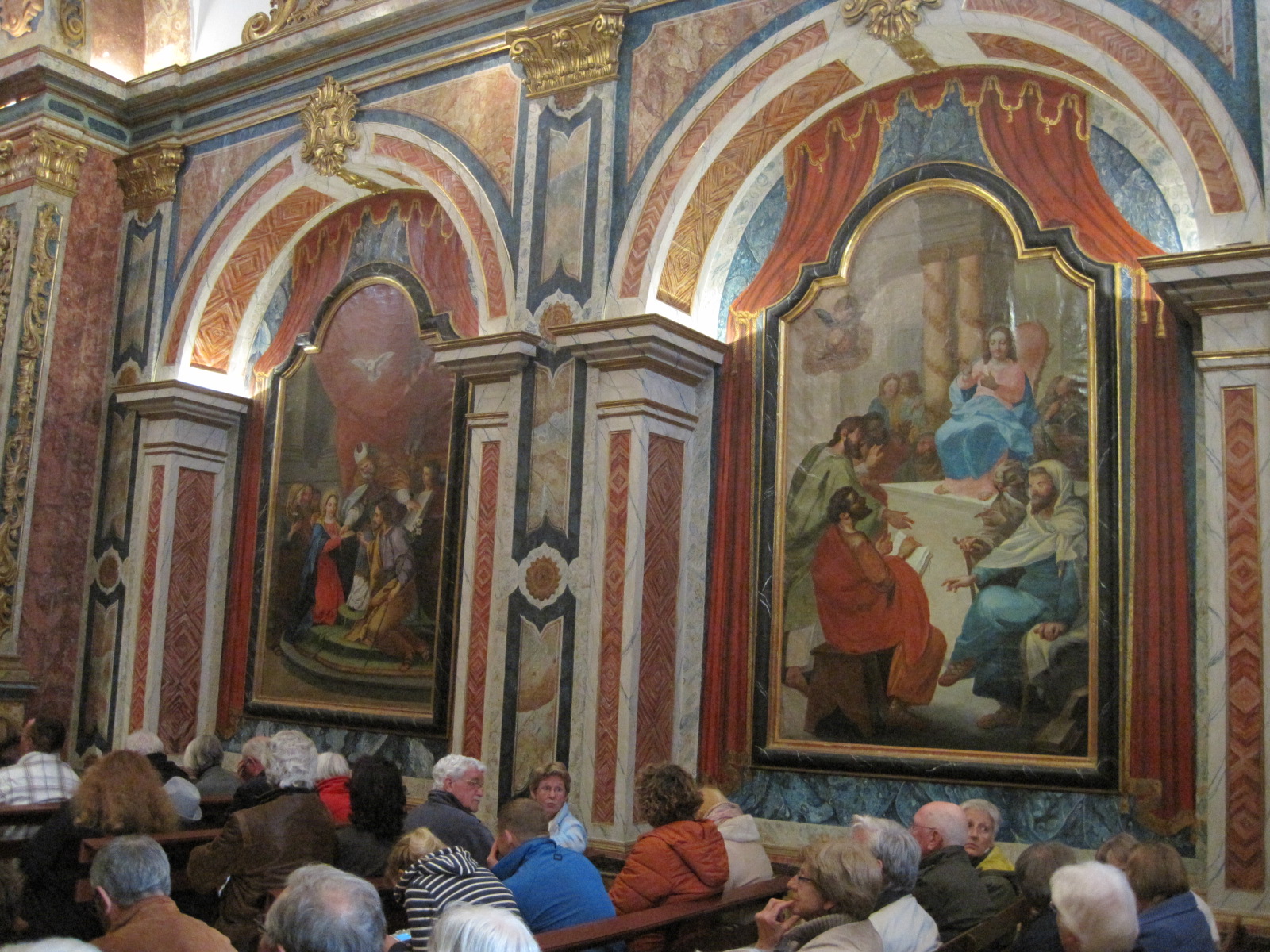
The Tavira Academy of Music have been running “Music in the Churches” for 5 years now.  It’s a wonderful opportunity and also a huge pleasure to lend support to the community, for just 2 euros.  Last Saturday we were treated to a superb performance of Mozart, Chopin and some of his own work by pianist Luis Conceicao. (wearing an overcoat and woolly muffler, bless him- it was a little “fresh” in the church)

I would love to be there for this weeks classical guitar performance by Rui Mourinho- alas I’m back in England, but with some lovely memories.  If you’re nearby he’s at Sao Sebastiao Church 6-7pm this evening.  The venues vary week to week.

Why not join in with this Six Word Saturday challenge?  The details are all on http://www.showmyface.com

Six word Saturday

Gone to the Algarve- back soon!

Spring in Tavira

Estoi Palace gardens- under restoration

Ponte Romana, Tavira

Don’t forget to visit Show my Face for some more inspiration.

Back in time to post next week!

D is for Douro

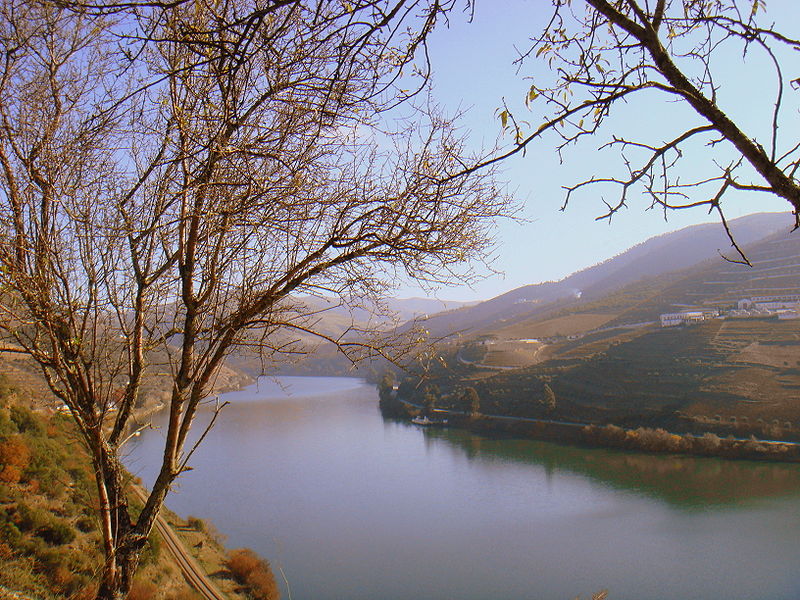
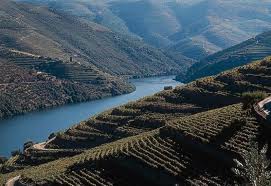
Rio Douro- the river of gold

This post is entirely aspirational.  I have long wanted to visit Porto and to cruise the Douro Valley.  So far we haven’t found a convenient flight from the UK and it’s quite a way north from the Algarve.  So permit me to dream a little.

Upper Douro by Gustavo Motta for Wikipedia

The River Douro rises in Spain and flows 897 km till it reaches the Atlantic at Porto.  Over 100 of these kilometres form the border with Spain in a series of narrow canyons- an effective barrier between two often warring nations.   The third largest river on the Iberian Peninsula, in recent times the river has been tamed by a series of locks and dams, making it navigable for all of its Portuguese length.  Looking down from the sky I always try to fathom whereabouts on the Douro we are crossing as we make our way back to Northern Europe.

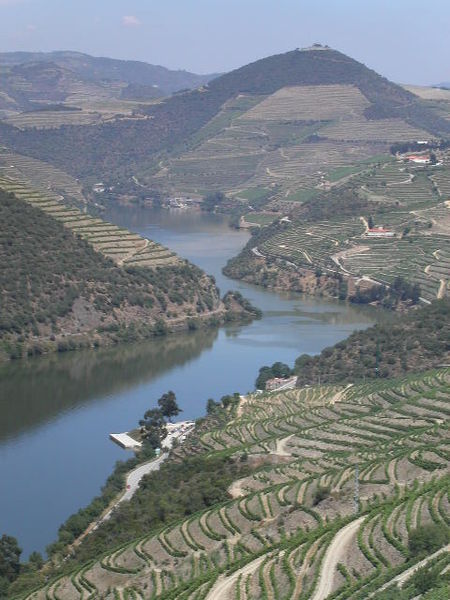
Peso de Regua, by Husond for Wikipedia

The Douro is blessed with a microclimate which creates exceptional conditions for the cultivation of almonds, olives and grapes- in particular the variety of grape used in the production of port wine.  It’s no secret that I love to sit by the banks of a river with a glass or two of port.  Hopefully one day that river will be the Douro.   The region around Pinhao and Sao Joao de Pesquiera is known as vinhateiro, the centre of this liquid gold, and the quintas lining the riverbanks testify to the success of the enterprise.

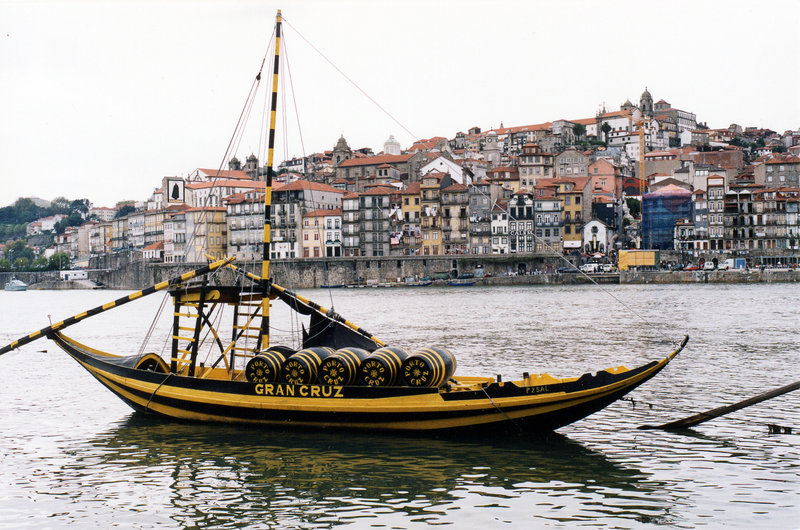
Barco rabelo by Thomas Seibel for Wikipedia

Traditionally the wine was transported down the river in flat-bottomed sailboats called barcos rabelos , some of which can still be seen today at the quayside in Vila Nova de Gaia, opposite Porto.  It was stored in oak barrels to mature in the cellars of numerous wine lodges.  After blending it would be bottled then stored again till reaching the level of maturation for that particular brand.  Names like Sandemans, Cockburns and Taylors are familiar friends.

A story goes that port was originally discovered by two English gentlemen, staying at a monastery in the Upper Douro.  They found that by adding a little brandy to the local sweet wine it would be better fortified to withstand the long sea journey home.  More probably, following a period of exceptionally warm weather in 1820 unusually sweet grapes were produced which was much to the taste of the British.  In order to capitalise on the British market the wine companies added aguardente or brandy to stop fermentation and fix the sugar content.

Vinhateiro

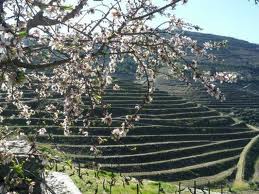
How am I going to get around so that I see the Douro from every angle?  There seem to be lots of choices.  One thing’s for sure, I will be visiting Sao Bento railway station in Porto, not just to see its magnificent azulejo tiles but to travel up the valley.  If I’m lucky I may even catch the Saturday steam train (May to October).  I know that the colour of the vines in Autumn is a spectacular red-gold, and that white blossom clothes the valley in Spring.

Blossom time in the Douro

The Dom Luis 1 Bridge leads over the river and into Vila Nova de Gaia and from here you can take a 50 minute trip beneath the bridges to admire Porto’s skyline.  This is just a taster.  The true beauty of the Douro reveals itself on a lengthier cruise up river.  How far you choose to go depends on how long you have available, and your tolerance for messing about in boats.  Mine is infinite, but if you’ve just come for peace and quiet you’ll be perfectly happy with a good book and the gentle slap of the water.

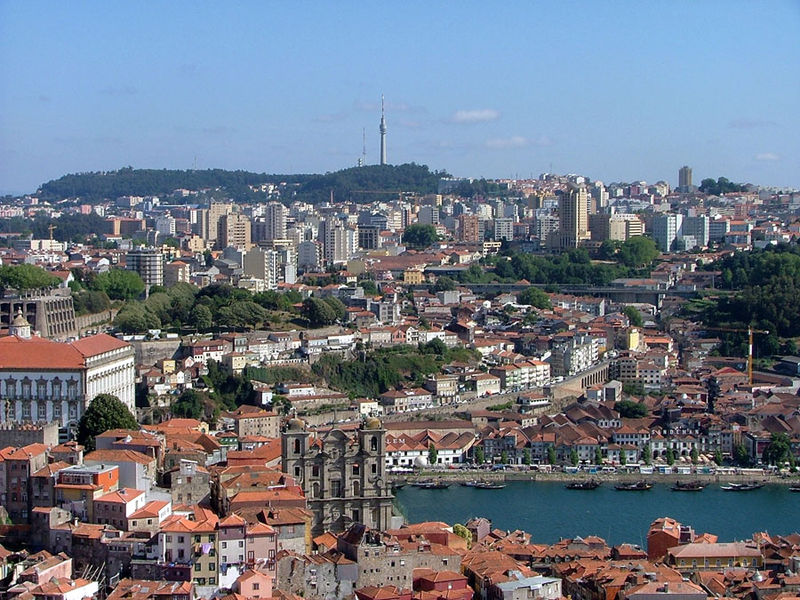
Vila Nova da Gaia,seen from Porto,by Jonik for Wikipedia

My impression is that the further you go up the river the wilder the scenery becomes, east of Pinhao with its beautiful railway station, the most spectacular.  I’m looking forward to the deep locks that have calmed the raging rapids.  You can combine a cruise with train journey for the best of all possible worlds, or to help shorten your trip. Peso de Regua is the collection point for the wine and from which it used to be shipped down river.  Less romantically these days transport is by tanker, but you can still see the sailboats in action at Porto on 24th June, the festival of Sao Joao.

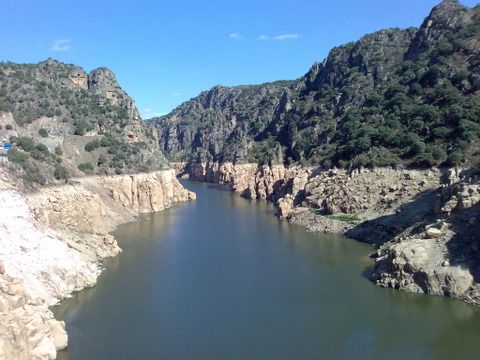
The Douro, near Miranda, from Wikipedia

You can drive up the valley for fine views but this is never much fun for the driver.  The train runs beside the Douro from Regua out towards the Spanish border, passing Pinhao and then crossing to the opposite bank all the way to Barca de Alva at the Spanish border.

Of course, you can also do the 5 star cruise from Porto all the way across into Spain, and take in the historic city of Salamanca.  This isn’t really my way (too easy! says husband Michael- and certainly not cheap).  I just know I’d want to linger somewhere that the boat didn’t, but I did say that I could dream and Salamanca does sound tempting.  Maybe for a special birthday?

http://www.portugaltravelguide.com/en/pinhao.htm will give you a flavour of the area.  Be sure to check out Amarante and Mesao Frio as well as Regua and Pinhao.

www.cp.pt/StaticFiles/CP/Imagens/PDF/Passageiros/horarios/regional/porto_regua_pocinho.pdf  provides basic rail information but you need to seek further for the steam train.  Now I’ve completed this I can’t wait to book!

My previous A-Z s of Portugal are:

a-is-for-alte/

b-is-for-beaches/

c-is-for-cacela-velha/

C is for Cacela Velha

There are far more important C’s in all of Portugal than this tiny smudge on the map.  There’s Coimbra, Castelo Branco, or even famous Cascais on Lisbon’s doorstep.  I’d love to visit all of them, but for me this personal C has to be about Cacela Velha (Old Cacela).

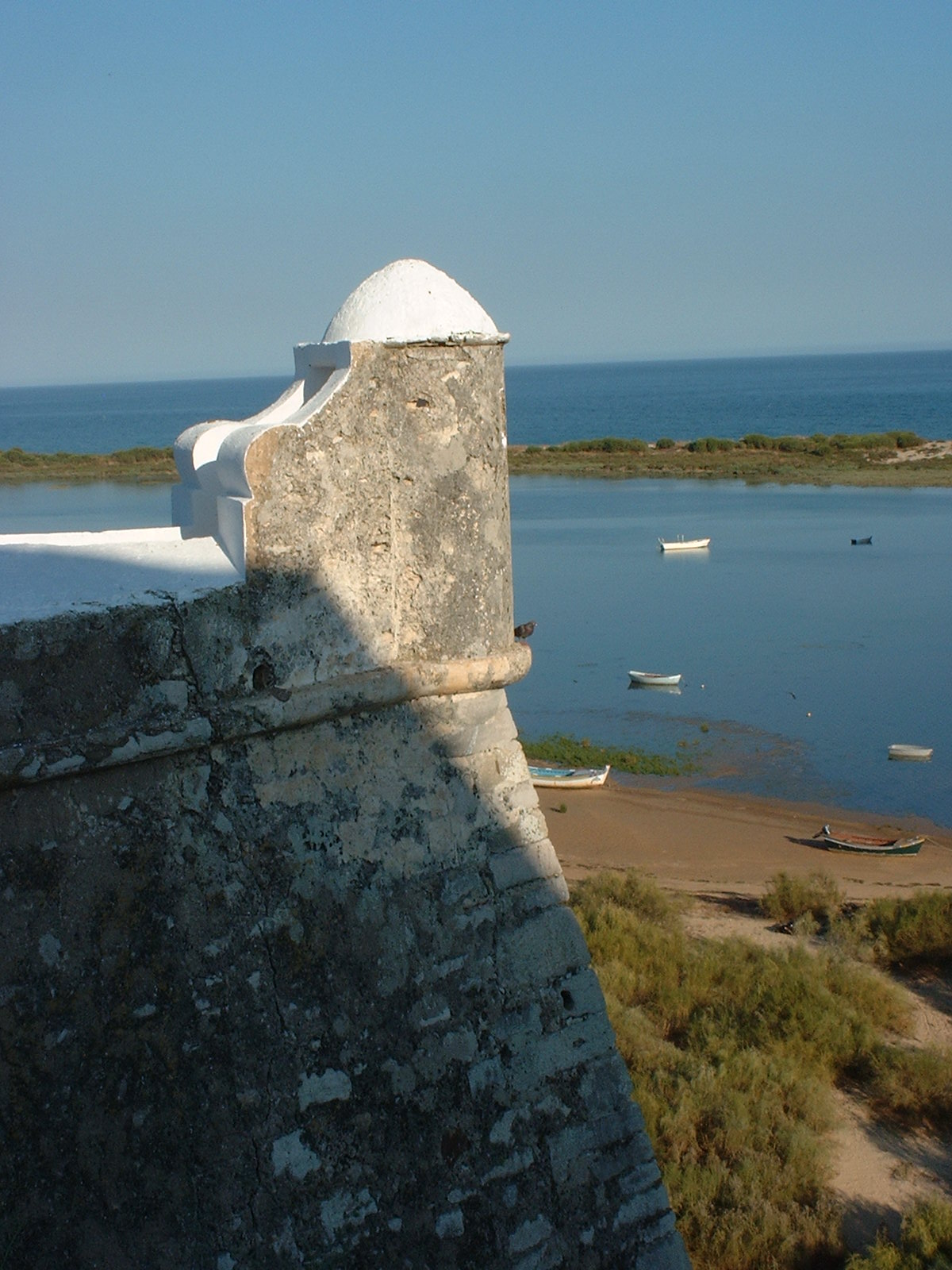
The fortress, Cacela Velha

How does a tiny village on the cliff edge of the Algarve, Portugal’s most touristy spot, cling on to the old days and keep faith with its roots?  I’m not sure that it can be done.

When we first came to the Algarve 8 years ago I had been avidly reading any and every book I could find to seek out the best places to visit.  The Rough Guide mentioned Cacela Velha, saying I should get there quickly before it was completely ruined.  I needed no second invitation.

The location has certainly helped to keep Cacela Velha unspoiled,although the bulldozers lumber not too far away.  The nearest bus stop is on the E125, the old road along the Algarve, and a couple of kilometres walk along a twisting narrow road.  In this era of the car that is very little deterrent.  It sits above a beach which by Algarve standards is woeful.  Still you only have to see it to fall in love.  It is a photographer’s dream.

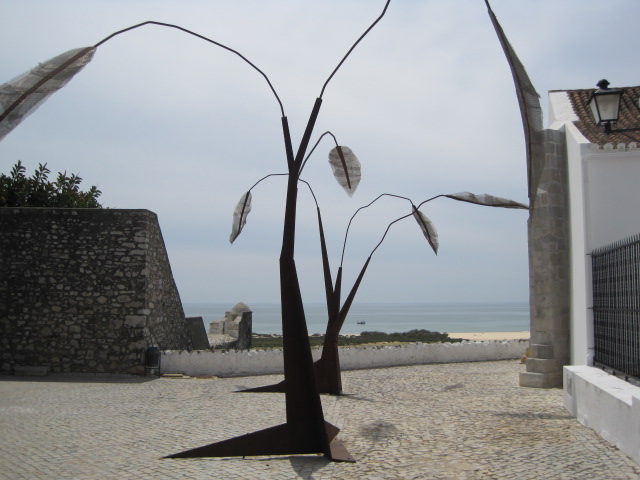
There is now proper parking where once there was scrubby grass, and a piece of “modern art” has appeared in the little square beside the castle walls.  I can live with this, but please, that’s enough!  It doesn’t need “fancification”.  It is truly beautiful in its own right.

New car park above and “artwork” below

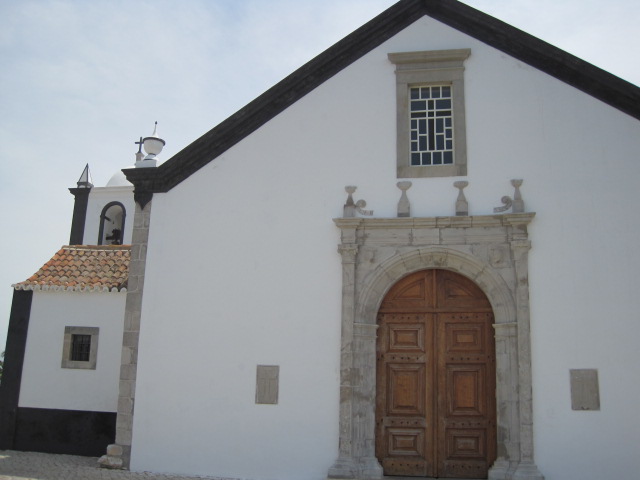
On a grey January English morning, I can picture it so vividly and feel the peace and calm of my first visit.  Just a church on a headland and the remains of a fortress- I suppose Praia da Rocha must have been like this once, though it’s hard to imagine.  A huddle of cottages snooze sleepily together, cats seeming to outnumber people.  An old well is the focal point of the village square, the church and cemetery majestically off to one side.  The magic is there already, but when you follow the path behind the church the vista that awaits you is spectacular.

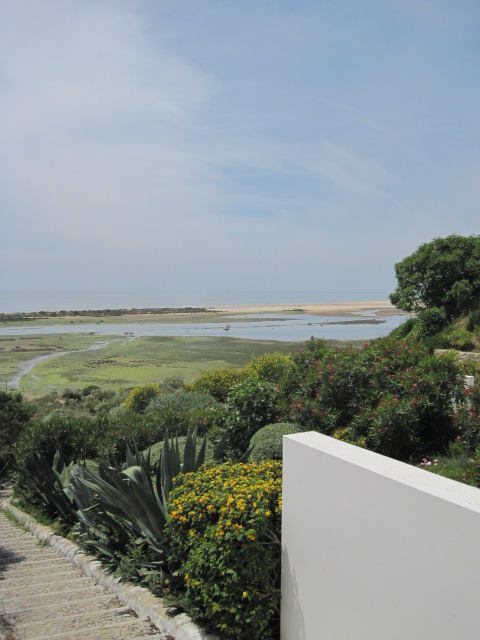
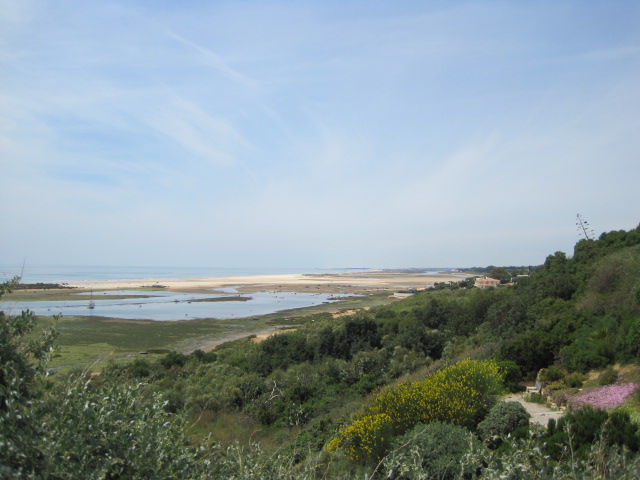
The shimmer of the water as it laps lazily at each sandspit stretches far into the distance, where sky meets sea.  A patchwork of gold and blue and green, I said that the beach is woeful but at this height it’s hard to tell.  You may be lured down the steps for a closer look and to take some photos from a different angle.  I can feel the photographers among you twitching to be there.

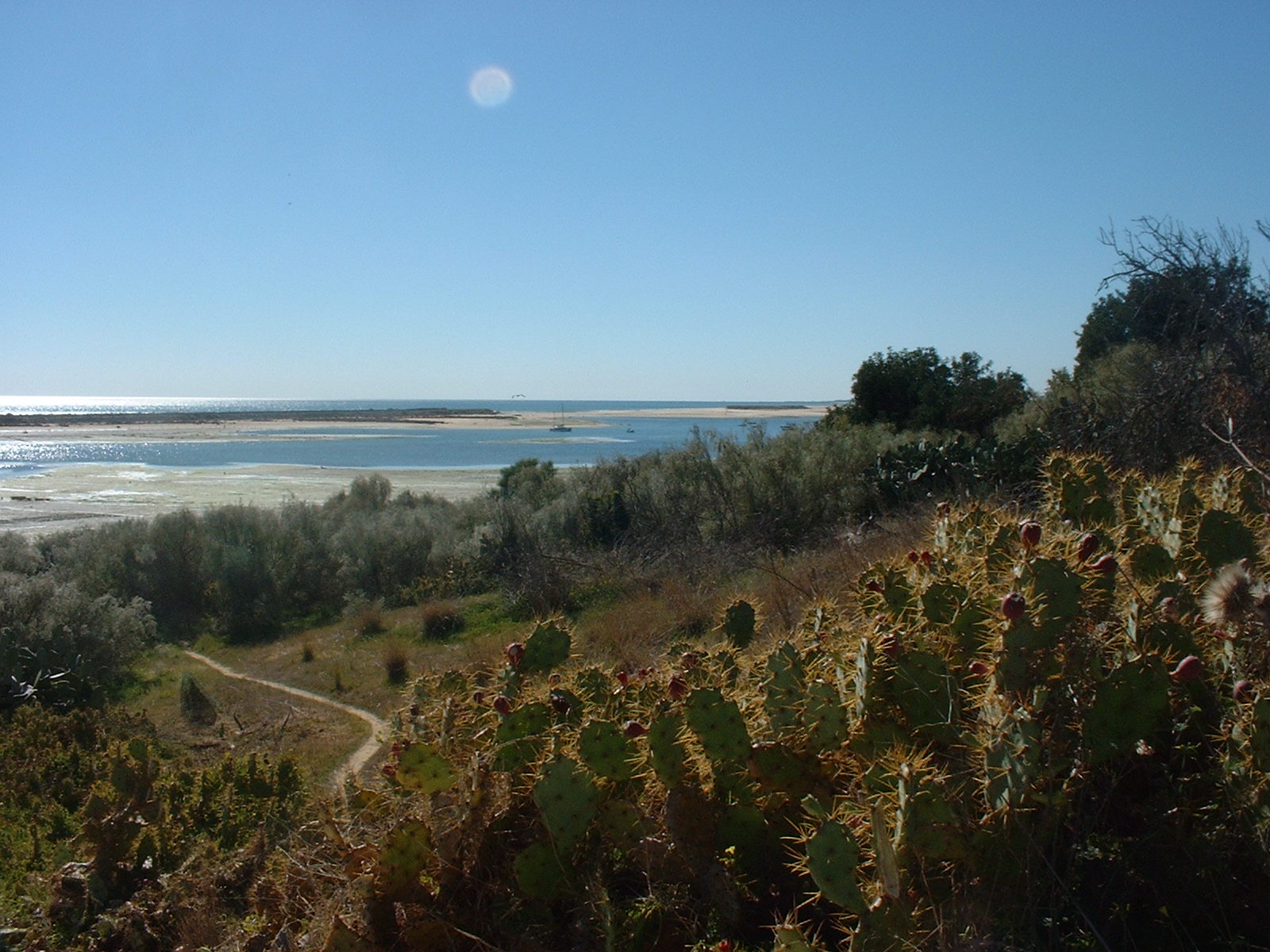
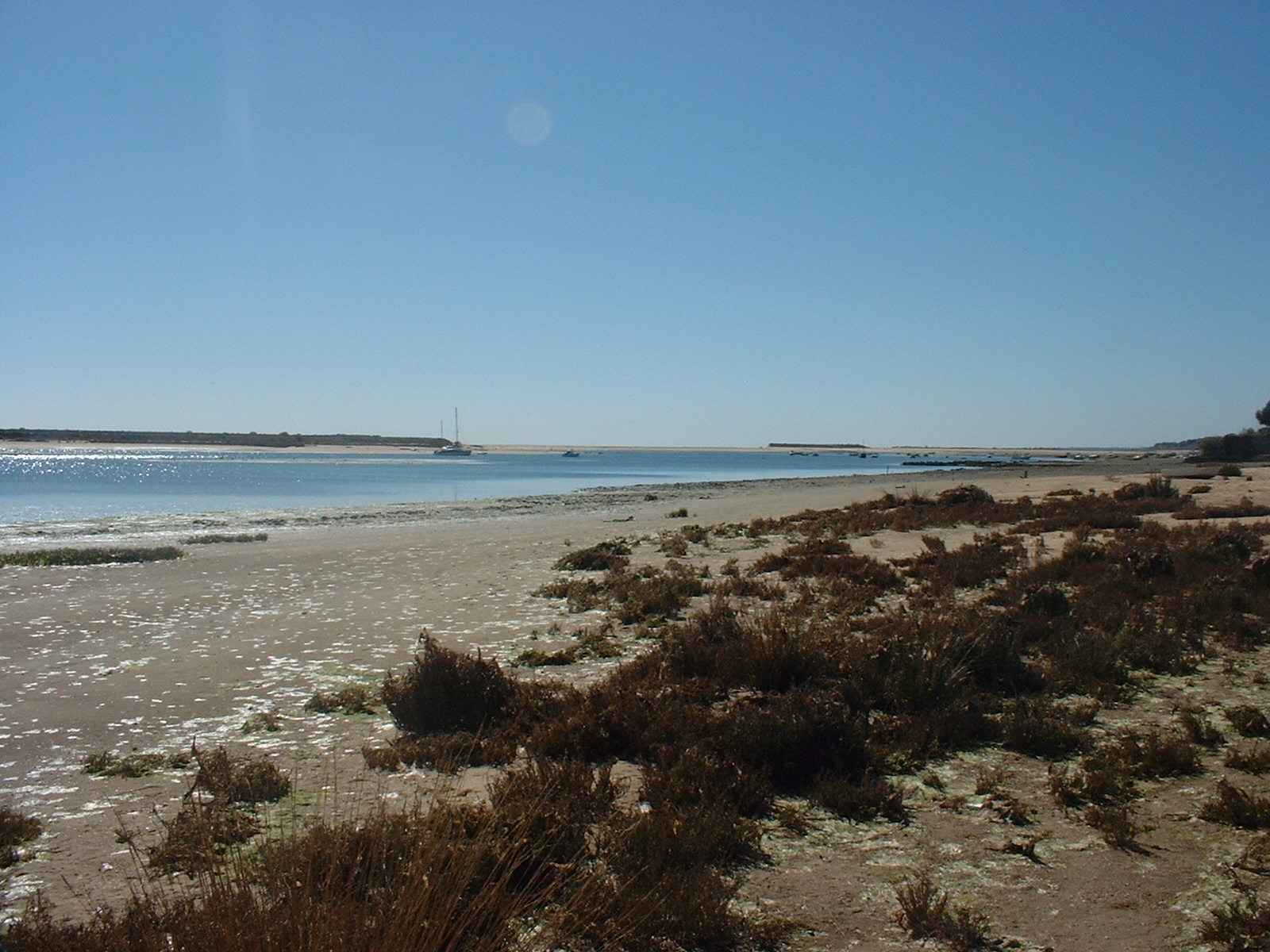
The beach isn’t up to much because it’s far back from the sea and you need to ferry across to Praia de Cabanas for the real thing.  I’ve never actually accomplished this as you need to catch the ferry from nearby Fabrica and parking there is increasingly difficult.  In any case, I’ve never needed to as I can more easily reach superb Cabanas beach from Cabanas itself.  If I then walk and walk and walk along the beach, in the direction of Spain, I come to a channel of water across which I can just make out the church, with fortress beyond, perched up on its cliff top.

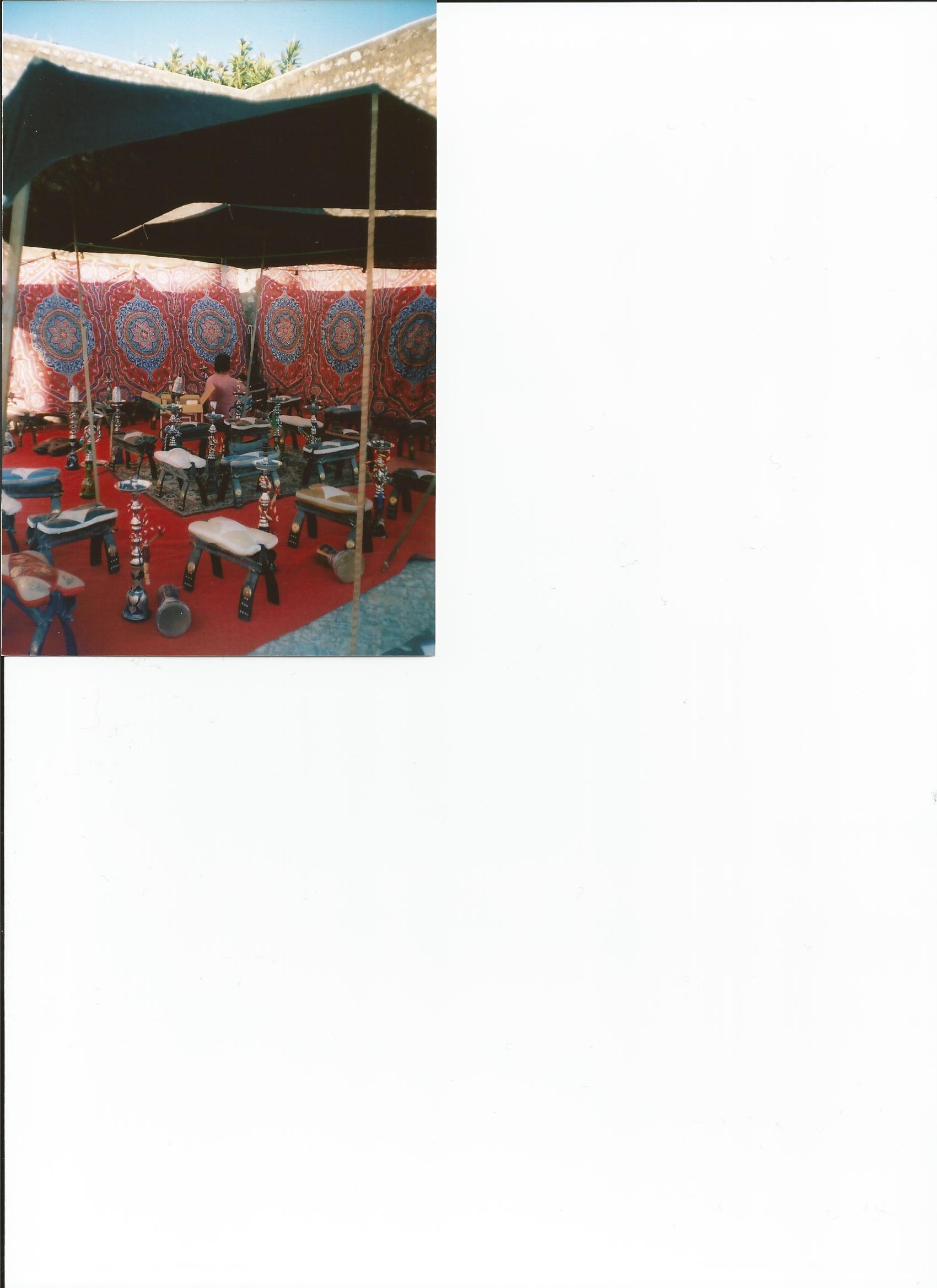
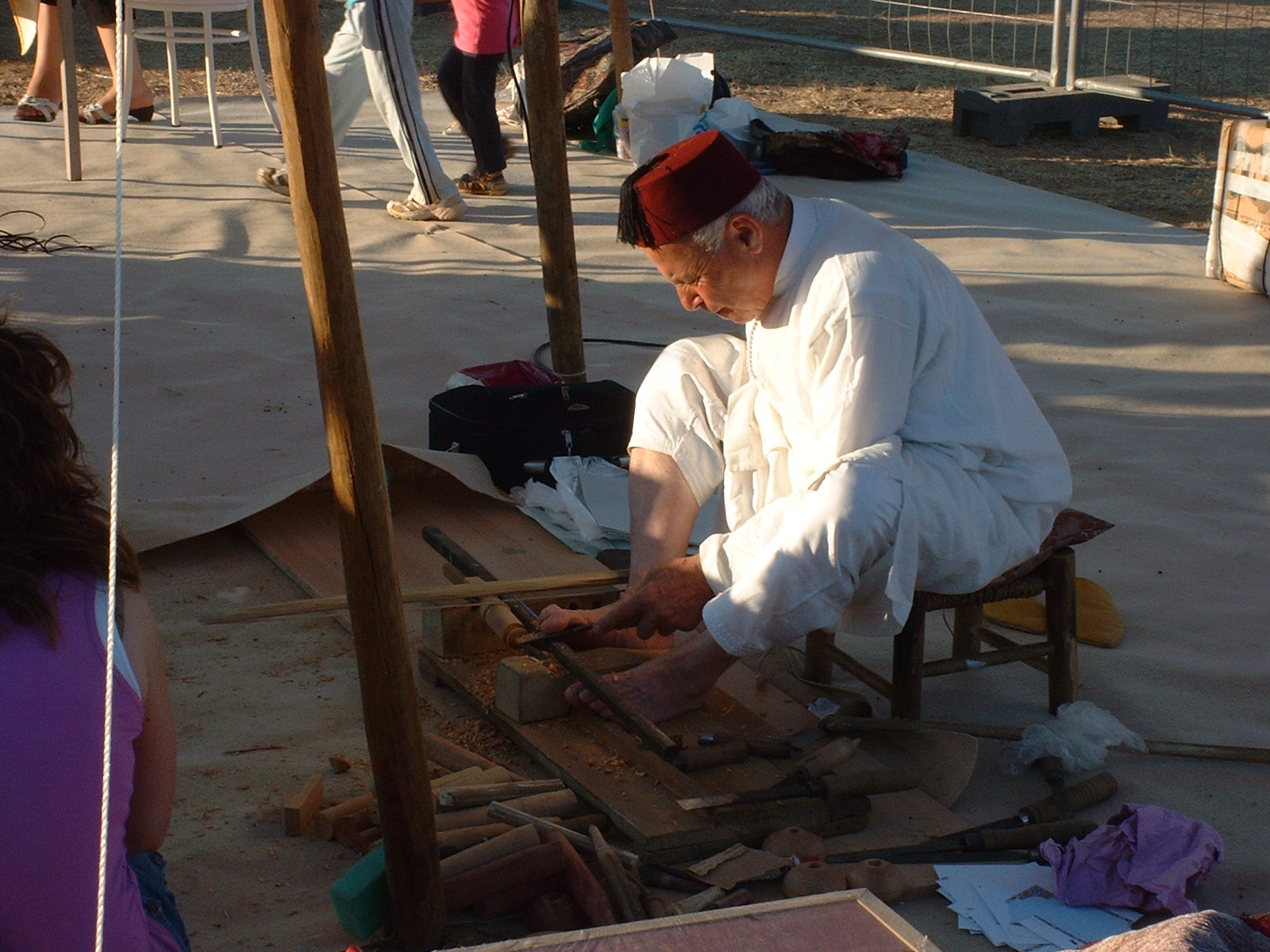
Cacela Velha was a stopover for traders in Phoenician times and in the 10th century was, in Arabic, Medina Qast’alla Daraj, so perhaps it is not surprising that the village comes alive in July to the Festival of Enchanted Nights, Noites da Moura Encantada.  Suddenly the place is transformed and vibrating with life.  Stalls full of trinkets, oriental lamps and elaborate mosaic tables fill the tiny square and spill over into the car park.  Stools, cushions, Berber rugs and hookahs appear, and mint tea is brewed, with an array of tantalising sweets and savouries.  Bizarre but somehow not really out of place, a belly dancer gyrates beneath the fortress walls.  Oriental music and aromas drift around the narrow corners.  A camel paws the ground, while a craftsman demonstrates with his wooden lathe.

But mostly the village is its peaceful self, and happy to be so.  The fortress which once warned of invaders from the sea is now home to the local branch of the National Guard.  A couple of restaurants have come and gone, and currently Casa Velha enjoys good popularity. Despite the proximity of two golf courses, Quinta da Ria and Quinta da Cima, the protection afforded by the conservation status of the Ria Formosa is holding back the tide.  Long may it continue to do so.

So that’s my ‘C’.  Just need to link to Julie Dawn Fox’s hubsite.  You coming along on the A-Z challenge?

B is for Beaches

Ok, it’s predictable I know, but how could I have a home in the Algarve and NOT love beaches?  There’s nothing I like better than an amble along the beach, picking up the occasional shell for the collection.  Flat, calm and twinkly in the sunlight, or raging and frothing, I love being beside the sea.

Beach below Cacela Velha, Eastern Algarve

So where better than Portugal, with its wrap around beaches, north to south?  In theory I could walk the full length, starting off in my treasured Eastern Algarve.  Of course, I’d have to swim the odd river.  Perhaps I should take our inflatable dinghy with me- I’m not that much of a swimmer!  Think of the Podcam I could do, if, of course, I were skilled and steady-handed enough to point the video camera in the first place.

No.  Better to focus on my digital memories.  I’m starting in the east and going west, with a few impressions of the beaches that I love.
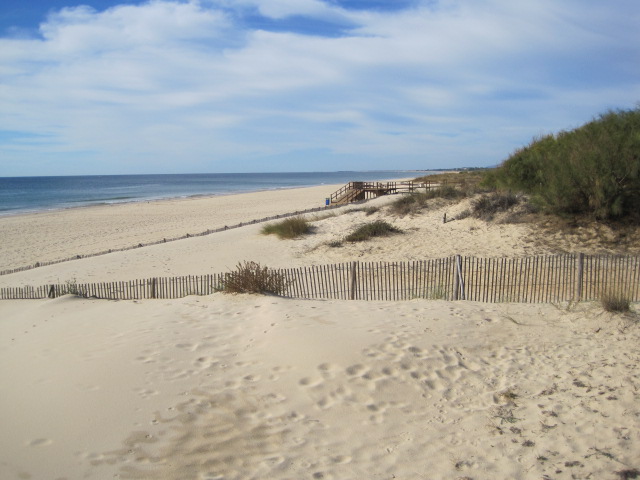
The beach at Praia Verde

Praia de Verde, not far from Monte Gordo, was one of the first beaches ever recommended to me.  The coast at the eastern end of the Algarve is quite flat so I was surprised at the drop down to the beach from what is essentially an upmarket holiday village.  The bay is beautifully shallow and I’ve seen some of the prettiest fish basking in the warm water.  One of the big attractions is the restaurant Pezhinos n’ Areia.  www.pezinhosnareia.com .  It was much more simple when we first visited and less expensive too, but I would still consider it for a special lunch.
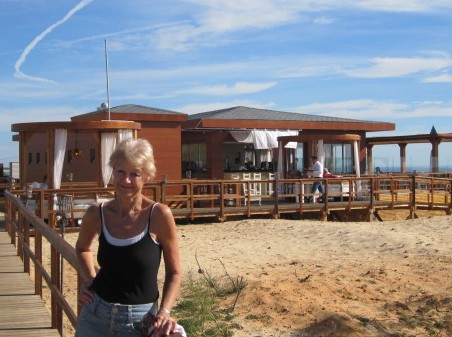
Pezhinos n'areia

Of course, Tavira, my adopted home, can brag of a beach or two, but for the sake of brevity I’m going to refer you to an earlier post of mine.  https://restlessjo.wordpress.com/2011/10/20/impressions-of-an-eastern-algarve-shoreline/
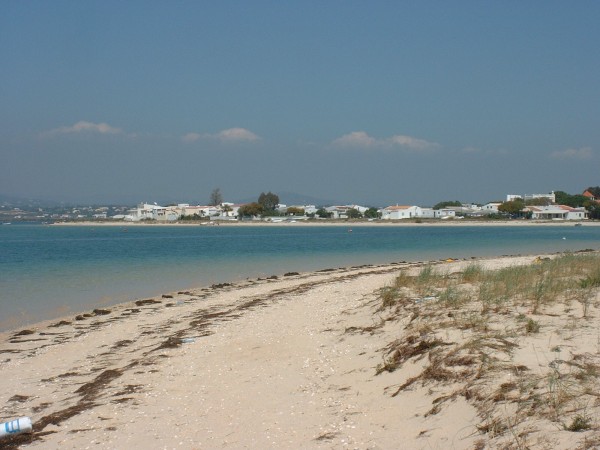
Armona

Armona  This island was a strong competitor for my first post, “A is for”.  It is unlike anywhere I’ve ever been before and I find it hugely charming.  It’s reached by ferry out of the fishing port, Olhao, though you can also visit from tiny Fuseta, such is the length of these offshore islands of the Ria Formosa.

A path wends away from the harbour through myriad dwellings, many of them holiday lets, but they have enormous character.  Driftwood and shells vie with the plants in the sandy front gardens.  As you peak down the narrow lanes between them you catch glimpses of the sea and any one of them will take you to the shore.  If you continue across the island you will come to the ocean facing beach- an endless expanse, sufficient enough even for me!  There’s a beach bar here, or if you return to the harbour you have a choice of restaurants from which to look out across the water.

Livingstone daisies cover the beach in Spring

Barreta  Another island.  Are you sensing a theme going on here?  Also known as Ilha Deserta, this is Portugal’s most southerly point, and a longer ride out of Faro harbour.  Gazing down the beach there’s a real sense of isolation here, until of course, the ferry comes in.  It’s not the place to find yourself in the height of summer as there’s absolutely no shade other than the restaurant O Estamine.  Nevertheless it’s an enjoyable trip out with some compelling views. www.ilha-deserta.com

Once you head east from Faro airport, you reach the Algarve with which most people are familiar- red cliffs and golden sand speckled with rose.  It’s just one long glorious beach, backed by a variety of resorts.  Stacks puncture the sand and walking the cliff tops is a joy.  Commerciality has spoilt some of it, but in low season the beaches from Vilamoura to Lagos are more relaxed and it’s possible still to enjoy the wonderful beaches that brought development to the area.
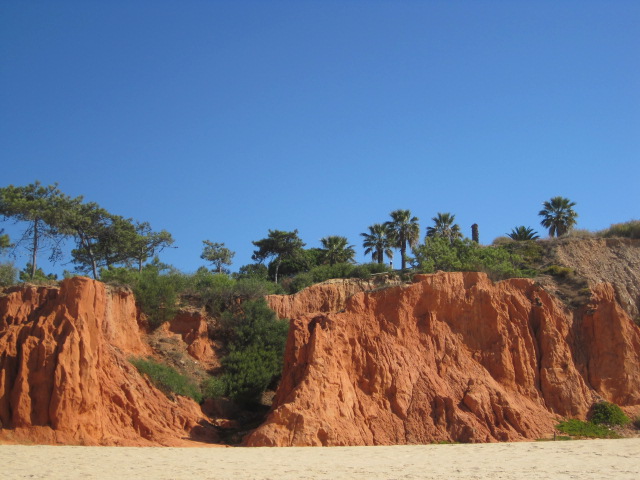
Vale de Lobo
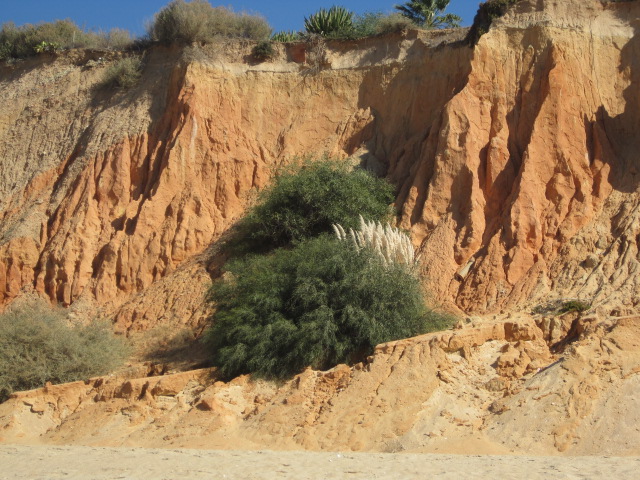
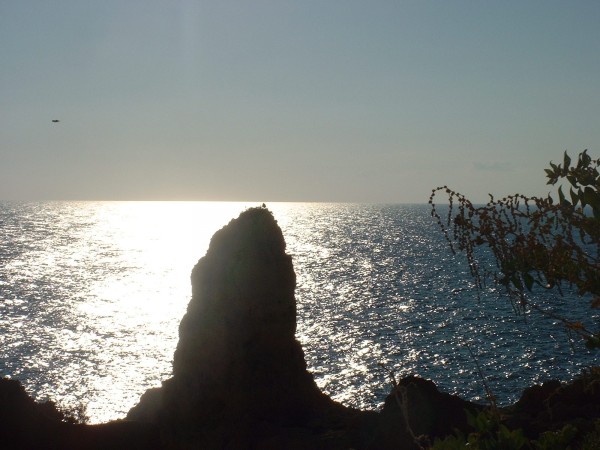
Algar Seco, Carvoeira
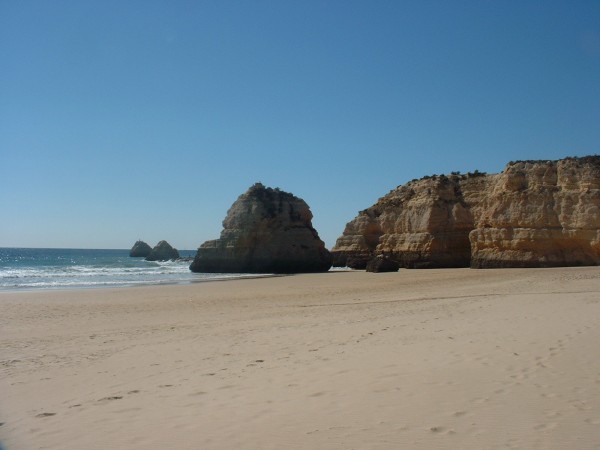
Praia da Rocha, off season
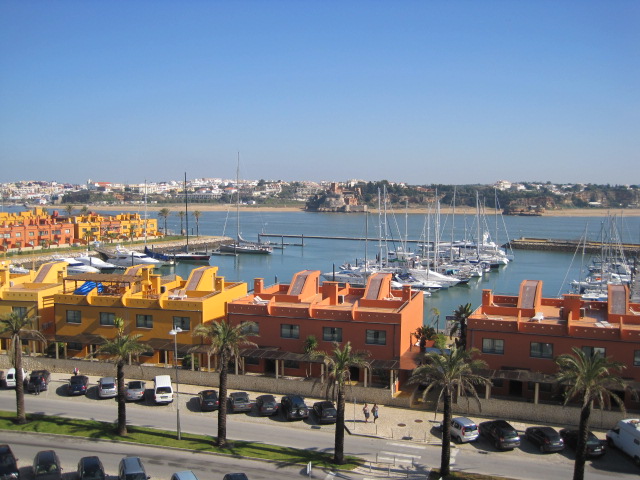
Portimao marina with Ferragudo in the distance

Coastline near Lagos

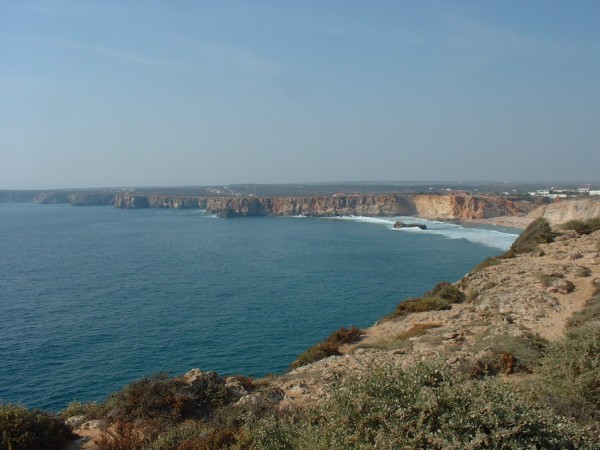
Looking towards Sagres

Praia de Marinha has some great memories for me.  We walked the cliff top to Benagil one Spring day and were caught in a sudden downpour- from blue skies to hail stones, I kid you not!- and back to blue skies.  The scenery was glorious and the fields full of flowers but I’ll never forget the disconsolate expression on my husband’s face as we trooped down the hill to the tiny cove at Benagil, rolled up umbrella in hand.  He soon rallied after a warming café duplo in the beachside bar.
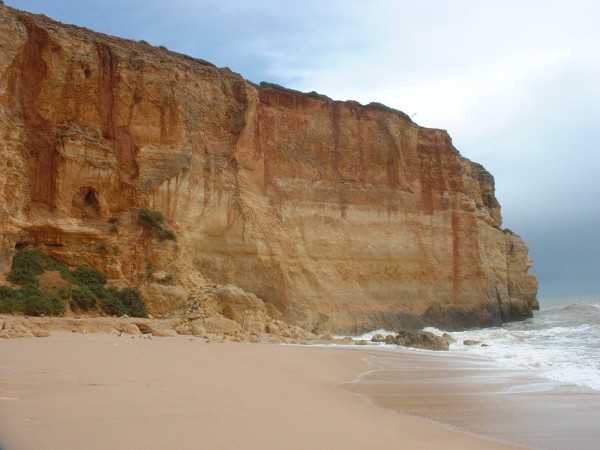
Marinha beach
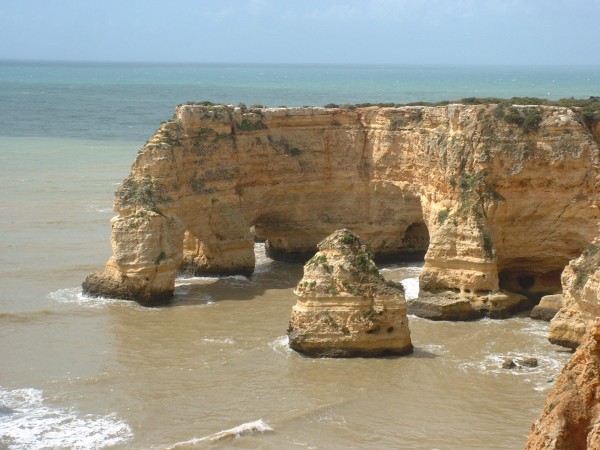
Stacks below Marinha
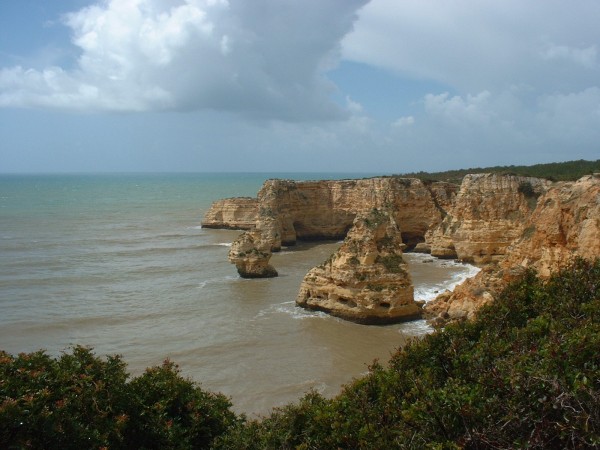
Clifftops above Marinha

Burgau  I’m rolling along to the west now, to a charismatic beach.  The sandy cliffs are threaded with agave and aloe vera plants and after a swim (paddle in my case) there’s one of those beach bars where you could probably lose a day or two of your life.
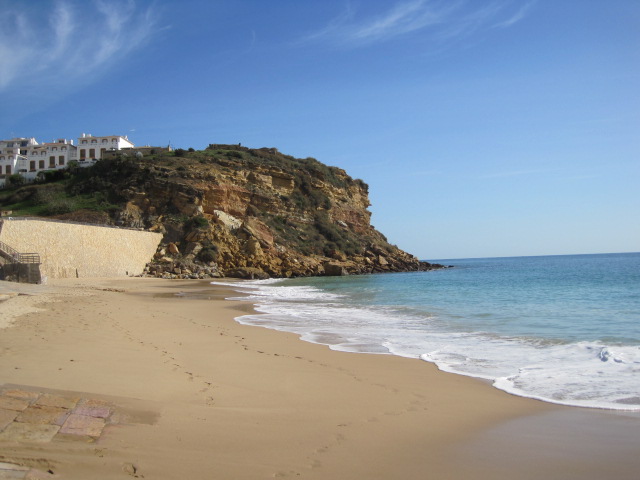
Burgau beach

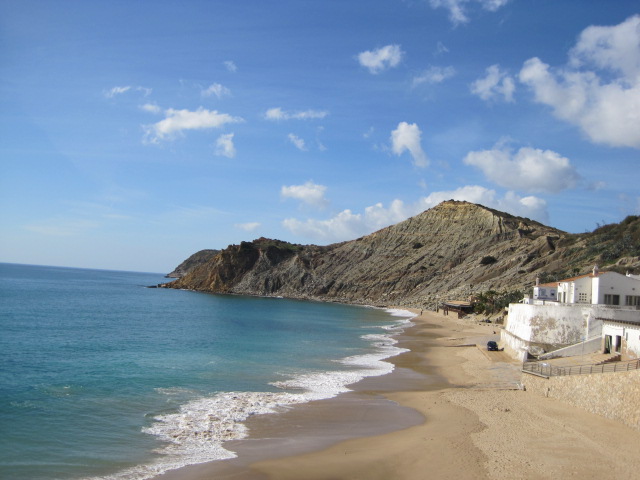
The beach bar in the distance

Amado We’ve turned the corner now and are heading up the Atlantic coast, where the beaches are wilder and largely untamed.  Small communities sit back off the beach and the campervan rules.
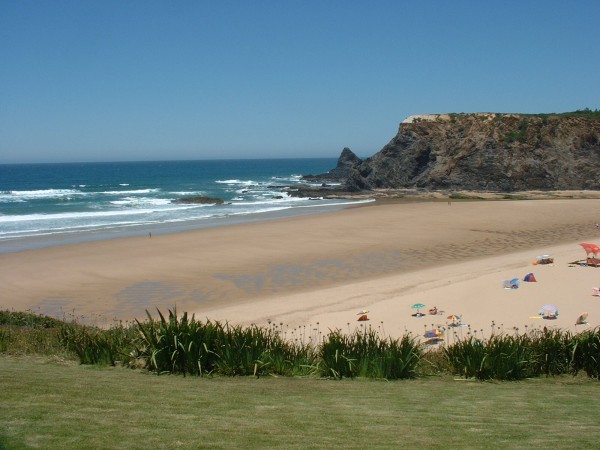
Praia de Odeceixe
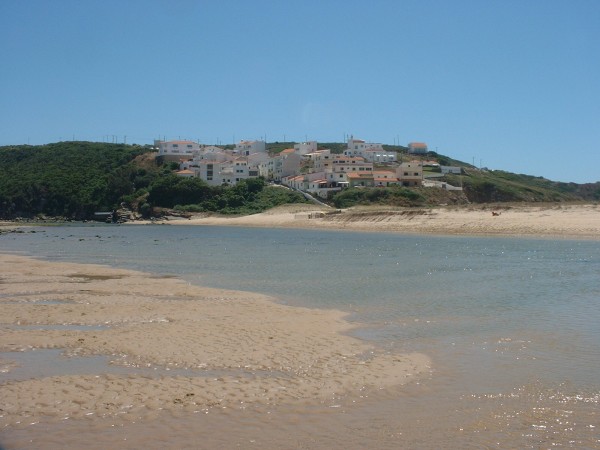
Praia de Odeceixe  Oh, I loved this place!  Billed as “surf city”, it was still quiet when we were there last May and the expanse of beach was the equal of anywhere I’ve been.  You need good legs to get down and back up again, but there’s a rewarding little restaurant, Café Dorita, with good shelter from the winds but maintaining the views.  I expand on my visit in  http://www.simonseeks.com/travel-guides/praia-de-odeceixe-cautionary-tale__168002.

I’m still only at the Alentejo border and the beaches roll ahead of me.  There are many more I’ve yet to visit, and I’m sure, many more that you can point me to.  Please do join in, with your favourite Portuguese beaches and the stories that go with them.  Be assured of my close attention.  When it comes to beaches, I’m all ears.

For more great reads in the Personal A-Z series, try

http://juliedawnfox.com/2012/01/19/e-is-for-eucalyptus-trees/

http://algarveblog.net/2012/01/12/a-is-for-the-algarve/

http://wordangell.wordpress.com/2012/01/17/an-a-z-of-the-uk-arundel/

and don’t forget to sign in on http://myatozchallenge.com/if you want to join in.

A is for Alte

Why Alte?  It wasn’t an easy decision because here in the Algarve I also love the border town of Alcoutim, pretty Alvor with its wide estuary, and the lovely island of Armona.  I expect we’ll visit them later in this A-Z.  I’ll sneak them in somewhere.

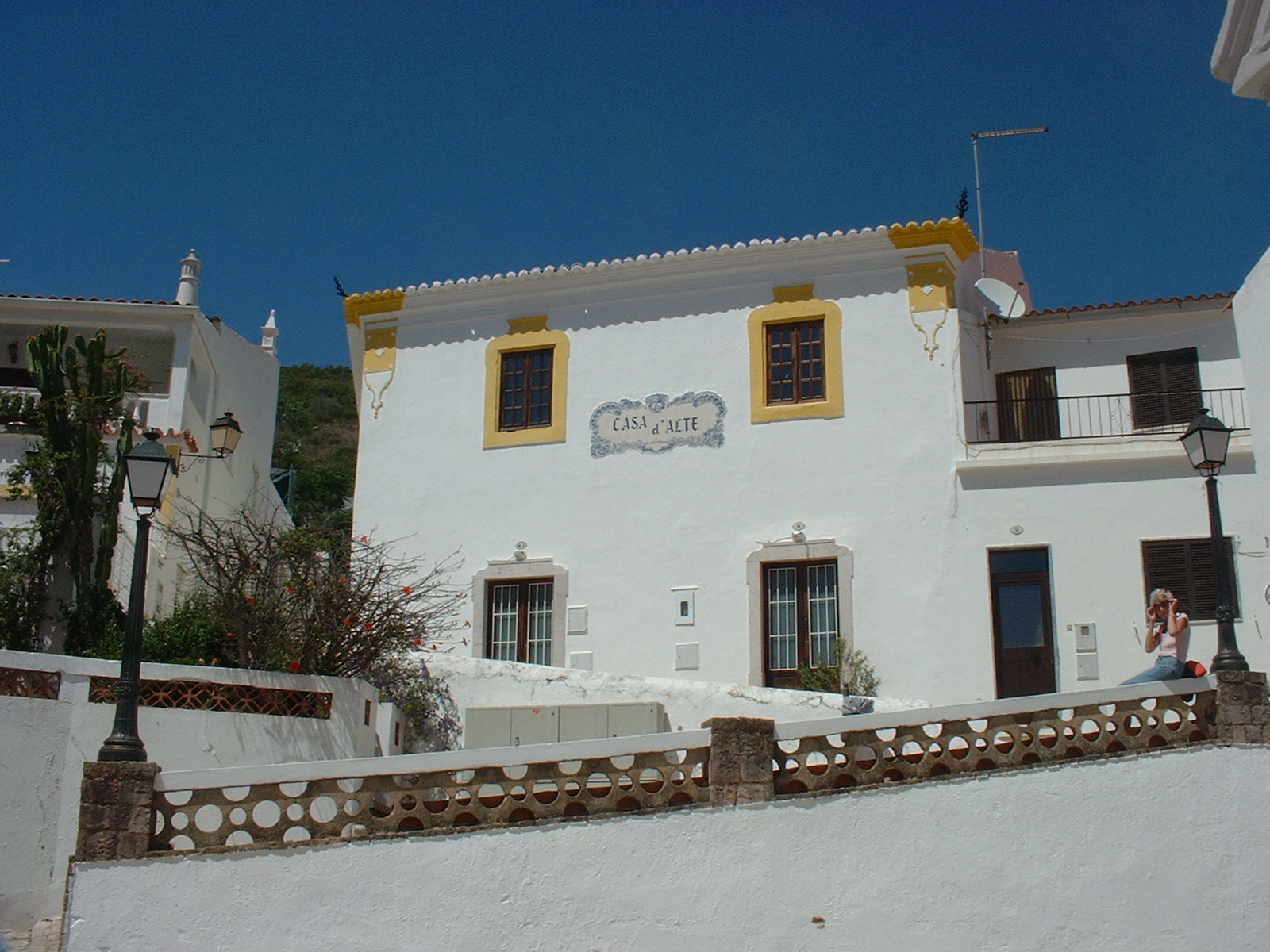
Casa d’Alte- sounds like home?

The images that you see everywhere of the Algarve are beaches (of course!), and golf courses, but there’s so much more to the Algarve.  Alte represents that other Algarve- the world away from the coasts, with natural springs and lush greenery.  I’ve heard Alte described as the prettiest village in the Algarve, and I wouldn’t disagree.

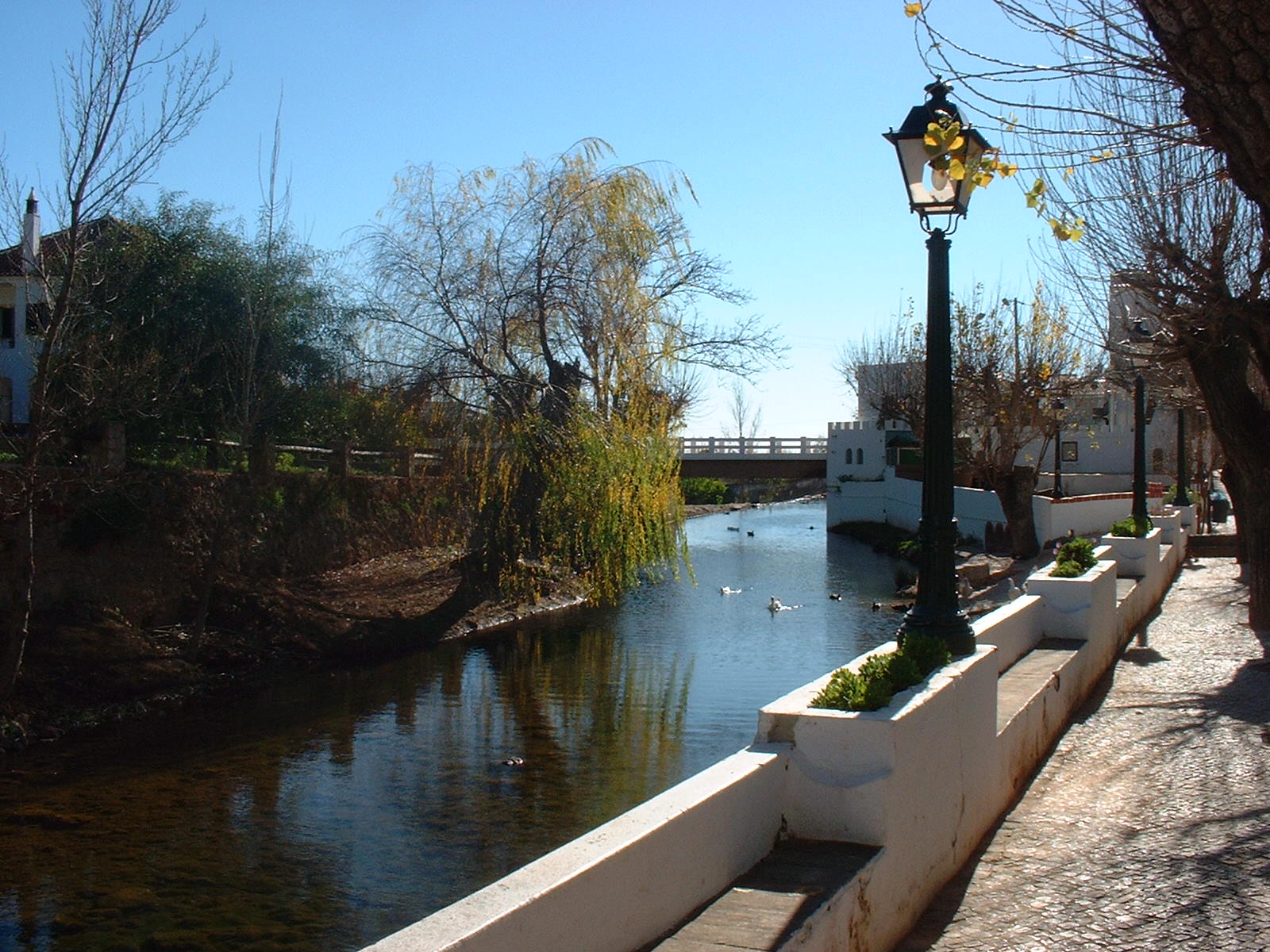
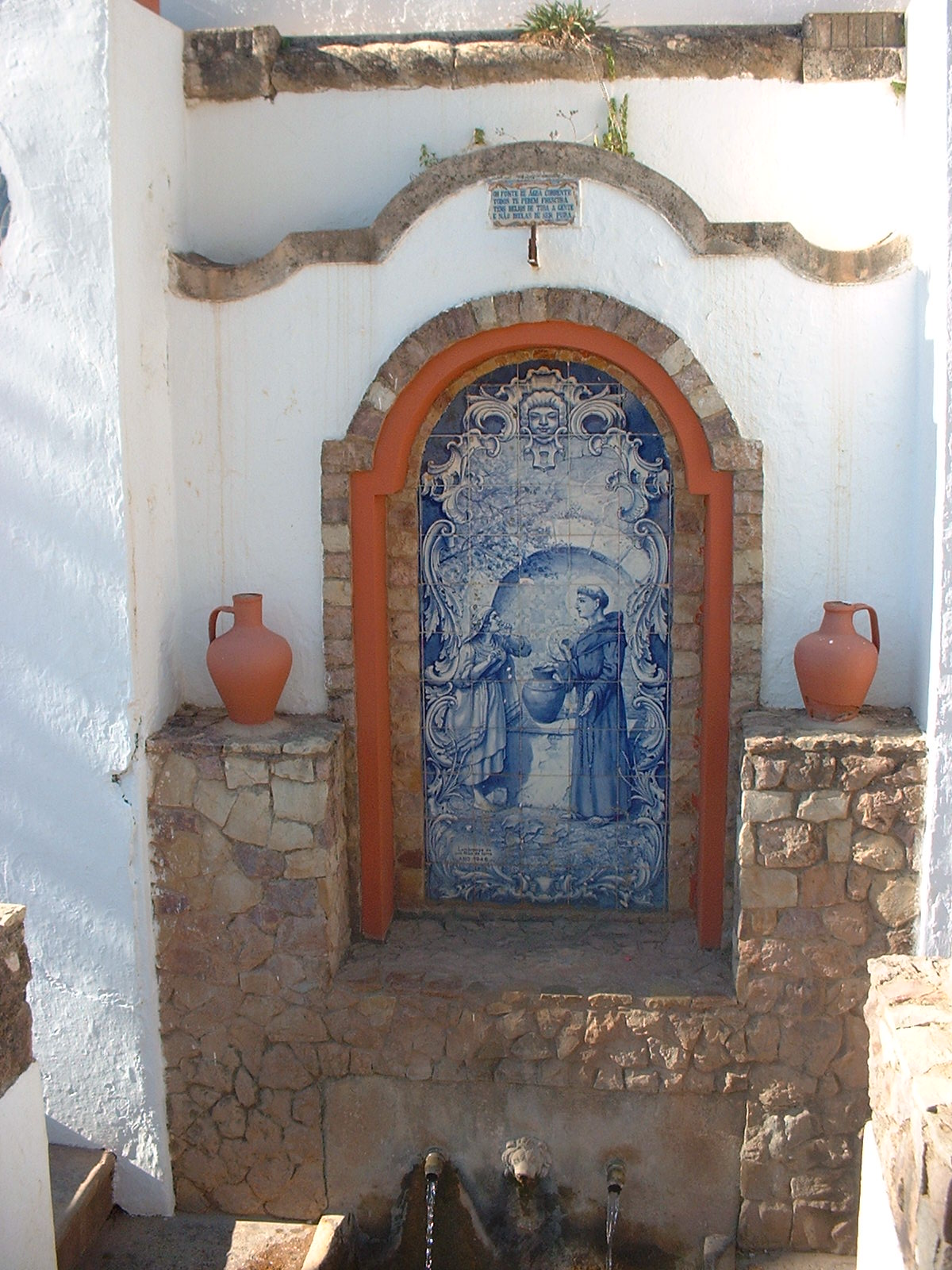
We first passed through en route for Monchique 7 years ago, and were charmed by the place.  Coming from the Eastern Algarve we had taken the scenic route along the N124, passing pretty Salir, the endless cork trees and imposing Rocha de Pena.  We were in search of the natural springs that we’d heard about, with very little idea of what that would entail.  On that occasion we saw just a fraction, but the idyll of ducks beneath the bridge, and the azulejo tiled pictures at Fonte Pequena (little spring) delighted us.  The gardens and nearby Fonte Pequena Inn are dedicated to local poet, Candido Guerreiro, whose work is displayed by the springs.

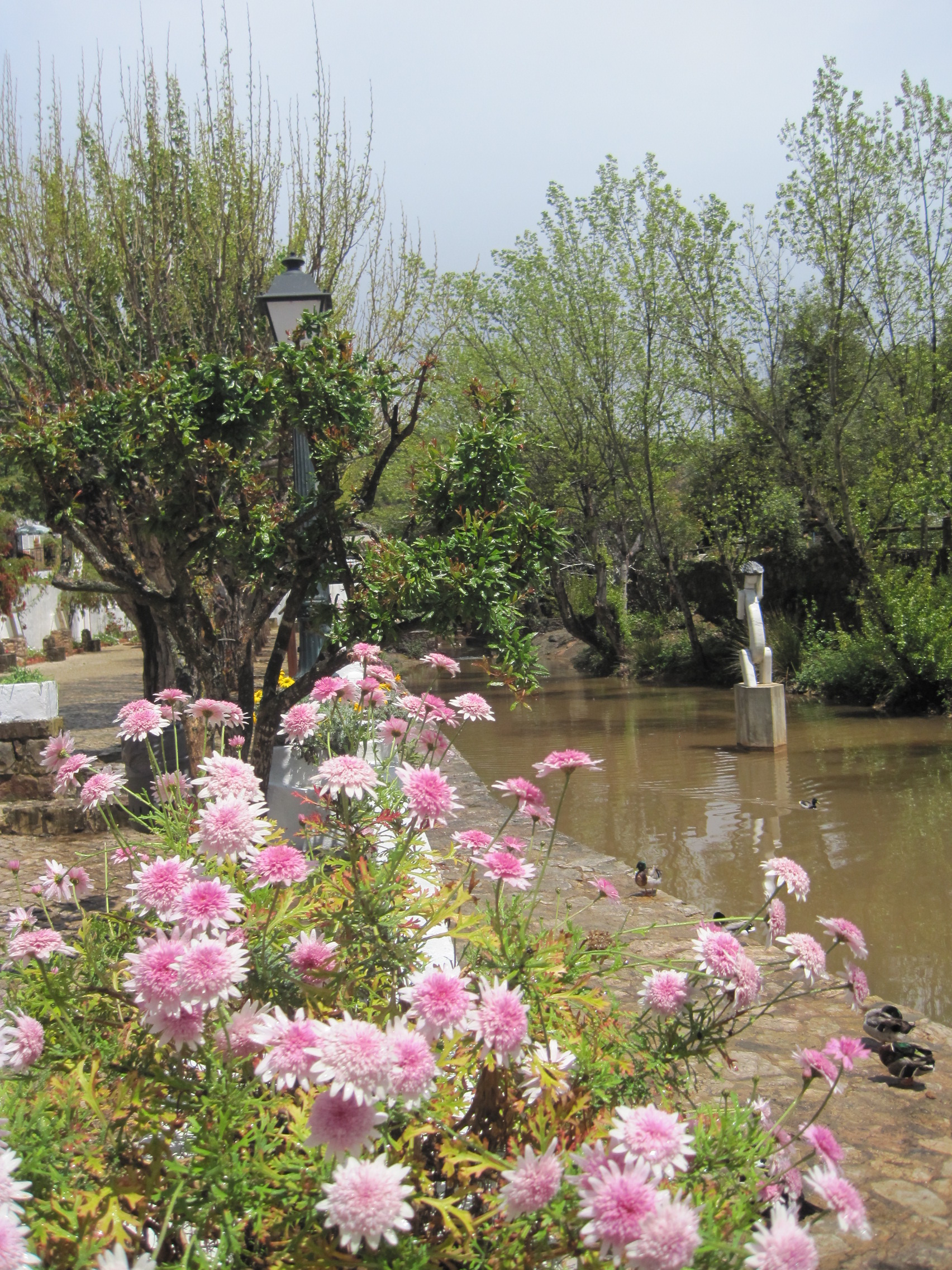
Tranquil Fonte Pequena

Azulejos decorate the springs at Fonte Pequenal

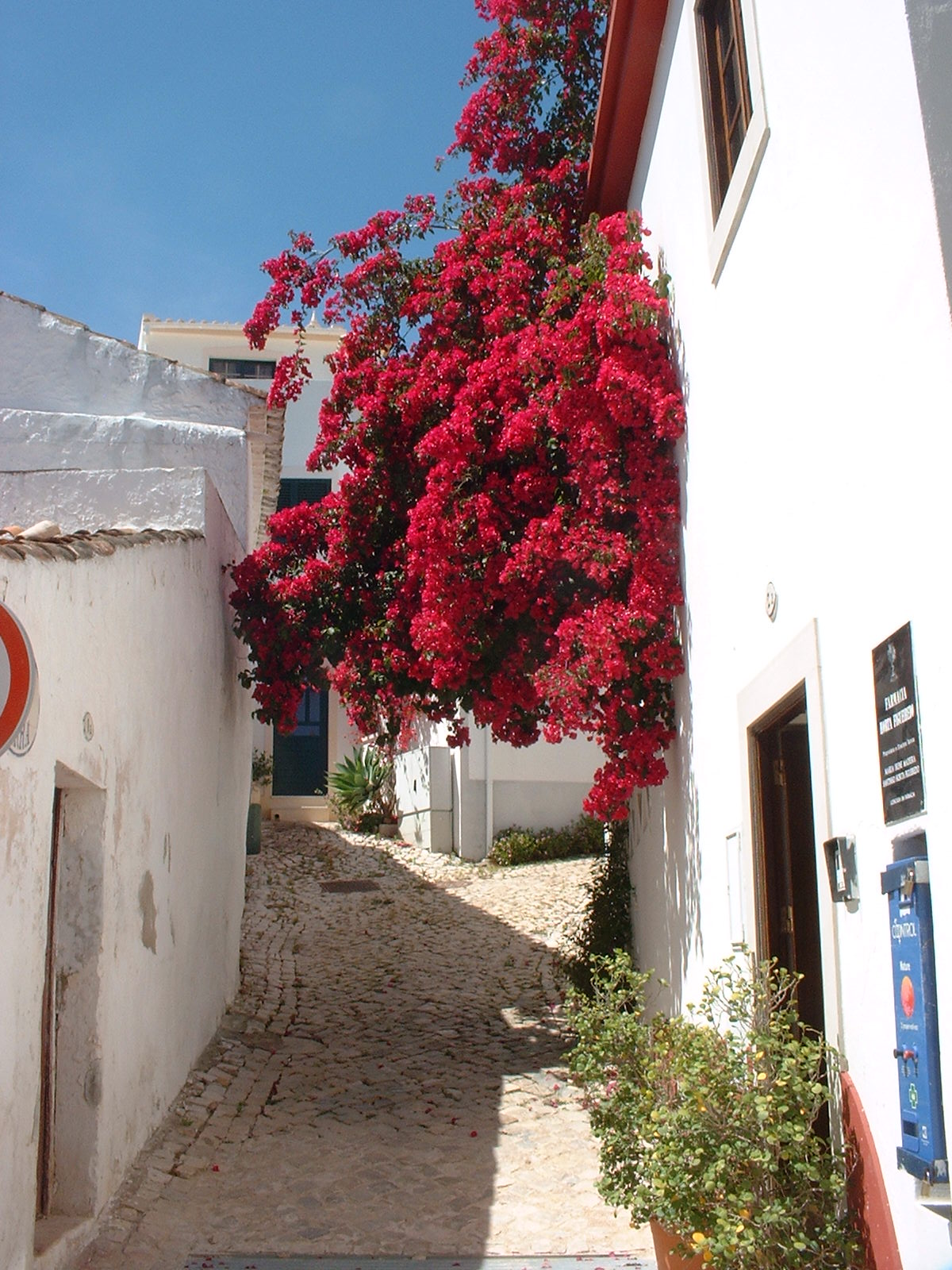
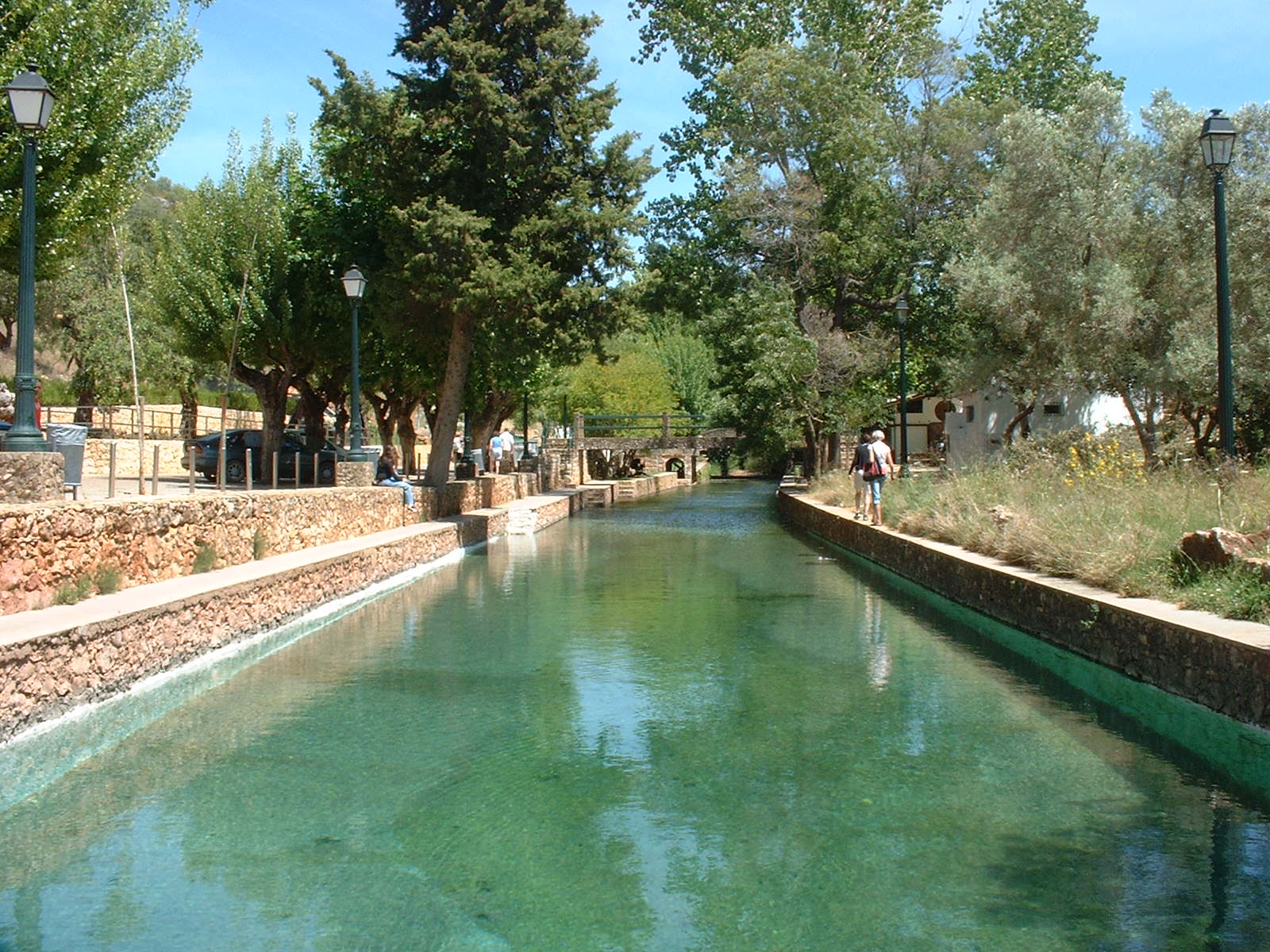
A return visit in May 2009 had us wishing we’d brought swimwear.  It was unseasonably warm and we were amazed at the volume of water in the “stream”.  A lovely area for picnics this.  And then there’s the village itself, with its winding cobbled streets, some of them quite steep.  Everywhere is whitewash and bougainvillea.  Shops and cafes are strewn about the village, a welcome source of browsing and shade in the Summer.

Bougainvilea rules!

Oh for a swimsuit! Too hot at Fonte Grande.

Can’t stay out here much longer!

As with most Portuguese villages, the church lies at its heart.  Igreja Matriz de Alte, devoted to Our Lady of the Assumption, dates from the 13th century.  It was built at the direction of the wife of the Second Lord of Alte, to give thanks for his safe return from the Crusades.  The vault is sublimely decorated with azulejos.

Igreja Matriz

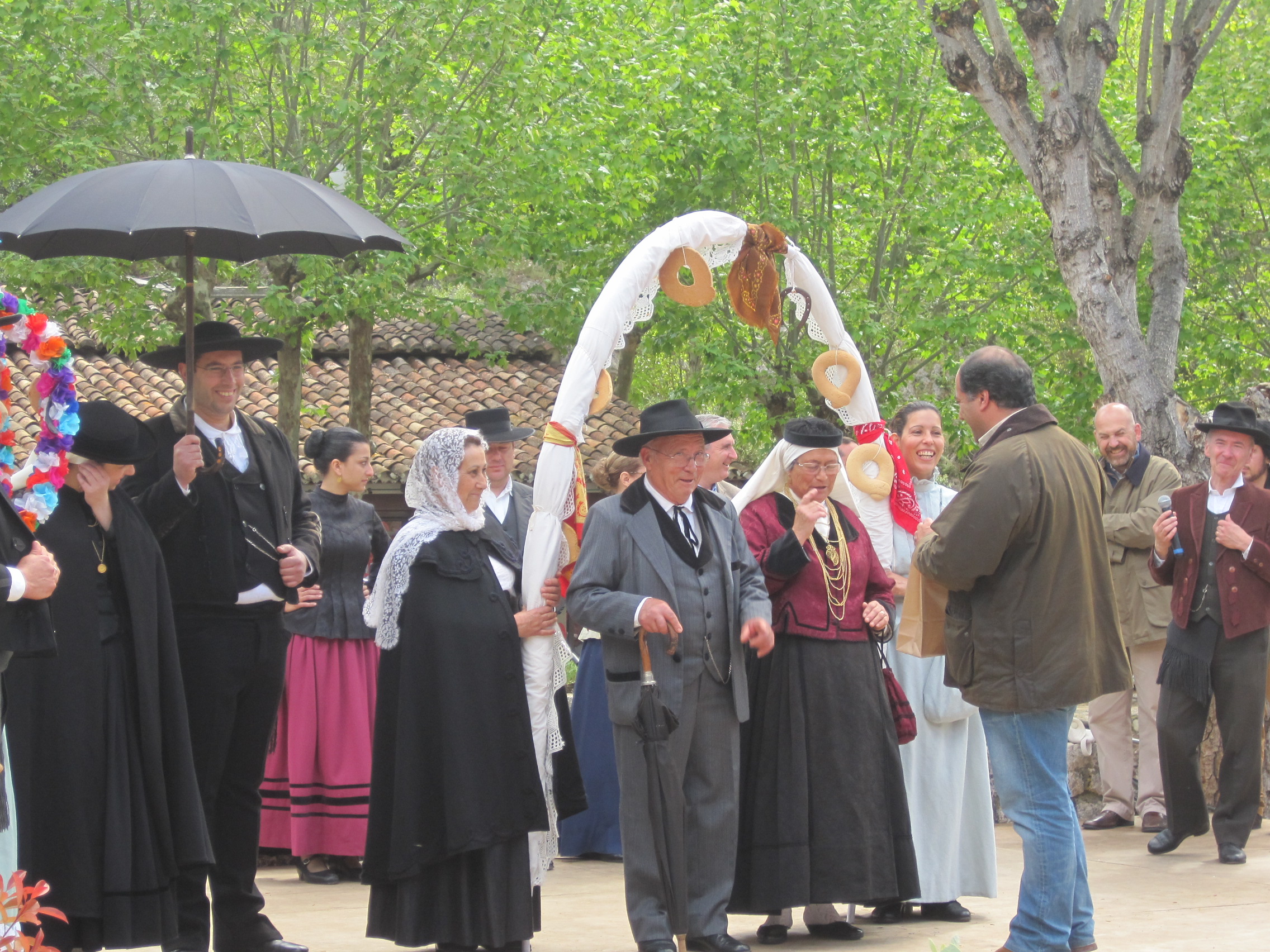
I’ve not yet had the privilege of attending the Folklore Festival and Wedding Ceremony for which Alte is most famous.  It takes place on the second Saturday in August.  Bridal Party and numerous folklore groups parade through the streets, culminating in a toast to the “happy couple” at Fonte Grande (large spring) and a traditional wedding feast.

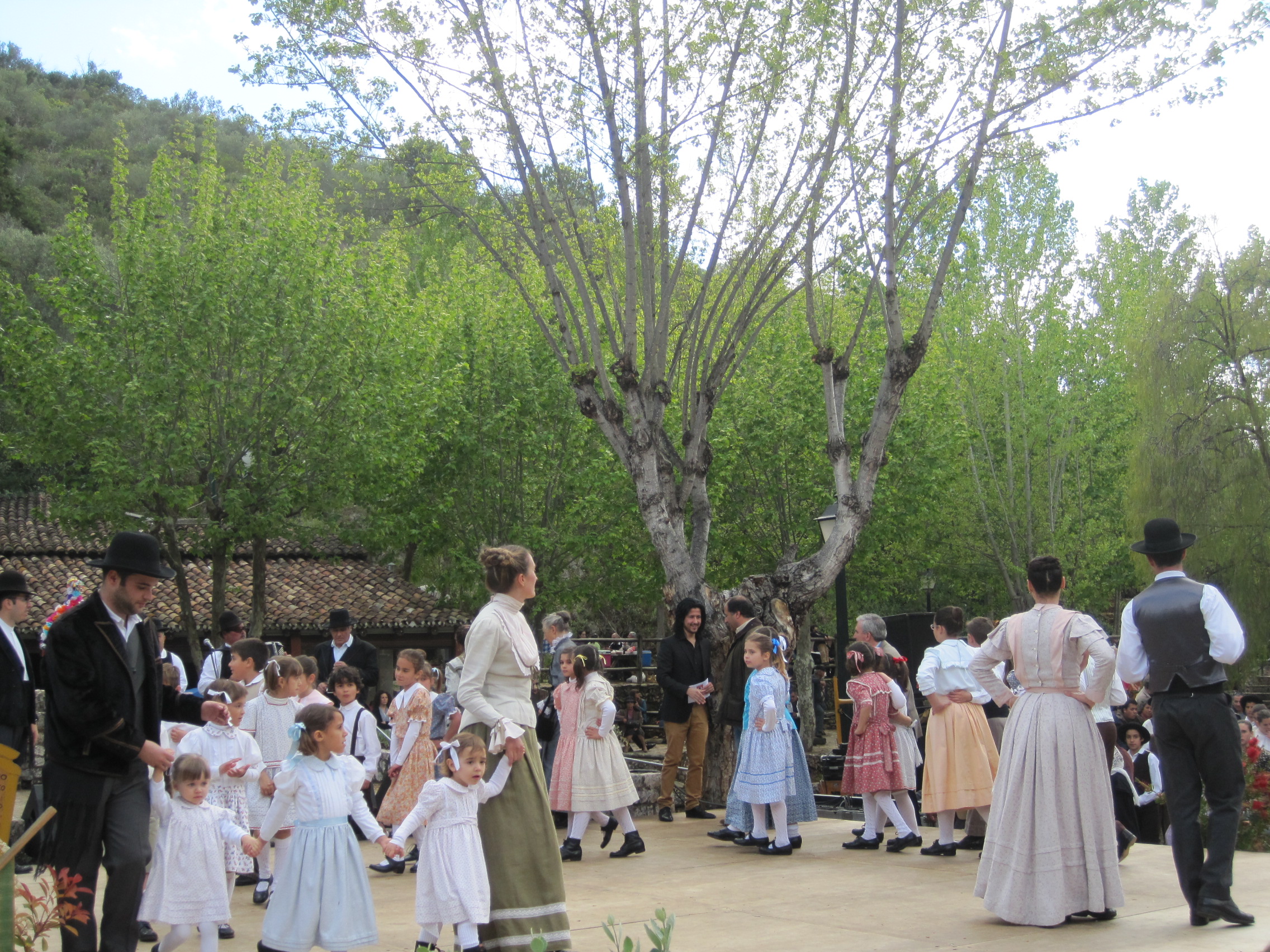
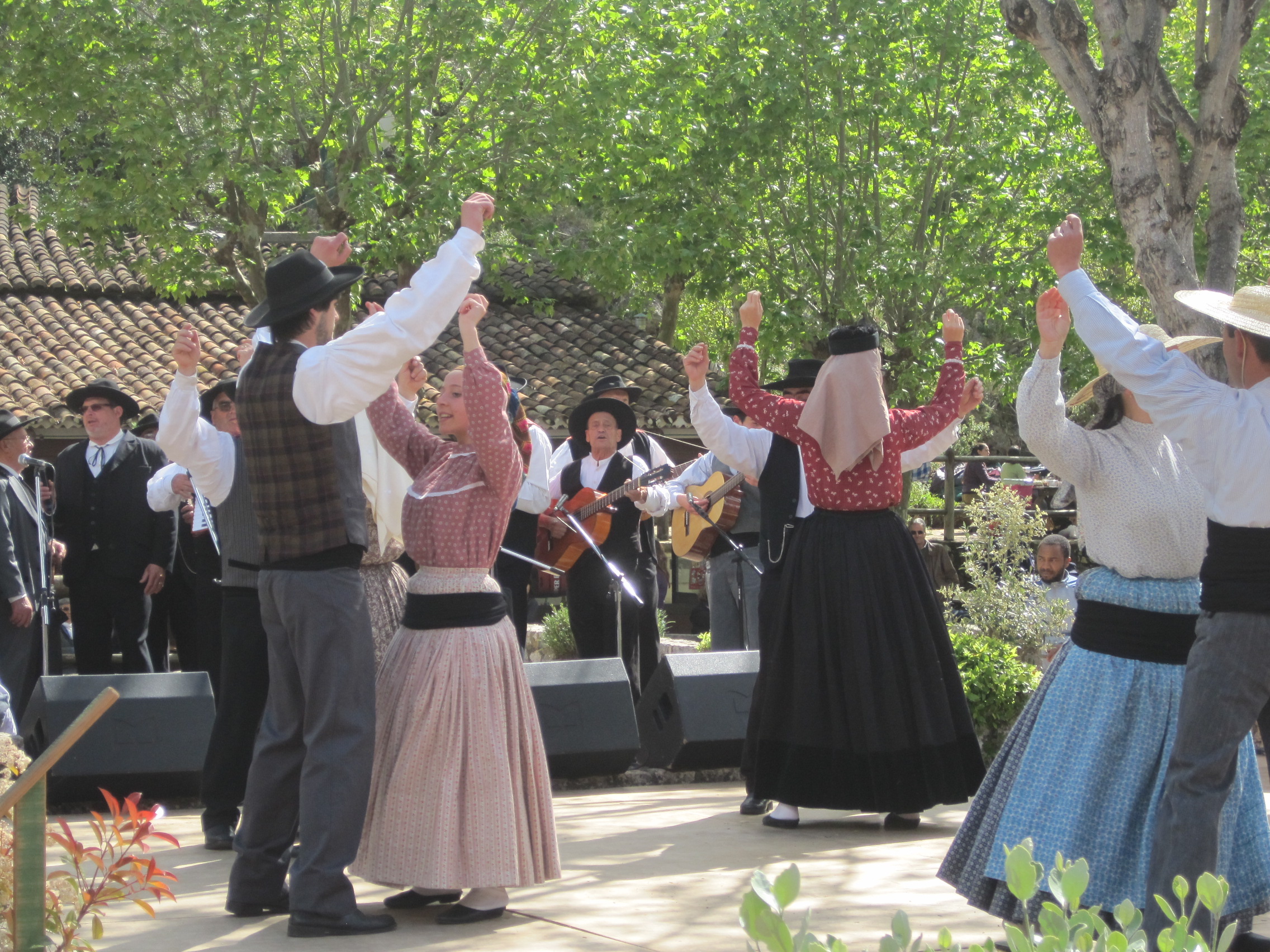
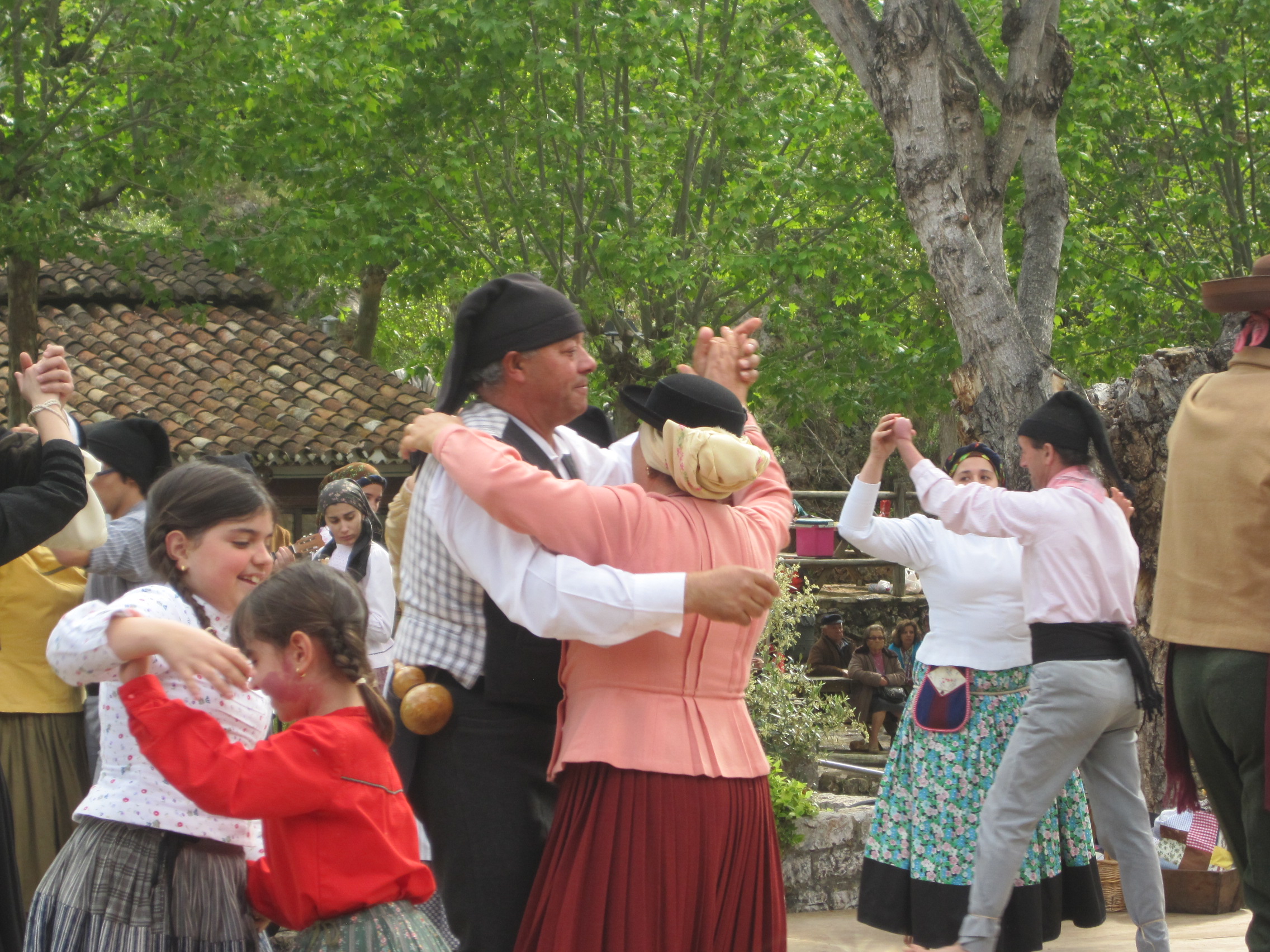
A Folklore Festival is also staged on May Day and in 2012 I managed to be there.  For a while I didn’t think it was going to happen- the skies opened and the rain bounced for almost an hour.  Patience paid off in the end, and the procession made their way across the lavender strewn cobbles to the stage at Fonte Grande.

Fonte Pequena in May

The littlest ones start the dancing off onstage at Fonte Grande

Then they were a little older

Skirts began to twirl, feet to stamp

Quickly, before it rains again!

Young and old combining expertise

Numerous other celebrations take place in Alte throughout the year, including Carnaval, this year on February 21st.  Confetti is available to throw at the passing floats.

A full list of events can be found on  http://www.alteuncovered.com/events.aspx  together with a lot of useful parking details and opening hours.

This is the first in a series of posts, related to Julie Dawn Fox’s Personal A-Z Challenge. There are links in the logo in this post and in the sidebar to take you to the main site, where you can happily read for hours.

Just to get you started, how about:

http://algarveblog.net/2012/01/12/a-is-for-the-algarve/

http://handsinportugal.wordpress.com/2012/01/12/personal-a-z-of-portugal-a-is-for-anniversary/

http://sami-colourfulworld.blogspot.com/2012/01/to-z-of-australia-is-for-australia.html

http://juliedawnfox.com/2012/01/12/b-is-for-beirao-licor-beirao/

My next task is to start my A-Z of Poland.  See you there!

My A – Z of … Portugal!

Back to front but full of enthusiasm as usual, I wrote my first post for this series and then realised that I hadn’t done an “intro” blog- not my strongest suite but here goes:

Funny how one idea sparks off another.  There seemed to be a lot of A-Z related challenges about, starting with Alyson Sheldrake’s lovely ABC Award.http://thethoughtpalette.co.uk/abc-award/.

Julie Dawn Fox came up with the idea of writing “A personal A-Z of Portugal”http://juliedawnfox.com/2012/01/10/a-personal-a-z-of-portugal/– her adopted country.  Each letter of the alphabet was to be the basis for a post on any aspect of Portugal.

Seemed like a good idea and I was all set to join in when “PigletinPortugal” (may I call you Carole?) decided to take it one step further and “Go Global”.http://pigletinportugal.wordpress.com/2012/01/11/my-a-z-of-portugal/

A dilemma! I love Portugal and have lots of wonderful places and memories I’d love to share.  At the same time, I have Polish family and am aching to introduce people to my father’s homeland, and some of the lovely folks I have met there.  Even worse, I currently live in England and have done so for most of my adult life, and, guess what?  I love England too (in spite of the weather) and have written quite happily about my native Yorkshire Moors, Dales and Durham coast.

What to do?  Well, I guess I’m going to be greedy.  I’ve already made a start with Portugal, but intend to follow up pretty soon with Poland.  Piglet has said that there are no time constraints, which is a darn good thing in my case.  Mrs Speed, I am not!

So let me extend the challenge, or invitation, to you.  You can write about places, food, people, experiences…anything you feel is pertinent to the country of your choice.  We already have quite a few posts up and running and Alyson has created a logo for Portugal:

while Piglet’s is the controlling site where you should register your interest, and comply with Piglet’s directions.  Or you can just turn up for a highly entertaining evening’s reading.

My fellow A-Z ers are:

http://pigletinportugal.wordpress.com/

http://algarveblog.net/2012/01/11//

http://juliedawnfox.com/2012/01/10/

http://handsinportugal.wordpress.com/

http://sami-colourfulworld.blogspot.com/

Checking on Piglet’s site today interest is growing and I think there’s now a willing volunteer for England (phew!) and certainly one for Chile.  So, what’s stopping you?  Come along on the journey.  Next instalment coming soon.