Portugal

H is for Happy Heart

Guimaraes, European City of Culture 2012

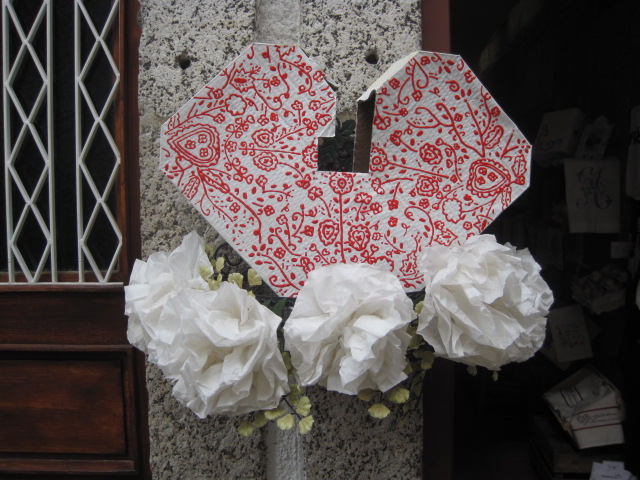
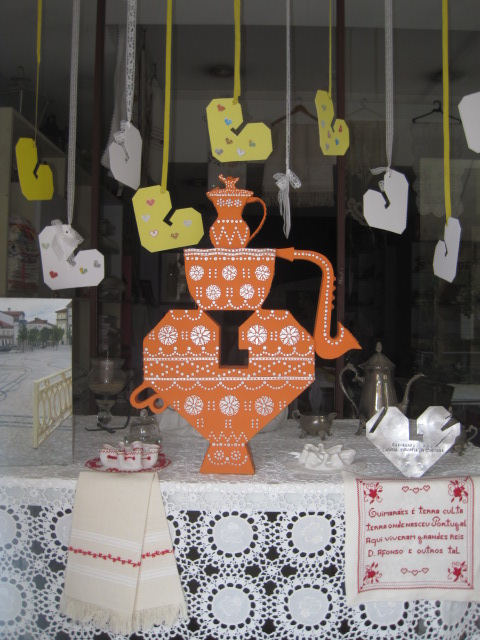
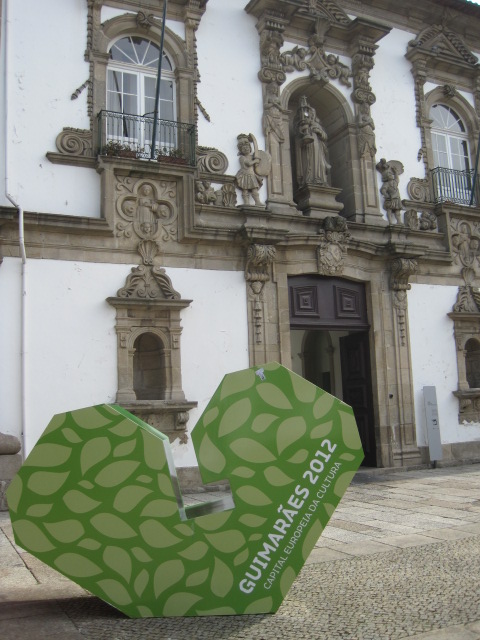
I was immensely taken with the heart logo which pops up everywhere in Guimaraes this year.  Designed by Joao Campos, it was inspired by the crenels of Guimaraes Castle and the helmet of King Afonso Henriques, the first king of Portugal.
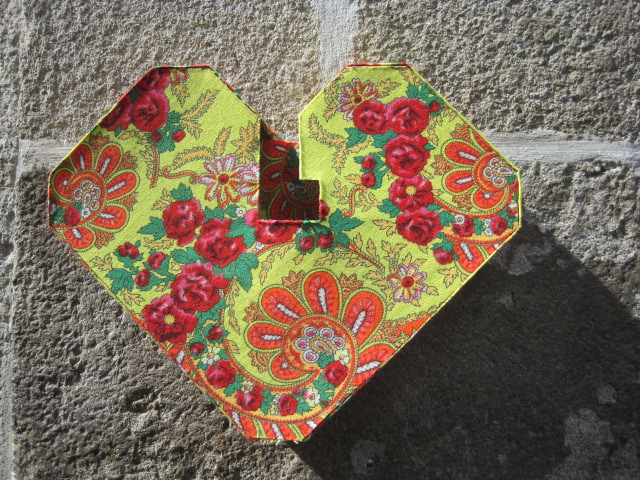
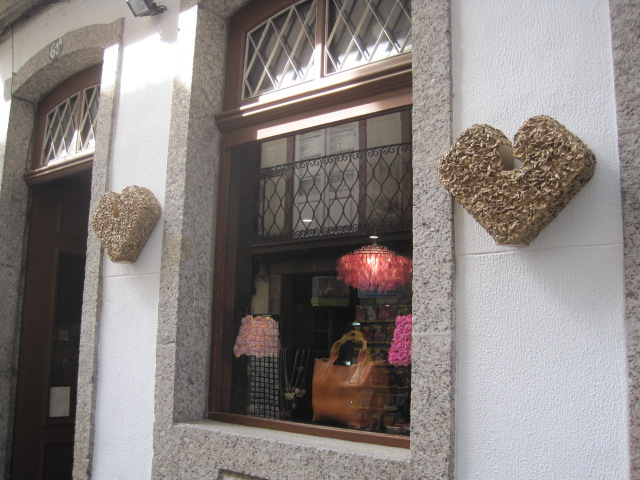
I couldn’t be so close to Guimaraes without paying a visit in this, its special year as the European City of Culture.  “You are part of it” is a theme running throughout the year, and the logo is an important symbol of this. You might enjoy the promotional video  http://www.guimaraes2012.pt/index.php?cat=49&item=912&kword_cat= (choose 2012) I caught the train from Porto’s fabulous Sao Bento railway station to arrive on a sleepy Tuesday afternoon.

I didn’t know quite what to expect of Guimaraes, except that it would have a historic significance for the nation.  Everyone I had spoken to said it was very charming and captured “traditional Portugal”.  Of course, you know by now what traditional Portugal means to me, so, at the first hint of an azulejo, I was in through the doorway of the church of Sao Francisco.
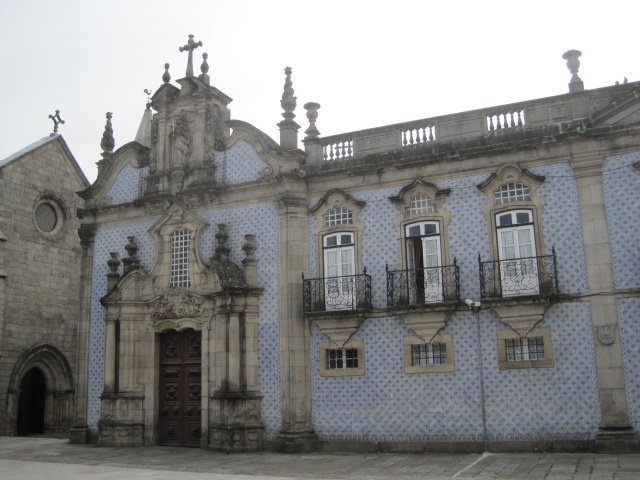
Igreja de Sao Francisco

More cherubs!  I’m happy.

Michael’s photo of the altar was much better than mine

Guimaraes has its origins in the distant 10th century.  The widow Countess Mumadona Dias ordered the construction of a monastery in her estates at Vimaranes (Guimaraes today).  Constant attacks from the Moors and Normans necessitated a fort to defend the monks.  The Castle was built on a nearby hill, and a settlement grew up between the two, enclosed by walls.

In the 12th century, the County of Portucalem came into existence and the Castle became the residence of Count D. Henrique.  King Afonso Henriques was probably born here, and christened in the tiny chapel.  In 1128 the nearby Battle of Sao Mamede was instrumental in the founding of the Portuguese nation.
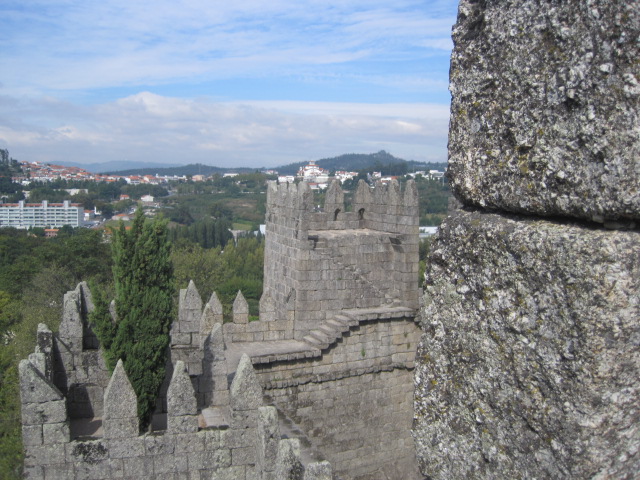
Modern Guimaraes from the castle walls
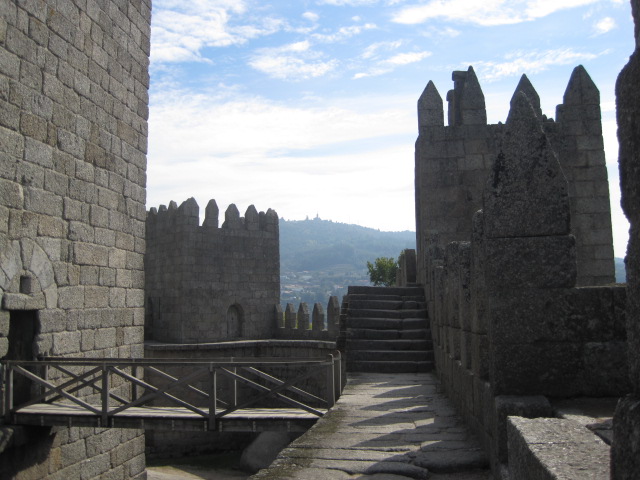
Walking back down from the vantage point of Guimaraes Castle, you cannot but be drawn to the Palace of the Dukes of Braganca.  I have visited the marble enhanced Braganca Palace at Vila Vicosa, and was intrigued by the difference.  Built in the 15th century, it is a unique example on the Iberian peninsula of a fortified house in the manorial style.
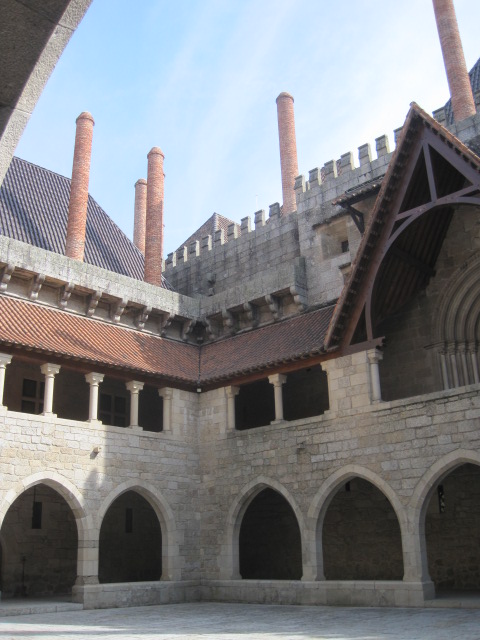
Braganca Palace with its distinctive chimneys
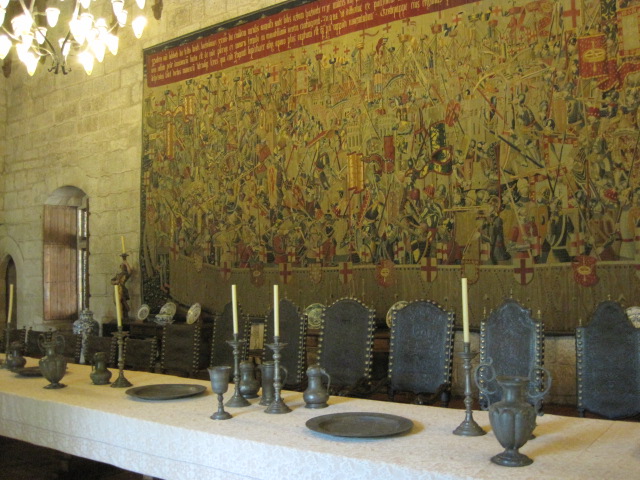
A collection of tapestries adorn the walls
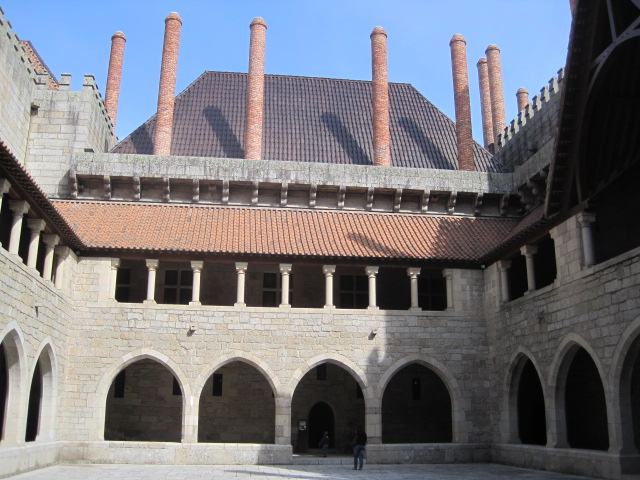
A central courtyard captures the sunlight

The city’s first street, Rua de Santa Maria, unravels gently into the cluster of the old town, but not before you pass through Largo Martins Sarmento.  The fountain, with chapel beyond, makes a pretty picture.
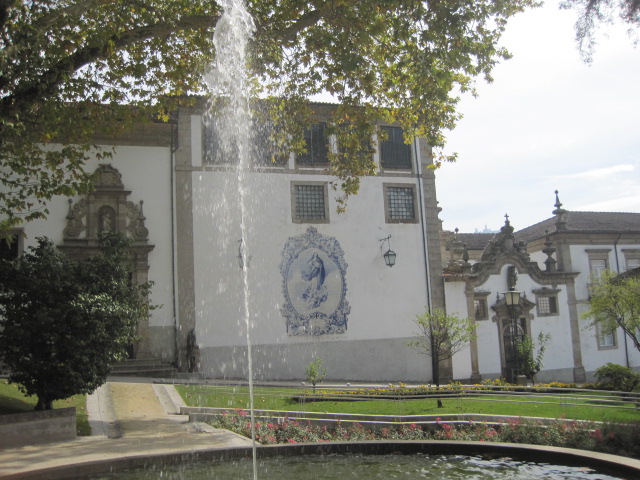
Largo Martins Sarmento

The narrow streets wrap around two large squares, Praca de Santiago, and Largo da Oliveira.  The photo everybody’s keen to take features the old Council Chambers and Gothic Salado Monument.
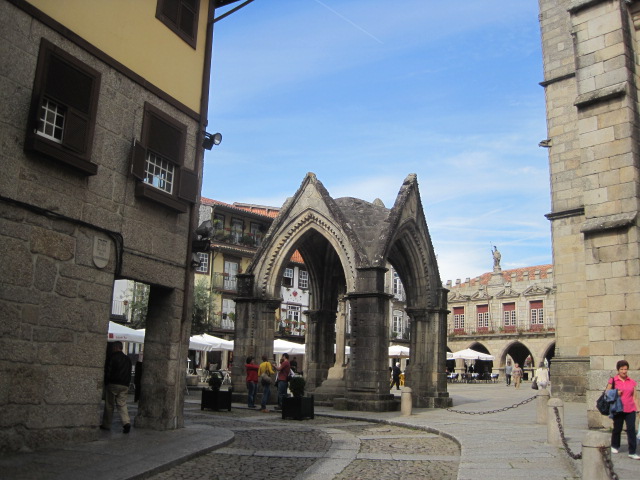
Largo da Oliveira and Salado Monument
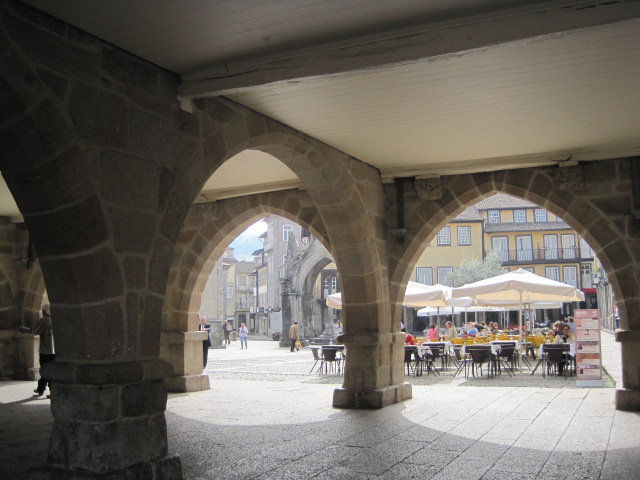
The square seen from beneath the old Council Chambers
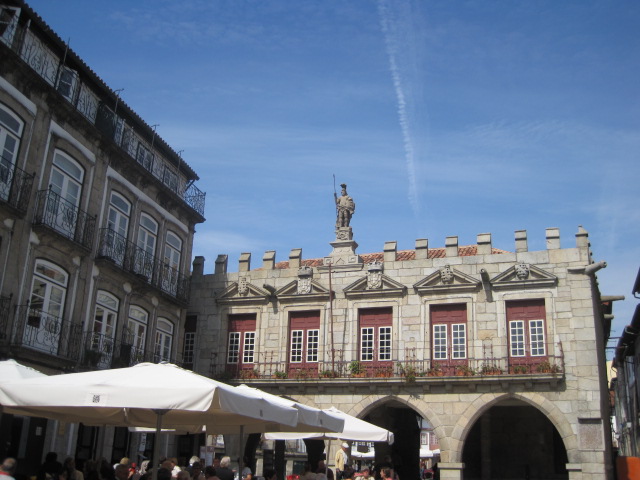
Nice spot for a coffee, or something stronger

At the end of the 19th century, Guimaraes achieved city status, and sadly the city walls were demolished.  Let me end in Largo de Toural, the focal point of modern Guimaraes, and outside those city walls.  The legend “Aqui nasceu Portugal” – here Portugal was born- sits proudly on a remnant of wall.
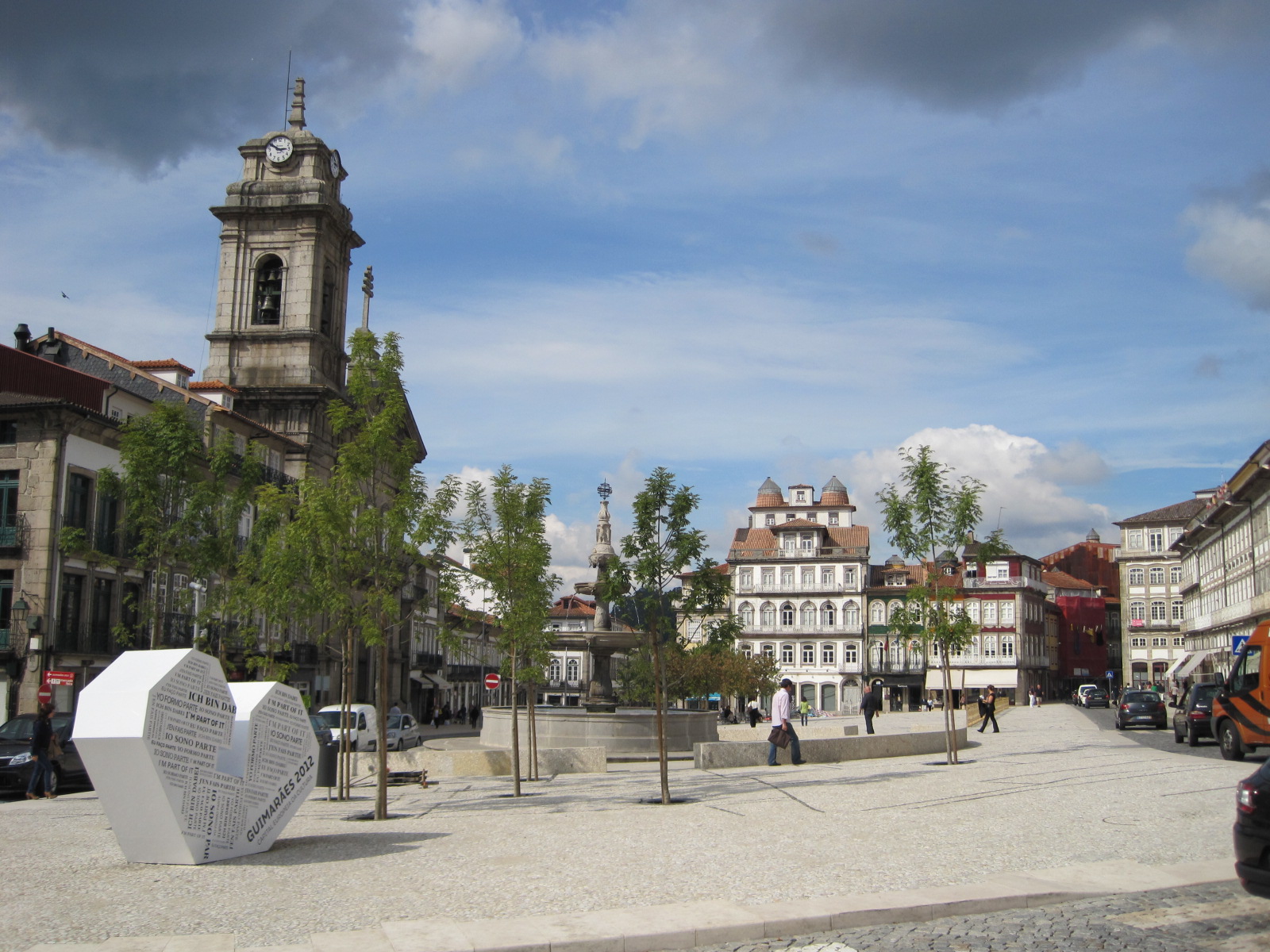
One last heart in modern Toural Square- another Michael photograph

The old centre has UNESCO World Heritage status and this year every effort has been made to turn Guimaraes into an inviting tourist destination.  If you like what you see, there’s still time to visit.  The events are posted on www.guimaraes2012.pt

Me, I have a “happy heart” whenever I’m in Portugal.  Many thanks to Julie Dawn Fox who gave us the idea of “My Personal A-Z Challenge”  Follow the links to discover more, and maybe join in yourself.

Sunday Post : City

When I was 18, all I wanted was the city.  And what a city it was!  London- fun, fashion and the centre of my universe.  Jakesprinter has reminded me of that, with his theme for the Sunday Post this week, City.

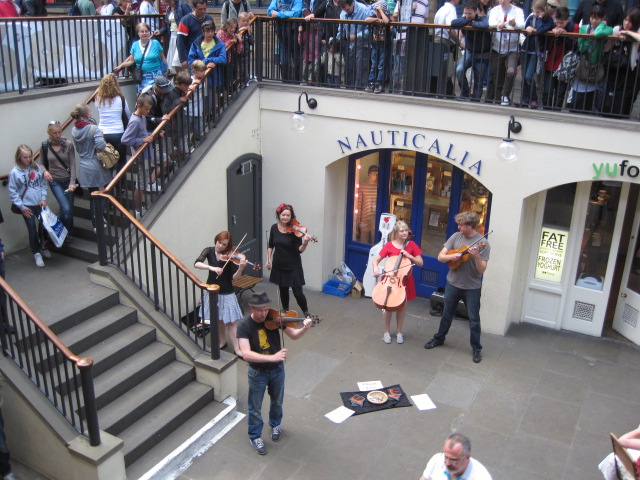
Covent Garden, where the entertainment’s always good

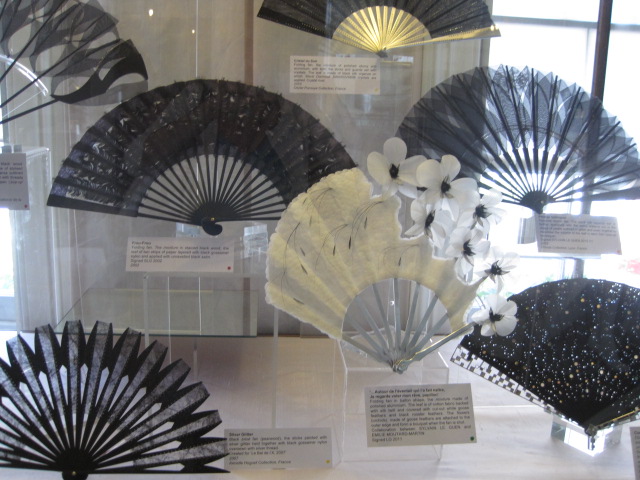
The Fan Museum in Greenwich, such an unexpected treat

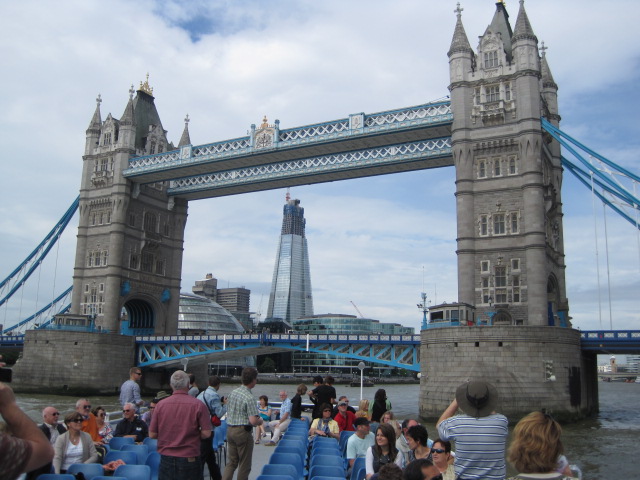
The skyline with it’s newest addition, The Shard, climbing upwards

As I grew older, it didn’t seem the place to raise a family.  I returned to my northern roots.  But the city was never too far away, whether I needed culture, or just a place to crane my neck to look up at the sky.

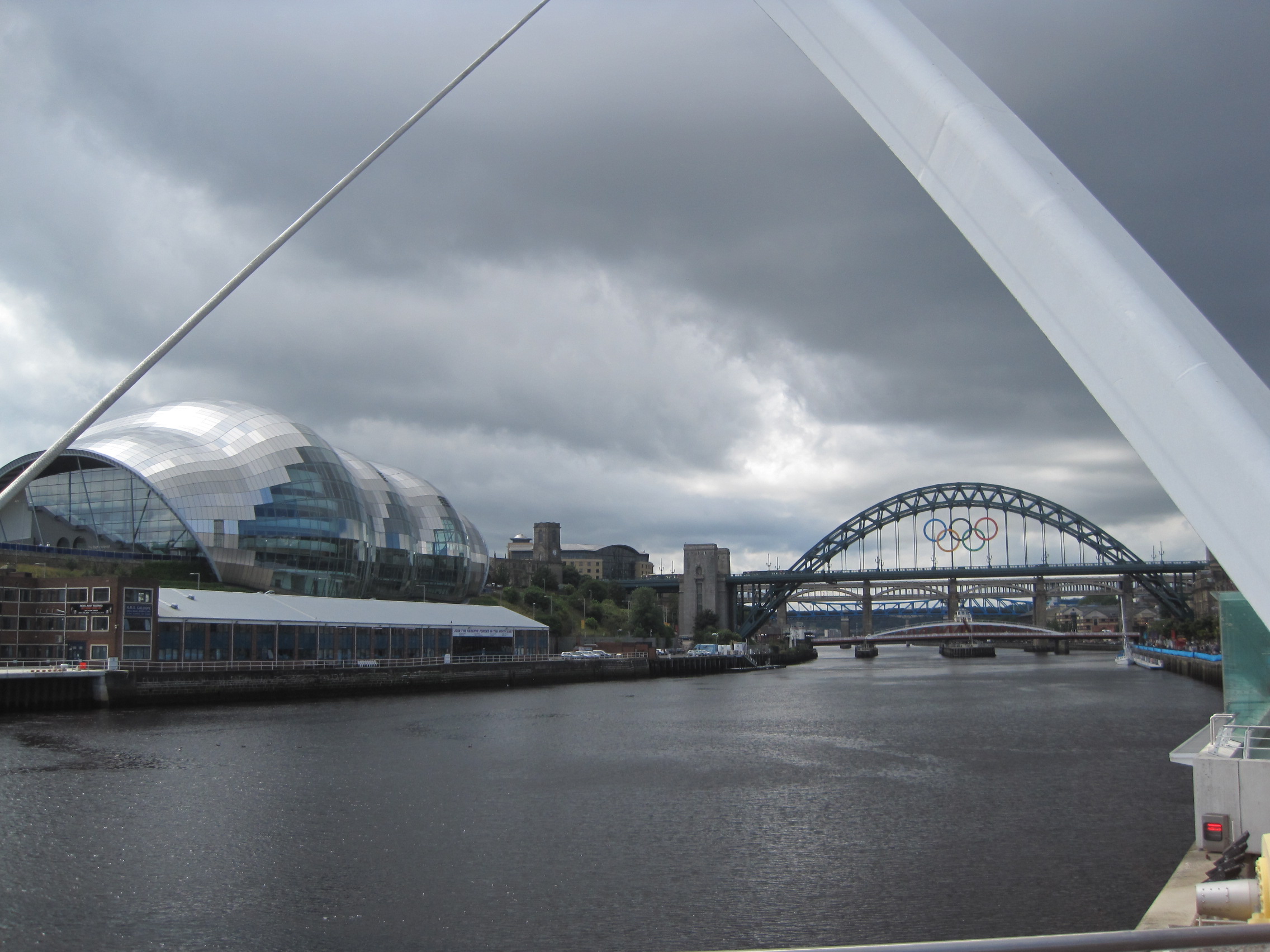
Note Newcastle’s moody northern sky

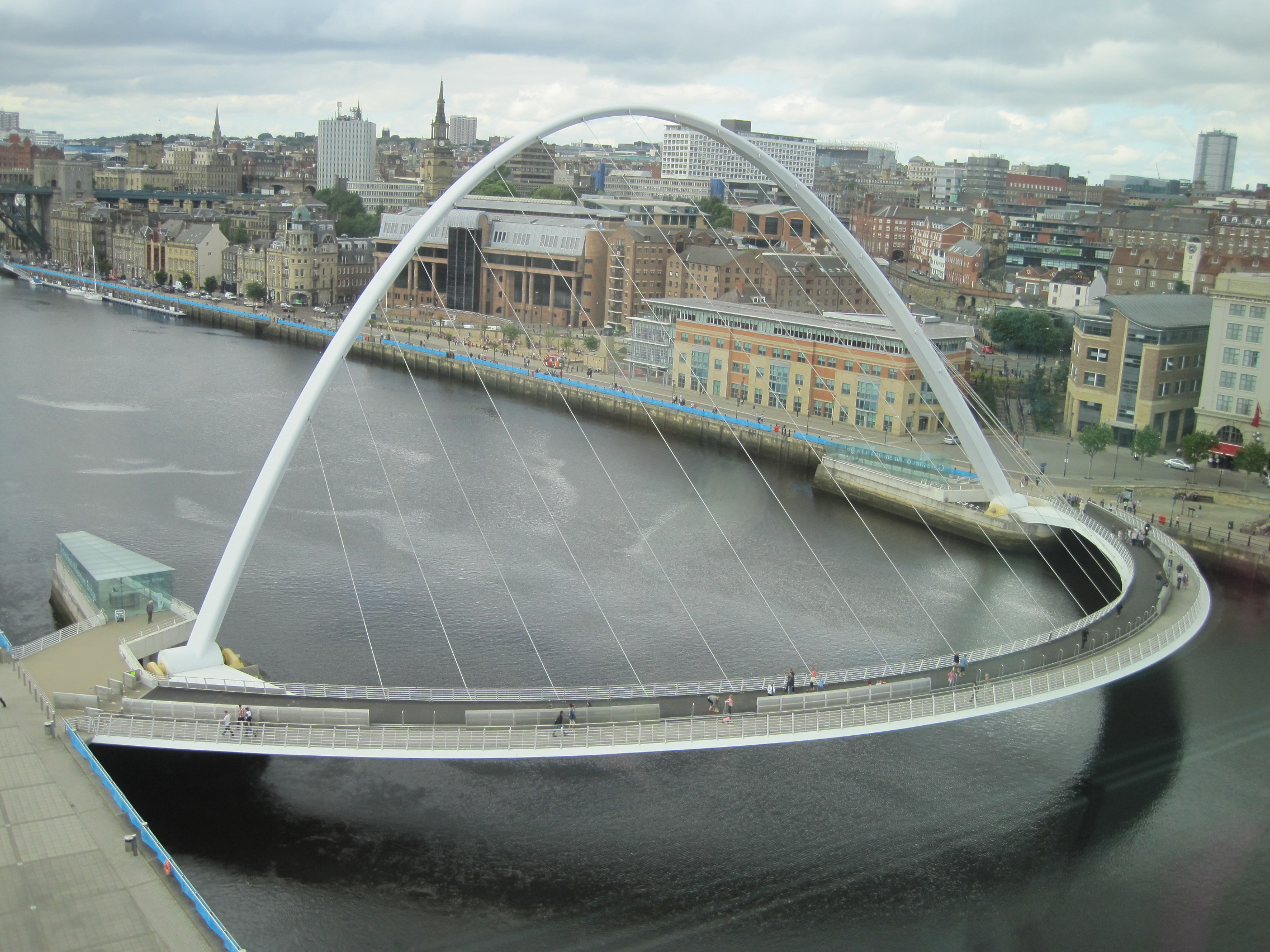
Still, you couldn’t want a finer cityscape than Gateshead’s Millenium Bridge

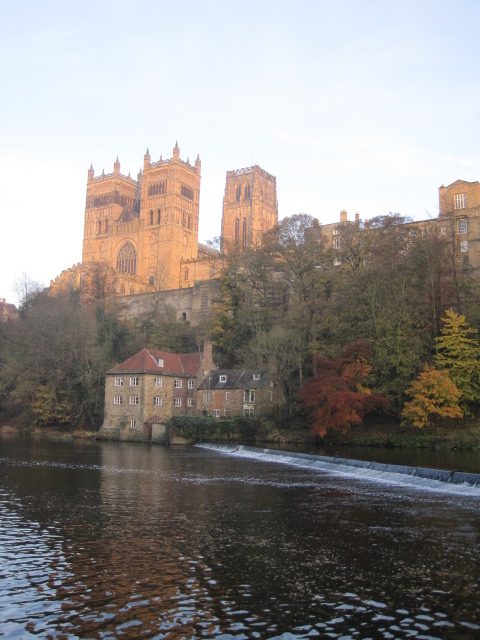
A city with more serenity- Durham, clad in its Autumn colours

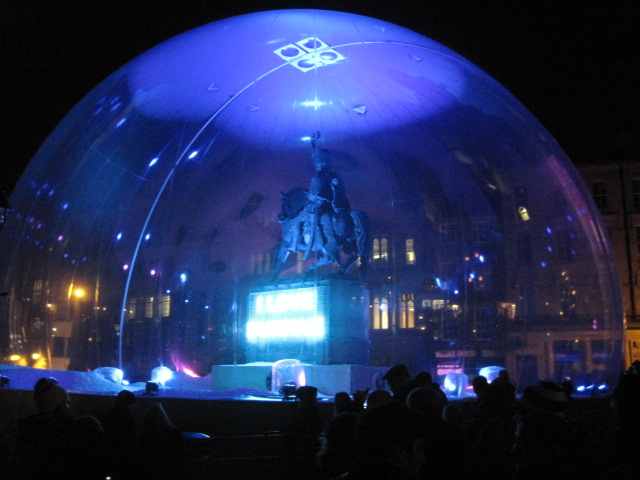
But not lacking for a spectacular, and cultural event- Lumiere 2011

Life can be quixotic, and for me this came in the form of my Polish family, rising from the embers of the past.  The cities it brought me to explore were survivors, and especially beautiful for that.

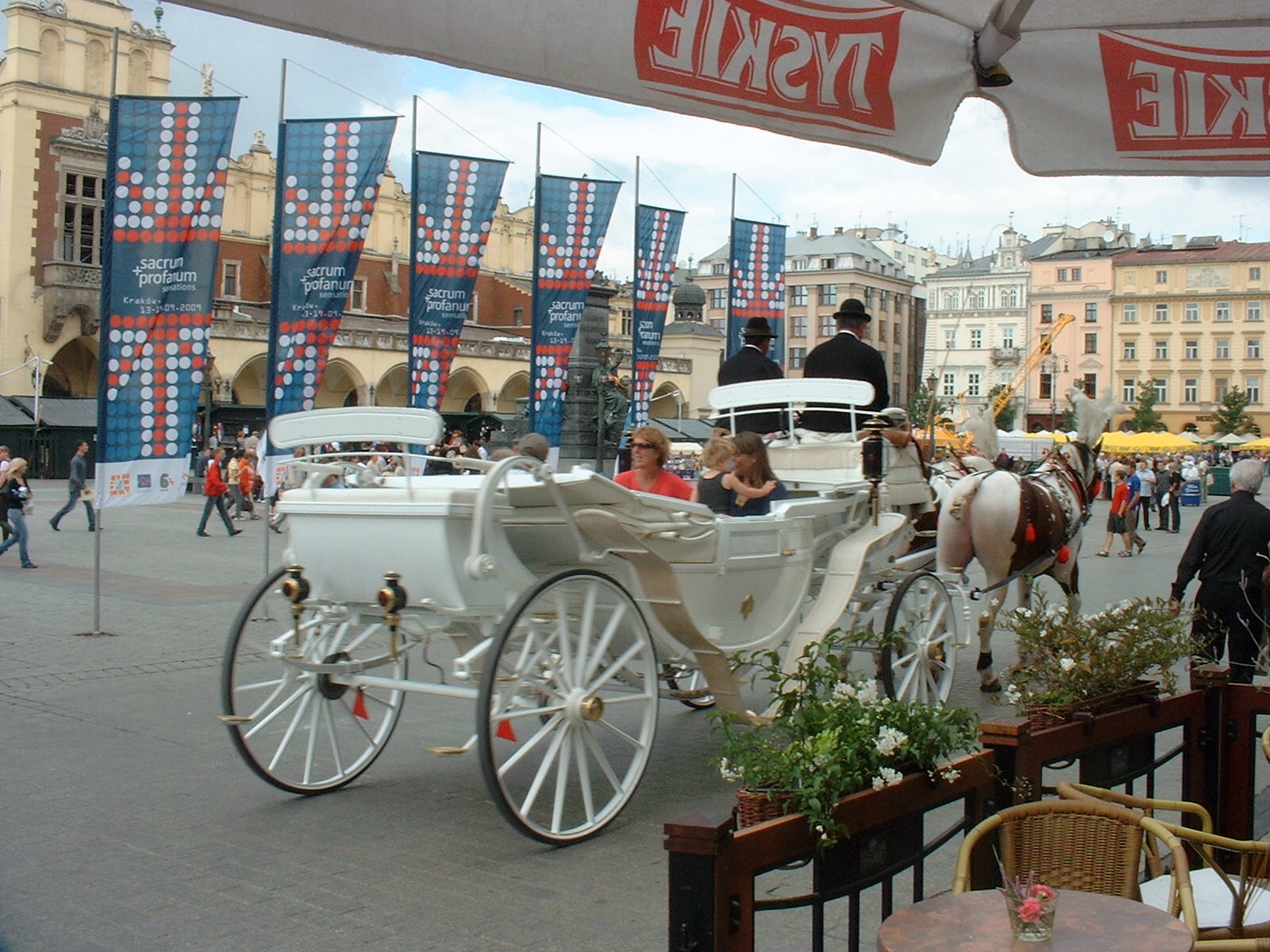
Coach and horses in Krakow’s mighty Rynek

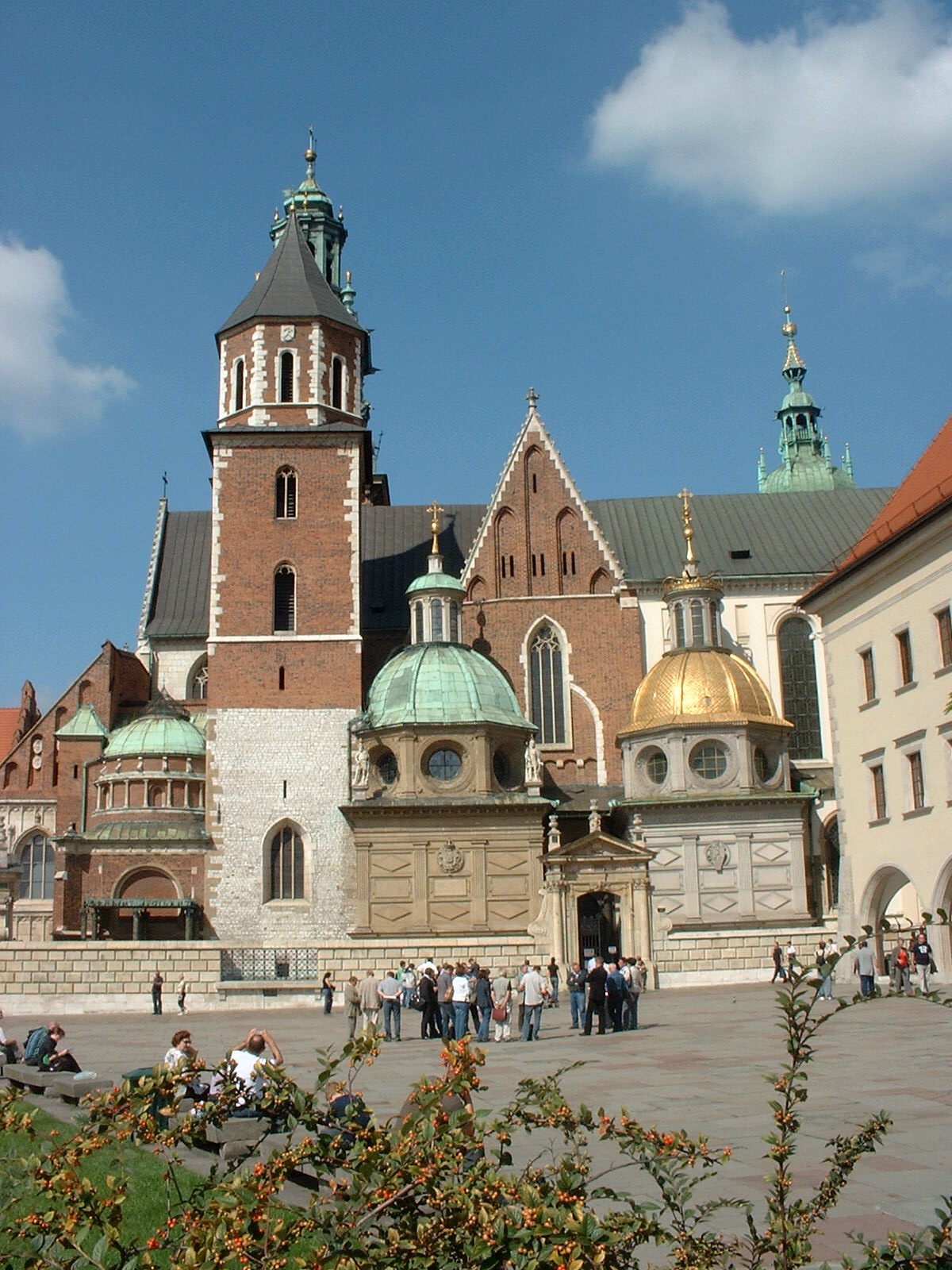
All of Krakow’s history is on display on Wawel Hill

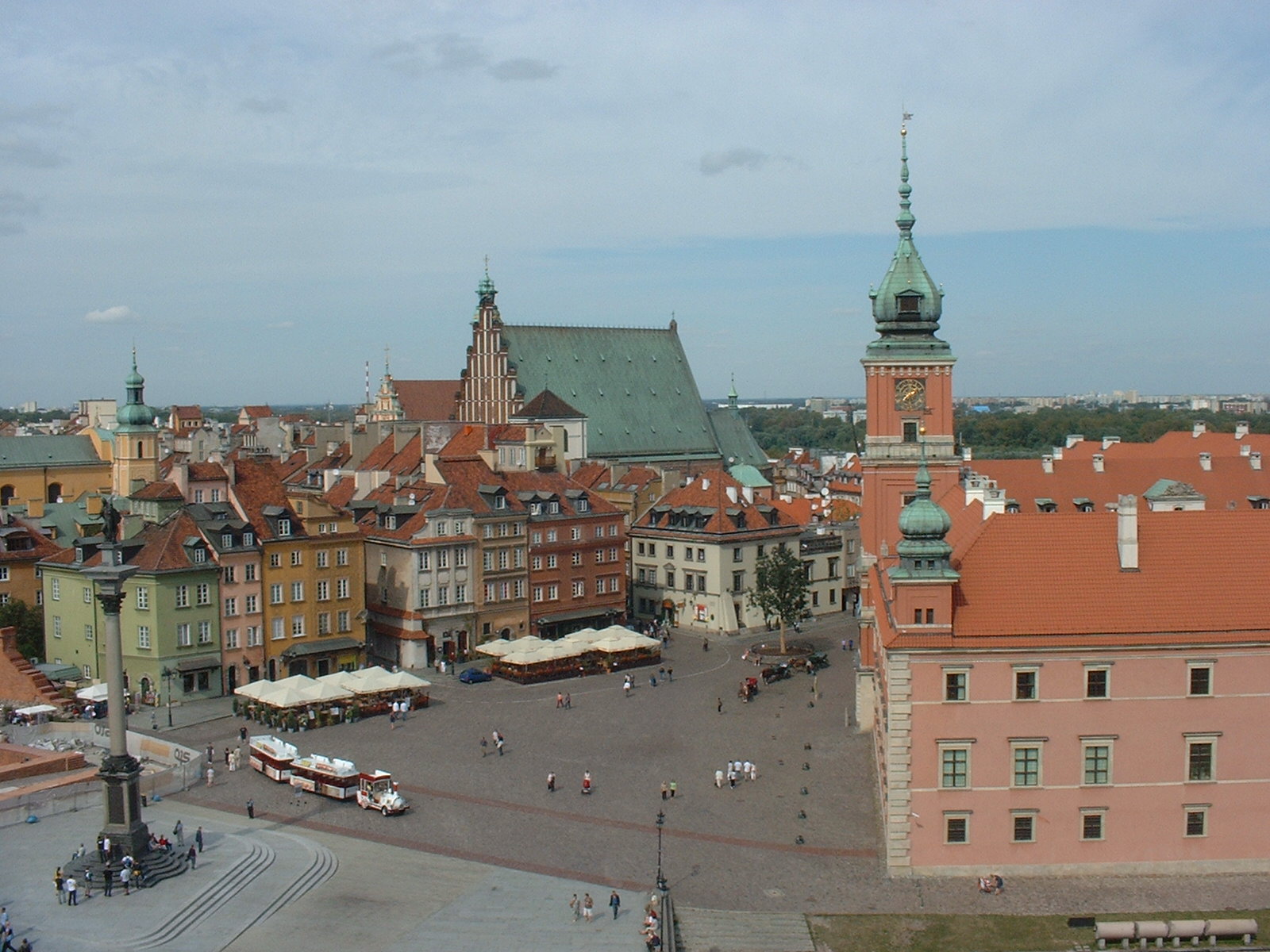
Talking of survivors, where better than Warsaw’s Stare Miasto?

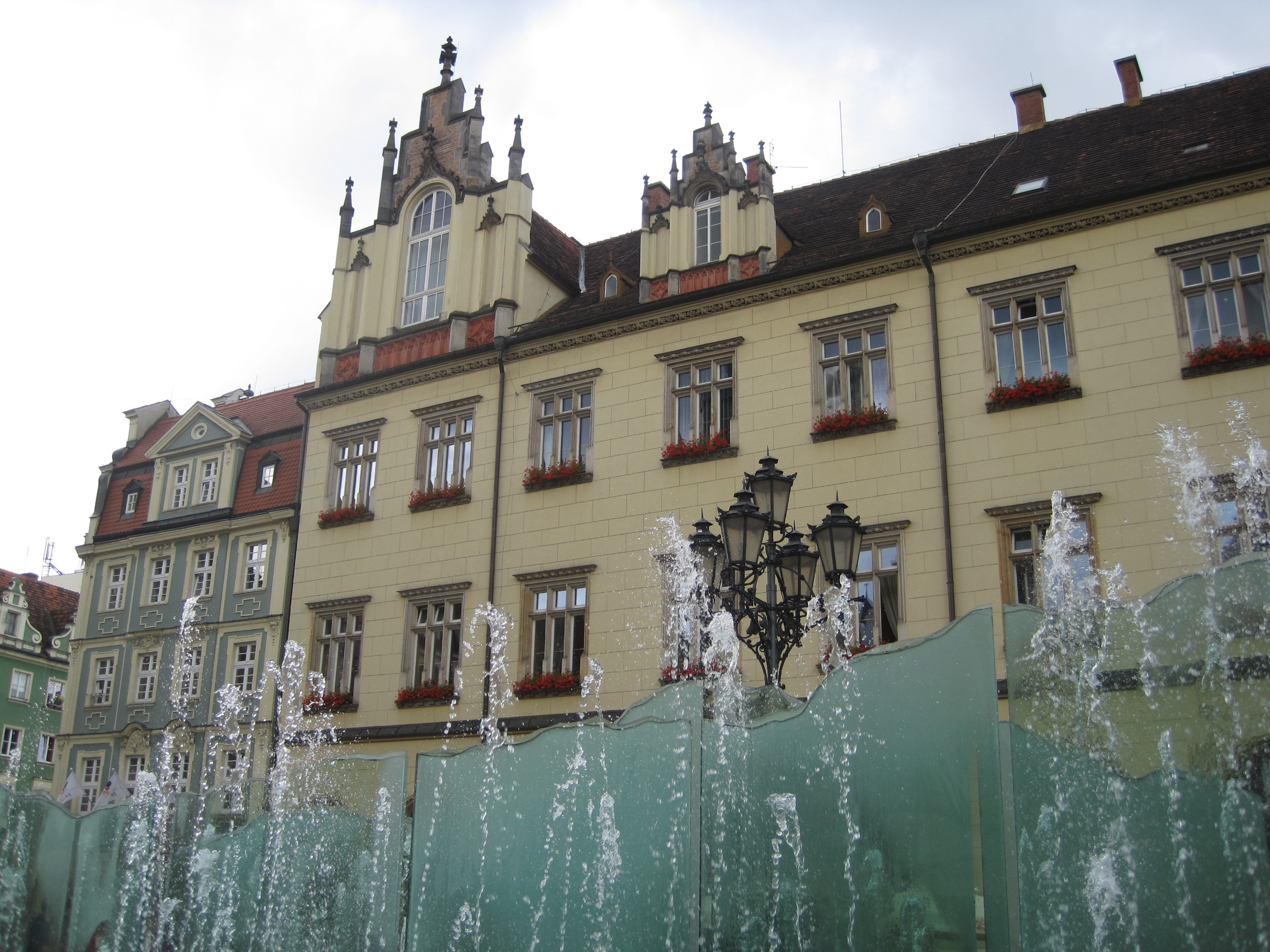
Or the Rynek (market square) in Wroclaw

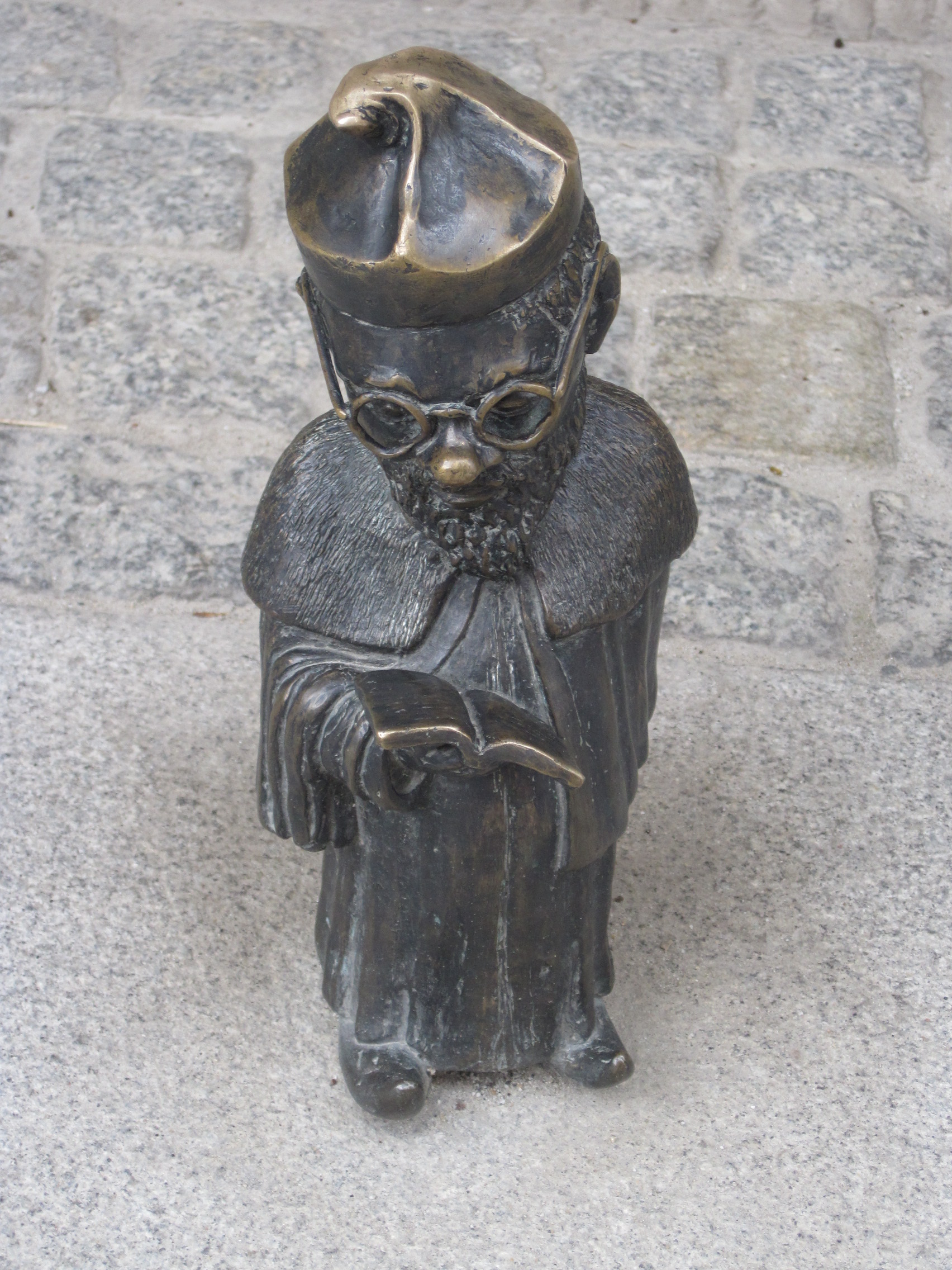
Wroclaw has cultural humour too, with its army of gnomes

I don’t truly consider myself a city person any more, but just sometimes I lose my heart to a city.  (You knew there was a song in there, bursting to get out, didn’t you?  Yes, I always did want to see San Francisco, but I haven’t made it there yet)

I expect you know the city I’m talking about.  I’ve talked about nothing else since I got home.

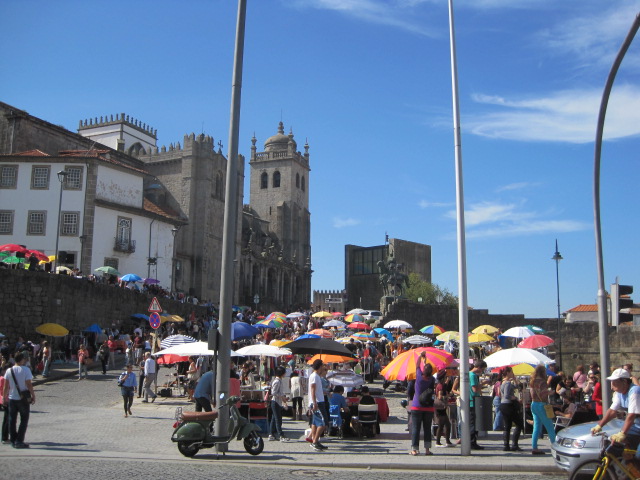
It’s a city full of colour

Beauty

History

Life

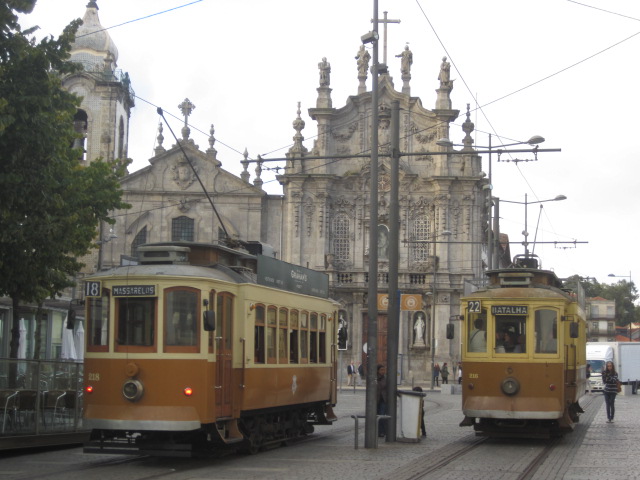
Trams

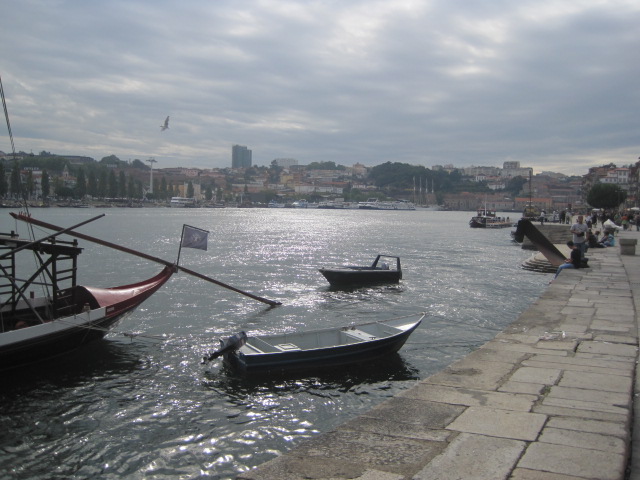
Boats

Character

Amazing churches

And azulejos, of course

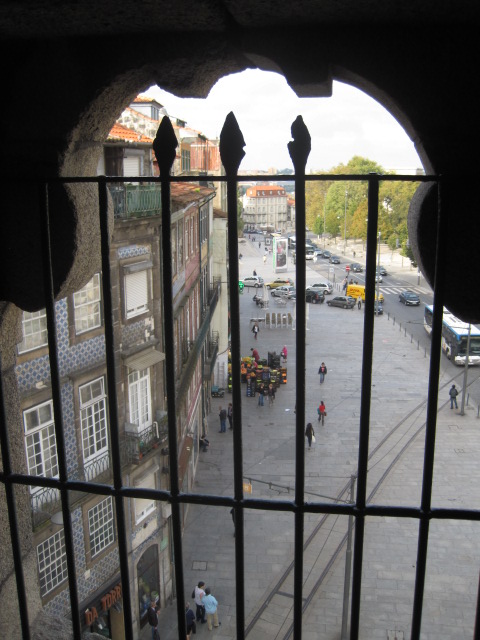
So yes, I have lost my heart to a city by a bay, but it’s not San Francisco.  It’s Portugal’s fine northern city, Porto.  As usual, I have Jake to thank for allowing me to share these memories, old and new.  What does a city mean to you?  Jakesprinter’s bound to have lots of great examples.  Follow the links or click on the flying dragon logo to share.

Simply beautiful blue and white

One of my earliest memories is of the blue and white Willow pattern plate that sat on a shelf of my grandmother’s Welsh dresser.  It was side by side with a heavy glass plate, with The Lord’s Prayer etched around the rim.  Commonplace in those days, I expect, but I loved them.

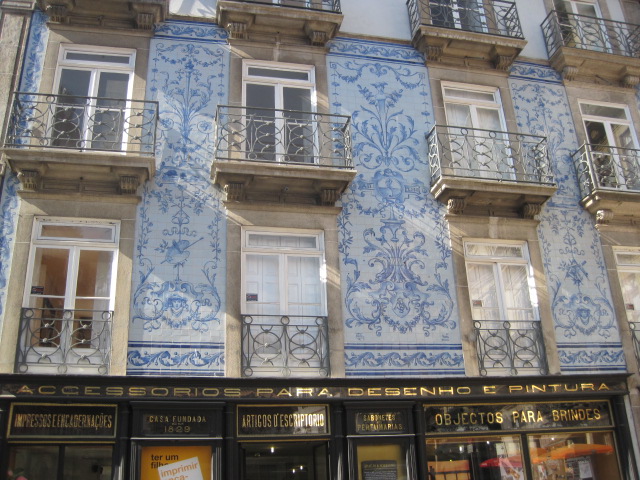
I don’t know if it’s that memory, or my lifelong embrace of the sparkling colours of the sea, but I’ve always loved the simplicity of blue and white.  Imagine then, my response, on arriving in Portugal and finding that so many of it’s buildings have been lovingly clad in blue and white tiles.

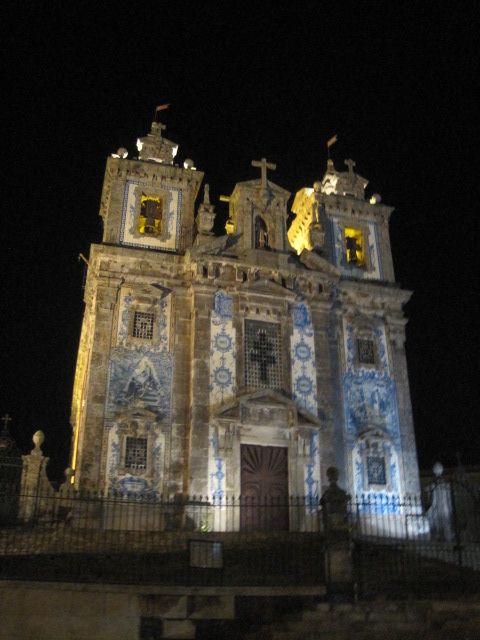
Porto?  Well, that was just the icing on the cake!  Stepping out of Bolhao Metro, I turned down Rua de Santa Caterina.  Immediately in my vision, the Capela das Almas, a solid wall of blue and white.  It was late evening and dark, so the church was floodlit.  What a welcome!  I knew right then that coming to Porto was going to be all that I had hoped for.

The road dips gently down, passing famous Cafe Majestic (pinch me, I really am here!) and into Praca de Batalha.  I just stood and stared, and stared.

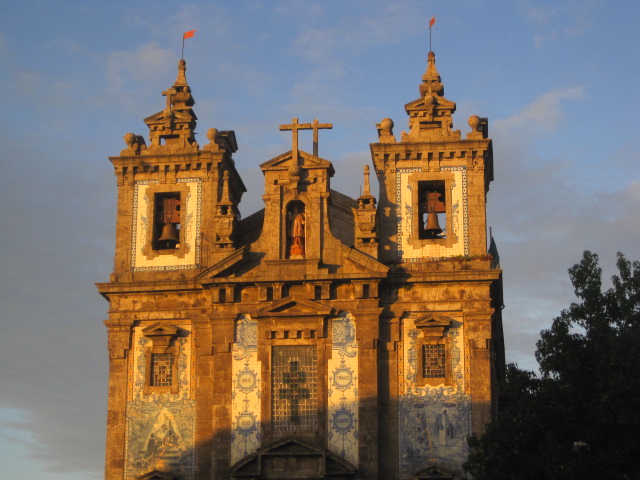
Hauntingly lovely Igreja de Santo Ildefonso

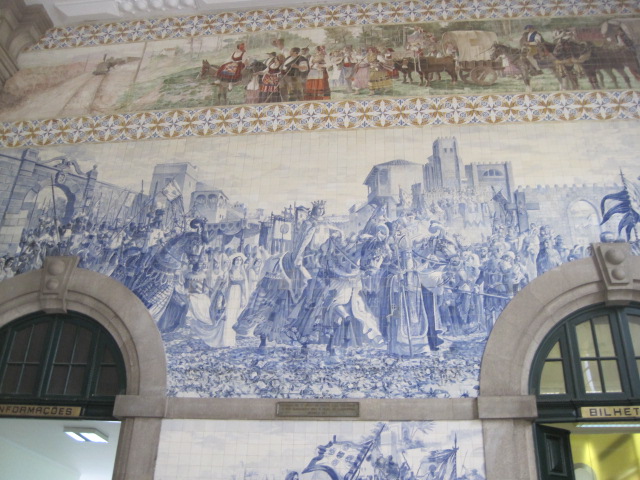
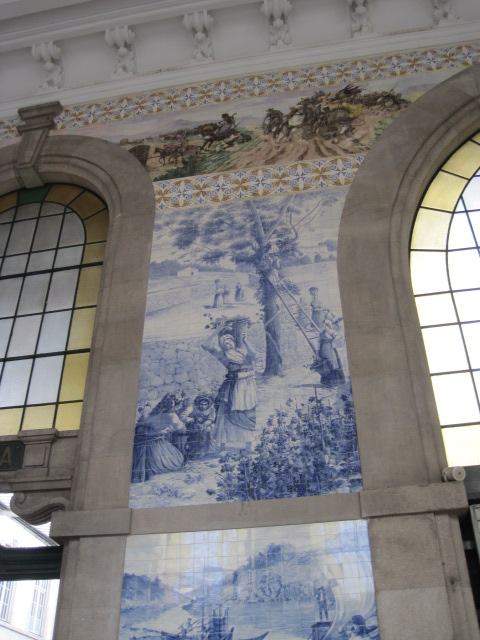
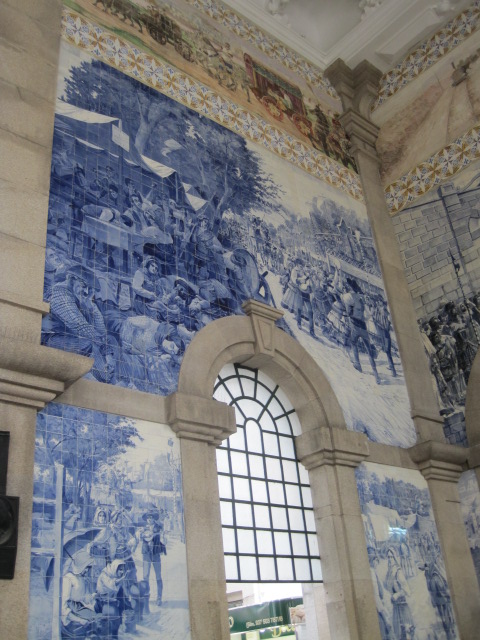
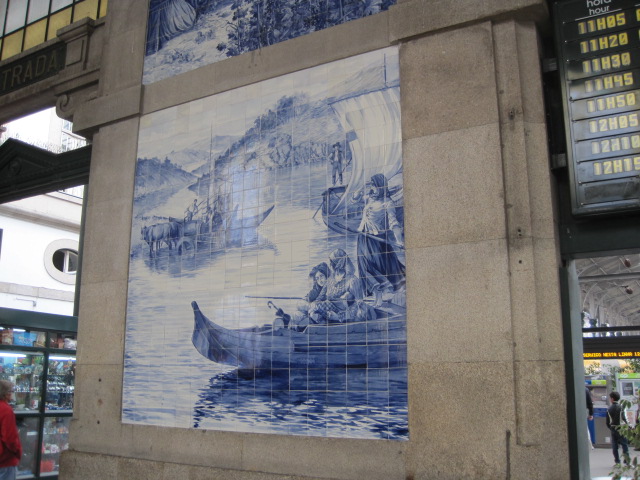
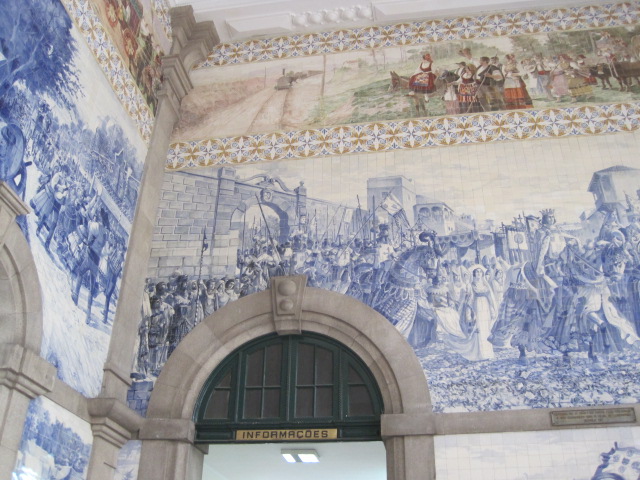
After a night’s sleep, it just got better and better!  Well, you’ve all heard of Sao Bento railway station, haven’t you?  It was just around the corner.

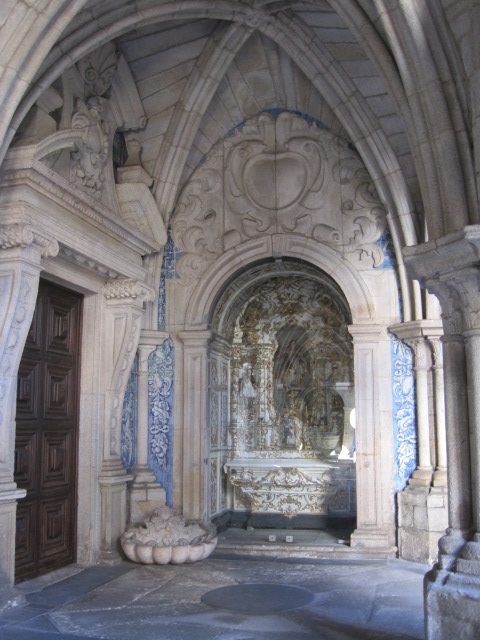
I wasn’t so sure at first about the Se, or Cathedral.  It has the Rose Window and the sturdy pillars of my own Durham Cathedral, back home, but step into the cloisters and you’re in a magical world.  Climbing to the Royal Apartments and viewing terrace, I couldn’t imagine ever attending to the affairs of state with such a view on hand.

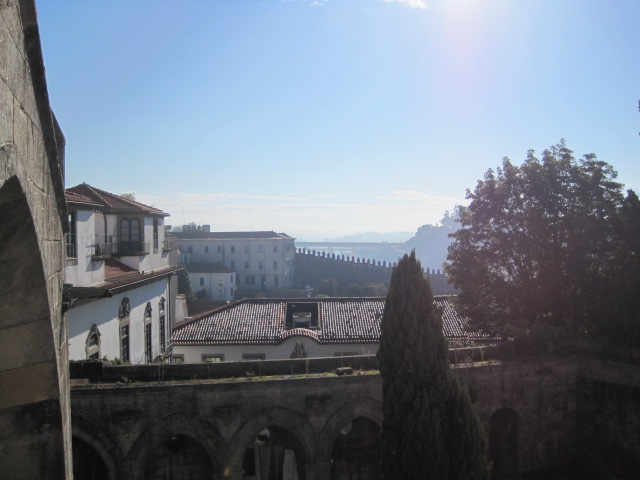
The view from the terrace above the cloisters

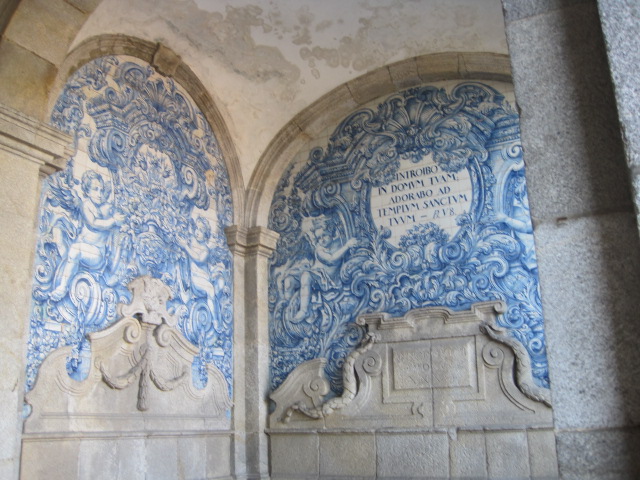
Stepping in to a fragile and wonderful world

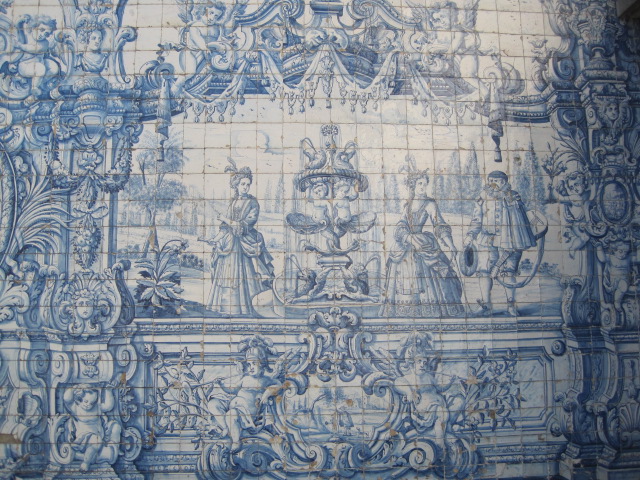
Those courtly days

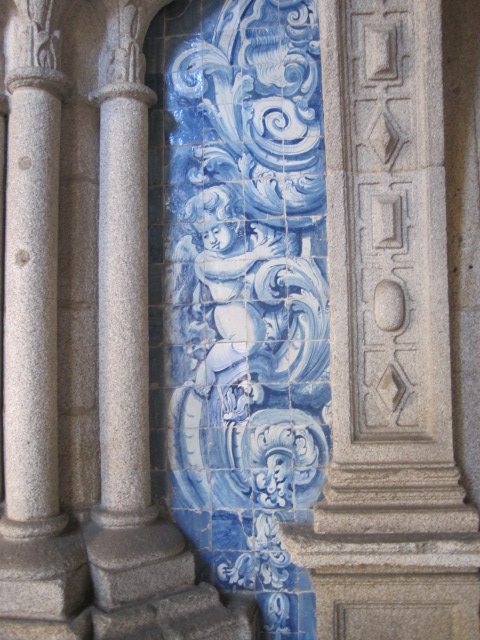
A cherub or two

A few more?

And one by the window, ready to steal a peep

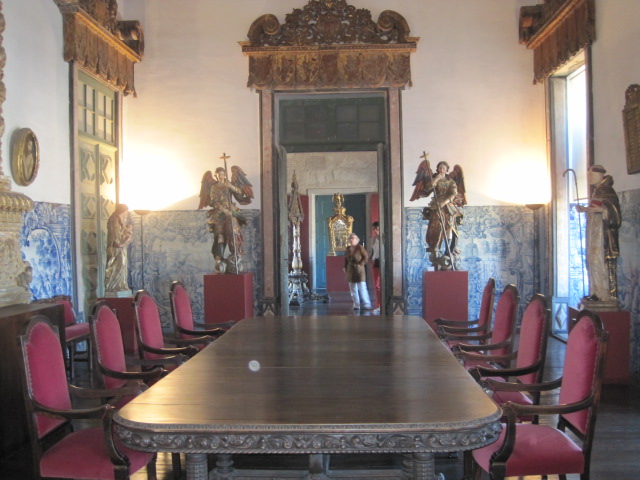
A room fit for a king

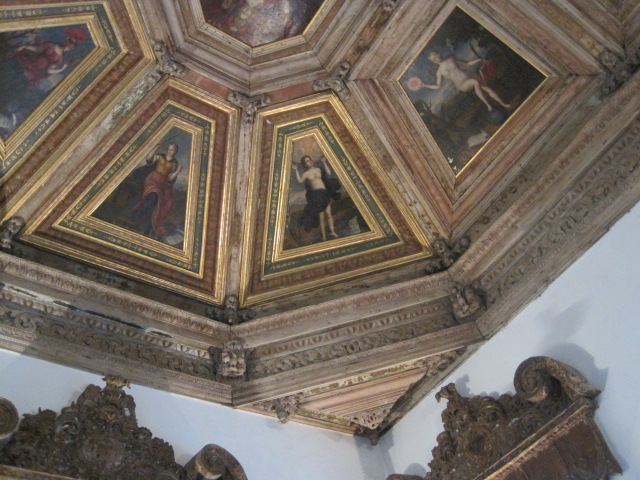
Even the ceiling is gorgeous

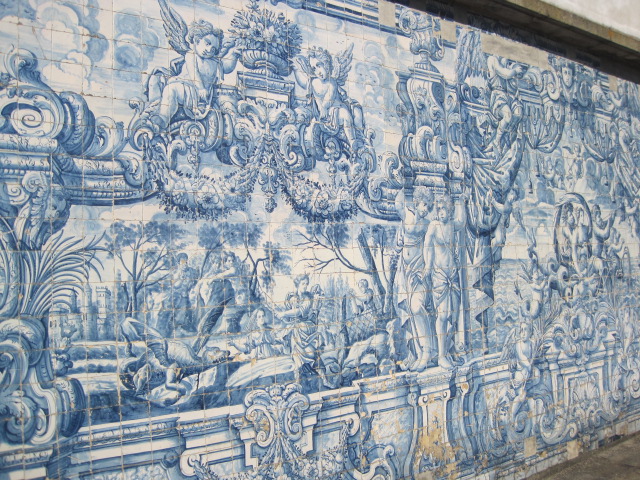
But nothing surpasses blue and white

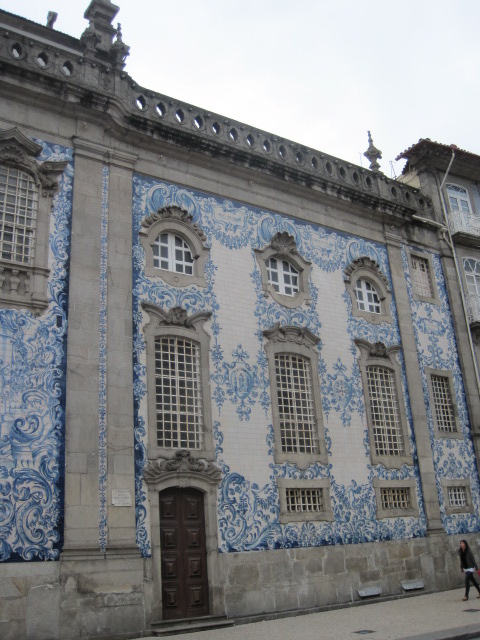
Of course, it doesn’t end there.  There’s the Carmo Church in the University Quarter,  a tile wall that I adore in Rua das Flores, and many others.

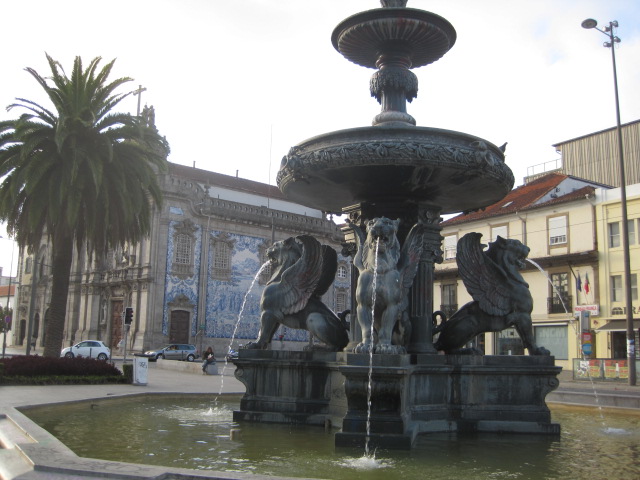
Just a glimpse of the Carmo Church, behind the Lion Fountain

Lovely Rua das Flores

But I don’t want to wear you out.  We still have to travel up the Douro together.  There was no shortage of azulejos there either, and the most stunning scenery I’ve seen in some time.  So do come back, won’t you?  I’m looking forward to it.

My Algarve Insider Tips

Call me mean if you like but I’m always reluctant to share too many tips, for fear that my favourite Algarve places become over popular.  In general I like my beaches to be empty.  But Easyjet have tempted me to share a few things that might make your Algarve experience that little bit more special.  I’m always glad to promote Portugal – it’s a beautiful place.

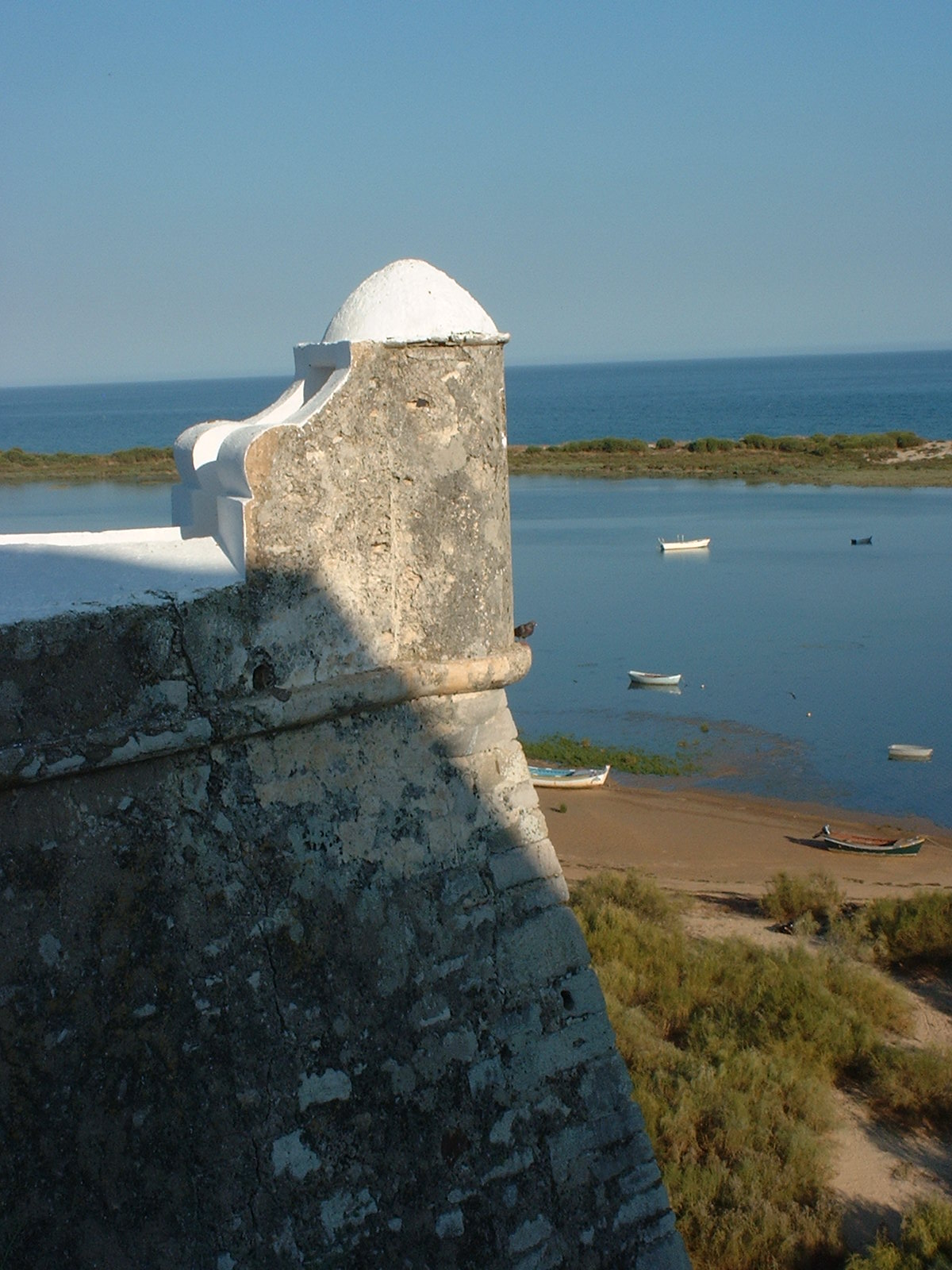
The Ria Formosa from the castle walls of tiny Cacela Velha

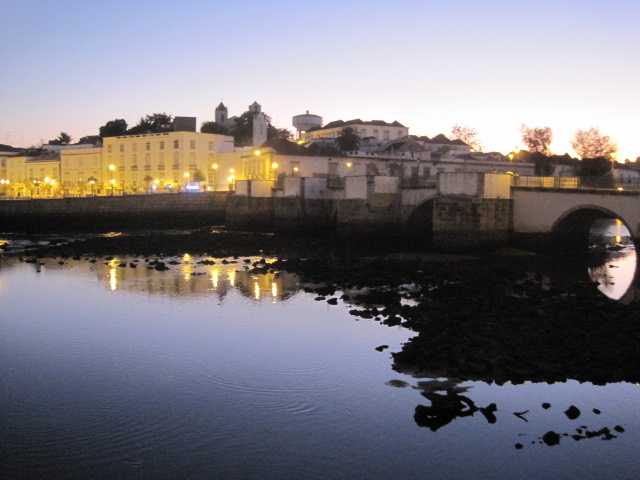
So shall we start with the beaches?  They’re hard to ignore, and why would you?  My personal favourites are those that you reach by boat.  Watching the sun glint off the water as you glide towards your beach of choice is my idea of heaven.  I’m an Eastern Algarve lass, and Tavira Island beach is my natural habitat.  It’s in the Ria Formosa so you’ll be able to spy out egrets and heron as the boat heads down river.  Looking back, pretty Tavira fills the skyline.

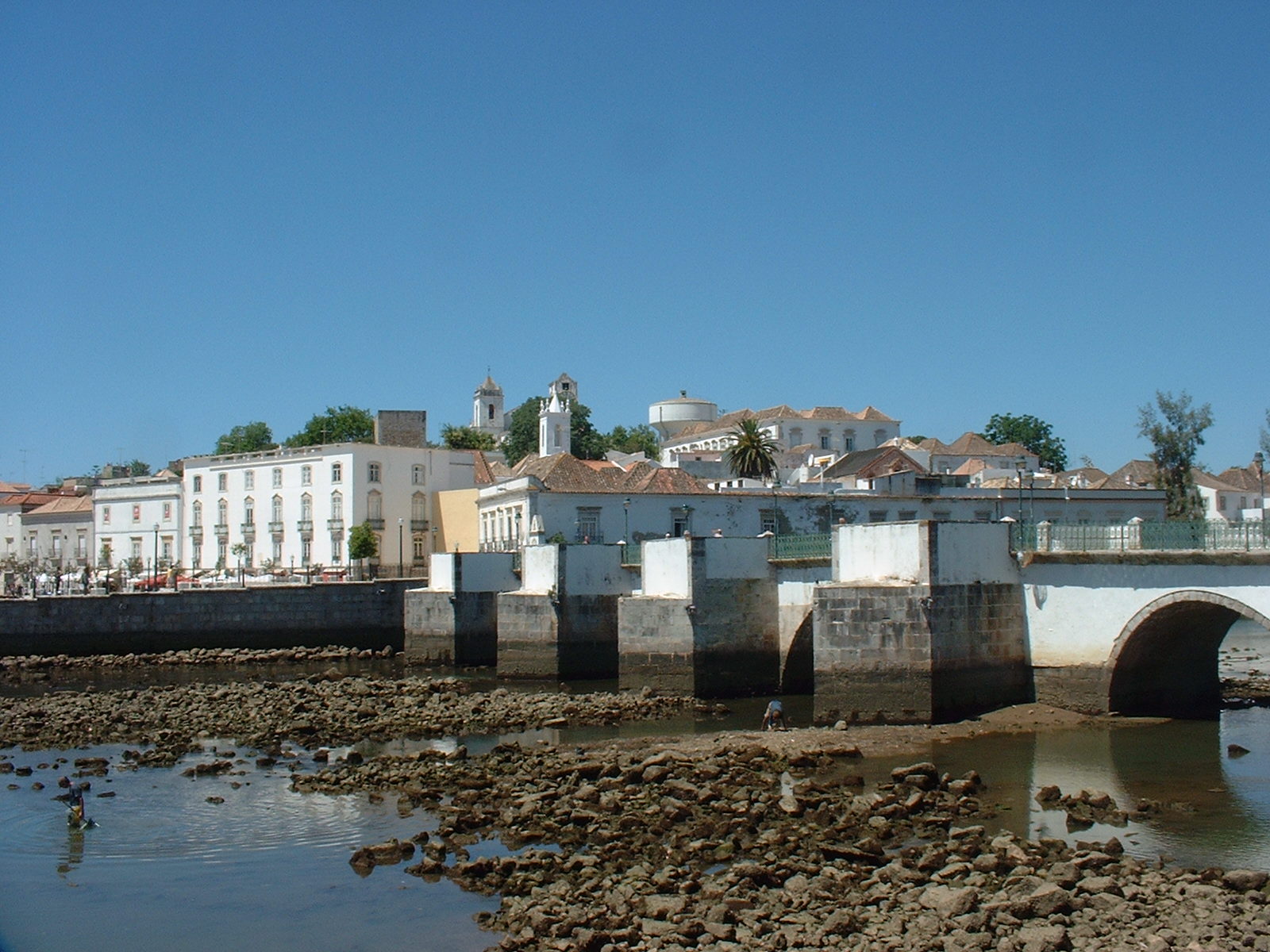
Tavira’s iconic Ponte Romana bridge, church and water tower

Tavira Island ferry, surrounded by an international sailing regatta

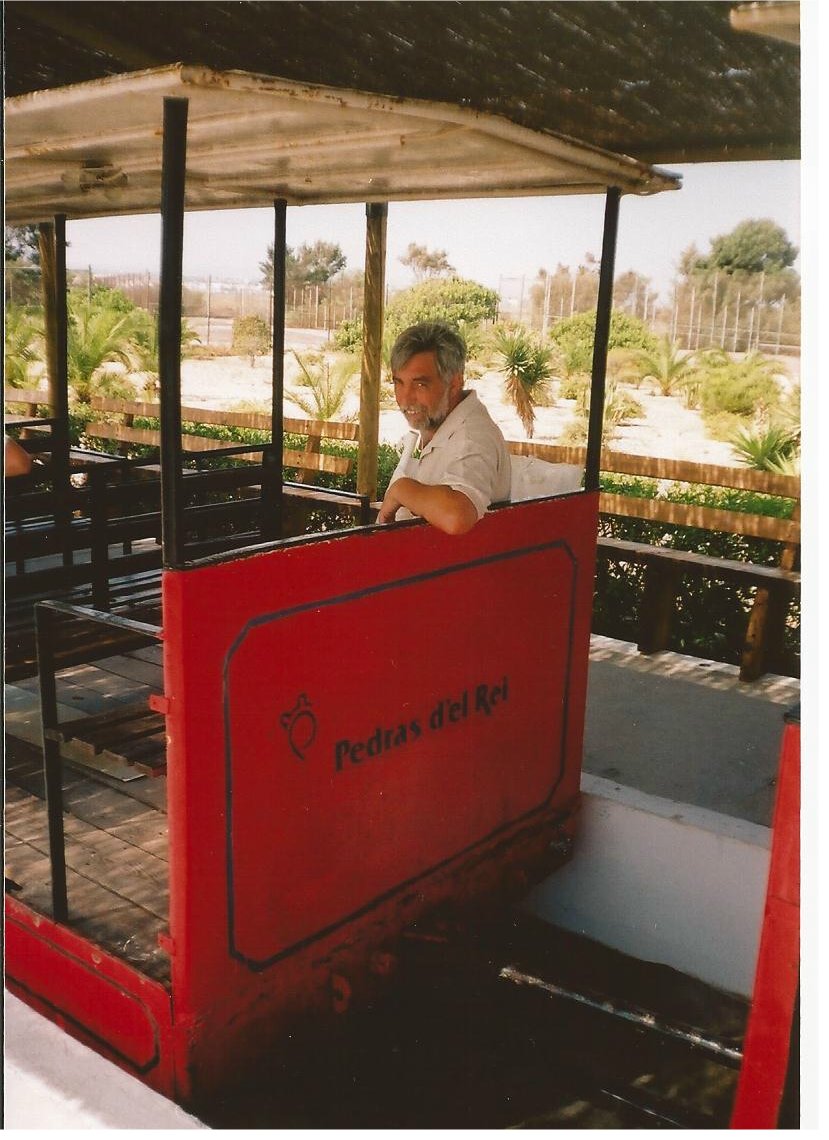
If you happen to be a landlubber, you can reach a stretch of the same beach by land train from Barril, a little further west.  I usually ride out and walk back, depending on the time of day.  Tiny crabs scuttle in the salt marshes and wispy pines shade the varying blooms.

My lazy husband loves to catch the land train over to Barril on Tavira Island

I’ve already hinted that I love boats, and the harbour at Olhao is the perfect jump off point for the islands of Armona and Culatra.  The ferry loads up with all manner of goods from the local market before slipping past the yachts in the marina and across the limpid sea.  Armona, my favourite, is a bare 20 minutes away, but it’s a different world.  In Summer the beach houses that line the narrow paths across the island may be lazily occupied, but it’s still not hard to find your very own stretch of sand.  If the heat becomes too much, a cluster of restaurants provide welcome shade.  Youngsters cool off rather more dramatically by plunging off the pier.

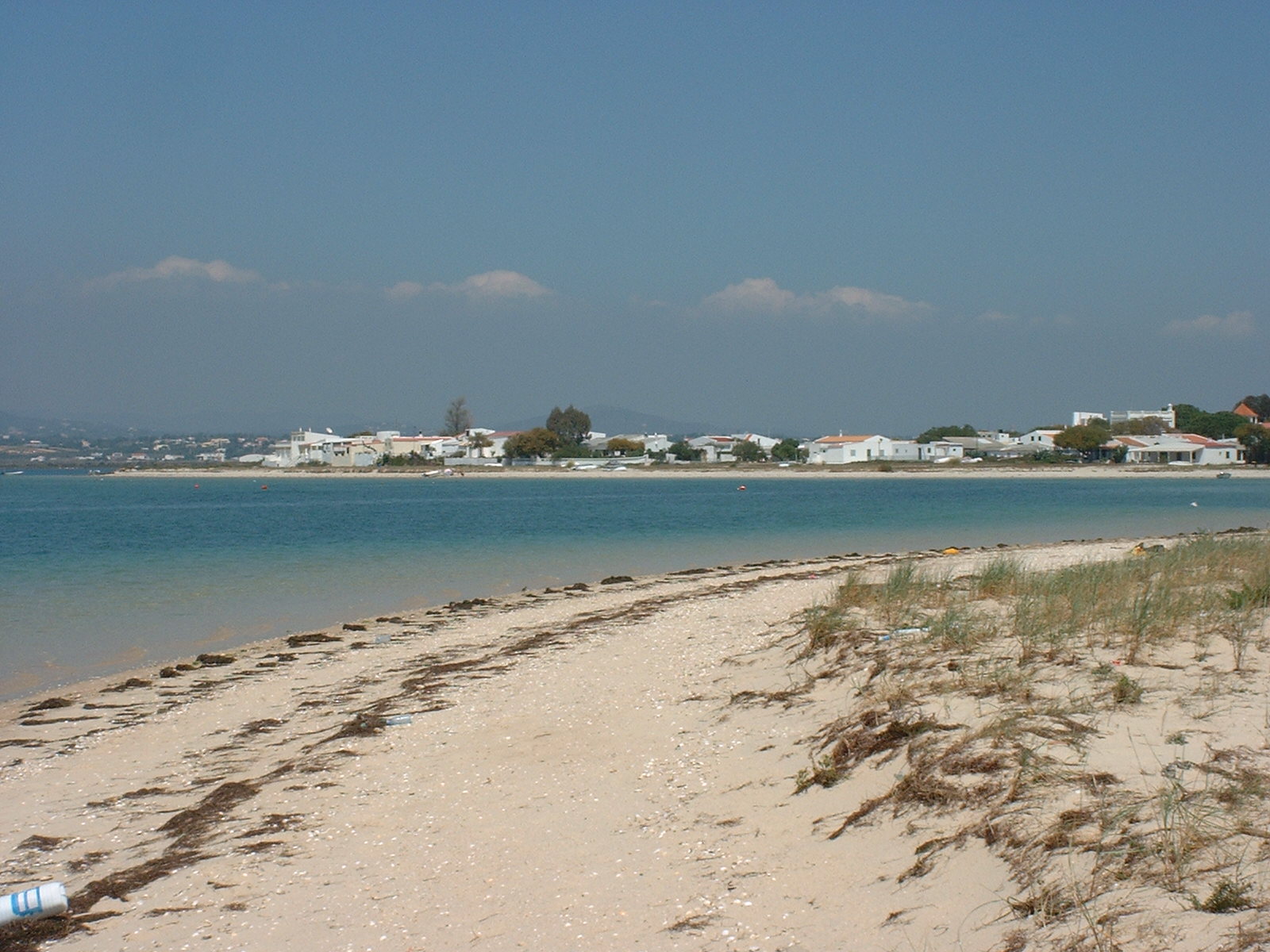
Looking across Armona to the mainland

Culatra is slightly further distant.  Chances are you’ll have seen the lighthouse at Farol as the plane banked in the skies over Faro airport.  As with Armona, a small community lives on the island, and you can wander the sandy paths down to the sea.  The ferry makes two stops on Culatra so it’s possible to disembark at the first and paddle along the shoreline to Farol, then pick up a later ferry back to Olhao.  A couple of cafes offer shade with a sea view.  The sun sliding down the sky on a golden evening is the perfect ending to a day by the water.  You might even spot a dolphin or two, playing in the waves as you sail home.

Farol, the lighthouse on Culatra

If your base is further west in the Algarve, you can sail out of Faro to reach Culatra, or to Barreta, popularly known as Ilha Deserta.  Don’t go without your sunscreen- the reflection off the sea will tan you instantly, and the only shelter is at O Estamine, the Algarve’s most southerly restaurant.

Peace and calm at the end of the day, just the tinkle of masts

As well as bobbing about in boats, I very much like to walk.  The Algarve has some truly beautiful countryside, and one of the best ways to see it is to join a walking group.  These are advertised each week in the “Portugal News”.  You benefit from the local knowledge of the walk leader, and like-minded people to chat to along the way.  People are always keen to share tidbits like the best places to eat and drink cheaply.  The walks usually include a stop off at a restaurant as a reward for your walking efforts.

Really keen walkers might like to check out the Via Algarviana, an inland walking trail which stretches all the way from Alcoutim at the Spanish border out to the very tip of the Algarve.  It’s possible to walk just a small section, or to book accommodation along the route in local farmhouses.  It’s an Algarve many people never glimpse, or even dream of.  You might be lucky and spot some of the spectacularly pretty bee-eaters, swooping low over the water, or a hoopoe hiding in the trees.
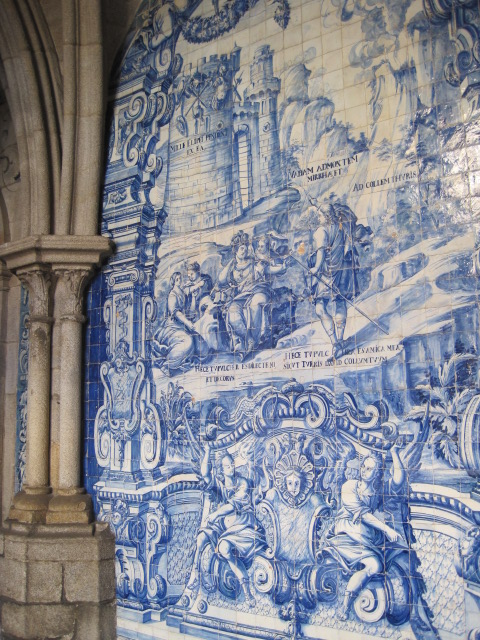
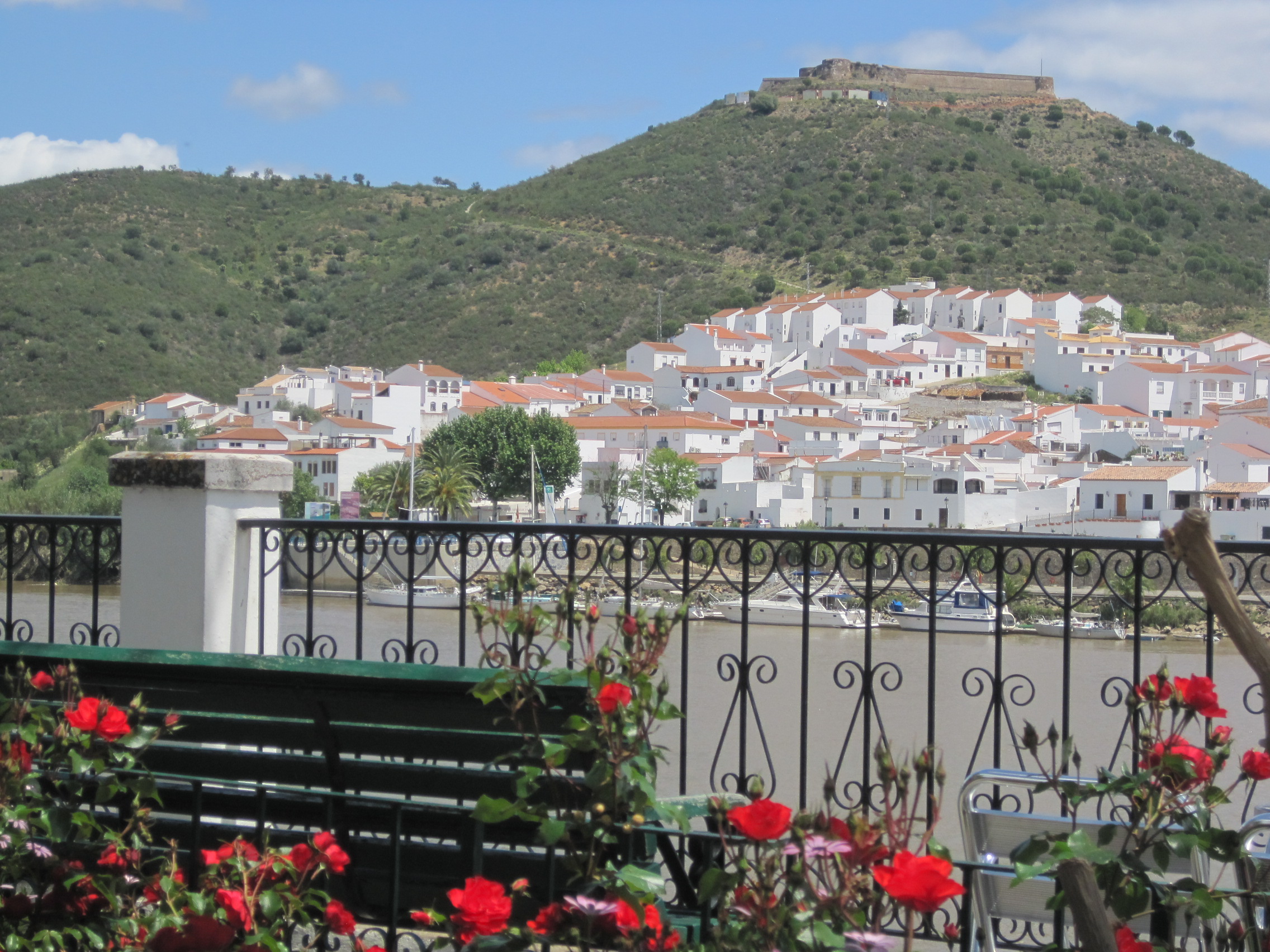
Looking out from Alcoutim across the river to Sanlucar de Guadiana, in Spain

Bikers are not neglected either.  Cycle tours are also featured in the “Portugal News” (grab one free at the airport on your way in).  There’s a coastal cycle path which is great for getting the wind in your hair on one of those warm Algarve days.  Bike hire is widely available throughout the area.

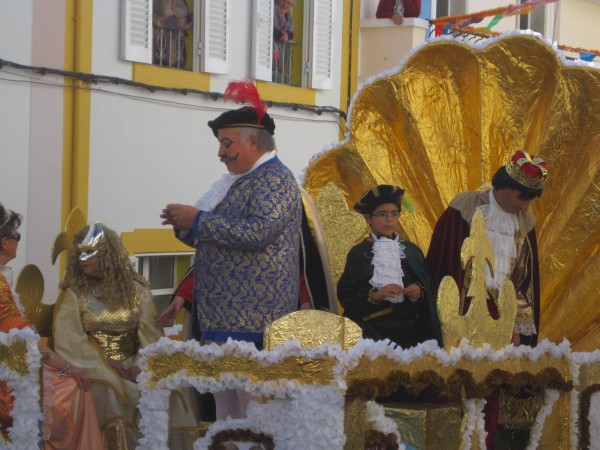
To really add some Algarve flavour to your holiday, you should try to seek out a festival.  The Portuguese are often quite serious natured, but they love to celebrate.  Carnaval in February is one of the year’s major events, and the parades are full of joy and laughter.  The town of Loule hosts the main one, but many of the villages have their own celebration.  I was lucky enough to catch the one in Paderne, not too far from Albufeira, this year.  The children delighted in wearing their fancy dress and skipping along behind the main procession.  If you do visit Paderne, don’t forget to check out the Corte Real art gallery.  It’s a lovingly restored very special farmhouse.

Carnaval carry-on at Paderne

A small ladybird gleefully joins the procession

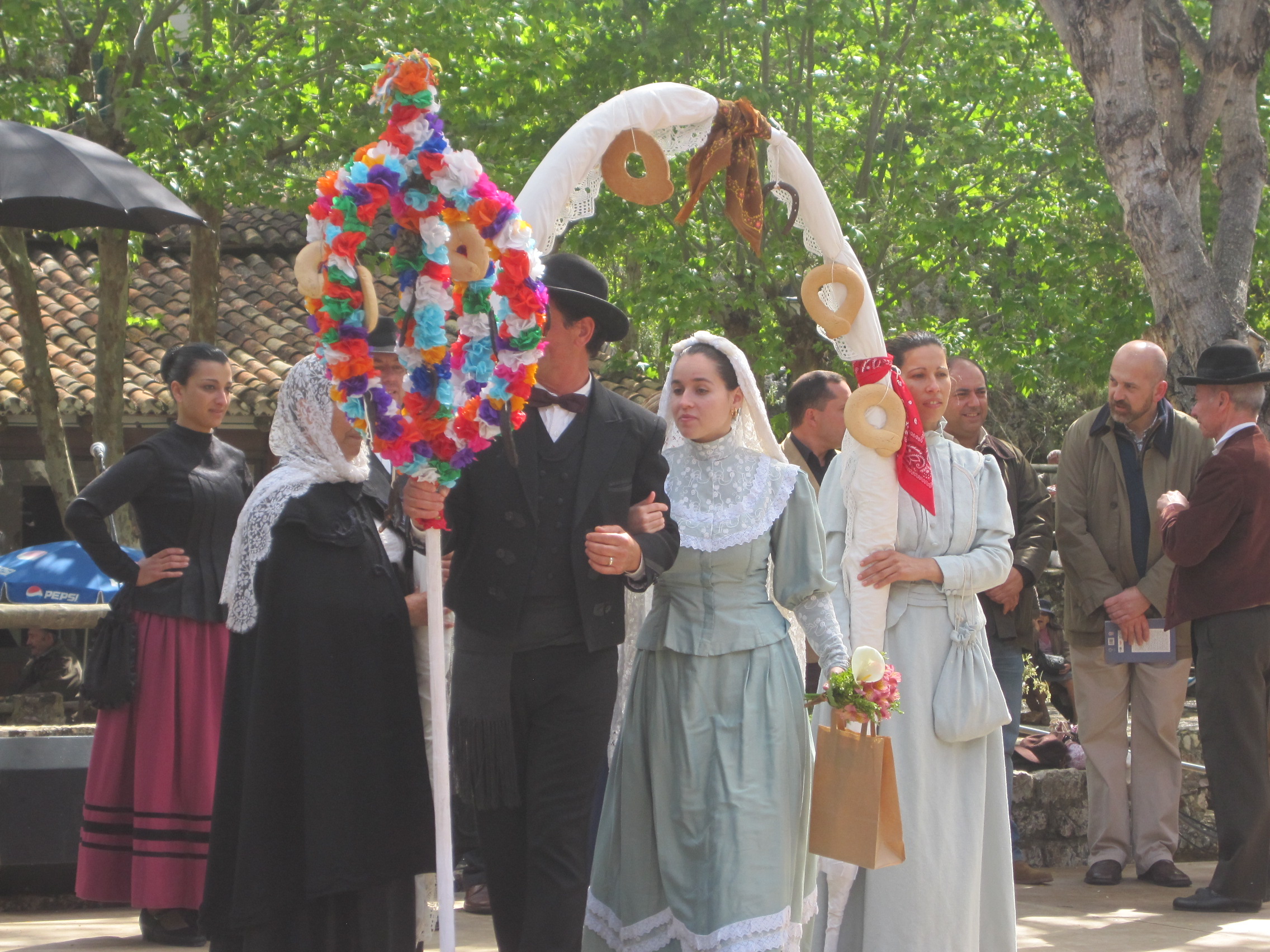
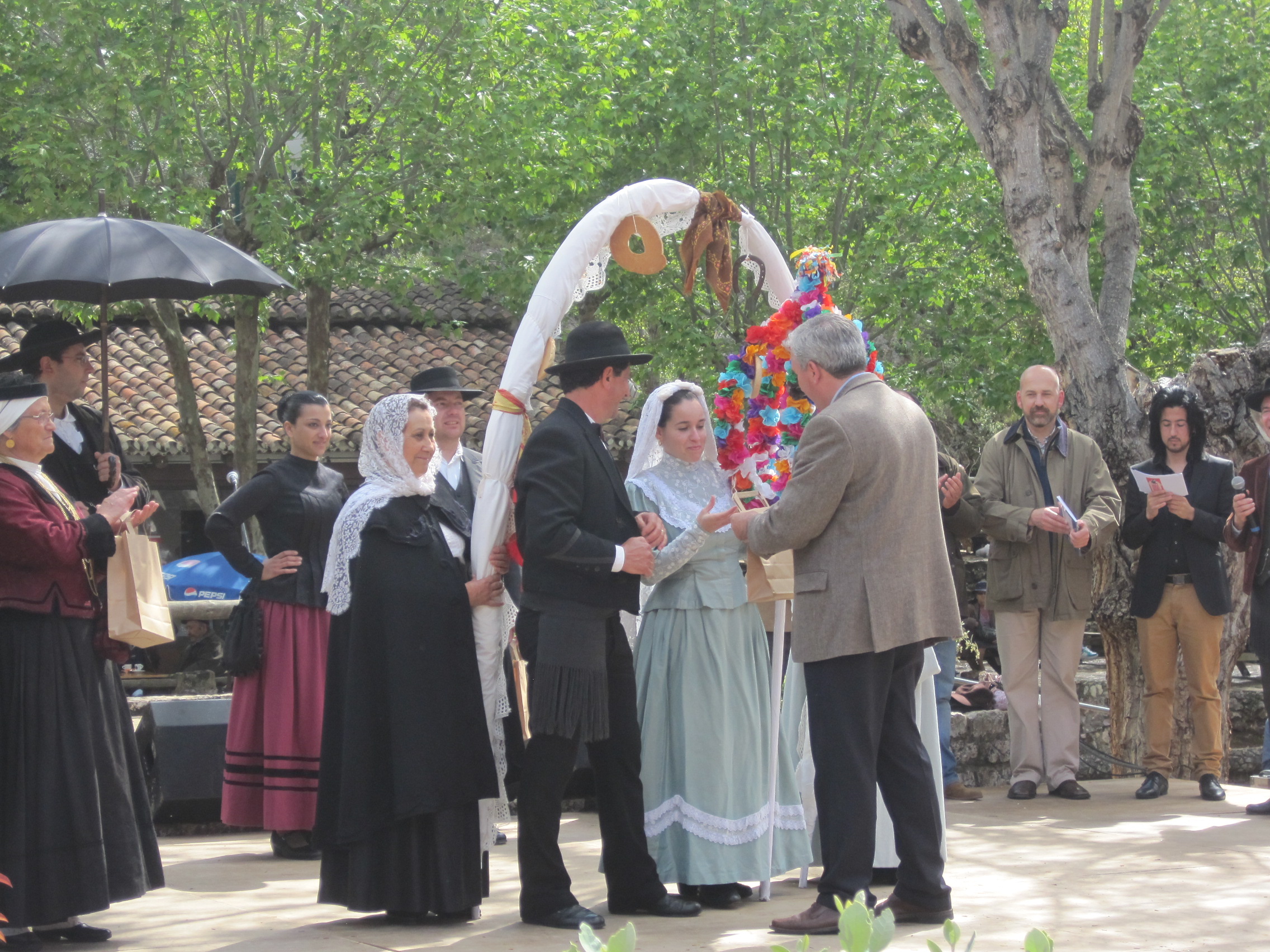
Further inland, Alte has a great Carnaval celebration too, but more than this, there’s a superb Folklore Festival in May, and in September a traditional Wedding Ceremony.

Alte’s wedding ceremony is like no other

You can even pop very easily over the border to Spain from the Eastern Algarve.  Sanlucar de Guadiana has a beautifully costumed gypsy romeria the first weekend in May.  I came upon this quite by accident and it’s one of the delights of time spent in the Algarve that you can happen upon a local festival at almost any time of year.

There are lots of reasonably priced places to stay across the Algarve, but if you like the sound of the Eastern Algarve and don’t mind being just a little way from the main towns, newly opened Fazenda Nova will give you a warm reception.  Their “things to do” page will give you lots more ideas too.

The end of another lovely day in Tavira

These are my tips for tourists visiting the Algarve.  If you wind up in Tavira you may even find me, sitting with my evening glass of port, outside Anazu, watching the tiny swifts dart up to their nests above the cafe.  The riverside setting is perfect.  If I’m eating out, I could be round the corner at A Taska, just off Praca Dr. Padhina.  It’s the prettiest little restaurant I know.

If you need any more details, just ask. Many of my posts relate to the Algarve.  https://restlessjo.wordpress.com/2012/01/23/b-is-for-beaches/ will give you a flavour of the area.

How fitting that I’m flying south again tomorrow.  Hope to see you there soon.

T is for the Tavira Vase

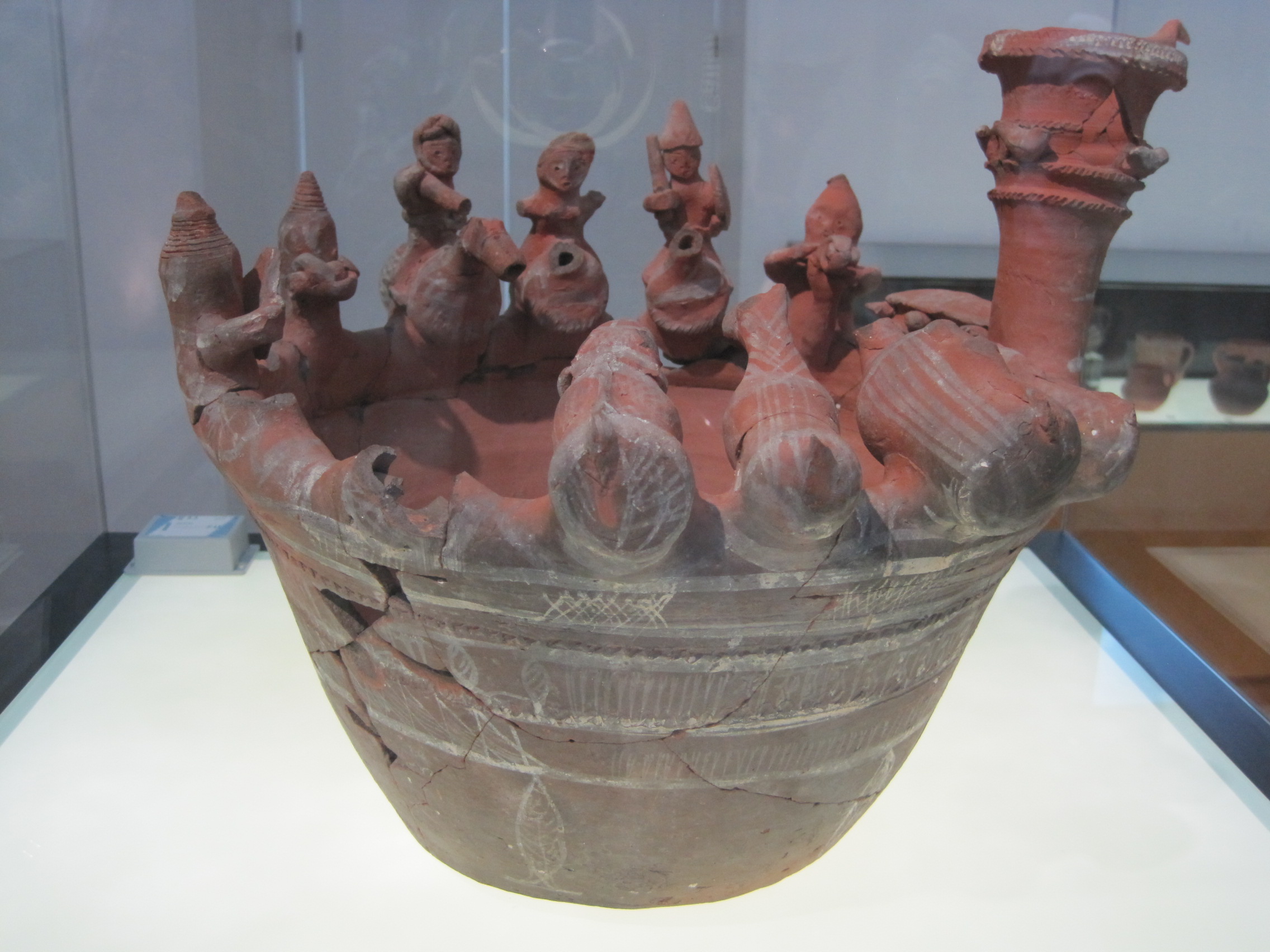
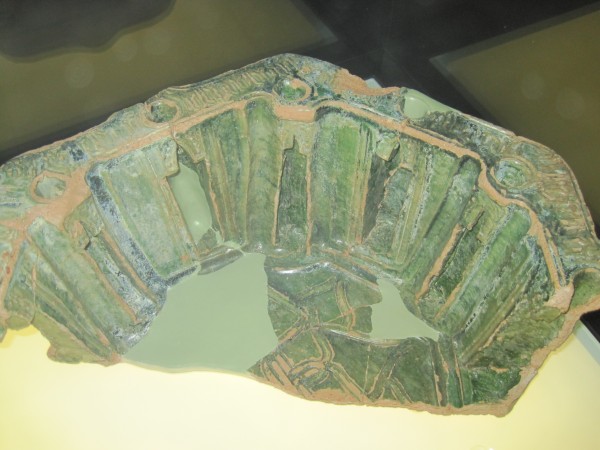
Now this may not be what you’re expecting, but I’m well aware that I’ve filled pages with the delights of Tavira, in Portugal’s Algarve.  So I thought I’d dedicate my “T” post to something I find quite intriguing- the Tavira Vase.

As I walk around Tavira I’m constantly aware of renovation work going on.  Many of the older buildings have been painstakingly restored, the Galeria Palace being a prime example.

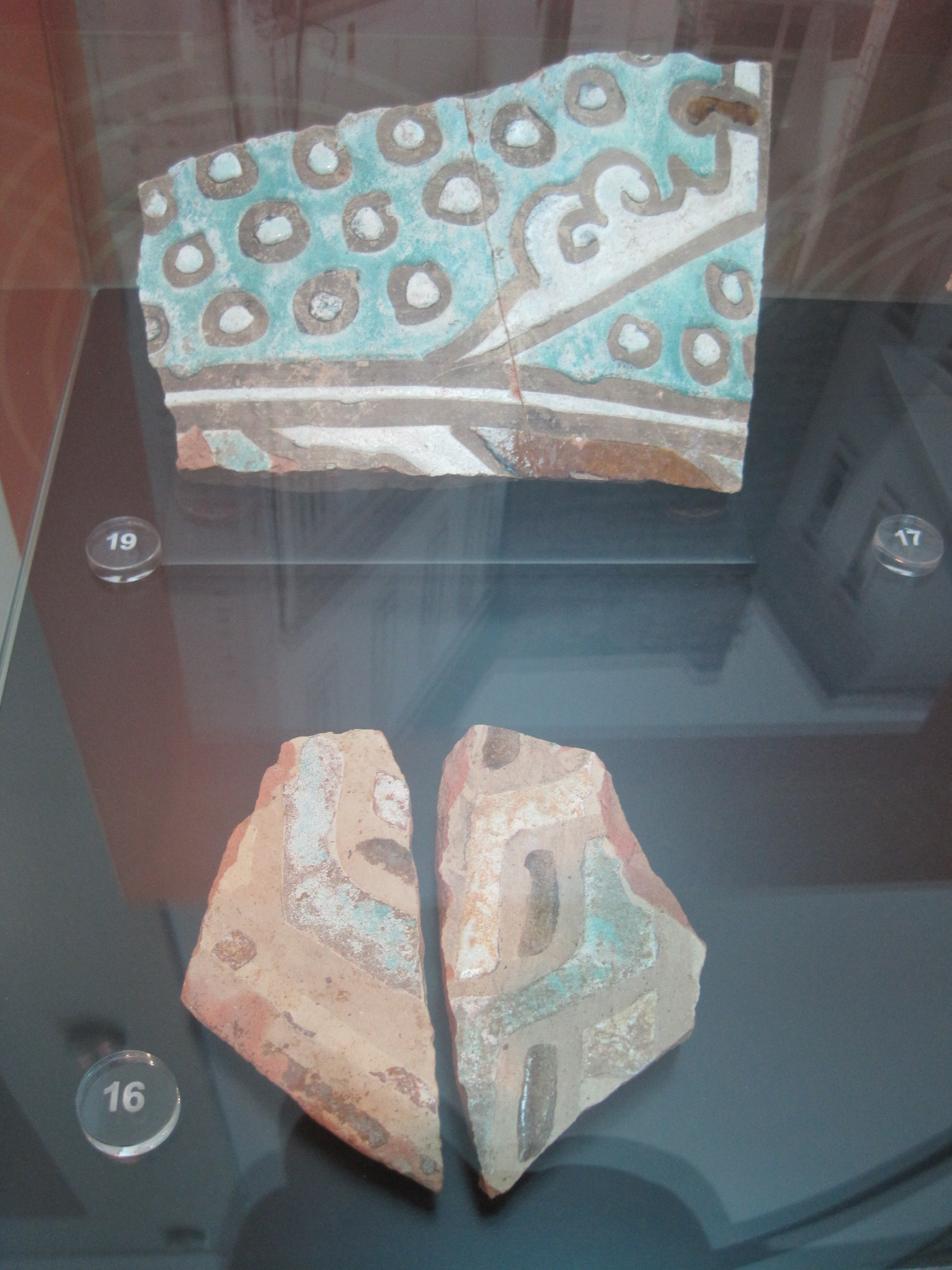
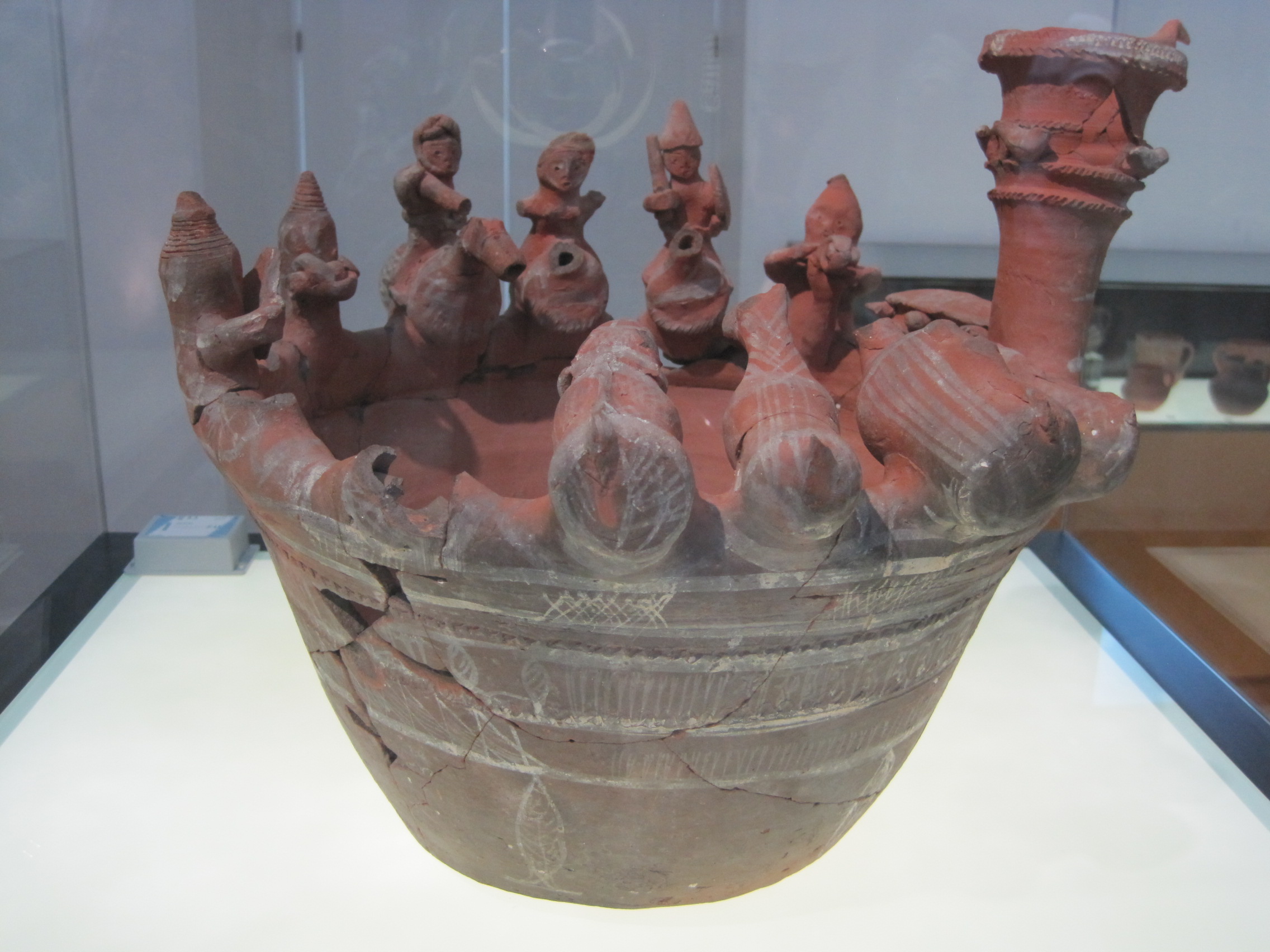
At the reverse of the building, excavation has been in progress for some time.  A long promised museum, dedicated to locally discovered Islamic Art, finally opened in April last year.  On display are fragments of many of the mosaics originally incorporated into local buildings.

The centrepiece of the museum is the Tavira Vase, and I include the link as it explains the function far better than I am able to.  My husband describes it as a water feature, but then, he would!  http://www.discoverislamicart.org/database_item.php?id=object;ISL;pt;Mus01_C;9;en

The museum is situated behind the Tourist Information Office.  It’s a shame that the information displayed is all in Portuguese, however there is a video with English subtitles to give you a historical overview.  I found it moved at too rapid a pace, and would have liked a little more detail.  It’s a good start, however, and as I wander Tavira’s streets now, I’m more able to visualise how once it might have looked.

If you’re not familiar with Tavira, then please let me introduce you.  I fall in love with it all over again when I read this post.

I’ve been contributing to Julie Dawn Fox’s A-Z Challenge for some time now.  If you’d like to join in, click on the banner below, or view my previous entries on my A-Z pages above.

Sunday post : Water H20

Once again it’s a privilege to take part in Jakesprinter’s weekly challenge.  As I pointed out to Jake, I’m a water sign, so this one’s irresistible.

So, I’m going to take you from the mountains to the sea, and where better to do that than Portugal?

Looking down on the River Guadiana

Rio Arade on it’s way to Silves

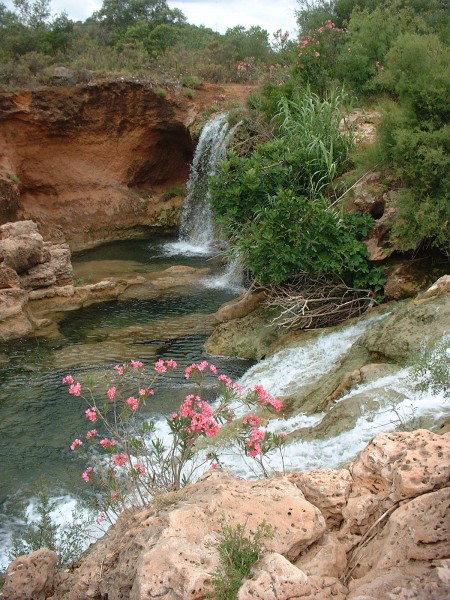
Cascades at Pego do Inferno

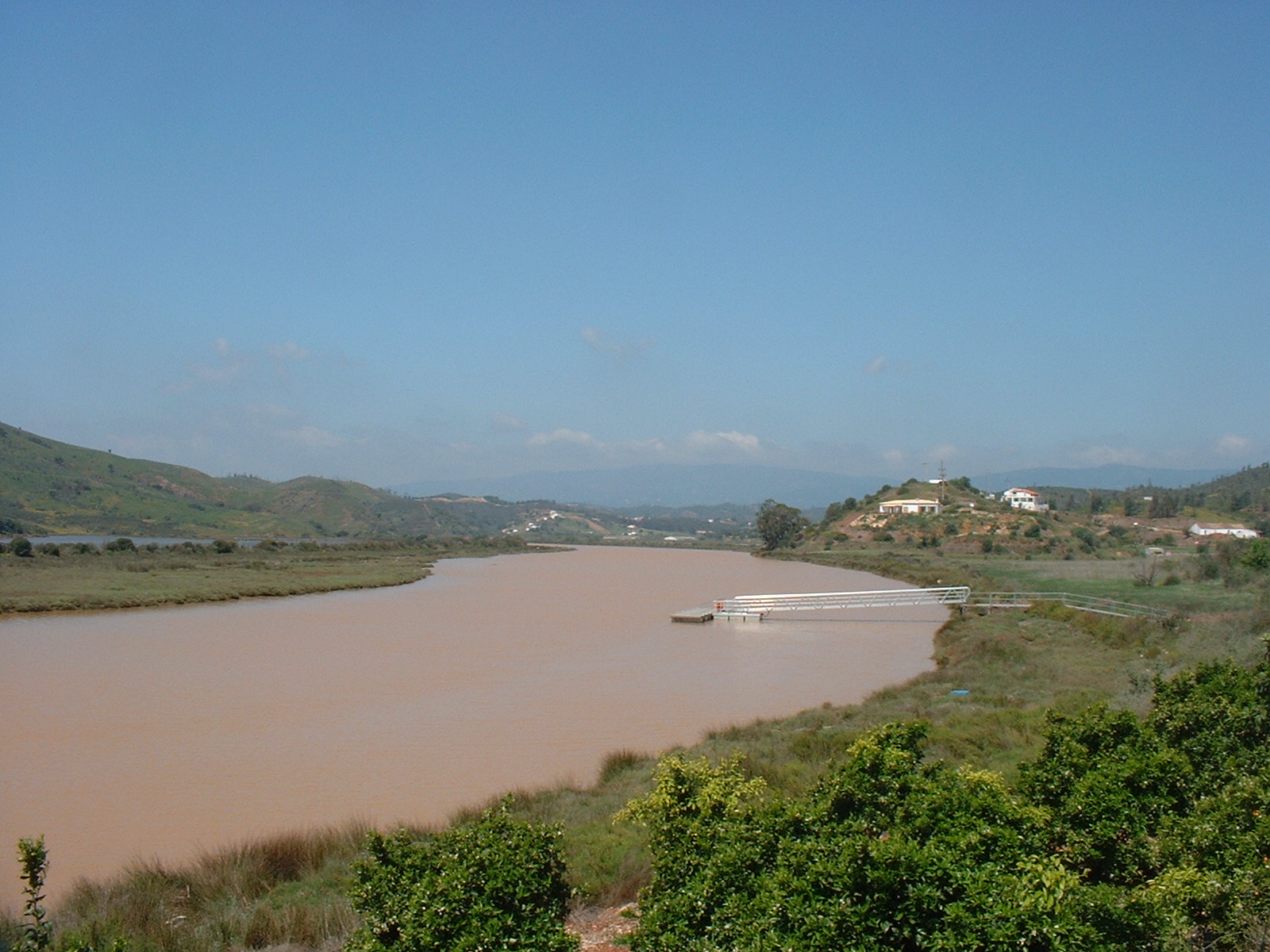
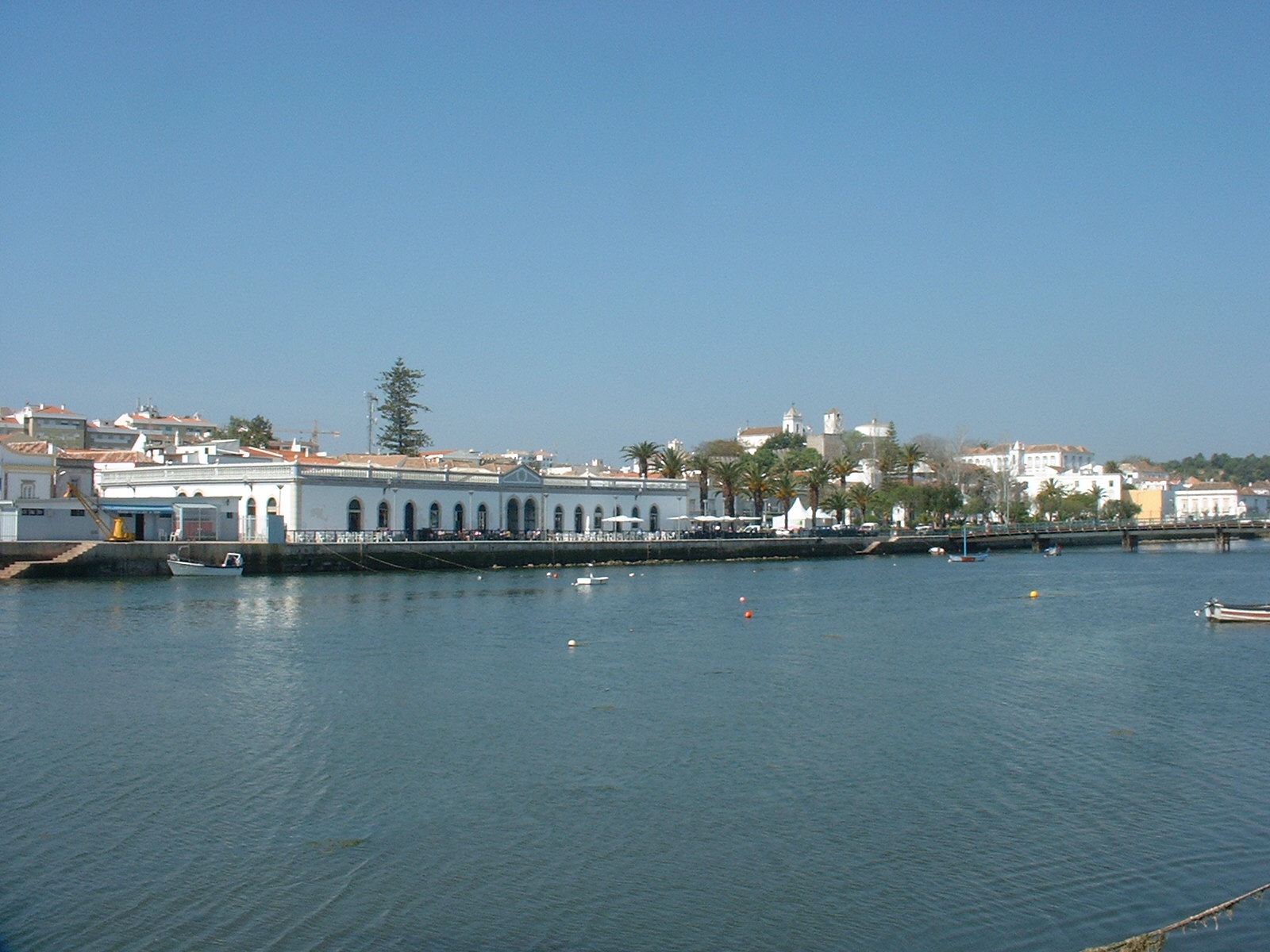
Rio Gilao at Tavira

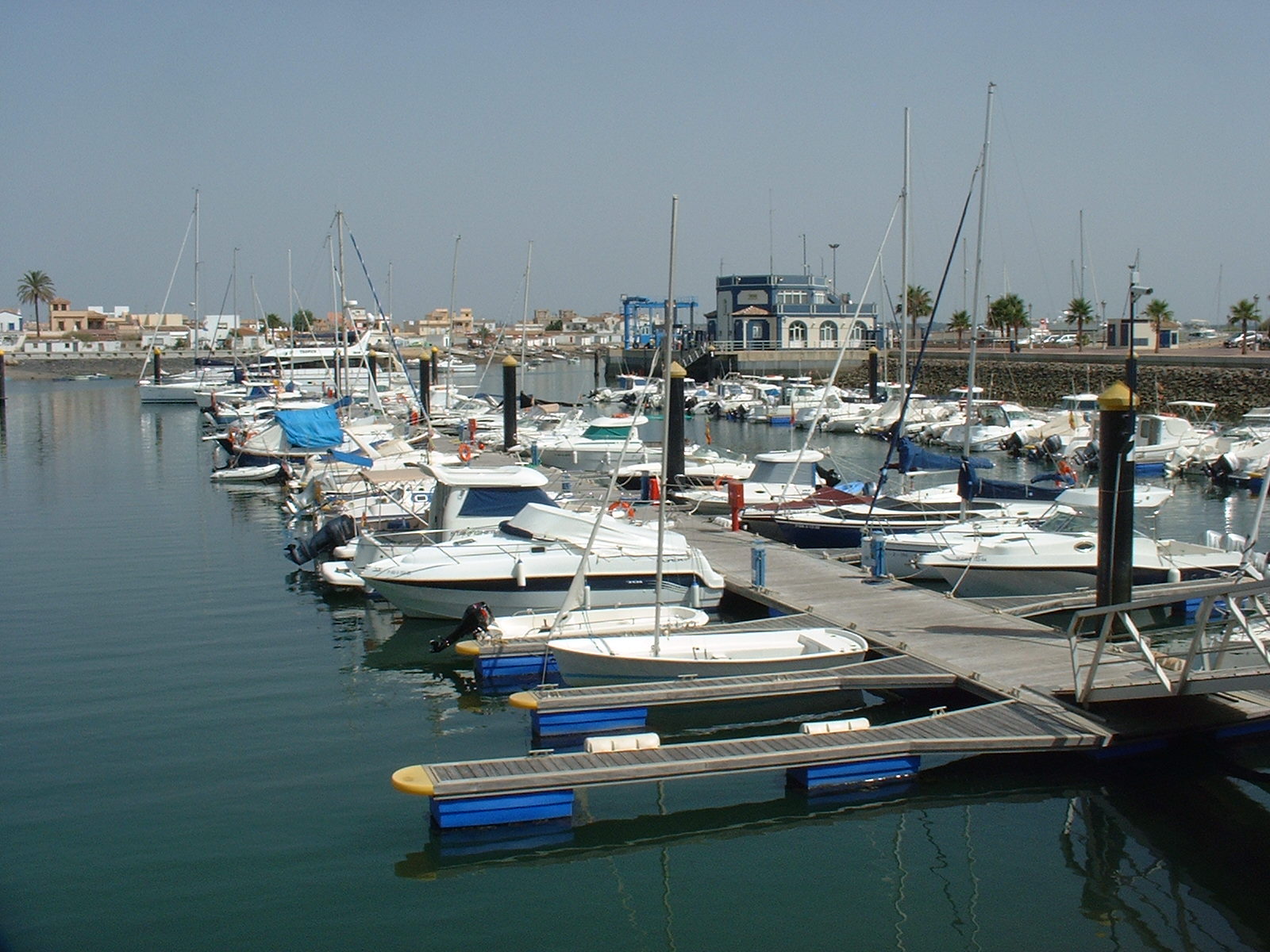
Slipping round the coast to Isla Canela in Spain

Ria Formosa, the lagoon at Cacela Velha

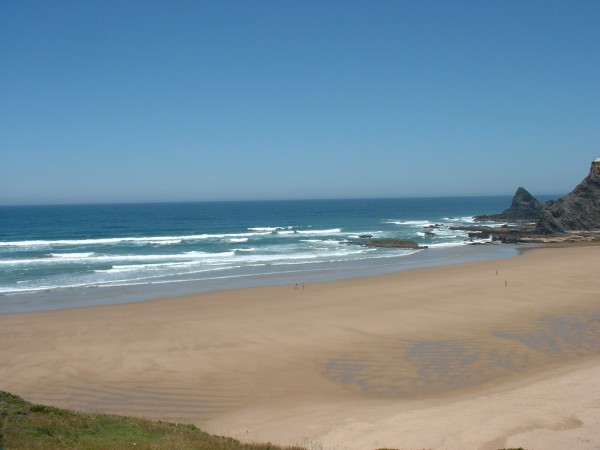
Praia de Odeceixe on the west coast

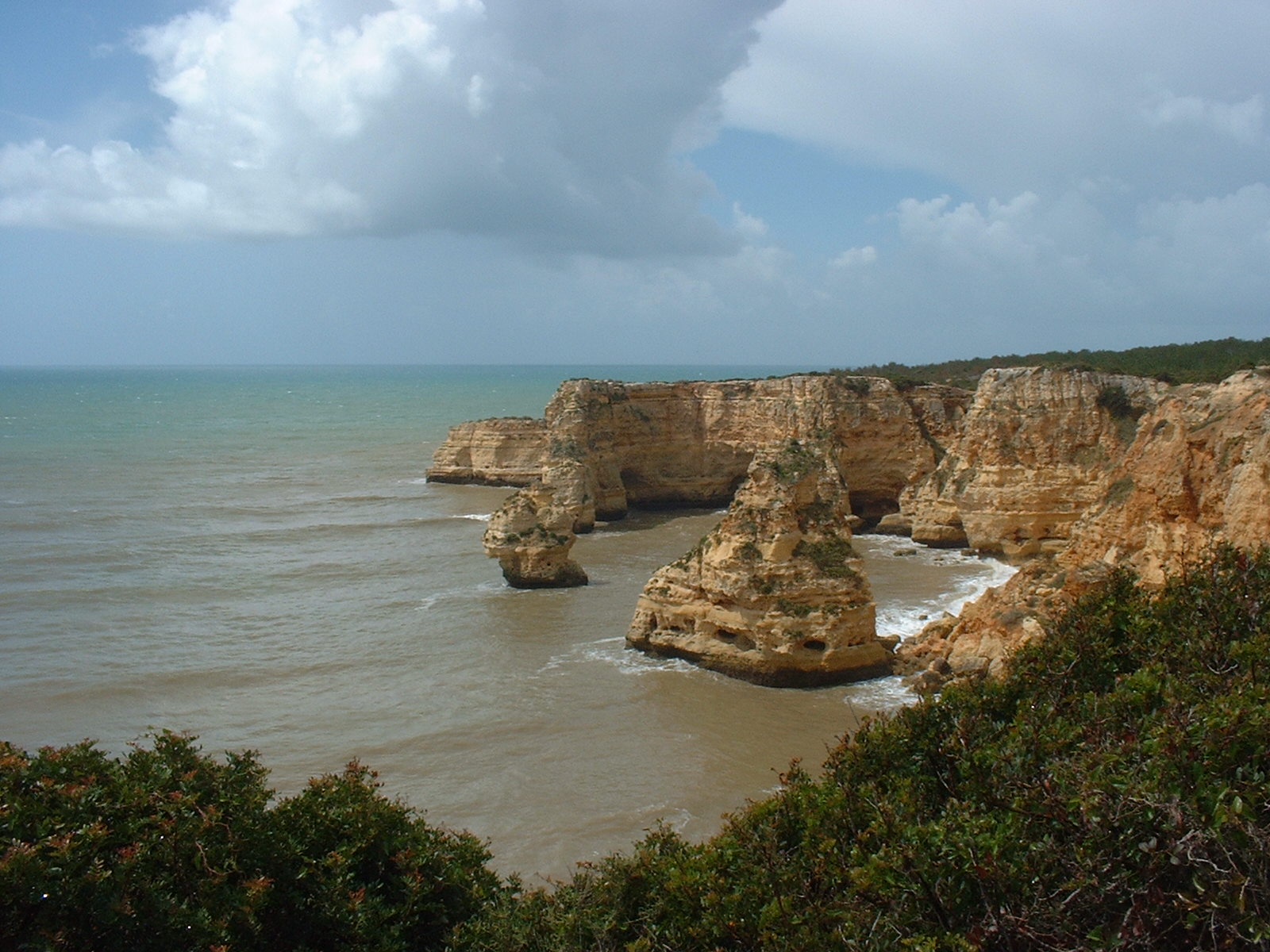
Above Praia de Marinha

The stacks at Marinha

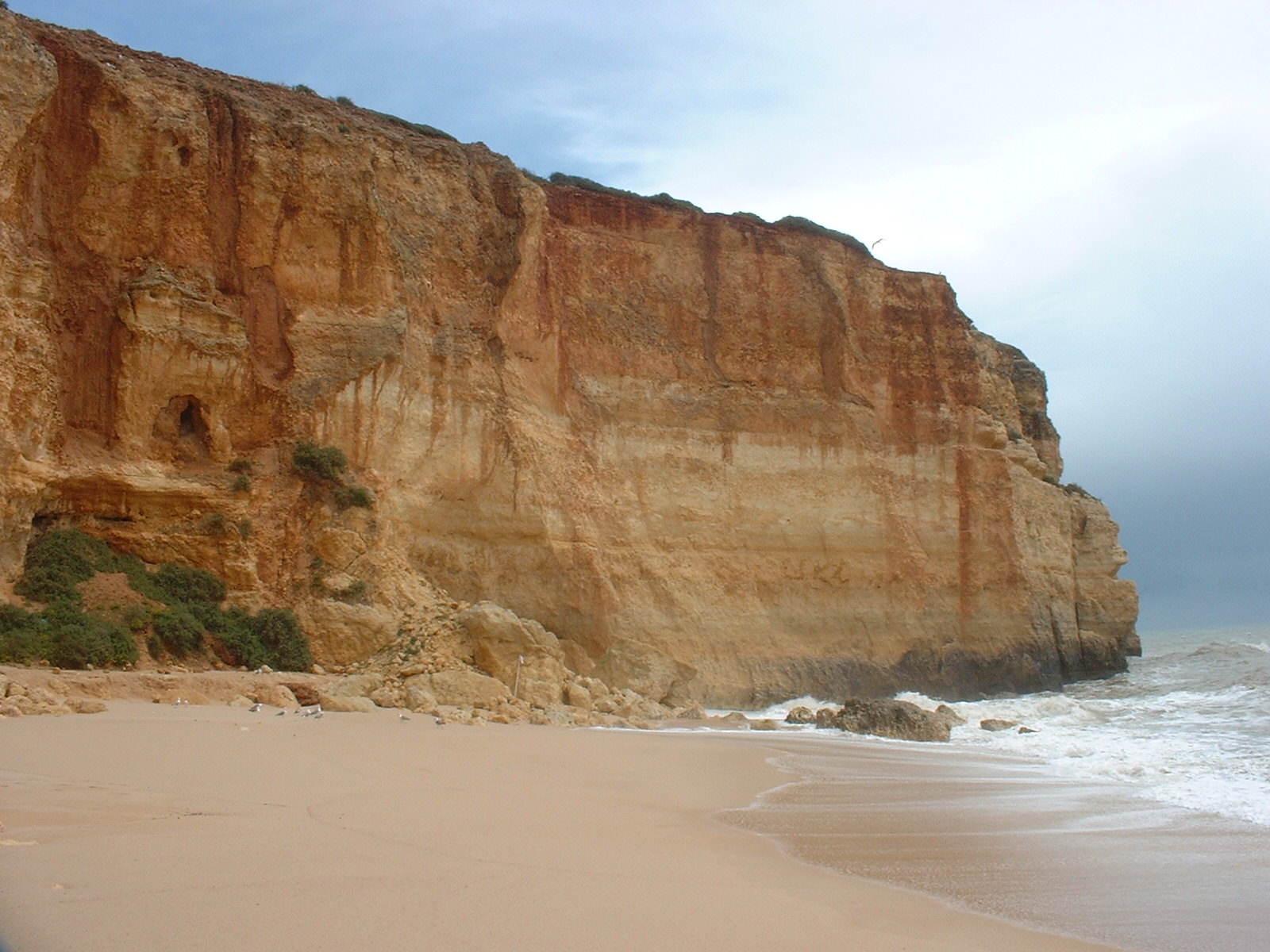
And down on Marinha beach

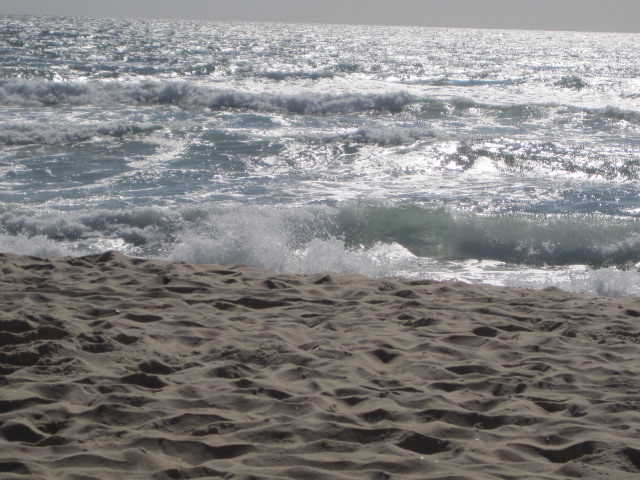
Barril beach, the water rushing to shore

What could be lovelier, or more essential, than water?  I can’t imagine my life without it.

Many thanks to Jake for the opportunity to share these photos.  I hope you like them, and I’d be delighted to see yours if you decide to join in.  You can view all of the entries and instructions for joining the challenge at Jakesprinter Sunday Post.  Hope to see you there.

Picture the World!

Who knows what will land in your inbox next?  I had a lovely surprise this week, courtesy of Lucy Dodsworth of On The Luce.

Lucy has one of the best travel blogs I know, and always keeps her ear to the ground for what’s going on in the travel world.  So it’s no surprise to find that she was the first person to provide a representative photo to display on the Picture the World Project.

The Departure Board website have a great initiative to create a gallery of wonderful photos, one from each country in the world.  It’s a great honour for me to be nominated to provide a photo from my collection to represent Portugal.  I dearly love the country, so hope that I can do it justice.

I’ve been through my photo albums a time or two, and have finally settled on this one.

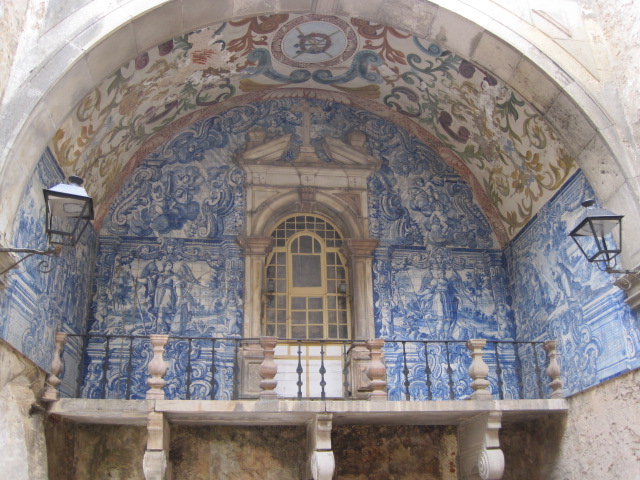
Porta da Vila, Obidos

Everywhere in Portugal you can observe these beautiful blue and white azulejo tiles, though seldom used to better effect than in the town gate at Obidos.  Most frequently they tell religious stories in churches, Sao Lourenco in the Algarve a stunning example.  Railway stations are common places to find them- Sao Bento at Oporto has some of the best known.  Sometimes they relate to life at sea, or to agricultural scenes from Portuguese life.

Modern homes, too, often have tiled panels displayed, and they are easily obtained from garden centres. (we have two in our patio)  It’s a nice tradition to perpetuate.

Of course, I considered many other photos, and you might like to see some I rejected.

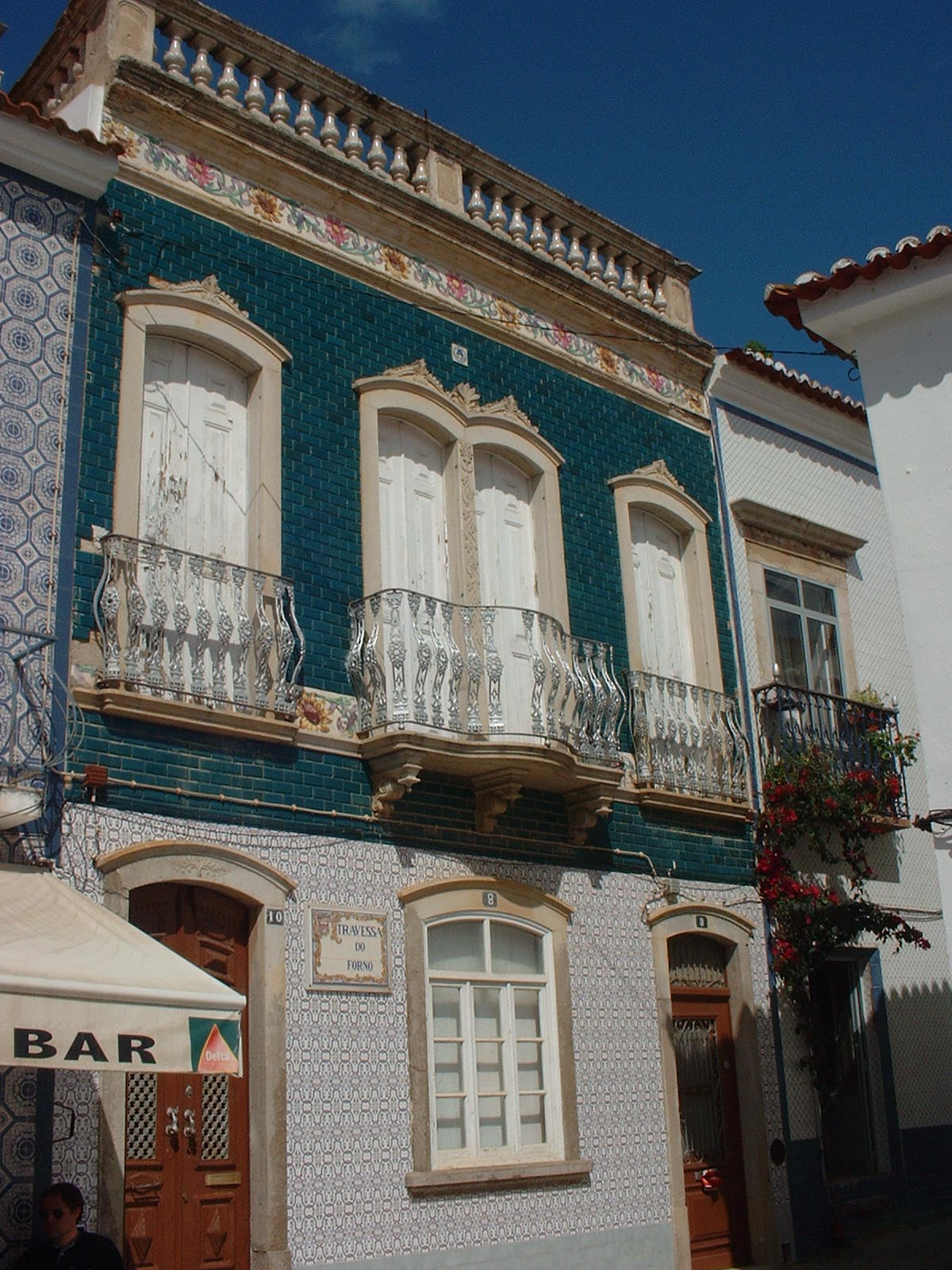
Tile fronted houses in Tavira

This is my personal favourite, but I discarded it because I felt that this style of housing, designed in part to keep the houses cool, though fabulously decorative, is more representative of the Algarve than of Portugal as a whole.

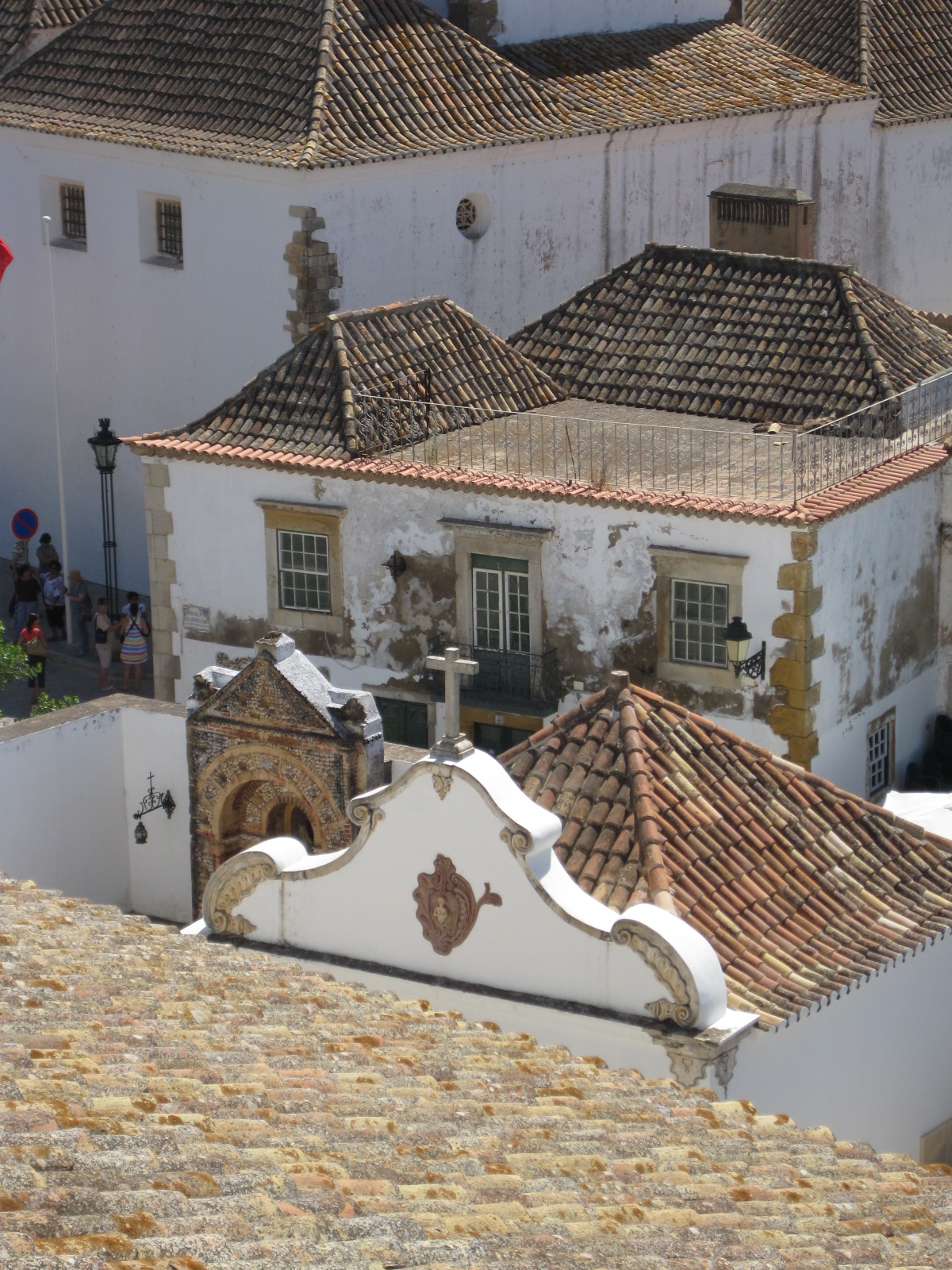
Faro roof tops from the bell tower of the cathedral

I love this one too, with it’s wonderfully shabby walls and the tessoura roof, but again I felt it more typified the Algarve than Portugal as a whole.

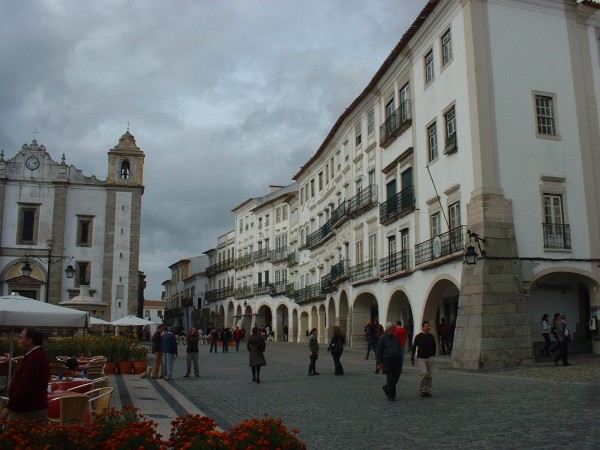
Praca do Giraldo, Evora

This one focuses on historic Evora, in Portugal’s Alentejo.  Cobbled streets are seen everywhere in Portugal, and regularly painstakingly renewed.  There’s a beautiful church in the photo.  In this religious country even tiny villages have a lovely place of worship.  The mix of Moorish and modern architecture is also a common sight in Portugal, nowhere more beguiling than in Evora.

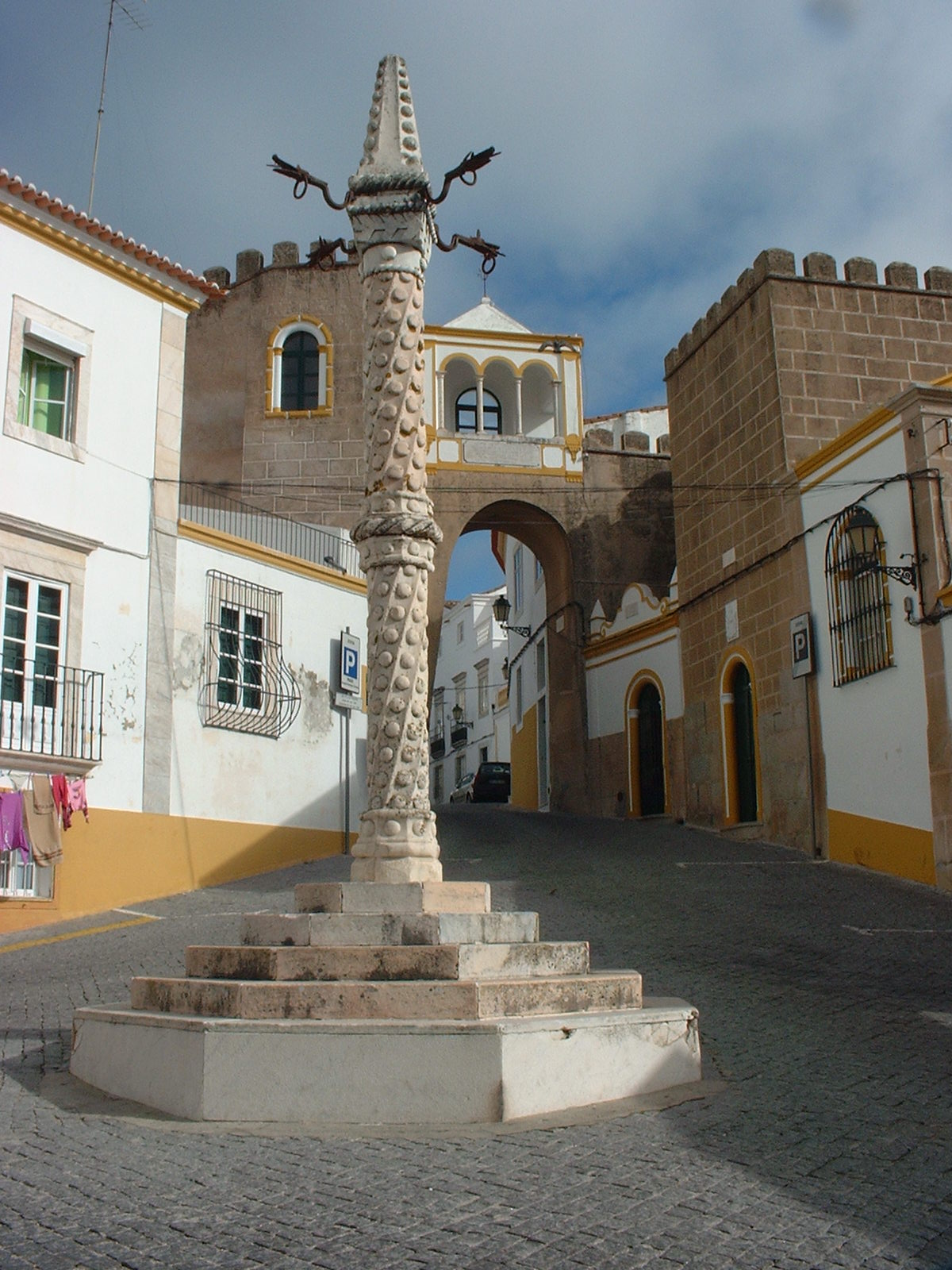
The pelourinho (pillory) in Elvas

This one in Elvas was a strong contender.  It has cobbles, washing hanging in the street, and of course the Moorish connection.

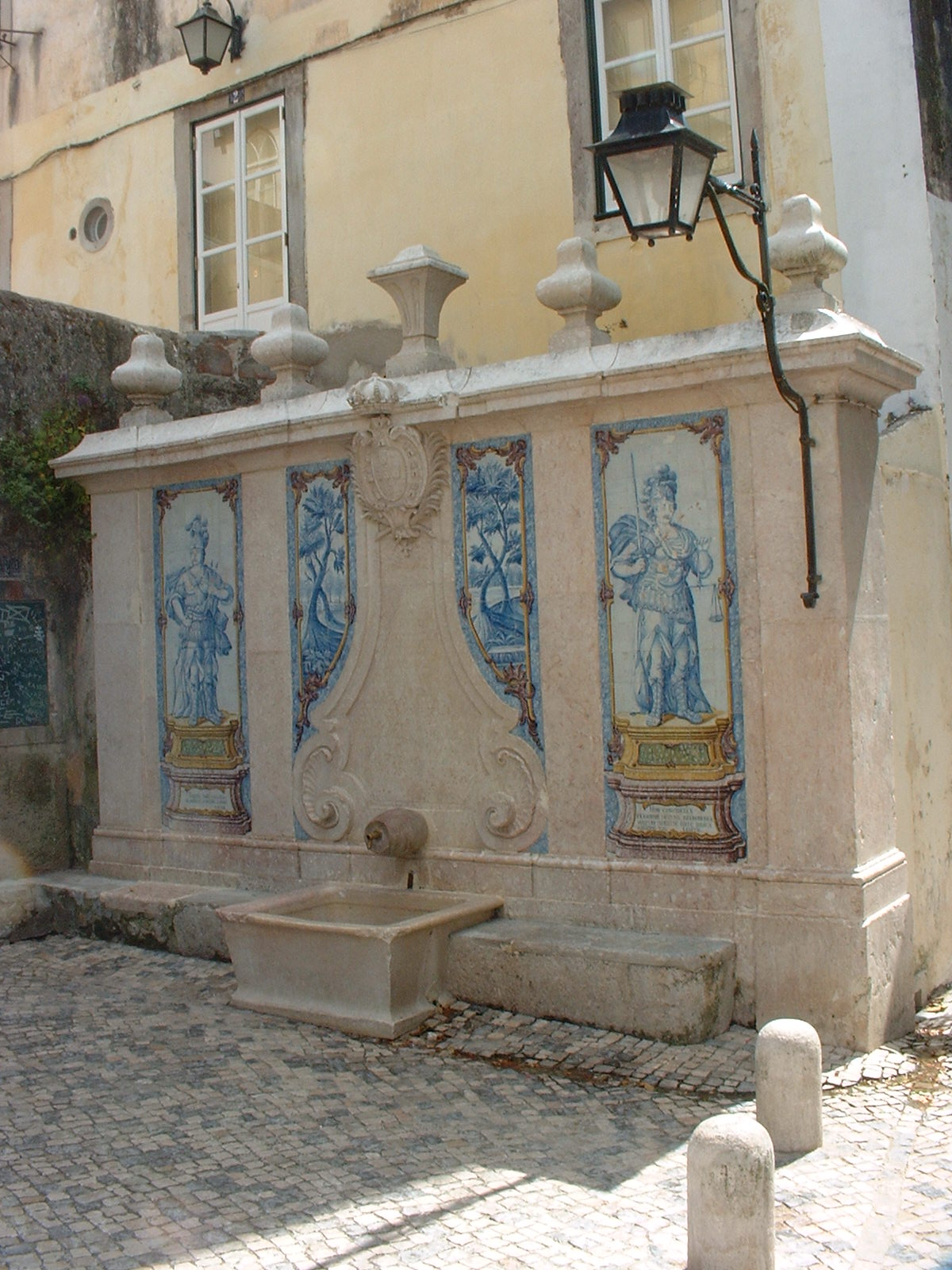
Back street fonte in Sintra

Finally, this one, stumbled upon in Sintra, and again typical of the azulejo panelled features you can find everywhere in Portugal.

So what do you think- did I make the right choice?  The Departure Board advised me that they prefered Landscape photographs, so that narrowed it down a bit.

It’s also my task to nominate two people to submit photos of another country.  There are so many to choose from but I’m passing this on to Cathy of A nomad in the land of Nizwa for her wonderful depictions of life in Oman, and to Andrew Petcher of Have Bag, Will Travel as we all know how passionate he is about Greece.

If you have a great shot which you think typifies any of the world’s countries, you too can submit your entry to Picture the World.  Go on- you know you want to!

Kreativly tagged!

Such a lucky lady I’m feeling today.  I’ve been given the Kreativ Blogger Award by Sam of Two Black Dogs  I’ve often admired this logo in other people’s sidebars.  Now, if I can just remember how to put it there, I’ll be able to admire my own!

I had a thoroughly good time reading the blogs of my fellow nominees and have made some lovely new friends, so thank you Sam, both for the award and for putting me in such good company.  Sam blogs very appealingly about dogs (of course!) and “other things she loves”, so off you go and take a look.

As is traditional, I now have to share 7 things about me, and nominate 7 other Kreativ bloggers.

1. “Can we just go to the NEXT corner?” has been my gambit on family holidays for years.  They’re ahead of me now though, and usually either turn back when it suits them or sit down, pointedly, and wait.

2.  My need to try something new when presented with a menu has led to some serious disappointments.  Starving hungry one evening in Italy I looked aghast at a dish of sea creatures in their shells sitting in a dish of tomato sauce.  Not my kind of thing at all, Michael with his “safe” choice smugly looked on while I dipped bread in the sauce.  Much worse the time I walked him and son James for miles across Lisbon, seeking out a recommended Chinese restaurant.  We passed several and each time they would stop, eye up the menu, and say “this one looks ok”.  Not good enough, it had to be this specific restaurant, so when I ordered crab curry they definitely had the last laugh when I was presented with a bowl full of legs, and couldn’t eat a bite!

3.  I’m a pretty average cook, and fly into a complete panic if I have to entertain.

4.  Still talking culinary, we’ve had a barbecue at the house in Tavira for 8 years and only ever used it once!  I’m clueless and Michael is completely disinterested in donning a pinny.

5.  I must get some things right, I guess, because my lady friends and me have been hosting monthly “girl’s nights” for 40 years, and they still all turn up when it’s my turn to cook (or maybe they’re too inebriated to mind).

6.  I was brought up largely by my maternal grandmother, long since deceased, bless her.  Mam and Dad went their separate ways when I was quite small.

7.  I have two amazingly talented and gifted children.  Lisa has appeared before in my blog pages.  She can sew anything, basques and Victorian costumes included, and I can’t wait to see the creation she comes up with for her wedding gown.  James doesn’t sew, but he’s a mean guitarist!

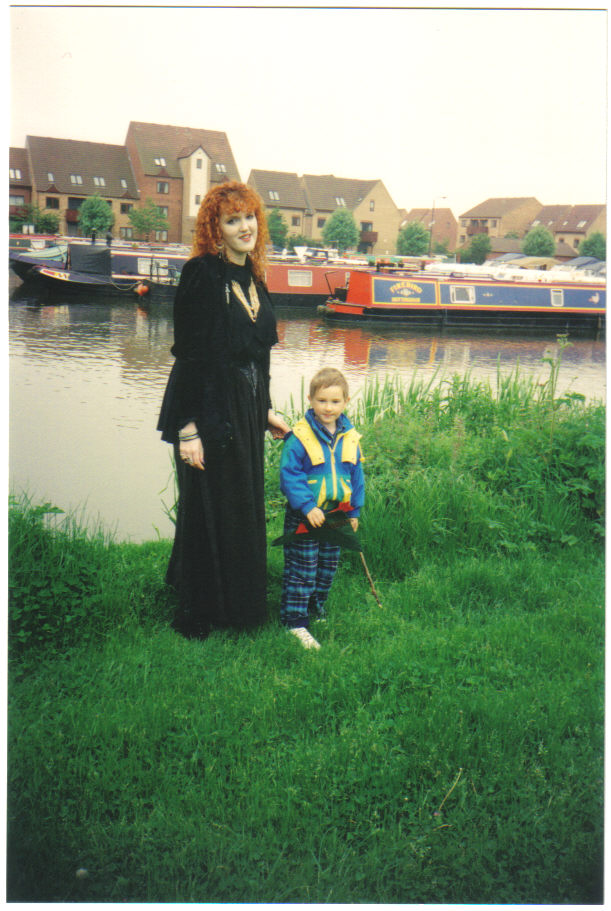
This goes back such a long way- I don’t have many of the two of them together

Talking about gifted and talented people, I’m now going to turn my attention to a tag that was passed to me by Vicky…the Northern Chicky.  The pretty red tag above is her design, and if you follow the link you will see that she has presented me with some quite difficult questions.  I have to choose one to answer from eleven options, and then pose eleven new questions to my unsuspecting candidates.

Like myself, Vicky has Polish ancestry, but there the similarities end.  She lives in the USA with 5 children, and is contemplating a life changing move- compulsive reading!

Vicky’s questions were:

  • What’s something you know you do differently than most people?
  • What is the most defining moment of your life thus far?
  • Is it more important to love or be loved?
  • What’s the one thing you’d like others to remember about you at the end of your life?
  • What small act of kindness were you once shown that you will never forget?
  • Are you happy with yourself?
  • What is your most prized possession?
  • In your lifetime, what have you done that hurt someone else?
  • Right now, at this moment, what do you want most?
  • What’s something most people don’t know about you?
  • Who would you like to forgive?

Some big issues, huh?  But I’ve done enough soul searching in this post already (and probably bored you witless) so I’m going to make a flippant choice.

What’s something you know you do differently than most people?

My answer is going to be “Six word Saturday”!  My six words are almost always illustrated by a gallery of photographs.  It has been pointed out to me that I should rename my posts “Six photo Saturday”, but Cate of Show my Face gave us carte blanche to adapt our own style.  Travel is my passion and I can loose myself for hours in photos of our amazingly beautiful world.  You know what this is leading up to, don’t you?  I can never resist a few more photos of Portugal.

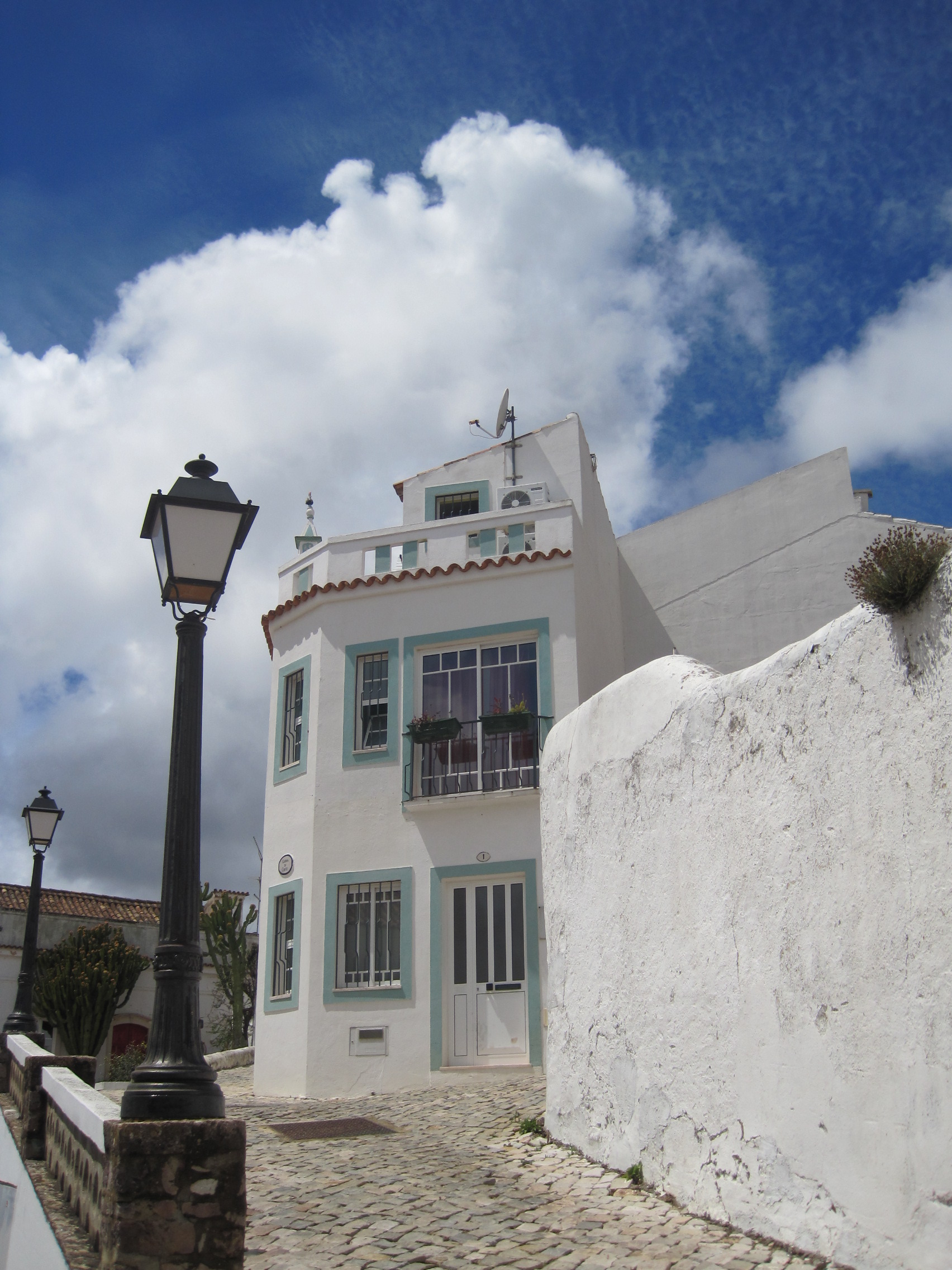
Casa de Alte

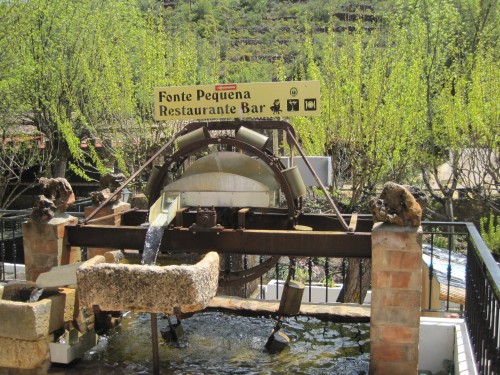
Water feature powered by the Fonte- the young uns love it!

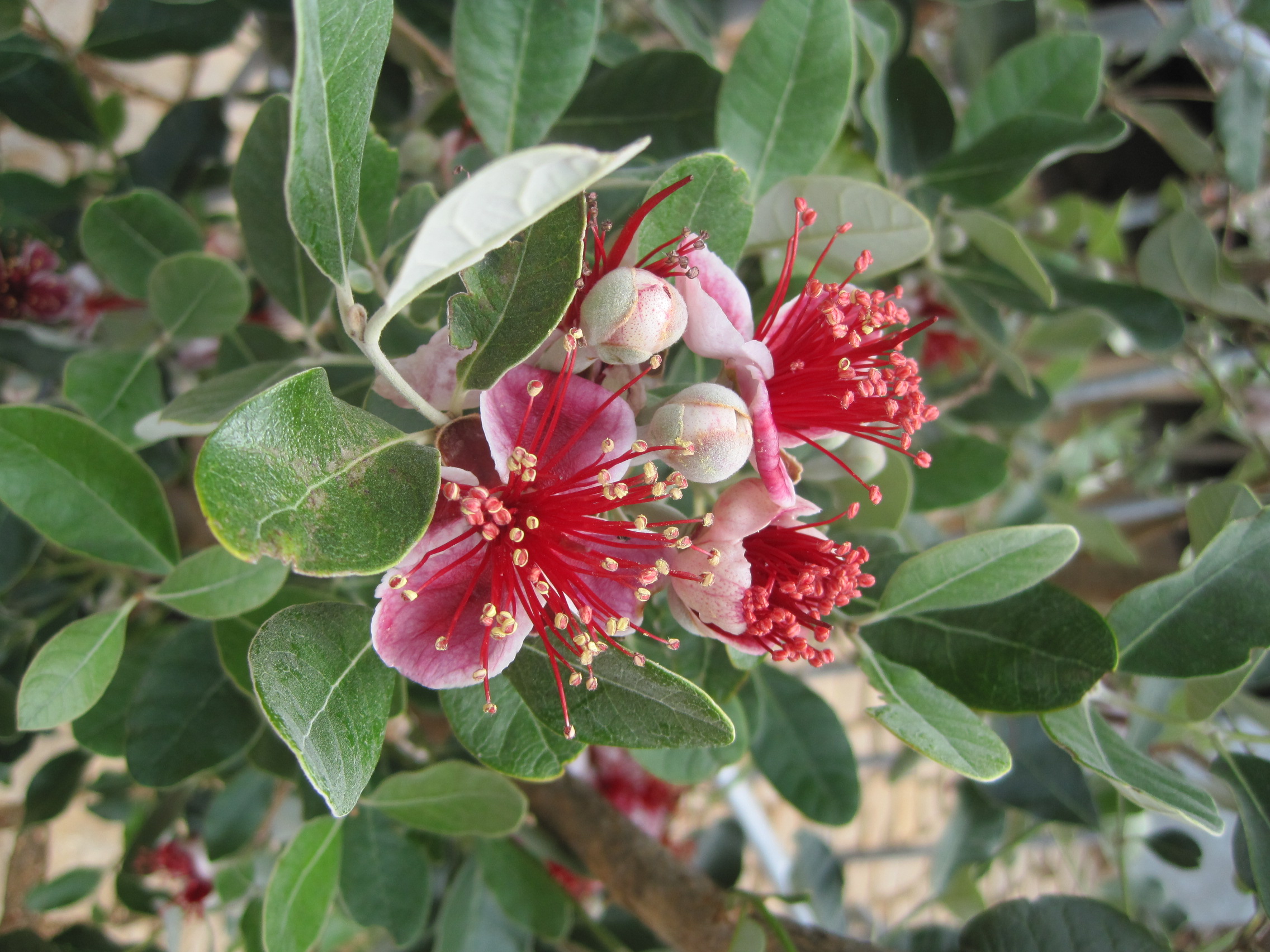
Can anyone identify, please?

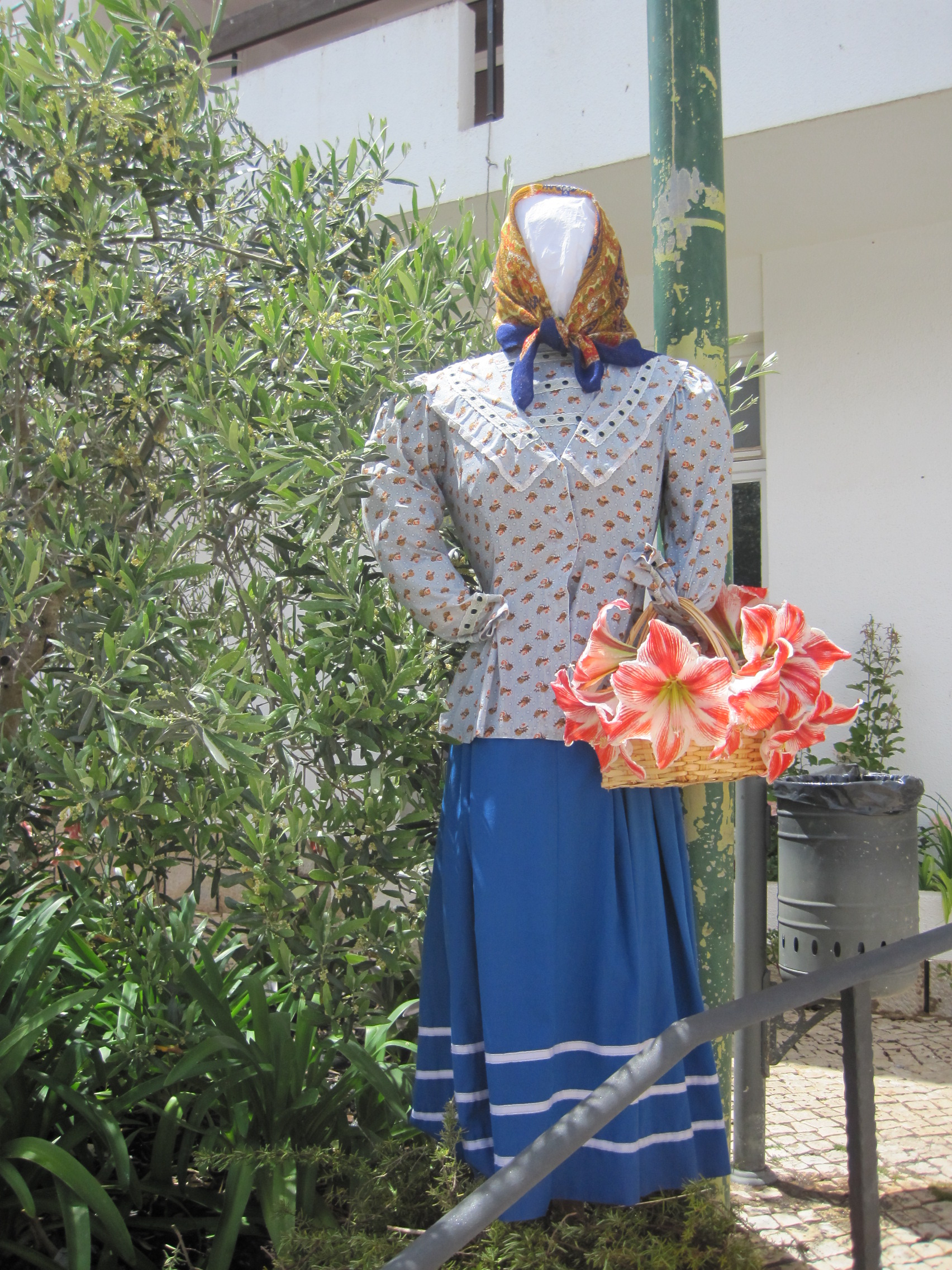
“Scarecrow” image, traditional on May Day

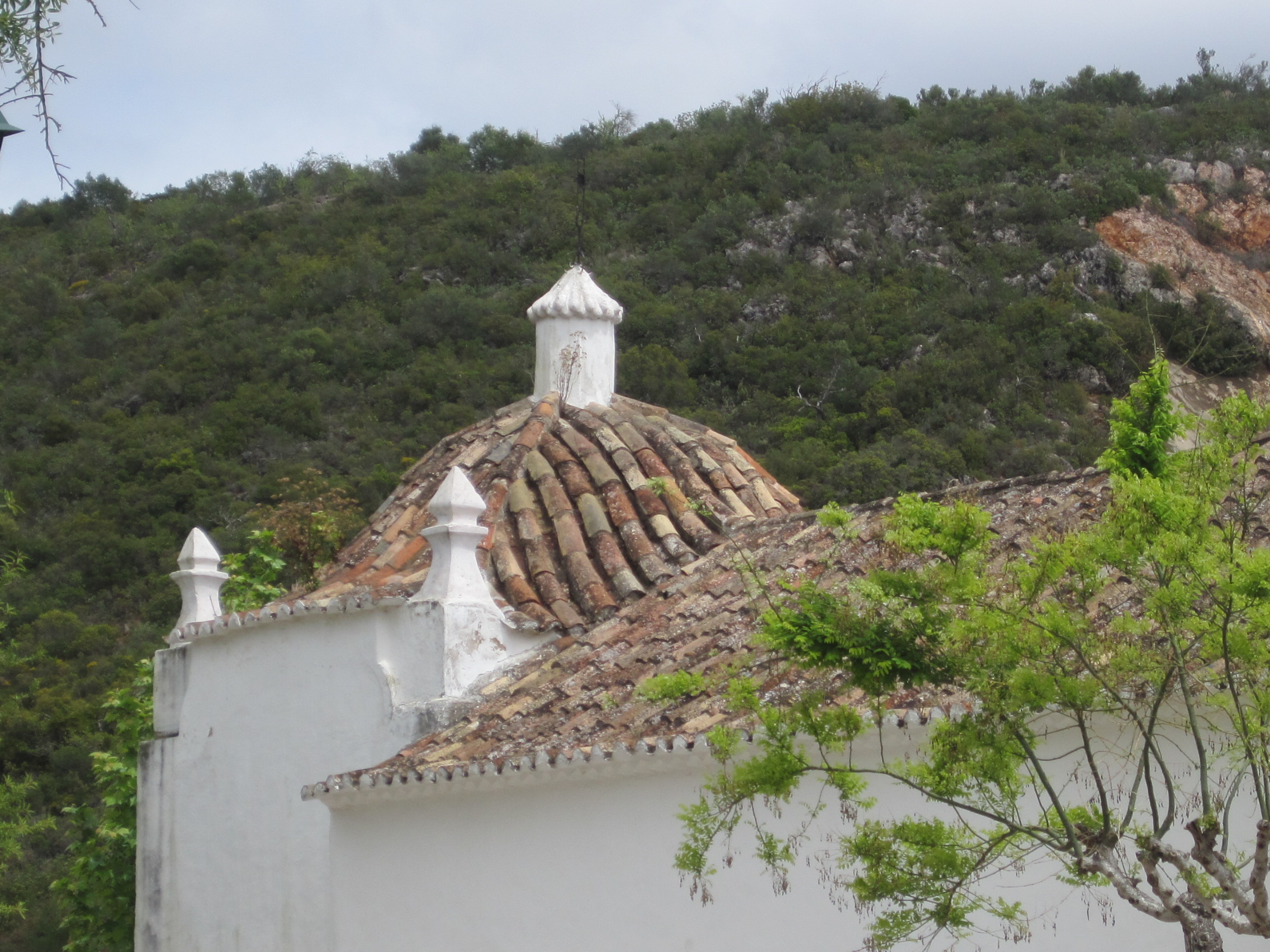
Church roof in Alte

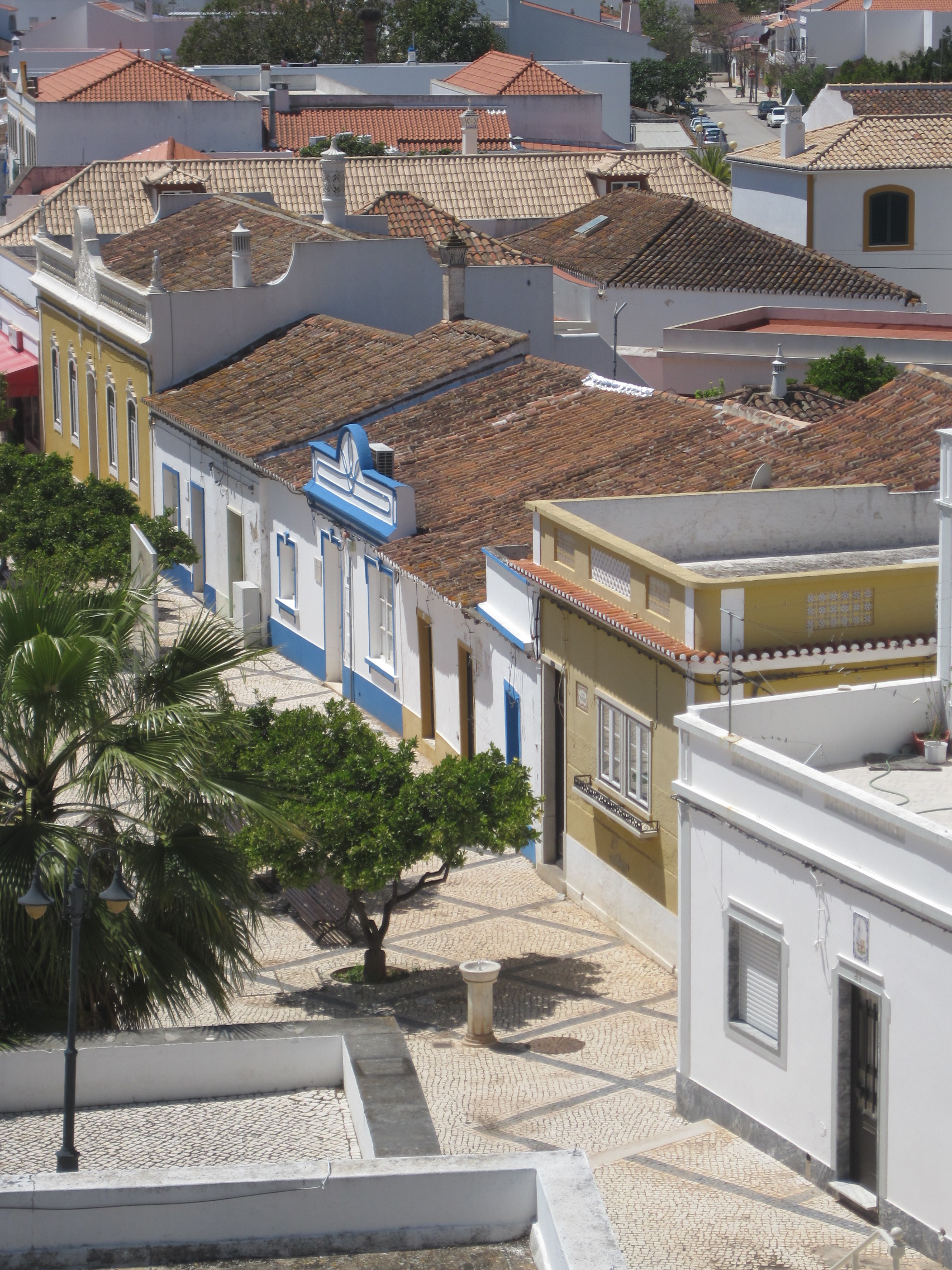
Castro Marim

Are you still with me?  Here are my nominees for the Kreativ Blogger award.

http://travelpenandpalate.com/

http://lizzierosejewellery.wordpress.com/

http://catbirdinoman.wordpress.com/

http://suellewellyn2011.wordpress.com/

http://stephaniecalvet.wordpress.com/

http://retireediary.wordpress.com/

http://hobbyfabulous.wordpress.com/

Wonderful photography, interesting ideas, talented people- that’s what you’ll find.

Now for my 11 questions :

1.  Which place would you most like to visit, and why?

2.  In my next incarnation, I would like to be…?

3.  Which person from history would you most like to meet and why?

4.  What has been the most exciting experience you have ever had?

5.  Have you a life lesson that you would like to share?

6.  The best meal I ever had was…?

7.  What changes would you most want to implement if you were a leading politician?

8.  The best holiday I ever had was…?

9.  The quality I most admire in a friend is…?

10.  If you could live anywhere in the world, where would it be?

11.  Do you have a favourite walk, and if so where?

I’m taking a leaf out of Vicky’s book and tagging the people who comment most regularly on my blog.  If you happen to be reading this and fancy making a post out of any of these questions, you’re very welcome to join in.  Consider yourself “tagged” if you’re on this list.

http://theurgetowander.com/

http://francineinretirement.wordpress.com/

http://justasmidgen.com/

http://algarveblog.net/

http://apetcher.wordpress.com/

http://titabuds.com/

http://thismansjourney.net/

http://hferrati.wordpress.com/

http://thelaughinghousewife.wordpress.com/

http://vivinfrance.wordpress.com/

http://rlavalette.wordpress.com/

Hasn’t this been a marathon?  I daren’t even think about Francine’s “Sisterhood Award”.  I’m off now to notify everybody.  Cheery-bye!

G is for Guadiana

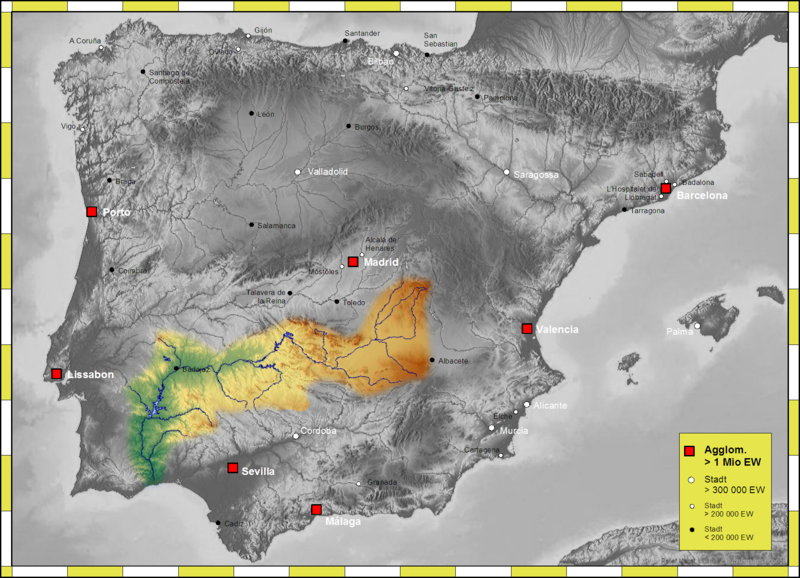
My next post seems to flow quite naturally from my recent trip across the Guadiana River.  More than 800 kilometres long, if you look at it on a map it’s very clear that the bulk of this river is in Spanish territory.  It rises in Castile-La Mancha and shortly after the Spanish city of Badajoz, turns south, forming the border with Portugal for most of the remainder of its length.

Guadiana’s origin- from Wikipedia Commons

It’s this southern area that I love, and with which I’m familiar.  The Guadiana glides out into the Atlantic Ocean.  At the river mouth a brief ferry ride connects Ayamonte on the Spanish side with Vila Real de Santo Antonio in Portugal.  The difference between the two cultures is tangible, and the time difference simply serves to accentuate this.  Unless you time it carefully you will frequently find that Ayamonte is engaged in a prolonged siesta when you arrive.  The elegantly tiled main square and pretty calles are still worth a stroll, but remember to switch to buenas dias when you order your tapas.

Main square, Ayamonte

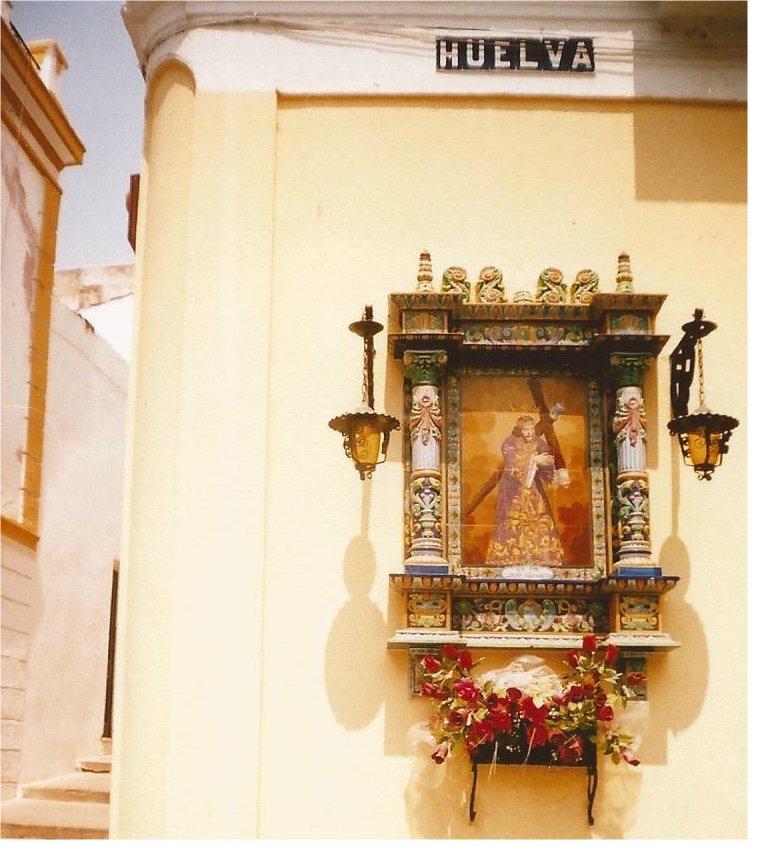
A street corner in Ayamonte

Vila Real de Santo Antonio (as opposed to Vila Real in the north) is one of the architecturally more interesting towns in the Algarve.  Demolished by a tidal wave following the 1755 earthquake, it was rebuilt on a grid plan by the Marques de Pombal.  Using the same plan he had pioneered in Lisbon’s Baixa district, the rebuild was completed in just 5 months.  The attractive main square bears his name and is often the scene of lively cultural events.

I love to stroll along the mosaic tiled river bank, picking a favourite yacht from the dozens moored in the extensive marina.  4km to the north, the arcs of the bridge linking Portugal with Spain are clearly visible.  In summer a very pleasant boat trip can be taken up the Guadiana, to the Foz de Odeleite, where a restaurant and refreshing swimming pool await.

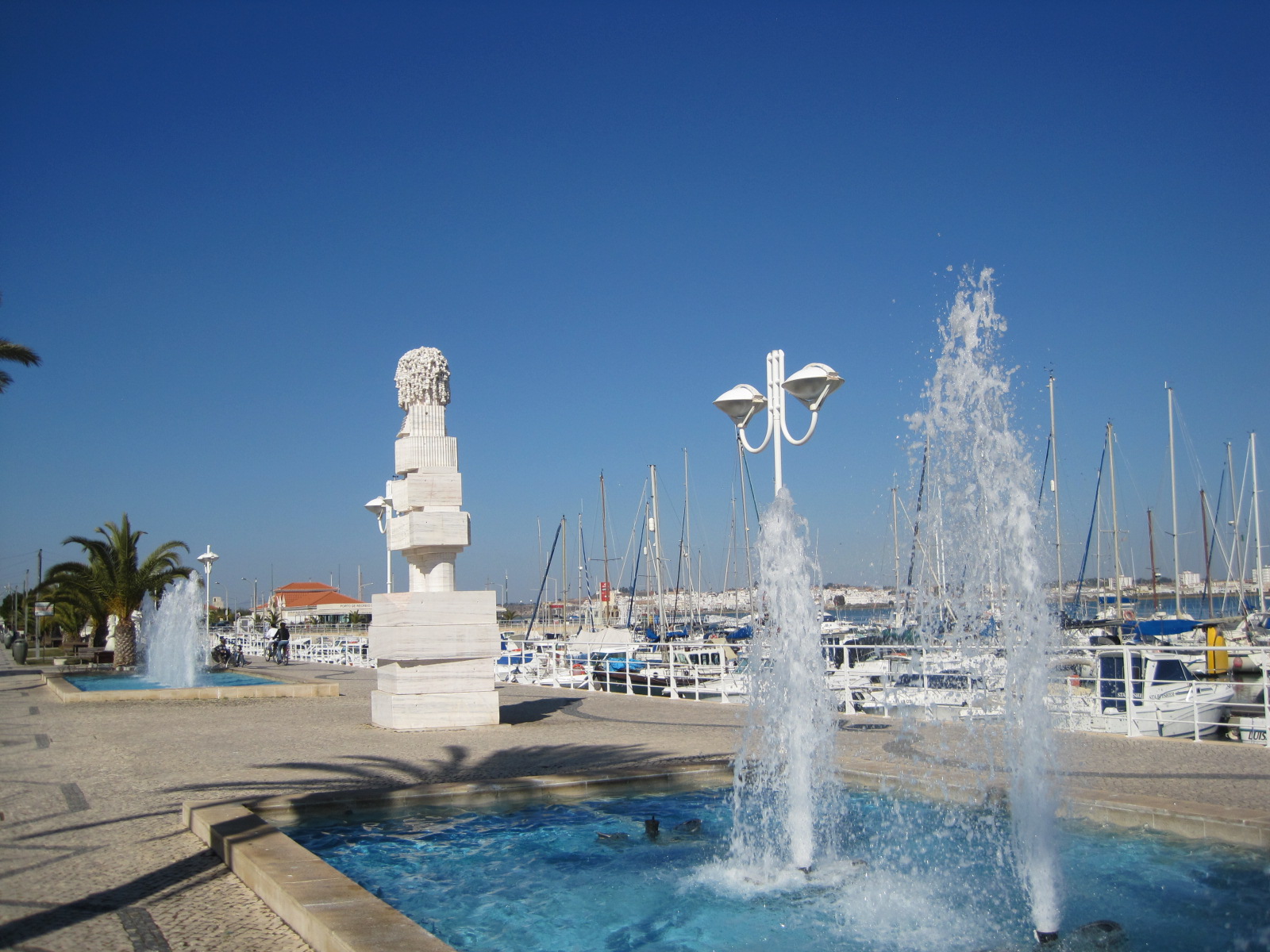
River front at Vila Real de Santo Antonio

The swift and often empty IC27 runs north from Vila Real to connect with Alcoutim, the next town along the river.  Alcoutim has a long history as a river port.  It was fortified by the Greeks, Romans and Arabs, and the commanding castle dates from the 14th century.  Not much battling goes on these days and Alcoutim is a delightfully sleepy spot to simply sit and stare.  Across the river, idyllic Sanlucar de Guadiana looks back.  If you can catch the small ferry, a wander through Sanlucar’s immaculate white streets is a lovely distraction.  Restoration is taking place on the castle ruins so that might prove a rewarding trip for the future.  The Romeria takes place the first weekend in May, for a feast of flamenco frocks. Just ask Flat Ruthie.  She’s been!

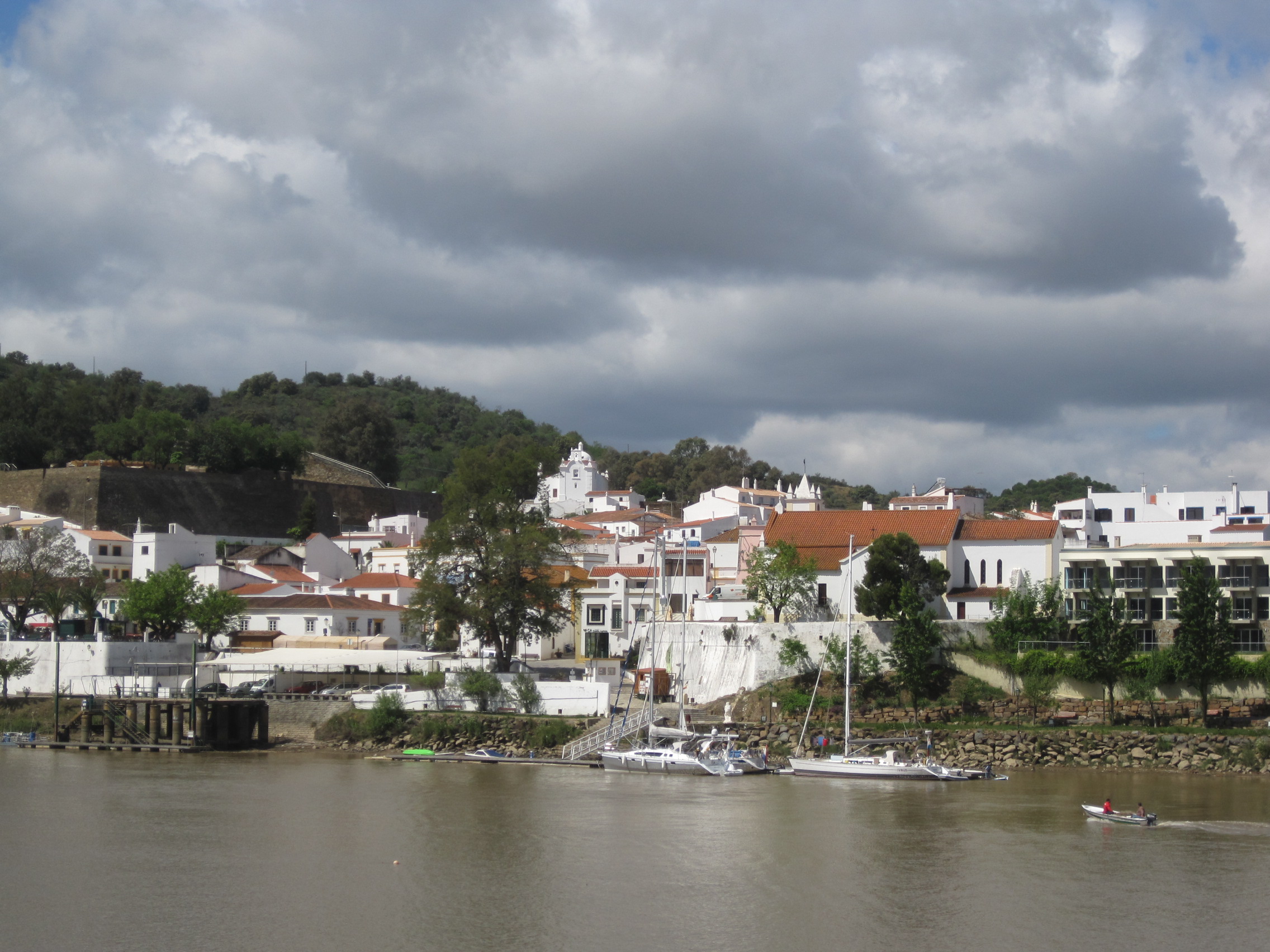
Alcoutim from the river

Sanlucar de Guadiana from the river bank at Alcoutim

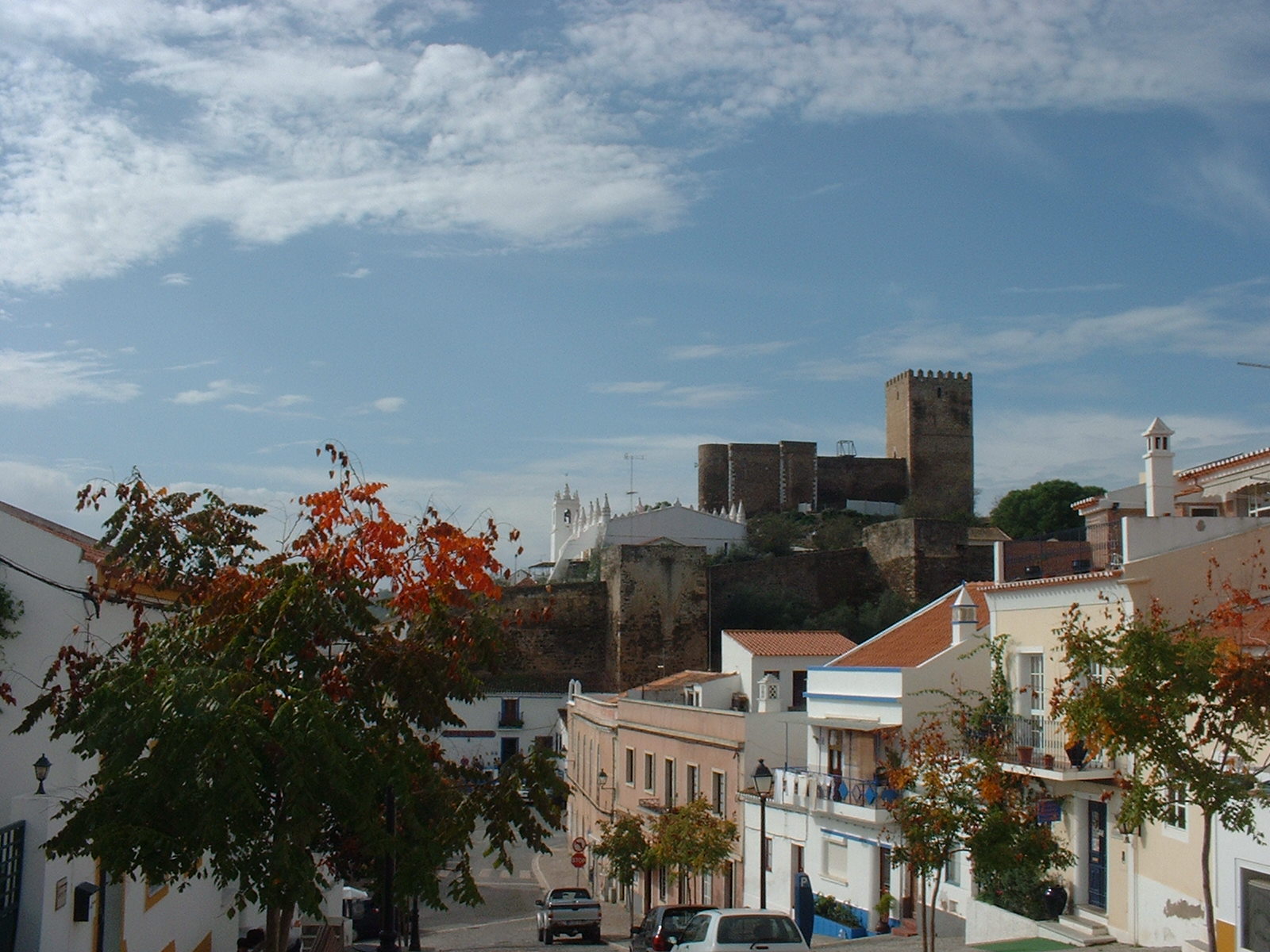
The banks of the Guadiana are wonderful for walkers, and the riverside road back down towards Castro Marim, from Alcoutim to Guerreiros do Rio, is one of the loveliest I have ever driven.  For now though, continue north on the N122, over the border into the Alentejo.  Set high above the Guadiana, at Mertola, are the mighty ruins of yet another Moorish frontier castle.  The region is home to the rare black stork and little other than birdsong disturbs the peace, though copper was once mined locally.  At the top of the winding streets the mother church, Igreja Matriz, looks down.  Behind the altar on the eastern wall the mihrab (prayer niche) testifies to her former life as a mosque.

Mertola hilltop fortress and Igreja Matriz

North of Mertola the river carves through a deep gorge with limited access by road.  For intrepid types the reward is the Pulo do Lobo waterfall and some remarkable rock formations.

Despite a lot of opposition to the project initially, the Alqueva Dam today presents a serene surface.  It’s a developing market for gentle boating holidays.  The 250square metre reservoir was created by damming the Guadiana, causing substantial loss of natural habitat, not to mention the compulsory relocation of the hamlet of Luz.

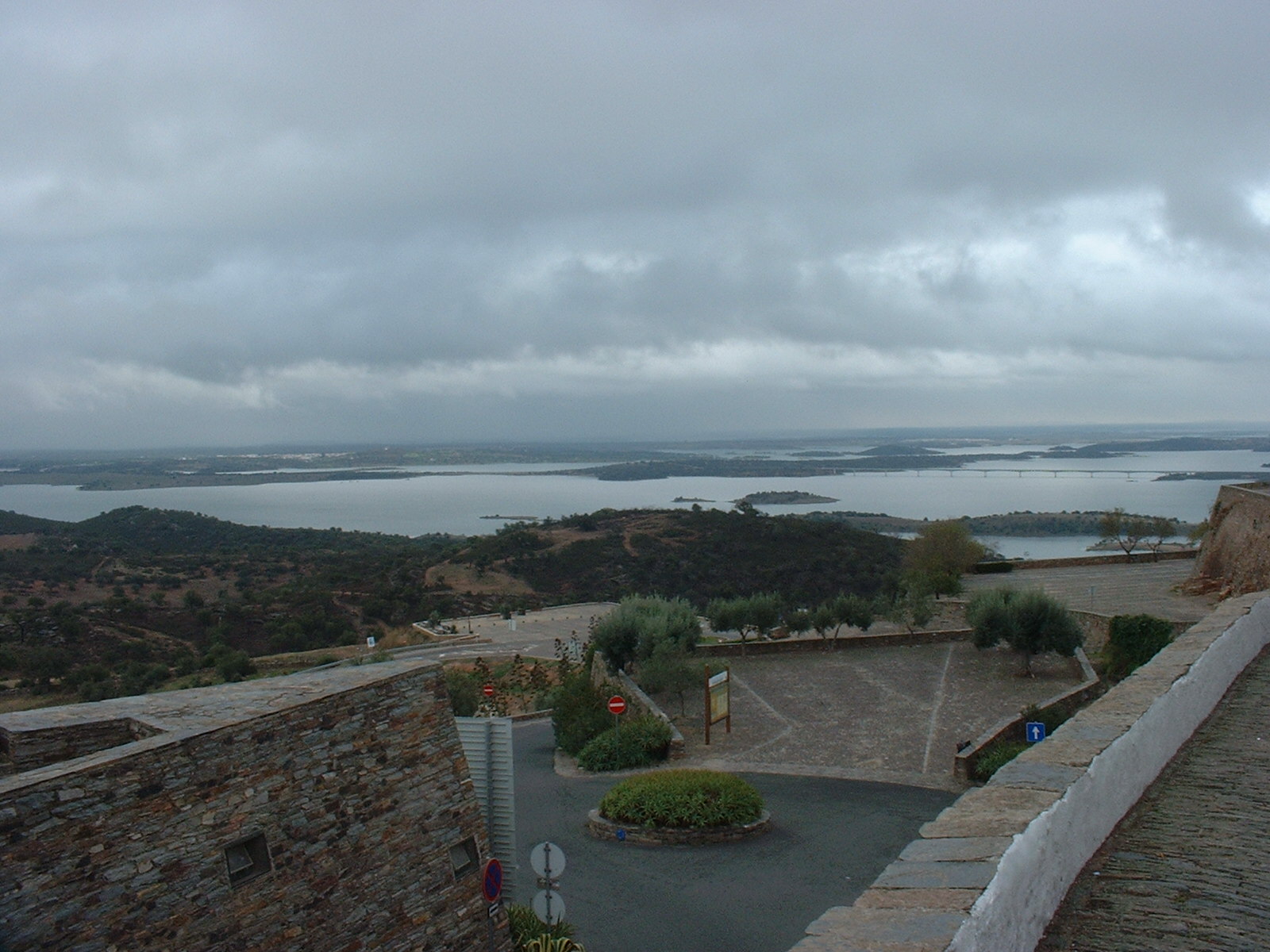
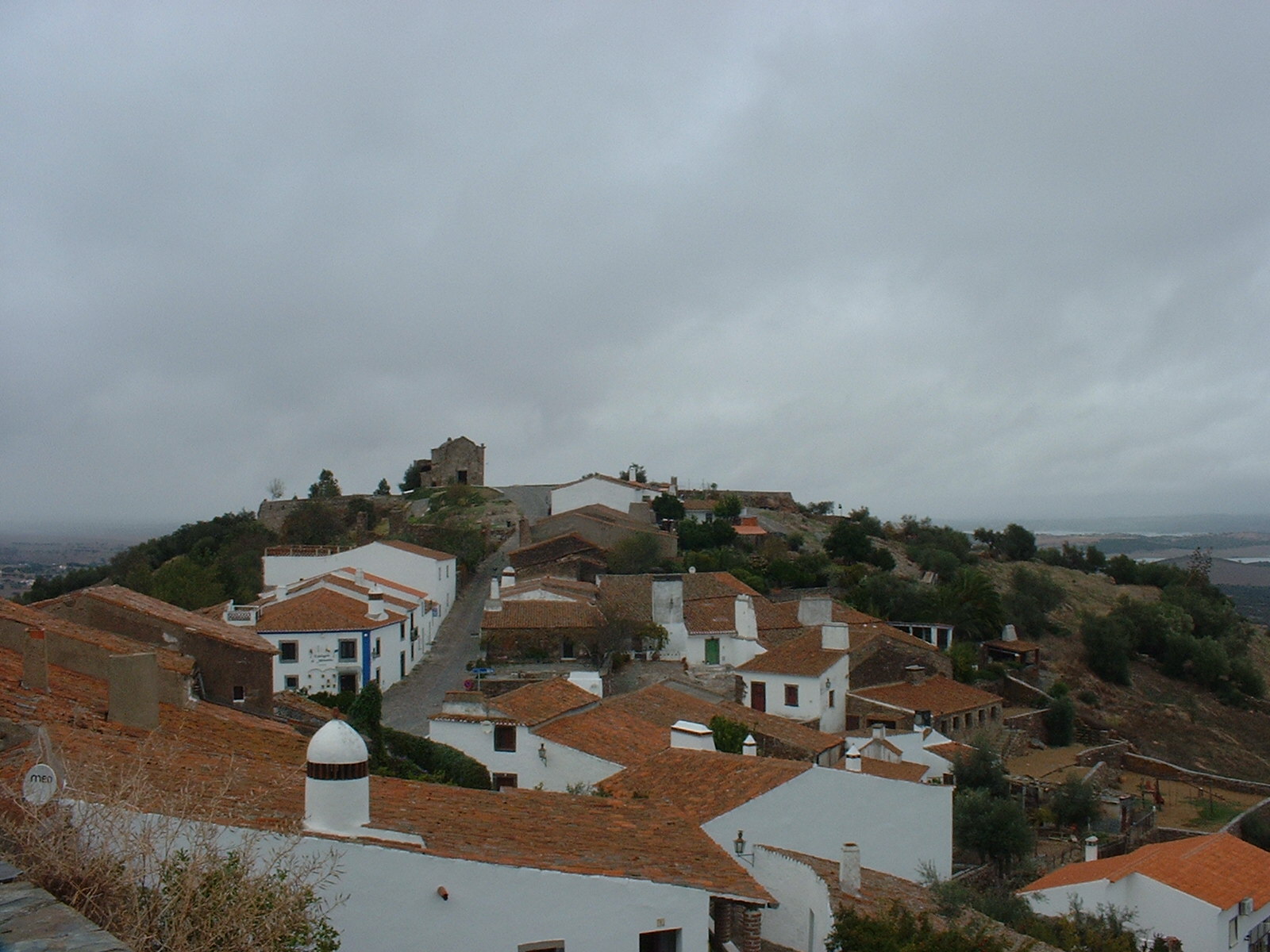
One of the best vantage points for viewing this vast expanse of water is the tiny hilltop village of Monsaraz.  It has to be one of the most charismatic places I’ve found in Portugal, and believe me, I’ve found a few.  Within its fortress walls there is essentially just one street, Rua Direita, with a village square, two churches and a castle, topped by the Torre das Feiticeiras (witches tower).  Following Moorish occupation, it became a stronghold of the Knights Templar.  Strangely the fort now contains a small bullring, which comes into its own for the annual village celebrations.  The festive fireworks must be visible for miles.

The Guadiana from Monsaraz

Monsaraz, remote and interesting on a grey November day

From here the Guadiana continues north, swinging a right into Spain, through Badajoz and Merida, and is, sadly, lost to me.  This is, after all, my A-Z of Portugal.

If you would like to join Julie Dawn Fox’s My personal A-Z challenge, just follow the link or click on the banner below.  It doesn’t have to be about travel.  If your passion is food or books you can still join in.  We have an A-Z of Art on Alyson Sheldrake’s The Thought Palette and and lately an A-Z of Films by DML Designs.  Be as creative as you like.  Read my posts on my A-Z pages.  Hope you’ll enjoy!

Six word Saturday

Random moments from an Algarve week

Fonte Pequena (little fountain) at Alte

It had just bounced with rain and the bottle brush plant was sodden.

The Folklore Festival and Wedding Ceremony at Alte

 Then there’s one that would fit well in my recent post on “fontes”.

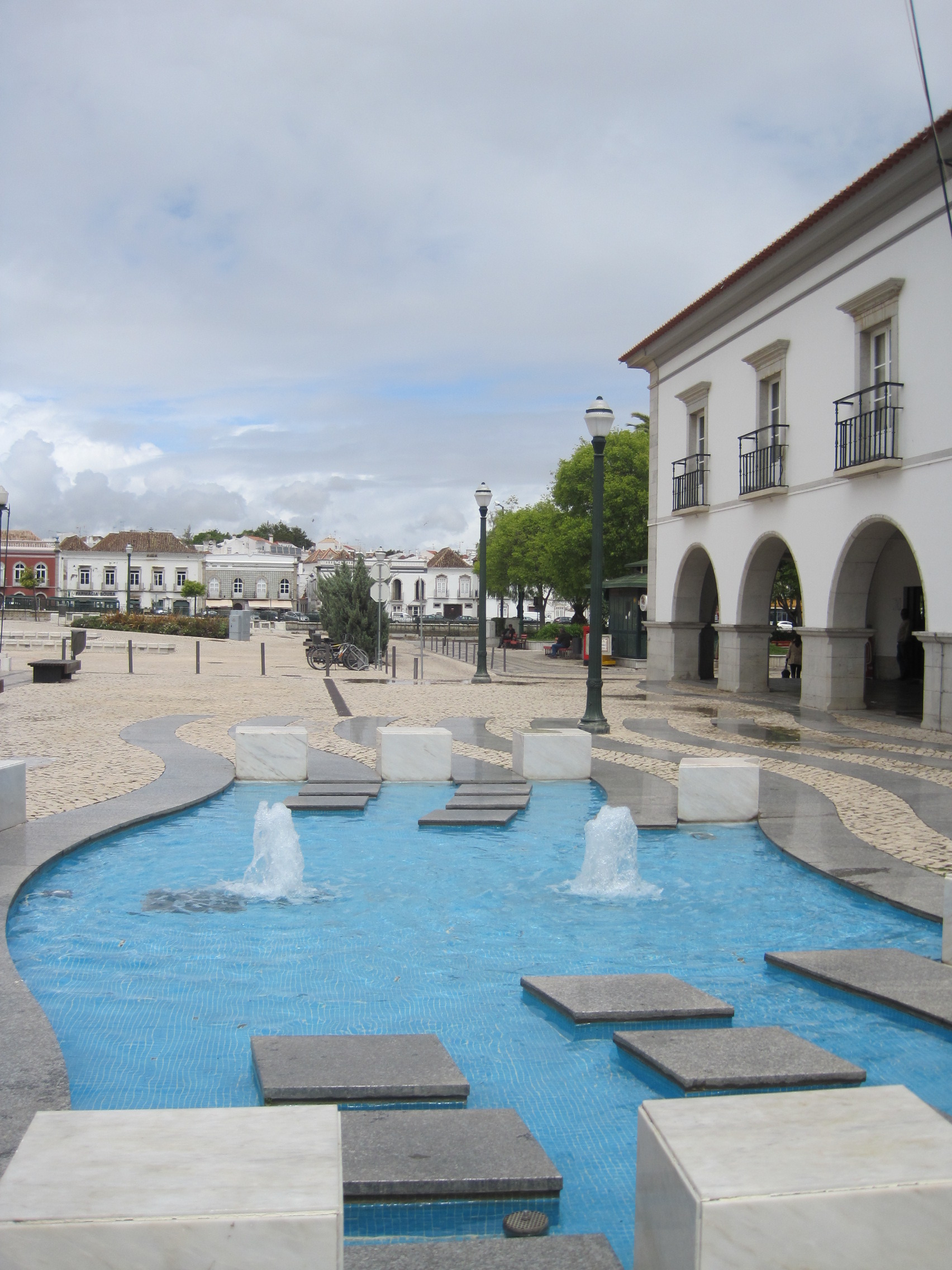
The fountain in Praca da Republica, Tavira

And an item that I was much taken with.  More to come in a future post.

The Tavira vase, on display in the new Islamic Museum

Then my little side trip with Flat Ruthie.

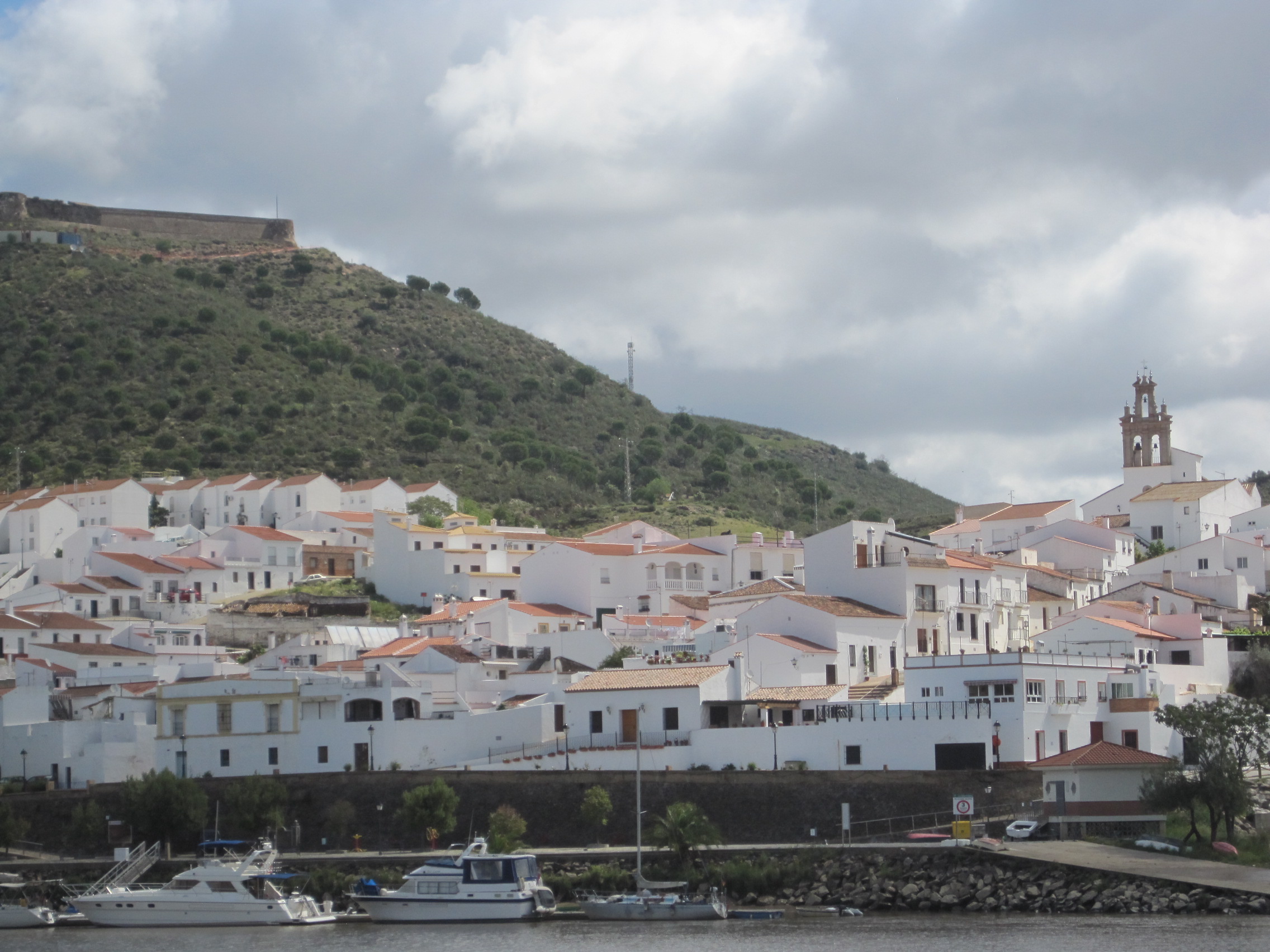
The village of Sanlucar de Guadiana, on the Spanish side of the Spain/Portugal border

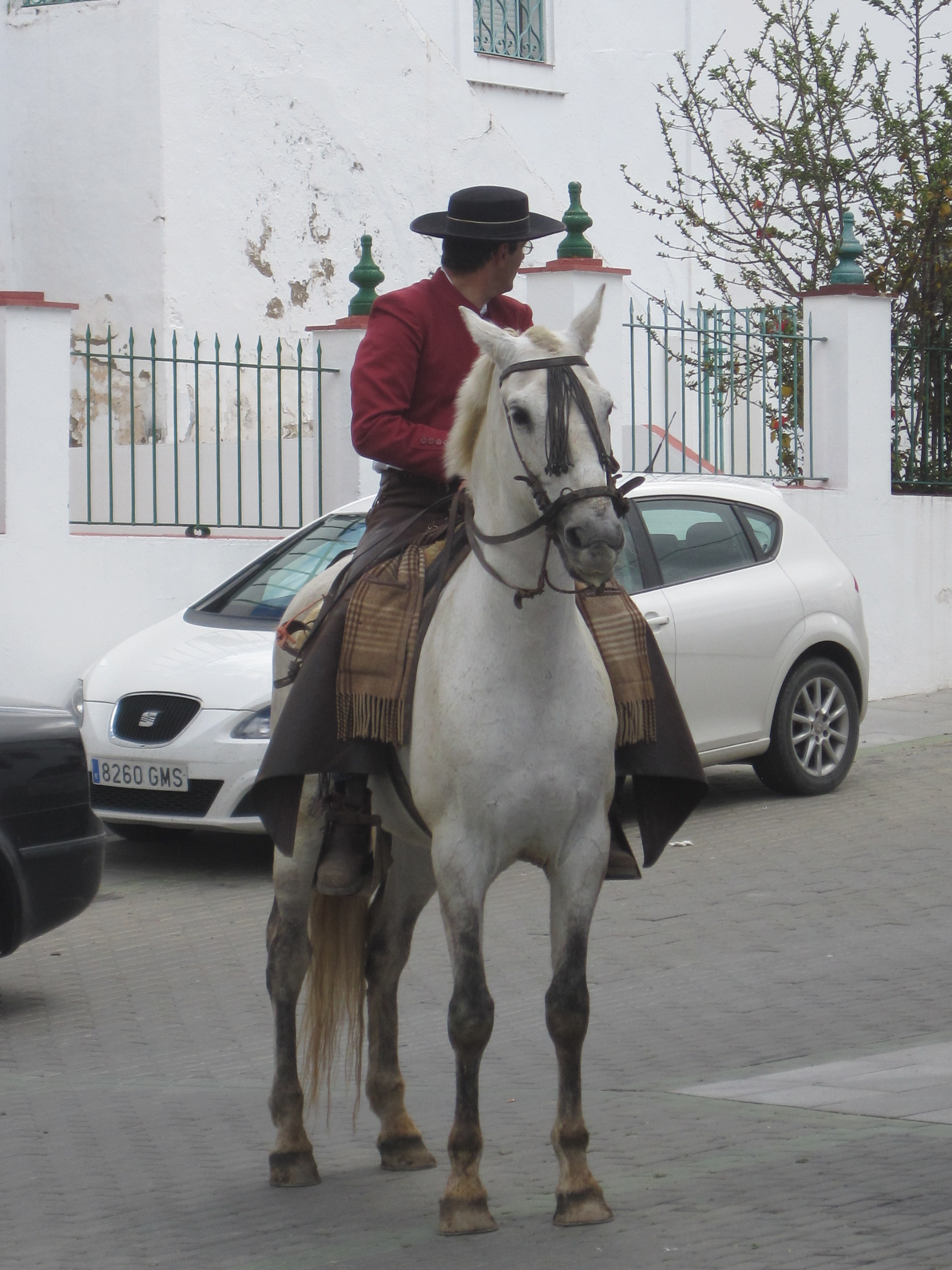
A handsome caballero

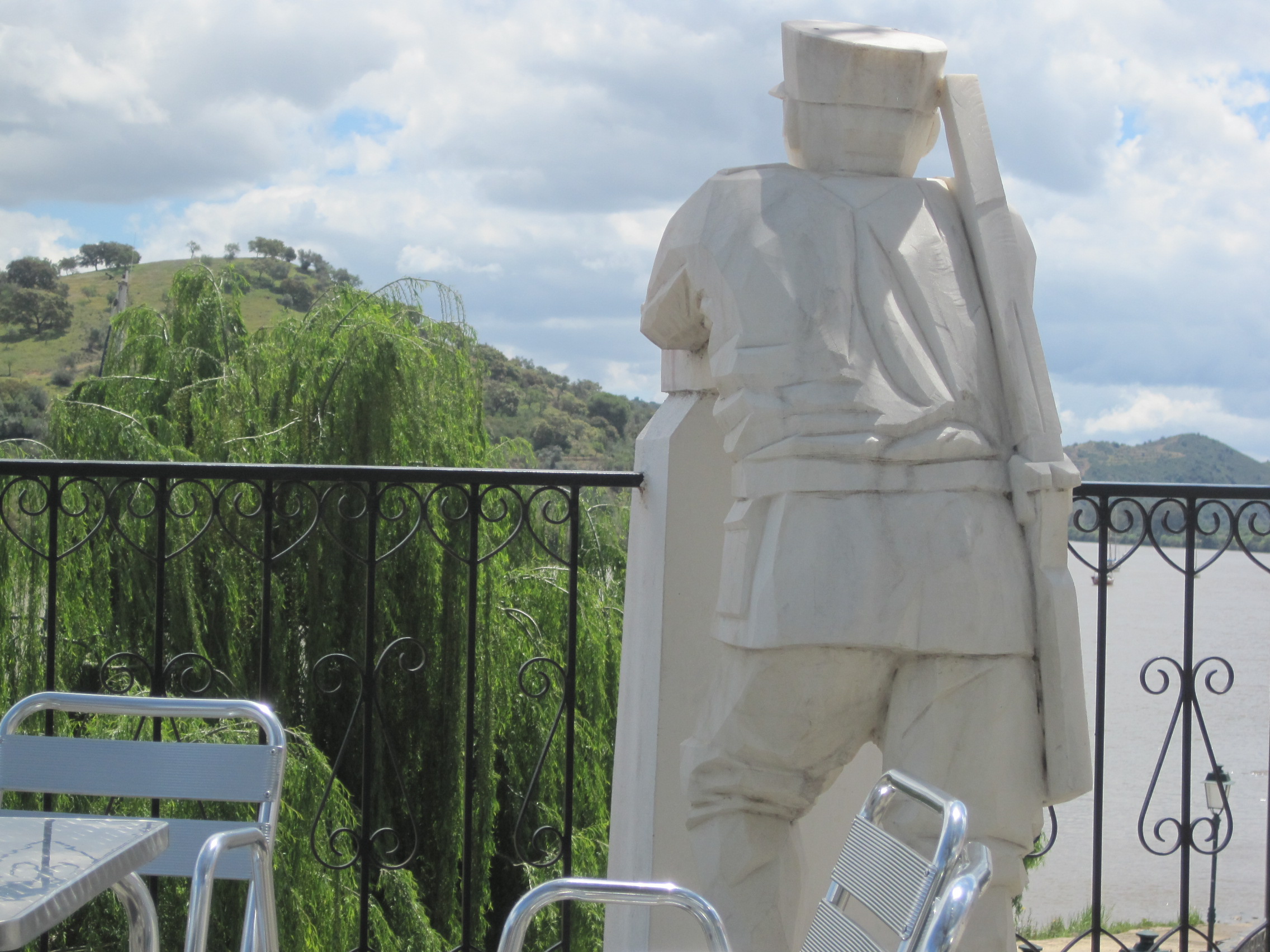
Keeping watch over the Guadiana

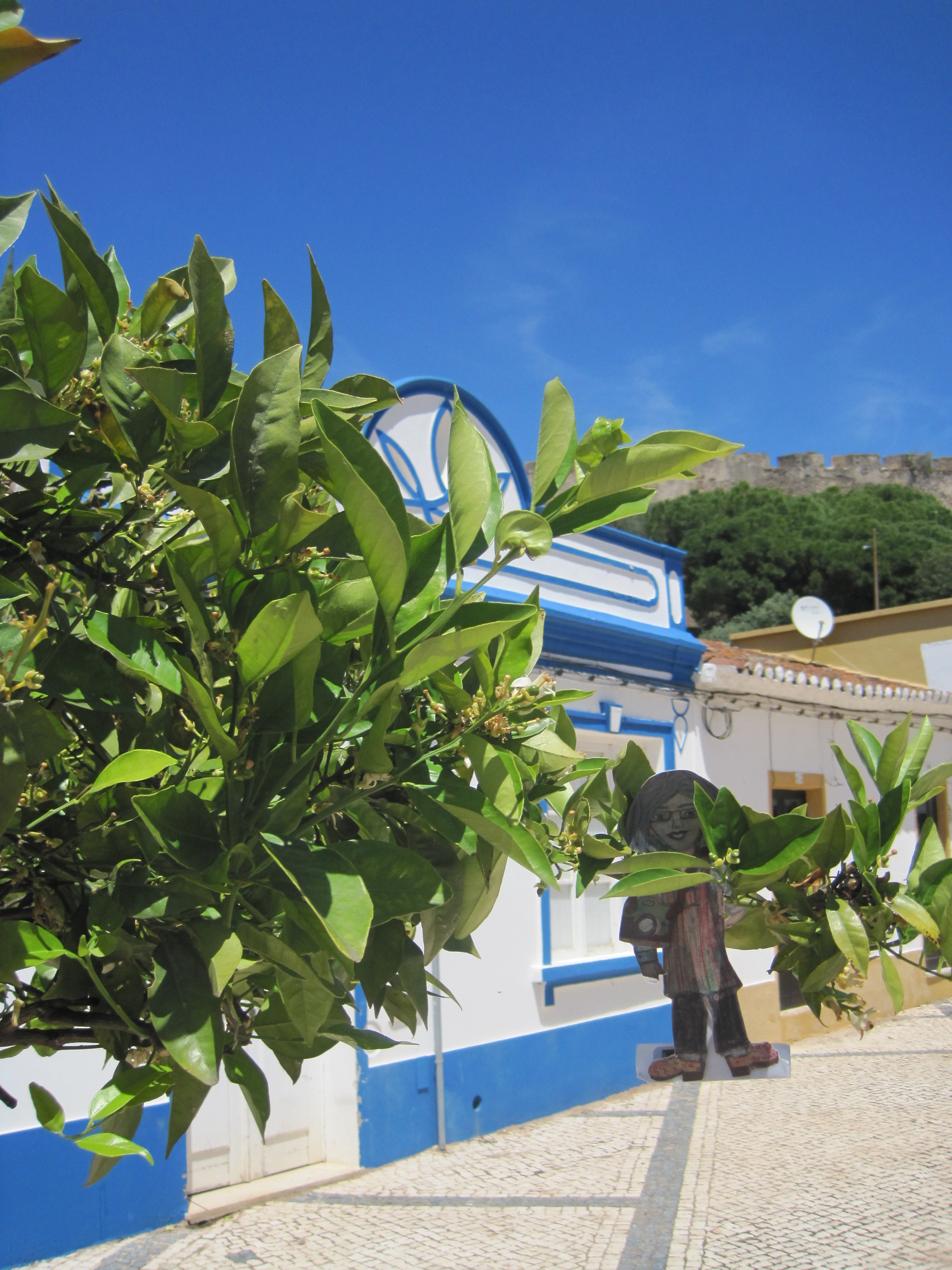
Tangled in the orange blossom in Castro Marim

So now you know how I spent my week.  It was wonderful looking back and now it’s your turn.  To play Six word Saturday you need to visit Cate’s Show My Face so click on the link or the banner at the top of this page, and get started.  My Six word Saturday page will show you what I’ve been up to in the past.  Feel free to browse.  See you next week.