My personal A-Z of Poland

P is for Pope, Piotrek and Przemek!

Poland-eagle-150square Poland is, by and large, a Catholic country, and one of the images that stays in my head from my very first visit is that of Pope John Paul II (or Jan Pawel, as he’s known in Poland).  I already had enormous respect for this very human and vital man, but I hadn’t fully realised the reverence for him in his homeland.  When I began to look into the story of his life, I understood why.
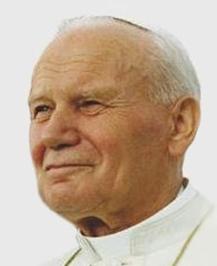
Pope John Paul II in 1993- courtesy of Wikipedia

Pope John Paul II in 1993- courtesy of Wikipedia

Karol Józef Wojtyła was the head of the Catholic Church from 16th October 1978 till his death on April 2nd, 2005.  Born at Wadowice in Southern Poland on 18th May, 1920, he was to become the first non-Italian pope since 1523.

He was the youngest of three children born to his parents, though his sister Olga had died before he was born.  In reality he should not have been born himself because his mother, Emilia, had been told that she had no chance of giving birth to a live child.  A devout Catholic, she refused an abortion, and the child did indeed live, though Emilia herself died in childbirth when Karol was just 8 years old.  An athletic boy, he loved football and sports.

In 1938 he and his Dad moved to Kraków, where he enrolled at the Jagellonian University.  He took philosophy, and developed a talent for languages (he learned 12, which puts me to shame!).  He had to take part in compulsory military training, but refused to fire a weapon.  In 1939, the German occupying force closed the university and he had to find work to avoid deportation.  His Dad died of a heart attack in 1941, so that, by the age of 20, he had “already lost all the people I loved”.  It was then that he began to think seriously about the priesthood.

Statue of John Paul II in the grounds of na Skalce

Statue of John Paul II in the grounds of na Skalce church, in Kraków

In 1942 he knocked on the door of the Archbishop of Kraków and asked to be admitted to the clandestine undergound seminary.  He had some narrow escapes, but survived the war years to spend a year as a village parish priest, before being transferred to Kraków.  He taught ethics at the Jagellonian University and gathered a little group around him that became known as “Rodzinka”-  his “little family”.  As well as prayer and charitable works the group went kayaking and skiing with him.

You have to remember that these were now Communist times in Poland.  The Faculty of Theology was disbanded at the university and priests were forbidden to travel with students.  Father Wojtyła asked his students to call him “Wujek”- the Polish word for uncle (which I love very much), so that it would not be obvious he was a priest.  The name stuck, and to Poles he would always be their beloved Wujek.
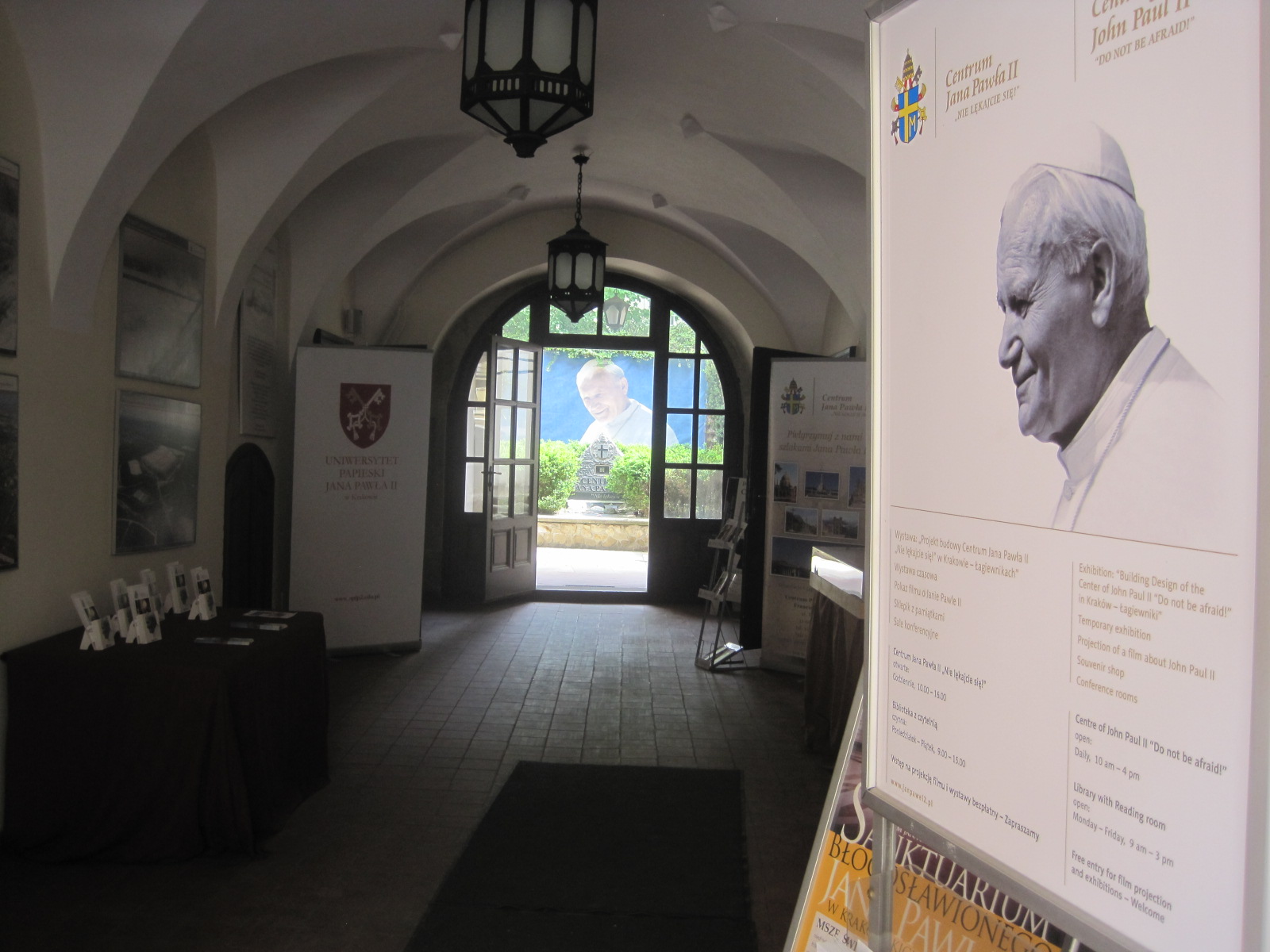
The museum dedicated to Pope John Paul. a beloved local

The museum dedicated to Pope John Paul. a beloved local

At just 38, Wojtyła was appointed Bishop of Kraków, and from there it was a steady rise to the papacy.  His mission was “to place his Church at the heart of a new religious alliance that would bring together Jews, Muslims and Christians in a great [religious] armada”.  He was to travel the world like no Pope before (129 countries in total!) in an effort to do so.

In June 1979 he made his first trip back to Poland as Pope.  His country was still completely under the Soviet thumb but he encouraged them to adhere to their faith and affirm solidarity with one another.  The Communists were not to relinquish power for another decade, but it was with the Pope’s encouragement and “soft power” that Solidarnosc was born as a movement.   In 2004 he was nominated for the Nobel Peace Prize for his lifelong opposition to Communist oppression and for trying to reshape the world. The full story is in the Wikipedia link at the top of this post.

Beside Wawel Castle in Kraków

Beside Wawel Castle, in Kraków

I was in Kraków in 2007 on the 2nd anniversary of his death, and the crowds and emotion were overwhelming even then.  Candles flickered as his voice was broadcast into the night.  Since then I have always been aware of his presence whenever I am in the city.

P is for Piotrek and Przemek

Piotrek is the English equivalent of Peter, and a popular name in Poland, so of course, I have a cousin of that name!  He’s the carpenter son of Lodzia and Zygmunt, and a lovely man with whom I have danced at a wedding or two.

Within the family we also have a diminutive Piotrek (Piotrus) who is a proper scene stealer, as small boys are.  He is the son of Krzystof and Ilona, whose wedding I went to in April 2008.

That just leaves Przemek!  He is the son of my cousin Adam’s sister, Basia (also my cousin- no wonder I’m confused!).  His English is impeccable.  He and fiance Marta were house-hunting when I was last there, so who knows if there’ll be yet another wedding in the not too distant future.

Przemek and Marta

Przemek and Marta

Well, I’ve bent your ears enough for one post so it’s time to say thank you to Julie Dawn Fox for hosting the Personal A-Z Challenge, and to lovely Frizz for also letting me tag along on his A-Z.  As always the links and logos will take you there.
banner4

N is for “Nie rozumiem”

Poland-eagle-150square

I’m having great fun trying to keep pace with both of my A-Z challenges, at Frizz’s weekly pace!  On Tuesdays the new letter comes out, so yet again I find myself leaping from Portugal to Poland.  It’s quite a stretch!

Can you guess what “nie rozumiem” means?  “I don’t understand”.

It’s probably the expression I have used the most in my visits to Poland.  Despite the best of intentions I struggle to get my ear attuned to Polish, and you can’t really say “please will you write it down so I can understand”.  It doesn’t seem polite somehow, and rather impedes the flow of conversation!

The mine at Belchatow

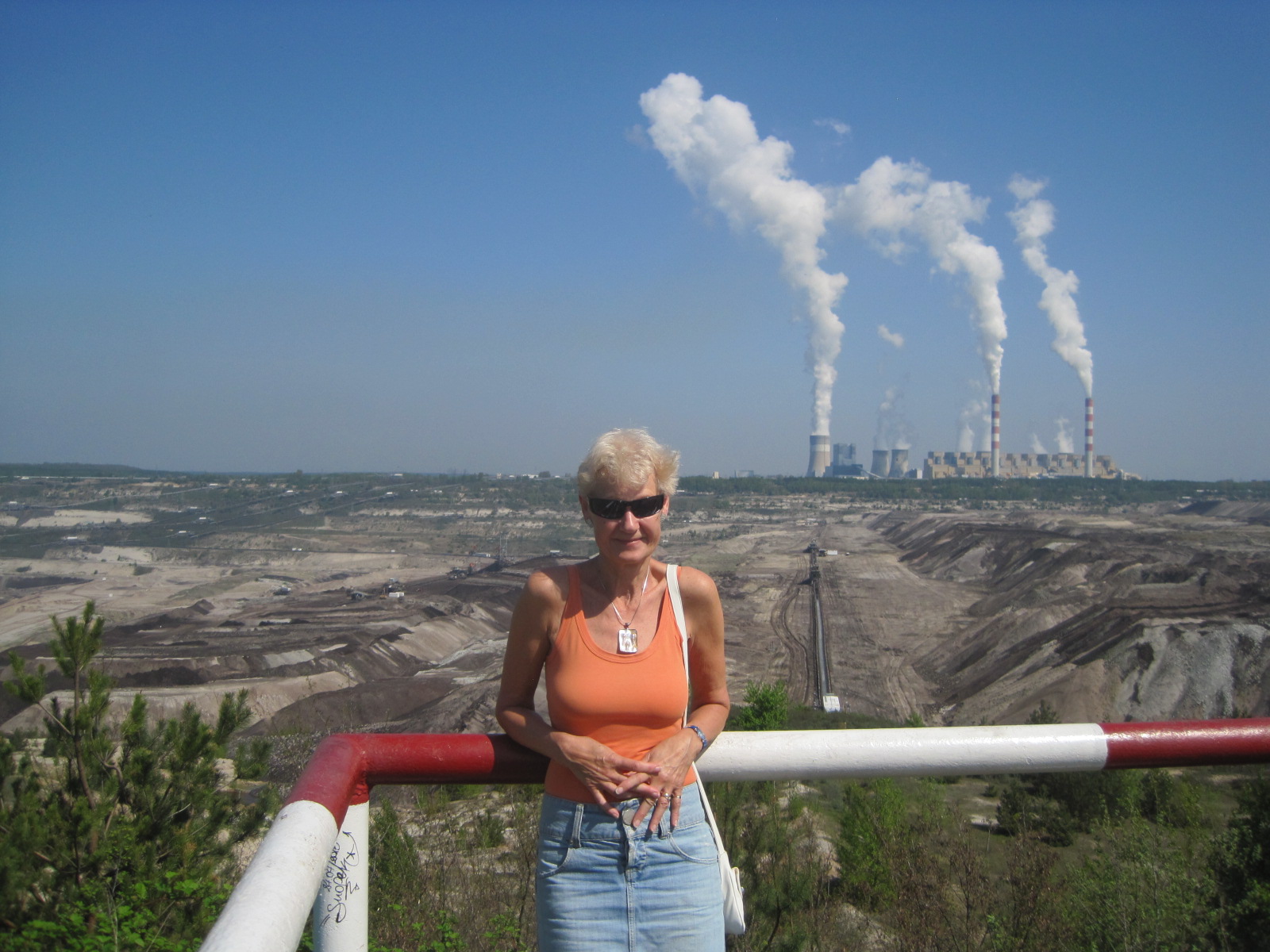
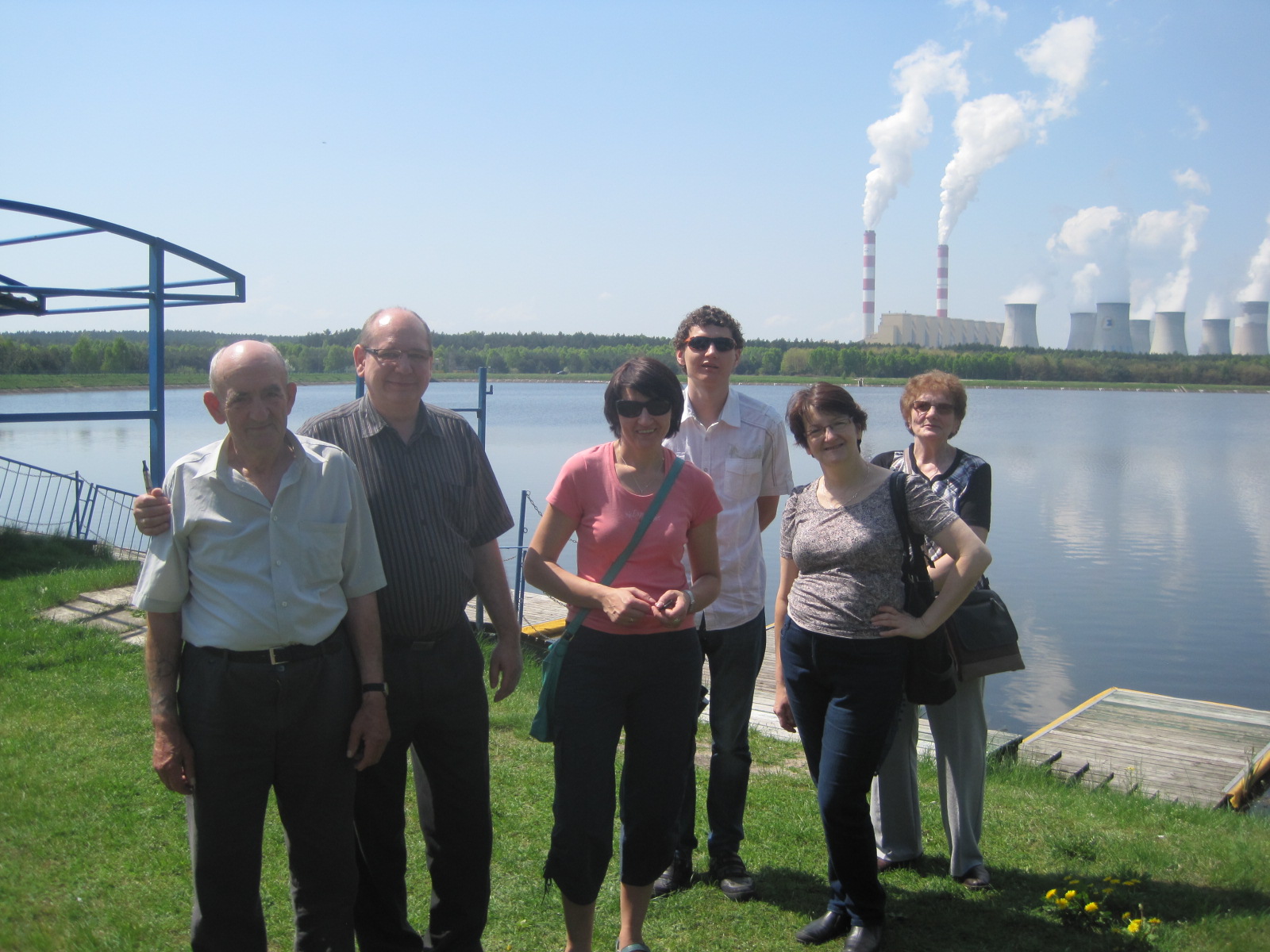
Another thing I’m not great at understanding is feats of engineering, but even I could see the type of industry that was going on when the family took me to inspect the nearby mine at Bełchatów.  This is Europe’s largest coal-fuelled thermal power station.  There are huge viewing platforms from which you can observe most of the process.  It’s the chief employer in the area and many of my family have worked there.  The technology looks impressive.

Seldom have I been photographed at an opencast mine

Seldom have I been photographed at an opencast mine

It's a monster!

It’s a monster!

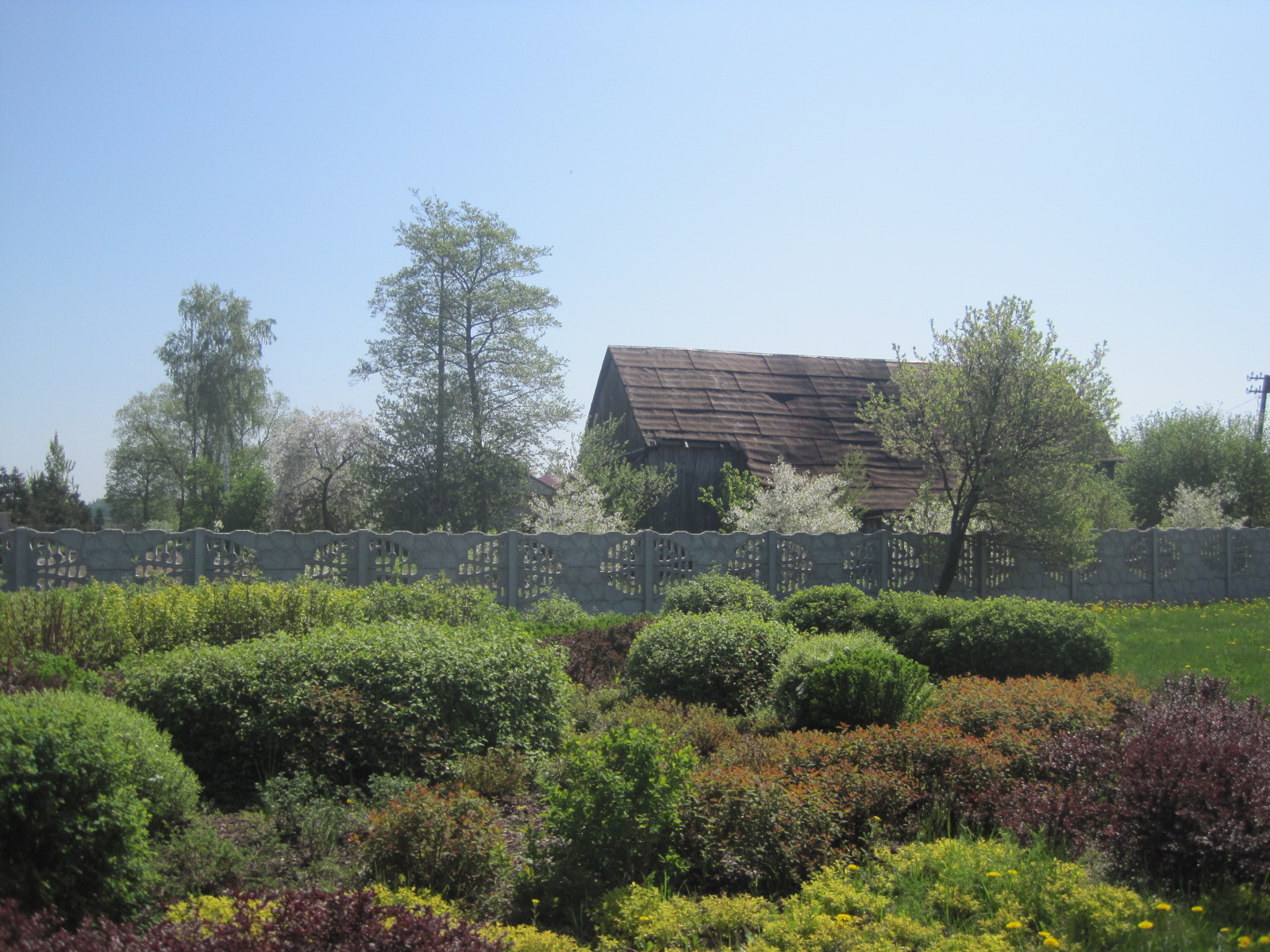
Imagine having a lovely home like this right next door!

Imagine having a lovely home like this right next door!

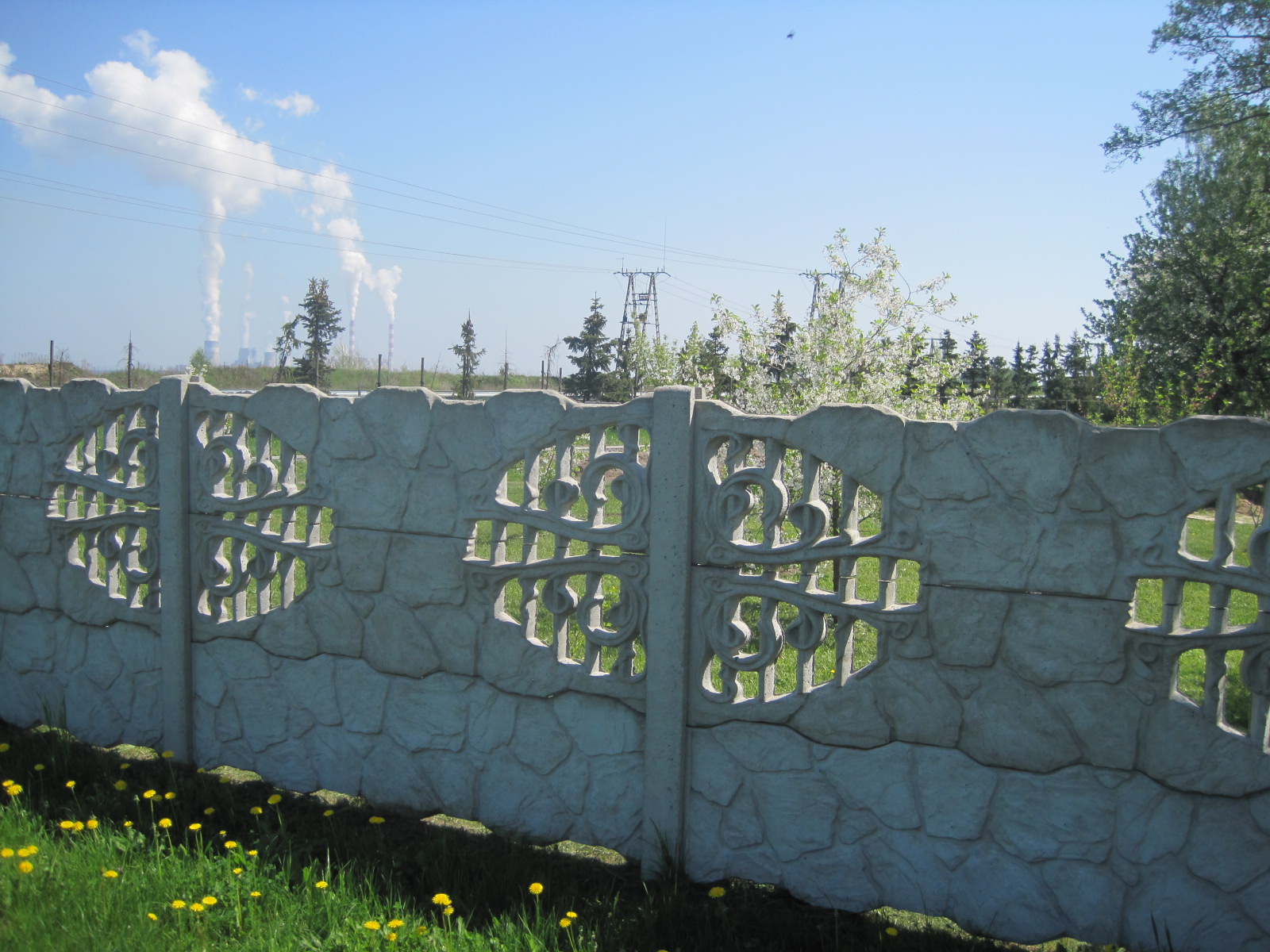
I rather like the Polish style of fencing (but not the view!)

I rather like the Polish style of fencing (but not the view!)

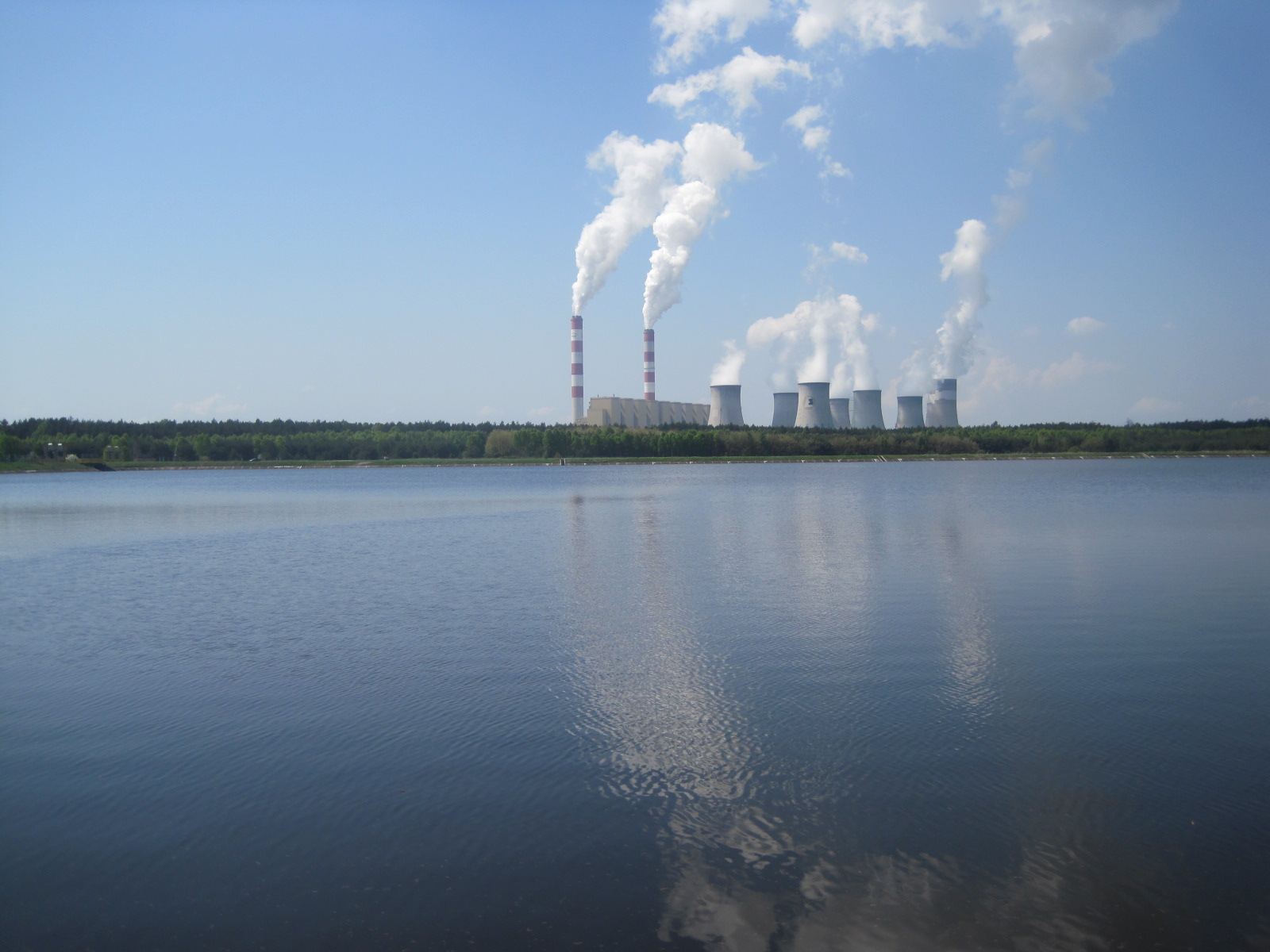
We drove all around the enormous site to a lakeside location with sports facilities, and, you’ve guessed it, a cracking view of the power station!  Apparently it’s very popular in Summer.  Bełchatów is far from the seaside.

Lakeside chalets

Lakeside chalets

The view!

The view across the lake

But the family were happy and smiling!

But the family were happy and smiling!

Left to right they are- Uncle Jakub, cousins Adam and Bożena,  Kuba in the background (Bożena’s younger son), cousin Marta, who is also married to Adam, and Czesława, Jakub’s wife.  I hope you are paying close attention.  There may be a test!

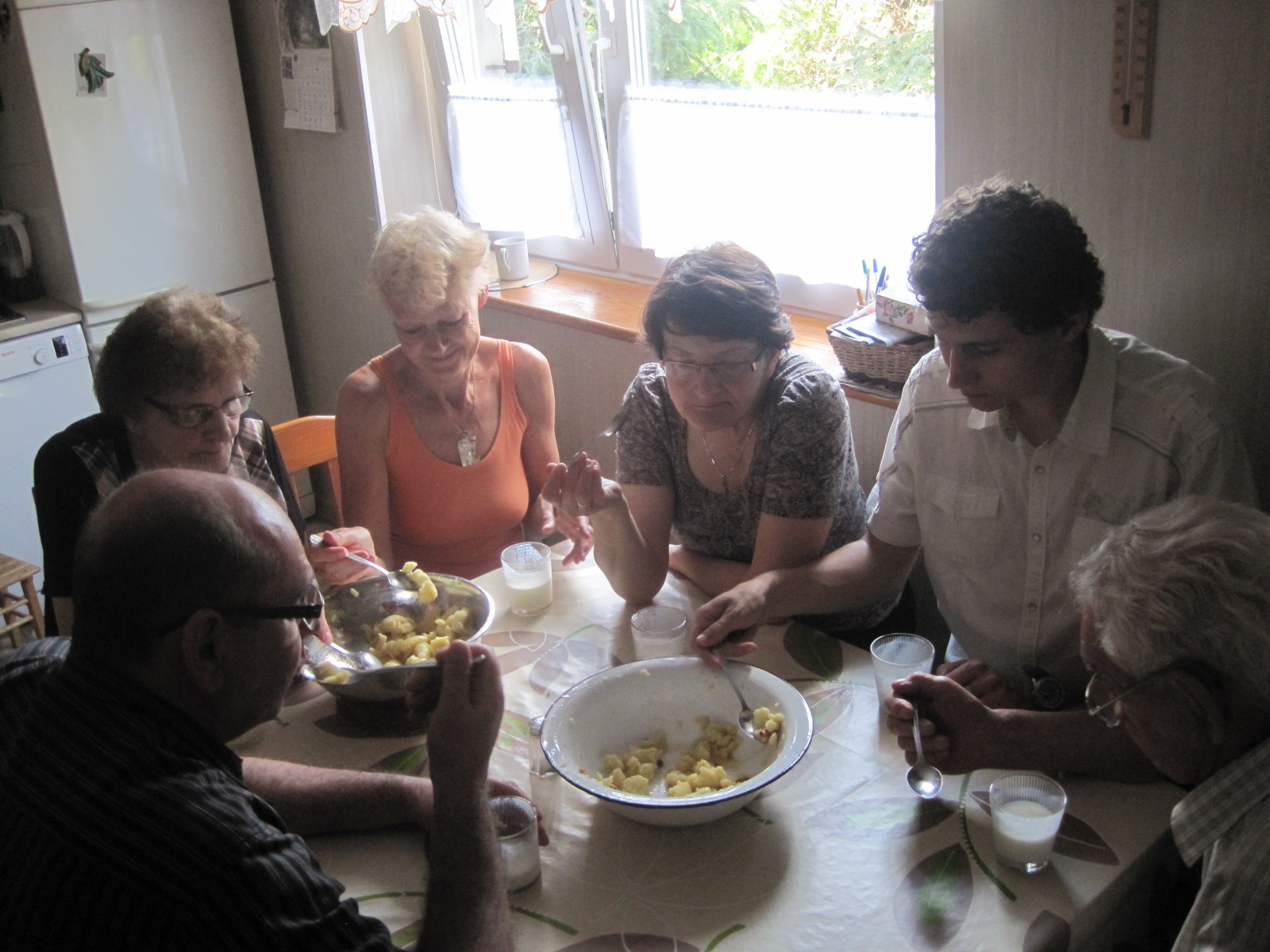
It was a warm day and afterwards Adam took us all for icecream.  There was one more treat in store.  Back at Jakub’s, Czescia cooked “ziemniaki z smażony tłuszcz”- potatoes with fried pork scratchings.  It was explained that the dish was very popular in the days when people had nothing in Poland.  Potatoes were an important staple and I have tasted some of the best potatoes ever, homegrown from Aunt Lusia’s garden.  I have to say that today’s dish was not much to my taste, but Dad and the family made short work of it.

Enjoying "old style" Polish cuisine

Enjoying “old style” Polish cuisine

I hope you’ve enjoyed my little venture into Polish culture today.  I have to thank Julie Dawn Fox for starting the Personal A-Z Challenge, a long time ago, and Frizz at Flickr Comments for helping me to catch up.  The links and logos give more information.

I can breathe a sigh of relief now because I have already posted the letter “O” for both Poland and Portugal.  You can read them from my A-Z pages.

banner4

M is for Mariacki and Marysia

Poland-eagle-150squareOne of my very first sights when I visited Poland for the first time was the Mariacki Church.  The splendour of the Rynek Główny in Kraków, Europe’s largest market square, is crowned by this church.  Later, on a guided tour given by my neice Weronika, we crept respectfully around the aisles and I looked up in awe.

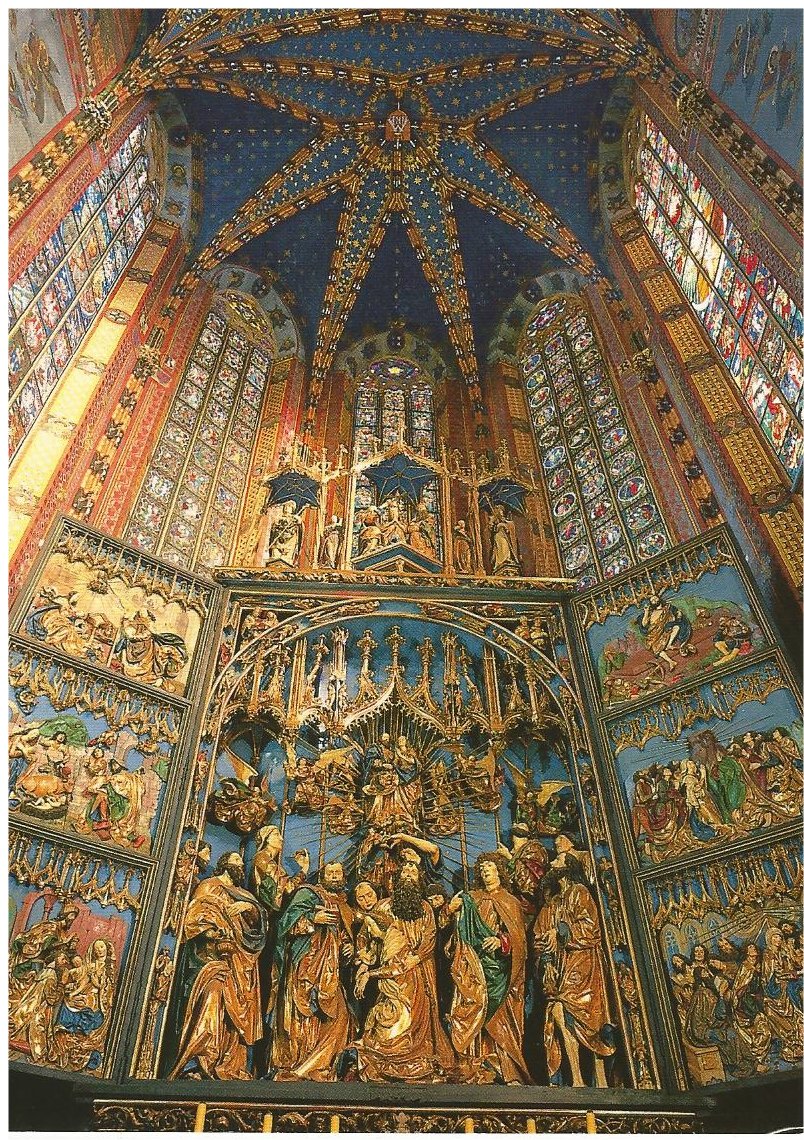
Veit Stoss Altar, Mariacki Church

The blue ceiling covered in stars was so joyous.  I almost said heavenly but that sounds too corny, however true.  I’d never before seen anything like it.

The showpiece of the church is the Veit Stoss Altar, depicted on these postcards. With great ceremony the altar is opened at noon each day to reveal the exquisite carvings beneath.

Gilded wood panels of the Altar in close up

Gilded wood panels of the Altar in close up

St. Mary’s Church, or Kościół Mariacki, dates from the 14th century and stands 262 feet tall (80m).  Today it draws the crowds largely for the appearance of the trumpeter, who performs hourly at the top of the taller of the two towers.  The sad little notes die away abruptly.  According to legend this commemorates the trumpeter who was pierced through the throat while sounding the alarm for an impending Mongol attack on the city.  These days it’s a happy occasion and he waves to the cheering crowd below before disappearing.

I don’t often use video clips in my posts but I accidentally came across this one and loved it.  The commentary is in Polish, but you get to see the trumpeter in close up.

The noon-time trumpet call, known as the Hejnał mariacki, is broadcast across the nation by Polish Radio 1.  More details are on this Wikipedia link.

Marysia is one of my Polish cousins.  In the very early days of our reunion with the Polish family I received a lovely email from her, introducing herself and family to me. She is married to Pawel, a musician with a wicked sense of humour. They have a daughter, Kasia, and son, Michał (do you remember that the last letter is pronounced “w”?)

Marysia is another of Zygmunt and Lodzia’s daughters. (I posted about them in L is for Lusia, Lodzia and Lodz)  She lives in the village of Zawady, near to Dad’s original old farmstead, but Marysia and Pawel have a beautiful modern home. Within the family there are many skills, and when it comes to home-making, these are readily shared.  Piotrek, Marysia’s brother, is a fine carpenter and the polished wood floors and banisters are all his work.

Kasia was only 20 when we first met, and had spent the Summer working in Nottingham, to help pay for her university studies.  This was an enormous coincidence as my daughter lives in Nottingham.  You can imagine her astonishment when I produced a Polish cousin living virtually on her doorstep!  A meetup was arranged, of course.

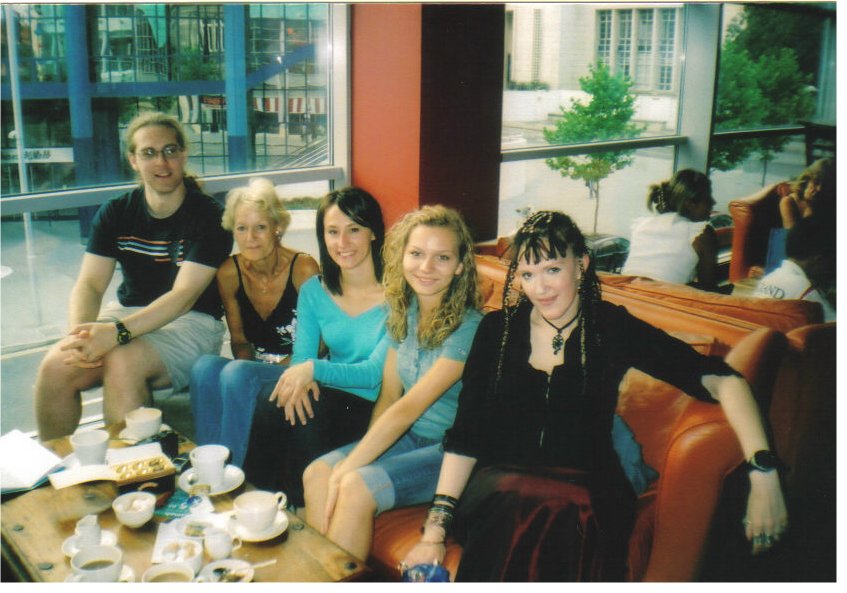
Lisa, Kasia, friend Paulina, me and Leo, in Nottingham

Lisa, Kasia, friend Paulina, me and Leo, in Nottingham

Kasia has now completed her education and, at the time of writing, is working in Germany.  Her younger brother is still studying.  Marysia herself runs a lovely little boutique in Bełchatów.  Confused yet?  I often am, too!

It just remains for me to thank Julie Dawn Fox, who began the Personal A-Z Challenge, and Frizz, who has welcomed me into his A-Z Challenge too.  This week it’s “mmm”!  Follow the links to find out more, and maybe join in?

banner4

L is for Lusia, Lodzia and Łódź

Poland-eagle-150squareThis is where my Polish friends might raise their hands in protest.  You see, in Polish there is a letter L and a letter Ł (ł in lower case).  The two are quite separate, but as there are 33 letters in the Polish alphabet and I am constantly short of time, I’m combining them in this post.  To English eyes they probably look very similar, but ł is pronounced like the English “w” in “wet”.

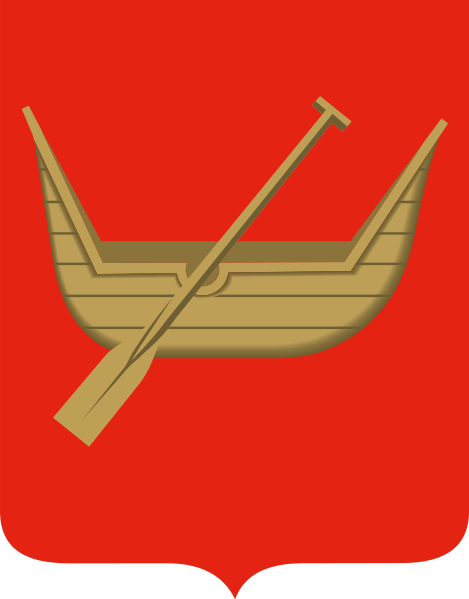
So, the city that I’m going to tell you a little about, Łódź, is pronounced Wooj, or something very like that.  I have never actually visited this city, which is the third largest in Poland, but it has always intrigued me for its name, which translates as “boat”.  This for a city which lies right in the centre of Poland, 84 miles south-west of Warsaw, and doesn’t even have a river running through it.  Apparently the city once had a total of 18 rivers, but they were covered over due to chronic pollution.

A boat, the coat of arms of Łódź- from Wikipedia

A boat, the coat of arms of Łódź- from Wikipedia

The first written record of Łódź appears in 1332 as the village of Łodzia, and in 1423 King Władysław Jagiełło (who you may remember from my J is for Jadwiga post) granted it city rights.  It was always at the crossroads of trade but at this time most of the inhabitants worked on grain farms in the surrounding flat lands. 

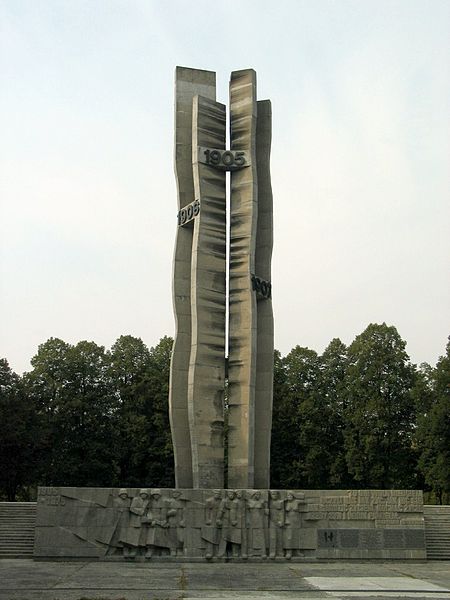
Like many another Polish city, the history of Łódź is colourful.  It lost its identity to Prussia in 1793, and then at the Congress of Vienna in 1815, became part of Russian Poland.  The Tzar gave territory deeds to German immigrants to clear the land and build factories and housing.  In 1825 the first cotton mill was opened and the textile boom began, with an eager Russian market on the doorstep.  Łódź has been likened to a “Polish Manchester” due to its prosperity from textiles.  Relationships with their Russian neighbours deteriorated rapidly, climaxing in the Łódź insurrection (or June Days) in 1905, which was violently put down by the Tzarists.

Łódź monument to the 1905 insurrection- from Wikipedia

Łódź monument to the 1905 insurrection- from Wikipedia

Many of the industrialists were Jewish, thus, during the Nazi occupation, the Łódź Ghetto was set up.  It was the last major ghetto to be liquidated due to the value of the goods the occupants produced for the German military.  The Germans requisitioned all factories and machinery and transported them to Germany so that Łódź was deprived of most of its infrastructure.  Refugees from Warsaw flooded into the city and in the aftermath of the Warsaw Uprising, Łódź became a temporary capital.  Apart from Kraków it was the only Polish city not to have been raised to the ground.

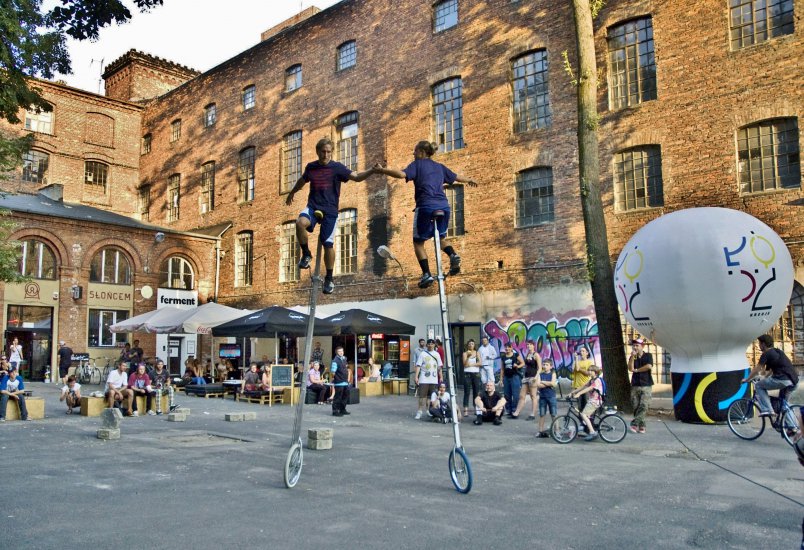
It’s not all doom and gloom.  I knew little about Łódź, but even I had heard of the National Film School, founded in 1948, and its famous student, Roman Polanski.  The film industry and new businesses locating in Łódź due to its excellent transport links have aided the slow rebirth of the city.  Renovation is ongoing on Ul. Piotrkowska, at 5km the longest main street in Europe. OFF Piotrkowska is a lively complex of cafes, restaurants and designer shops within 19th century former cotton mill buildings.

Sculpture of pianist Artur Rubinstein on Ul. Piotrkowska- from Wikipedia

Sculpture of pianist Artur Rubinstein on Ul. Piotrkowska- from Wikipedia

OFF Piotrkowska- from "In your Pocket" Łódź guide

OFF Piotrkowska- from “In your Pocket” Łódź guide

Even better news is that the rivers I referred to at the start of this post are now the subject of a restoration project.  Who knows where it all might end for the city of Łódź?  Manchester isn’t doing so very badly.

Lusia and Lodzia

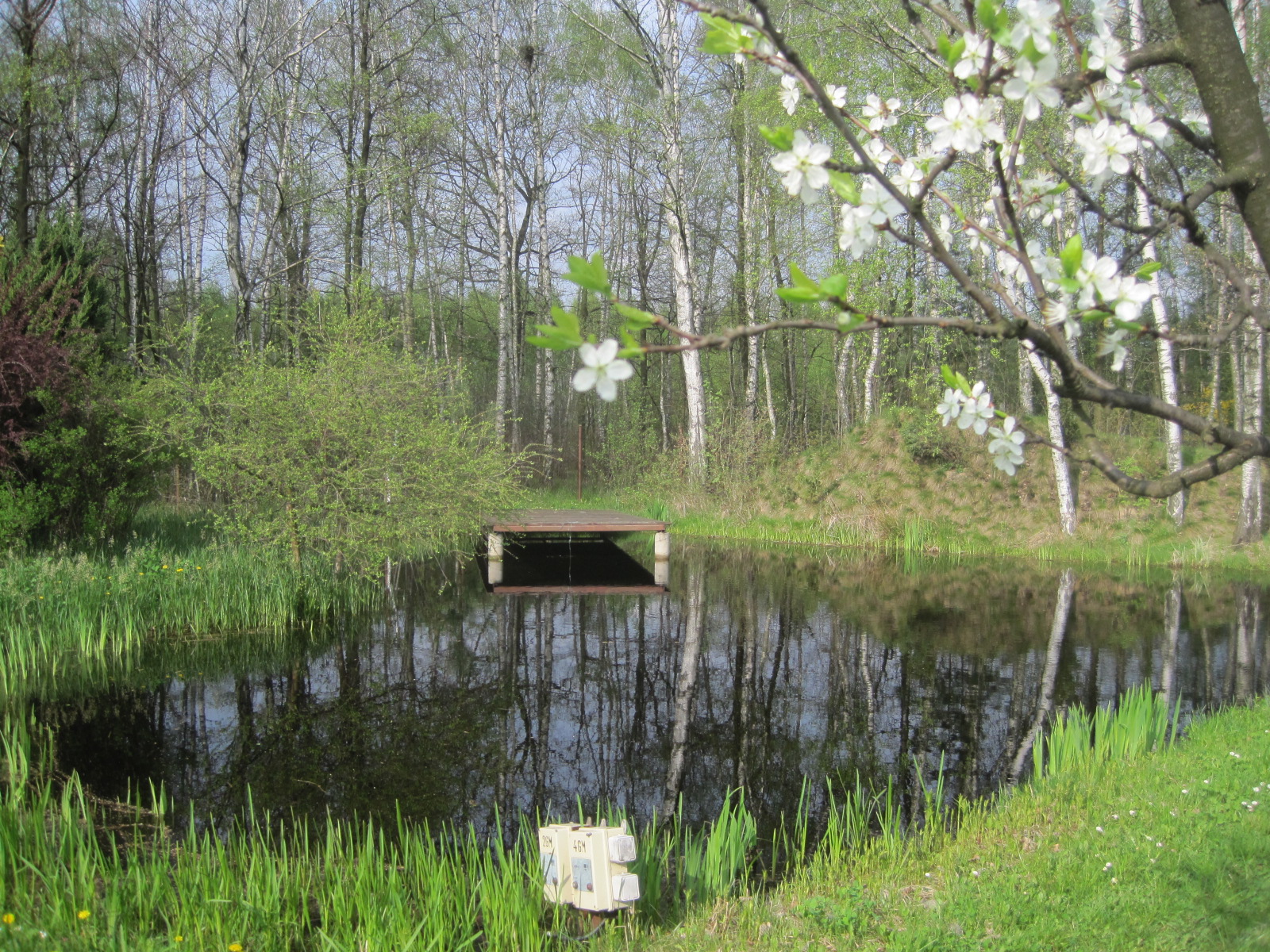
Most of my Polish family live in the neighbourhood of Bełchatów, about an hour south of Łódź.  As usual, when I was in Poland in May, I went to see my lovely Aunt Lusia in Zawady.  She is my Dad’s only surviving sister, and lives close to the farmstead where Dad grew up.  Her portion of land is a good size with a lovely pond and numerous fruit trees.  Lusia tended the huge vegetable plots herself when she was younger, but now much appreciates the help of her daughter Theresa, who lives with her.  Granddaughter Edyta completes the household (if you don’t count the rabbits, of which there are many!)

Lusia and Dad

Lusia and Dad

The pond at the bottom of the garden

The pond at the bottom of the garden

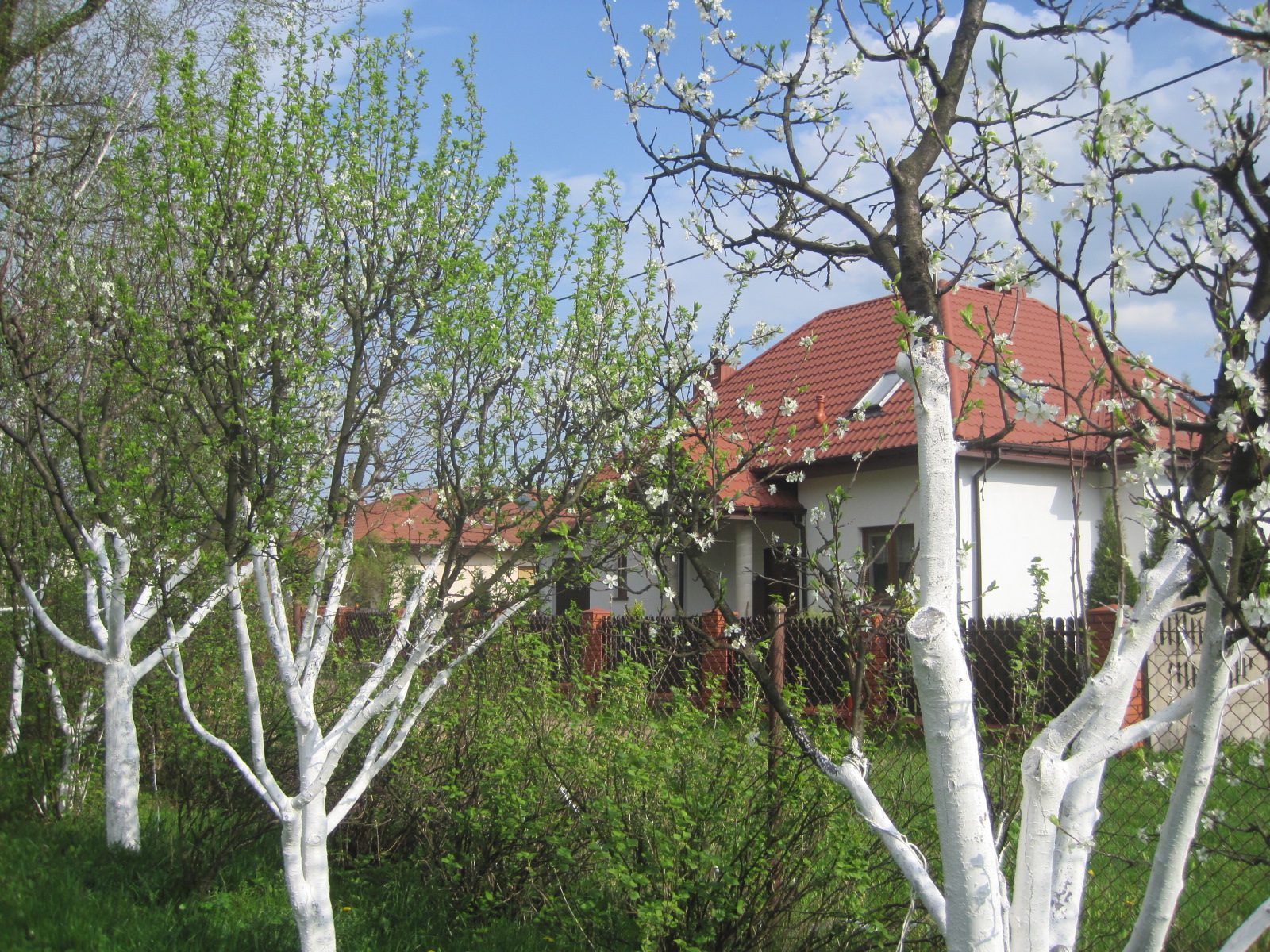
Fruit trees and the neighbours

Fruit trees and the neighbours

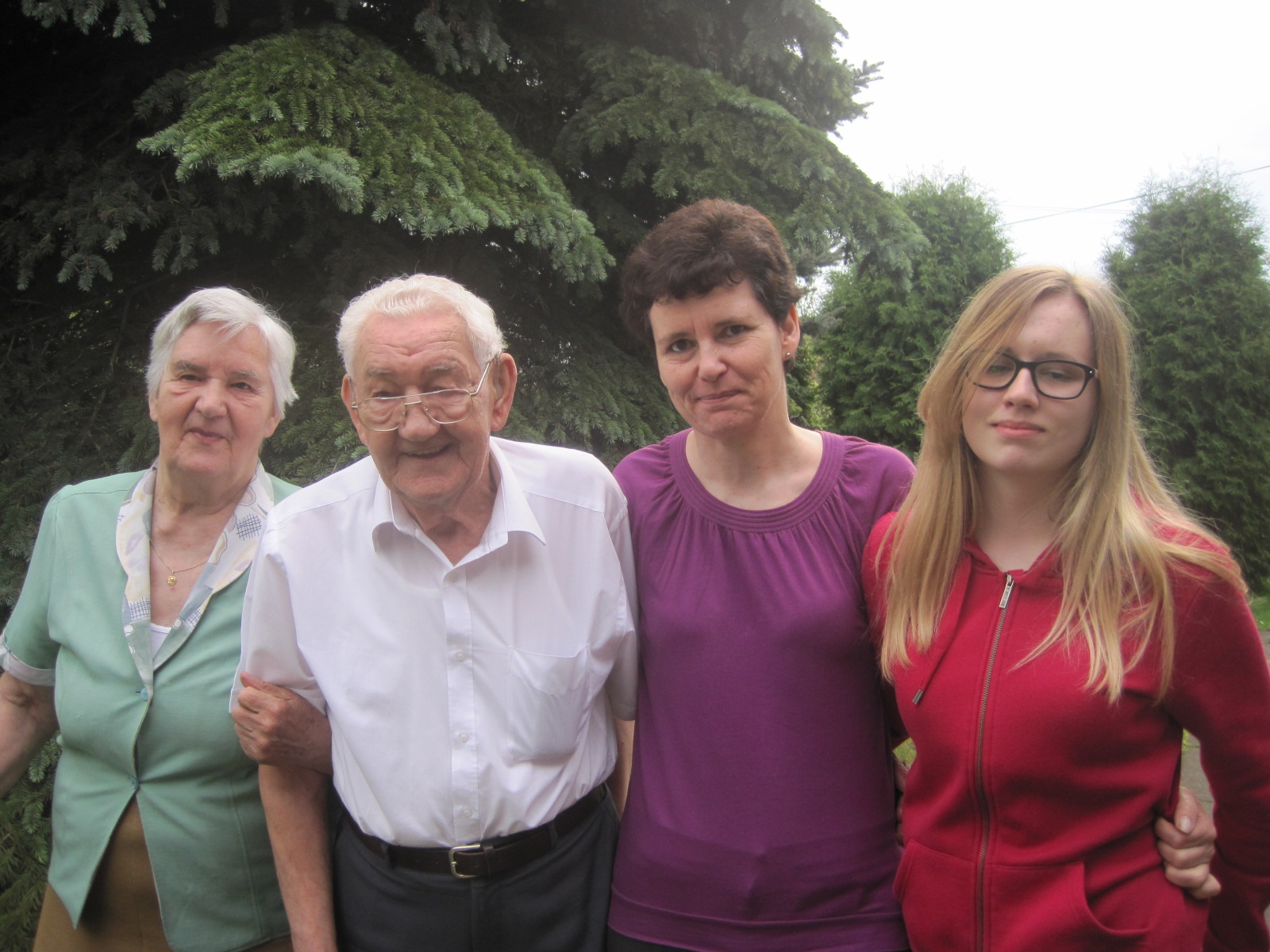
Lusia and Dad with Teresa and Edyta

Lusia and Dad with Theresa and Edyta

Most of the family have built houses on land from the original farm, and Lusia is now dividing hers to make life easier.  Her daughter Grażyna and son-in-law Marek live in a high rise flat in Bełchatów (I was there on my visit too!) and are now building a house next to Mum.  A widow for many years, I never met her husband  Zbigniew, but have seen photos of them as a happy young couple.  It will help Lusia to have family so close by.  A third daughter, Irena (who will feature in my letter “I”), also lives in Bełchatów.  One last little thing to share- Lusia’s given name is Otylia.  I’m not at all sure how Lusia comes from this, but that’s just how it is.

Just across the lane from Lusia is the home of Lodzia and her remaining unmarried family.  This is my Dad’s original home and was taken on by the oldest son Zygmunt, when their parents died.  Sadly Zygmunt himself died just months before the family reunion which brought Dad back to Poland.  He had tried so hard to find Dad, and maybe things would have gone differently if he had succeeded.

Lodzia has her sons Bolek and Piotrek helping on the substantial plot of land.  Dad remembers taking the cows to a stream when he was a small lad, but the cows are long gone (as is the stream, strangely enough).

A slightly blurred photo of Lodzia and Bolek at Jadwiga's home

A slightly blurred photo of Lodzia and Bolek at Jadwiga’s home

You will have seen Lodzia on my blog before.  She is my lovely cousin Jadzia’s mum and we traditionally have supper at Jadwiga’s home, pictured above.  The farmhouse is now very run down and Lodzia does not have an easy life.  She also has the care of a blind son, Adam, who suffered the injury in an explosion many years ago.  Life is never all roses, is it?  My Polish family have had their share of tragedy, but they go on smiling and welcoming us each time.

 This post is part of my Personal A-Z of Poland, for which I owe thanks to Julie Dawn Fox.   I have put links to Wikipedia and my other posts for anyone who is interested.  The logo below will take you to Julie’s A-Z page, and I’m also linking to Frizz’s LLL-challenge, even though, as usual, I’m late!  MMM arrived this morning.

 banner4

J is for Jadwiga

Poland-eagle-150square

This is a novelty, isn’t it?  For anyone new to my blog, you won’t have a clue what I’m up to, or why.  Old friends might just remember the logo.  I’ll explain a little later.

Jadwiga is a Polish feminine name (pronounced Yad-viga).  The diminutive, or affectionate family form, is Jadzia.  The name originates from the German Hedwighadu meaning “battle” and wig meaning “fight”.  You might not realise the significance of this until I tell you about Jadwiga, Queen of Poland.

Jadwiga, "king" of Poland- image from Wikipedia

Jadwiga, “king” of Poland- image from Wikipedia

Jadwiga was queen of Poland, or rather “king”, from 1384 till her death on 17th July, 1399.  She was a sovereign in her own right rather than a mere royal consort, entitling her to the title of king.

Jadwiga was the daughter of Louis 1 of Hungary and Poland, and Elizabeth of Bosnia.  When Louis died in 1382 his eldest daughter Maria was elected queen of Hungary, but the Poles opted to end the union between the 2 countries by choosing Jadwiga as queen.  She was then just 9 years old. After 2 years of negotiations with her mother, and civil war in Poland, Jadwiga came to Kraków to be crowned.  In 1386 she was married to Jogaila, grand duke of Lithuania, to form an alliance of territories much larger than the one with Hungary, changing the balance of power in Central Europe.

Coat of arms of Jadwiga- image from Wikipedia

Jadwiga’s coat of arms- from Wikipedia

The marriage opened the way to the conversion to Christianity of the largely pagan Lithuanians.  Jogaila was baptised Władysław in Kraków before the marriage took place, and they ruled jointly, but with Jadwiga as the leading figure.  She led 2 successful military expeditions, helping Poland to regain lost territories.  When Jadwiga died from childbirth, her husband became Władysław II Jagiello, founding the Jagiellonian dynasty.

Jadwiga was a great patron of religion and scholarship.  From the sale of her jewellery she financed the restoration of the Kraków Academy, which became the world renowned Jagiellonian University.

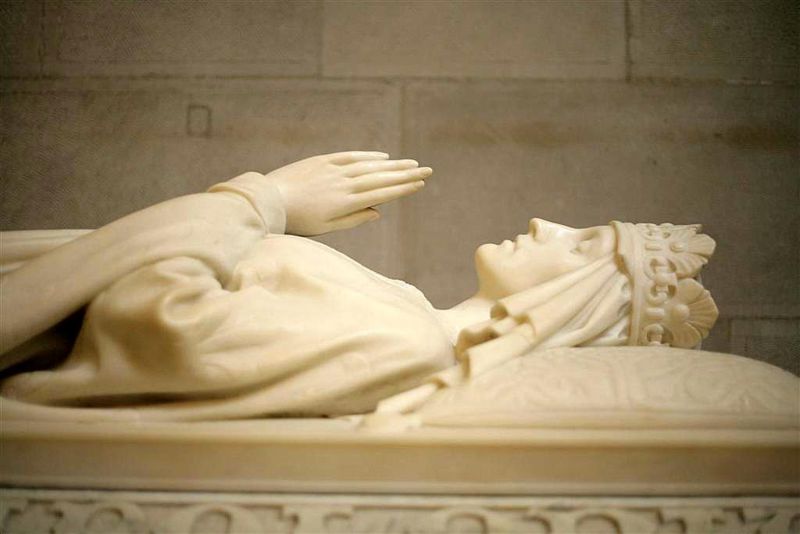
After her death, Jadwiga was venerated throughout Poland as a saint, and was said to have performed miracles.  Details of these and more of Poland’s convoluted history are to be found in the above links to Wikipedia.  She was finally canonised by Pope John Paul II in Kraków on June 8th, 1997.

Jadwiga's tomb, in Wawel Cathedral, Krakow- from Wikipedia

Jadwiga’s sarcophagus, in Wawel Cathedral, Kraków- from Wikipedia

And now to my personal interest in the name Jadwiga. Time to meet my lovely cousin, Jadzia.  She is one of the daughters of my Dad’s older brother, Zygmunt, who died just months before the family were reunited, and so was never able to greet him on his return to Poland.  I have recounted Dad’s wonderful story in Exploring the Polish Connection, and have already introduced some of my cousins in this A-Z series.

Jadzia with some of her delicious homemade cake

Jadzia with some of her delicious homemade cake

Jadzia, Mam and brother Bolek

Jadzia, Mam and brother Bolek in her lovely dining room (Dad in foreground)

I have many times sampled Jadzia’s wonderful hospitality, and been present at the weddings of both of her children, Ania and Krzysztof.  On each occasion our time together has been too brief.  Jadzia has a little English and I have a very little Polish.  When we exchange emails we do so in our native languages and leave the other to puzzle out the meaning.  Ania is fluent in English, and of course, my Dad is an old hand at Polish.

In writing this post I am linking back to the original A-Z Personal Challenge begun by Julie Dawn Fox.  Life has overtaken me a little so I’ve been slow in reaching completion.  I have pages dedicated to my A-Z’s, both for Poland and for Portugal, at the top of the page, so you can see just how far I’ve progressed.  I would also like to enter this post in Frizz’s A-Z.  I have his permission.  When I began this challenge I hadn’t even “met” Frizz.  Since then he has enhanced my world enormously.

banner4

O is for “okropny” and the Ojców Valley

Poland-eagle-150square

The cosmopolitan city of Kraków is a million miles away from the river gorge of the Ojców Valley in time, but just 25km in distance.

I arrived in Kraków expecting the beautiful Spring weather I had experienced in previous years, but it was not to be.  Okropny- the Polish word for “terrible”- described it very well.  Mizzle accompanied grey skies, followed by crashing thunderstorms and heavy rain.  Still, nic nie szkodzi, as they say in Poland.  It “doesn’t really matter”, when you’re with family and friends.  Polish hospitality is, quite rightly, legendary.

Along with all the eating and drinking a little fresh air was called for, so out came the umbrellas.  A short drive north west of the city brought us to the village of Ojców and a different world.

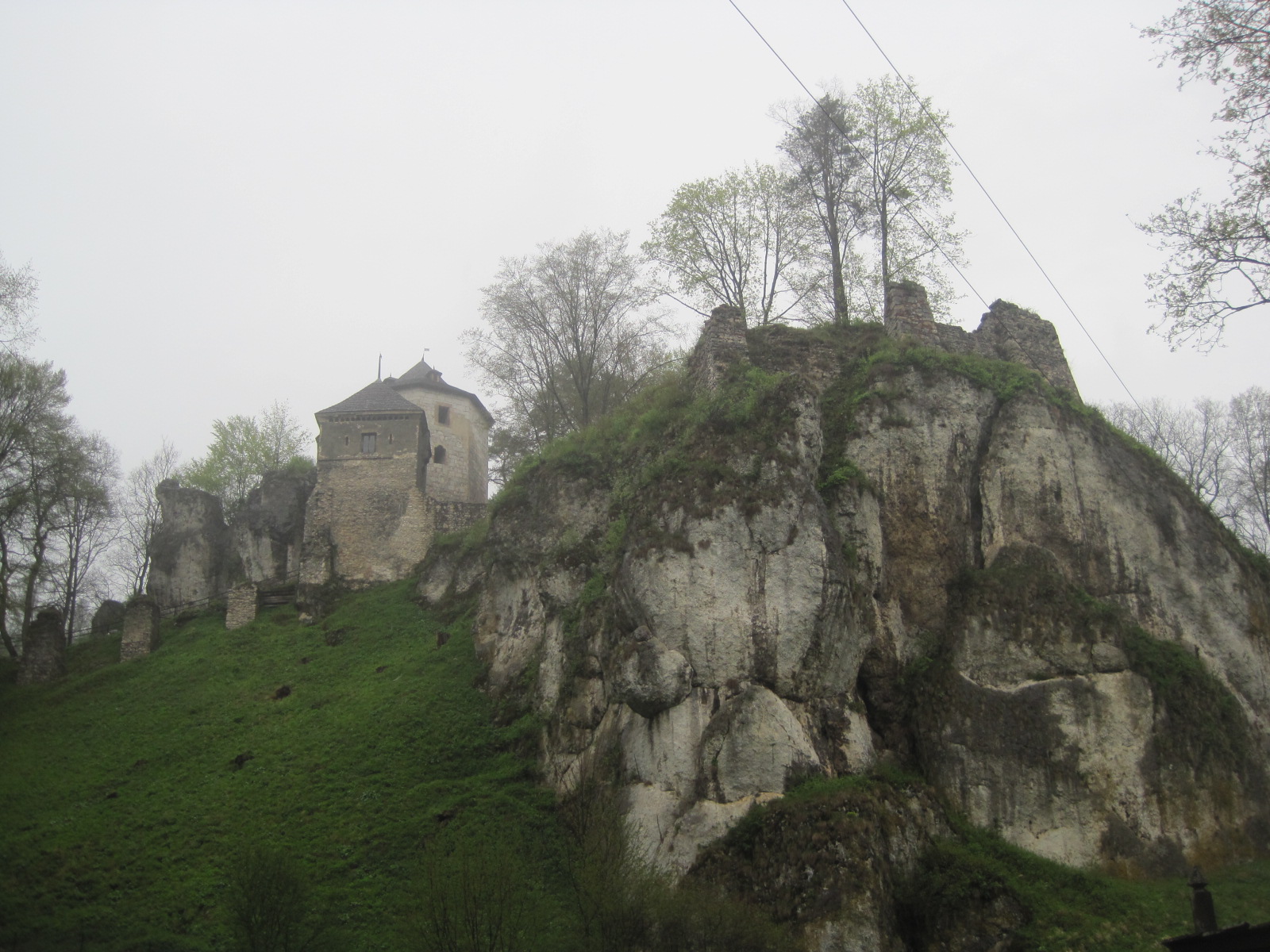
The castle ruins at Ojców

The castle ruins at Ojców

Looming over the village, the castle ruins keep a beady eye on the end of the Eagles Nest Trail, a line of defence once stretching north to Częstochowa.  Today most of the action in the valley comes from walkers.  Armed with our umbrellas, we ventured along the woodland trail.

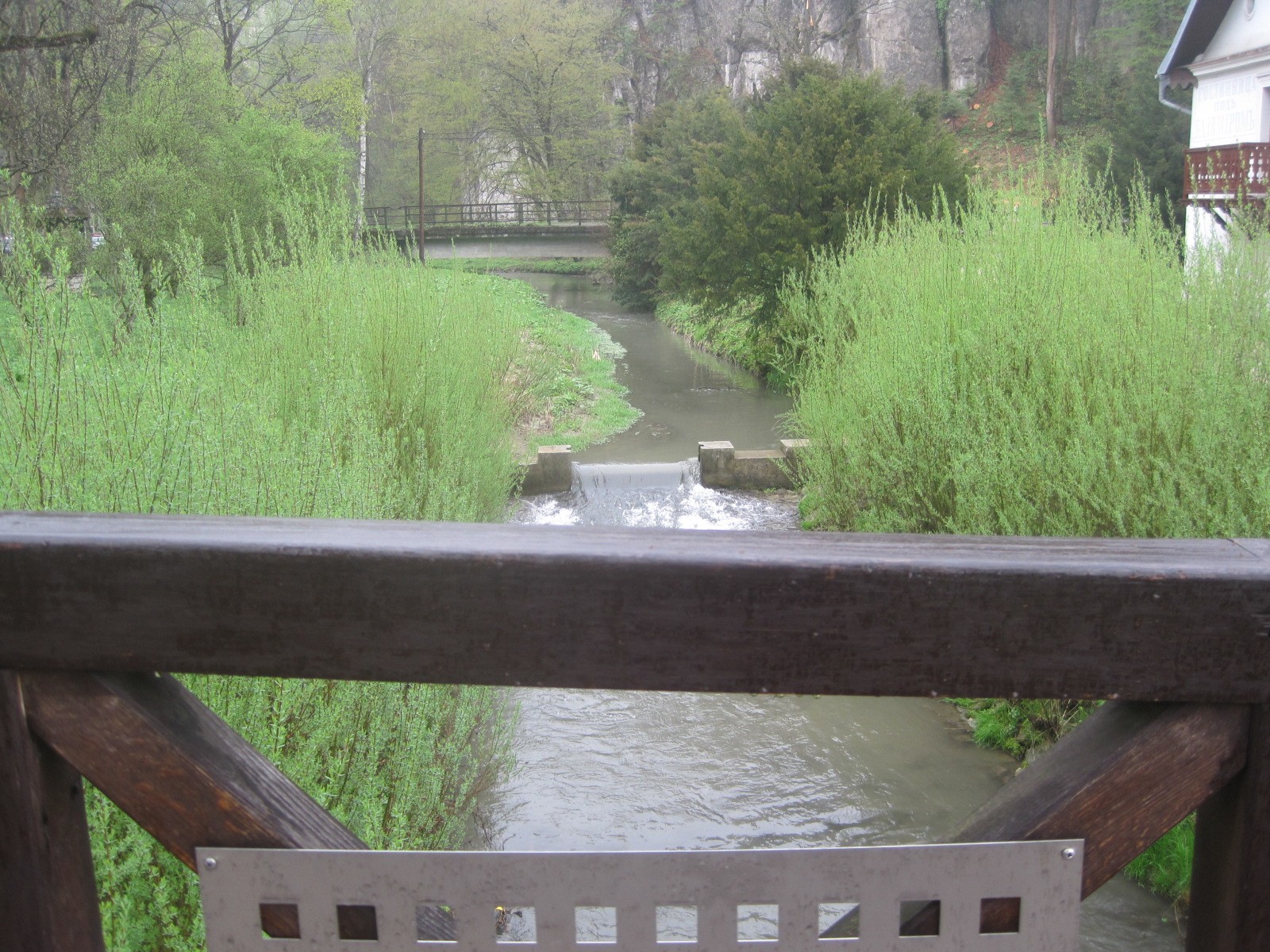
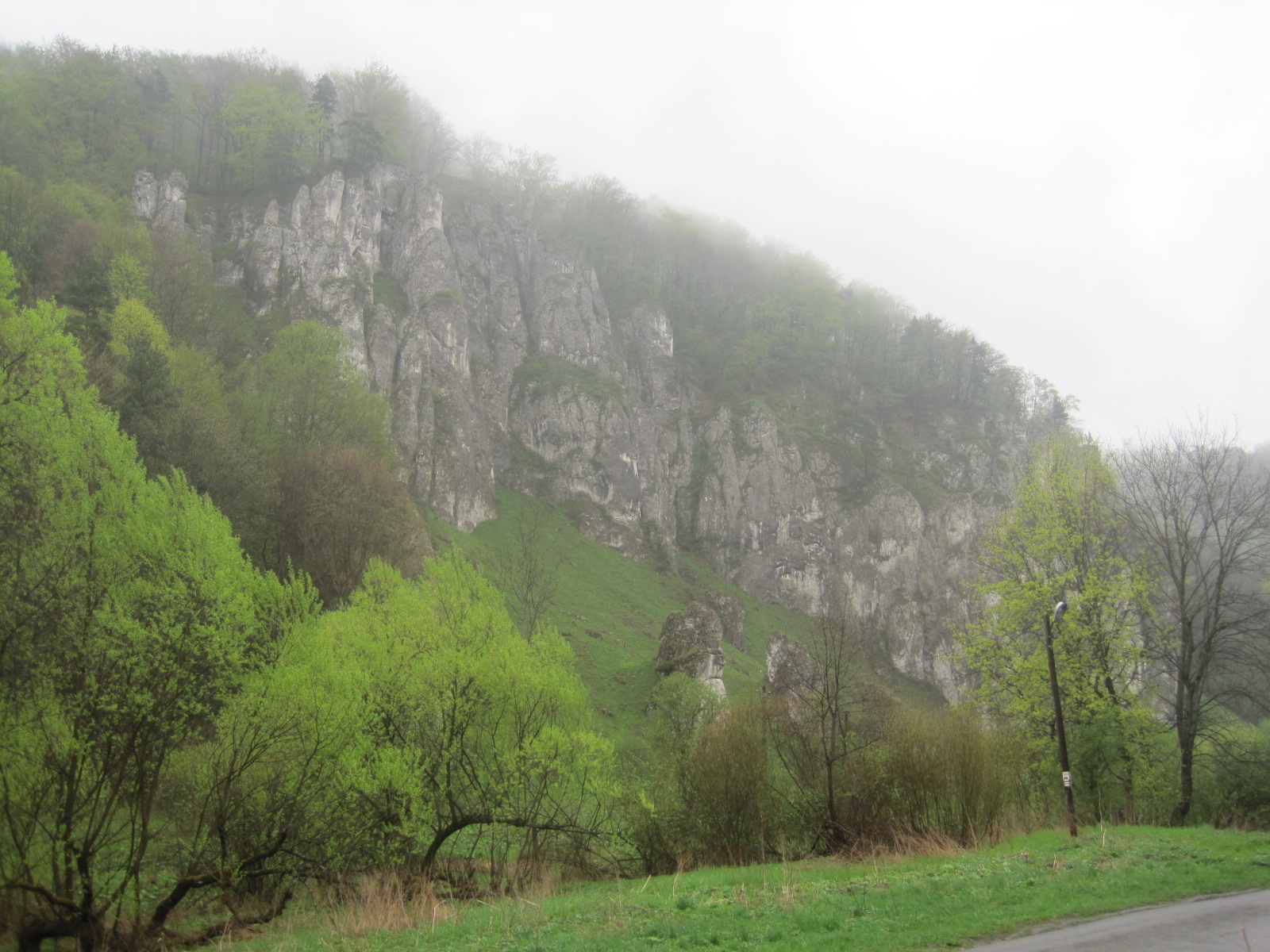
Limestone cliffs line the narrow banks of the River Prądnik, with greenery clinging tenaciously to every crevice.

Limestone cliffs line the valley

Limestone cliffs line the valley

Ojców straggles through the valley.  Signs for noclegi, a room for the night, or longer, adorn many of the wooden houses.

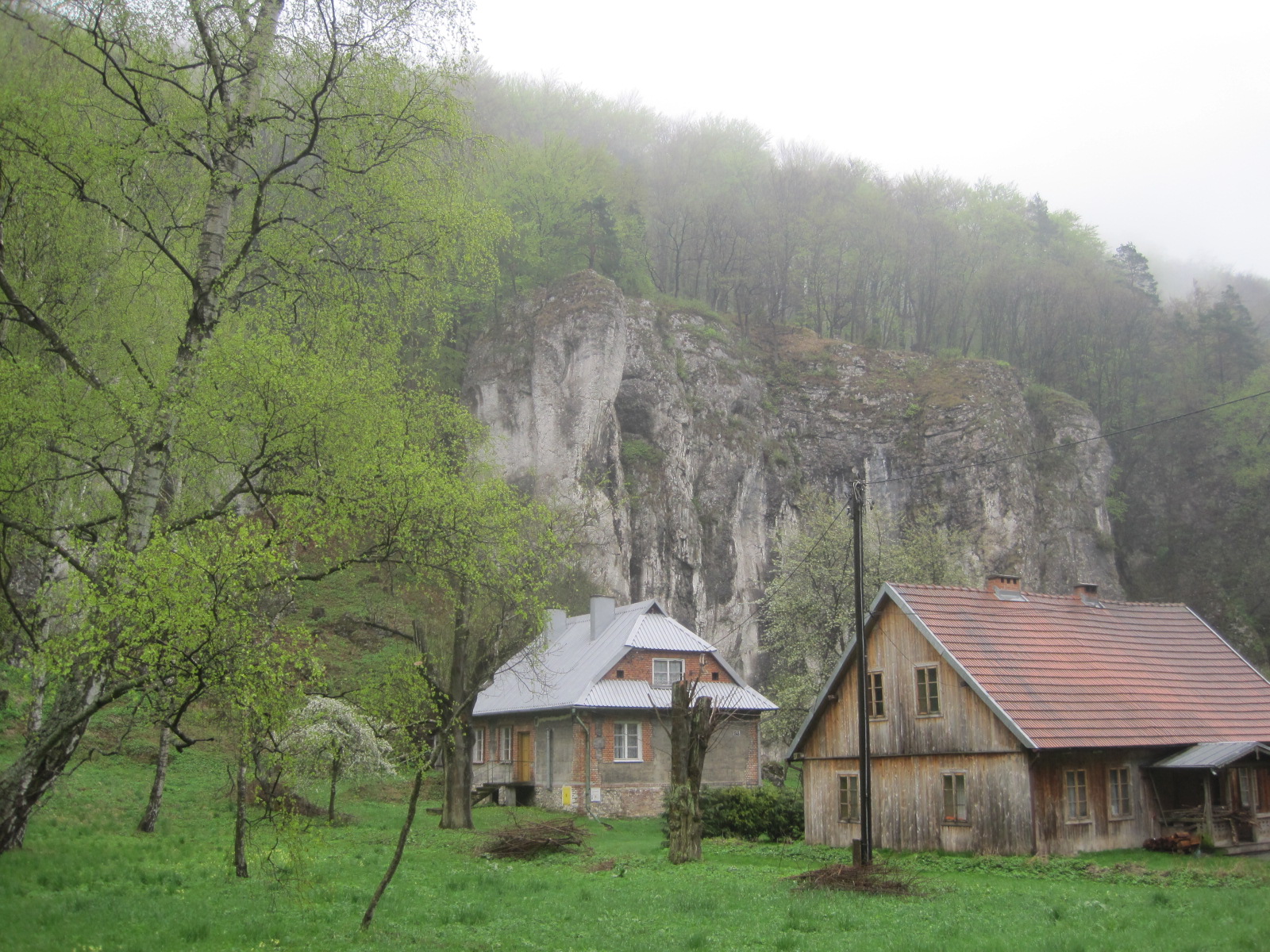
A typical village house

A typical village house

The cliffs tower protectively behind the homes

The cliffs tower protectively behind the homes

Even in the swirling mists there’s a grandeur to the scenery.  We walk as far as Brama, named for the imposing rock structure which forms a “gate” through the valley.

Brama- the gate

Brama- the gate

The gorge is home to bats and caves, the best known of which is Łokieta, and is open for guided visits in Summer.  The valley is rich in flora and fauna.

Just a few of the species found in the valley

Just a few of the species found in the valley

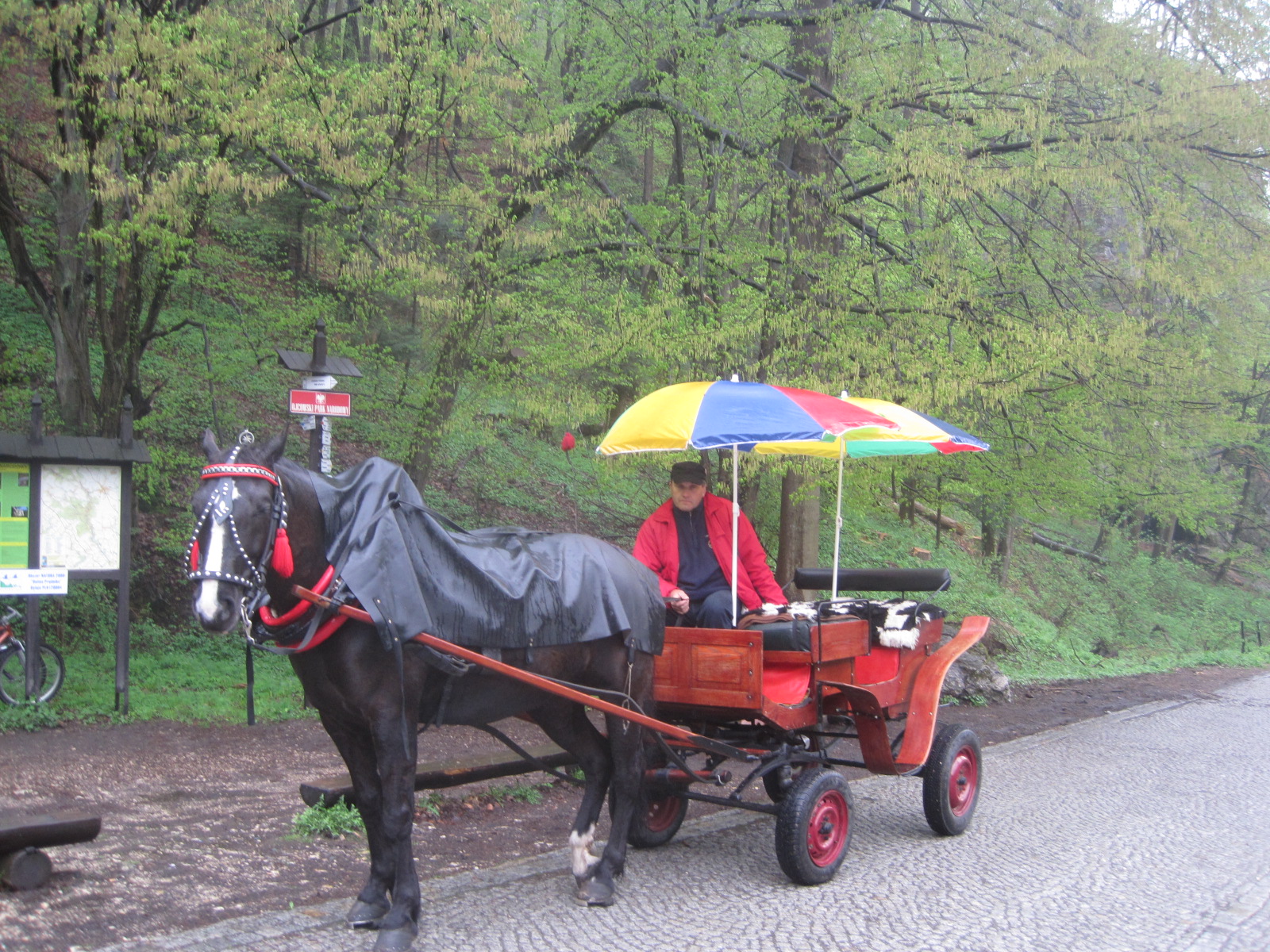
I, meantime, am being eyed wickedly by a horse whose temperament seems to suit the weather.  Horse and traps cover the short distance from Ojców to the beginning of the trail, for those who don’t like to walk, or just enjoy a ride.  To be fair, it can’t have been much fun being a horse that day.

A "not so friendly" horse

A “not so friendly” horse

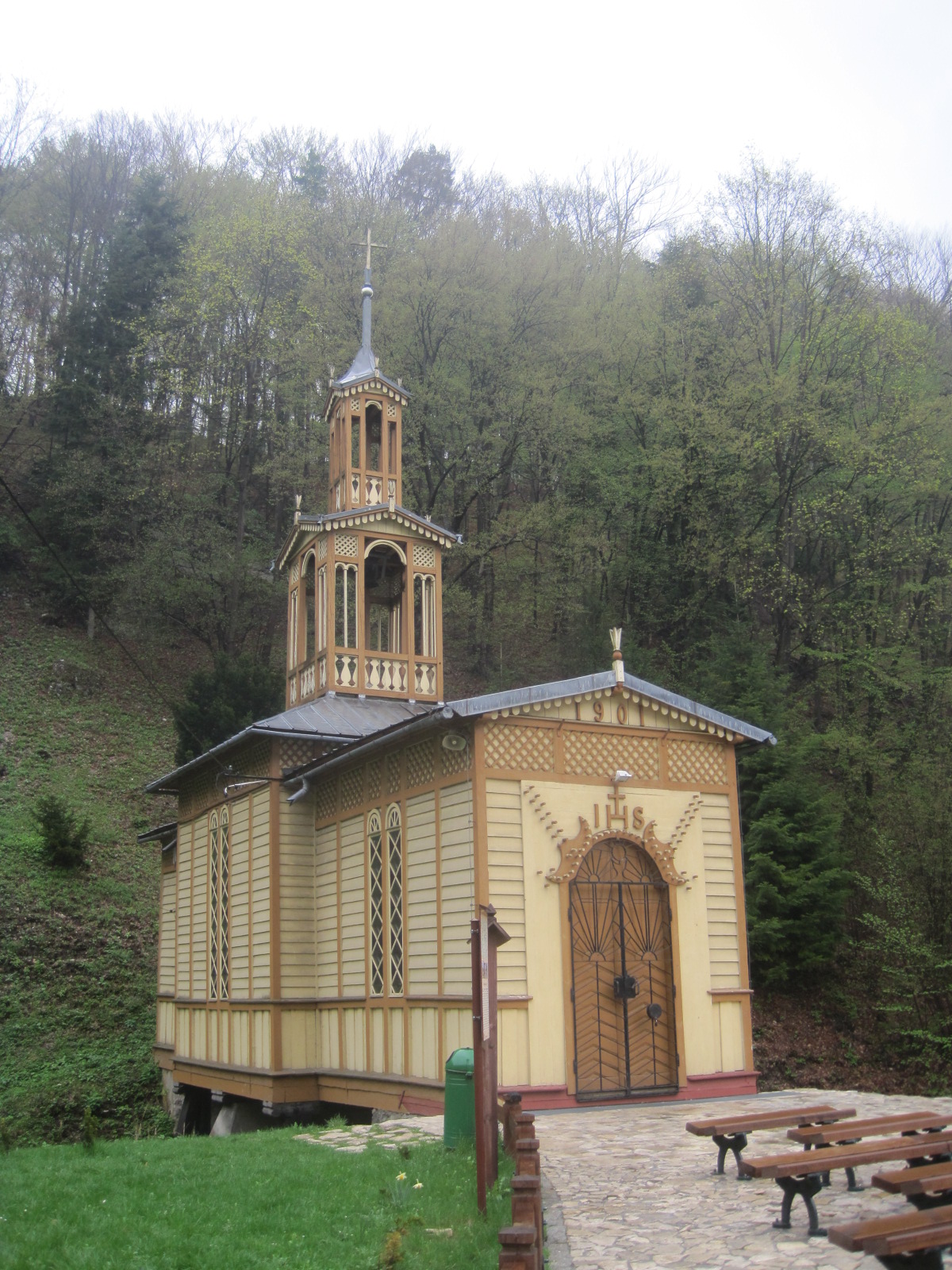
We retrace our steps beside the gurgling river to Kaplicza na Wodzie, a small wooden chapel.  It straddles the river on a platform, nicely side-stepping a 19th century Tsarist edict forbidding religious structures to be built “on solid ground”.  In Poland, the Catholic Church was never easy to subdue.

The river passing through Ojców

The river passing through Ojców

Kapliczka na Wodzie

Kapliczka na Wodzie

The chapel history

The chapel history

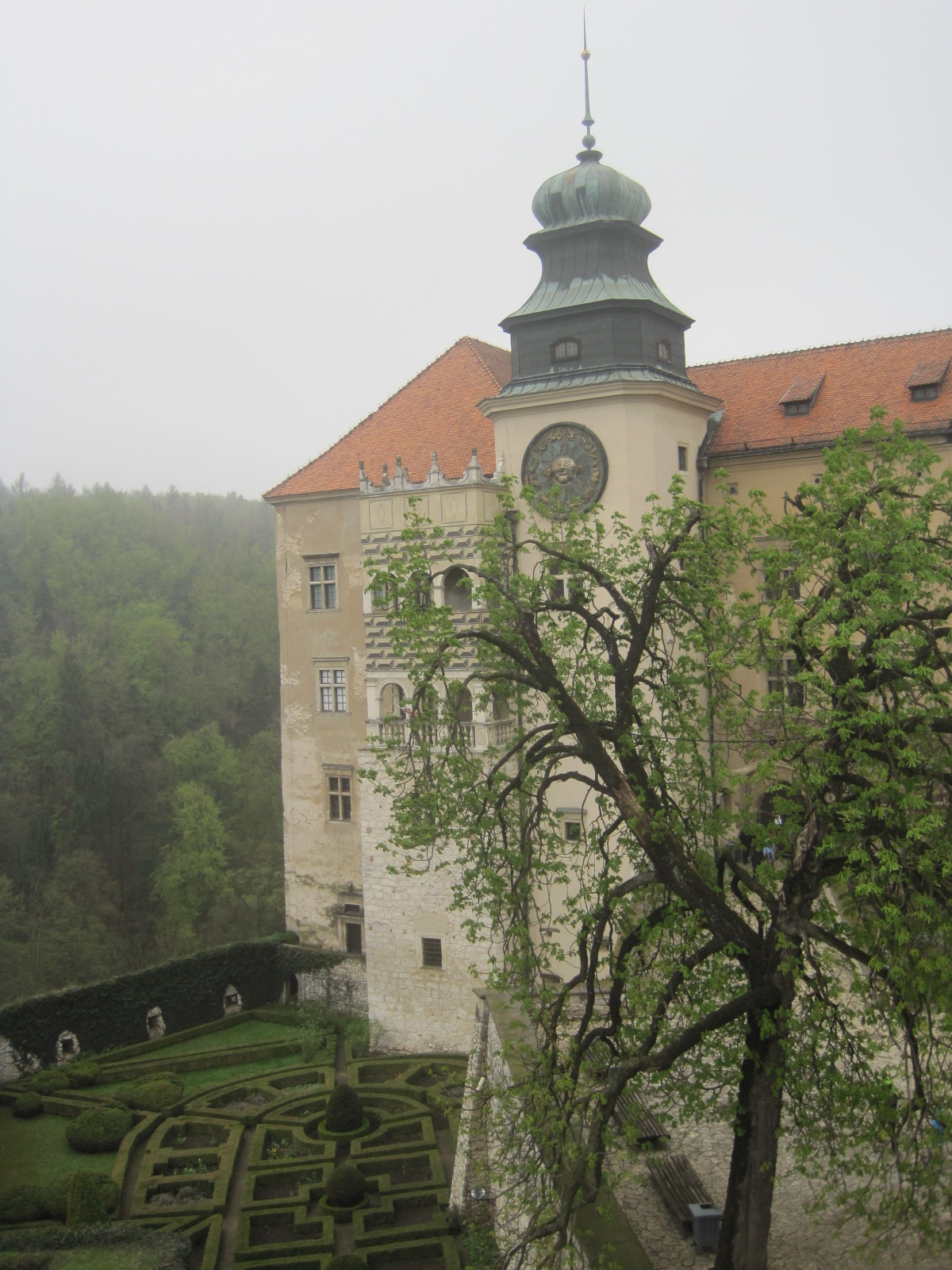
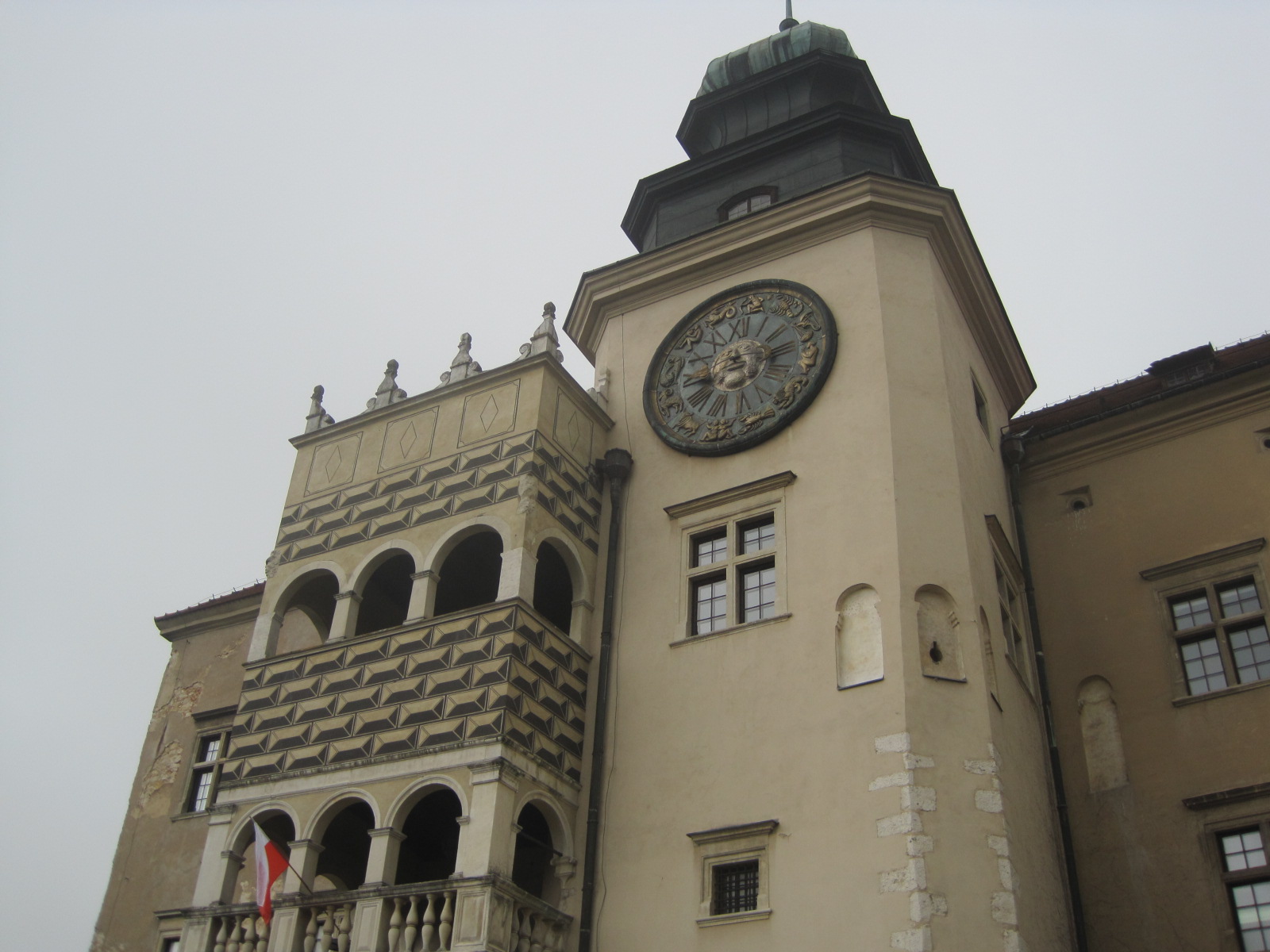
On a better day you can walk the 9km from Ojców to Pieskowa Skała, but a heavy shower had us dashing for the car.  Perched on a wonderful vantage point, the castle at Pieskowa Skała dates from the 14th century, but was rebuilt in the 1580s as an elegant Renaissance residence.  It has a delicately arcaded courtyard, as does Wawel Castle in Kraków, and pretty gardens.  There’s a history museum and the  restaurant is set into the castle walls.  A climb up the circular steps to the roof terrace of the restaurant will give you fine views.

The castle at Pieskowa Skała

The castle at Pieskowa Skała

Italianate gardens

Italianate gardens

Weronika and her fiance, who were kind enough to take me.

Weronika and her fiance, who were kind enough to take me.

Olsztyn Castle is nearer to Częstochowa, at the other end of the Eagles Nest Trail, but that’s an “O” to save for another day!  I owe thanks to Julie Dawn Fox for the idea that inspired My Personal A-Z of Poland.  The subjects have become very diverse so do go and have a look around.

I’m going to do something now that I wouldn’t normally do.  Anyone who reads me regularly will know that a few weeks ago, I included an enquiry about Jake of Jakesprinter in a blog post.  I’m delighted to find tonight that he’s back with a stunning new Sunday Post on the subject of Attractions.  This post links perfectly to that and I am very pressed for time, so I’m linking the two.  Welcome back, Jake!  🙂

Meantime I have 101 jobs to do since my return.  I apologise for the quality of the photos, but you’ll be glad to know that after 3 days of okropny weather, we found some sunshine.

banner4

H is for Hotel

Poland-eagle-150square

You may remember, when I started my personal A-Z challenge on Poland, I gave you the briefest of introductions to the Polish Alphabet?  Well, “h” is one of those letters that is very little used, at the beginning of a word, in Polish.  More often you will see “ch”, which is pronounced as in the Scottish word “loch”.  Thus “chleb” (bread- very delicious in Poland!) sounds a little like “Hleb”.

Are you following me so far?  When it came to choosing a word to represent “H” in my A-Z, I had few choices.  My first thought was “Historia”, but it would take a far better woman than me to tackle Polish history in a single blog post!  So, I had “Hiszpania” or “Holandia”- not very appropriate in a blog about Poland?  Or “huśtawka”- a lovely word that means “swing”; “hokej”- a game I was rubbish at in my schooldays, or “humor”- couldn’t we all use a little of that!

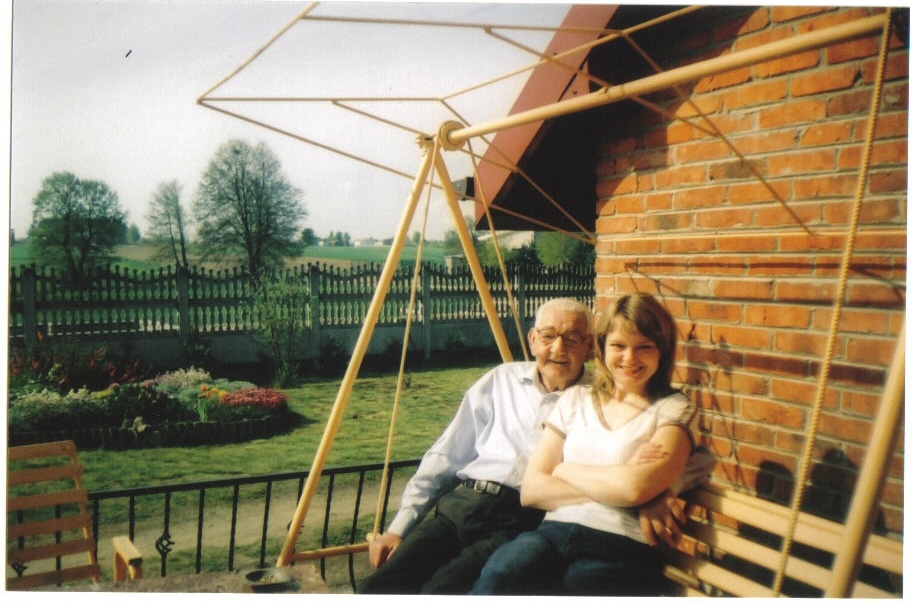
Dad with cousin Irena, on the swingseat (hustawka) on her patio

Dad with cousin Irena, on the swingseat (hustawka) on her patio

It was when I thought back to my first ever Polish lesson that the solution became clear.  I pounced with delight on the word “hotel”, leaping out of the text to embrace me.  Pronounced, of course, in the Polish way, but a familiar and welcome sight, never-the-less.  It is one of a dozen or so words that have been adopted into the Polish language.

To date, I have stayed in three Polish hotels.  I mentioned one of them in my post B is for Belchatow.  Because I am visiting family when I go to Poland, and am made very welcome in all of their homes, I seldom have need of an hotel.  When my husband, Michael, accompanied me, on the occasion of Krzysztof and Marzena’s wedding, we needed a little privacy, and opted to stay for a few nights in the Sport Hotel.  Large and central to Bełchatów, it made a great base for exploring the town.  But then, as now, my Polish was a little shaky, and on a sweltering hot day we were served piping hot soup with our breakfast.  Michael’s faith in my ability to negotiate the Polish language was severely dented.

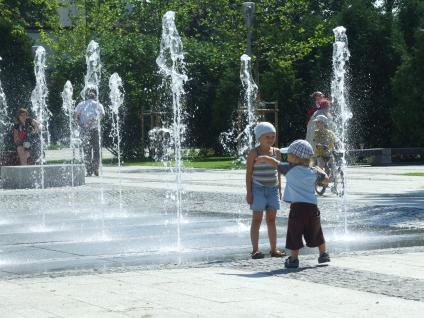
Water features in the park at the centre of Belchatow

Water features in the park at the centre of Belchatow

Visiting family in Wrocław with my Dad, I again stayed in a local hotel, though Dad managed to squeeze in with the family.  Living in a 3-bedroomed flat, with 3 children, dog, cat and terrapin, private space is a luxury for my cousin, Wojtek and his lovely wife, Agnieszka.  Despite this, I have seldom met a happier, more close-knit family.  I could not have been made more welcome in sharing meals and family time with them.  Both work, but were at great pains to show me their beautiful city, and once I’d got my bearings, set me loose to wander, returning when I was hungry.  I’m not known for my sense of direction, so this sometimes took longer than planned.  I haphazardly changed trams and buses half a dozen times, and walked and walked till I found them again!  But a smile, a hug and a plate of food always awaited, before I returned to the hotel for the evening.  I never ate breakfast at the hotel- goodness knows what I might have ordered!

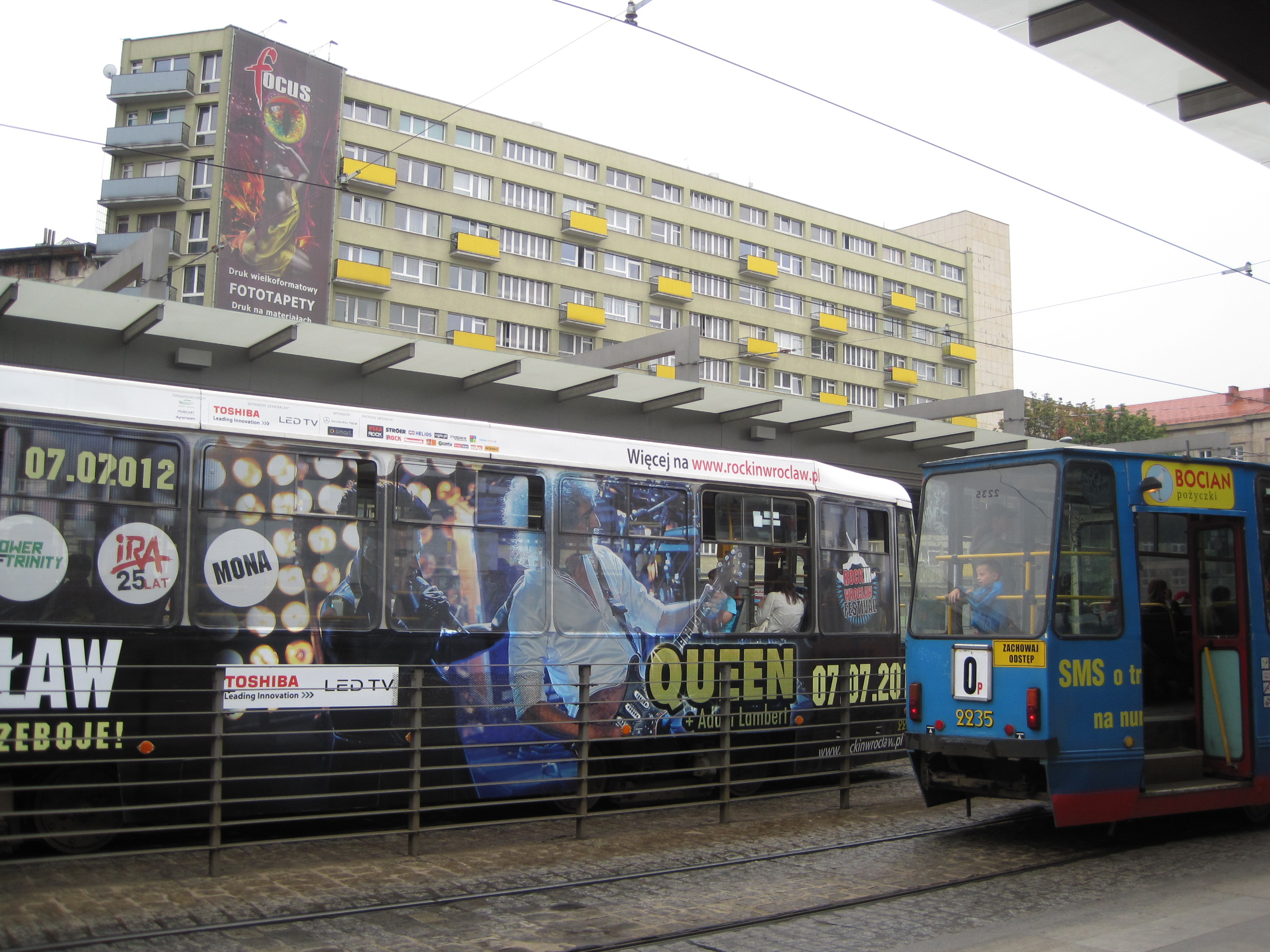
Wroclaw's colourful tram junction

Wroclaw’s colourful tram junction

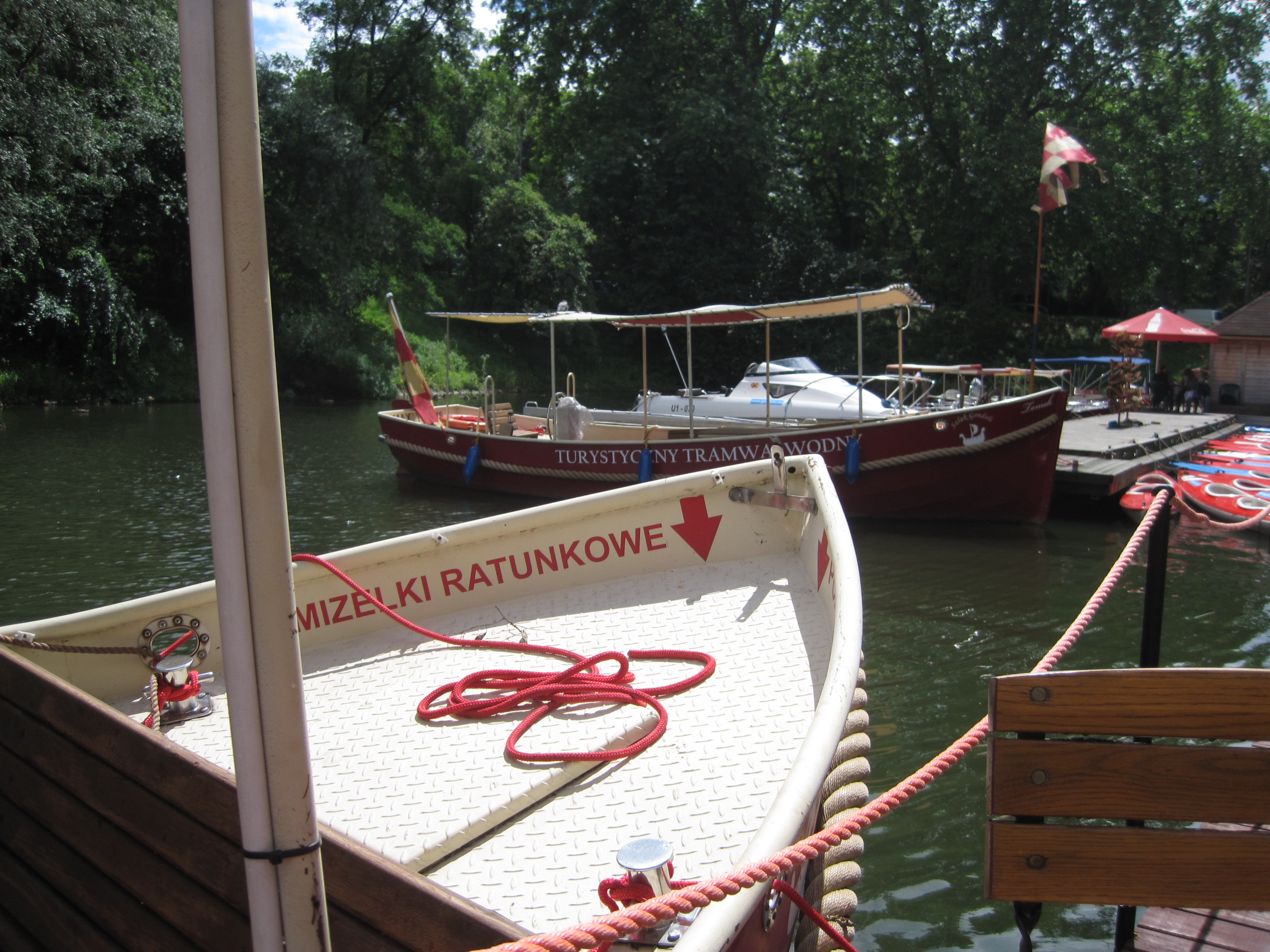
You might know I'd squeeze in a boat or two

You might know I’d squeeze in a boat or two

Qubus Hotel, Wroclaw

Qubus Hotel, Wroclaw

The foyer in Hotel Jan Pawel on Ostrow Tumski

The foyer in Hotel Jan Pawel on Ostrow Tumski, Wroclaw

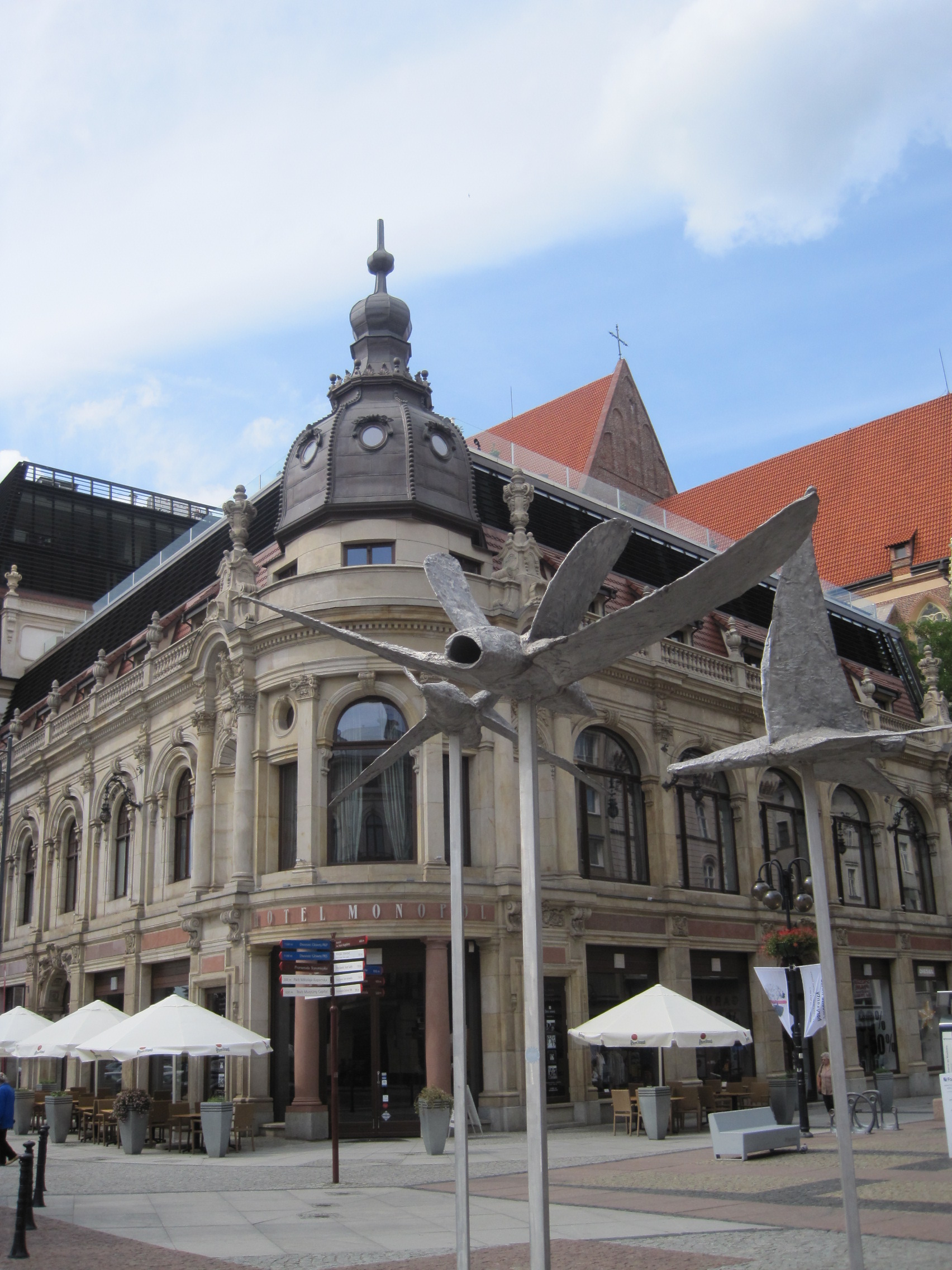
Super stylish Hotel Monopol

Super stylish Hotel Monopol

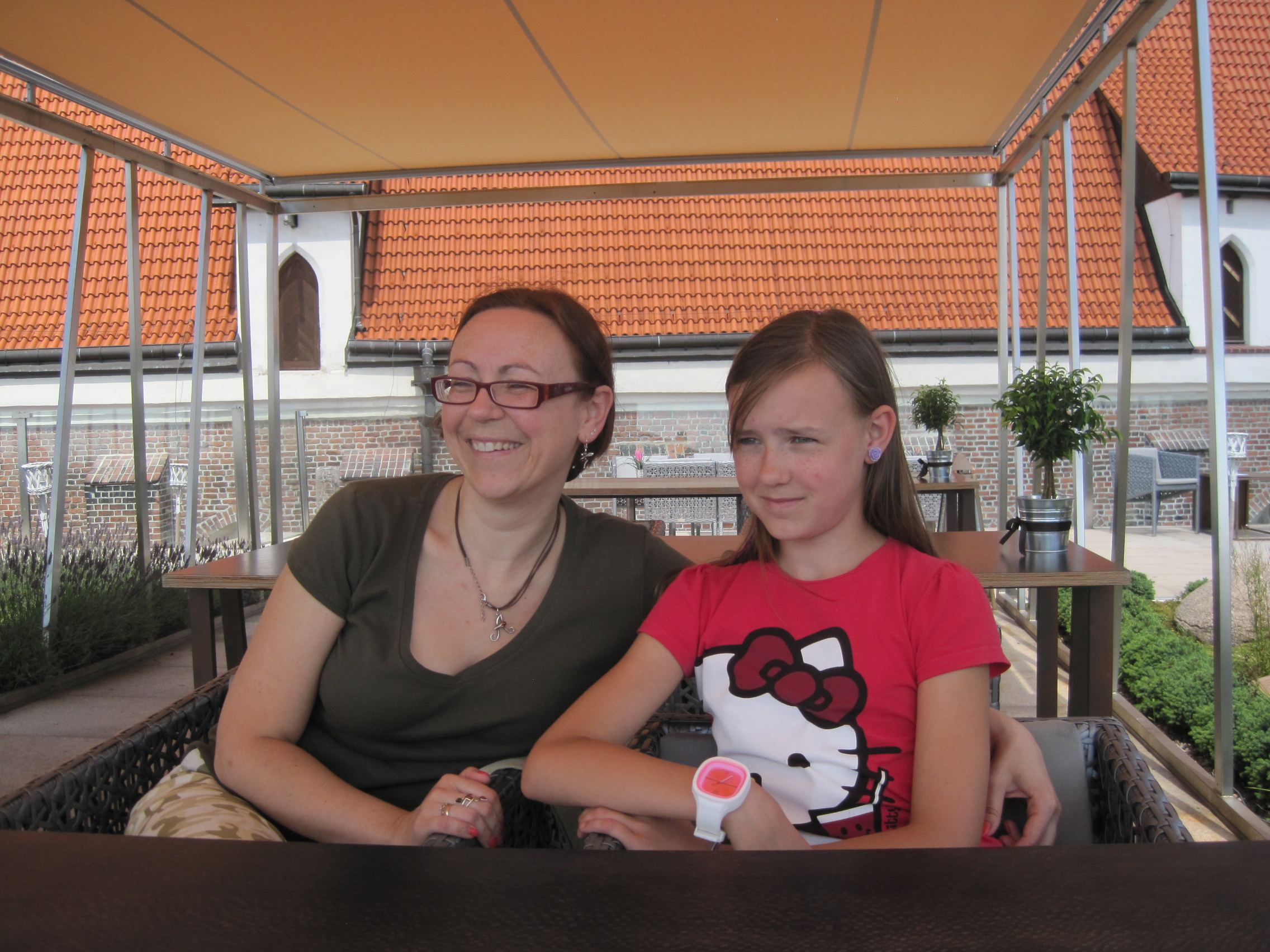
Agnieszka and youngest daughter, Kasia, on Hotel Monopol's rooftop terrace

Agnieszka and youngest daughter, Kasia, on Hotel Monopol’s rooftop terrace

Rooftop view from the Hotel Monopol

Rooftop view from the Hotel Monopol

My third hotel experience occurred in the small village of Poronin, in the Tatry Mountains area, and was the most joyous of occasions.  Not unlike a large Swiss chalet, the Hotel Weronika (don’t forget to pronounce the “w” as “v”) provided food and shelter for a huge gathering of us on the occasion of Adam and Marta’s Silver Wedding.  The setting was beautiful, and the hotel grounds provided lots of space for the youngsters to use up energy. (theirs, and ours!)  And then, in good old Polish fashion, we ate, danced and drank till we could do it no more.  Adam’s oldest daughter, funnily enough called Weronika, is getting married in May 2014.  What a celebration that will be!

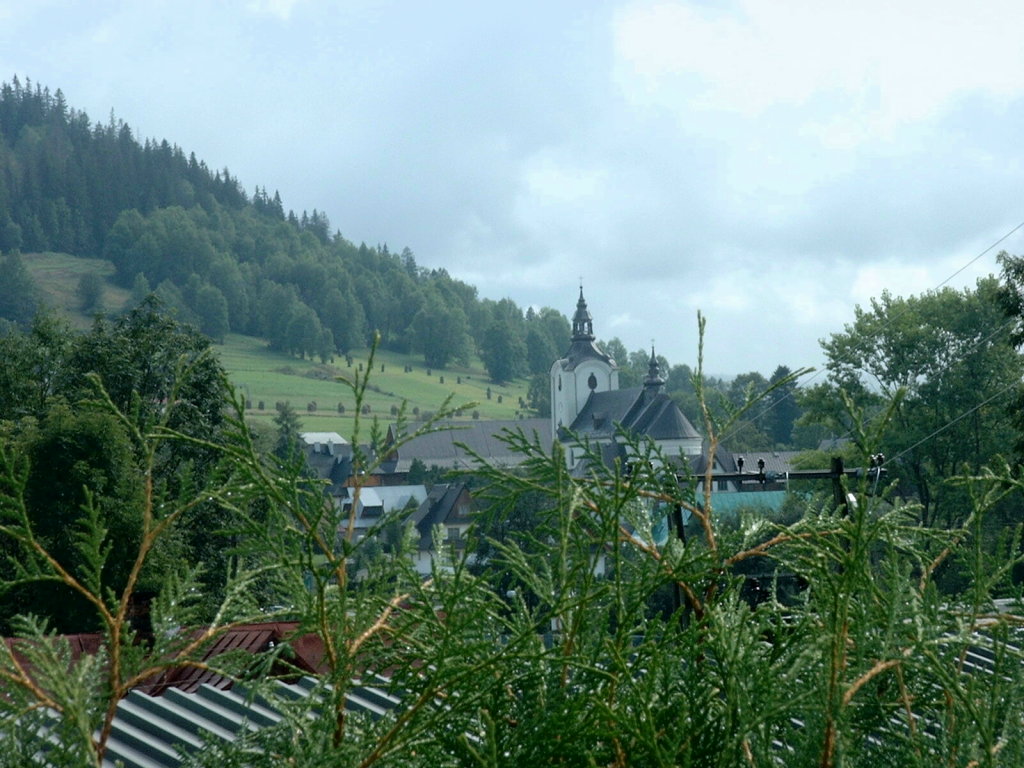
View from our hotel gardens of the church in Poronin

View from our hotel gardens of the church in Poronin

I think that’s enough to tell you about my hotel experiences in Poland, for now. You can find more of the ups and downs of my reunification with my Polish family on my personal A-Z of Poland page.  Meantime, if you’d like to join in with Julie Dawn Fox’s A-Z challenge, the banner below will take you to the main site, where you can have a good look around.

banner4

F is for Food (jedzenie)

The problem with taking the alphabet out of sequence is, of course, that you’re inclined to forget which letters you’ve visited.  Discovering that my “F” had been neglected, and with Christmas just around the corner, I thought a little food might be in order.  Anyone hungry?

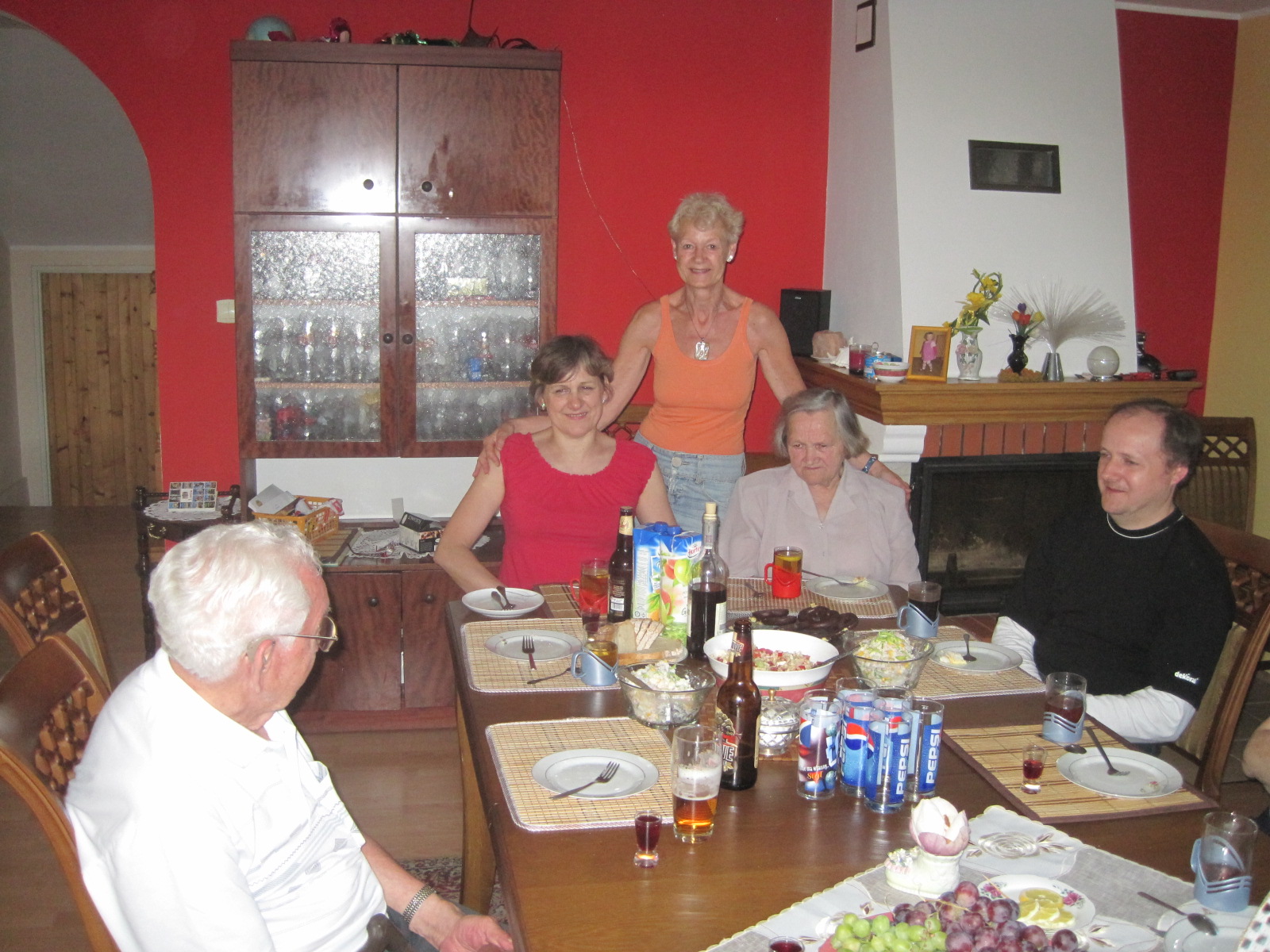
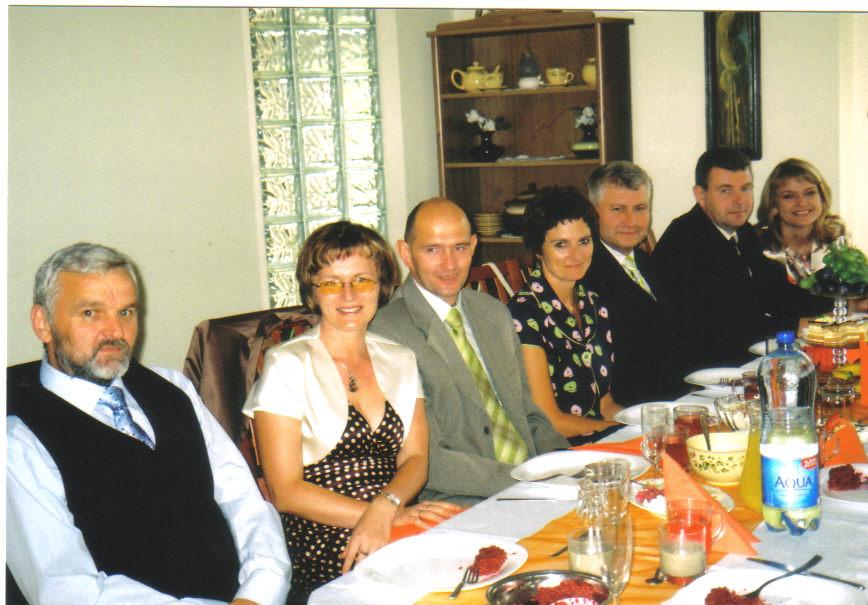
Some of my Polish family, waiting politely for the food to arrive

Sniadania is breakfast in Polish.  One of my greatest surprises was drugie sniadania– second breakfast!  Healthy appetites, indeed.  Having eaten a continental style breakfast, with lots of choices of bread (Adam’s a baker, remember), ham, cheeses and homemade preserves, some time after eight, by eleven o’clock Marta would be offering us something more substantial.  Soup, or pierogi (delicious dumplings with either sweet or savoury fillings), often after we’d already had coffee and cake at ten.

I had already learnt that ciastko, cake, appears at every possible opportunity in a Polish household.  I felt quite ashamed of my lazy English ways.  Polish wives are constantly baking, cooking or preparing food, even when they have busy jobs outside the home.  Maybe the younger generation will have a more relaxed attitude to housekeeping.

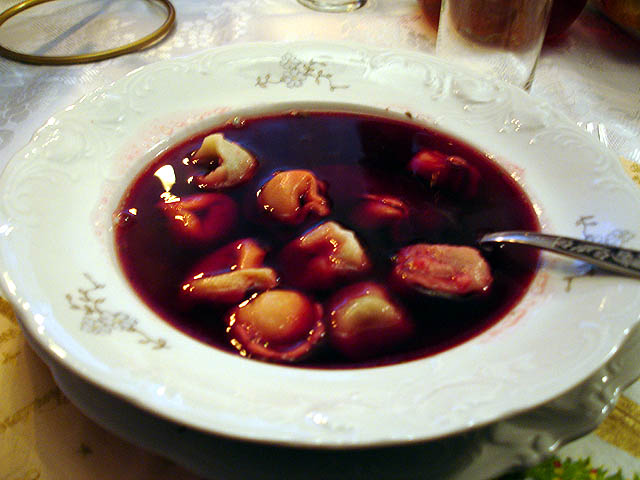
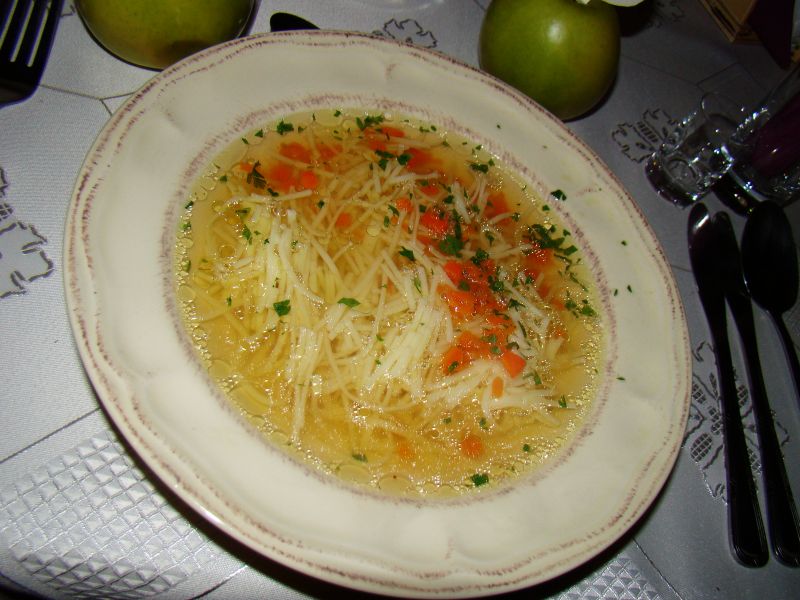
Zupy (soup)

Barszcz z uszka- beetroot soup with ravioli

Rosol z makaronem- chicken soup with pasta

At my first Polish meal I was a little surprised to sit down to a dish of plain spaghetti, but all became clear when the tureen of consome went the rounds.  Very often soup has rice or pasta added, making it a substantial meal.  With chleb (bread) of course.

Dania drugie (second, or main course)

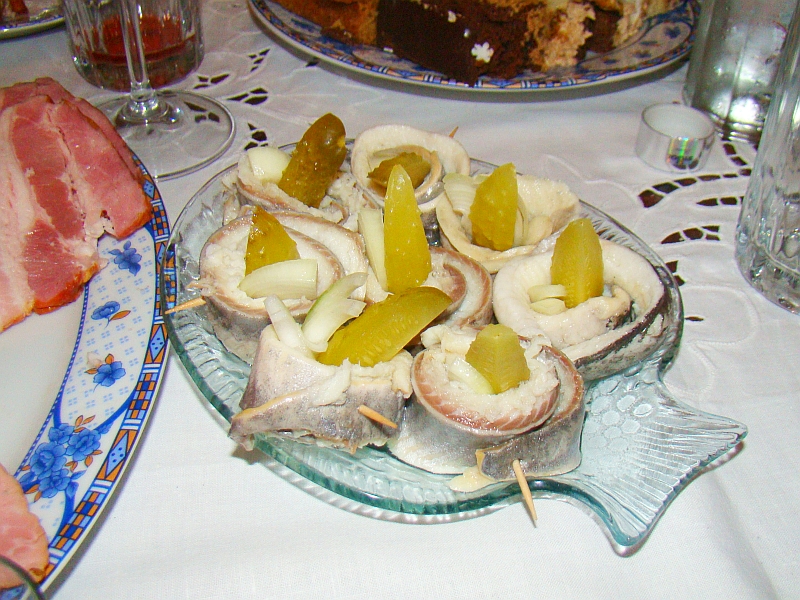
Ryby (fish)

Sledz- rolled herring

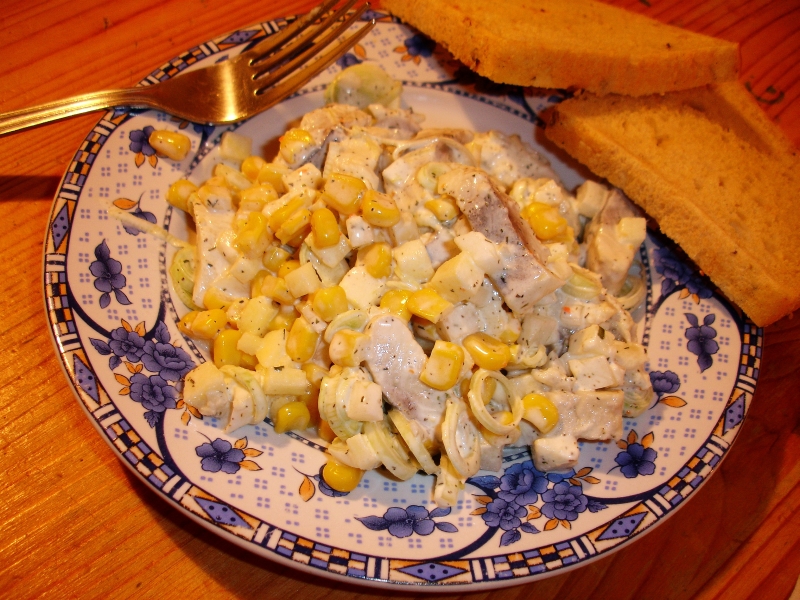
Makrela z smietana- mackerel with cream and corn

Mięso (meat)

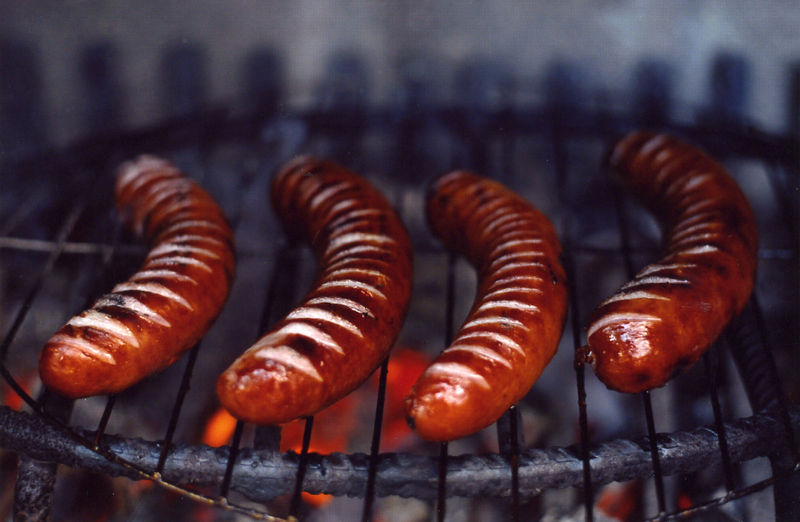
Grilled kielbasa

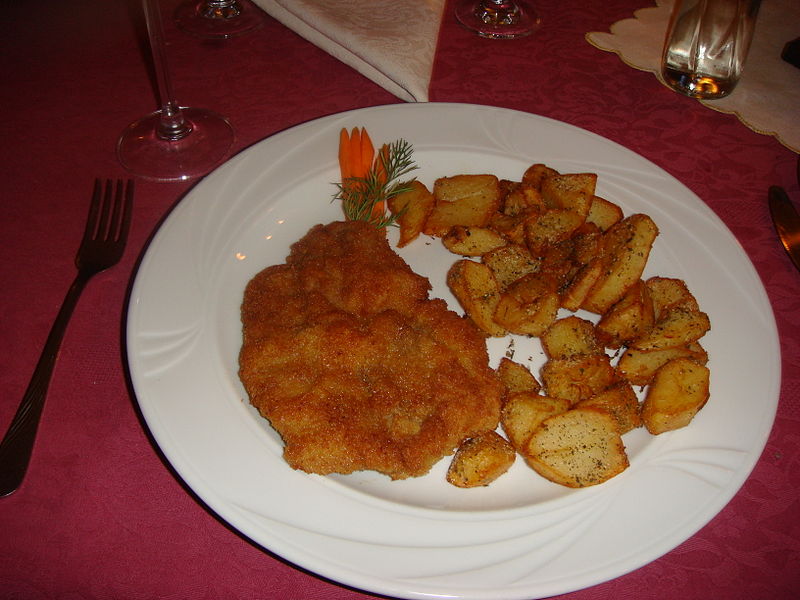
Kotlet schabowy- pork cutlet, egged and breadcrumbed

I have included kiełbasa in the mains but this savoury sausage can appear at any time of day, breakfast, lunch or supper.  I very much like żurek, a creamy soup with pieces of kiełbasa floating in, or even a whole sausage.  Polish main courses are usually pork, veal or chicken accompanied by ziemniaki (potatoes).  You will usually find a huge bowl of warzywna z majonezem (vegetable salad), sliced pomodorów (tomatoes), and ogórki (gherkins) on the table.  Occasionally there might be cooked vegetables.

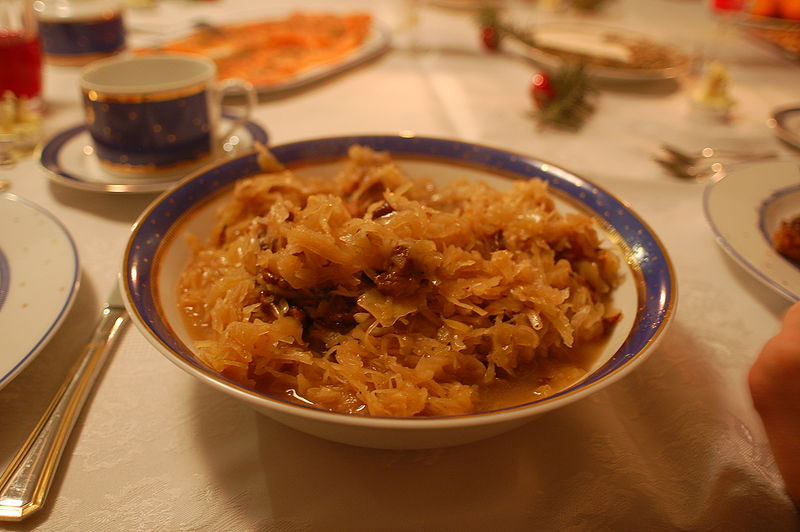
Bigos- cabbage, meat and spices

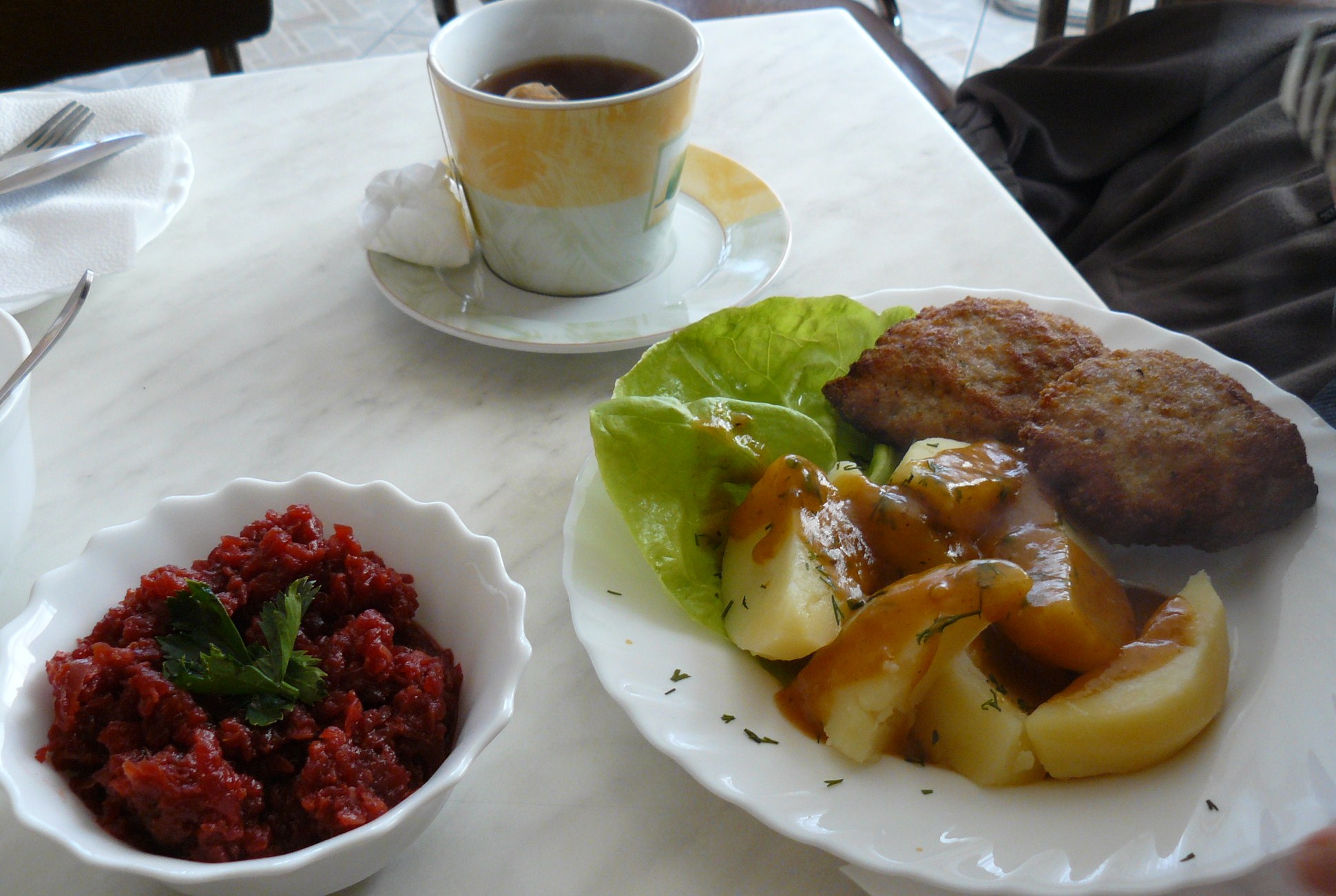
Kotlety mielone z buraczki- meat cutlet and warm beetroot salad

Obiad, or lunch, the main meal of the day, is usually served around 2.30- 3.00.  Obviously this varies with working patterns and the school day.  Other favourites of mine are gołąbka, cabbage leaves stuffed with mince and rice, and nalesniki.  These are pancakes, often with cream cheese (z serem) or sour cherries (wiśnia).  Fabulous!

Desery (dessert)

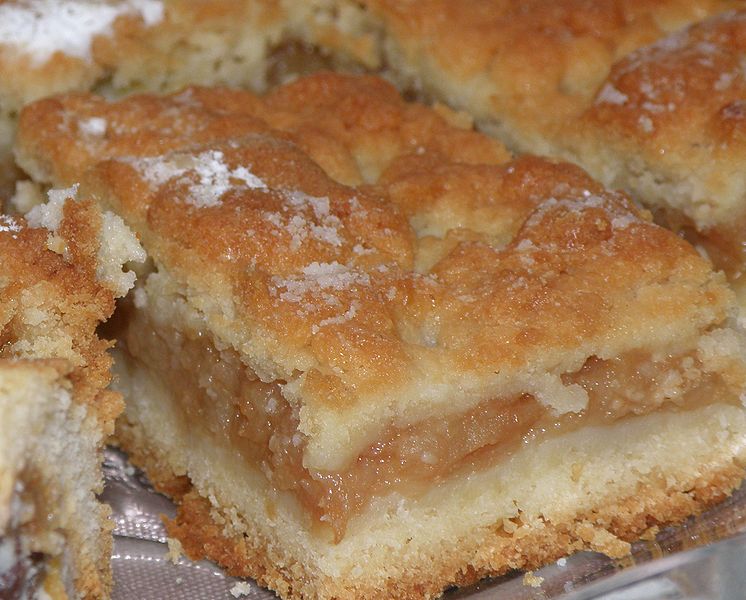
Szarlotka- apple cake

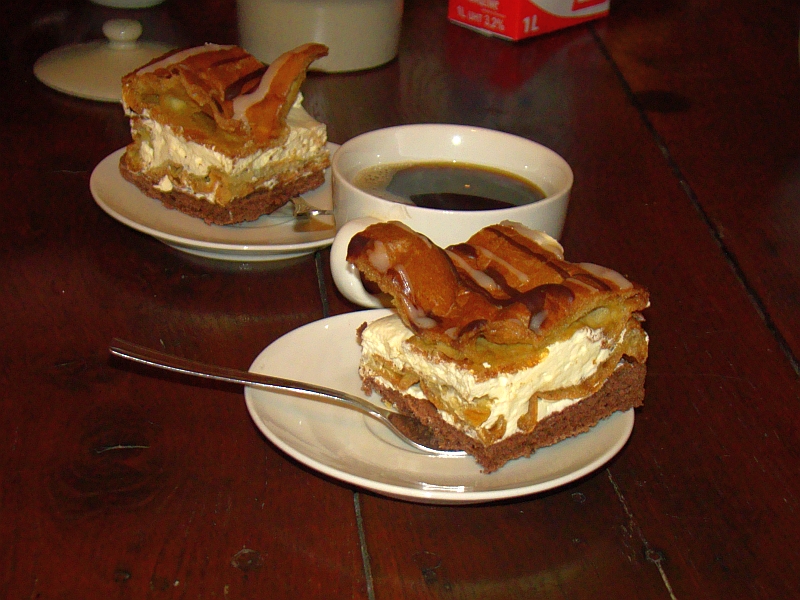
Karpatka- a regional favourite

No Polish meal would be complete without something sweet, so dessert is almost mandatory.  Sernik is a delicious cheesecake.  On a recent visit my cousin Grazyna, a wonderful cook, brought carob cake with her.  I could have a new favourite every day!  They are served with kawa (coffee), herbata ( tea) or kompot (a brew made with fruit).  Sok (juice) and woda (water) are always available on a Polish table, and afterwards a little koniak (cognac) or wodka might be taken.

Kolacje – anyone still got room for supper?  You’ll be pleased to know that it’s a simple meal of bread, cheese, ham- whatever hasn’t been eaten in the day.

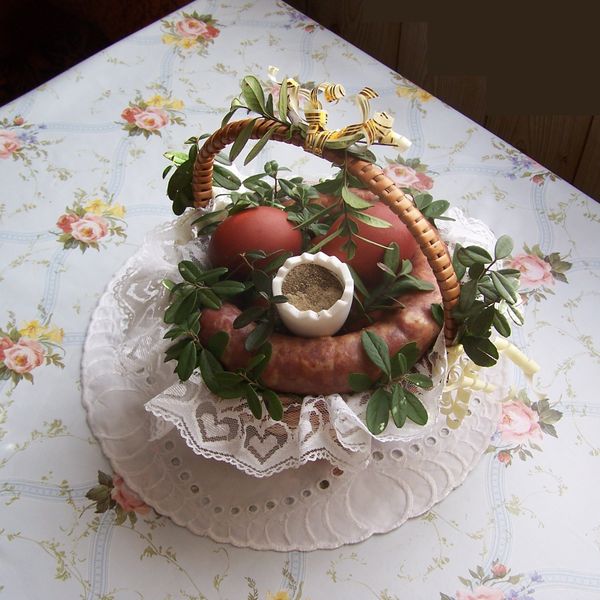
Swieconka- traditional Easter basket with sausage, eggs and bread

Food is an integral part of Polish celebrations.  The święconka basket, shown above, is traditionally taken to church to be blessed on Easter Saturday, ready for breakfast on Sunday.  I have yet to experience a Polish Christmas, but the meal is eaten after the church service on Christmas Eve, and is comprised of 12 courses, but no meat.  It might take a little while!

All of the food photos are courtesy of Wikipedia.  I was far too busy eating and drinking to point the camera.  It just remains to thank Julie Dawn Fox for allowing me to contribute to My Personal A-Z of Poland.  The banner will take you to the main site, where you can check out the many other contributions, or maybe even join in.

G is for Grażyna

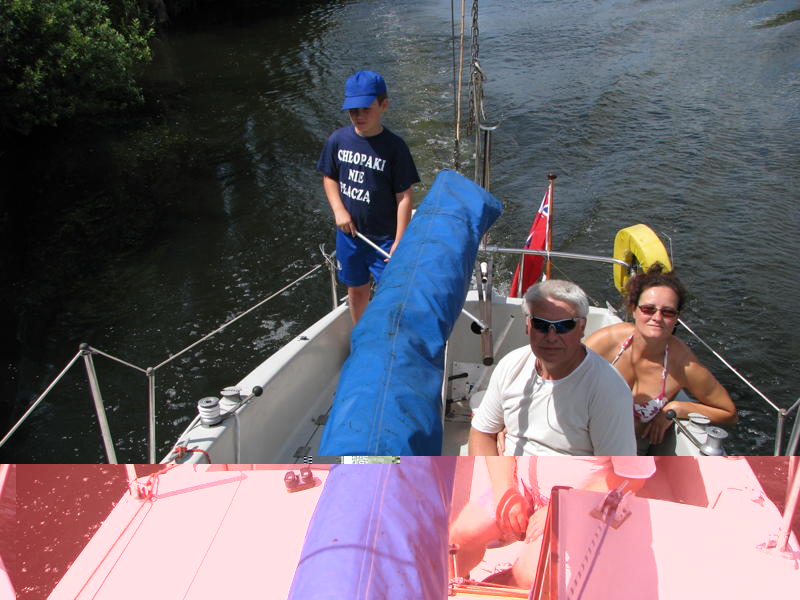
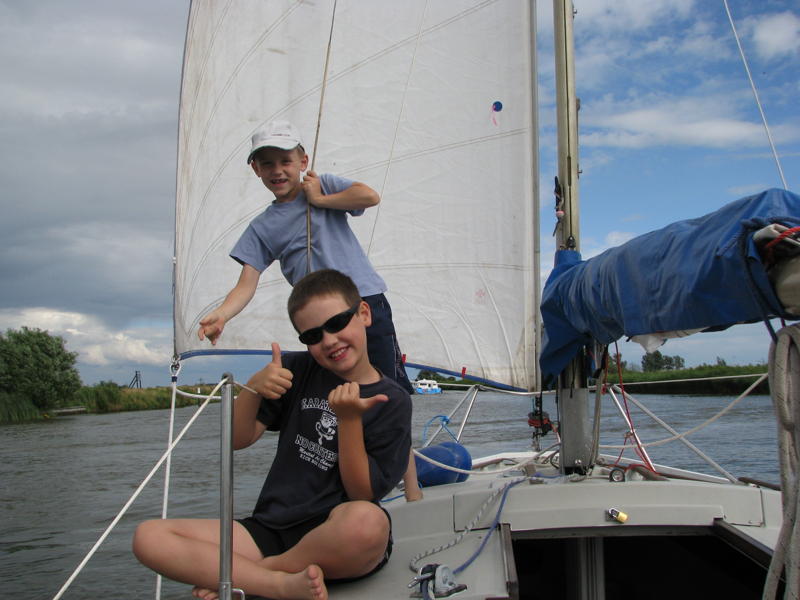
Grażyna is the daughter of Dad’s oldest living brother, my Uncle Włodek.  He lives in Zgorzelec, and this post just seemed to follow on naturally from that one.  Grażyna was born in Zgorzelec, but when she contacted me, one of the first of my 26 Polish cousins to do so, I was astounded to find that she was living here in England, in Norfolk, with her husband and 3 sons.  Jarek is a boat builder by trade, and has built his own beautiful little sailing boat, so whenever they can, they go sailing on the Broads.

Mariusz, learning boating skills from an early age

And having fun with younger brother, Arek!

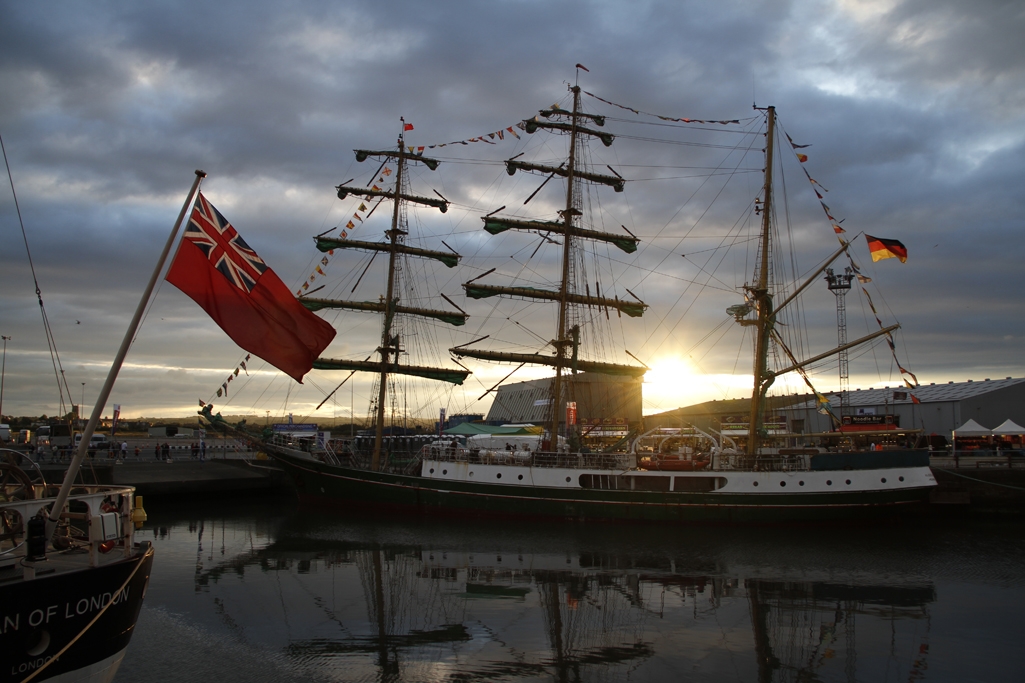
Norfolk isn’t exactly on our doorstep, but it’s much closer than Poland, so we’ve had the opportunity to get together a few times.  They came to the North East for Dad’s 80th birthday, soon after he was reunited with his Polish family.  We went exploring Norfolk with them the following year.  And their visit when the Tall Ships were here in 2010 was a fabulous occasion never to be forgotten.

Alexander von Humbolt by Tony Dowson

Last night fireworks by Tony Dowson

We met up again in Zakopane, in Poland, for the occasion of Adam and Marta’s Silver Wedding.  That was my first opportunity to properly meet Grażyna’s brother Wojtek and his family, who live in Wrocław.  We had great fun entertaining the six youngsters in the hotel gardens in Poronin.

They don’t have too many opportunities to get together, but last year Wojtek and son Mateusz came to Norfolk to celebrate Grażyna’s two youngest boys First Communion.  We arranged then that my niece Basia, Wojtek’s oldest daughter, would come and stay with me here in Hartlepool this summer.  Of course, I got to stay with them in Wrocław first.  More than a fair exchange!

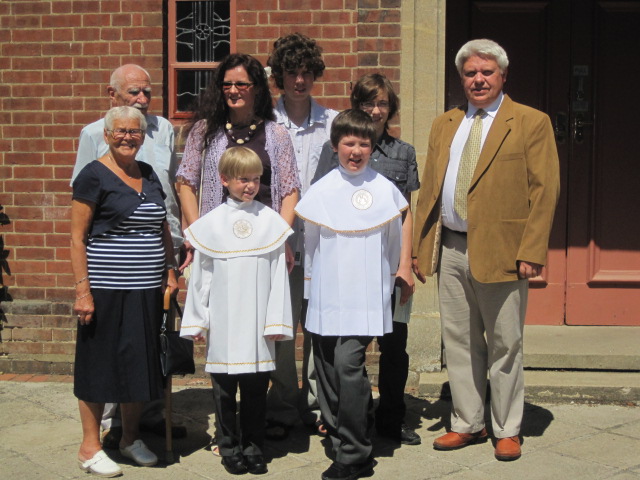
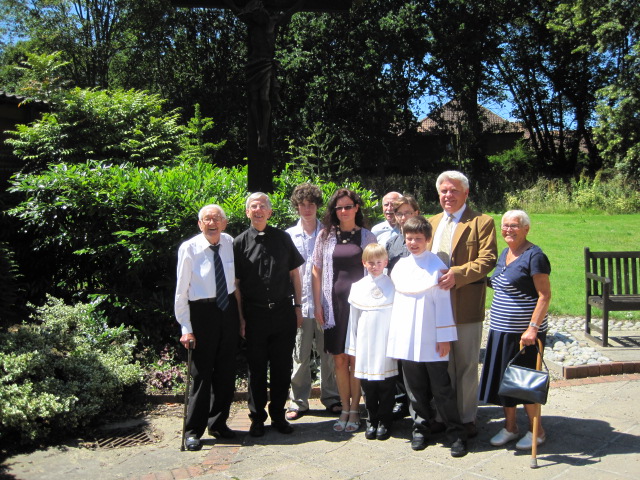
After the First Communion, Grazyna, Rafal, Mateusz, Jarek, Arek and Mariusz

Dad, the priest, and Grazyna’s family

So that’s how we came to be together again with Grażyna, just briefly, this August.  She came to collect Basia for her first visit to Norfolk, and return home to Poland. Our get togethers are always very emotional, but we have a lot of fun too.  We all love the sea and boats, and we have an excellent free museum, perfect for those not so sunny days.  The Museum of Harlepool was the source of lots of mirth, as well as painlessly imparted knowledge.

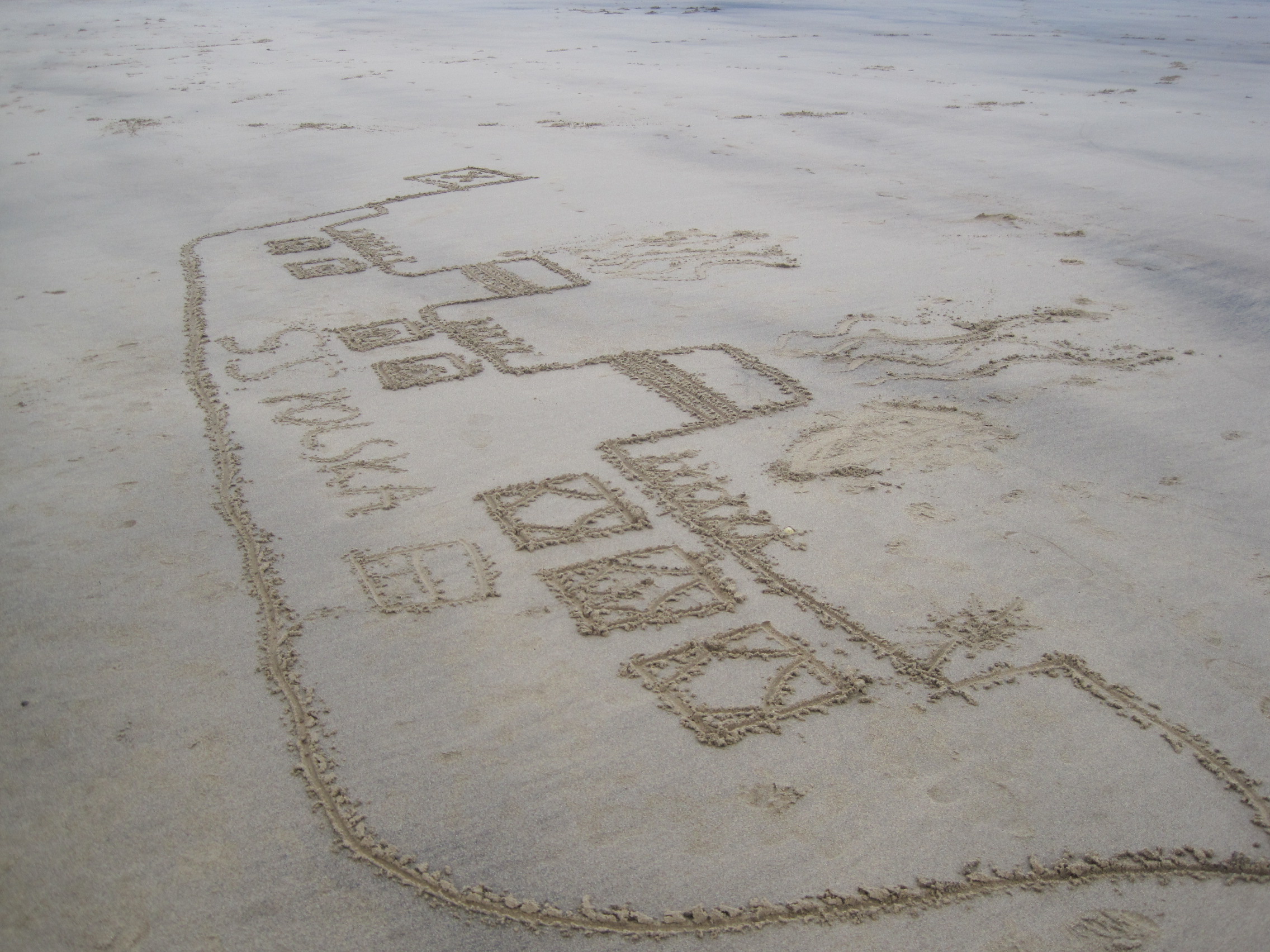
We went to the beach first, but rain stopped play

Not before we’d created the SS Polska gunboat though

So, the Museum of Hartlepool it was :

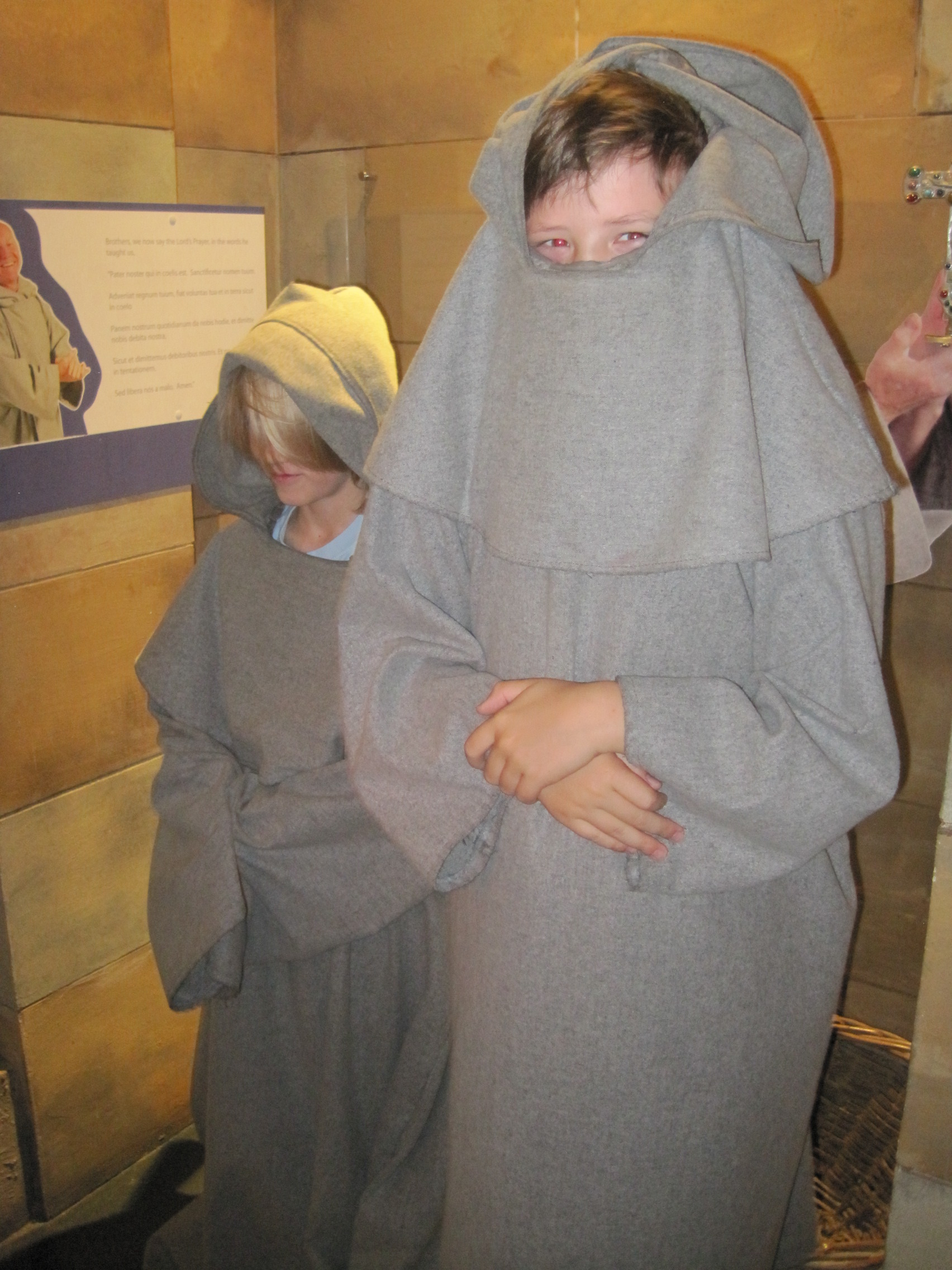
Father Mariusz and Father Arek search for suitable gowns for their mission

A nautical look might be better for Arek, affectionately known as “Blondie”

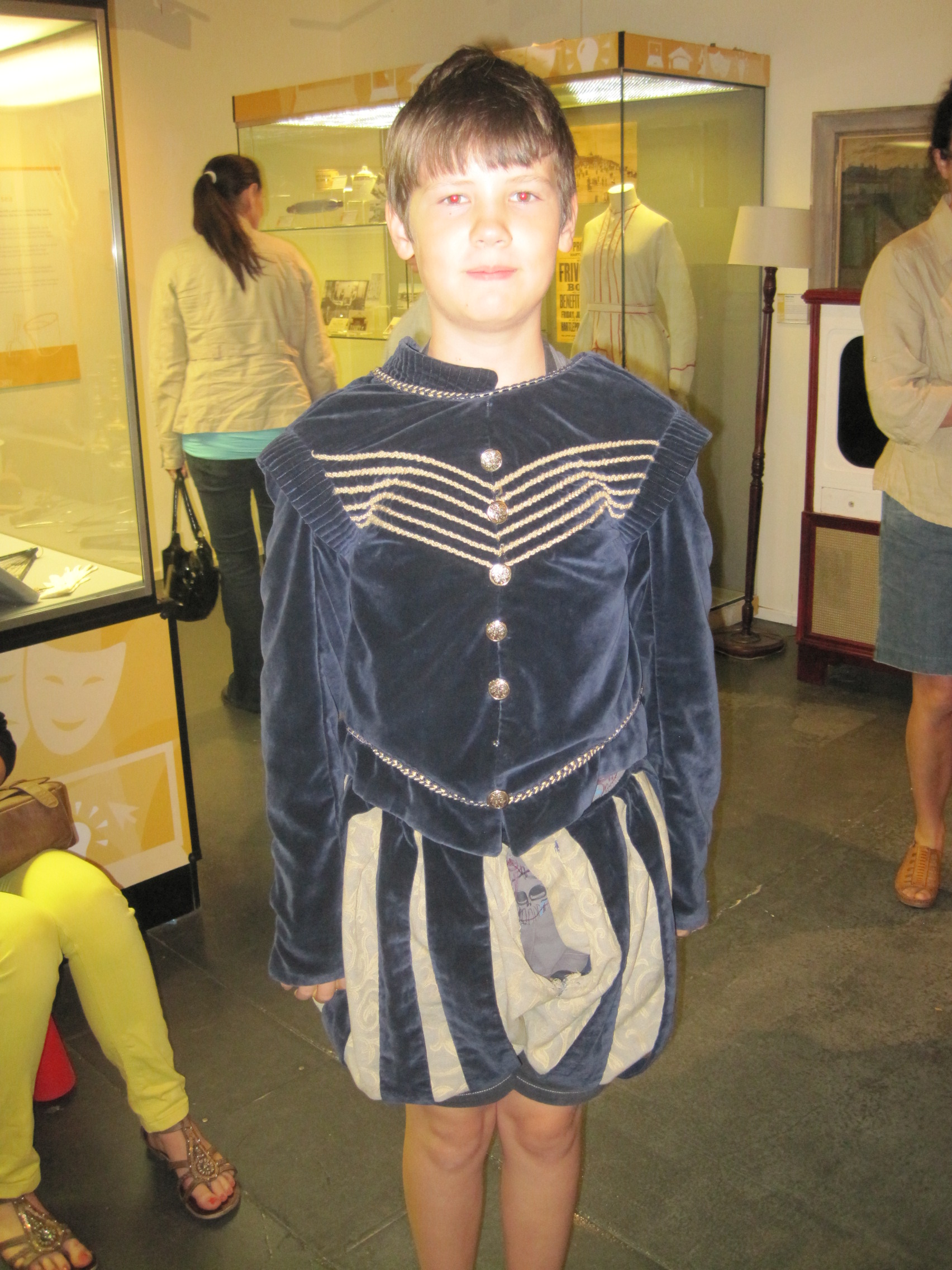
We weren’t sure if this was a good look, but Mariusz liked it.

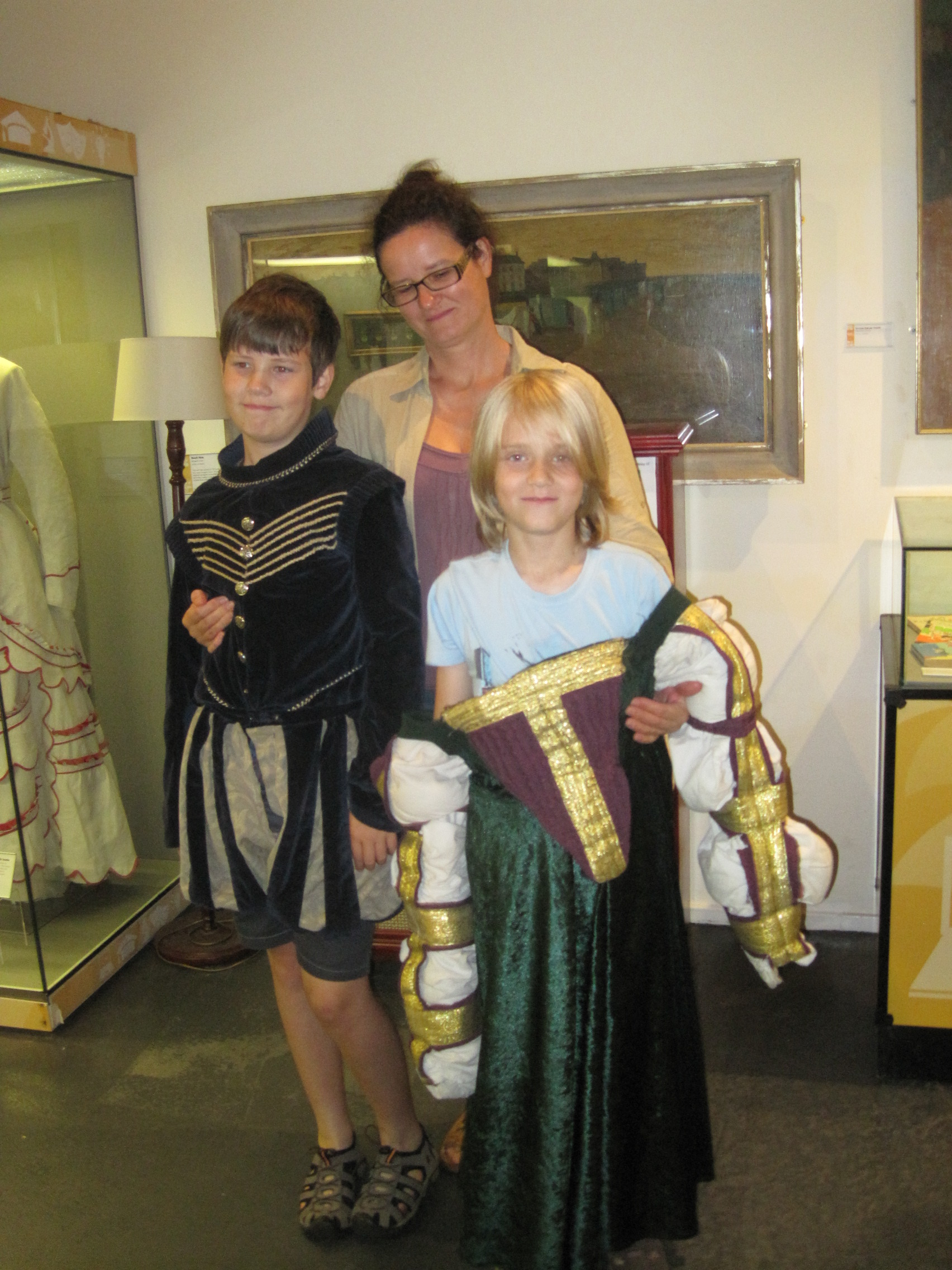
And there was no way to keep Arek out of the act!

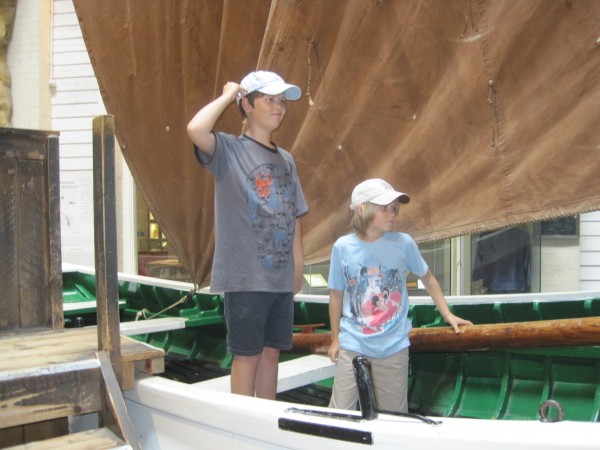
They were more themselves in a boat, of course

Grażyna is a loving and wonderful mother, and she makes the most delicious cakes.  She brought a huge carob cake with her this trip and it was gone in a blink.  She is also the most affectionate of cousins.

It has been a privilege and a pleasure to watch this new family of mine growing up.  If you’re not familiar with Dad’s story it’s told in more detail here.
This post is part of my personal A-Z of Poland.  The idea was Julie Dawn Fox’s and I am indebted to her for the opportunity to share my Polish story with you.  If you would like to join in, you can find the details on this link, or the banner below.

Z is for Zgorzelec and Zakopane

I expect some of you have heard of Zakopane, in the Tatry Mountains in Poland?  Zgorzelec, maybe not, but it is a town of great significance for me.  It’s the home of my Uncle Włodek, whom I was lucky enough to visit this Summer.

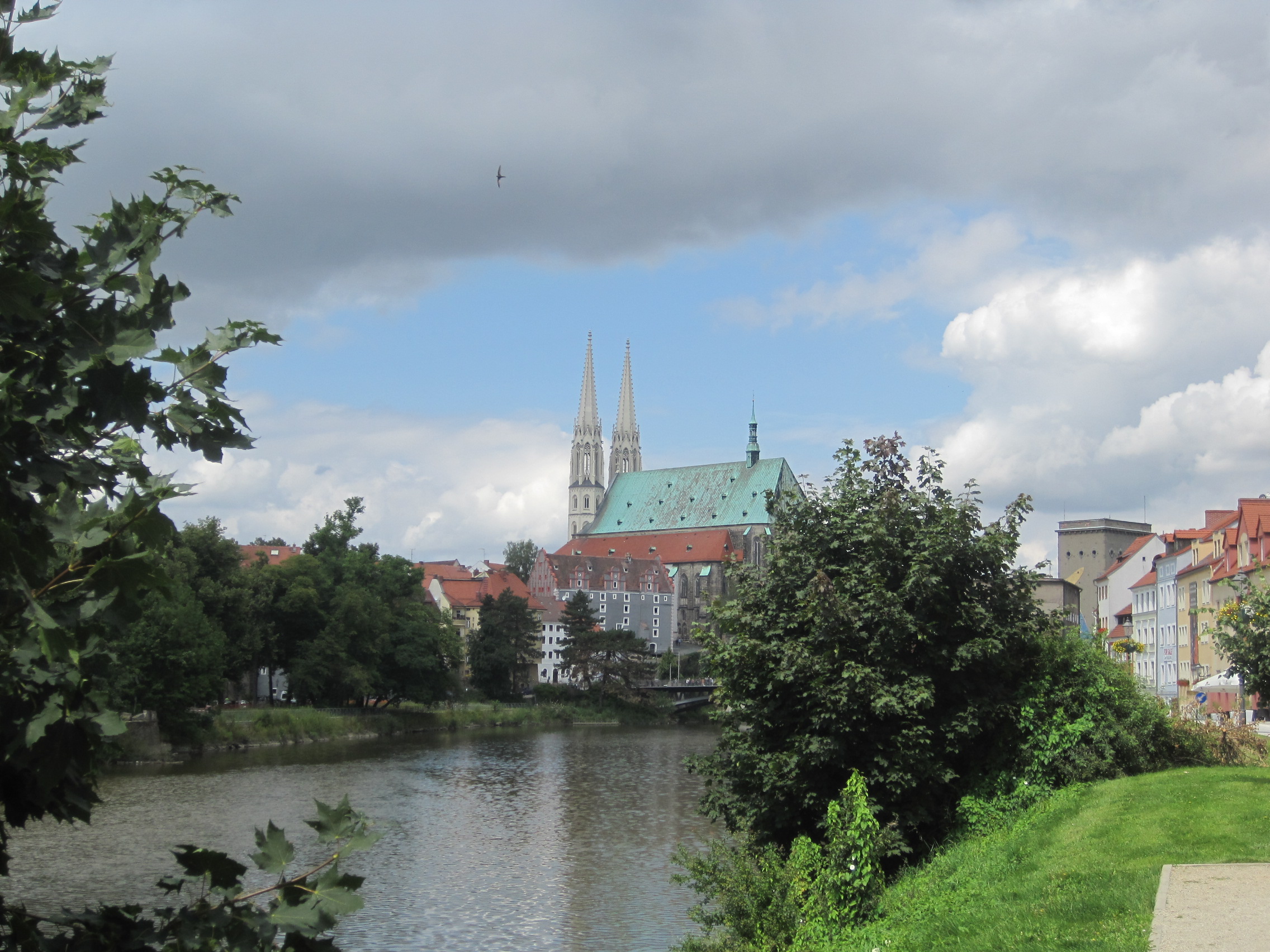
River Neisse links the twin towns of Zgorzelec and Gorlitz

Until 1945 Zgorzelec and Görlitz were one town, with a shared history.  Görlitz (or Gorlice, as it was then known) was founded in 1354 by German settlers.  In the 13th century it became rich due to its location on the Via Regia.  This former trade route is one of the oldest in Europe, and reached from Kiev to Santiago de Compostela.  The town became a cultural centre, led by mystic and theologian Jakob Böhme, who inspired progressive thinkers like Goethe.

I don’t pretend to understand the complications involved, but the town has since been part of Bohemia, Saxony and Silesia.  At the end of World War 2, which scattered families like my Dad’s far and wide, the Rivers Neisse and Oder were established as the border between Poland and East Germany, and the town was split apart.   The German part retained the name Görlitz, and the Polish part became Zgorzelec.

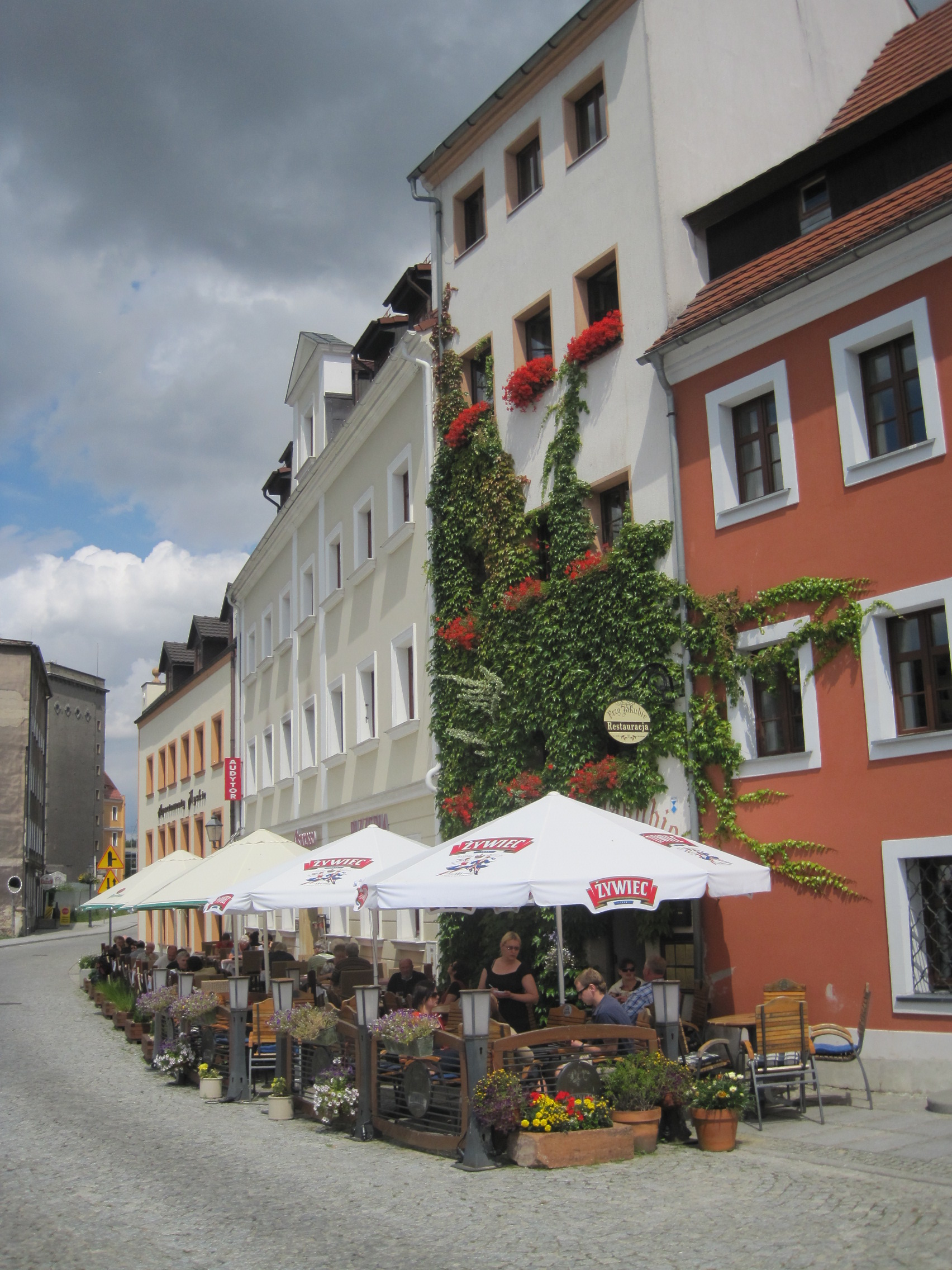
Riverside cafe in Zgorzelec

Riverside cafe in Zgorzelec

Peterskirche across the river in Gorlitz

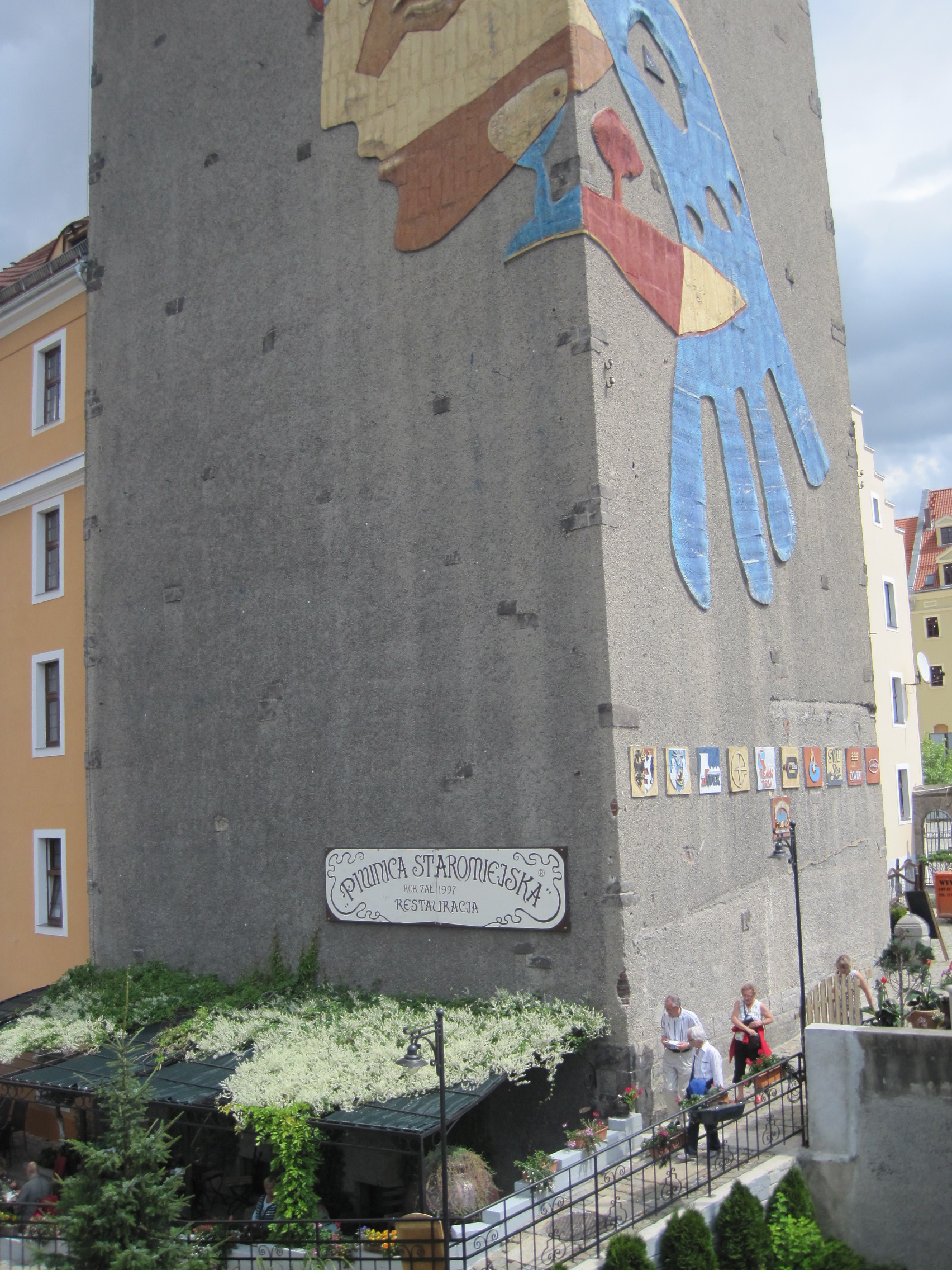
I have to admit to a degree of fascination with this divided town, and I had never before set foot in Germany, so I was delighted when a visit to uncle’s home presented me with the opportunity.  I didn’t really know what to expect as I approached the Old Town Bridge.  Certainly not the 5-tier grain elevator, emblazoned with the effigy of a face and palm.  It was designed to represent an Artistic Image of a United Europe.

The grain elevator with its symbol of unity

The elevator and St. Peter and Pauls

The bridge itself was blown up by the retreating Germans in 1945, but has been replaced with a modern steel structure, reuniting the towns.  Peterskirche, or the church of St. Peter and Paul, is a mighty building, dating from 1230.  It is famous for its sun organ, depicting 18 suns among its pipes.

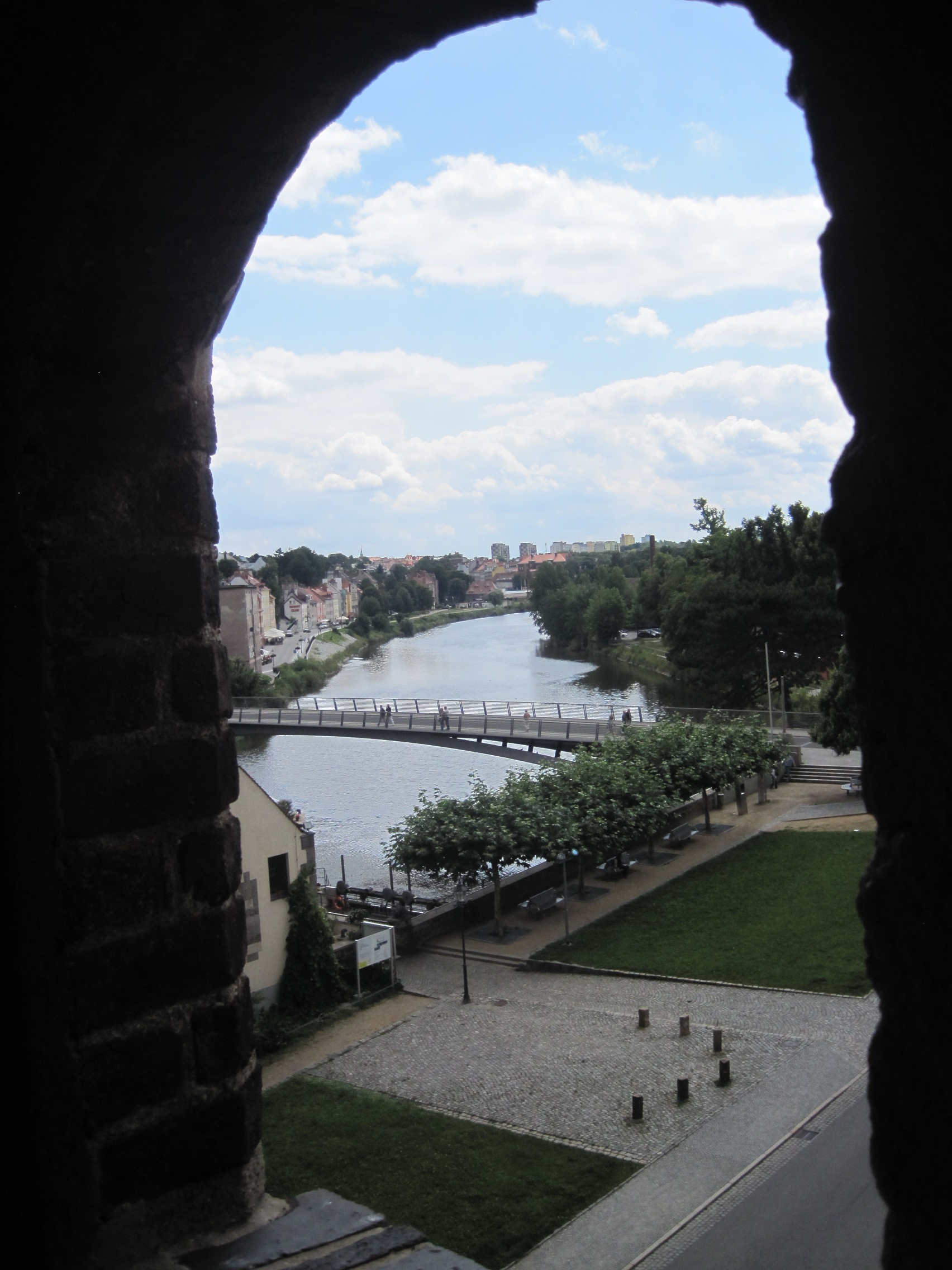
Old Town bridge and Zgorzelec, seen from St. Peter’s

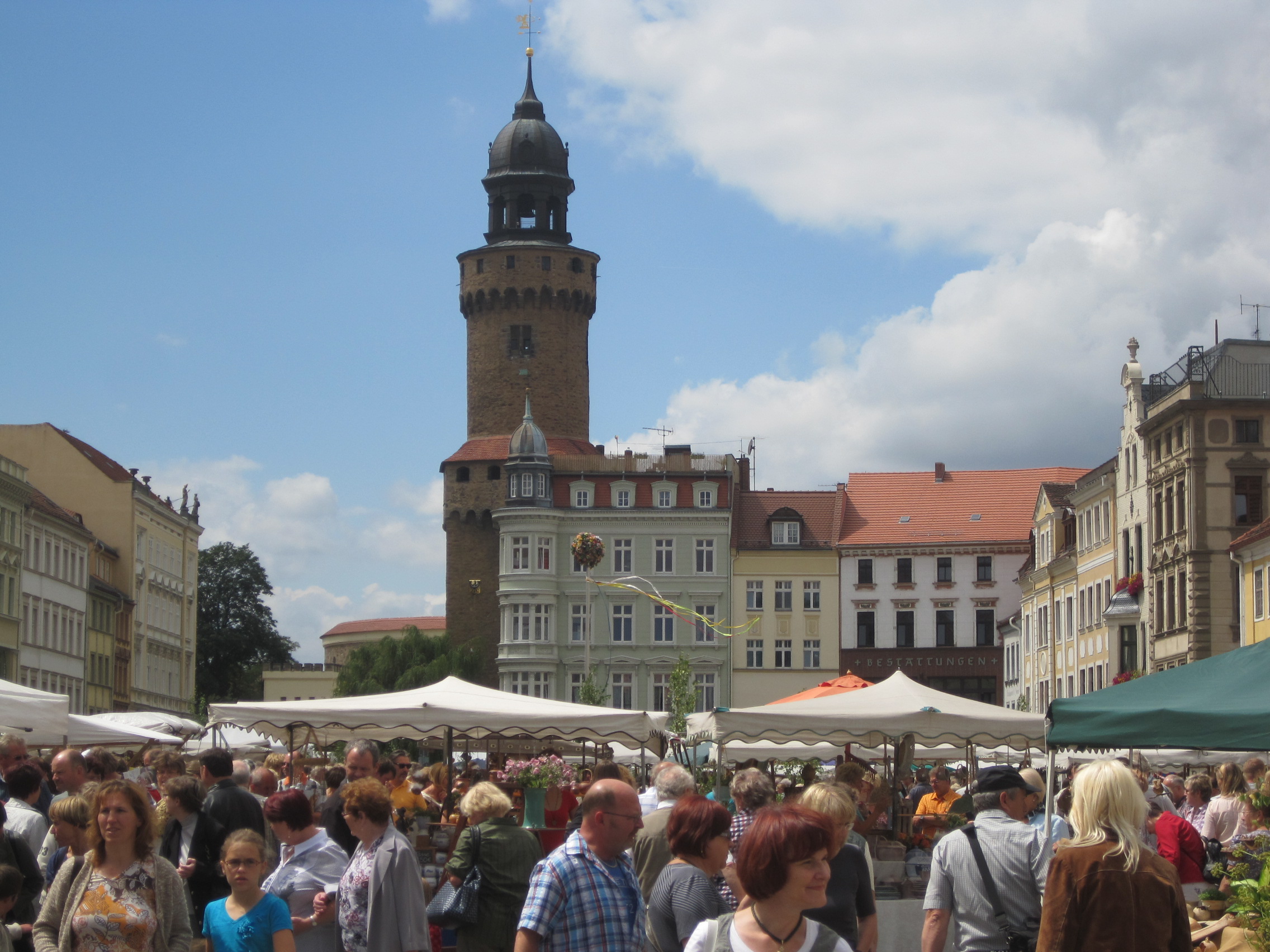
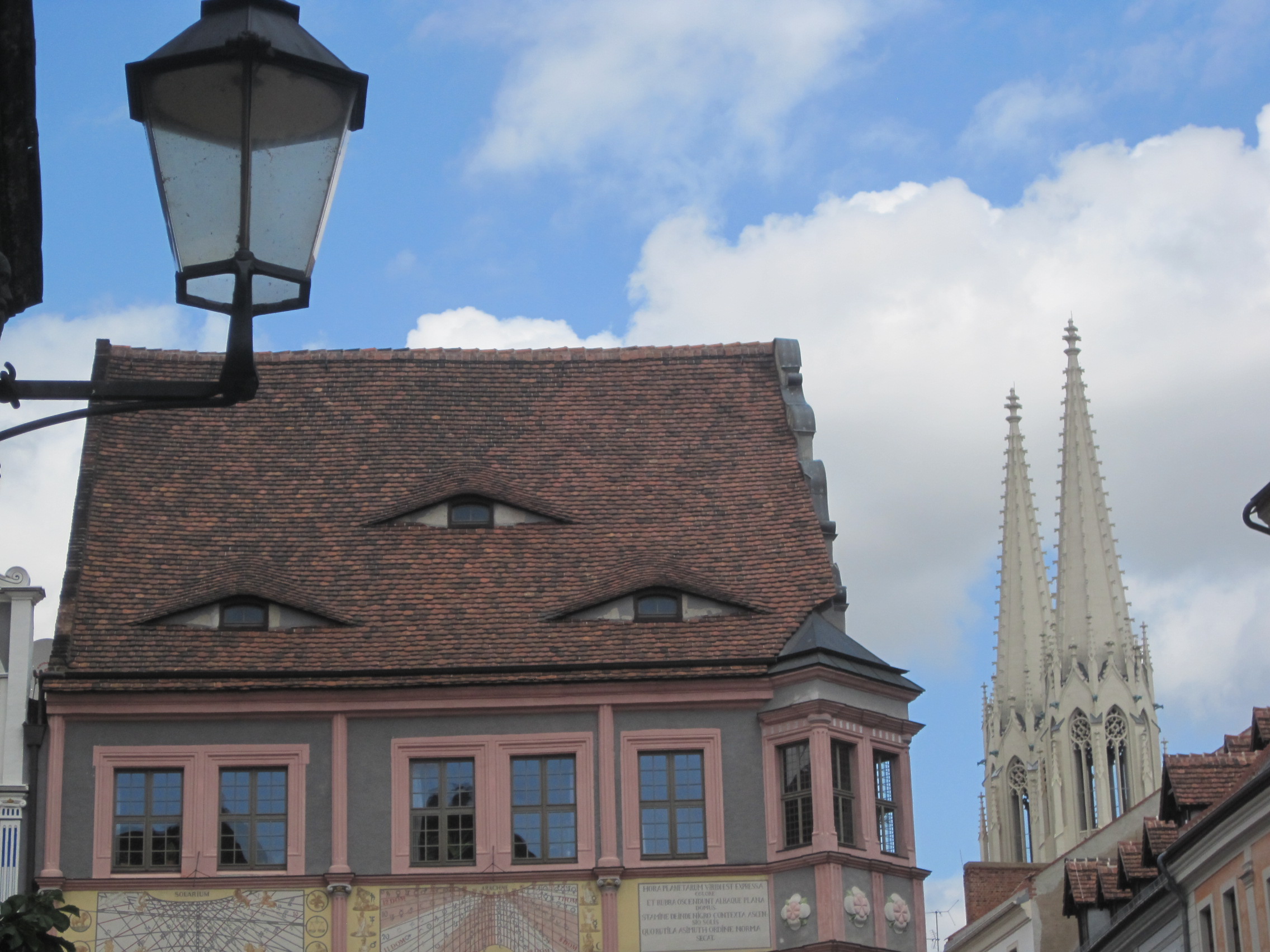
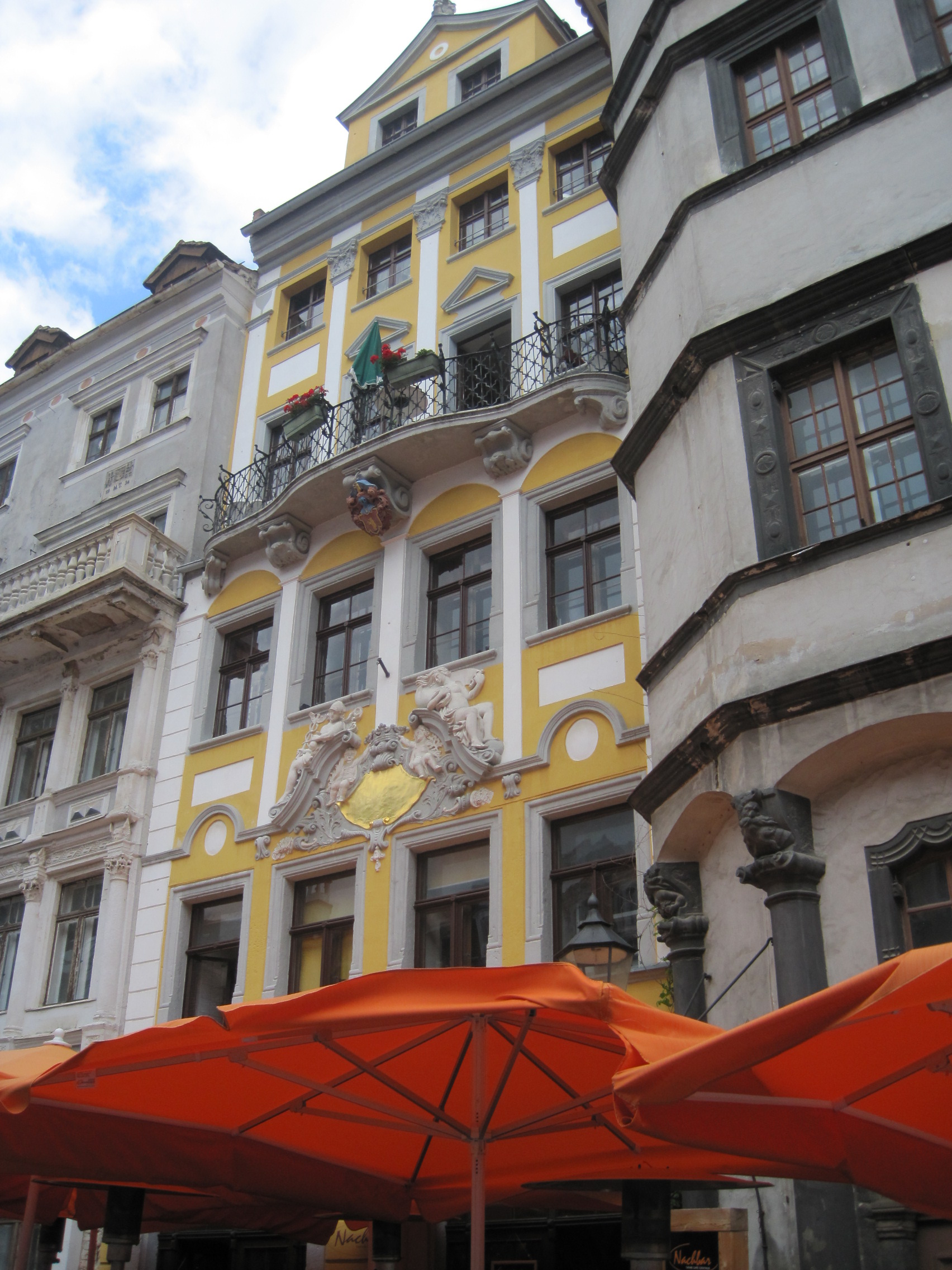
The atmosphere changes completely as you step off the bridge into the cobbled streets of Görlitz, and are at once in “Bavaria” as I had always imagined it.  I pause to pick up a street map and my ears struggle with the unfamiliar sound of the German language.  A street festival is in full swing, complete with oompah music.  You can get a flavour of it from Collectibles, which I wrote for Jakesprinter’s Sunday Post.

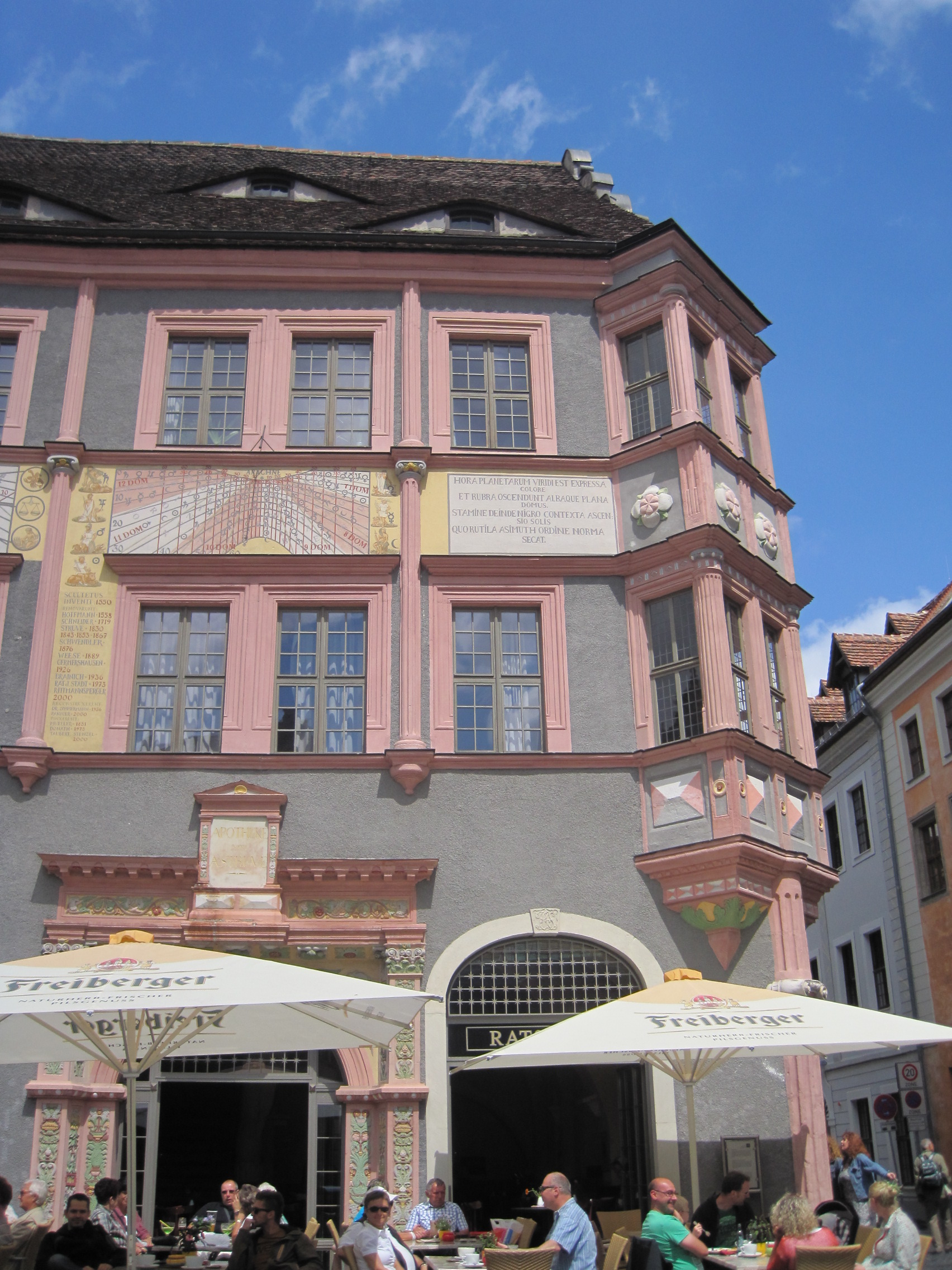
Don’t you love the pastel colours?

And the eyes in the roof!

Such pretty architecture

In such wonderful shades

A sunny shopper’s paradise

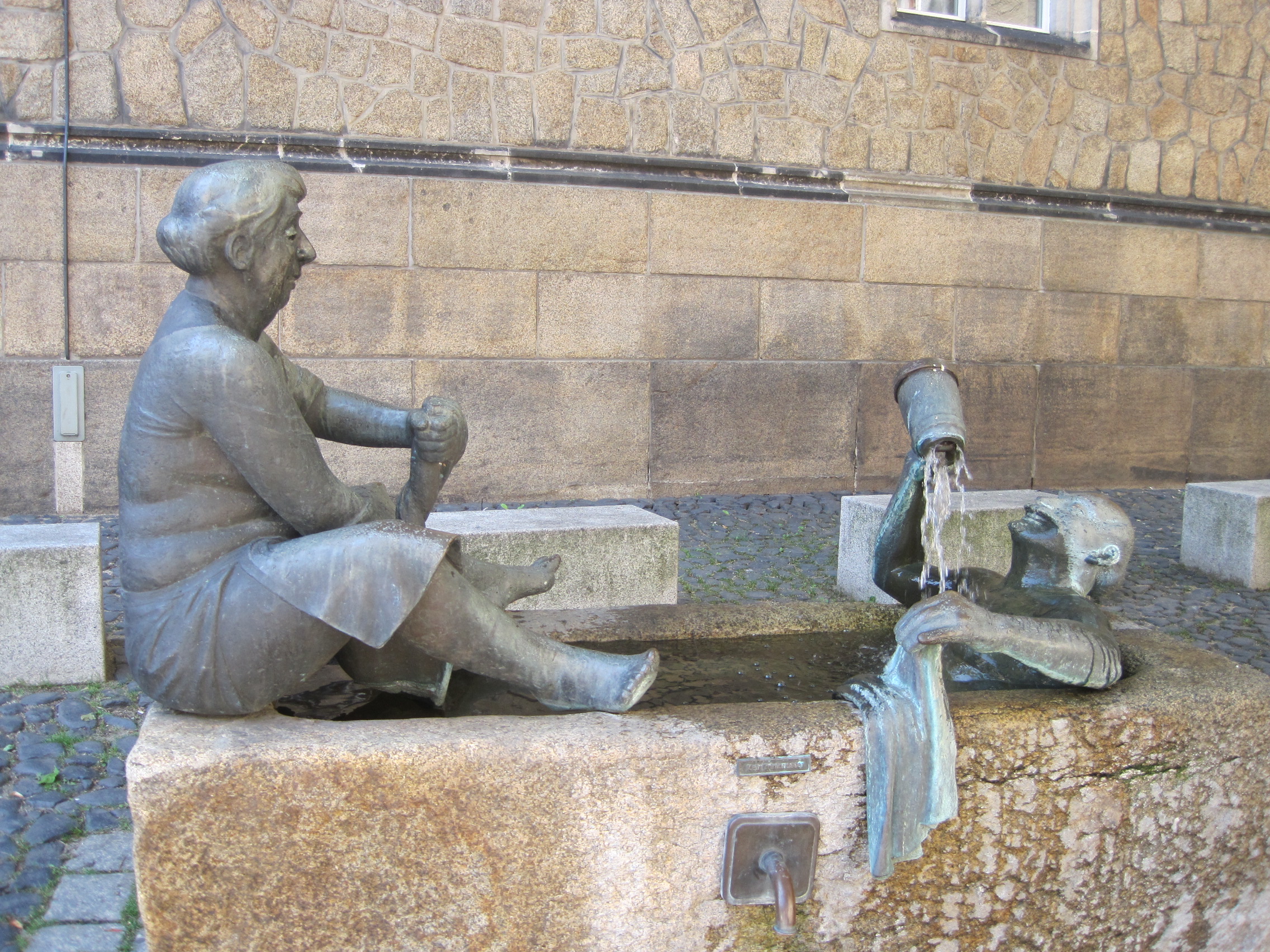
But what a strange place to have a bath!

In any event, Görlitz was a delightful place to spend a few hours, and there was more to see, but the main purpose of my visit was to see my uncle.  Włodek’s wife Janina died just a few months ago, and it was the first time he had “entertained” on his own.  He could not do enough for us, and was proud to show off his domestic skills.  These included his homemade sour cherry jam, putting me to shame.

Dad (left) and Uncle

The famous jam, niece Basia, Dad, me, cousin Wojtek and his wife Agnieszka

After all that, Zakopane may seem like an anticlimax, but it definitely wasn’t.  I was there in September 2009 for the occasion of my cousin Adam’s Silver Wedding celebration.  Sadly I don’t have many photos to share.  You’ve guessed it!  I was too busy eating, drinking and dancing my legs off.
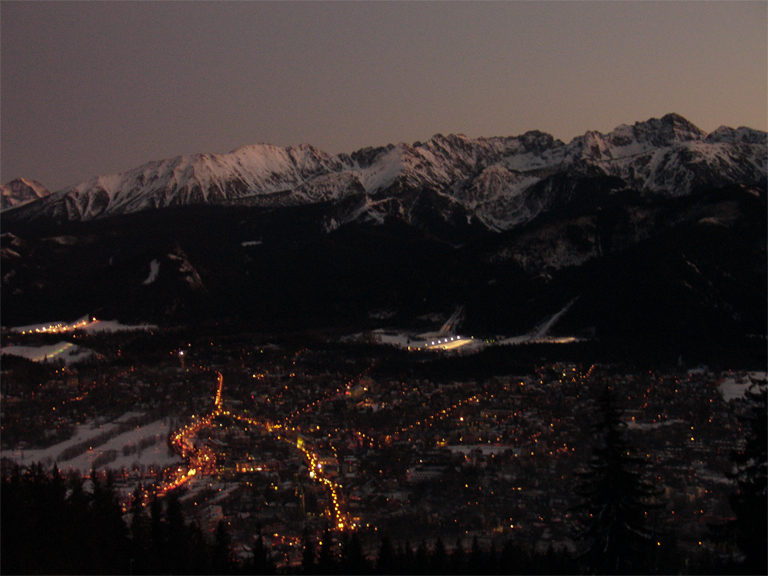
Zakopane at night, from Wikipedia Commons

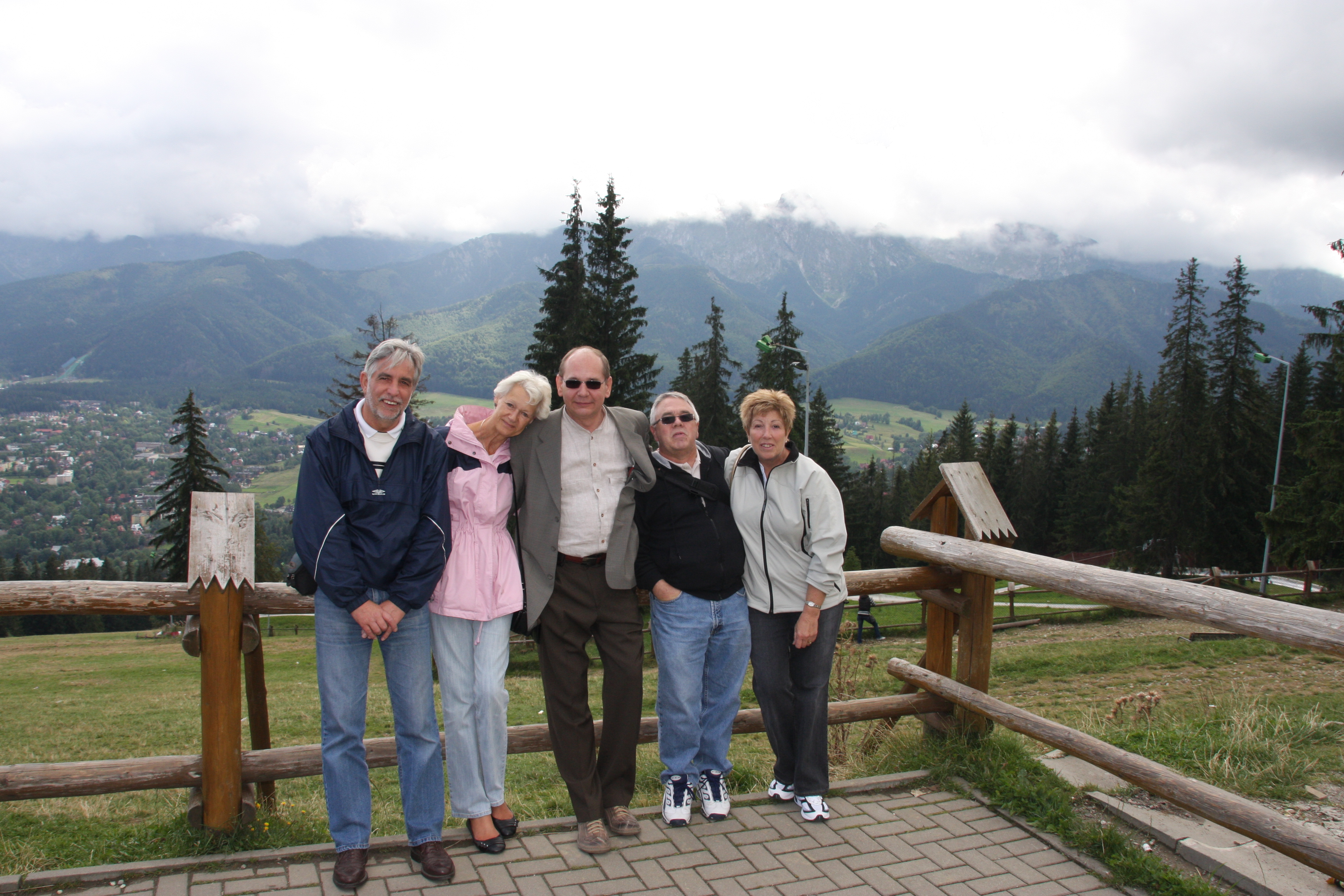
Zakopane is known primarily as a ski resort but is extensively used as a hiking centre in the Summer too.  Just 20 kms south of Krakow, it sits in an area of national park and outstanding natural beauty.

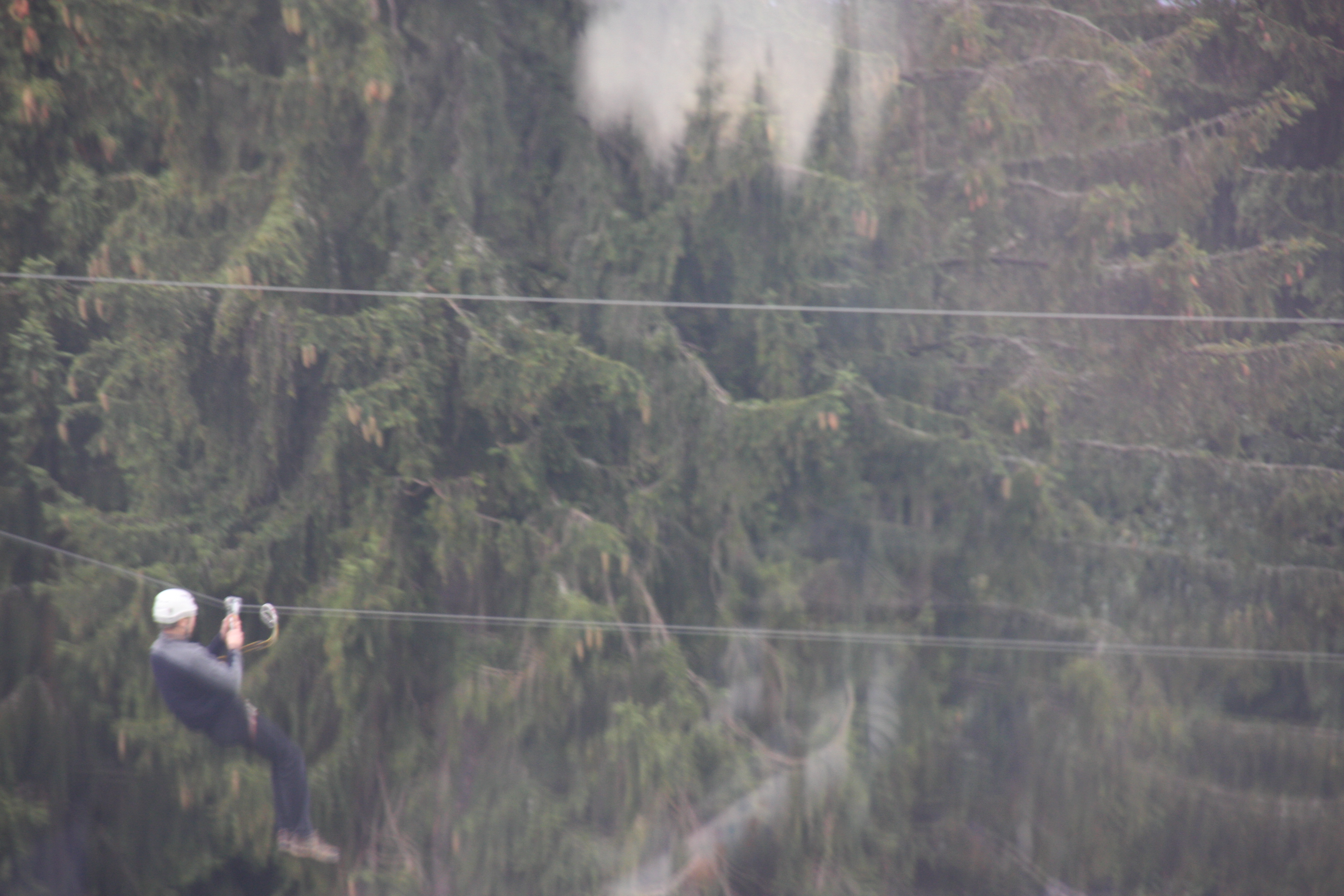
I was there before the snows had arrived, but was happy to take the funicular railway zooming 1388 metres up Mt. Gubalowka for the panoramic views.  The top of the mountain is one enormous playground.  There are a variety of stalls selling woolly mittens, socks and hats, all in a riot of colours.  Smokey mountain grilled cheese can be washed down with grzane wino, heady local mulled wine.  Sideshows attract the young at heart, who can also whizz down the slope on a metal toboggan ride.  Adventurous types teeter in the trees on an aerial wire.  And all to a background of spectacular beauty.
If you’re interested my guide on http://www.simonseeks.com/travel-guides/zakopane-fun-snow__118121 will give you a more complete picture.  I’ll focus here on family.
Adam, wife Marta and a neighbour at the Silver Wedding celebration

The church in Poronin where their wedding vows were reconsecrated

Dangling among the trees (no, not me!)

Michael, me, Adam, and Lynne and George, who came all the way from Canada

So that’s me at the tail end of my personal alphabet of Poland.  Of course, I have a few gaps to fill in, but Julie Dawn Fox, whose idea this A-Z challenge is, doesn’t seem to mind.  And my lovely friend, Frizz, knows much more about Germany than I ever will.  The ZZZ Challenge is up this week so check that out too!  Click on the links or the banner below for more information.