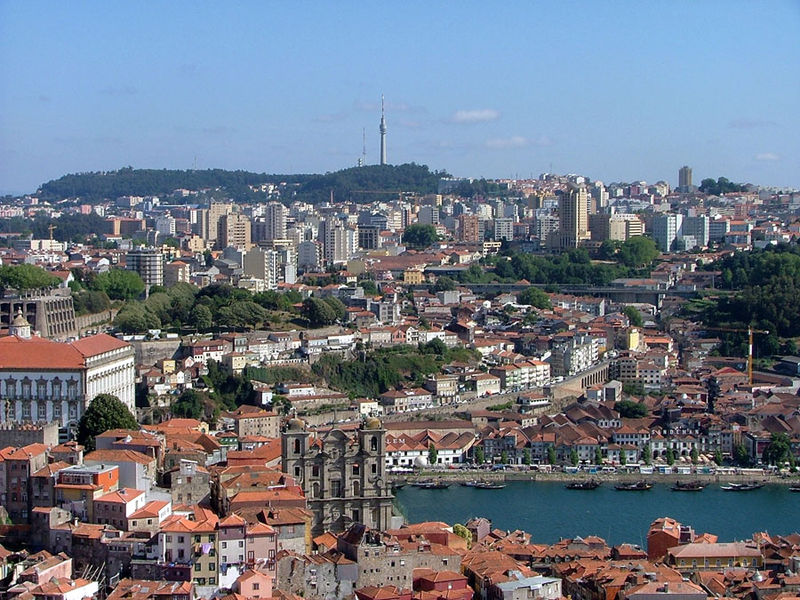
Porto

Six word Saturday

Stunning!

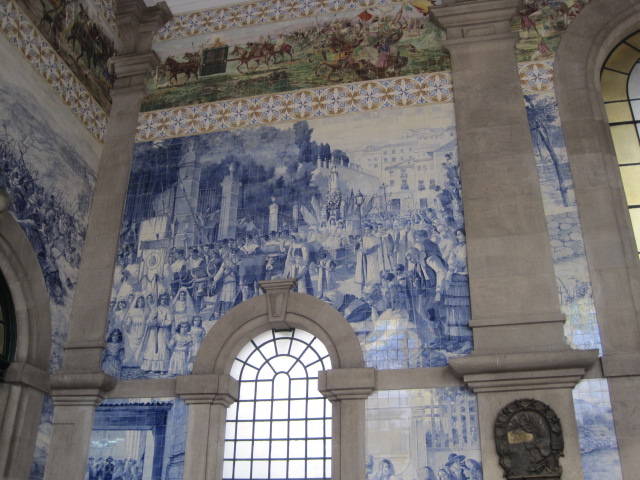
Spectacular Sao Bento railway station in Porto

Fabulous!

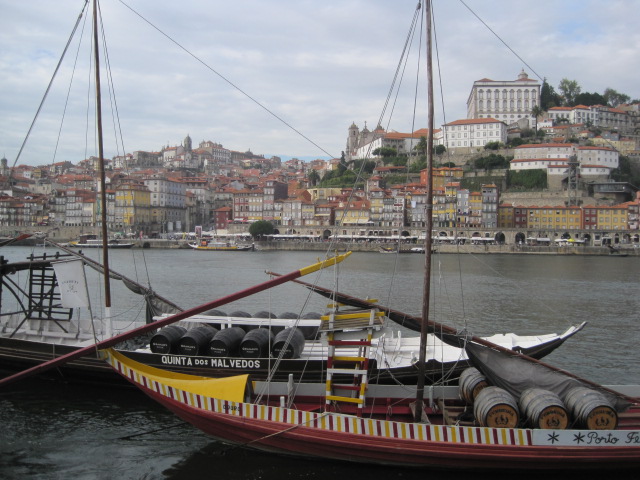
Port side!

Serene

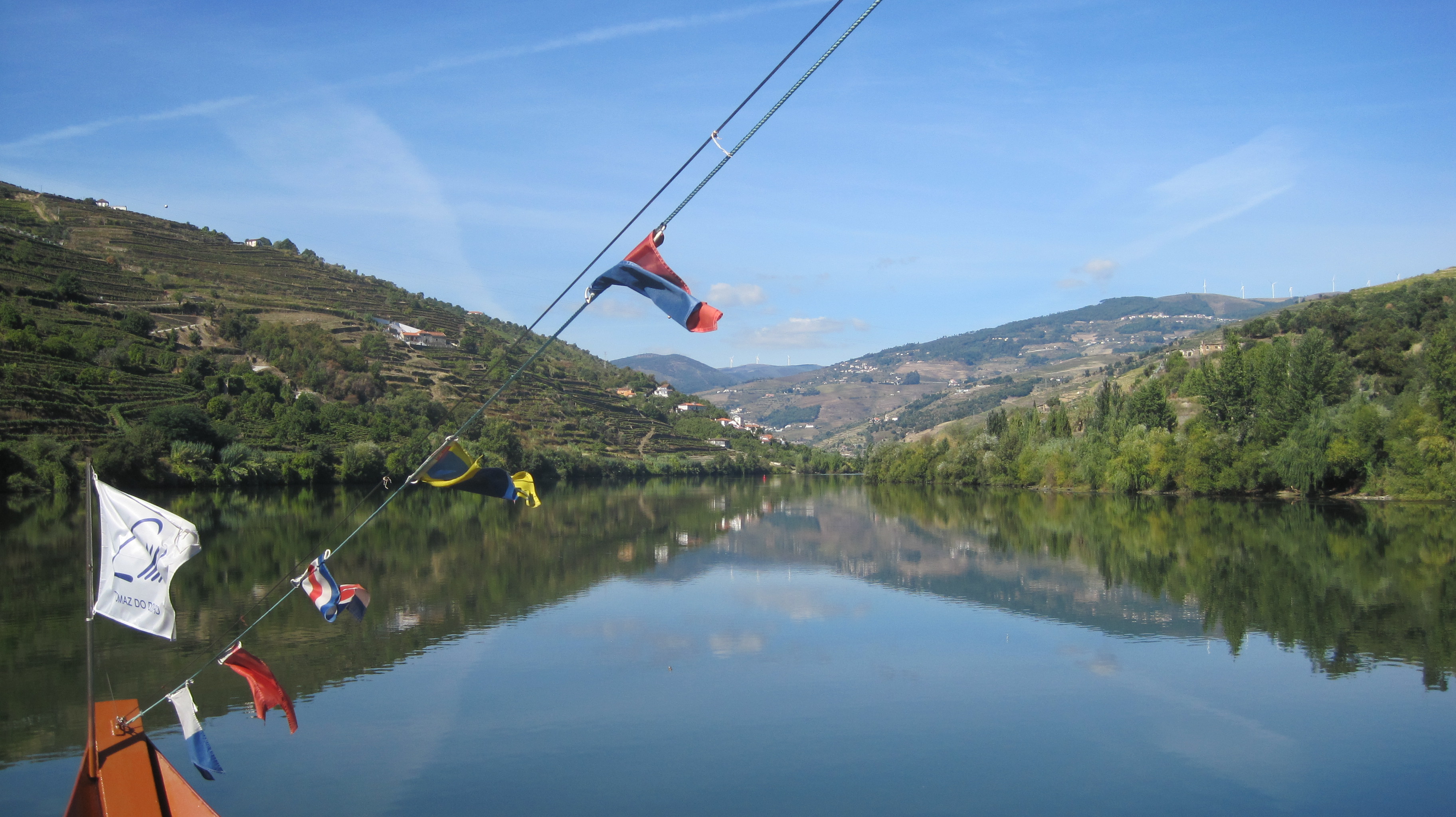
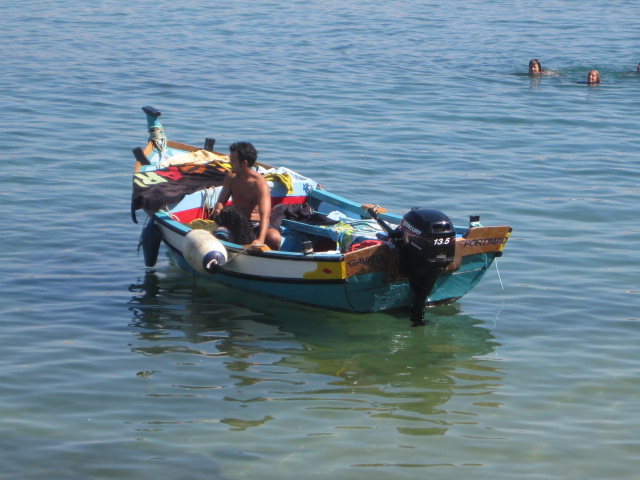
Sailing on the Douro

Blissful

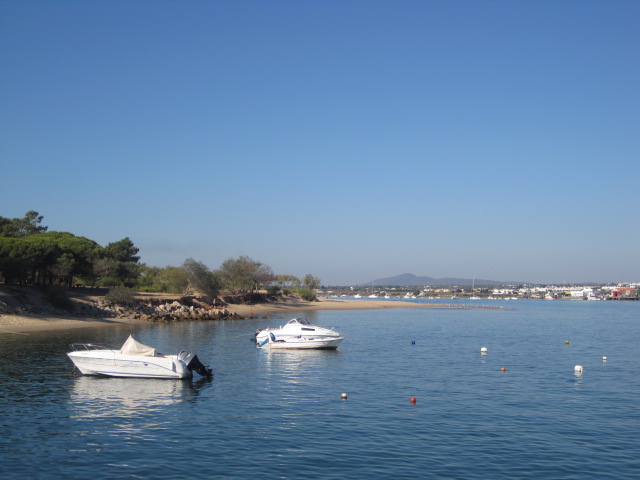
Tavira Island

Wonderful

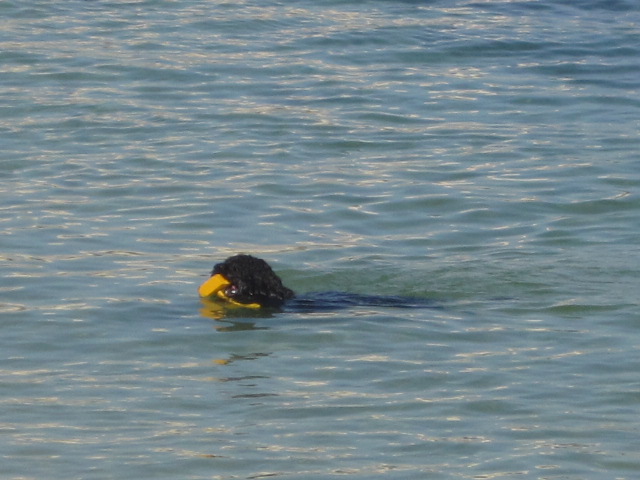
A Portuguese Water Dog arrives to perform

In action in the Water Dog Trials, Lagos

Portugal

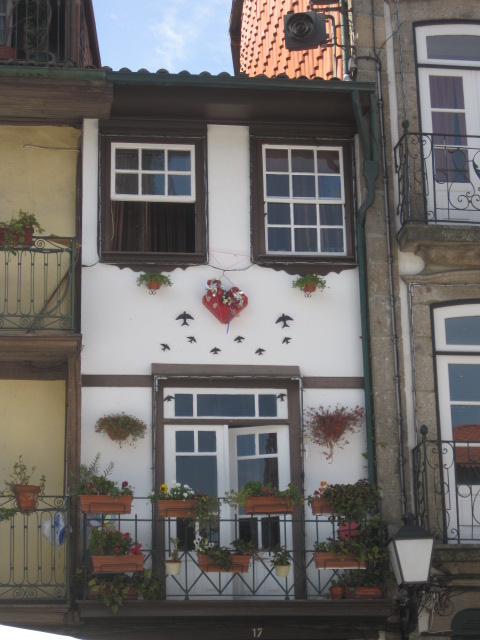
Pretty Guimaraes, European City of Culture 2012

Just six words? Sorry- quite impossible!

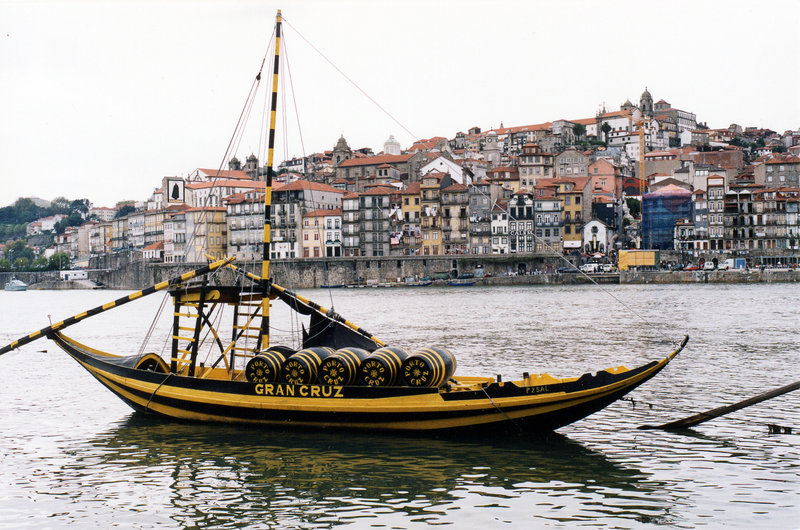
Some of the highlights?  Undoubtedly, sailing back to Porto from Peso da Regua on board a beautiful barco rabelo- the wooden boats used originally for carrying port downstream to mature in casks in Vila Nova de Gaia.  The company of two young Americans, on the last day of their honeymoon, made it extra special.

The free walking tour we took around Porto, with Iris and 22 internationally varied others, was pretty good too.  After 2 and a half hours of ups and downs, the Francesinha (a lavish cheese and meat toastie in a piquant sauce), and exchanged life histories, were also pretty great.

A glass of port in the surreal surroundings of Lello’s bookstore (sorry, no photos allowed)- it doesn’t get much better.  The highly entertaining antics of the Portuguese Water Dogs, followed by a trip round the grottoes in a small water taxi- well, you know how I feel about water!  You’re right- there will be more posts to follow…. I took over 570 photos.

For now I need to say thank you to Cate of Show My Face for welcoming me back again, and rush off to check what you’ve all been up to in my absence.  Hope to see you all back here next week.  Follow the links for more information.

Six word Saturday

Six Word silence for two weeks

Cheers of celebration!  You might have enough time to read everybody else’s Six word Saturday (mine are notorious for being a bit lengthy).

The reason for my absence?  As usual, my answer is in pictorial form.

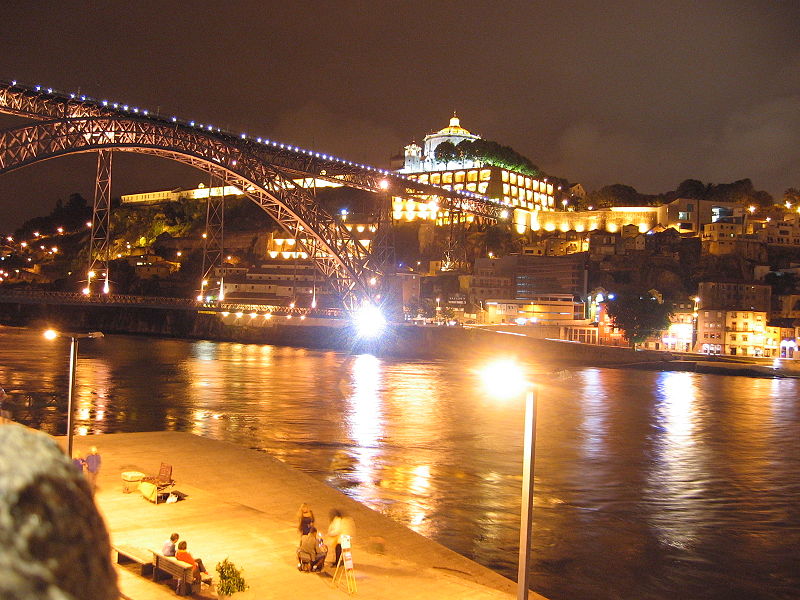
Porto by night, courtesy of Wikipedia Commons

And in case that’s not enough of a clue, here’s a link to a previous post of mine.

https://restlessjo.wordpress.com/2012/02/16/d-is-for-douro/

You’ve guessed  it!  The time has finally come to make that dream a reality.  I don’t travel with any sort of gadgetry (not even the laptop- I sense withdrawal symptoms coming on already).  It’s just me, the husband and the notebook, and not necessarily in that order.  So there’ll be a lot of catching up to do when I get back, but I promise to come and see you all and check out what you’ve been up to.  Might even have the odd photograph!

Till then, stay safe, and don’t forget to visit Cate at Show My Face.  Her weeks aren’t always easy, but they’re always interesting.  If you miss me at all you can check out some of my previous 6WS’s on the button below.

Six word Saturday

Taking my foot off the pedal

Having motored a bit to reach my 100th post earlier this week, I’ve taken my foot off the pedal, just a little.

The chief reason for this is that I needed some time to plan my upcoming visit to Porto and the Douro valley.  I sometimes wish I was one of those “jump in and experience it as it comes” travellers, but I’m not.  I’ve looked forward to this trip to the north of Portugal for so long, and I’m desperate to get it right.

Apart from that, I’ve been enjoying everything the English weather can throw at me.  And it packs quite a punch.

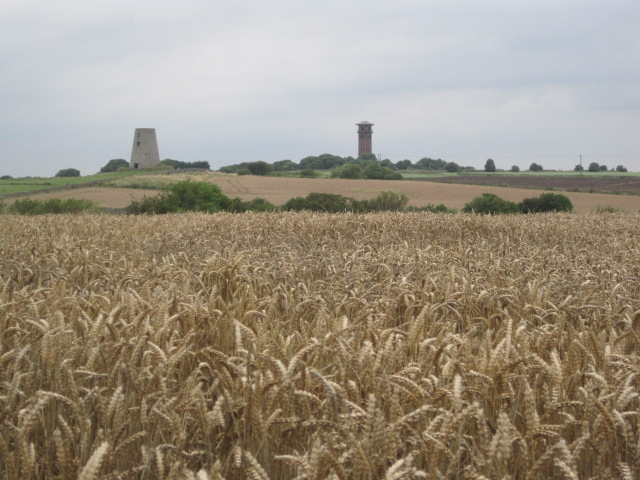
Across a cornfield

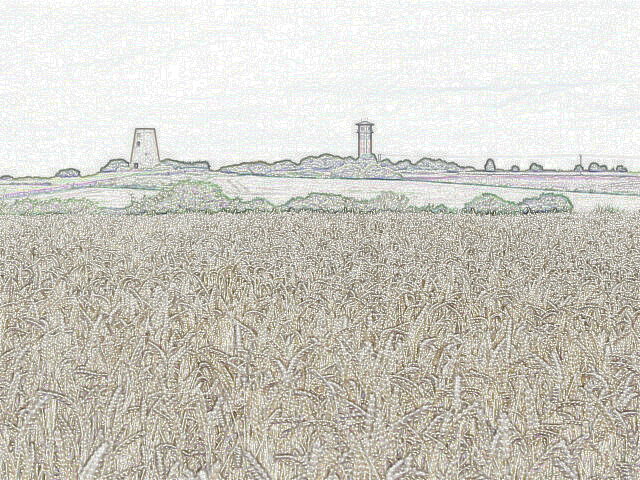
Do you like the “colour pencil” effect?

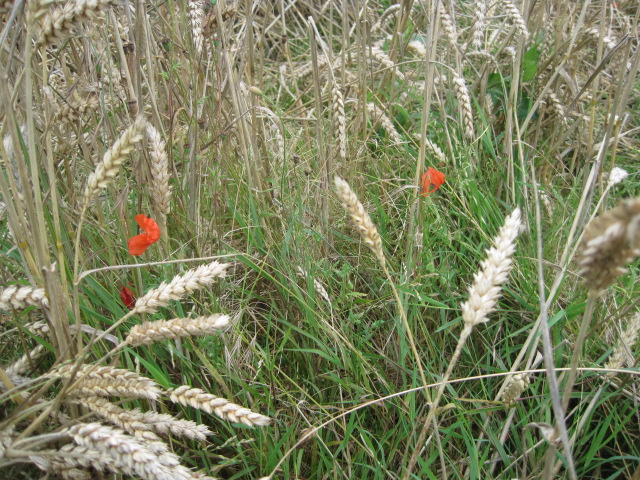
I love the poppies in with the corn

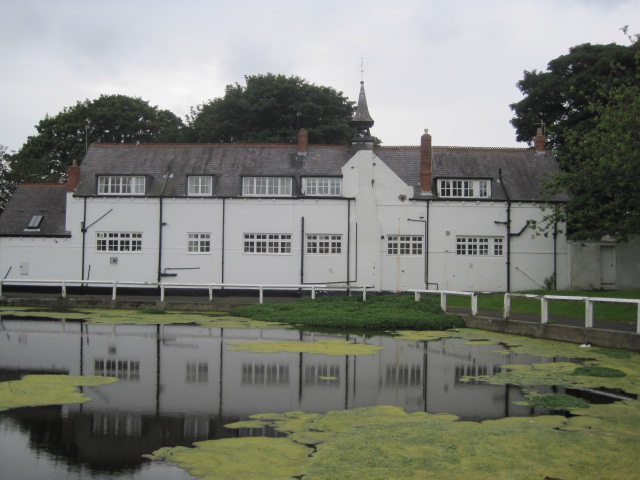
And the reflections in the mossy pond in Whitburn village.

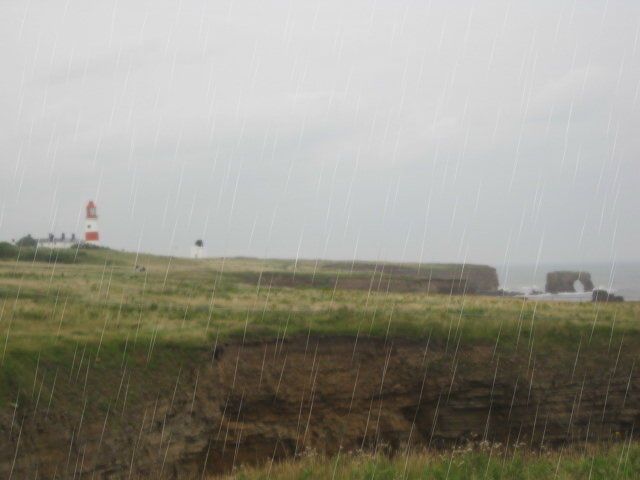
A little rain?

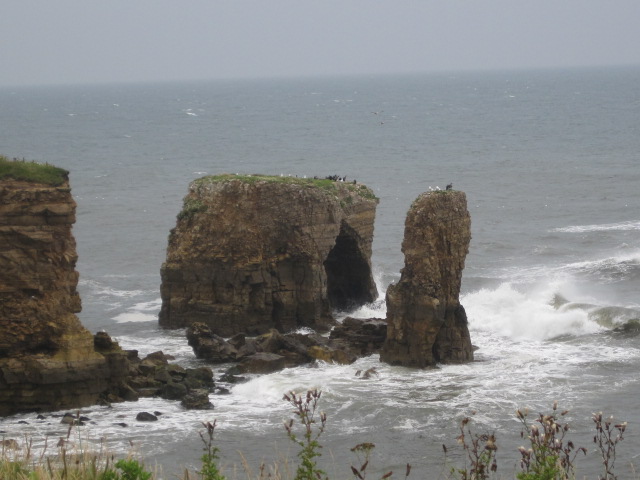
Marsden Rock

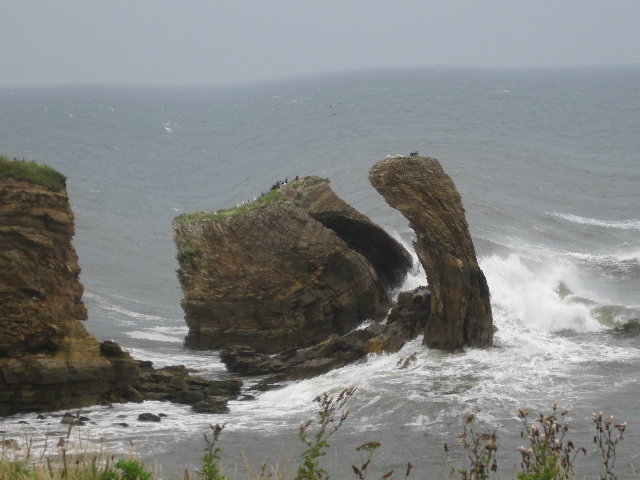
Marsden with a swirl? Well, it was windy!

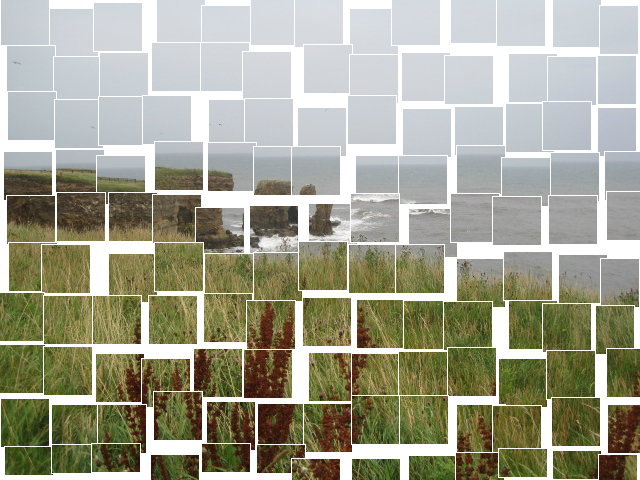
Tile effect, I rather like, too.

Or a pretty version?

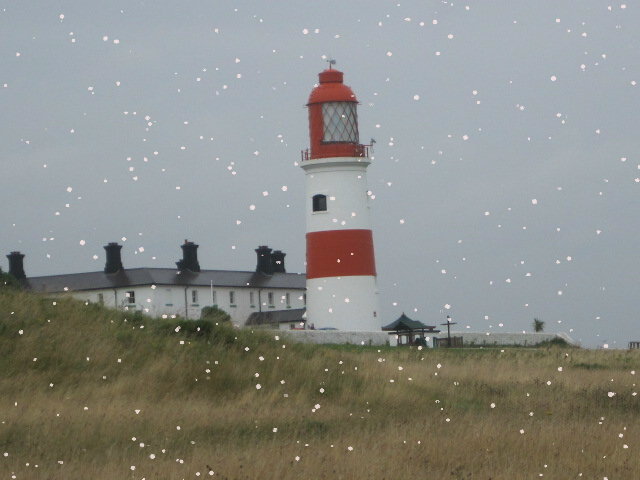
Now I’m exaggerating! It didn’t snow at Souter Lighthouse. Not quite.

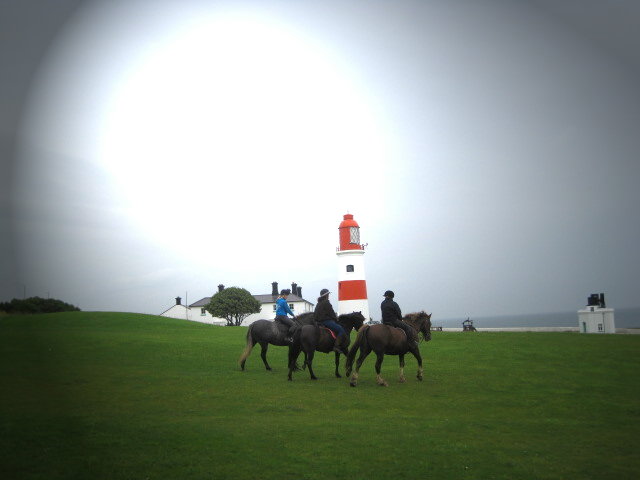
But it does look rather nice spotlit?

It was blustery as only an English Bank Holiday can be, but I did enjoy our walk.  And another opportunity to play, of course.

Back to my maps and guide books.  Hope you’ll be joining me next week on Six word Saturday?  Many thanks to Cate, our kind hostess, on Show My Face, where you’ll find all the details of how to play, and this week’s other entries.  Click on the button below for more fun.

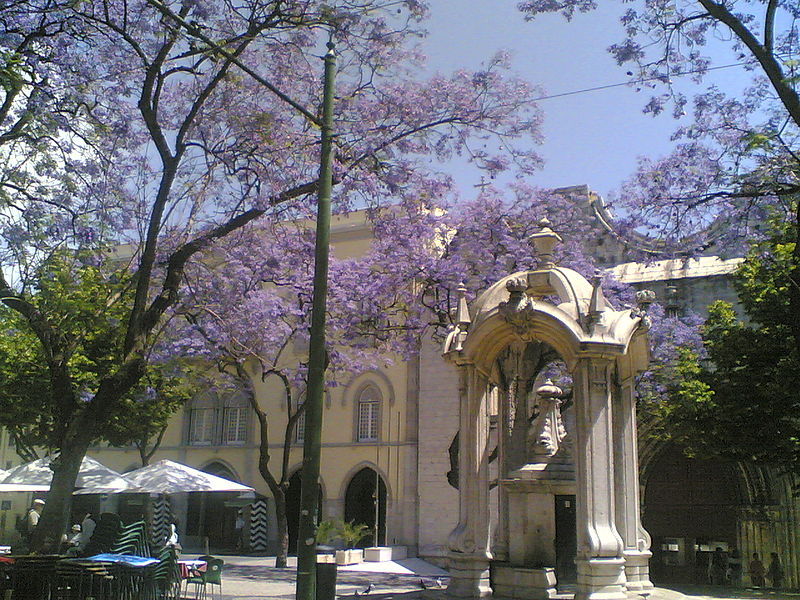
F is for Fonte (fountain or spring)

Fonte in Largo do Carmo, Lisbon- from Wikipedia, by Rui Pedro Carvalho

There is an astonishing array of beautiful fountains adorning Portuguese towns and villages. Here are just a few I can’t resist sharing.
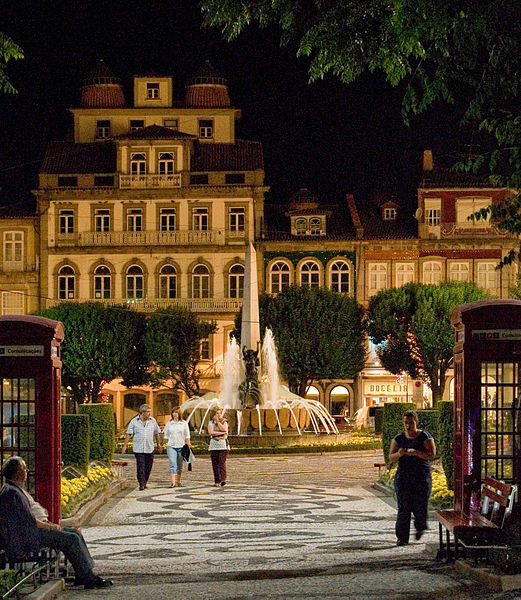
Fonte de Toural, Guimaraes- from Wikipedia,
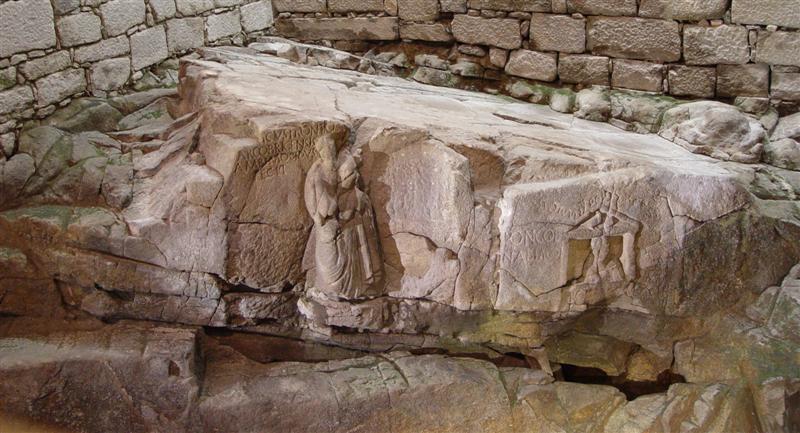
Fonte do Idolo, Braga- Nabia, goddess of rivers and water- from Wikipedia
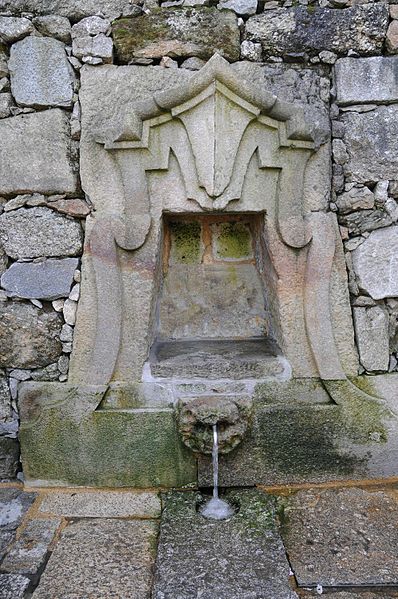
Fonte de Agua Ferreas, Braga- from Wikipedia
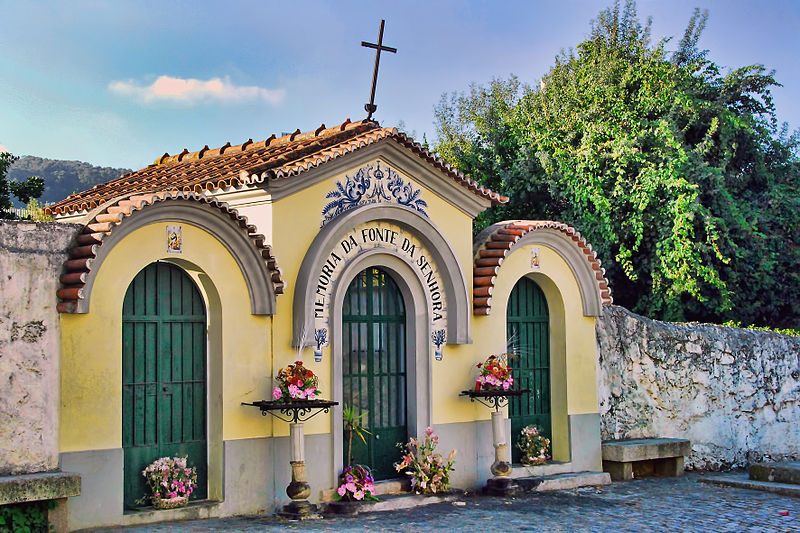
Fonte da Rua de Bonjoia- from Wikipedia, by Antonio Amen

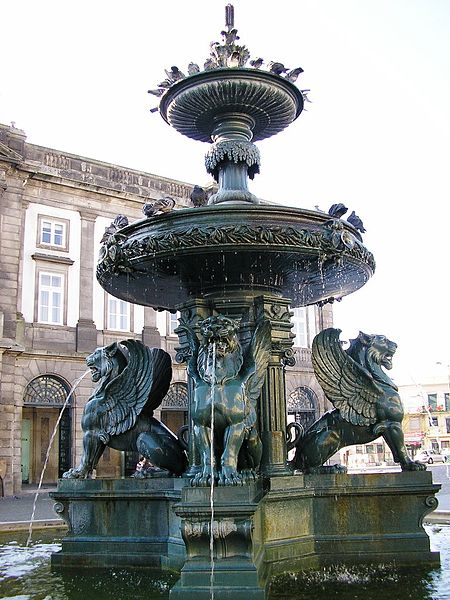
Fonte de Leoes (lions), Porto- from Wikipedia, by da Sousa
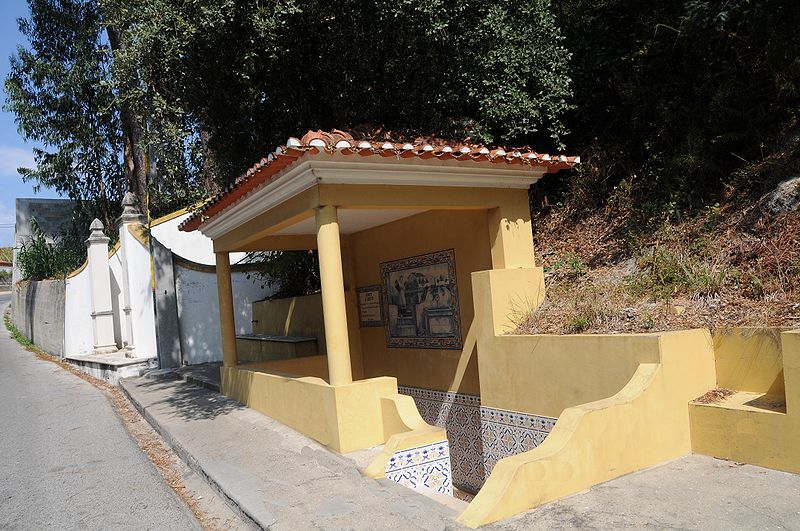
Fonte de Sao Bento, Corticeiro de Carapelhos, Mira- from Wikipedia, by Jose Olgon

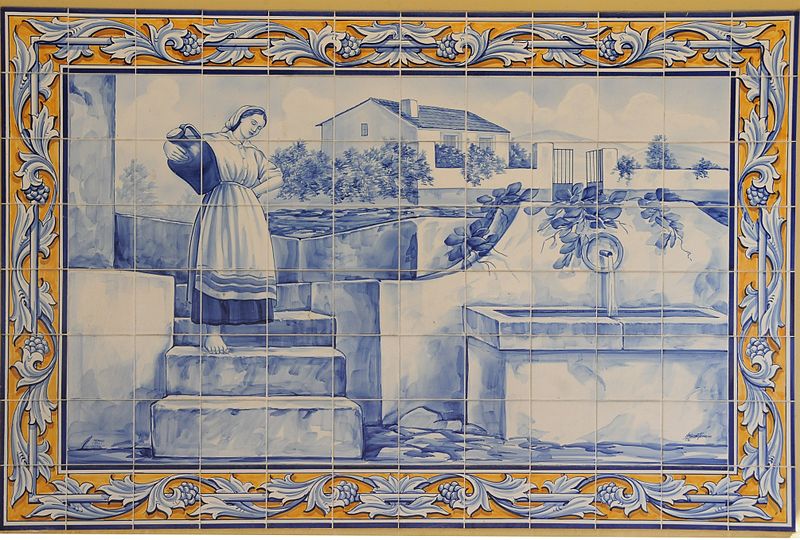
Azulejo, Fonte de Sao Bento
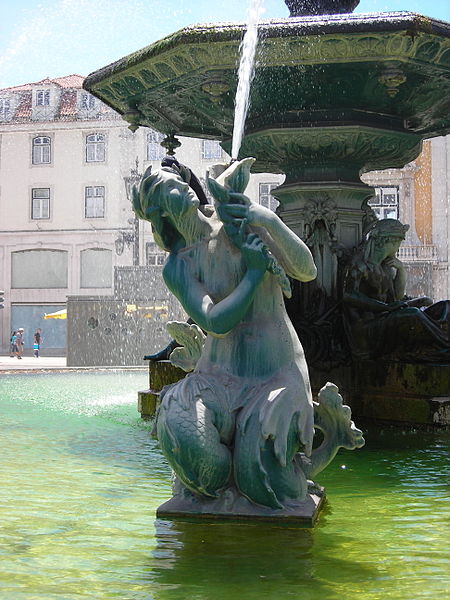
Fonte do Rossio, Lisbon- Creative Commons

Varied aren’t they?  There are hundreds I could have shared.  Do you have a favourite?  I think probably the last one’s mine, but I love Nabia too.  I also came across the term “chafariz” in relation to fountains and am not sure if this refers to a specific type.  Maybe my Portuguese friends can help me out with this?

The word “fonte” appears in many place names in Portugal.  In fact, when we’re directing people to our home in Tavira, we tell them to turn off the E125 at the roundabout signed Fonte Salgada.  In this sense it relates to a natural spring.
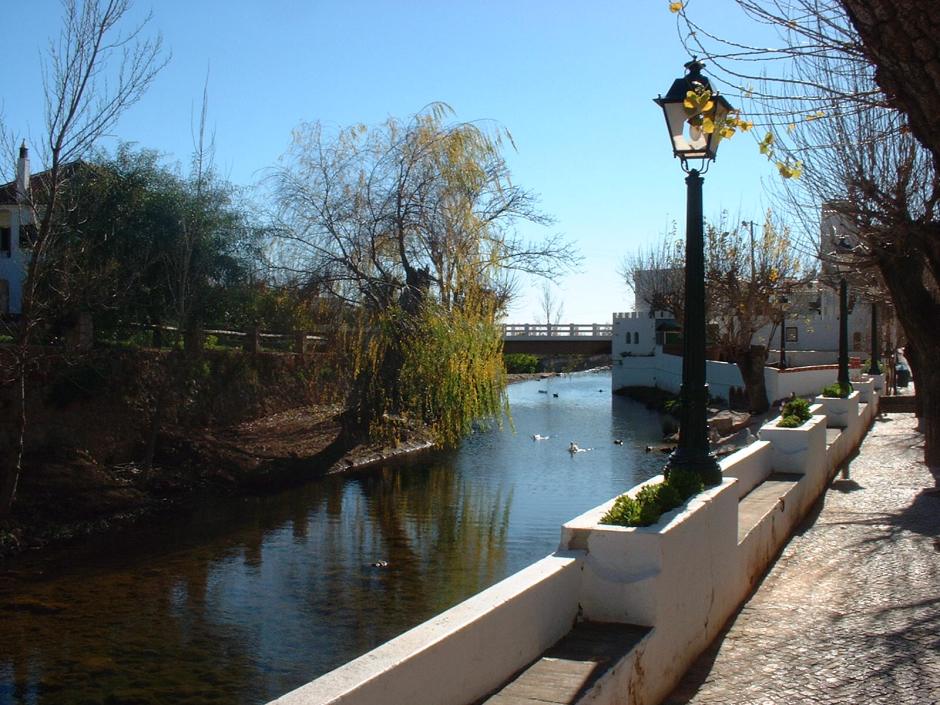
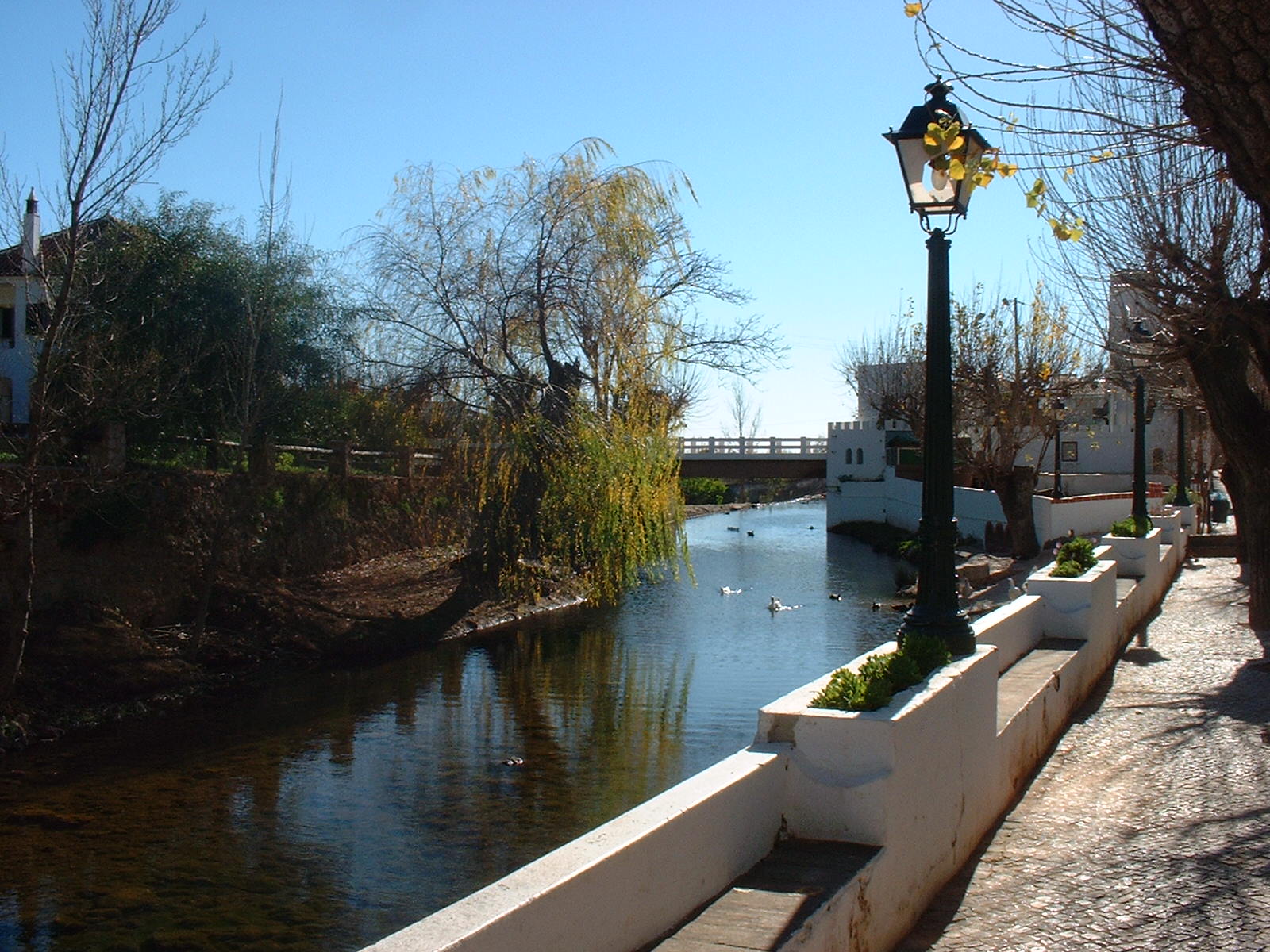
Fonte Pequena, Alte

My first sighting of natural springs here in Portugal was in the village of Alte.  Fonte Pequena (little spring) and then Fonte Grande (large spring) and the surrounding lush greenery came as a complete surprise.  It seemed a world away from the Algarve to which I was used.  Alte is described in detail in my Personal A-Z of Portugal, but I came across a lovely snippet of the poetry of Cândido Guerreiro, born in the village in 1871 and commemorated at the fontes:

“As the place where I was born lies encircled by four hills

Through which waters run singing

The songs of fountains and mills,

Waters taught me to speak.”

(Porque nasci ao pé de quatro montes

Por onde as águas passam a cantar

As canções dos moinhos e das fontes,

Ensinaram-me as águas a falar.)

I often go out with a walking group in the Algarve, or rely on a map and my husband, to find local beauty spots.  We found Fonte de Benemola, the Eternal Spring, one February day with the help of Julie Statham’s book, “Algarve-Let’s walk”.   The white faced cistus I love wasn’t yet in bloom and the valley was peaceful as can be, the fonte rippling silently in its depths.  On our way back to the car we spotted the solitary basket weaver, his wares strung along a reed fence.  He rather charmingly demonstrated his whistles and we purchased a small bowl.  A slightly wonky fruit bowl now sits on top of my fridge!
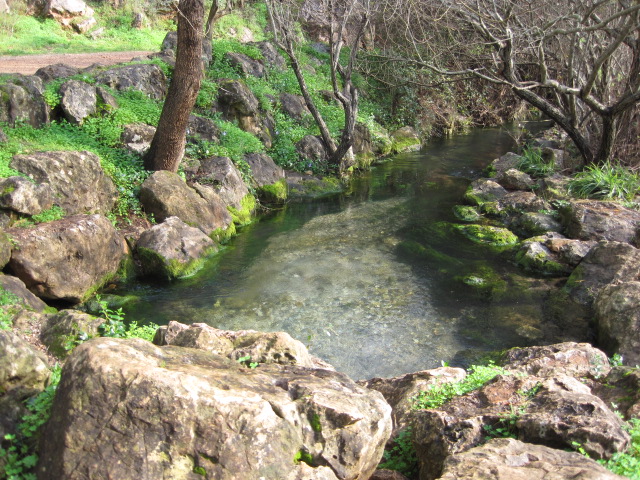
Fonte de Benemola, near Querenca

There is a wealth of natural springs in Portugal, some of which have been developed into health resorts.  The term “caldas” refers to thermal springs, as in Caldas de Monchique in the Algarve.  Further north, Caldas da Rainha (Queen’s hot springs) has had a thermal hospital since 1488, when Queen Leonor discovered the curative power of the waters.  Beautiful Sintra was also a spa.

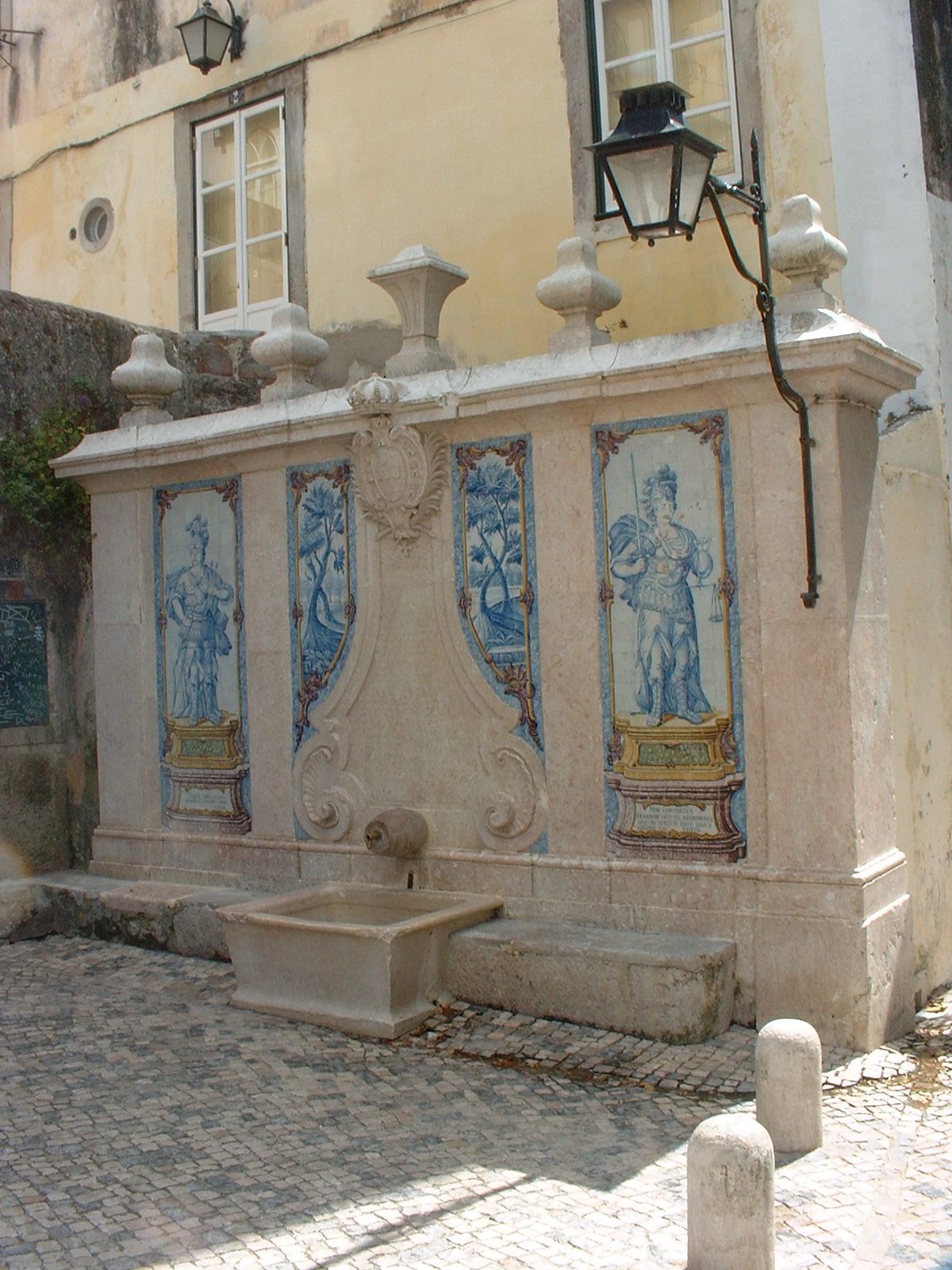
Fonte in the back streets of Sintra

Spring water is a popular source for drinking water because of its relative purity and high mineral content, believed by many to have health benefits.  Just north of Coimbra, the small town of Luso is home to one of the most famous bottled waters in Portugal.  I seldom go walking without a bottle.

This post is part of my Personal A-Z of Portugal.  I’ve been following Julie Dawn Fox’s challenge for a while now.  If you’d like a look at what’s gone before, and maybe to join in with an A-Z of your own, please follow the links.  I need to catch up with my personal A-Z of Poland next.  See you next time.

D is for Douro

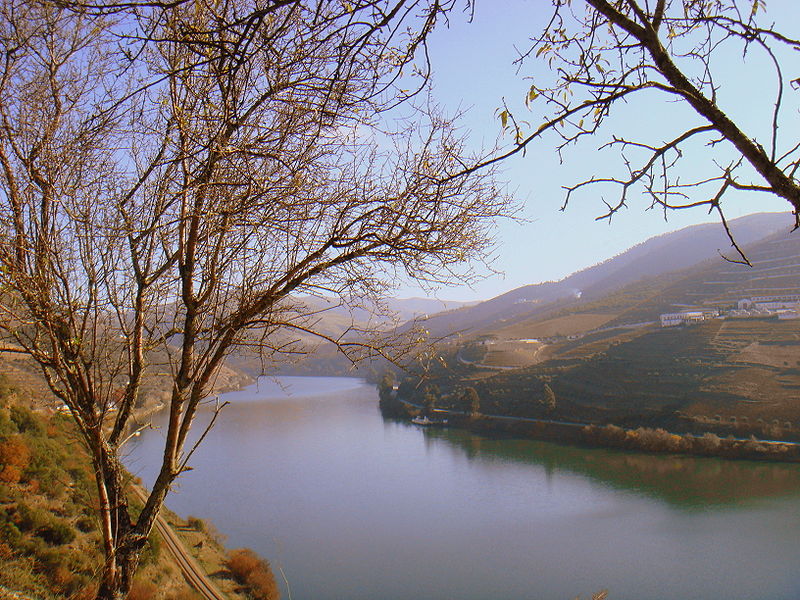
Rio Douro- the river of gold

This post is entirely aspirational.  I have long wanted to visit Porto and to cruise the Douro Valley.  So far we haven’t found a convenient flight from the UK and it’s quite a way north from the Algarve.  So permit me to dream a little.

Upper Douro by Gustavo Motta for Wikipedia

The River Douro rises in Spain and flows 897 km till it reaches the Atlantic at Porto.  Over 100 of these kilometres form the border with Spain in a series of narrow canyons- an effective barrier between two often warring nations.   The third largest river on the Iberian Peninsula, in recent times the river has been tamed by a series of locks and dams, making it navigable for all of its Portuguese length.  Looking down from the sky I always try to fathom whereabouts on the Douro we are crossing as we make our way back to Northern Europe.

Peso de Regua, by Husond for Wikipedia

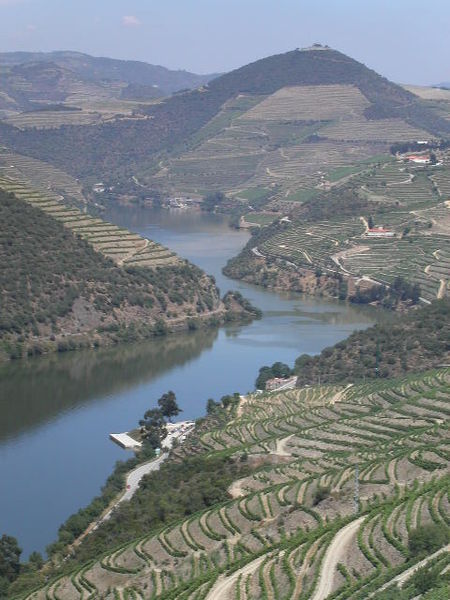
The Douro is blessed with a microclimate which creates exceptional conditions for the cultivation of almonds, olives and grapes- in particular the variety of grape used in the production of port wine.  It’s no secret that I love to sit by the banks of a river with a glass or two of port.  Hopefully one day that river will be the Douro.   The region around Pinhao and Sao Joao de Pesquiera is known as vinhateiro, the centre of this liquid gold, and the quintas lining the riverbanks testify to the success of the enterprise.

Barco rabelo by Thomas Seibel for Wikipedia

Traditionally the wine was transported down the river in flat-bottomed sailboats called barcos rabelos , some of which can still be seen today at the quayside in Vila Nova de Gaia, opposite Porto.  It was stored in oak barrels to mature in the cellars of numerous wine lodges.  After blending it would be bottled then stored again till reaching the level of maturation for that particular brand.  Names like Sandemans, Cockburns and Taylors are familiar friends.

A story goes that port was originally discovered by two English gentlemen, staying at a monastery in the Upper Douro.  They found that by adding a little brandy to the local sweet wine it would be better fortified to withstand the long sea journey home.  More probably, following a period of exceptionally warm weather in 1820 unusually sweet grapes were produced which was much to the taste of the British.  In order to capitalise on the British market the wine companies added aguardente or brandy to stop fermentation and fix the sugar content.

Vinhateiro

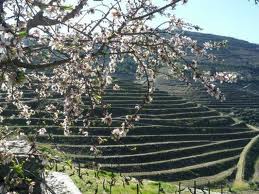
How am I going to get around so that I see the Douro from every angle?  There seem to be lots of choices.  One thing’s for sure, I will be visiting Sao Bento railway station in Porto, not just to see its magnificent azulejo tiles but to travel up the valley.  If I’m lucky I may even catch the Saturday steam train (May to October).  I know that the colour of the vines in Autumn is a spectacular red-gold, and that white blossom clothes the valley in Spring.

Blossom time in the Douro

The Dom Luis 1 Bridge leads over the river and into Vila Nova de Gaia and from here you can take a 50 minute trip beneath the bridges to admire Porto’s skyline.  This is just a taster.  The true beauty of the Douro reveals itself on a lengthier cruise up river.  How far you choose to go depends on how long you have available, and your tolerance for messing about in boats.  Mine is infinite, but if you’ve just come for peace and quiet you’ll be perfectly happy with a good book and the gentle slap of the water.

Vila Nova da Gaia,seen from Porto,by Jonik for Wikipedia

My impression is that the further you go up the river the wilder the scenery becomes, east of Pinhao with its beautiful railway station, the most spectacular.  I’m looking forward to the deep locks that have calmed the raging rapids.  You can combine a cruise with train journey for the best of all possible worlds, or to help shorten your trip. Peso de Regua is the collection point for the wine and from which it used to be shipped down river.  Less romantically these days transport is by tanker, but you can still see the sailboats in action at Porto on 24th June, the festival of Sao Joao.

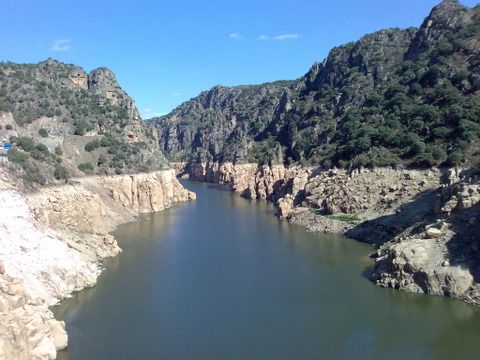
The Douro, near Miranda, from Wikipedia

You can drive up the valley for fine views but this is never much fun for the driver.  The train runs beside the Douro from Regua out towards the Spanish border, passing Pinhao and then crossing to the opposite bank all the way to Barca de Alva at the Spanish border.

Of course, you can also do the 5 star cruise from Porto all the way across into Spain, and take in the historic city of Salamanca.  This isn’t really my way (too easy! says husband Michael- and certainly not cheap).  I just know I’d want to linger somewhere that the boat didn’t, but I did say that I could dream and Salamanca does sound tempting.  Maybe for a special birthday?

http://www.portugaltravelguide.com/en/pinhao.htm will give you a flavour of the area.  Be sure to check out Amarante and Mesao Frio as well as Regua and Pinhao.

www.cp.pt/StaticFiles/CP/Imagens/PDF/Passageiros/horarios/regional/porto_regua_pocinho.pdf  provides basic rail information but you need to seek further for the steam train.  Now I’ve completed this I can’t wait to book!

My previous A-Z s of Portugal are:

a-is-for-alte/

b-is-for-beaches/

c-is-for-cacela-velha/