Poland

Six word Saturday

Celebrated landmark 50th post this week

https://restlessjo.wordpress.com/2012/03/30/k-is-for-krakow/

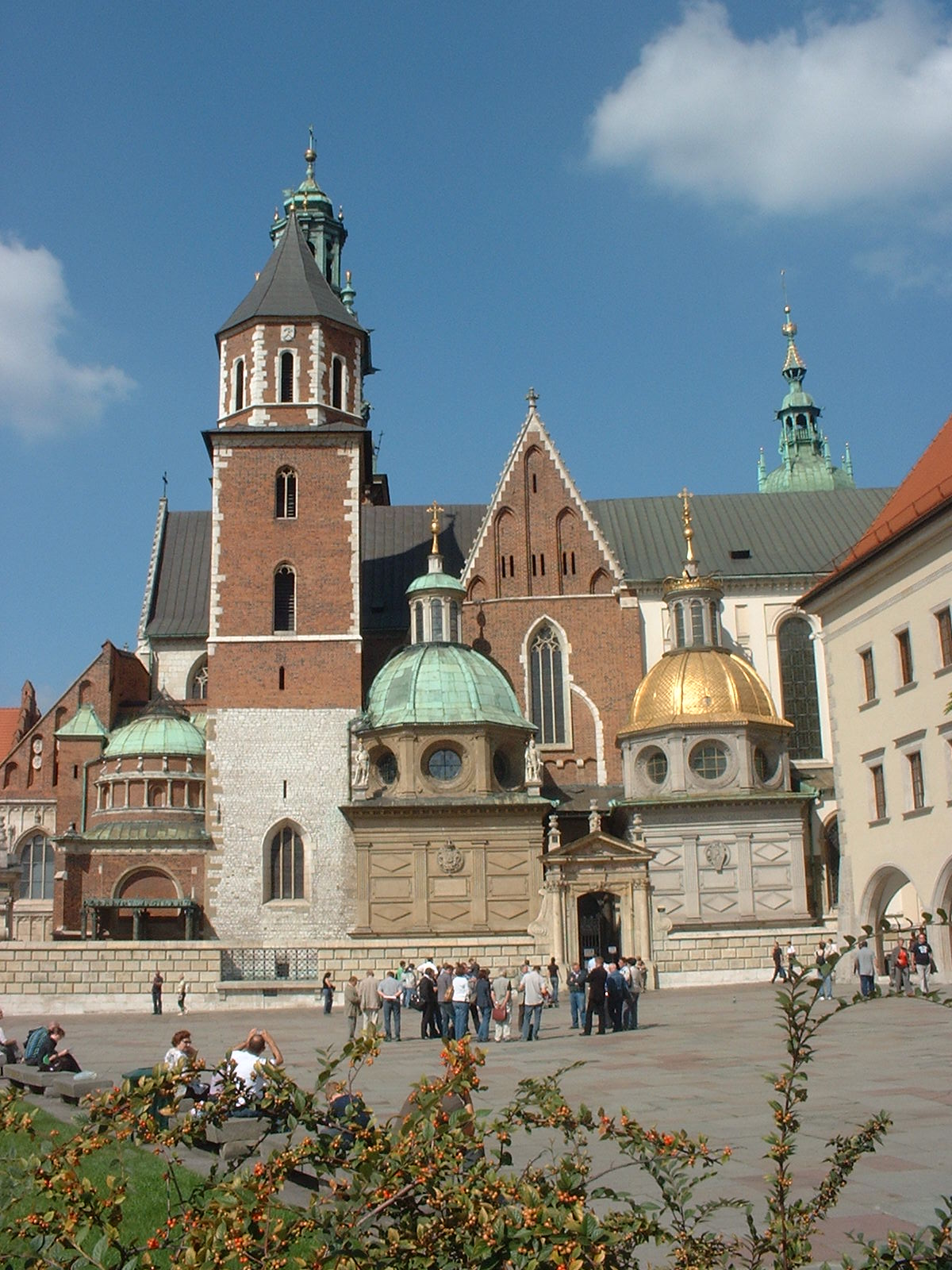
Wawel Cathedral

Thought I’d share with you just a few more images of my favourite Polish city.

Jewish Cemetery- the wall is partly reconstructed from smashed up tombstones

Section of the town wall that doubles as an art gallery

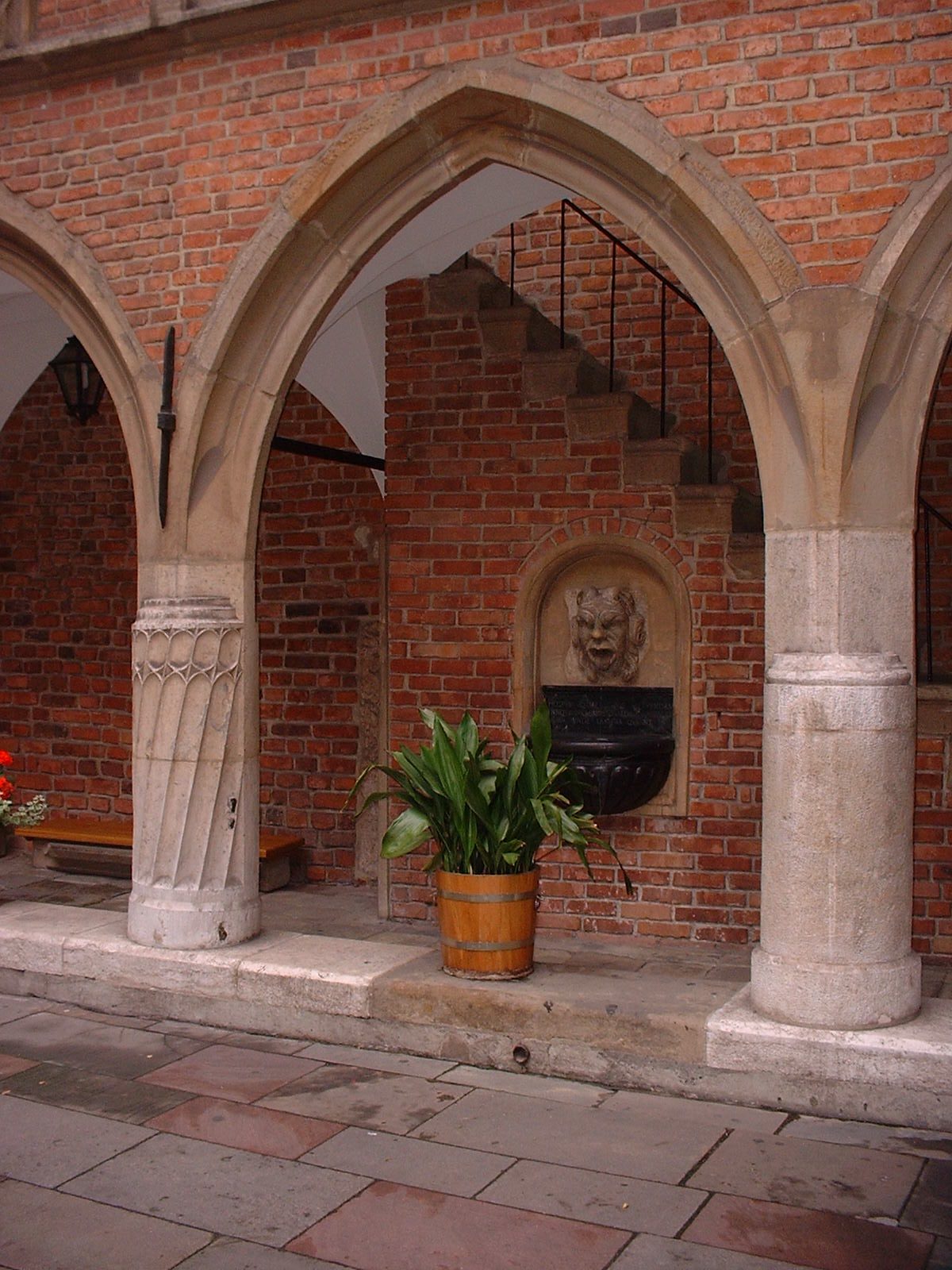
Collegium Maius- the prettiest ticket office lies just through those arches

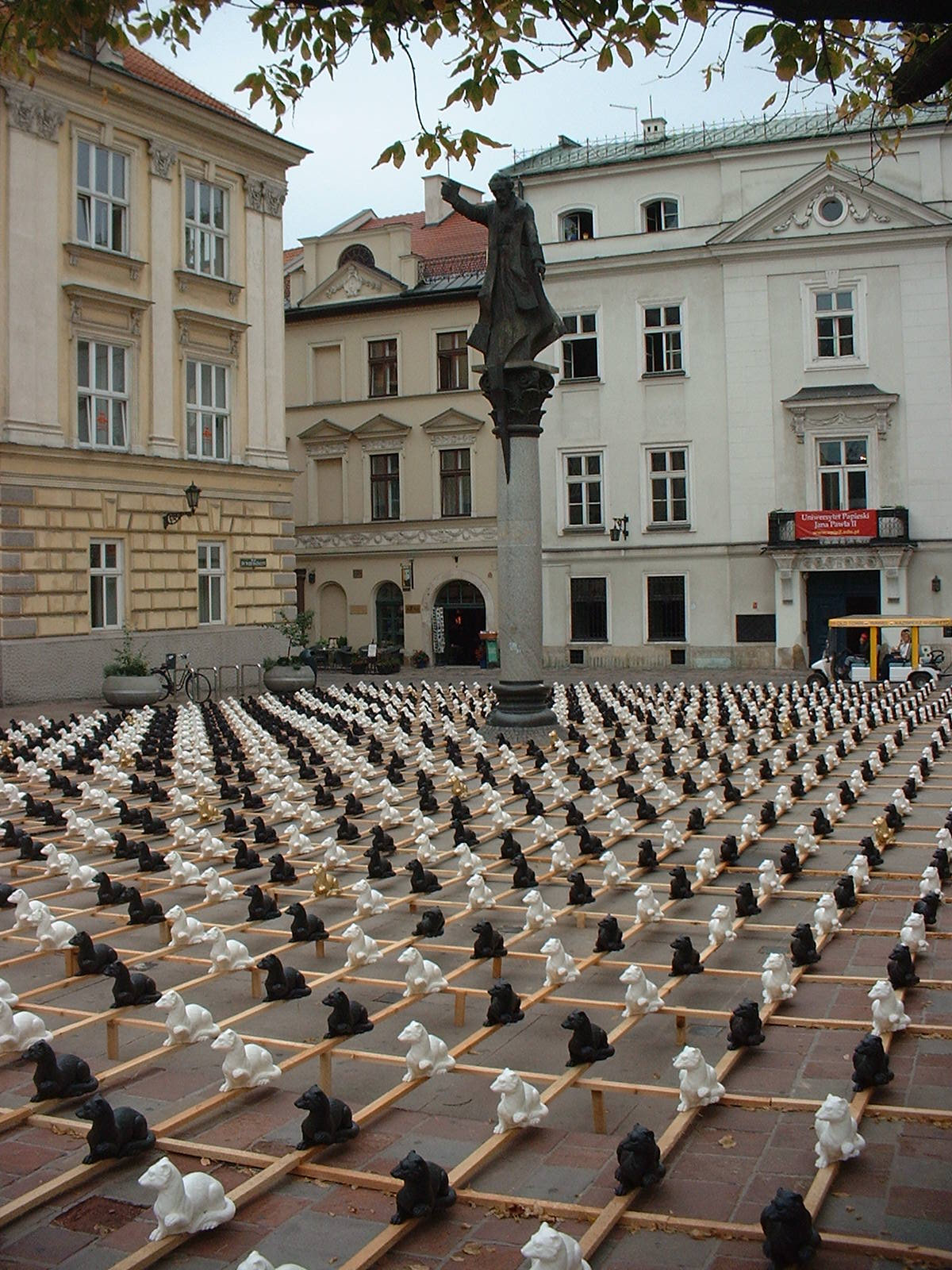
Wasn't sure what to make of this outdoor exhibition but I liked it. "Lady with the ermine" reference?

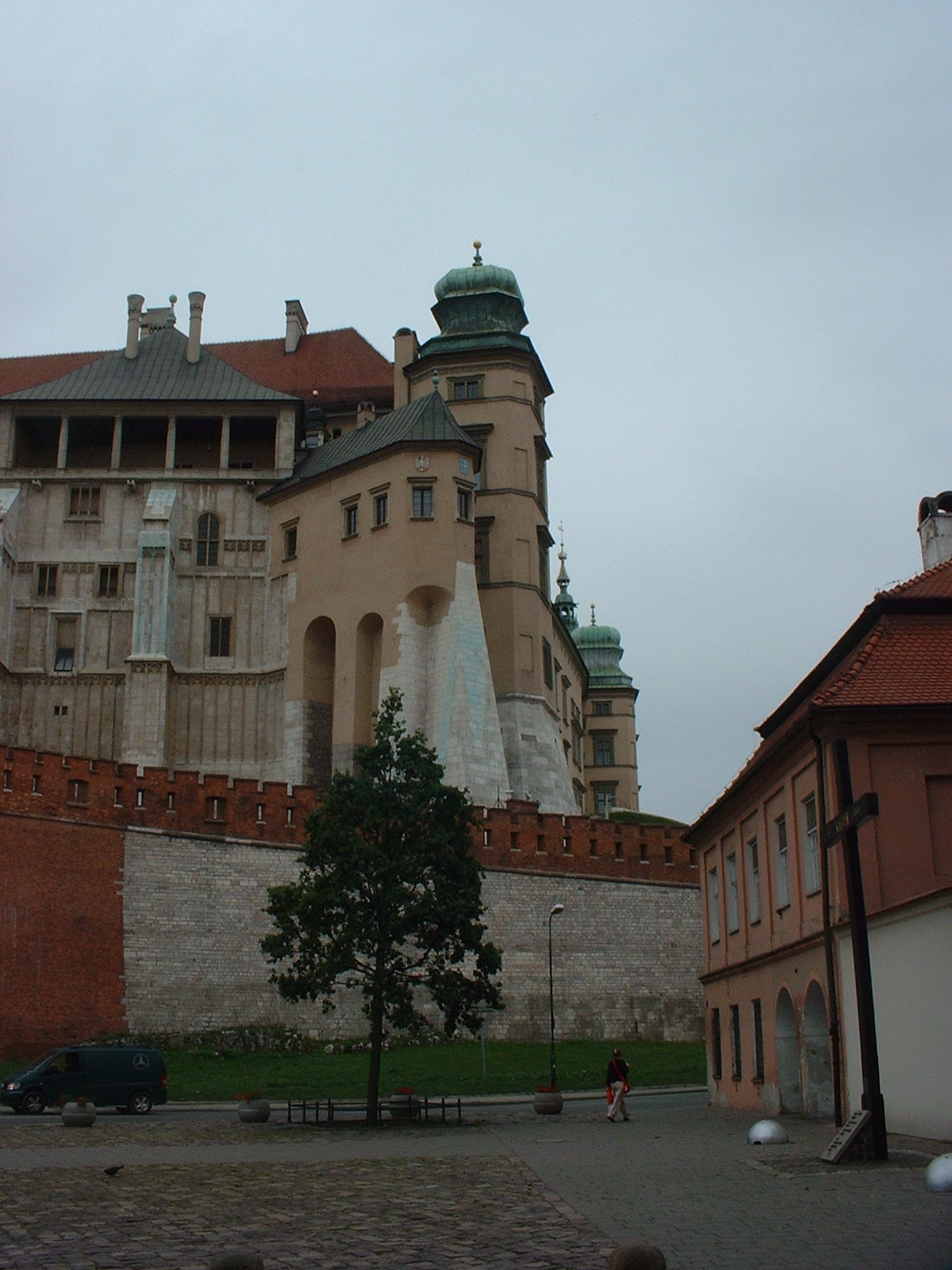
Wawel Castle from Kanonicza

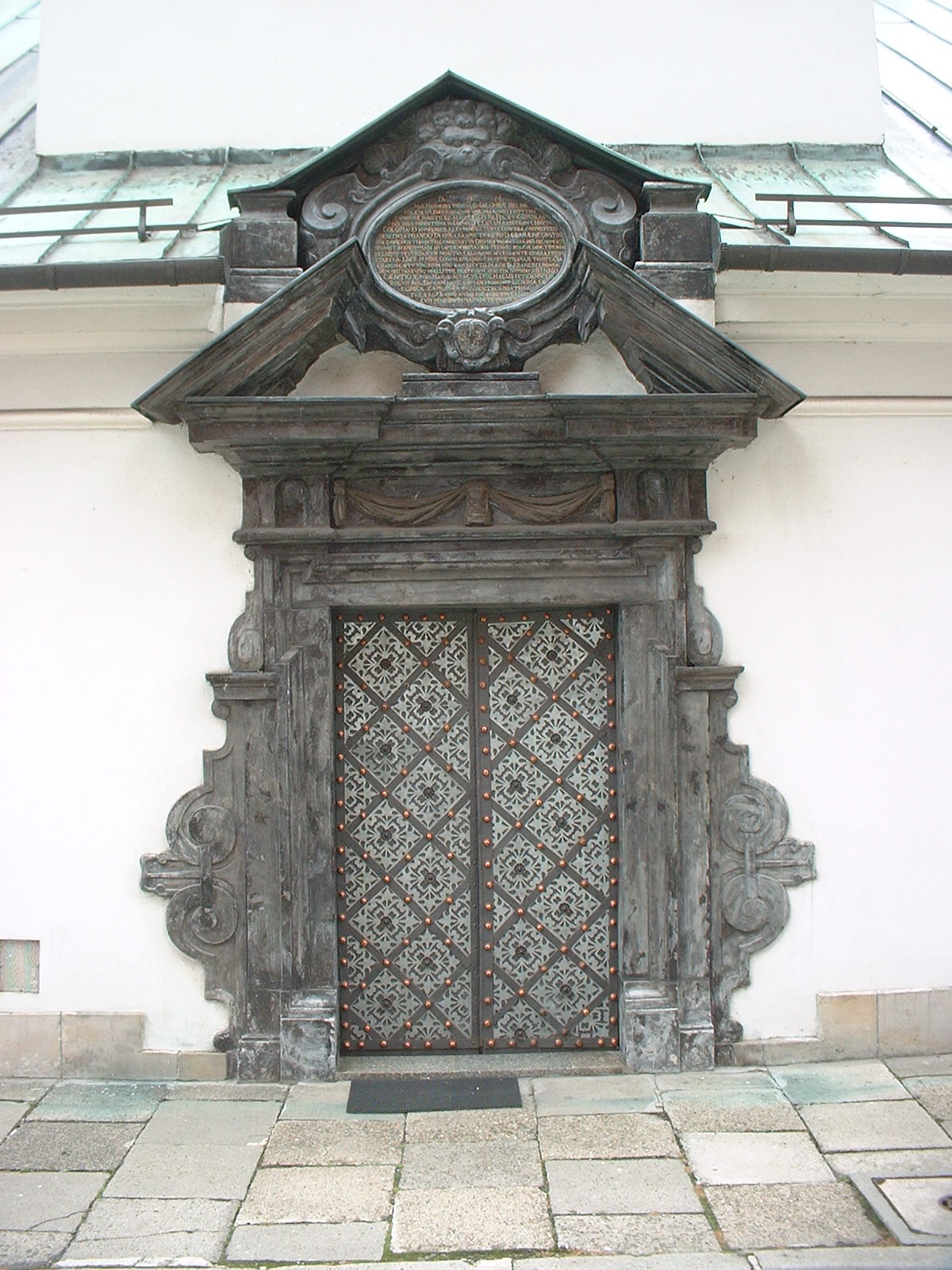
Loved this gate

Aren't the shapes just magical?

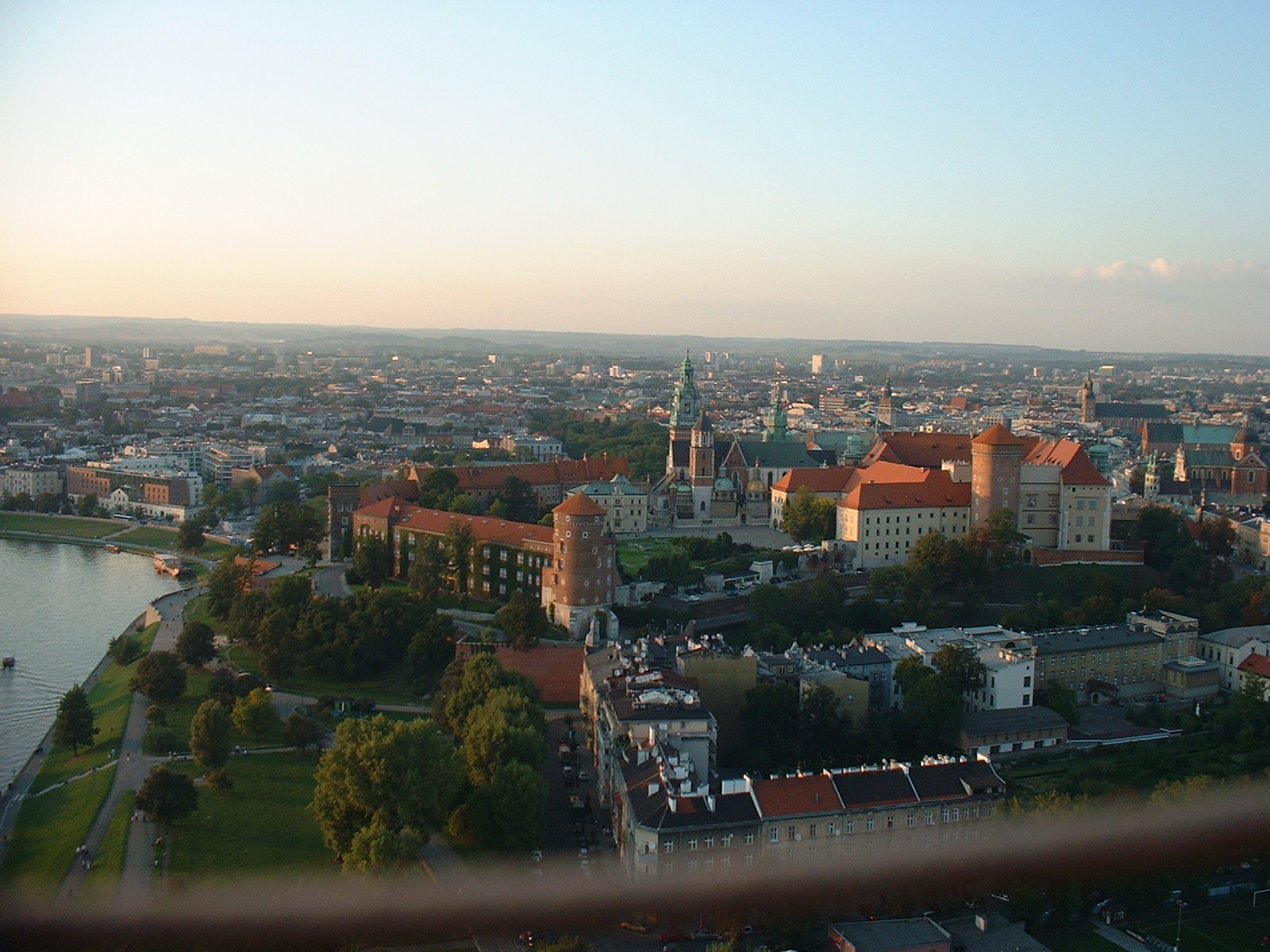
Up, up and away! Balon Widokowy from Wawel Castle gardens

Hope you enjoyed these as much as I did.  Read the Krakow guide and tell me what you think if you have time?  Have a good weekend and don’t forget to play Six word Saturday with Cate at http://www.showmyface.com/2008/01/six-word-saturdays.html  Click on the button below to see more of my Six word Saturdays.

K is for Kraków

I just know I’m going to struggle with this post.  I have so much affection and admiration for Kraków, and so many happy memories that keeping to a readable length may well prove impossible.
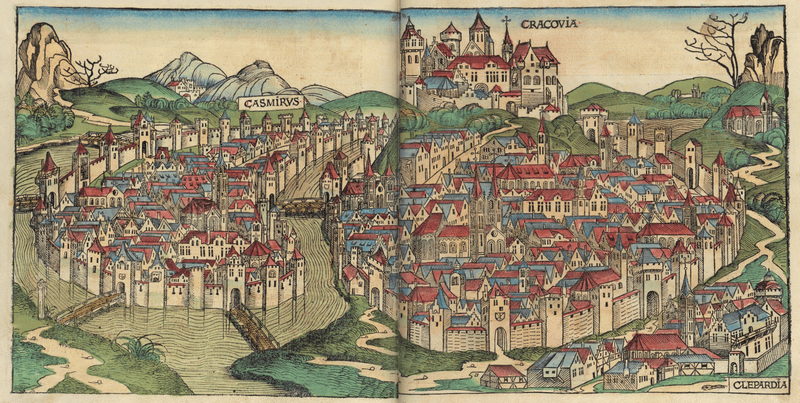
Woodcut of Krakow from the Nuremburg Chronicles,1493- from Wikipedia

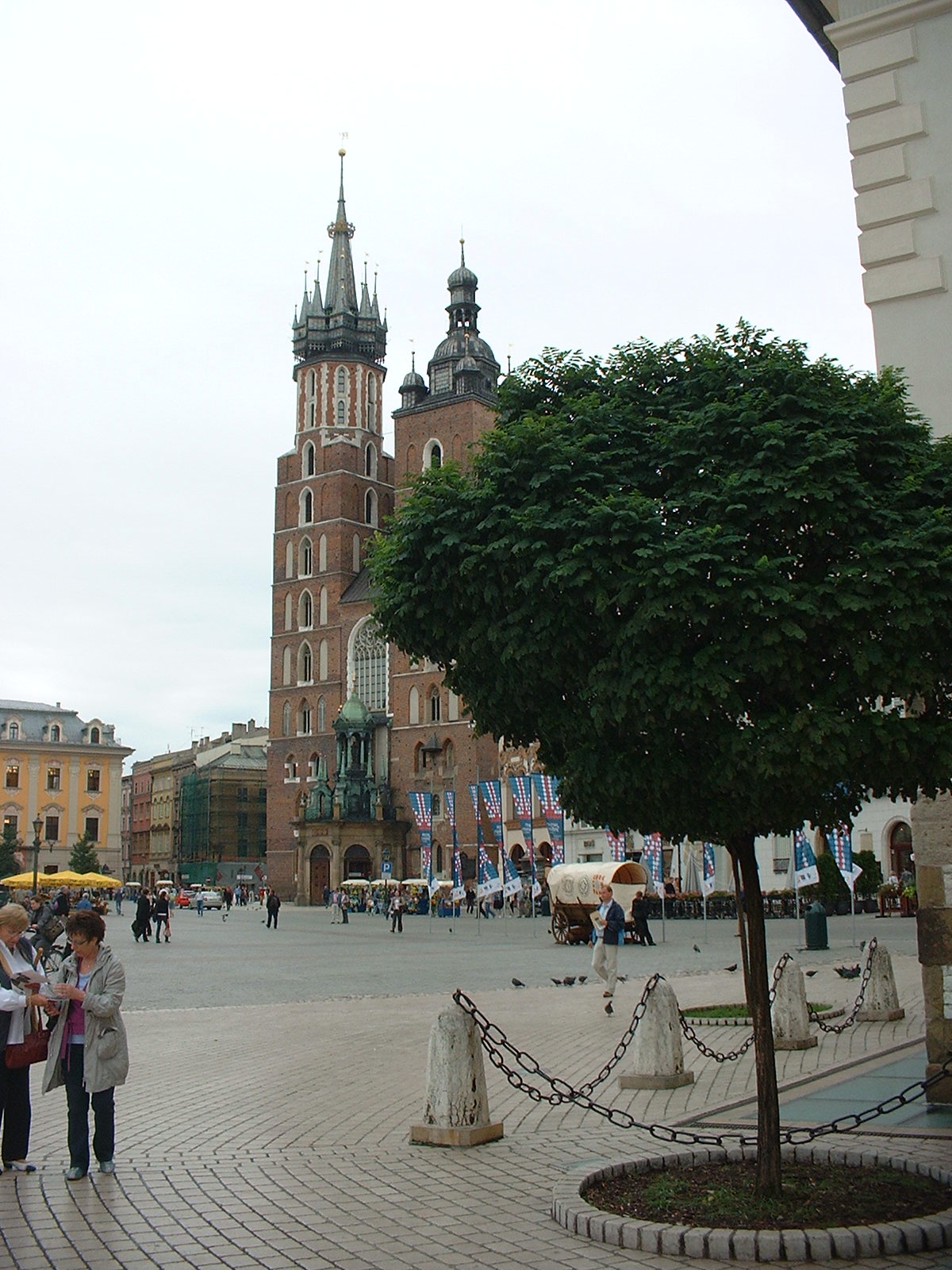
Polish cities have had to be masters of the art of survival.  Nowhere is this better illlustrated than in Kraków, Poland’s ancient capital and seat of its kings for more than 500 years.  I was in love with this city from the first time I walked, arm in arm with my Aunt Anna, into Spring sunshine-filled Rynek Główny, the magnificent market square at the heart of Stare Miasto, the old town.
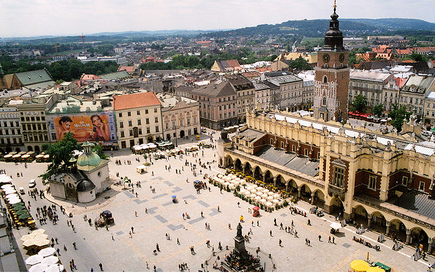
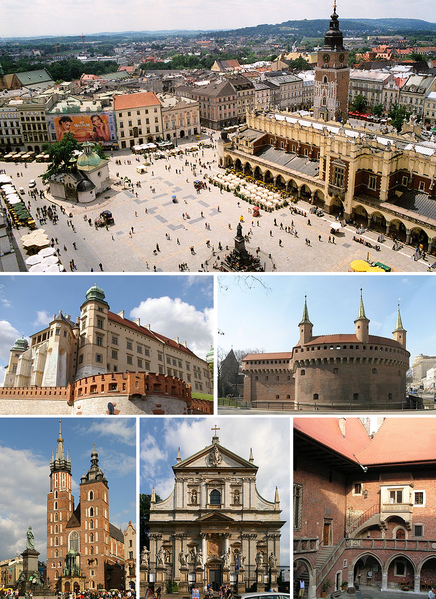
Rynek Glowny- from Wikipedia

I did not know then of the acid rain inflicted on the city by the post war communist regime.  The construction of Nowa Huta, the largest steelworks in Europe, on the city’s outskirts was intended to humble a proud, cultured city by grafting on a new working class.  If anything, it worked to strengthen anti-communist feeling, so that when opportunity presented itself, the steelworkers were quick to join Solidarity and agitate to overthrow their oppressors.

Kraków’s elegant buildings were little damaged by World War 2, since Hitler chose the city as his base of operations in Poland.  Yet a mighty struggle was needed to reverse the damage to the city and its inhabitants by the toxic chemicals from Nowa Huta.

None of this is apparent in today’s Kraków.  As I gazed in awe at the opulence and vast space of Rynek Główny, crowned by the Cloth Hall, Sukiennice, I was aware only of the gentle pressure of Anna’s arm.  I’m trying to discount the presence of the cameras that followed us- Dad’s story had attracted media attention back home.  https://restlessjo.wordpress.com/2011/10/24/exploring-the-polish-connection/ Flower stalls, candles and corn plaits filled the square with vibrant colour.  It was almost Easter and traditional circular bread rings were on sale.  My cousin Adam is a baker and it proved essential to sample these.
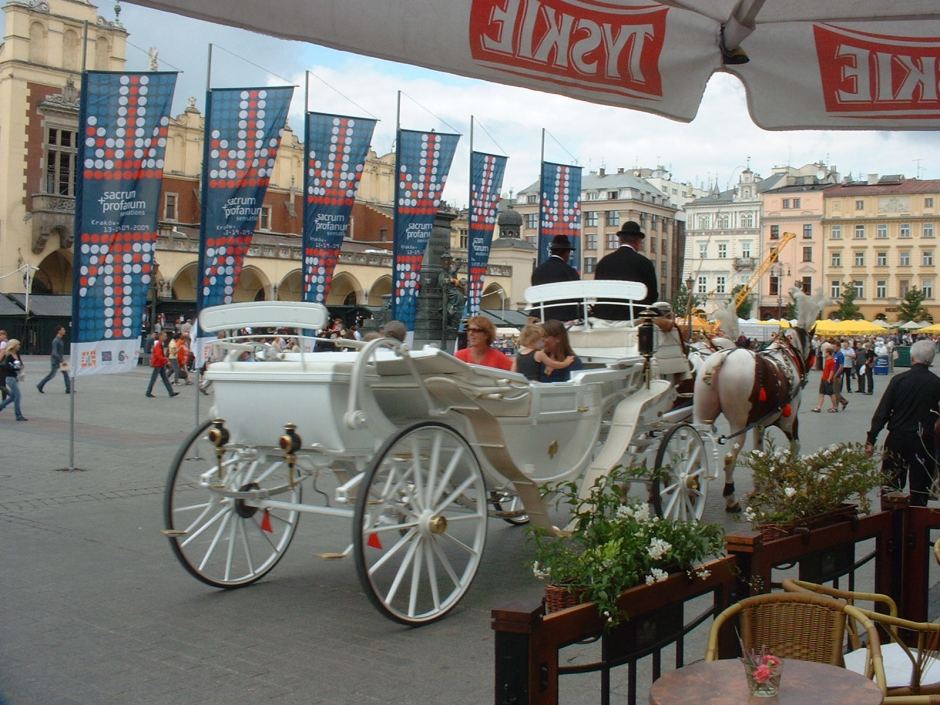
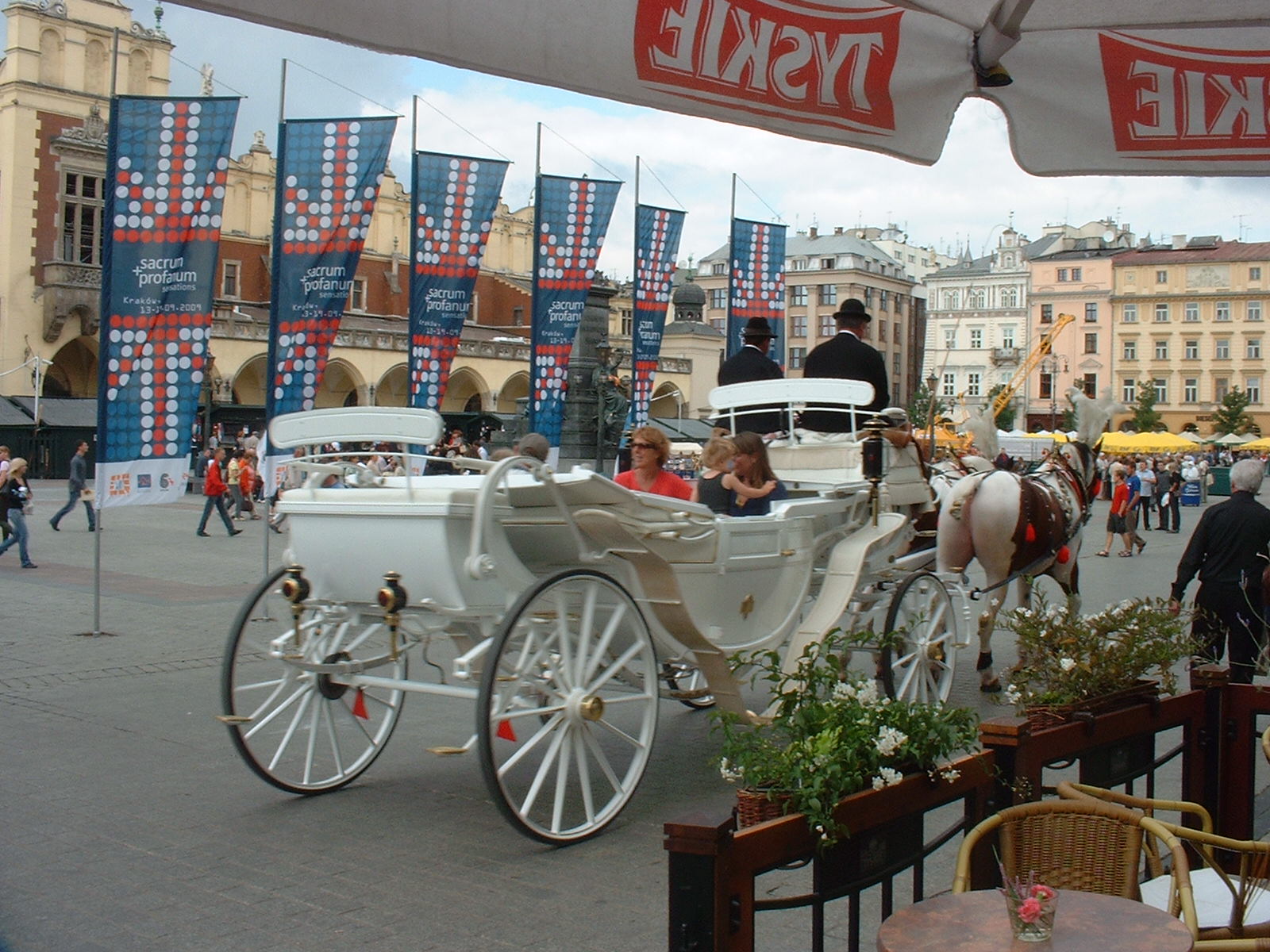
That day we didn’t linger, but I’ve returned many times since to Europe’s largest medieval market square.  I find it magical, with the gentle clop of horses’ hooves as the costumed drivers steer their carriages through strolling tourists.  Always, as the hour chimes, a cluster of people gaze skywards at the tallest tower of the Mariacki Church, St. Mary’s.  Legend has it that during a Tartar raid on the city in 1241, the watchman tried to sound the alarm from this tower.  He was cut short from his trumpeting by an arrow through the throat.  An hourly tribute to this moment ends mid phrase, then the trumpeter waves cheerily to the crowd, and lives to repeat his performance.
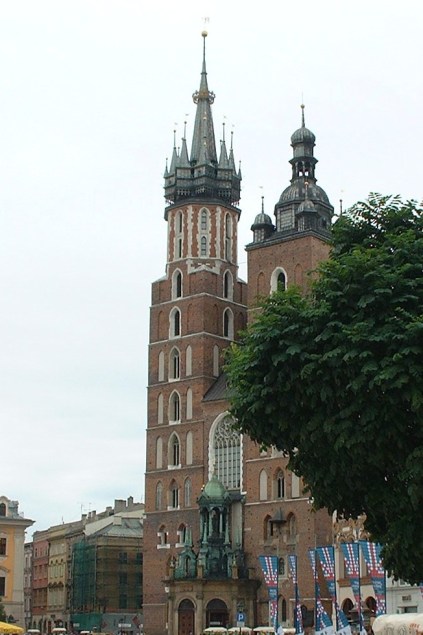
An altogether different performance takes place inside the Mariacki Church at noon each day. (Sundays and saints’ days excluded)   I found the cobalt blue ceiling with its panorama of stars and local artist Jan Matejko’s painted friezes truly beautiful, but it’s the opening of the high altar that draws the crowds.  Carved by Nuremberg craftsman Veit Stoss, from 1477 to 1489, it’s one of the finest examples of Gothic art in Europe.  The outer of the gilded limewood polyptych illustrates the life of the Holy Family.  With great pomp and ceremony the outer panels are drawn back to reveal six superbly colourful scenes from Christ’s life, while “sleeping” Mary is watched over by the Apostles.
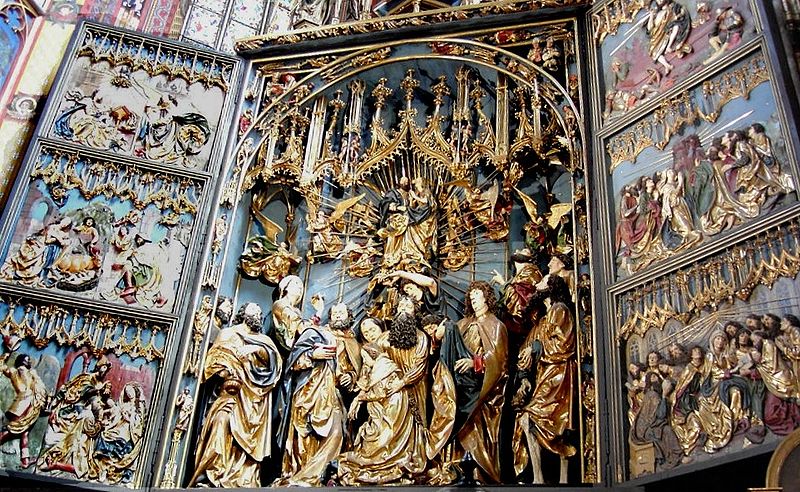
Veit Stoss altar- from Wikipedia

You need to purchase a ticket to witness the opening.  A small ticket office in the adjacent square Pl. Mariacki opens shortly before each unveiling.

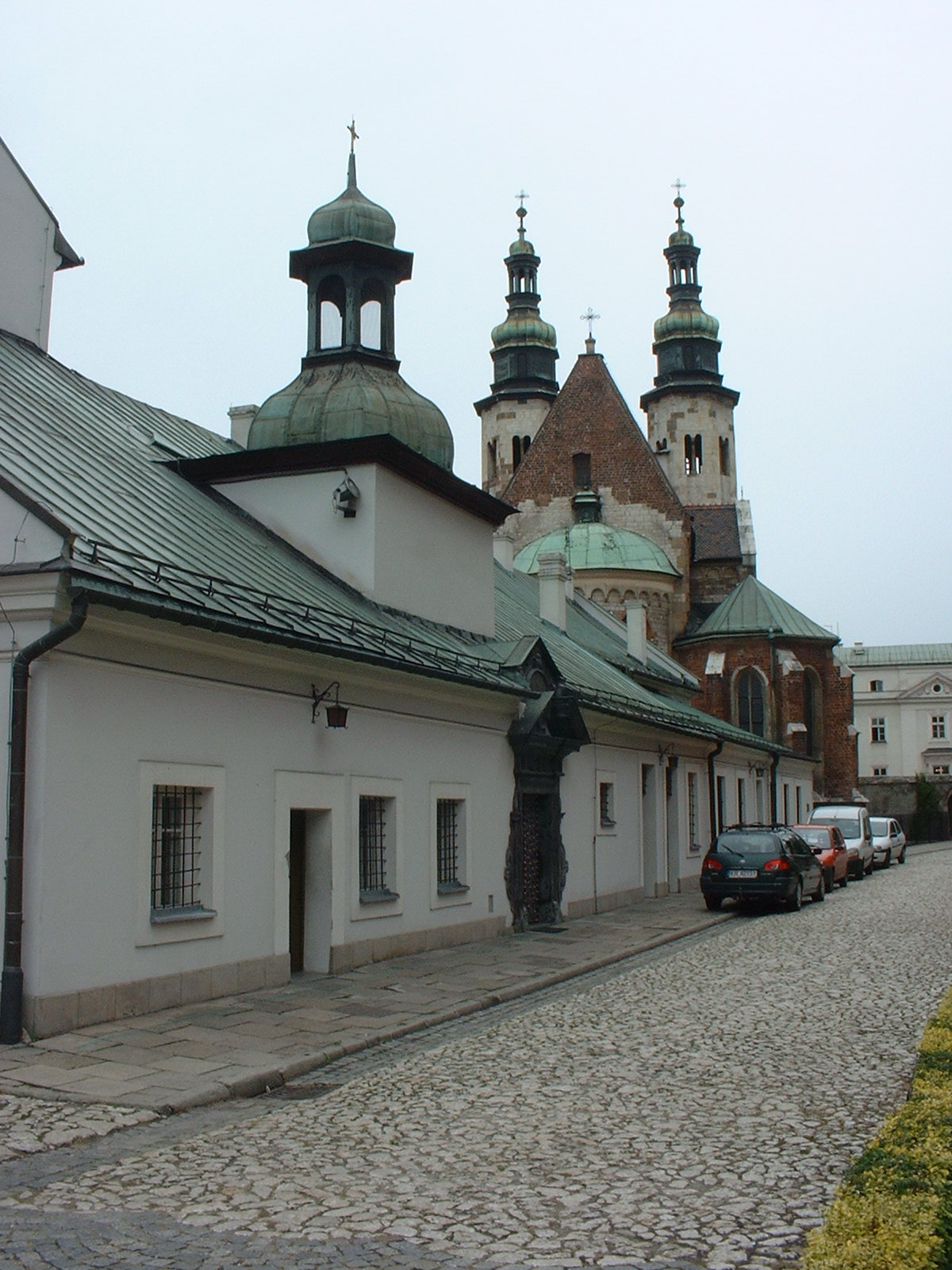
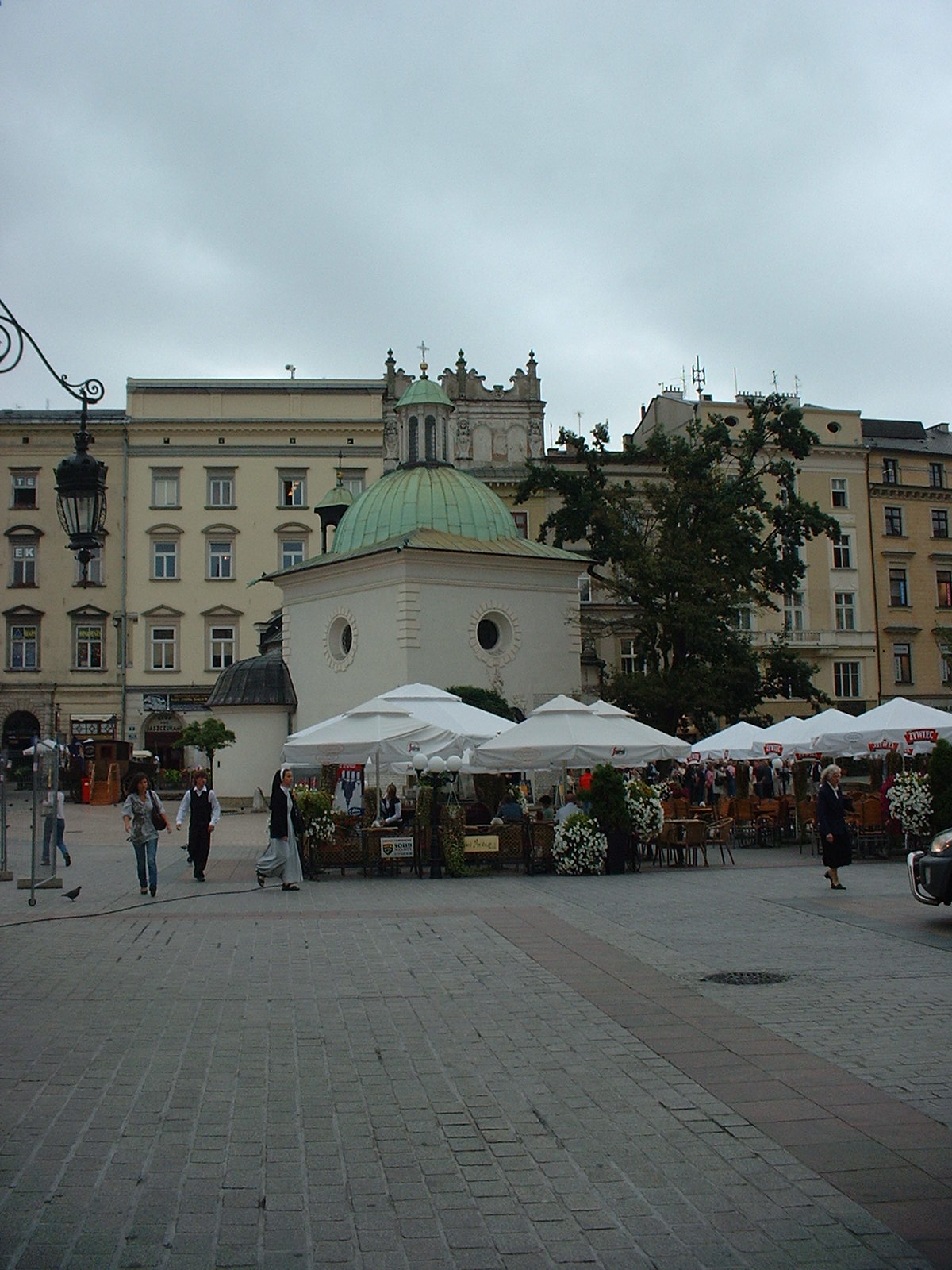
Back in Rynek Główny, the contrast with tiny St Adalberts, the oldest building in the square and the first church to be founded in Kraków, couldn’t be greater.  It’s serenely peaceful inside, and in the basement the original 10th century foundations are still visible.
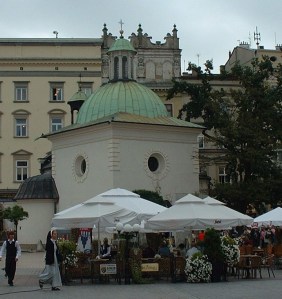
St Adalbert's Church

The flamboyance of medieval Sukiennice constantly draws the eye.  It has to be the prettiest indoor market I have ever seen.  Inside the stalls are laden with amber and sparkly things, craftwork and woollens.  Heraldic shields sit high on the whitewashed walls, a reminder that the richest of cloth merchants once worked here.  In the cafes, under the arcades, writers and artists once met.  Now tourists are catered for, with inflated prices.  I prefer to sit at the edge of the square, looking in on an ever changing scene.

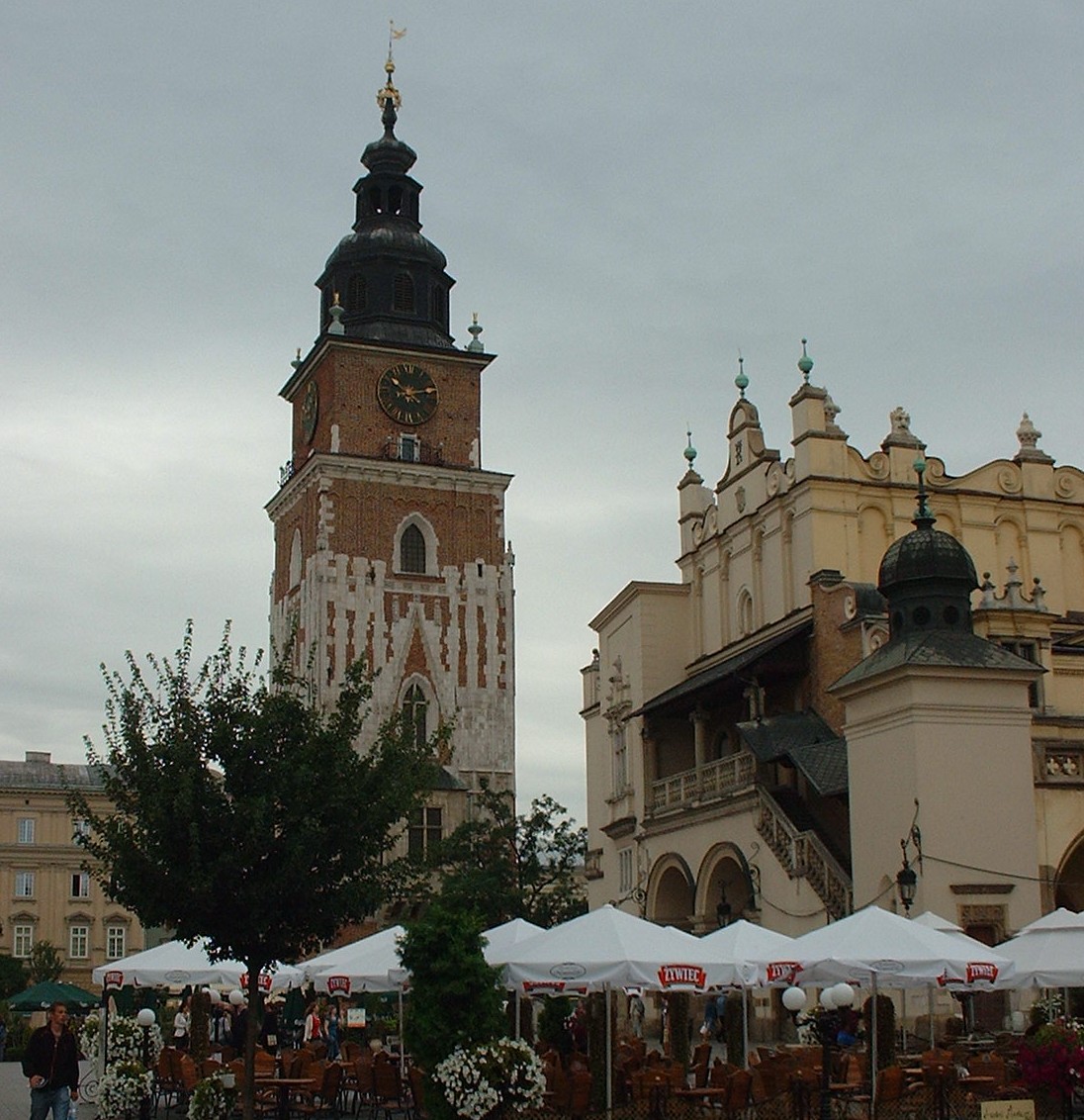
A bird’s eye view of the square can be obtained from the Ratusz, the lofty tower all that remains of a 14th century Town Hall.  It now houses a Tourist Information office, with useful maps detailing the many restaurants and places of interest.
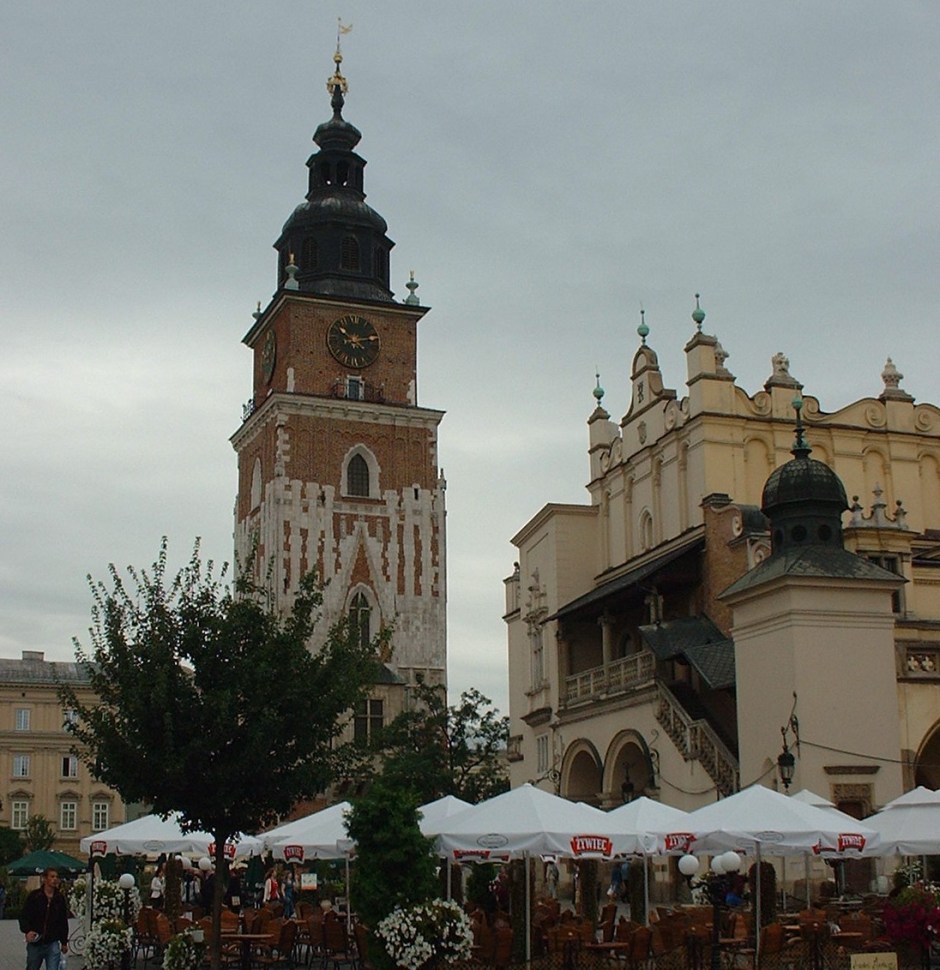
Ratusz and Sukiennice

Twice I have eaten cake at no 15, Hotel Wierzrynek, Kraków’s oldest and most famous restaurant.  Charles de Gaulle, Steven Spielberg, Yehudi Menuhin- and me!  The grandest restaurant I’ve been in, other than London’s Ritz. www.wierzrynek.pl

Much simpler, but quite delicious, I found Chimera, at 3 Sw. Anny, just off the Rynek.  A pretty enclosed courtyard, offers buffet style with lots of choice, or you can eat in the classier basement restaurant if you can afford more than student prices. www.chimera.com.pl

Just around the corner lies Collegium Maius, part of the Jagellonian University, where Copernicus allegedly studied in the 16th century.  It surrounds an imposing courtyard.  Guided tours can be booked from a ticket office as lovely as any I have ever seen.
Collegium Maius
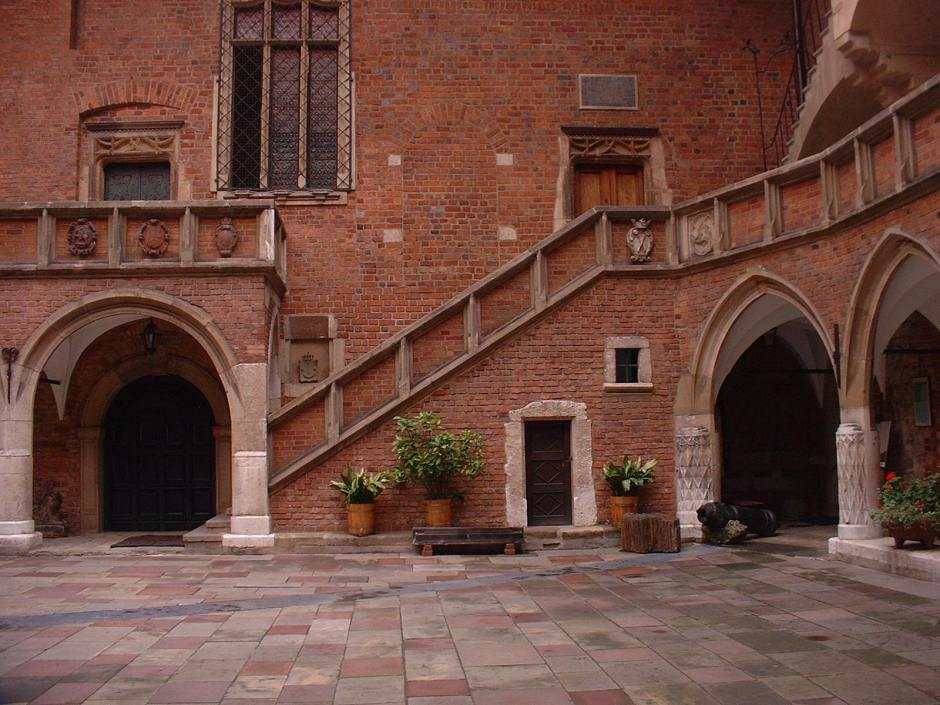
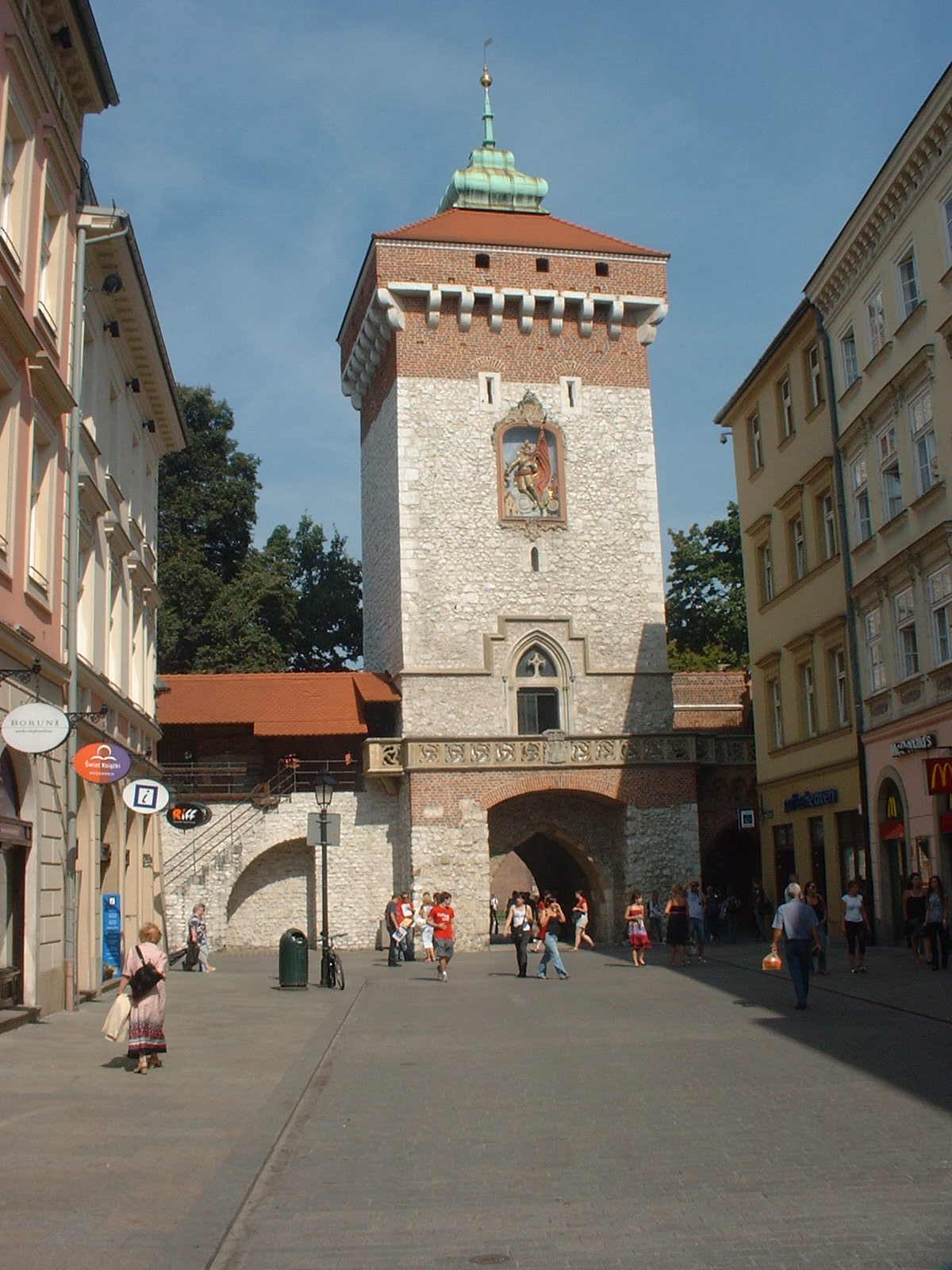
Florianska is one of my favourite streets.  Leading north from the Rynek, the architecture is powerful, old and new mingling with surprising ease.  High fashion hides behind grand old facades and at Jama Michalika, no 45, afternoon folklore shows take place in a cavernous interior.  Florianska Gate, at the end of the street, marks the edge of Stare Miasto.  Artists’ impressions hang on the old defensive walls of the city.  Once there were 3 kilometres of wall, 10 metres high and almost 3 thick, with 47 bastions.  Only Barbakan remains, a lonely giant.  The old town is surrounded by the green and leafy Planty, which follows the course of the old ramparts.
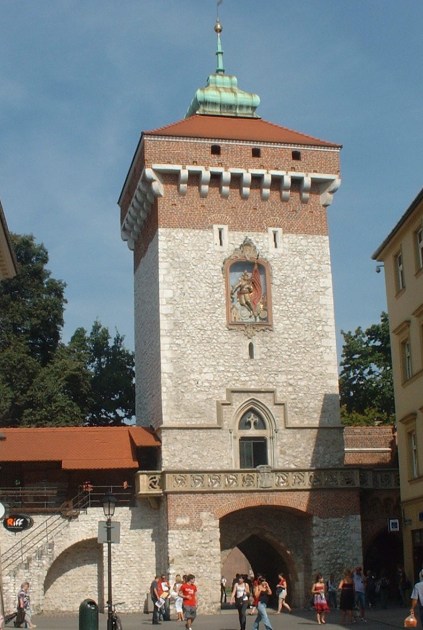
Florianska Gate

Heading south from the Rynek, Grodzka follows the traditional route of the Polish monarchs to the glory that is Wawel Hill.  Part of the old trade route to Hungary, it passes by the Dominican and Franciscan churches, and the mighty Basilica of SS. Peter and Paul.  Beckoning in the distance, the spires of Wawel Castle and Cathedral.
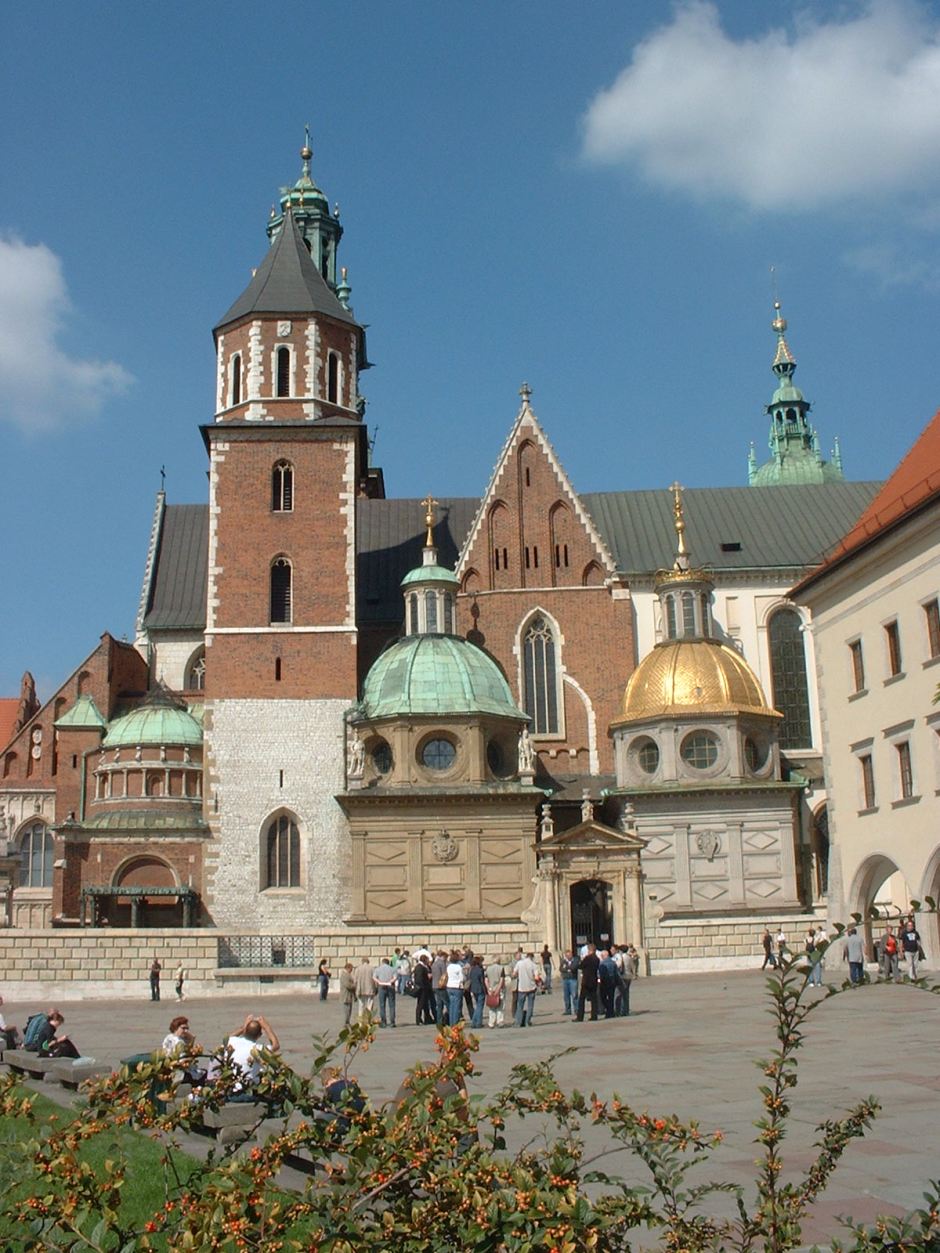
Wawel Cathedral

Wawel is the spiritual and patriotic heart of Poland.  Even after the capital was moved to Warsaw, Polish monarchs continued to be buried in Wawel Cathedral, along with many of the nation’s heroes and writers.  You will find as many Poles as foreigners looking around this awesome sight, justifiably proud of their heritage.  Pope John Paul 2nd, who gave his first mass as a priest there and became a much loved Archbishop of Kraków, described the cathedral as “the sanctuary of the nation”.  The first cathedral was built here around 1020, and fragments of the original can still be seen.  I never saw so many beautiful shrines in one space.  The largely Gothic Cathedral is as lovely outside as within.  It’s a bit of a scramble up Sigismund Tower to view the mighty bell “Zygmunt” and its four medieval companions, but the views are fine.
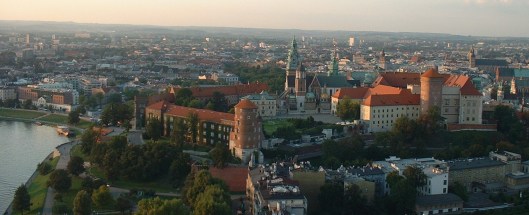
The magical view from Balon Widokowy at sunset

Wawel Castle spins a fairy tale if ever there was one.  One of my best memories is of viewing it from the sky in “Balon Widokowy”- a tethered hot air balloon on the banks of the River Wisła (Vistula).  The Castle was the royal residence until 1609.  The internal courtyard is immense.  Surrounded by 3 tiered arcades, it has the feel of an Italian palazzo.  The Royal Chambers are furnished in Renaissance style and contain 136 well-travelled Flemish tapestries from the 16th century.  At the outbreak of World War 2 many of the castle treasures were spirited abroad.  Just as well because occupation by Governor Hans Frank and his Nazi henchmen followed.  The tapestries were only partially recovered, many of them returning from Canada in 1968.

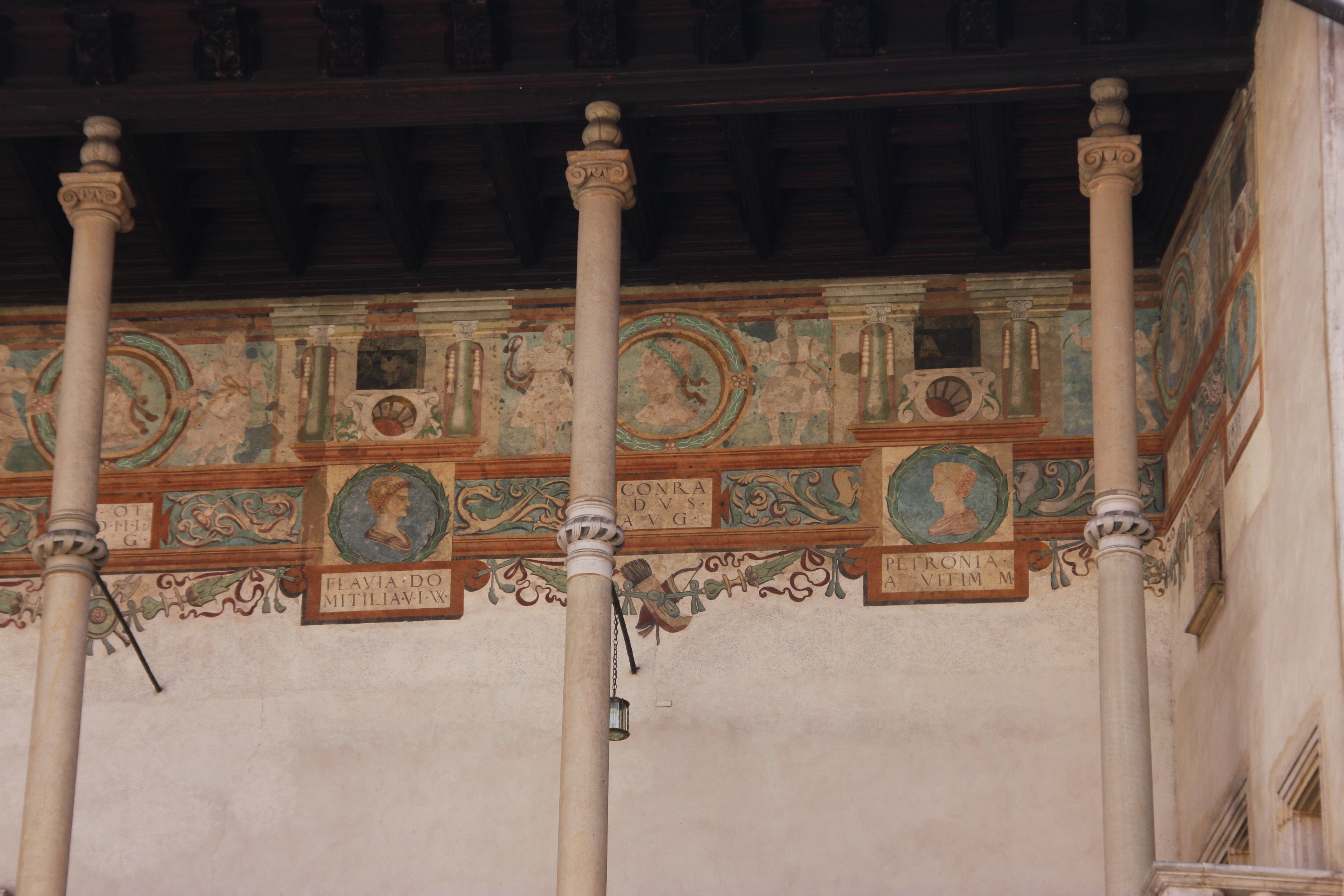
The castle courtyard. Below, frescoe detail

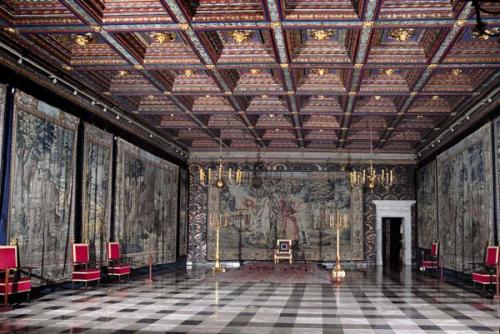
Tapestries on display in the Royal Chambers

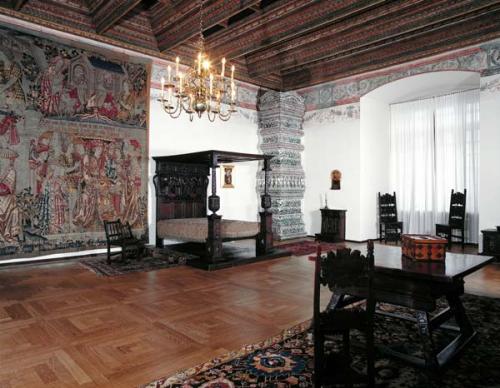
Guest bedroom with the oldest of the tapestries and 18th century ceramic heater

Admission to the Royal Chambers is free on Sundays.  Separate tickets are needed for Castle and Cathedral and I could fully recommend the Castle tour.  Details on www.wawel.krakow.pl

Oh dear!  I’ve only just scratched the surface and I haven’t even mentioned Kazimierz, the charismatic Jewish Quarter.  Or the szopki, nativity scenes very special to Kraków.  Or Wieliczka– salt mines such as you’ve never seen, with salt crystal chandeliers.  Or the views from Kosciuszko Mound (don’t go on a hazy day, as I did!)  Or, more seriously, Auschwitz.

Just as well I can put these into other A-Z posts!  Meantime, for all the things I haven’t told you www.krakow.pl is an excellent site, with English version available.  Transport, what to see, events- it’s all there.

Kraków is an emotionally charged city for me and I hate it when I see it dismissed as “a venue for stag nights and hen parties”.  Having survived so much, I’m sure it can overcome this image.  Do go and see for yourself.

I’ll close with some Easter symbols: eggs, the candles bought for me in the Rynek by Aunt Anna and an Easter blessing.


Few things stranger than life, and just after posting this I got a “shout” from Mark of Travels of a Non Traveller, who was in Krakow.  He has some great tips on free walking tours so just follow his link.

W is for Warsaw

I do worry that maybe I’m being a bit too personal with my A-Z of Poland so I’m nipping right down to the foot of the alphabet to tell you about Warsaw, a place I don’t have an emotional connection to.  Some of you may know it much better than I do.  I was only there for one day, but what I saw was truly inspirational, and I wouldn’t hesitate to go back.

Not that I was sure of this when I emerged from Warsawa Centralna railway station into a honking, braking cacophony of traffic.  I looked across at the unmissable 231 towering metres of the Palace of Culture and Science, took a deep breath and plunged.  Once over on the green island that surrounds the museum, things didn’t seem so bad, but that impression wasn’t to last.

Museum of Culture and Science

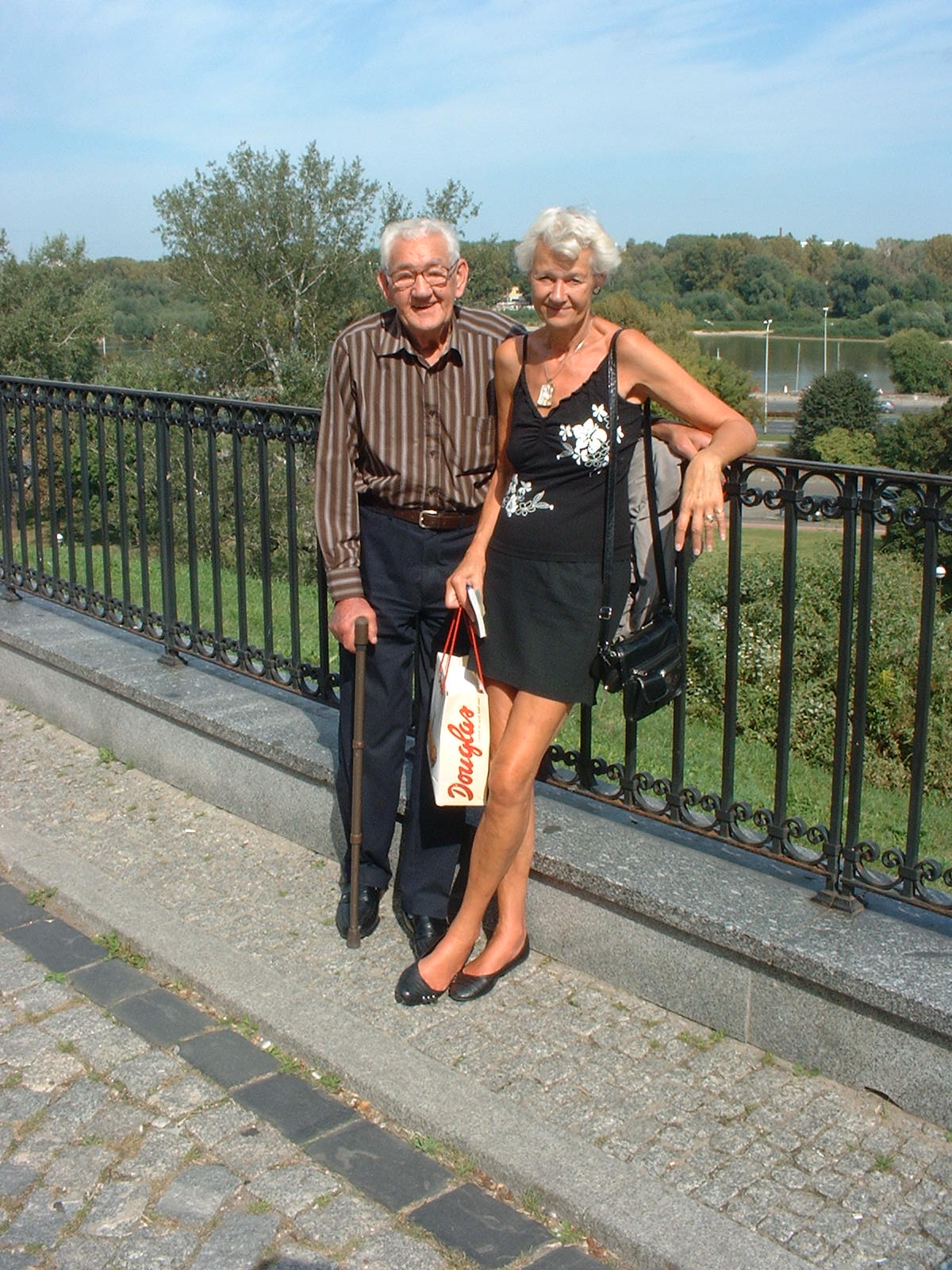
Time was short and my priority was to see Stare Miasto, the old town, more than 80 percent of which had been deliberately razed to the ground during World War 2.  Some of the family were already inside the museum, cameras clicking.  The rooftop panorama from the 30th floor viewing deck appealed, but it was hot and busy so I decided to reconnoitre the surrounding area, looking for a bus stop which would take us to the Old Town.  Mistake!  With hindsight it would have been faster to walk, but that was never an option as Dad was with us, and he’s not so good on his legs.  He’d been determined to accompany us, despite knowing that it would be a tiring day.  Rightly enough, as he’d never seen his Polish capital in all his 80+ years.

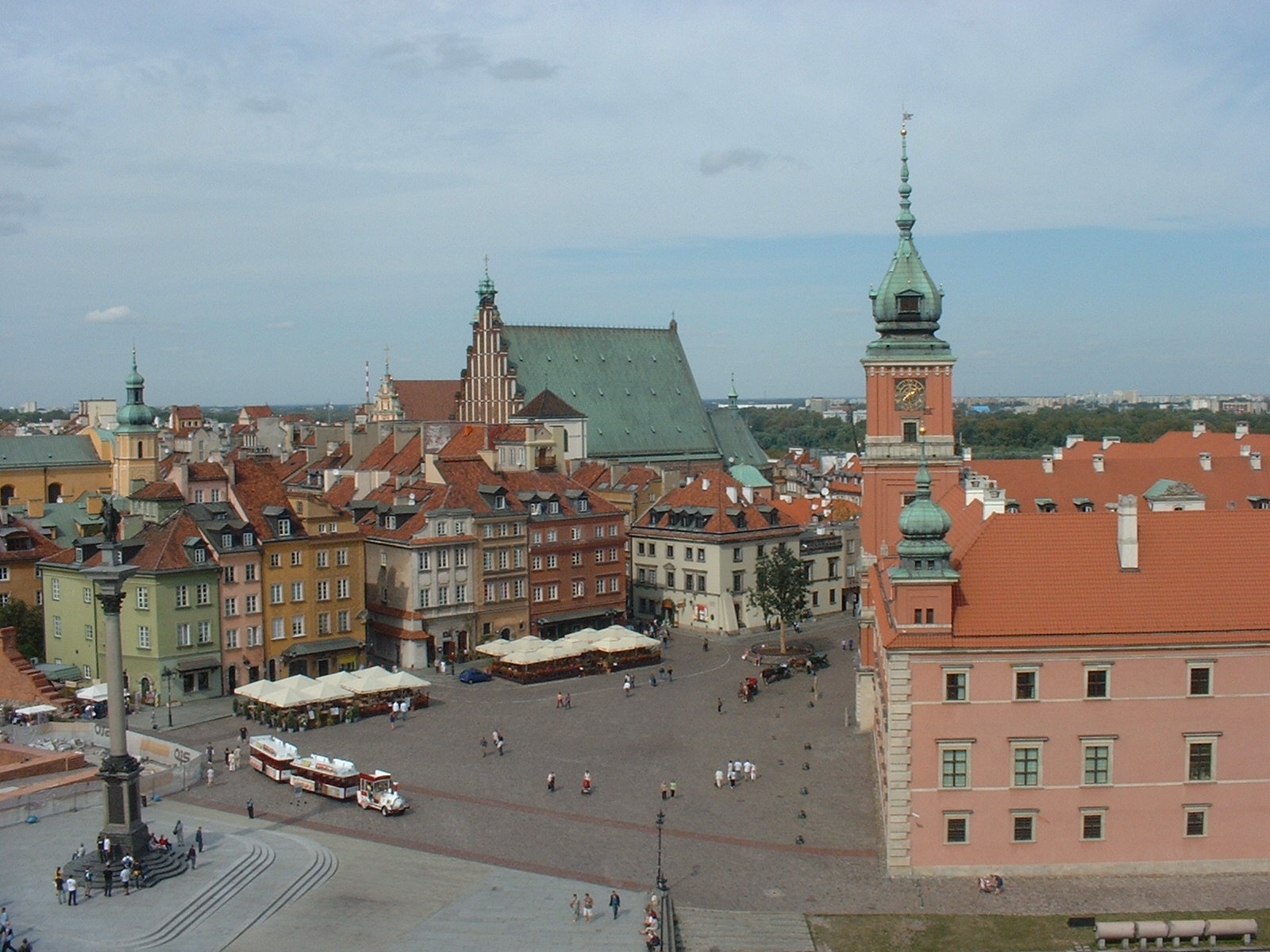
Let’s just say that we hopped into taxis, but not before I had seen a little too much of modern Warsaw and taken plenty of wrong turnings.  Never mind, it all faded away as I gazed in awe at Plac Zamkowy, Castle Square, with its serene Royal Palace, barely believing that this was all reconstruction.  I said that I don’t have an emotional connection to this city but it would be impossible not to be moved by what transpired here.  Following almost total annihilation, in 30 years, working from paintings and old photographs, the Old Town was painstakingly resurrected in all its glorious colour.

Plac Zamkowy from St Anne’s Church roof

It was a grand setting in which to sit and admire this seat of Polish kings from 17th century onwards.  It opens for guided tours Tuesday till Sunday (free on Sundays).  http://www.warsawguide.com/royal_castle.html  Cafes and restaurants line this majestic space, not cheap by Polish standards, but you don’t have to pay for the view if you don’t want to.  You can grab an icecream and hitch up on a wall or the stone seating if you can find a space.  Dad, as so often, charmed his way in.

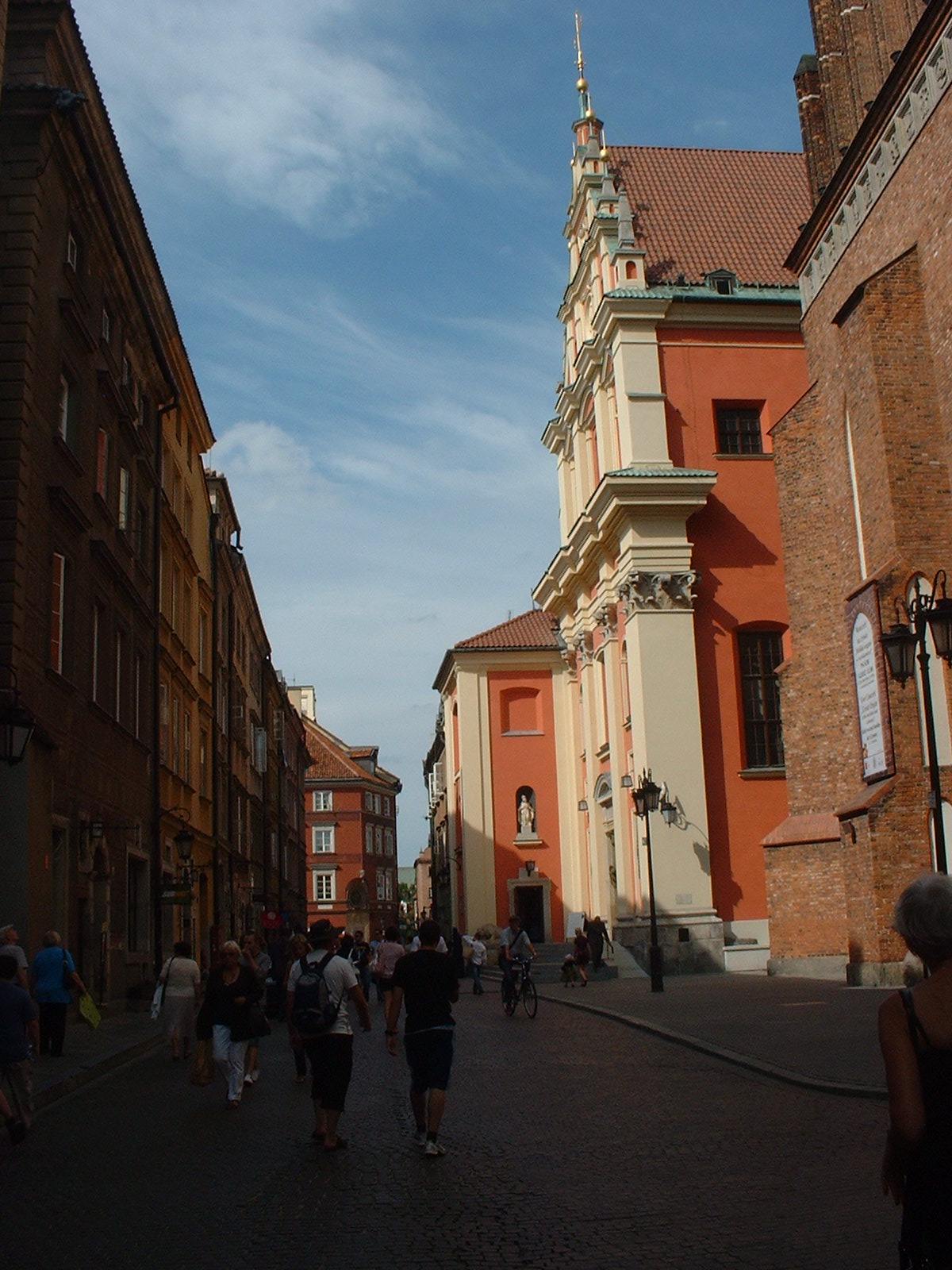
I had picked up a map at the Tourist Information office in the square and it seemed a good idea to get our bearings on board the mini tourist train.  The commentary was in Polish but it didn’t matter as it was difficult to hear whilst rattling over the cobbles.  The map was useful, especially when it came to strolling out of Plac Zamkovy, past St John’s Cathedral.  It was occupied by German tanks during the war and so badly damaged that only the Gothic exterior is original.  Kanonia, behind, has views of the endless River Vistula.

St John’s Cathedral

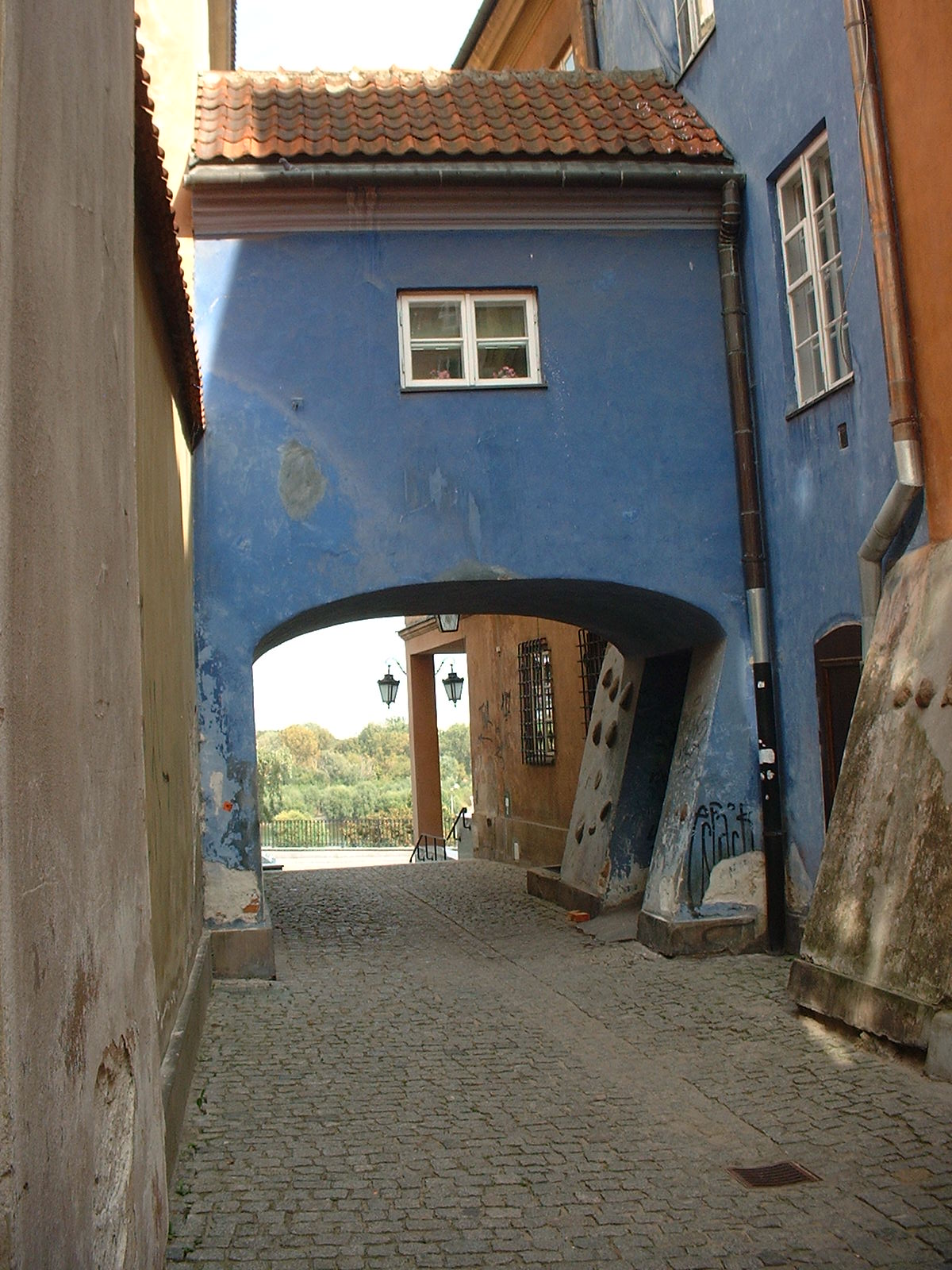
Kanonia

By the River Wisła (Vistula)

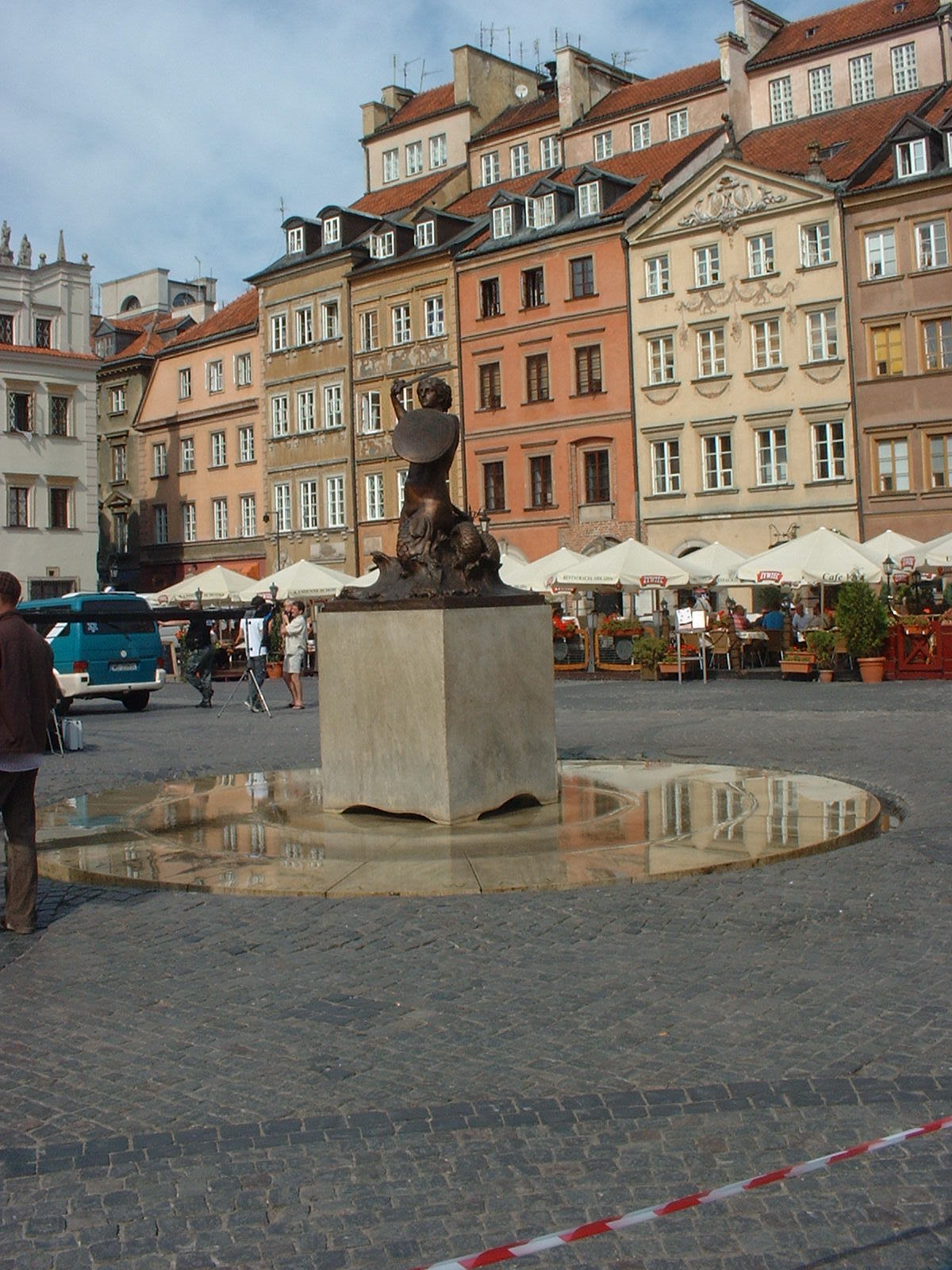
I was beguiled by Rynek Starego Miasta, Old Market Square, smaller and bustling, with Syrena, the mermaid statue, at its heart.  The buildings are beautifully patterned.  No.42, the Historical Museum of Warsaw, is where you can follow the entire story of the city’s heroic rebirth.  In Summer artists stalls and florists thrive in the space.  A circuit of the charismatic narrow streets will bring you to Ulica Podwale, where a bronze statue of a small boy in a gigantic helmet symbolises the children who fought alongside their parents in the Warsaw Ghetto.

Syrena, the mermaid, in Rynek Starego Miasta

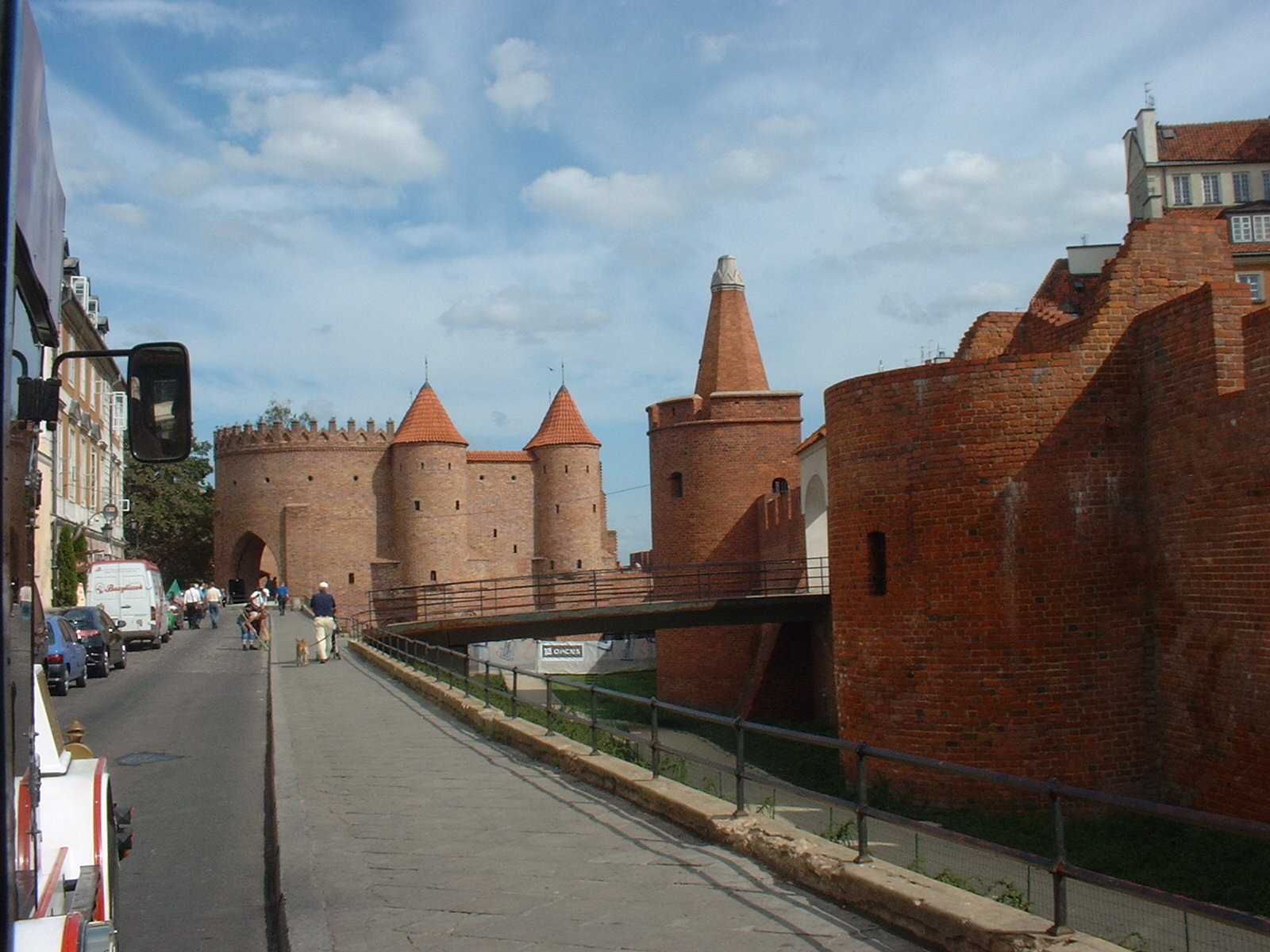
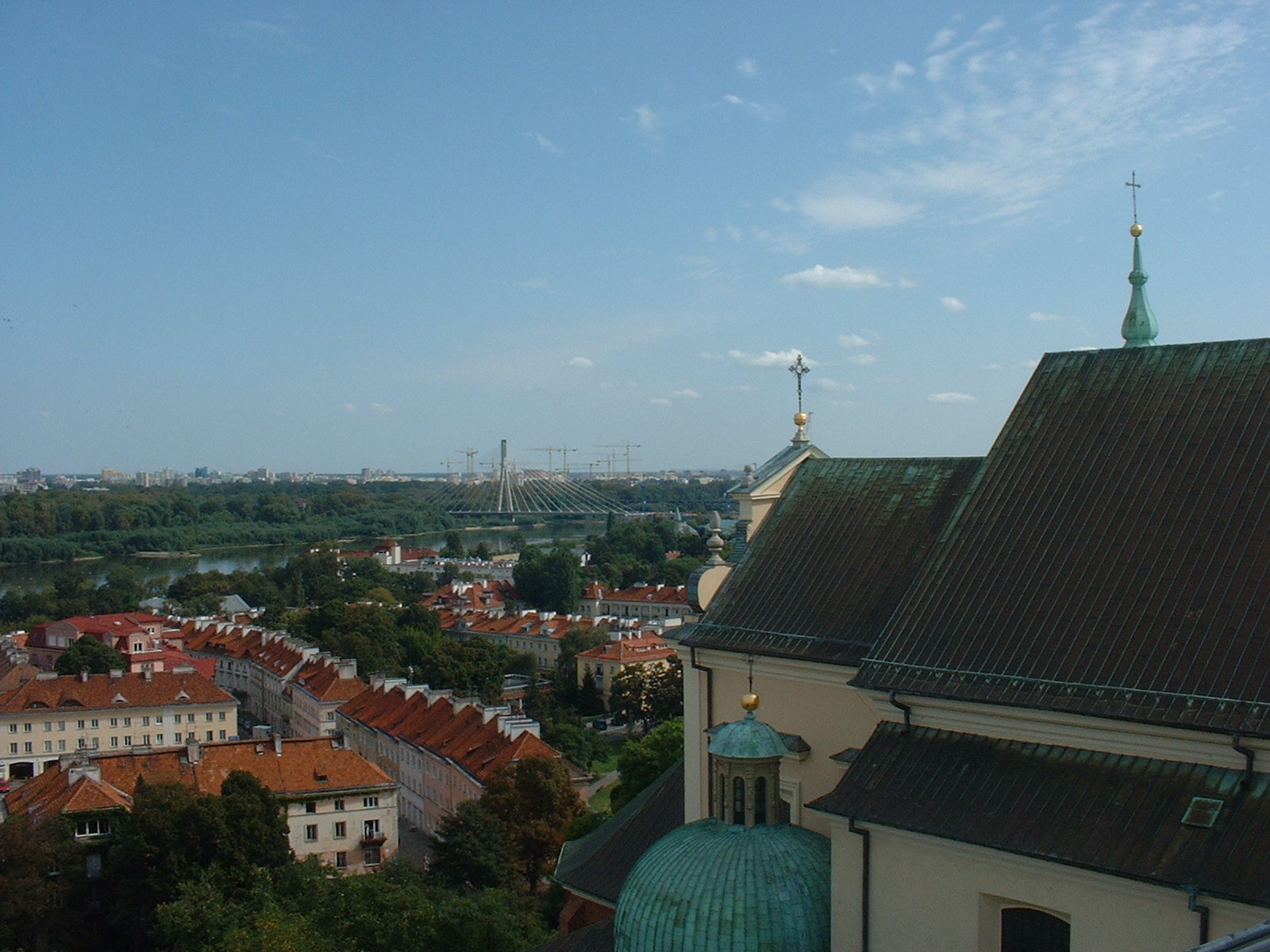
The defensive walls of the Barbican lead back to Plac Zamkovy.  A final treat before leaving the square is to climb to the observation tower in St Anne’s Church, which amazingly withstood the surrounding devastation.  The views out across the Old Town and the river provide wonderful photographic opportunities.

The Barbican

River view from St Anne’s roof

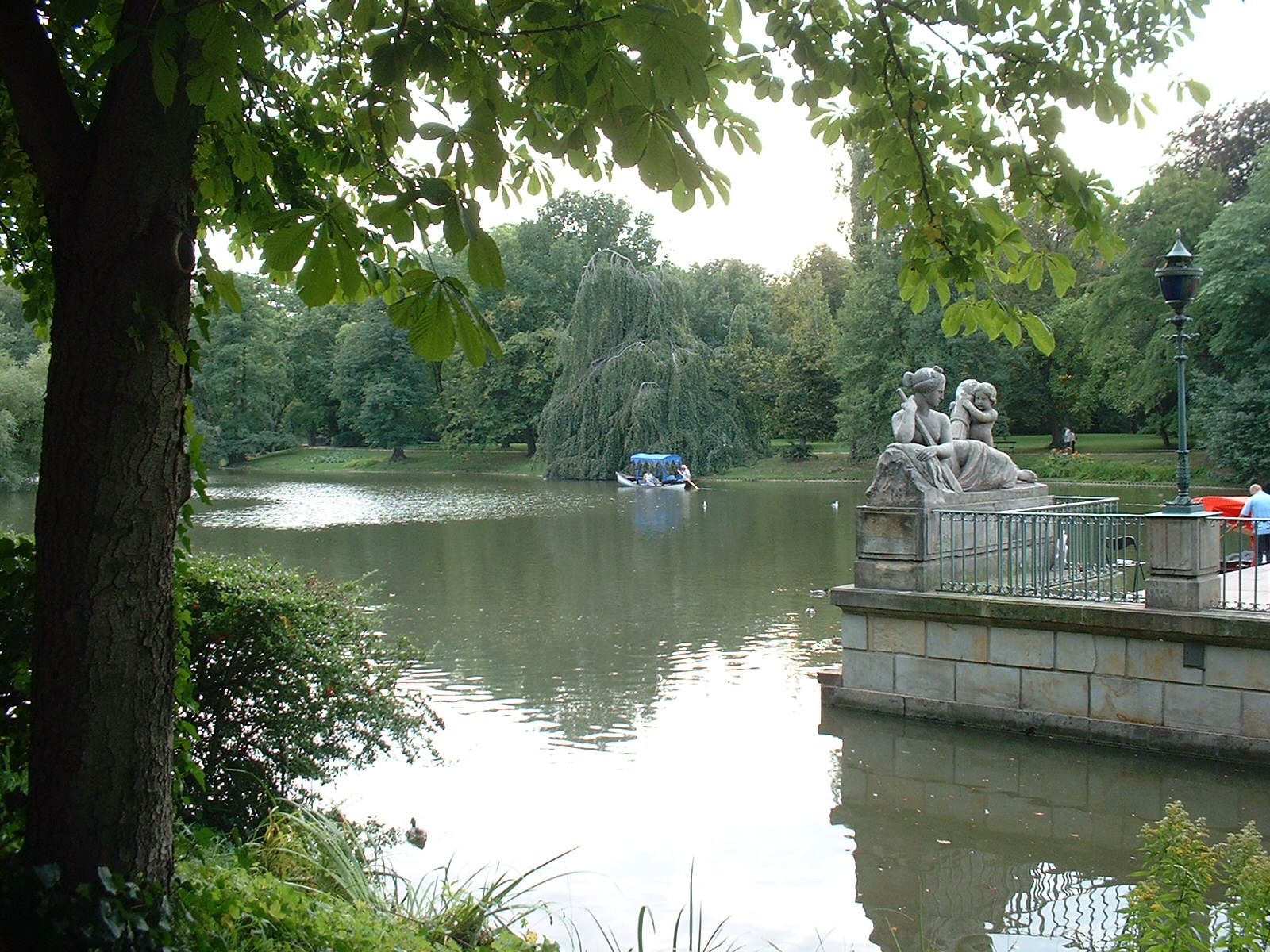
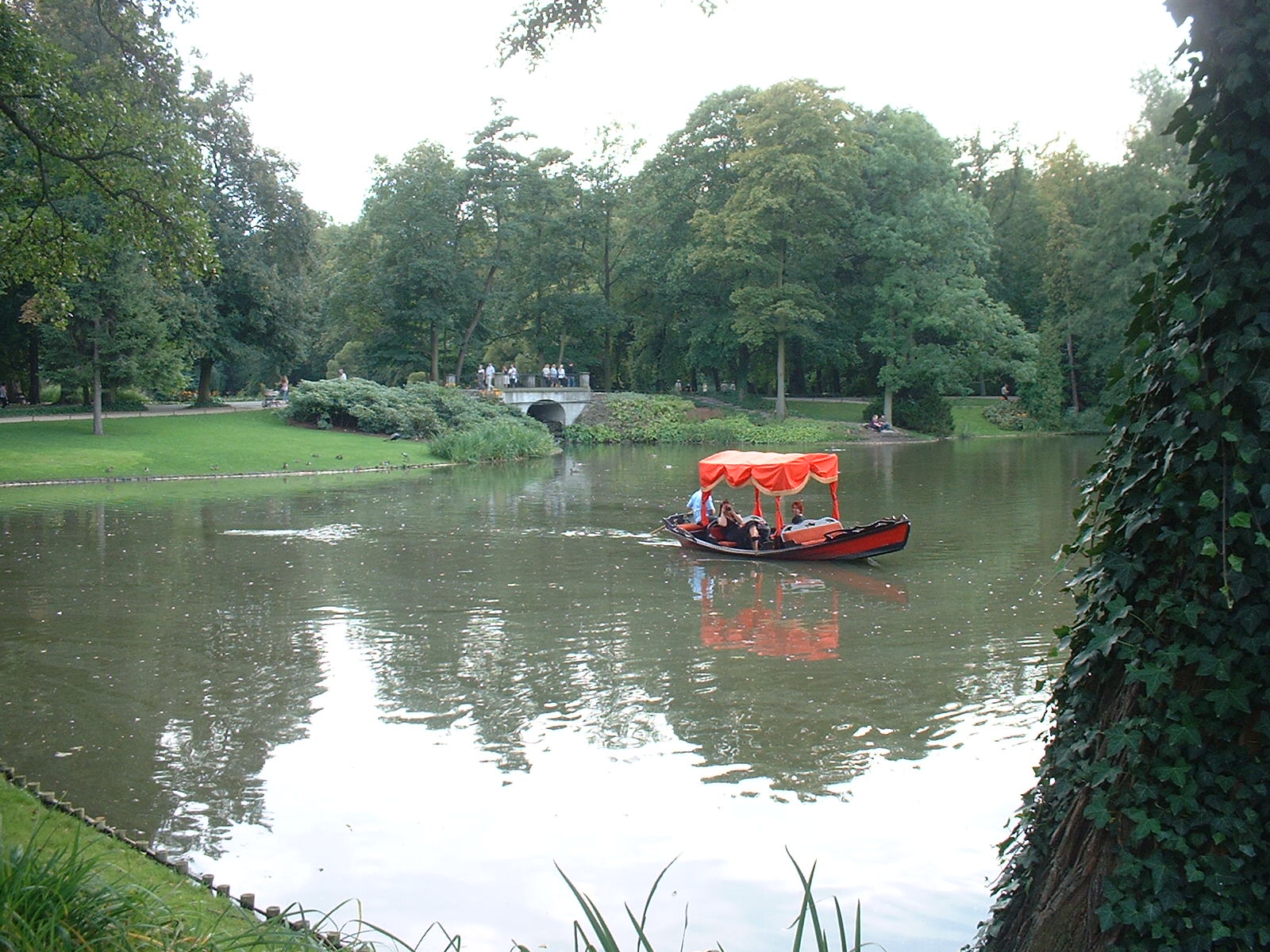
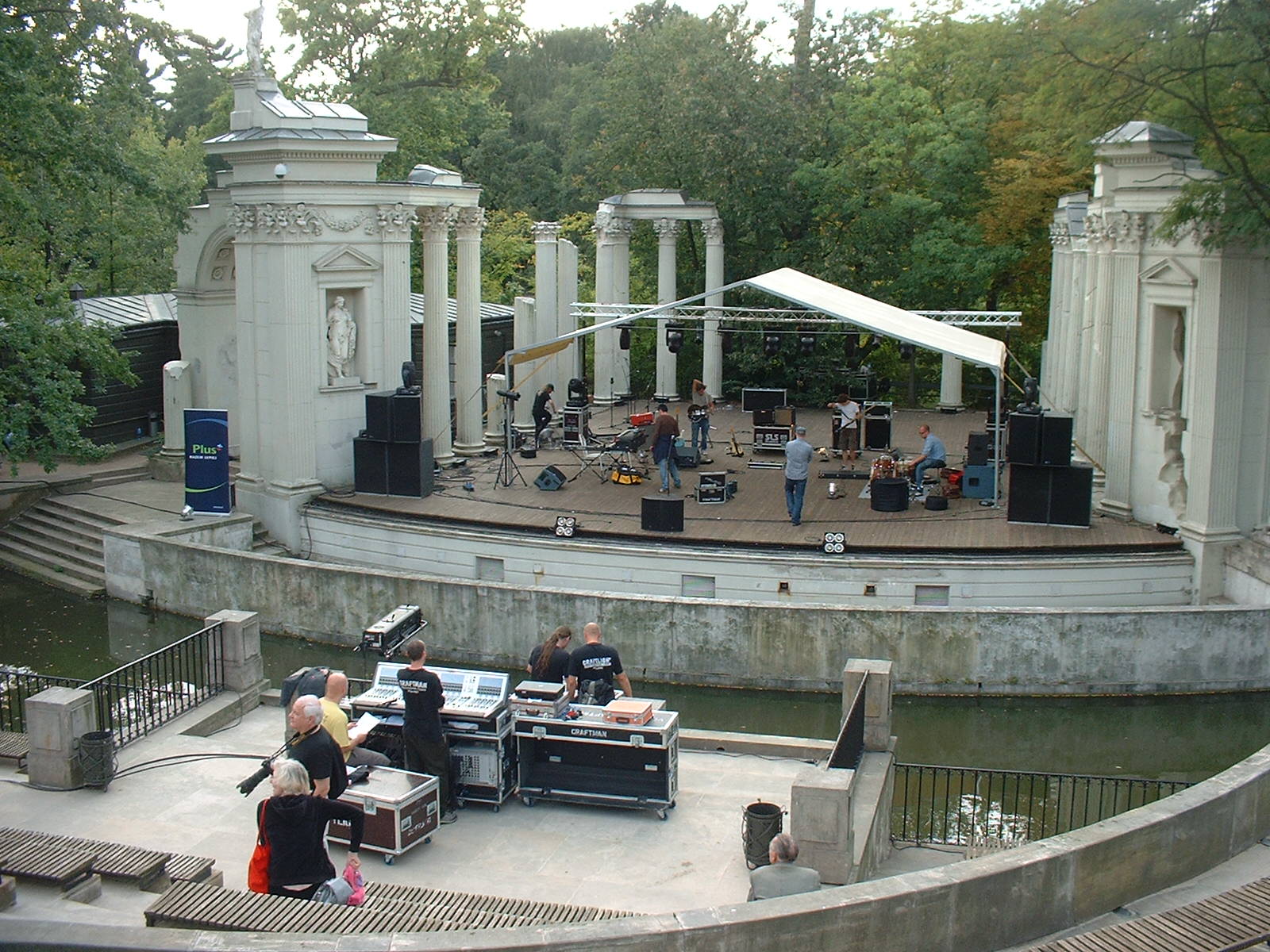
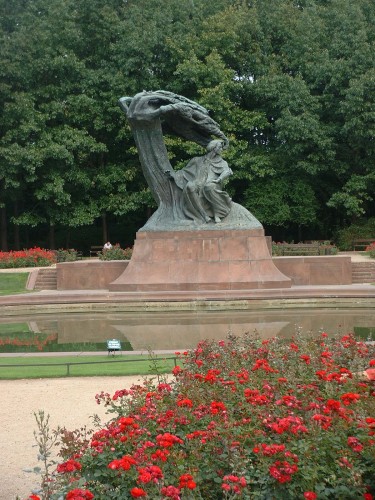
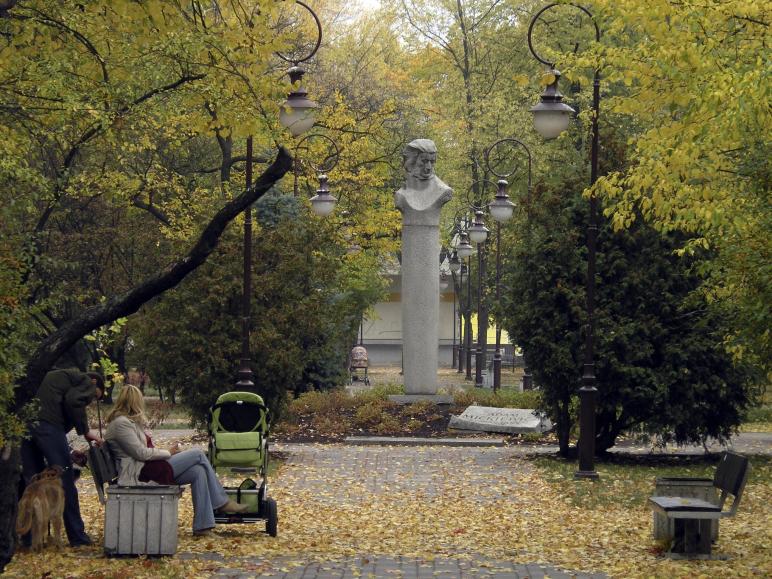
Krakowskie Przedmiescie is the start of the 4km Royal Way and an elegant stroll to Łazienki Palace.  My husband designs gardens for a living and I was sure that he would be impressed by these.  Dad was tiring and we hopped a 180 bus directly to the palace gates.  Not far inside Dad was delighted to find an open air café where he could relax with herbata (tea) while we explored.  The palace was the Summer residence of Poland’s last monarch, King Stanislaw Poniatowski, and the park was awash with canals, pavilions and statuary.  We shared the green space with nimble red squirrels and gracious peacocks.  On Sunday afternoons in Summer, the Chopin Monument is a concert venue to showcase the composer, but we were surprised to find a rock band tuning up in a handsome stone amphitheatre.

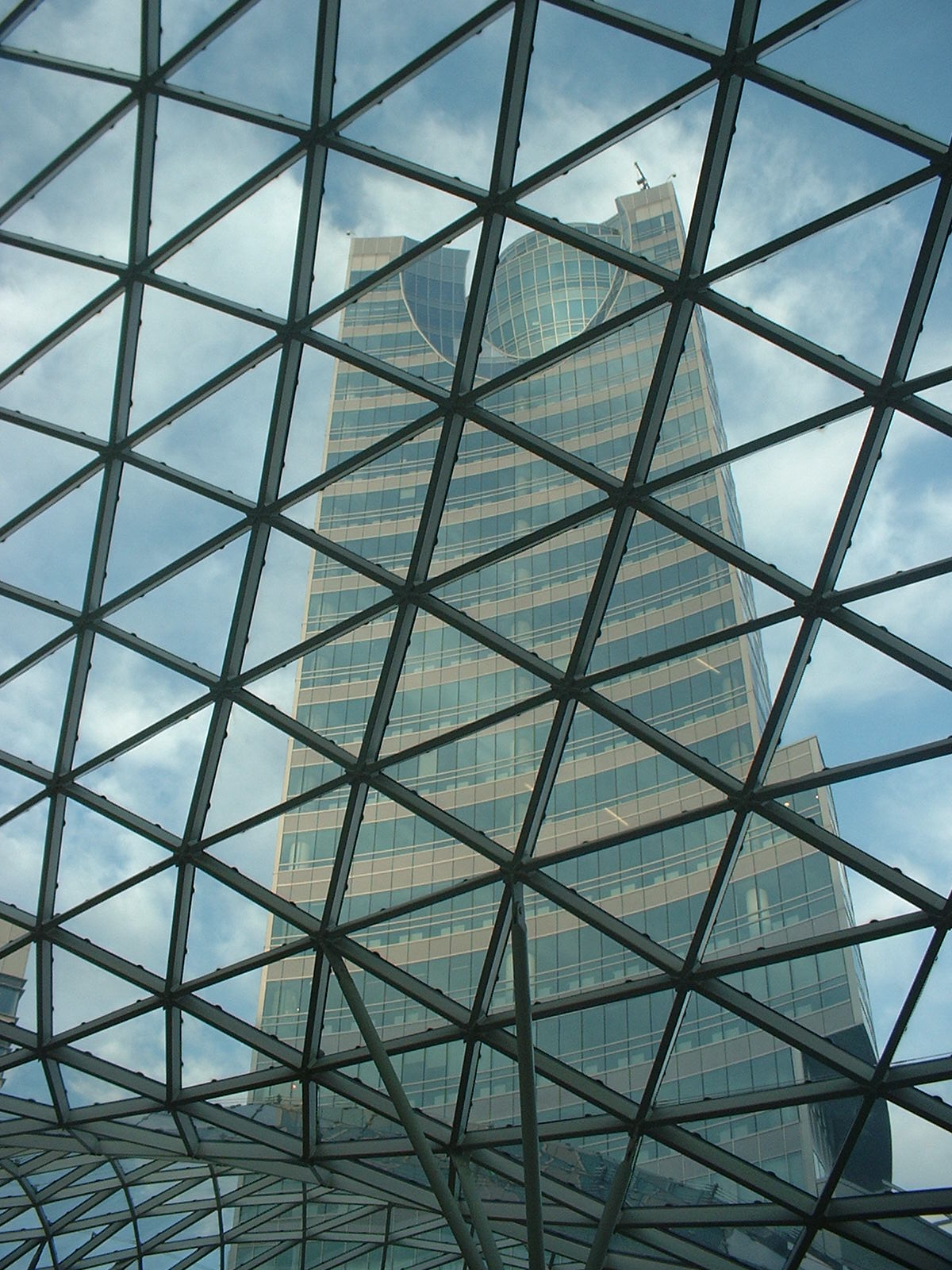
Time was beginning to run out on us and we gratefully languished in a taxi back to the centre.  We rejoined the rest of the family and ate in the striking glass shopping complex, Złote Tarasy, close to the station.  I had the strong impression that this could be a shopper’s paradise.  I left Warsaw with the happy conviction that there was much more to see and do, after a totally memorable day.

Złote Tarasy

I should mention that I travelled to Warsaw by express train from Kraków, in the company of my step-brother Tony, wife Carole and step-sister Lynne, who had travelled all the way from Canada with husband George, so it was quite a family affair.

More of my Polish adventures can be found by clicking on the Polish eagle banner at the top of this post, and in the sidebar.  You can join in with Julie Dawn Fox’s Personal A-Z challenge from the link or the logo below.  And if you want a different take on life, Frizz at Flickr Comments welcomes all comers on his A-Z challenge too.

banner4

C is for Cousins

Cousin  =  kuzyn in Polish or kuzynka if you’re talking about a lady.

To complicate it a little more:

First cousin is brat cioteczny, or the female equivalent siostra cioteczna (brother or sister’s cousin).

It’s a very literal language and I love it, but it does get complicated.  Please don’t ask me any questions or I’ll have to confer with my Polish teacher!

Cousins are hugely significant to me.  I have a couple of English ones but they have been far outnumbered by my Polish family (apologies called for?).  Almost my first correspondence from Adam, son of much loved late Aunt Anna, in Kraków, informed me that I had “26 cousins, in the front line”.  That is before you start to count partners and children.  Overnight!  You could say that I was surprised.

I need to get past the sad part before I can throw myself into “cousins”.  Not ALL of them- you really don’t have THAT much time!

First I must pay tribute to Małgorzata, who I knew as Goscia.  Still in her 40s, soon after our family reunion she was diagnosed with leukaemia and within months was dead.  She was a hub in Adam’s bakery business, and a lovely vibrant woman.  I wish I’d had time to get to know her better.

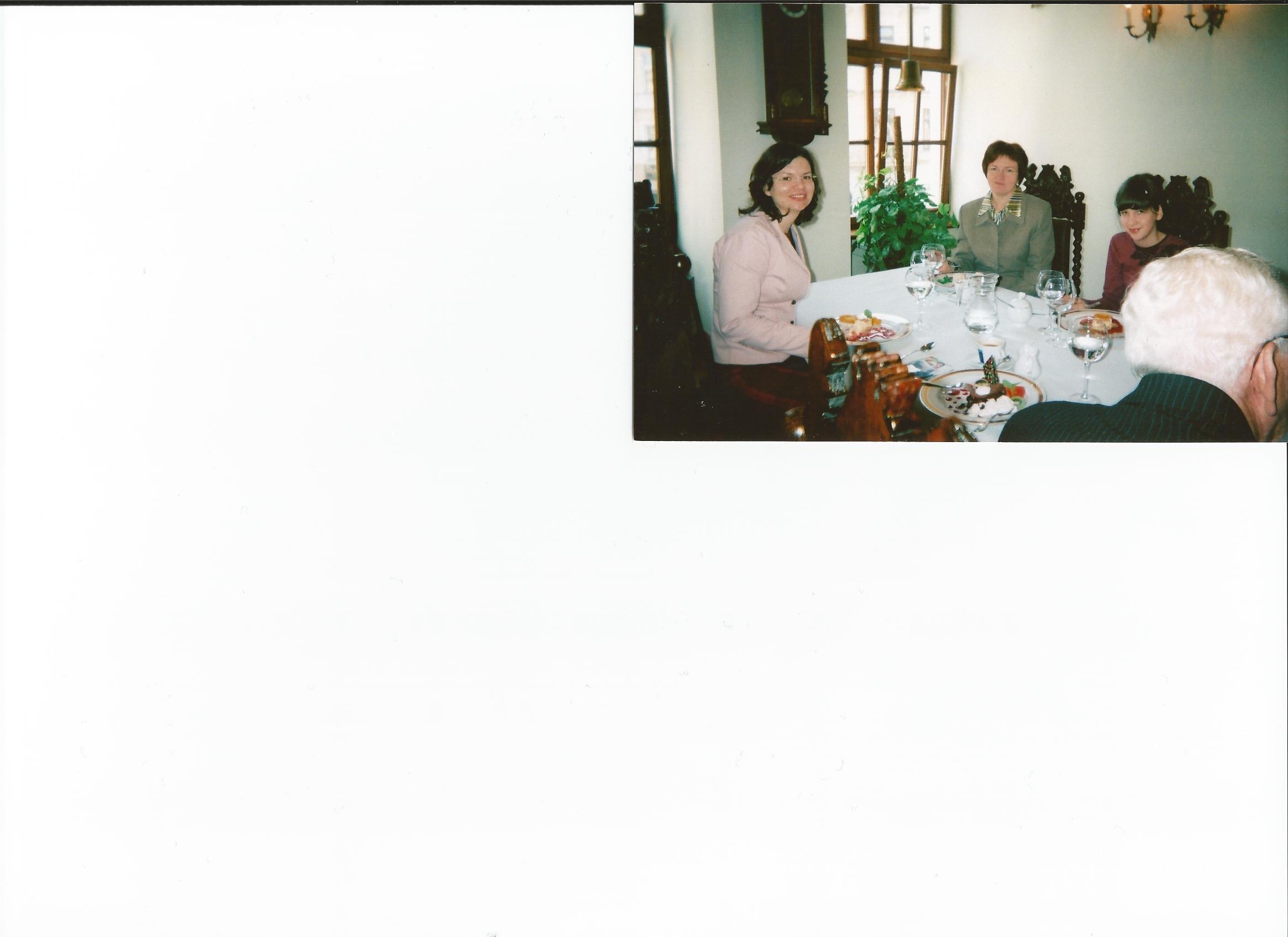
Weronika,Goscia and Ula in Hotel Wierzrynek

Also I must mention Dominik.  The family are still recovering from his death in tragic circumstances.  Also in his 40s, I have lovely memories of dancing with him at the weddings.

Dominik with Dad in happier times

I have so much to be grateful for.  Not the least of these is…

Adam

Meeting the family with Adam

My first cousin and first point of contact in the family.  He is a very special man.  Deeply religious and active in their parish church, he describes himself as “all accepting”.  What a wonderful way to be, and I wish I could be more like him.

He and his family could not have been more helpful and loving if they had tried.  Adam does not speak English, though he understands a lot more of it than I do Polish, but from the outset he was reaching out to us.  He used the help of the translator on the PC and his son, Łukasz, to introduce them to us and then to organise a full itinerary so that Dad and me could visit and “meet the family”.  No detail was left out.  From our emotional arrival at the airport onwards, he escorted and transported us everywhere.

Initially we stayed with Adam and his wife Marta in their lovely 3 storey Kraków home.  Adam had extended the property so that his mum could live with them after she was widowed.  Goscia lived there too, with Adam’s children Weronika, Łukasz and Ula.

What a time we had, strolling in Kraków’s medieval square, Rynek Głowny, Aunt Anna’s arm tucked alternately into mine or Dad’s.  It was Easter week and there were flowers, corn dollies and special Easter bread rings on the stalls, in the pale wintery sunshine.  We had coffee and cake at celebrated Hotel Wierzrynek- so special, Yehudi Menuhin, George Bush, Lech Wałęnsa  and Polish royalty are among those who have dined there.  http://www.wierzynek.com.pl/  For one day only I had celebrity status.

Adam and Marta in Hotel Wierzrynek

More was to come.  Adam drove us the three and a half hour journey north to Belchatow, to the old farm house where Dad was born.  Unbeknownst to us he had arranged for ALL of the cousins to be there waiting for us.  He honked the horn as he drove in through the gates, and in seconds we were surrounded by smiling faces.  Each wore a button badge to identify them to us.  Of course, Uncle Jakub and Aunt Lusia needed no introduction.

So here we are in tears again, but tears of joy this time.

Just one more little anecdote.  Not long after we had met, my husband Michael and me were holidaying in Tavira with son James.  Adam had not met Michael or James as they didn’t make the initial trip to Poland, so he undertook to drive all the way from Poland to the Algarve to  meet us.  He had only a few days available away from the business and the drive took him 2 days in each direction.  He, Marta, Łukasz and Ula stayed in nearby Cabanas and spent their days very happily at the beach.  There was some Portuguese dancing in the square one evening and his toes were tapping, itching to join in.  That’s the kind of man he is.  Caring, full of life.

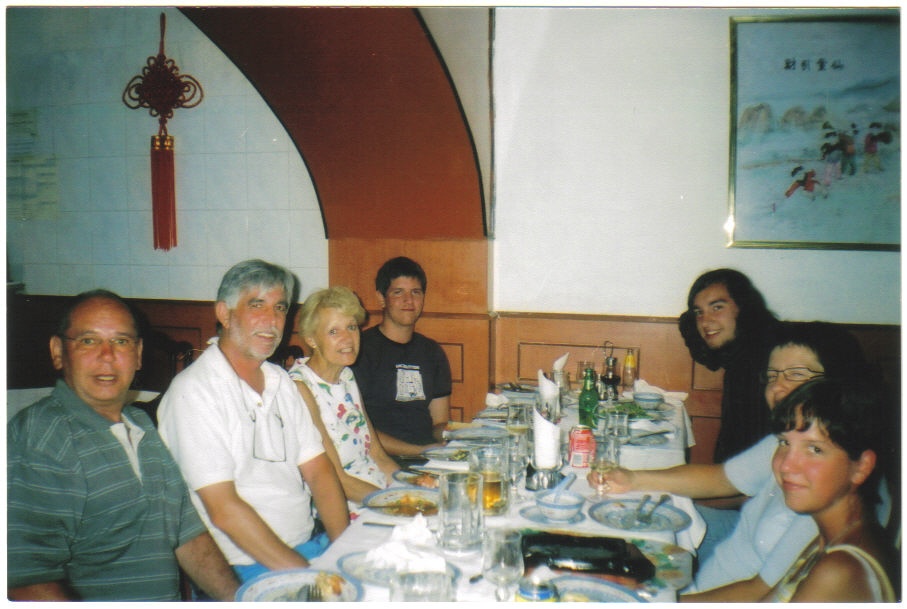
Adam and family in the Chinese restaurant, Tavira

We have been on numerous visits to Poland now, Dad sometimes even travelling alone, but one thing we can always rely on is that Adam will be there to organise and take care of us.  Full credit to Marta too- they have a wonderful marriage and we were privileged to spend their Silver Wedding celebrations with them in the Tatry Mountains.

Luckily there are lots more letters in the alphabet.  I shall need most of them to finish introducing the Polish family.  But this A-Z challenge isn’t just about me.  There are lots of fascinating stories and lifestyles being introduced on Julie Dawn Fox’s My personal A-Z challenge.  Visit the hub site or try out some of these.

http://algarveblog.net/2012/01/31/d-is-for-doors/

http://presepiocomvistaparaocanal.blogspot.com/2012/02/my-z-of-netherlands-is-for-almere.html

http://juliedawnfox.com/2012/01/19/e-is-for-eucalyptus-trees/

https://restlessjo.wordpress.com/2012/02/01/c-is-for-cacela-velha/

That last one’s a cheat- it’s me with my “Portuguese head on”, for those who don’t know me.  See you soon.

B is for Bełchatów

IMG_6289

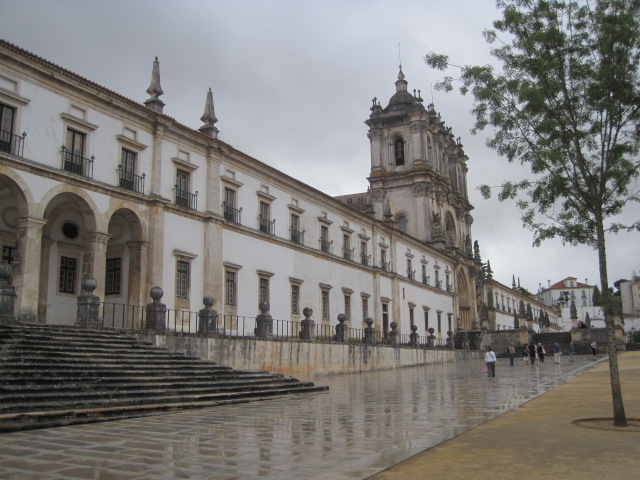
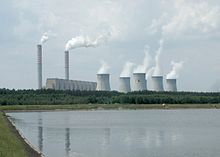
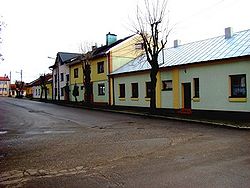
Bełchatów is an ordinary town, on the flat plains of Central Poland- 50km south of Łódź and 160km from Warsaw.  It has a football team, GKS Bełchatów, and a volleyball team (the national passion), Skra  Bełchatów.  There is no local rail link, so buses are the main form of transport.  If you look in Wikipedia you cannot fail to see that it has the largest coal-fuelled thermal power station in Europe- a blot on the landscape but a huge source of employment locally.  Quite randomly, it is twinned with Alcobaca in Portugal.  How strange that I visited the monastery there, one rainy day a few years ago.

Monastery at Alcobaca

Monastery at Alcobaca

You would have to dig quite deeply on Google to find out much more about Bełchatów, but for me it is a very special place.  It’s home to a large portion of my Polish family.  Funny how common threads run through life.  Many of my relatives work at the power plant, and in Hartlepool, my home on the northeast coast of England, we have a large and ugly nuclear power station.  Chief employer in our part of the world, my husband worked there for a number of years.

Bełchatów power station

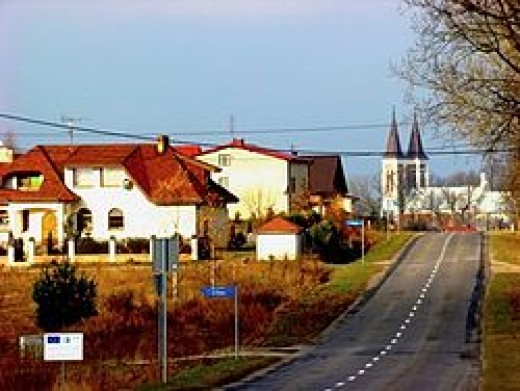
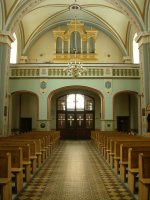
Time to introduce some of my family.  Uncle Jakub lives with his wife Czesława (Czescia) in Groholice.  The oldest suburb of Bełchatów, and once a village dating back to the eleventh century, Groholice has lots of charm.  It also has a large and beautiful church, where Jakub’s son Krzysztof married Ilona.  They now have a lively little boy, Piotrek.

The church at Groholice

Inside Groholice

Krzysztof and Ilona

Directly across Ulica Ogrodowa (Garden Street) from Jakub lives daughter Bożena, with her husband Krzysztof and sons Dawid and Kuba.  At our first meeting I admired Bożena’s distinctive necklace.  When we parted a few hours later she thrust it into my hand as a keepsake.  We didn’t have enough words between us for a conversation, but that gesture spoke volumes.  Husband Krzysia (familiar form of Krzysztof) works at the power plant.

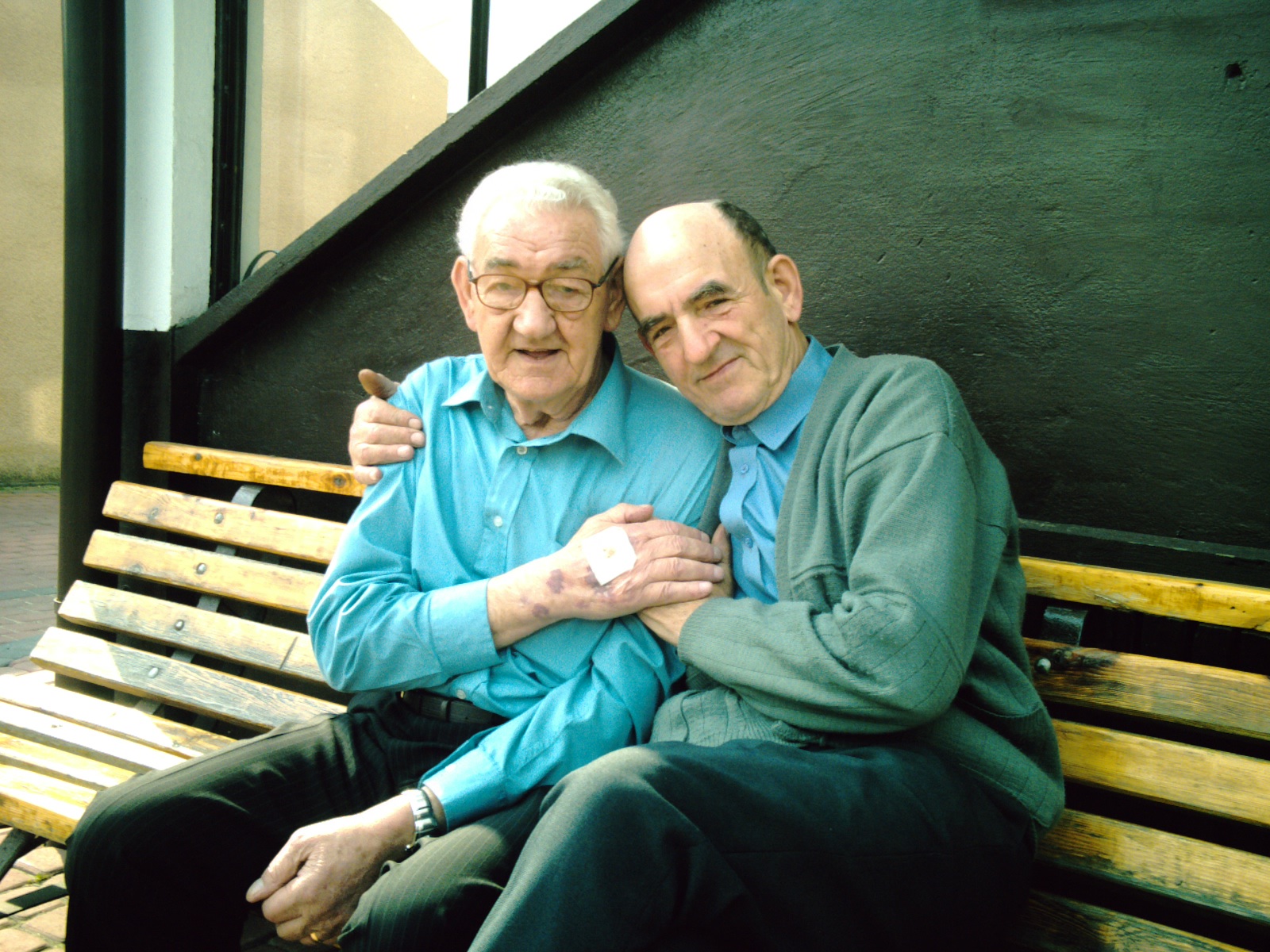
Dad and Jakub

Dad is 15 years older than Jakub and until March 2007 they had never met.  Now they are happy to sit for endless hours, smoking and playing dominoes.  Sometimes when visiting I take myself off for a wander round Groholice, admiring the characterful houses.  My usual route takes me down to the cemetery, full of flowers and beautifully maintained, as are all Polish cemeteries.  It is surrounded by woodlands and open fields so I can browse the headstones looking for more family, or simply enjoy the serenity.

Groholice centre, courtesy of Wikipedia

Jakub’s oldest son Andrzej lives just a short walk away with wife Renata and son Michał.  Andrzej worked the clock round for 8 years, building his own home between shifts at work.  Now they have a lovely home, sheltered by woods, with plenty of open space where Michał can indulge his passion for running.  Now a tall young man with immaculate English, when we first met Michał was a shy child, cajoled by his father into translating for us.  I don’t know who was more embarrassed, him or me!  Polish children, in my experience, are much loved but expected to behave well, and they usually comply.

Renata, Andrzej, Bozena and Krzysztof

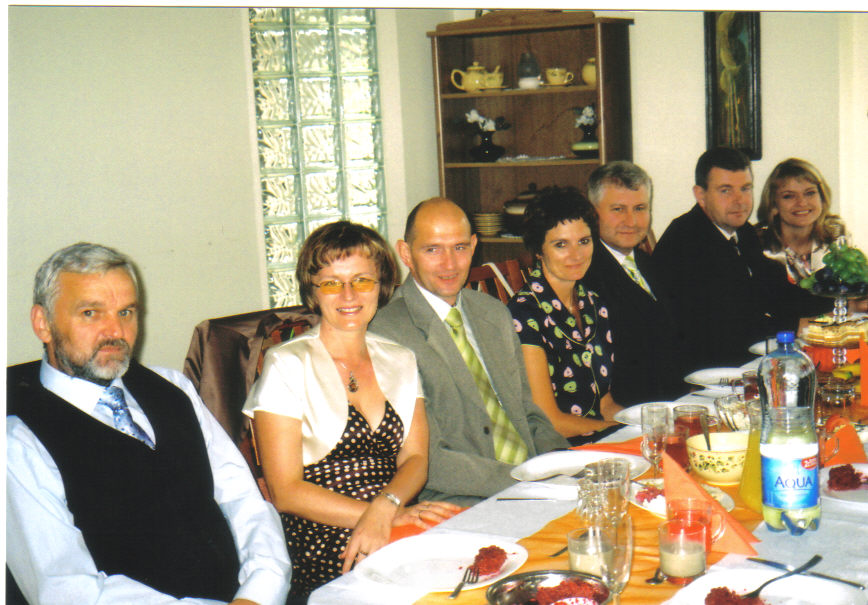
When in Poland I usually stay with family, but on one occasion I stayed in a hotel, with my husband Michael.  It gave us an opportunity to look around the centre of Bełchatów on foot.  Not known for my sense of direction, still I was confident I could find the huge outdoor market.  We were attending a wedding in the afternoon and I wanted some flowers to take to the church, and a present for my cousin Jadwiga’s first grandchild, Kinga.  Michael wanted some Polish slippers as he’d taken a fancy to the style!  At each home a supply of guest slippers lives in the hall- the floors are often polished wood or tiles.

Relaxing in Bełchatów

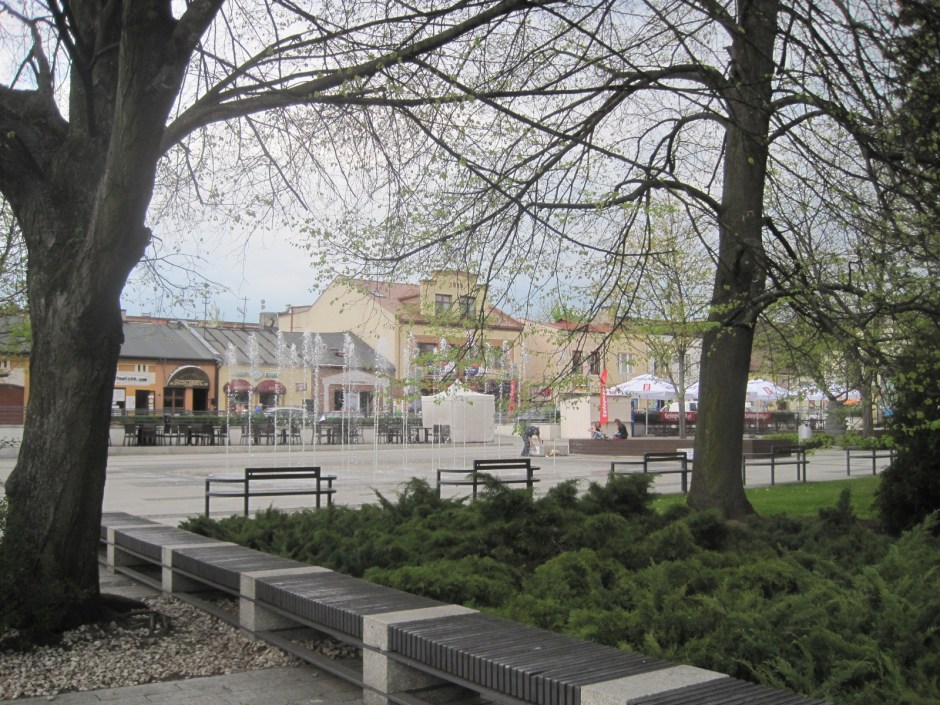
Placu Narutowicza- photo by Rafal Niewiadomoski (Portal Bełchatów)

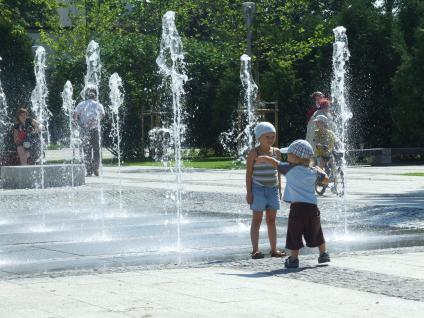
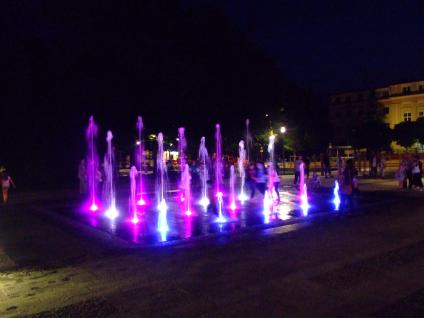
It was a glorious hot August day and we had been informed that a nearby park was having it’s official opening so we strolled in that direction first.  It had the kind of fountains that squirt high in the air unexpectedly, to the great delight of the local children.  I could happily have stood under a jet of water myself but instead we bought a drink and hitched up on a wall to watch the rehearsals for the evening performance.  A Michael Buble song was being performed rather well and the chorus were strolling through their steps, conserving energy.

Placu Narutowicza by night- by Rafal Niewiadomoski (Portal Bełchatów)

Time to seek out the market.  As usual my sense of direction let me down and in halting Polish I enquired of several locals the whereabouts of the market.  Much arm waving let us know that we were in completely the wrong place and we were hot and thirsty by the time we arrived.  I was quick to purchase flowers and a lovely little frock for Kinga, but we were a long time finding Michael’s size in slippers.  Amazing how many shoe stalls!

Back to the hotel for my next challenge, while Michael sat quietly with a book.  I had bravely booked an appointment with the fryzjerka (hairdresser) as I knew that the Polish ladies would be very soignee.  I didn’t want to let the side down, and how lucky I was!  With little conversation other than that I needed to look good for na slub (the wedding) I was transformed into a swan before my very eyes.  I could have taken her home with me!

Herb Belchatow- the town’s coat of arms

This seems like a good place to stop.  I returned to Poland for a very special wedding in May 2014, and have been back several times since.  Many of the photos here are from outside sources, but I have since acquired lots of my own.  I linked to Julie Dawn Fox’s Personal A-Z Challenge, and to my good friend Frizz. He was playing Mr. Bojangles– one of my all-time favourite tunes.

Why not join us?

My personal A -Z of Poland

My personal A-Z of Poland

There are folks out there who’ll think I’m greedy, or just a glutton for punishment- I’m not sure which?  Couldn’t help myself, I just had to raise a hand in the air and shout “me, me!” when the prospect of a personal A-Z of Poland came along, even though I had already committed to a Portuguese A-Z.

You see, the Polish journey for me is a relatively new and very special one.  It’s just 5 years ago this month that I discovered that I had any Polish family at all, apart from my Dad, but I’ve since acquired loads!  I have already written about this in https://restlessjo.wordpress.com/2011/10/24/exploring-the-polish-connection/ and it is for me a very emotional subject.  It would be a privilege to share a little of what I have learned about Poland, and my wonderful Polish family, here in these pages.

I wasn’t encouraged to learn the Polish language as a child- Dad was busy integrating into the English community.  I have sincerely regretted my own lack of application since then, and have struggled mightily to be able to communicate with older family members.  The youth are great, and go out of their way to speak English to me.  So, a few Polish phrases may slip in now and then, but I will be writing in English, sadly.

I’m itching to get started, but first must give credit to Julie Dawn Fox, who developed the original idea of “A personal A-Z of…” with her post on Portugal  http://juliedawnfox.com/2012/01/10/a-personal-a-z-of-portugal/

In the spirit of this challenge I’d be more than happy for bloggers out there to write their own A-Z, in English, Polish or whatever your native language is.

Can’t wait to post this then I can move on to “A is for…”  See you soon!

My A – Z of … Portugal!

Back to front but full of enthusiasm as usual, I wrote my first post for this series and then realised that I hadn’t done an “intro” blog- not my strongest suite but here goes:

Funny how one idea sparks off another.  There seemed to be a lot of A-Z related challenges about, starting with Alyson Sheldrake’s lovely ABC Award.http://thethoughtpalette.co.uk/abc-award/.

Julie Dawn Fox came up with the idea of writing “A personal A-Z of Portugal”http://juliedawnfox.com/2012/01/10/a-personal-a-z-of-portugal/– her adopted country.  Each letter of the alphabet was to be the basis for a post on any aspect of Portugal.

Seemed like a good idea and I was all set to join in when “PigletinPortugal” (may I call you Carole?) decided to take it one step further and “Go Global”.http://pigletinportugal.wordpress.com/2012/01/11/my-a-z-of-portugal/

A dilemma! I love Portugal and have lots of wonderful places and memories I’d love to share.  At the same time, I have Polish family and am aching to introduce people to my father’s homeland, and some of the lovely folks I have met there.  Even worse, I currently live in England and have done so for most of my adult life, and, guess what?  I love England too (in spite of the weather) and have written quite happily about my native Yorkshire Moors, Dales and Durham coast.

What to do?  Well, I guess I’m going to be greedy.  I’ve already made a start with Portugal, but intend to follow up pretty soon with Poland.  Piglet has said that there are no time constraints, which is a darn good thing in my case.  Mrs Speed, I am not!

So let me extend the challenge, or invitation, to you.  You can write about places, food, people, experiences…anything you feel is pertinent to the country of your choice.  We already have quite a few posts up and running and Alyson has created a logo for Portugal:

while Piglet’s is the controlling site where you should register your interest, and comply with Piglet’s directions.  Or you can just turn up for a highly entertaining evening’s reading.

My fellow A-Z ers are:

http://pigletinportugal.wordpress.com/

http://algarveblog.net/2012/01/11//

http://juliedawnfox.com/2012/01/10/

http://handsinportugal.wordpress.com/

http://sami-colourfulworld.blogspot.com/

Checking on Piglet’s site today interest is growing and I think there’s now a willing volunteer for England (phew!) and certainly one for Chile.  So, what’s stopping you?  Come along on the journey.  Next instalment coming soon.