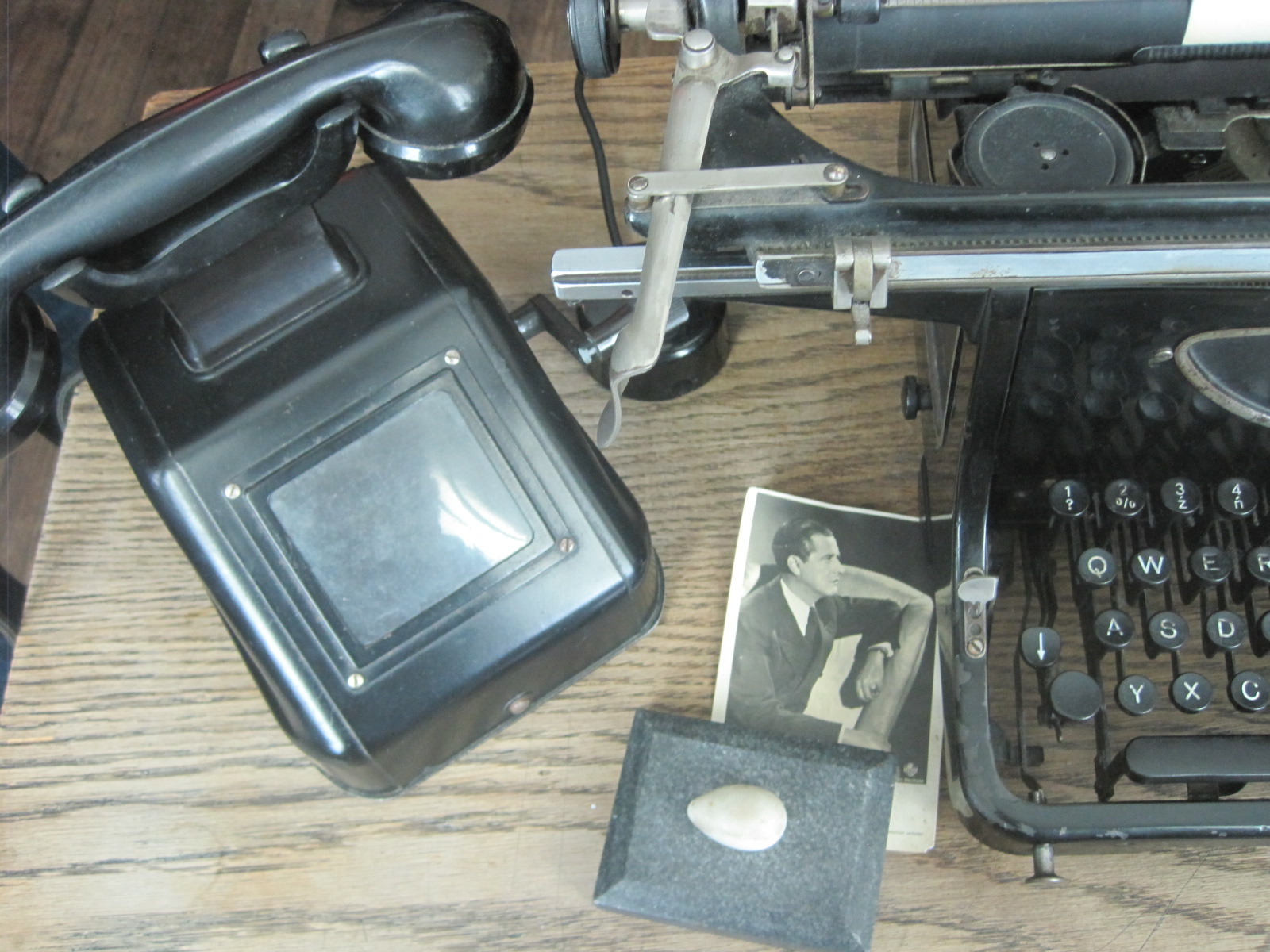
What do you do when an occupying force moves into your beautiful city? You resist, of course. Just how mightily the Poles resisted Nazi occupation was made abundantly clear to me at Oskar Schindler’s Enamel Factory.
It was a damp morning in Kraków, but I didn’t want to waste one of my few remaining days in the city. I had an imperfect understanding of the location of Schindler’s Factory, but I alighted from the tram, south of the river, and began my search. I knew that I was in the right vicinity when I entered a huge square, full of sculpted seats and a sad photographic display in black and white. Plac Bohaterów Getta (Ghetto Heroes Square) commemorates the Polish Jews who were imprisoned and died in the Kraków Ghetto between 1941 and 1943.


Oskar Schindler was a Nazi party member and a war profiteer, who earned the gratitude of 1100 Jews by giving them a second chance at life. It is a remarkable story and one that touches me deeply.
The museum is a little off the beaten track, and my map reading skills sadly lacking, so I went inside the tiny art gallery on the square. The proprietor kindly gave me precise instructions (in English!) and I found my way around the excavations and building work to Ul. Lipowa. It was raining steadily and I fell into step with a young Polish couple with an umbrella, who were also going to the museum. It being Monday, admission was free from 10-2.00pm, and understandably the museum was busy. Initially I was a little confused by the layout, and the number of students clustered around, but once I found the correct door I was hooked.
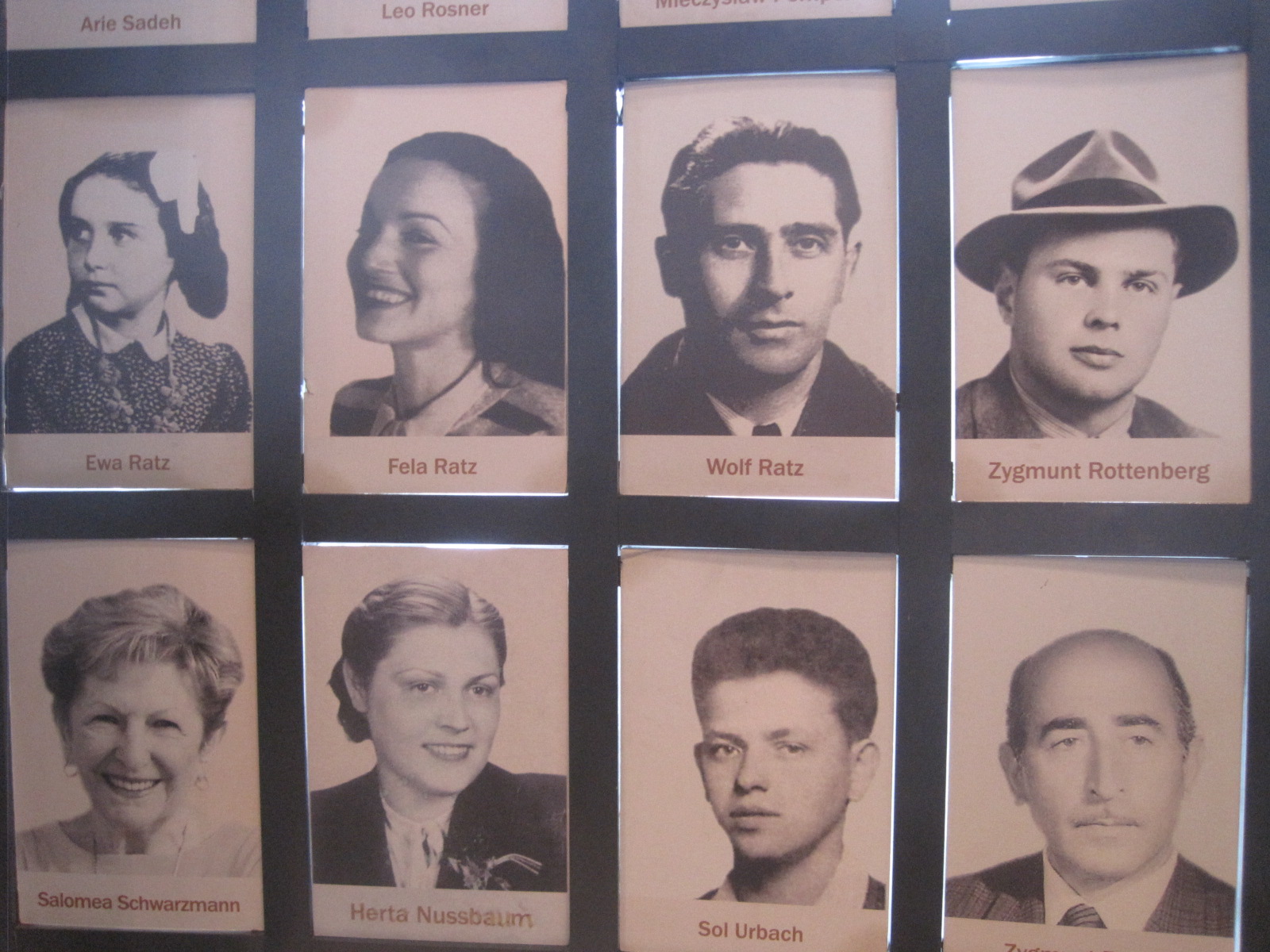
Just a handful of the former workers saved by Oskar Schindler’s intervention. The museum takes you through the years 1939-45, starting with life before the war. Then comes German occupation, with its restrictions and consequences. People are evicted from their homes with nothing but a few personal possessions. A curfew is imposed and it becomes necessary to queue for hours to obtain the most basic food. Polish secondary schools and universities are closed. The Polish press is liquidated. Any figure of influence or authority is regarded as a threat and dealt with accordingly. The use of home radio sets is forbidden. Loud hailers broadcast propaganda twice daily, and eventually the names of those sentenced to death. Inexorably the rounding up of the Jews into the ghetto begins.
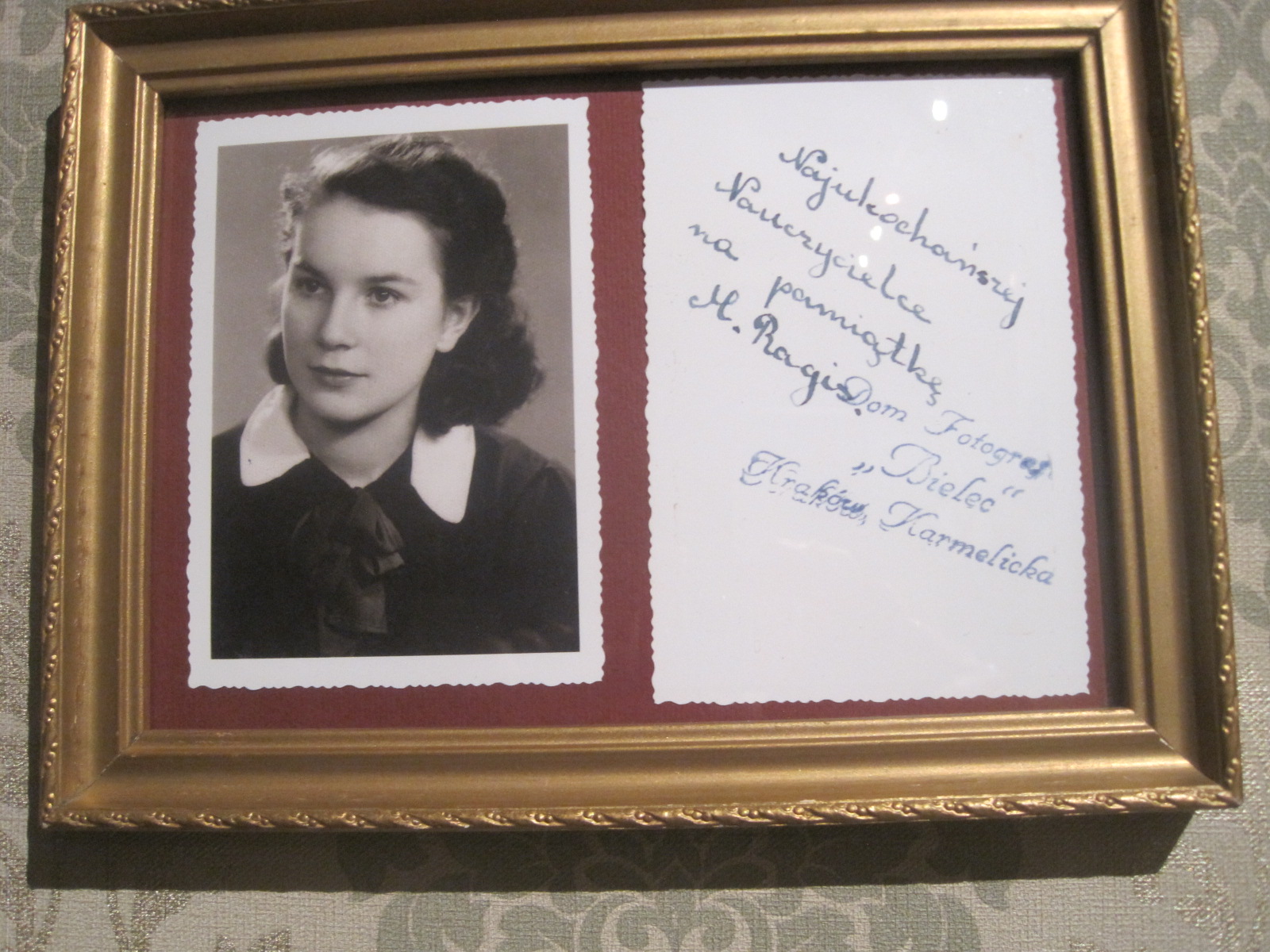
And the Polish response to this? ‘Secret’ schools conducted in defiance, though involvement was punishable by death or consignment to a concentration camp. An underground press and formation of a resistance movement to sabotage German efforts wherever possible. The gallery below features a ‘secret’ teacher and messages from pupils. The first face reminds me so much of photographs I have seen, from that era, of a deceased family member. Many stories, both of pathos and of heroism, are featured throughout the museum.


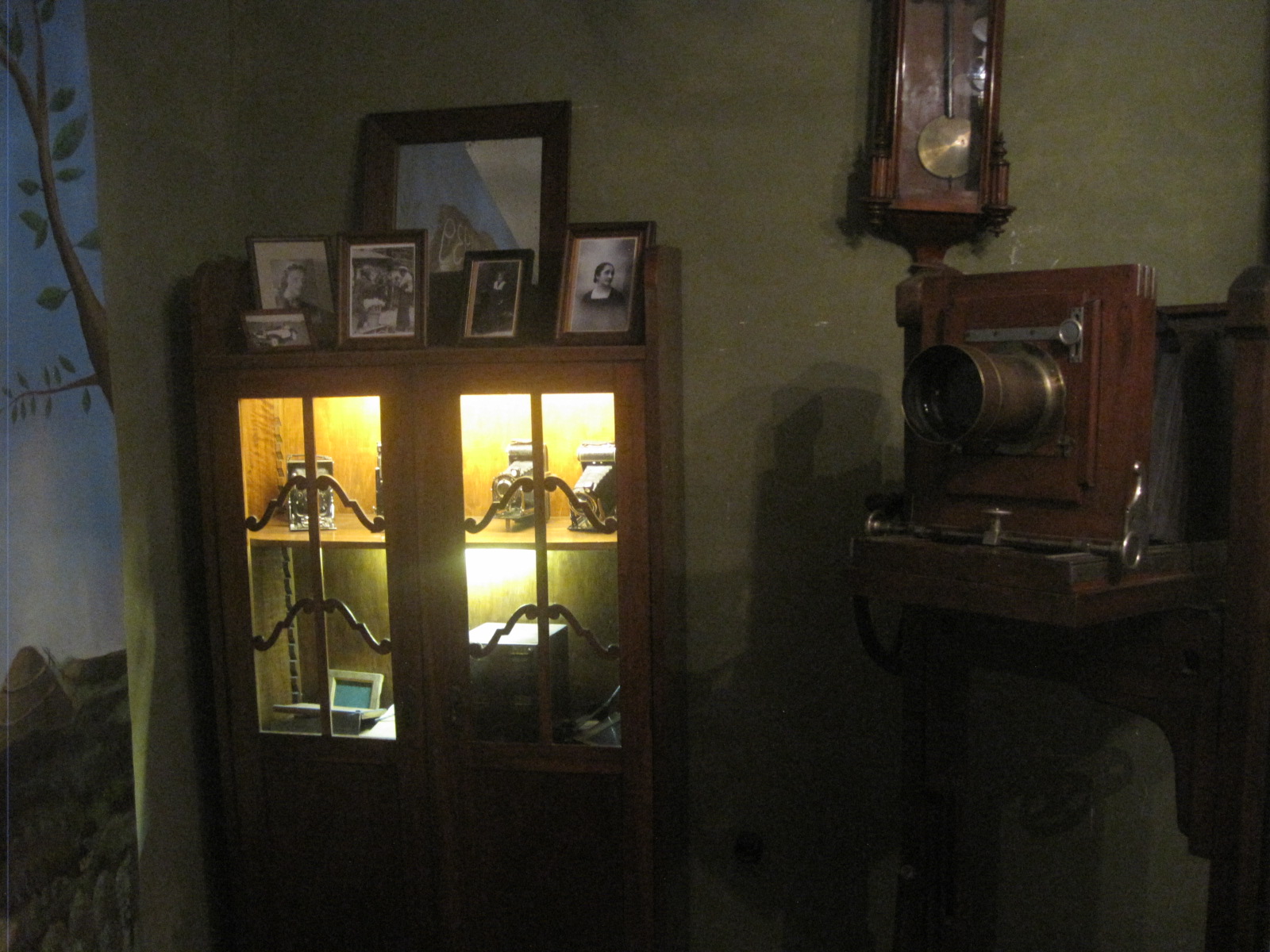
Up concrete stairs to the first floor, the museum really comes to life, introducing a pre-war Kraków photographic studio and a cast of characters. Before the war Jews accounted for over 25% of the community, and both Christians and Jews sat together on the City Council.


A narrow corridor leads to the Stereoscope- a device used for looking at individual stereoscopic photos. They rotate inside a drum, giving the illusion of three-dimensionality. This one dates back to the late 19th century. It was a revelation.


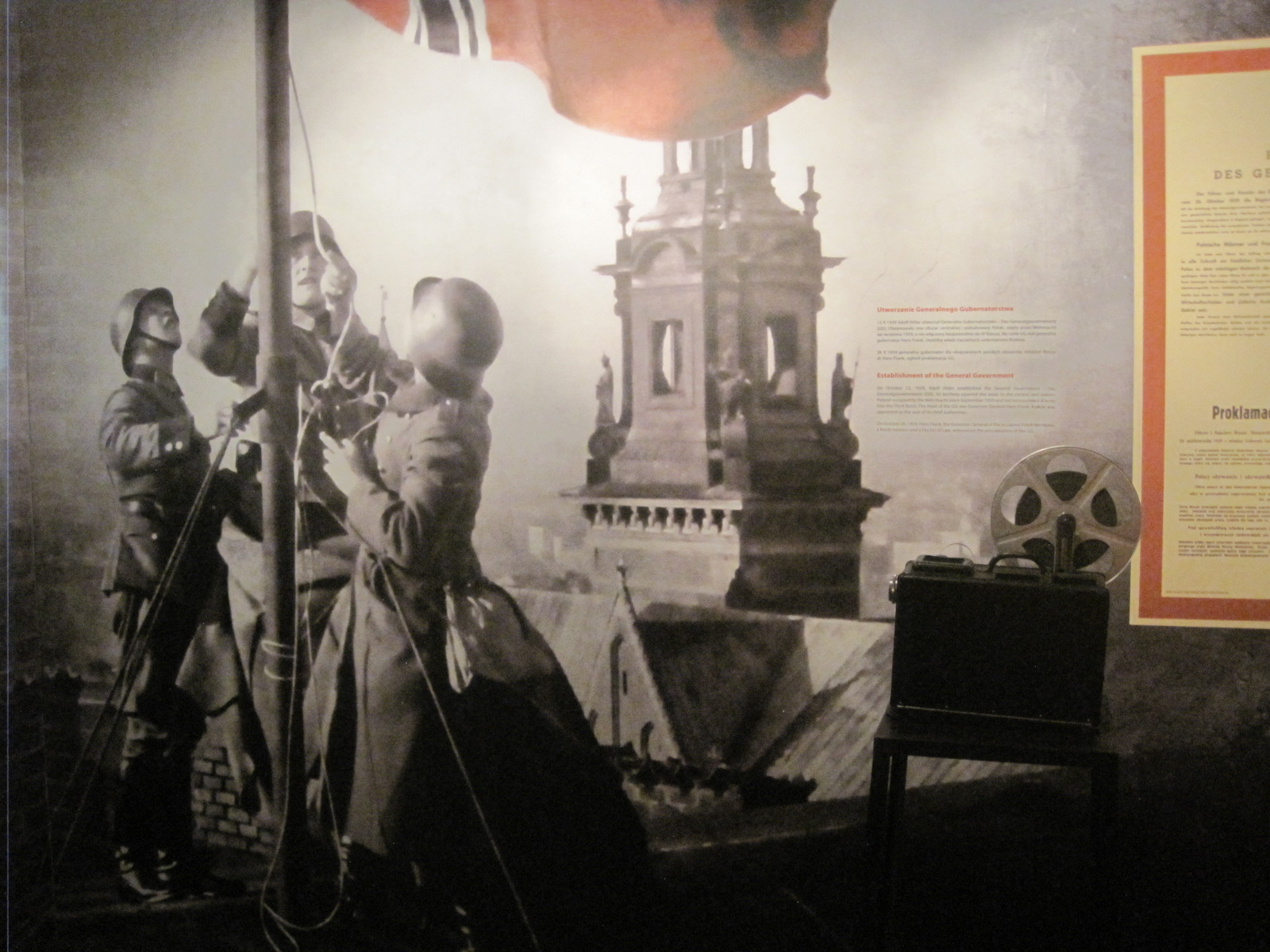
On 1st September, 1939 war broke out, and on 6th September the Nazis entered Kraków. The Wehrmacht flag flew over the sacred site of Wawel, and from the outset the prohibitions and orders began. Jewish shops had to be marked, and were plundered by the Germans, and all Jews over the age of 12 had to wear armbands with the Star of David on the right arm. Racial segregation had begun.
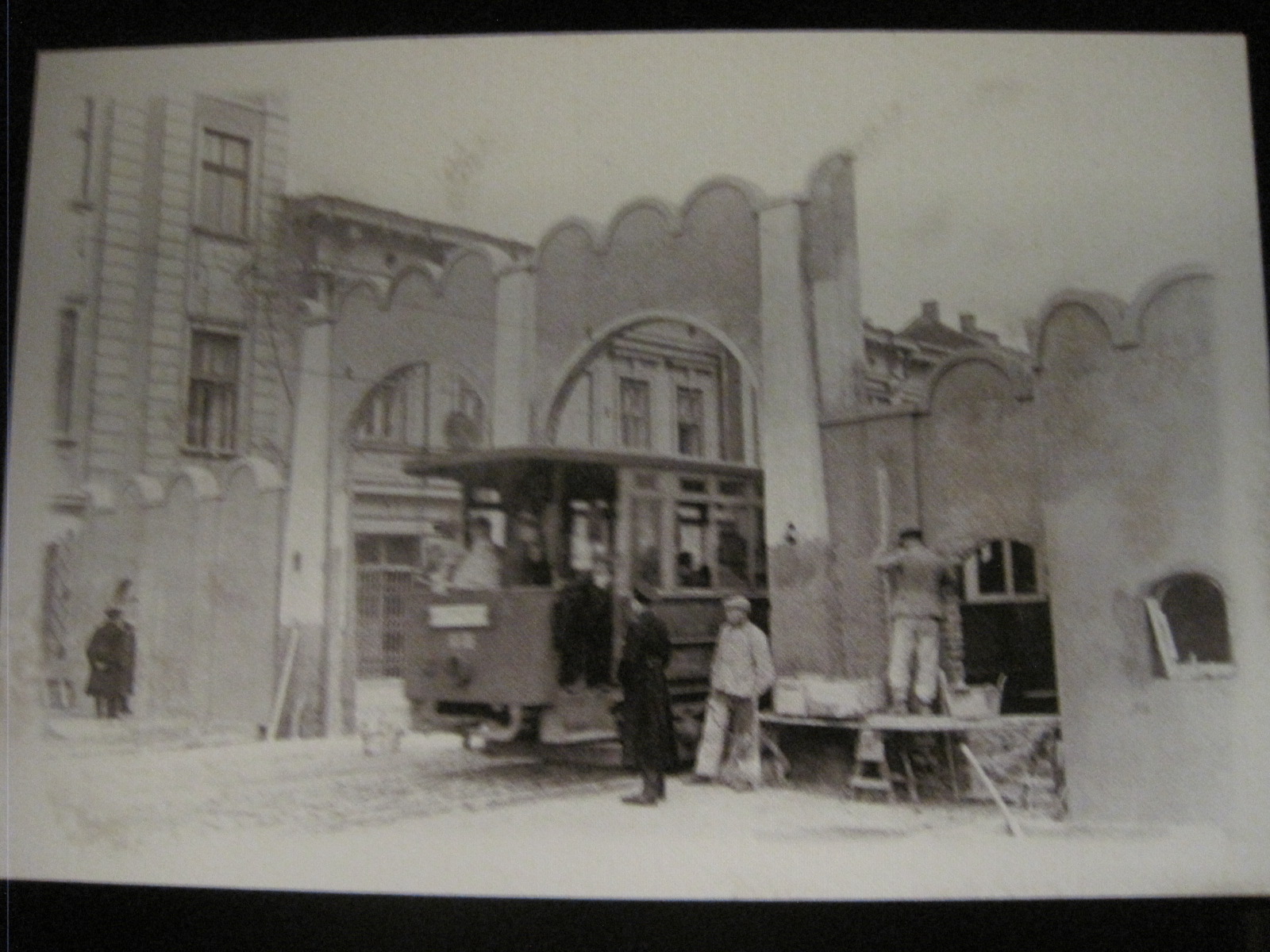
And then the nightmare of the Ghetto. Intimidation, round-ups in the streets, imprisonment and interrogation in the Gestapo HQ on Ul. Pomorska and the prison at 7 Ul. Montelupich. I read a few of the accounts of life in the ghetto, and the tram that ran through but didn’t stop. There were sympathisers, of course, like Tadeusz Pankiewicz and his staff at the Eagle Pharmacy, who smuggled letters and messages to and from the ghetto.


17,000 people were contained within the ghetto walls, where 250-300 calories was the daily allowance for a Jew. Details of the resettlement can be found here. I had not realised that the arched shapes of the ghetto walls were intentionally designed to resemble Jewish tombstones. How sick!
Residents worked both within and outside of the ghetto, the luckier ones at Oskar Schindler’s Deutsche Emailwarenfabrik- DEF. These were taken to and from work under armed escort. If you were not fit to work you would eventually be deported to an annihilation camp.
Zabłocie was an industrial area, with successful factories dealing in wire, mesh and iron products, soap, and enamelware and metal products. During the war a production plant for aeroplane parts and radiators, a crate factory and a barrack builders were added. Schindler took over receivership of the enamelware company, which was in financial straits, and with the aid of Jewish capital set about expansion. A munitions section was added, to make mess tins for the Wehrmacht, and shells and fuses for artillery and air missiles, to assist in the war effort. Working conditions were hard, but by steadily increasing his Jewish labour force from the ghetto, Schindler saved around 1100 grateful souls.
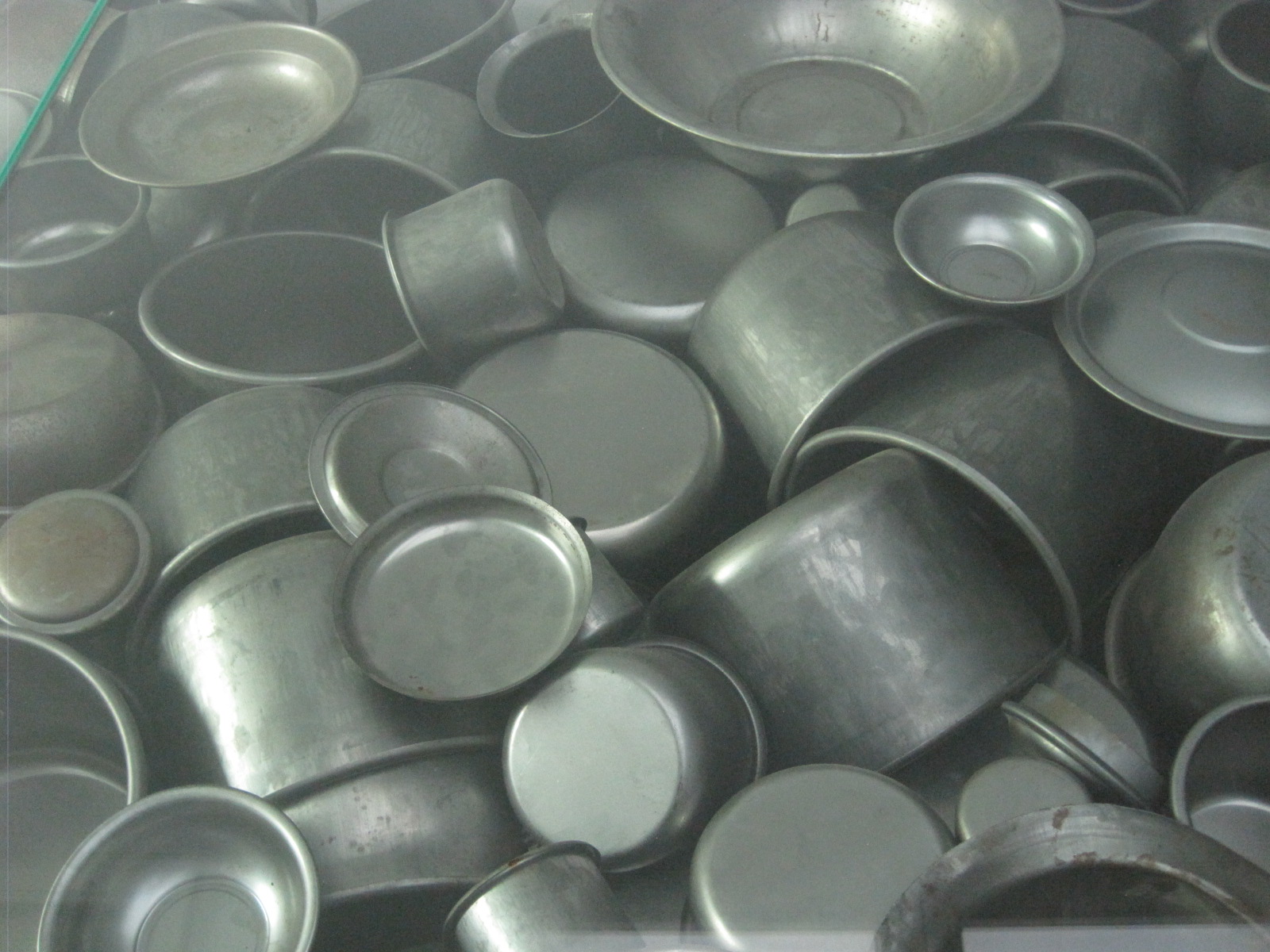
In Schindler’s office a glass cube designed by Michal Urban is the centrepiece. It contains metal cylinders, inscribed with the names of the 1100.
He was no saint, Schindler. Perhaps that makes his story all the more remarkable. I have included links that will enlarge on the story if you are interested. The museum is over 3 floors, in the original factory building. I found it to be charged with atmosphere.
The Historical Museum website brings together information on all of the Kraków museums.
 restlessjo
Thank you so much for your weaving of this story. It’s so important to remember history. Sometimes, with travel, all we want is to explore the happy places and times. But the sad ones teach us much more.
LikeLike
I am beyond horrified when I go back to this period in history, Susan. The sad thing is that we still haven’t learnt where hatred and intolerance can lead. Witness Orlando, and then a tragic death yesterday in our country which makes no sense. A charismatic lady MP with two young children, shot and stabbed in the street after her political surgery. Where ever will it end? Thank you for your thoughts.
LikeLiked by 1 person
😦
LikeLike
Sorry- was I a bit curt there? I didn’t mean to be. 🙂
LikeLiked by 1 person
Not curt – heartfelt.
LikeLiked by 1 person
So much death and tragedy. Those poor souls, all of them. Thanks for the post. I don’t know if I could visit. I visited a famous prison once and it was horrible.
LikeLike
I could never do the concentration camp at Auschwitz. At least in the museum you could choose where to focus, and there were some wonderful stories as well as the evil. Thank you so much for taking the time to comment. 🙂
LikeLiked by 1 person
Yes, I like that you showed those courageous acts of ordinary folks. They must have been compelled to react.
LikeLiked by 1 person
Beautifully written account of your visit Jo. I didn’t know about the arches and the sick symbolism there either – the inhumanity and depravity is incomprehensible. It was an amazing story of courage though – Schindler despite his personal flaws was a remarkable man and saved many lives 🙂
LikeLike
There’s something about an imperfect hero, isn’t there? I wish I might have half the courage, but I sincerely hope that we never see this in our world again. So much hate at the moment! In Leeds a fine lady MP with a young family was gunned down on the street yesterday. It sent shock waves.
LikeLiked by 1 person
Absolutely Jo – totally agree with all your sentiments. The current trend towards polarisation and fear is horrible – such a beautiful soul by all accounts and horrendous for her poor husband, little daughters, family and friends. I hadn’t heard of her before this tragedy but have been so moved by her speeches and what she stood for – her husband’s tribute moved me to tears as did seeing her maiden speech in the Commons. Hope her legacy will be to create a more loving, tolerant and peaceful world – she was a very brave and selfless lady!
LikeLike
Hugs, darlin. We need more of them, don’t we?
LikeLiked by 1 person
Definitely Jo – the world would be a much happier place if everyone could be more loving and tolerant! Hugs to you too! 🙂
LikeLiked by 1 person
Schöne alte Bilder lieber Gruß und ein gutes Wochenende Gruß Gislinde
LikeLike
Danke Gislinde 🙂 🙂 Guten Freitag!
LikeLike
So interesting, that must have been very moving to visit. I didn’t know Schindler’s factory still existed – how spine-chilling to visit the museum in the exact location where the events happened. Another reason to bump Kraków up my (ever-lengthening) list.
LikeLike
It’s a powerful museum, for definite, Anabel. Total contrast to the airy fairy beauty of the others 🙂
LikeLiked by 1 person
I was only reading yesterday that Steven Spielberg said he’d never make another movie after making this one because it was such a traumatic experience (but, he did end up making more movies). I wish we could learn from the past, Jo – but unfortunately the way things are going these days I don’t think some people have learned xxx
LikeLike
It’s just not going to happen, is it, Dianne? Look at Orlando! And just yesterday a terrible thing happened in my son James’ city, Leeds. A vibrant and happy female MP, with a young family, was attacked after her political surgery- shot and stabbed. Died in hospital. The shock waves are still reverberating. Such a lovely and caring woman, trying to do her best for her constituents.
LikeLike
I saw that, Jo – it’s horrifying. Everyone in the public eye is so concerned. That woman’s poor family. My heart goes out to them xxx
LikeLiked by 1 person
A sad time in our history Jo – very sorry for what your family endured and your Dad. Thank you for sharing, your post is a reminder of how dark it can be.
LikeLike
Mary, words fail me sometimes when I look at our world and how we live in it. One tragedy follows another. It’s hard not to get downhearted sometimes. Hugs, darlin’!
LikeLiked by 1 person
Very well written 😉
Sabrina 🌞🍓🌹
http://www.OrganicIsBeautiful.com
LikeLike
Thanks, Sabrina 🙂
LikeLiked by 1 person
A very different and sombre post from your usual Jo. Very well written and one to cause me to stop and think. I suppose with your Polish background this history is very close to your heart. A time that we should never forget.
LikeLike
The closest we got to the horror was Dad being taken into forced labour by the Germans, and the inevitable disruption of family life. I cannot imagine living through this, Jude. How can you hate so much? Yes- I left cheery Jo behind in the last post. It’s quite a contrast. Normal service to be resumed. 🙂 How you doing? Still got company?
LikeLike
So we are lucky to have you when you think about it. Hatred is often caused by a lack of understanding, distrust, mistrust, intolerance and unfortunately following the crowd. Still happens. Just look at Trump and his followers…
Company gone back today. Nice to see them, but playing hostess becomes quite wearying!
LikeLike
Yes, you are! 🙂 🙂 Lucky to have me. Well, some might think so.
Now you can have a nice lazy weekend. Not sure about sunshine 🙂
LikeLiked by 1 person
Sun shining here now and hope for some tomorrow as I have some plants to get in to the garden.
LikeLike
Jo this post really touched my heart. Perhaps even moreso with current events. To think that at that time there was so much hatred and prejudice and barbaric atrocities. Yet there was a light of goodness among it. Thank you for sharing your tour with us
LikeLike
It’s frightening where hatred can lead, isn’t it, Sue? It’s not a lesson we seem to have learned. There were some wonderful stories in the museum, but some harrowing ones too. Thanks for sharing it with me. 🙂
LikeLiked by 1 person
Oh God I’ve just dunked 250 calories of ginger nut in my coffee 😦
What terrible, wicked times these were Jo, Britain was so lucky to escape occupation. The museum complete with photos of ordinary people must have been incredibly moving.
LikeLike
Harrowing, some of it, Gilly. I tried to focus on the good. We’ve seen where hate leads.
Sorry about the ginger, chuck 🙂
LikeLike
I loved the movie, Jo. How wonderful to be able to visit the museum and to write such a moving post about it. What a great pity that such a hero died in poverty and almost unknown. I’m so glad that this story was eventually told.
LikeLike
I’ve meant to go for a long while, Ad, but it’s a bit out of the way and the opportunity never arose. Things to do on a rainy day 😦
I needed a drink afterwards, and there was a nice little bar close by. 🙂
LikeLiked by 1 person
Thanks for such an informative post.Unbelievably i have yet to eatch shclindlers list.I must remedy that.x
LikeLike
It’s not easy to watch. At least in the museum you could choose what to look at, and there were some great stories as well as all the horror. Thanks for reading.
LikeLike
such an evil time- horrific. I probably will never get there- so I appreciate your taking the time to put this post together. When we went to Normandy and saw the US Cemetery I was struck by the human cost of that war- and when we then went to the German cemetery not far away I was so angry I had to leave because of the emotional feelings I had being in that place. I do not ever want to step one foot in Germany. I was born in 1942 and only a young child when the war ended but I remember the photos I saw in Life magazine- and I am still unforgiving towards those who did those awful things.
Here’s a link to that German cemetery: https://en.wikipedia.org/wiki/La_Cambe_German_war_cemetery
LikeLike
It’s hard to understand such inhuman evil, Kathe. It’s easy to forget as we get on with our lives but they must have been terrible times to live through. My Dad’s life was changed forever by being taken off to do forced labour, for no crime whatsoever.
LikeLike
Thank you so much for sharing this, I didn’t know there was a museum dedicated to him. I have seen the movie and I remember thinking “this was truly a good human being.” Not long after, I heard that he had been declared “an honorable man.”
At the end of the movie, when they showed “Schindlers’ Jews”….it was one of the most touching things I have ever seen.
He truly was an honorable man.
LikeLike
The museum has some wonderful stories to tell, as well as all the sadness and horror, Laurel. Thank you so much for reading and leaving a comment.
LikeLike
I loved it. I think we should know more about these remarkable people. 🙂
LikeLiked by 1 person
I didn’t know about this museum – so thank you for educating me. I don’t think I would be able to visit it without going utterly to pieces. (I broke down less than halfway through the film, and couldn’t stop sobbing.) Your revelation about the the arches mimicking Jewish tombstones made me shudder. My admiration to you, Jo, for managing the visit and writing this post.
Susan at
Travel, Fiction and Photos
LikeLike
I did not linger at some of the more harrowing details, Susan. I’ve never done Auschwitz and don’t want to. Black and white film helps to distance it all a little but I was heartened by much of what I read and saw. It wasn’t just about evil but about good too. Thank you very much for reading this.
LikeLike
I was raised by a woman who’s husband had been to a concentrations camp -twice. The shadows of WWII were everywhere, on our farm, in our villages. I am glad you visited Schindler’s factory.
May this time never be forgotten.
LikeLike
Some of the stories are shocking but there were some wonderful and brave people too. I admire their courage and don’t know how well I would be able to respond in the situation.
LikeLiked by 1 person
Reblogged this on The Happy Traveler and commented:
Please enjoy a wonderful blog by Jo!
LikeLike
Many thanks to you, Bjay! I appreciate it 🙂
LikeLiked by 1 person
Whenever I come across those year’s history I can’t but feel terrified.
I ‘ve read a lot about invasions and prosecutions there , and don’t stop wondering how human beings could be so cruel and ferocious against each other….
But humanity ,seem to have learnt nothing from history if people go on perpetuating wars and crimes as if nothing happened….
So, is this the destiny of man?
Your great post should be read in schools as a reminder…!
LikeLike
Thank you, Anna. It’s hard to understand how this could have been allowed to happen, isn’t it, but when you look at our poor world- so much goes on that saddens me. There were some wonderful stories in the museum, as well as all the evil.
LikeLike
When I hear or read about the name Schindler, I think about elevators and the movie Schindler’s List. The museum sounds fascinating, sure to leave an impression. I went to the Holocaust Museum in Washington DC and the Anna Frank museum in Amsterdam before, but must add this to my mental list for whenever I make it to Poland. Interesting blog post, Jo. Thanks for sharing!
LikeLike
Harrowing in places, Liesbet, but I didn’t linger over the violence. There’s enough sorrow in the world, isn’t there? I tried to focus on the good. Thanks for reading it.
LikeLike