My Personal A-Z Challenge

‘I’ is for Irena and “idziemy!”

Poland-eagle-150square

It’s way too long since I ventured into my A-Z of Poland, so I’m going to introduce to you another of my cousins.  A lady who loves to dance and always has a warm smile for me, Irena works hard for a living.  She and Arkadiusz (Arek for short) run a market garden in their home town, Bełchatów.  Arek grows many of his own plants and seeds to sell in his shop, which specialises in garden products.  Whenever she can, Irena helps out in the shop, which she loves to do. Usually this is in addition to factory work, or whatever she can find, to help with the family finances.
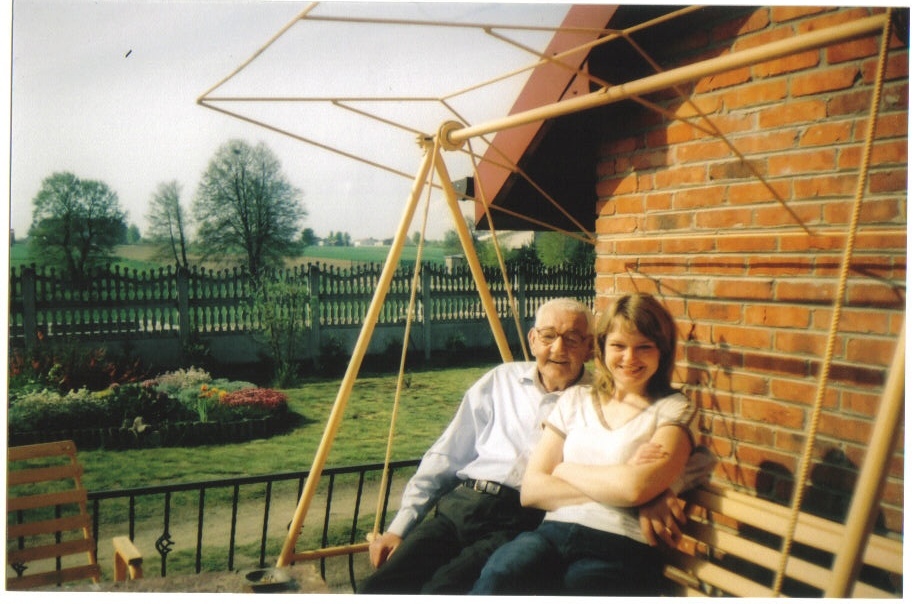
Irena with Dad in her garden, 2008

Irena with Dad in her garden, which provides plants for the shop

Irena is the daughter of my aunt Lusia, one of Dad’s sisters, and her husband Zbigniew, whom I never met.  When first we got together the photos would come out, many of them tiny squares of black and white, but precious memories, every one.  I would try to piece together the story and remember the names of family members who died long before I had the chance to meet them.
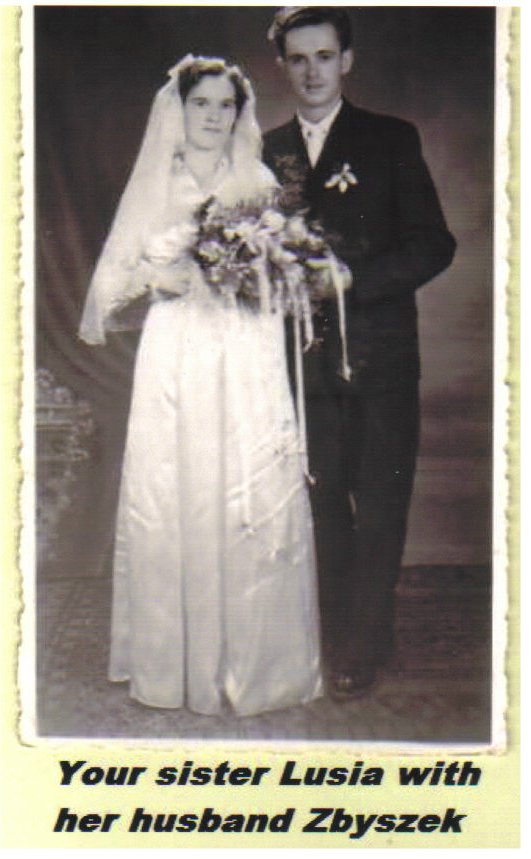
Lusia and Zbigniew

This is one of several photos that were emailed to us when Dad first made contact with his family. It’s a touching story, which many of you know.

Irena and Arek have two lovely children, Robert, a quiet young man, 22 this month, and his vivacious and beautiful younger sister, Weronika. (remember, the ‘w’ sounds like our’v’)
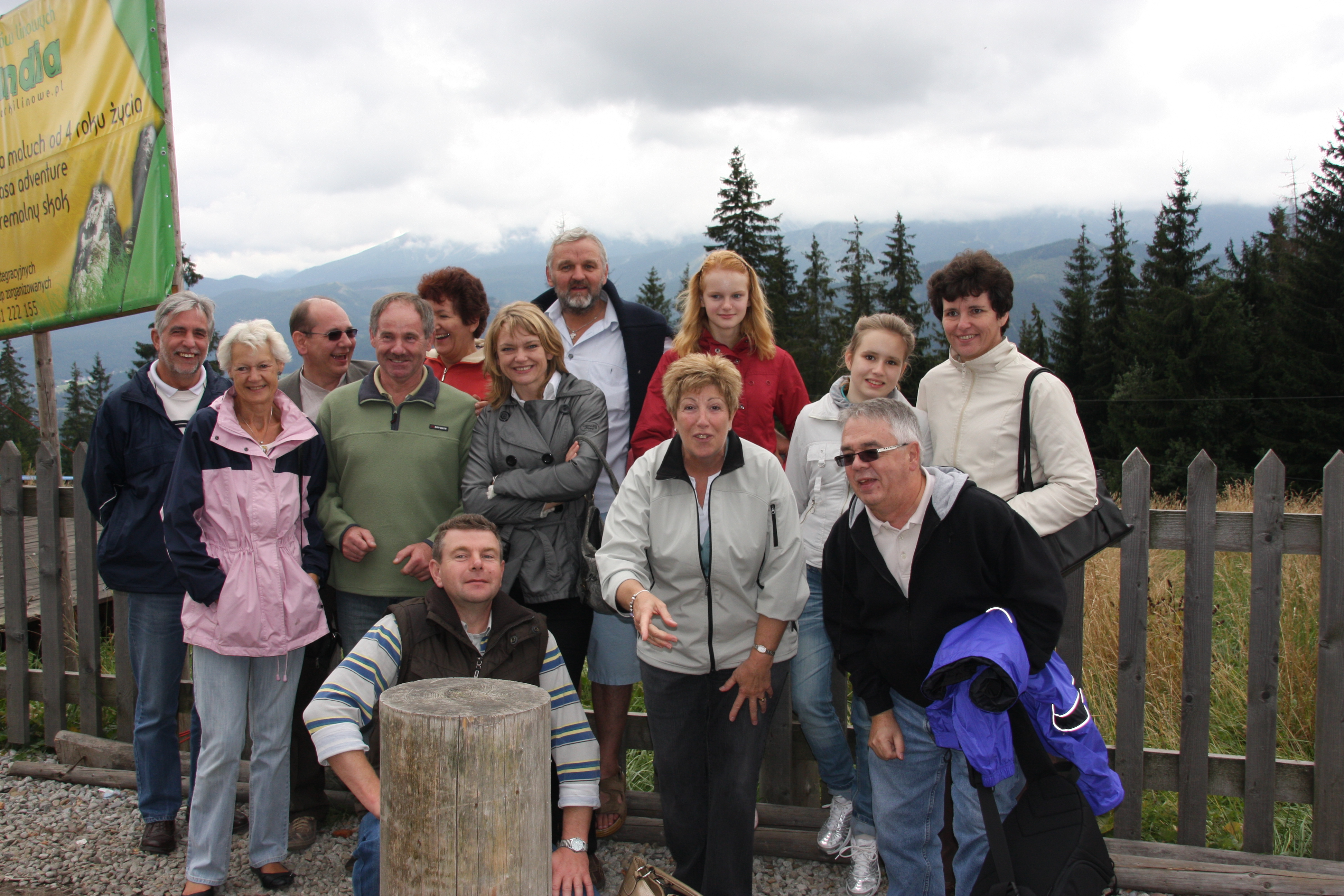
Arek in the foreground, with Irena behind him and Weronika, with golden red hair at the back

Arek in the foreground, with Irena behind him and Weronika, with golden red hair, at the back
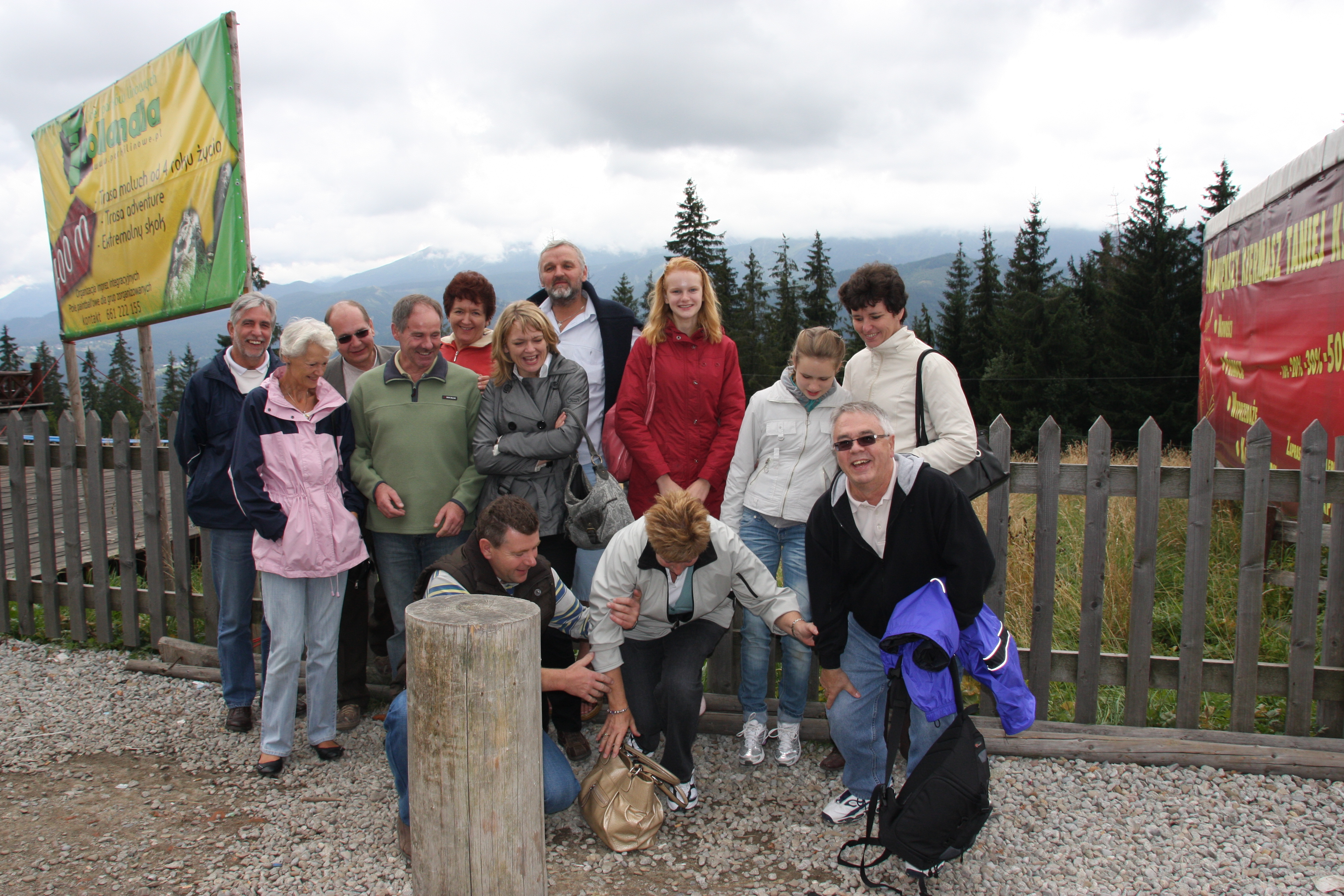
IMG_0554I should maybe explain what’s going on here.  Arek likes a bit of fun.  Several years ago the family were in Zakopane for a Silver Wedding celebration.  Lynne, my stepsister, and husband George, had joined us from Canada, and Lynne was practising with a new camcorder.  Her handbag, containing the camcorder, weighed rather a lot, so Arek was “helping” her to pick it up.

If you aren’t familiar with my Polish story, you could have a look at my Personal A-Z page.

Idziemy!  We go!

And so to grammar!  A silly saying that’s often used in our home, “I’ve already told you more than I know myself” completely applies to my knowledge of Polish grammar.  So, let’s start with a simple verb conjugation:

Iść- to go (on foot)

idę  – I go                                                   idziemy  – we go

idziesz  – you go (familiar form)      idziecie  – you go (polite form)

idzie  – he/she/it goes                          idą  – they go

Well, I got the hang of that.  But did you notice the (on foot)?  It transpires that there are numerous ways of saying you are going somewhere in Polish, and there is a separate verb for each of them! Thus ‘to go (by transport)’ uses the verb jechać.  Sometimes I can remember that verb (and it’s irregular conjugation), sometimes not!  Imagine my consternation when I later discovered that if I wanted ‘to go, by plane’ I needed another verb.  And so it goes on ….

I am a very bad student.  I used to love language at school but these days I have neither the patience nor the memory.  I recently discovered another ‘i’- Italki.  It offers the potential to converse in Polish (and many other languages), at any level, and I have been trying to convince myself to enrol.  I return to Poland on 29th April, for a family wedding, and this time I will be staying in a hotel with my husband, who will rely on my immaculate translation.  You’re right- there will be much nodding of heads and smiling.

Many thanks to Julie Dawn Fox for inspiring the personal A-Z Challenge, and to lovely Frizz, who prompts me to return to it whenever I see his A-Z (but never often enough).  Do visit these challenges if you can find time.  You will be richly rewarded.

banner4

U is for Urszula, Ursulines and “urodziny”

Poland-eagle-150squareEven though I’m a day late, I’m determined to post this today!  I already missed S and T, in spite of having slub. szczesliwy and Sukiennice at the ready, and Theresa, of course!  I can’t be everywhere! (a hard realisation for a lady like me to make)

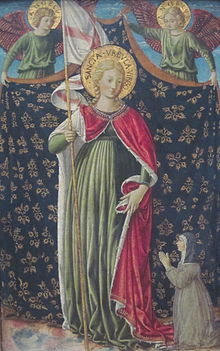
220px-UrsulaGozzoli

St. Ursula, from Wikipedia

In Poland many girls names trace back to a saint, and Urszula is no exception. The photo shown above is actually of an Italian Catholic saint, who was instrumental in the setting up of the Ursulines.  This is a religious order, founded in Brescia in 1535, and now a world wide organisation.

Urszula Maria Ledóchowska was a Polish religious sister who founded the Congregation of the Ursulines of the Agonising Heart of Jesus.  Doesn’t sound much fun, does it?  Born Julia Maria Ledóchowska on 17.4.65, she entered the novitiate of the Ursulines in Kraków.  She received the name of Ursula at the end of her training, and went on to become Mother Superior.  In Kraków she set up a home for female university students, then travelled abroad with the blessing of the Pope, fighting religious oppression.  She was active in St. Petersburg, Russia, in Finland, Stockholm and in Denmark.  In May 1939 she died in Rome, and was canonised by Pope John Paul II in May 2003.

Her feast day is May 29th, which may well be why my neice, Ula (short for Urszula), born May 28th, takes her name.  You’ve seen Ula before.  She’s the “lady of the cakes” who’s helping to run her Dad’s pieczywo de smakoszy (tasty cake shop) in Kraków.

Sampling the wares?

Here she is with her lovely Mum, Marta, my Dad and more cake (of course!)

Sampling the wares!

Sampling the wares!

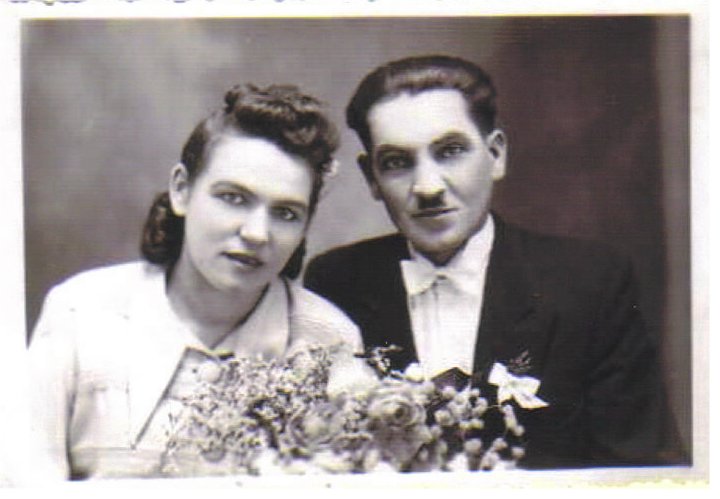
There was another Urszula in the family, Dad’s older sister, whom I never met. Over the years I have seen an assortment of photos, but know little of her history, other than that she died early.  Here she is, on her wedding day.

Ursula, with her husband, Ignacy

Ursula, with her husband, Ignacy

And that just leaves us with urodziny– birthdays!  You can imagine how many cards I send to Poland every year, can’t you?

I’m sure Frizz won’t mind that I’m slightly out of sync on his series of A-Z’s. He’s a very forgiving chap, and the letter V which is next up doesn’t exist in Polish. (W is pronounced “v”)  There is no timescale for Julie Dawn Fox’s Personal A-Z Challenge, which I’m sure you’ll agree is just as well.  I’d be very happy if you could check out both, and maybe even join in?

banner4

R is for “rodzina”

Poland-eagle-150squareRodzina is the Polish word for family, and what an important word it is.

For many years “Polish family”, to me, meant just Dad.  My English mother, Nancy, has been dead for 23 years, and, having no brothers and sisters, ours was a small family unit.  Then came the fateful phone call.  I’ve told the story countless times, but it still fills me with wonder.
Dad (centre) reunited with his brothers and sisters after 64 years

Dad (centre) reunited with his brothers and sisters after 64 years

Unknown to him, in Poland, awaited an enormous family.  Following the phone call, arrangements were made for us to visit.

From his second marriage, to Laura, Dad already had inherited quite a large English family.  Laura was a lovely lady, but she died on Dad’s 70th birthday, leaving him saddened and lonely.  My presence and that of my stepbrother, Tony, and his family, was not enough to fill the gap.  My stepsister, Lynne, though always in touch, was far distant in Canada.  That phone call changed Dad’s life.  It also made quite a difference in mine.

Arriving at the farm with cousin, Adam

Arriving at the farm with cousin, Adam

Zawady 31.3-1.4.07 003

My cousin Marysia, and neice, Kasia

Ewa in the forefront, Marysia and Jadzia on the right

Cousins, Ewa, forefront, Marysia and Jadzia on the right- Dad, centrestage!

If you’ve followed any of my Polish A-Z you’ll know that I have 26 cousins (one for each letter of the alphabet?) so it’s impossible to show them all here.  Off we went to Poland, with camera crew in tow.  Dad was featured on North East Tonight on 15th March 2007.  Watching the webcam still has me sniffling.

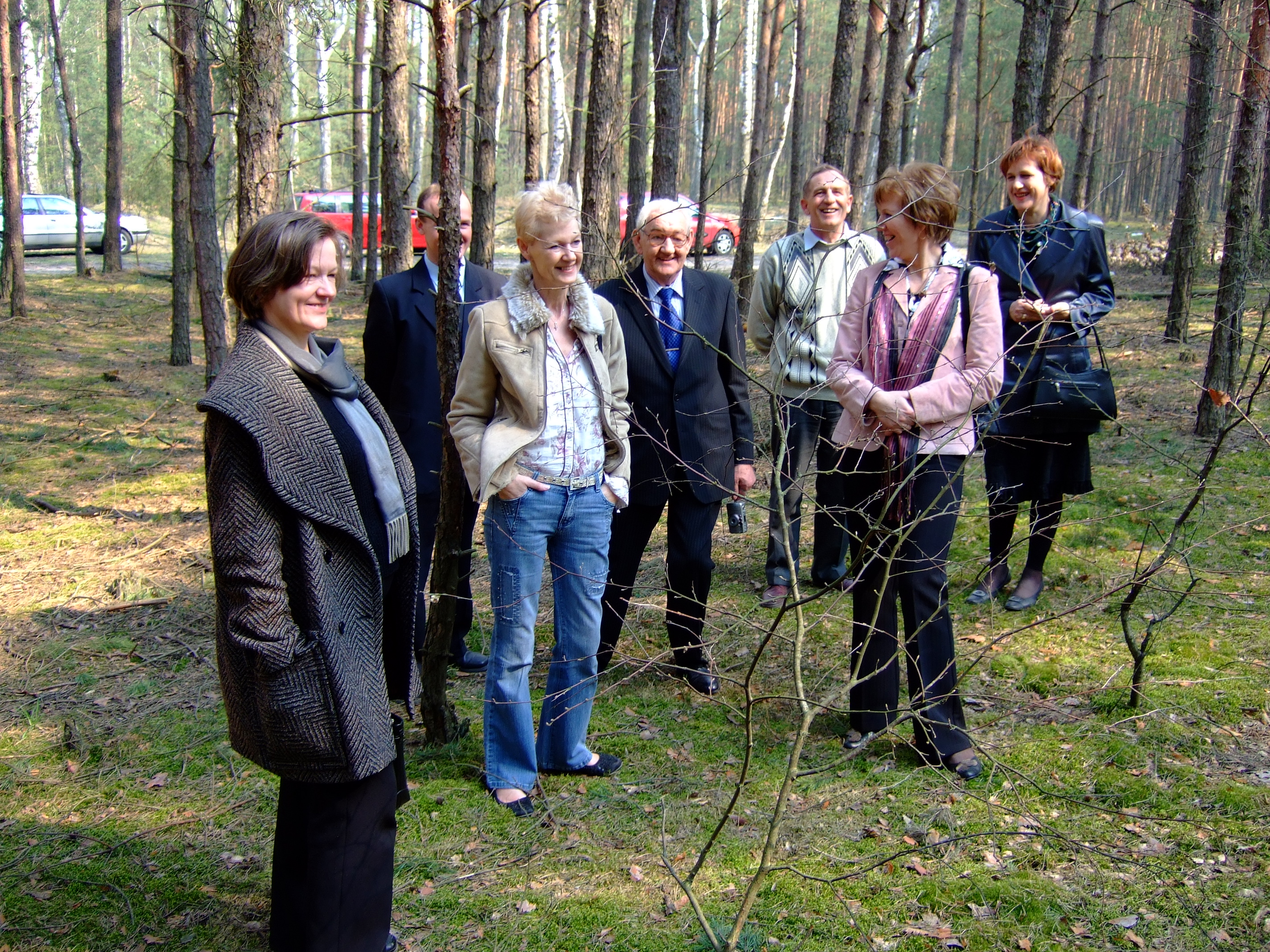
After a day or so in beautiful Kraków, with my cousin Adam, we drove north to meet the family.  The cacophony of tooting horns and voices as we drove in through the farmyard gates will stay with me for a very long time.  Then, in good old Polish fashion, jemy i pijemy– we ate and we drank! A drive through the woods helped Dad to familiarise himself with the place he had left behind so long ago.

Lighting candles

Lighting candles

As all Polish visits seem to do, we ended up at the cemetery.  They may celebrate life in fine style, but they never forget to honour loved ones.  And the bigger the family, the more the farewells.  Already I have said goodbyes to my much-loved Aunt Anna, and to uncle Włodek’s wife, Janina.  Cousins Gosia and Dominik were both much too young to die.  But life is seldom gloomy around my Polish family.

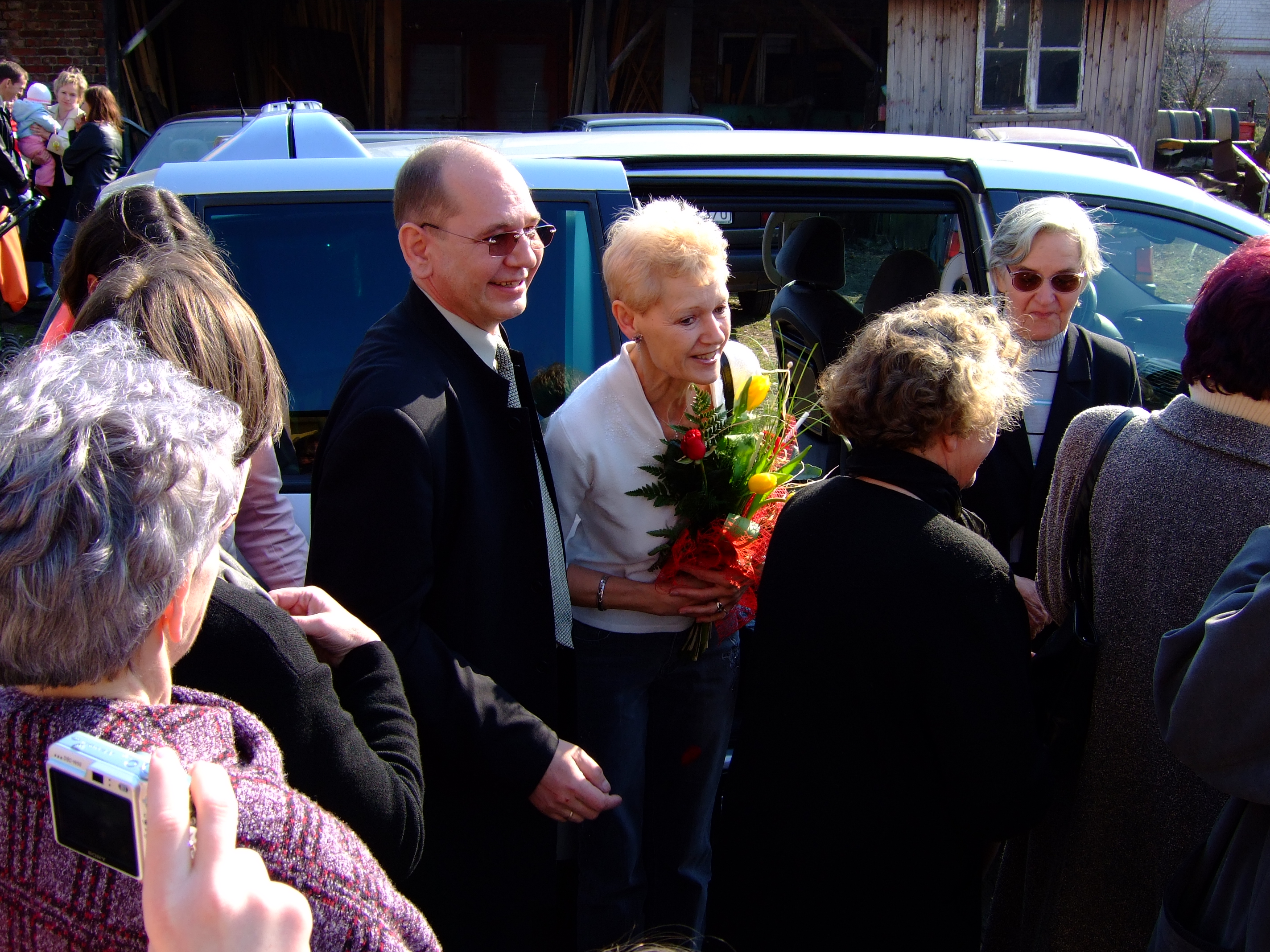
Life is full of smiles (here with neice, Ula)

Life is full of smiles (here with neice, Ula)

Nephew Lukasz with his sister Weronika, soon to be wedded to Wojtek (front)

Her brother, Łukasz, and sister Weronika, soon to be wedded to Wojtek

Beautiful scenery

Beautiful scenery, like Wawel Cathedral

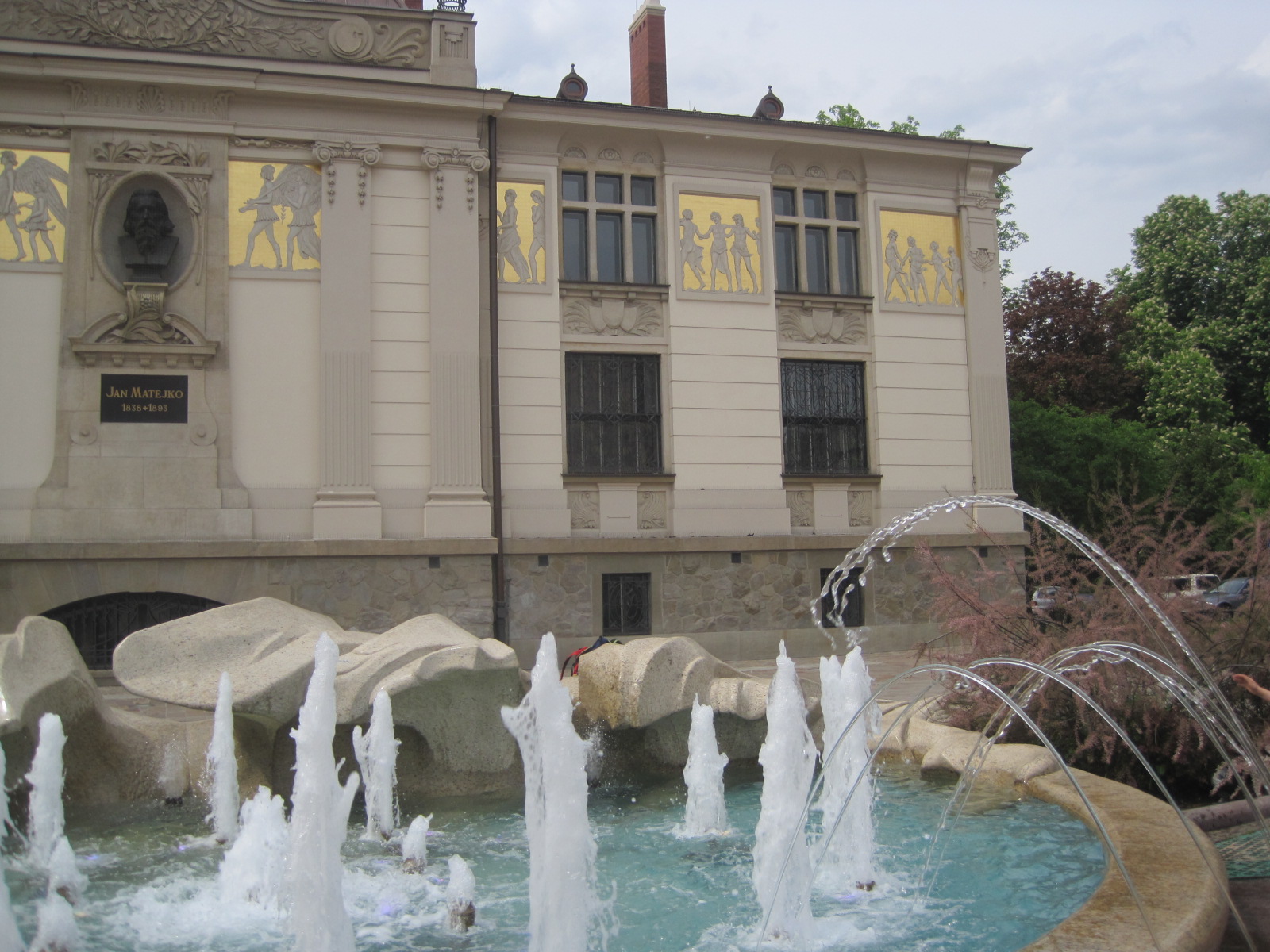
Like these fountains in Krakow

These fountains at Pałac Sztuki in Kraków

And a chess piece or two.

A chess piece or two

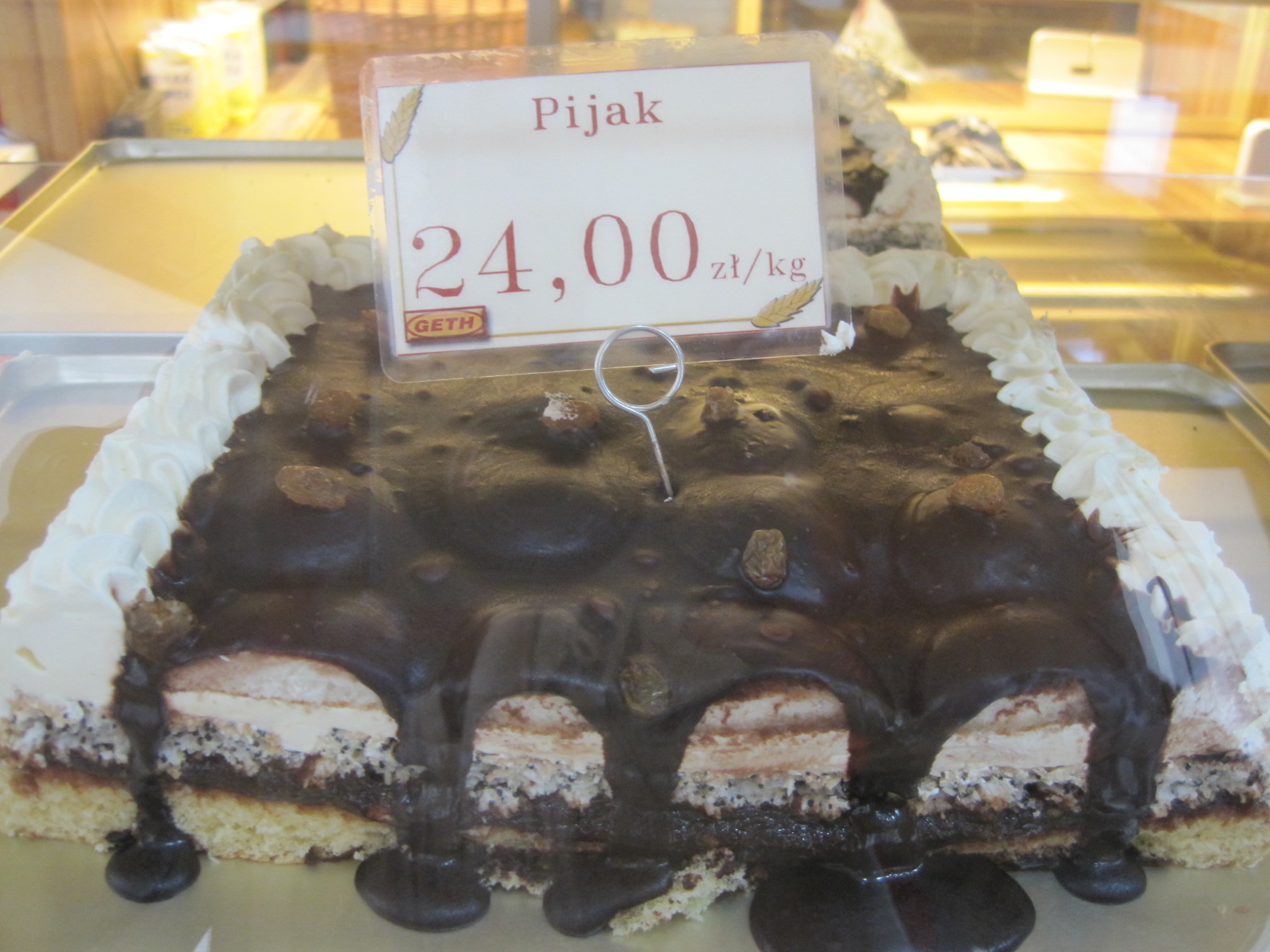
And cake!

And cake!

Dad has always been kind, caring and the very definition of a gentleman, whatever life has brought his way.  You can read more of his story here.  I hope you’ve enjoyed sharing tales of my rodzina Polska.  Many thanks to Julie Dawn Fox, who started me off on this Personal A-Z series, and to my good friend at Frizztext for welcoming me to his A-Z.  Please click on the links or the logos to see more.

banner4

Q is for Quinta

404322_287595227969825_100001580503329_842365_806400363_n

“Quinta” is the Portuguese word for a country home or farmhouse.

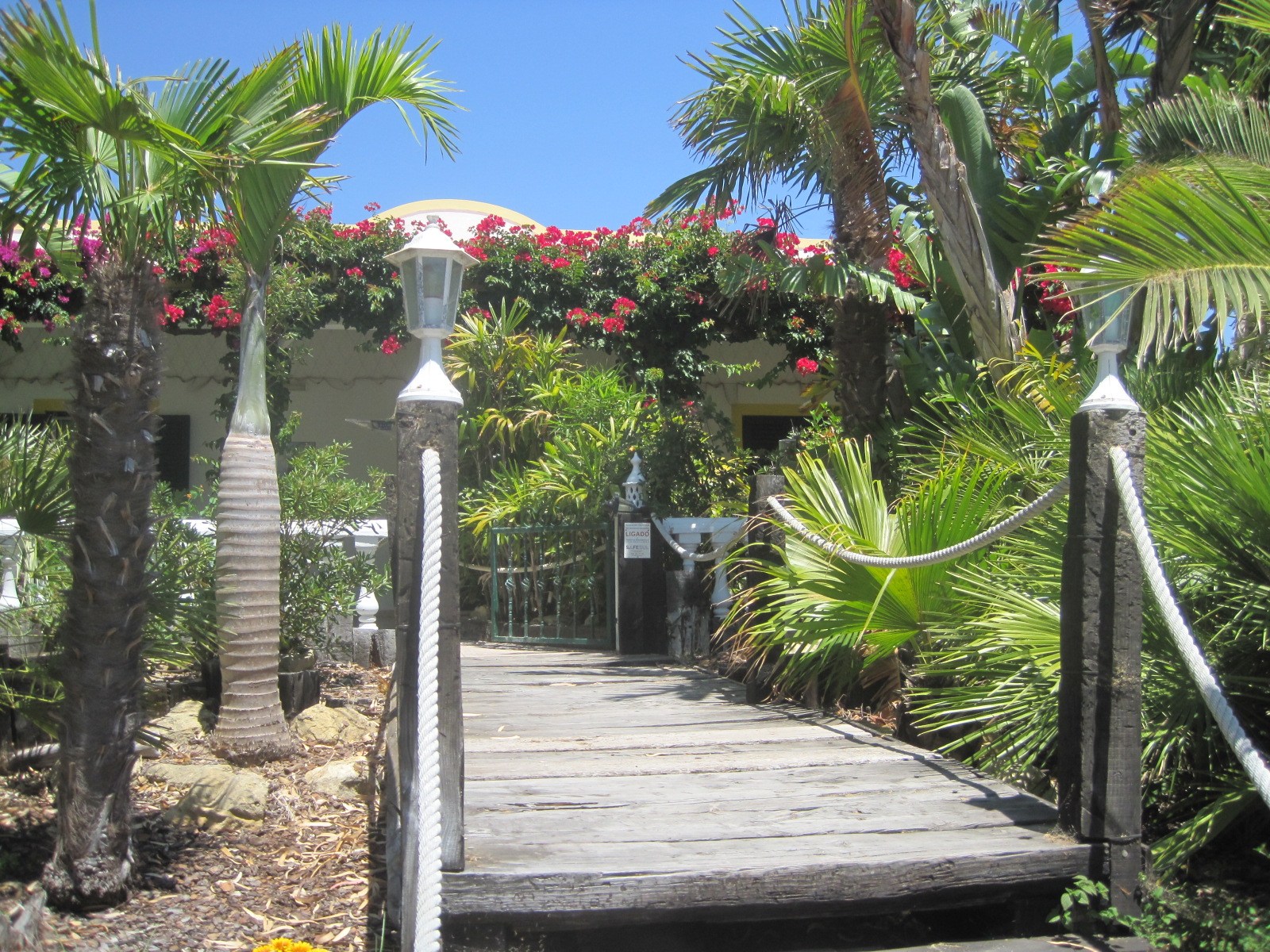
It’s something I’ve long aspired to, though I’m more likely to end up in a beach hut!  This place on Armona would be fine, with bougainvilea tumbling over the walls, and a pot or two of welcoming hibiscus on the doorstep.

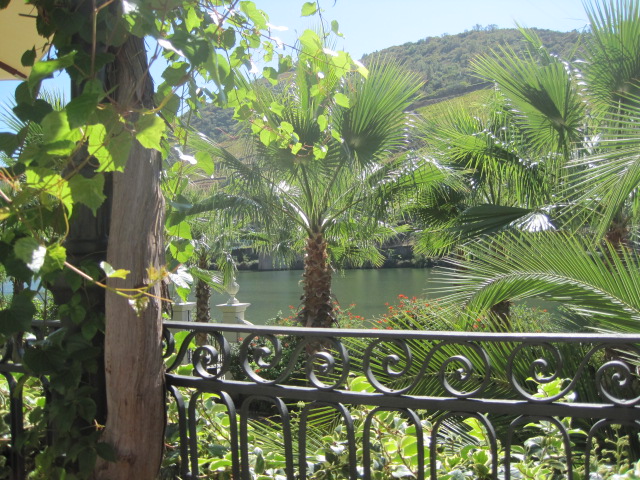
I might go for this tropical look

Isn’t it wonderfully tropical?  Imagine those palms rustling in the breeze.

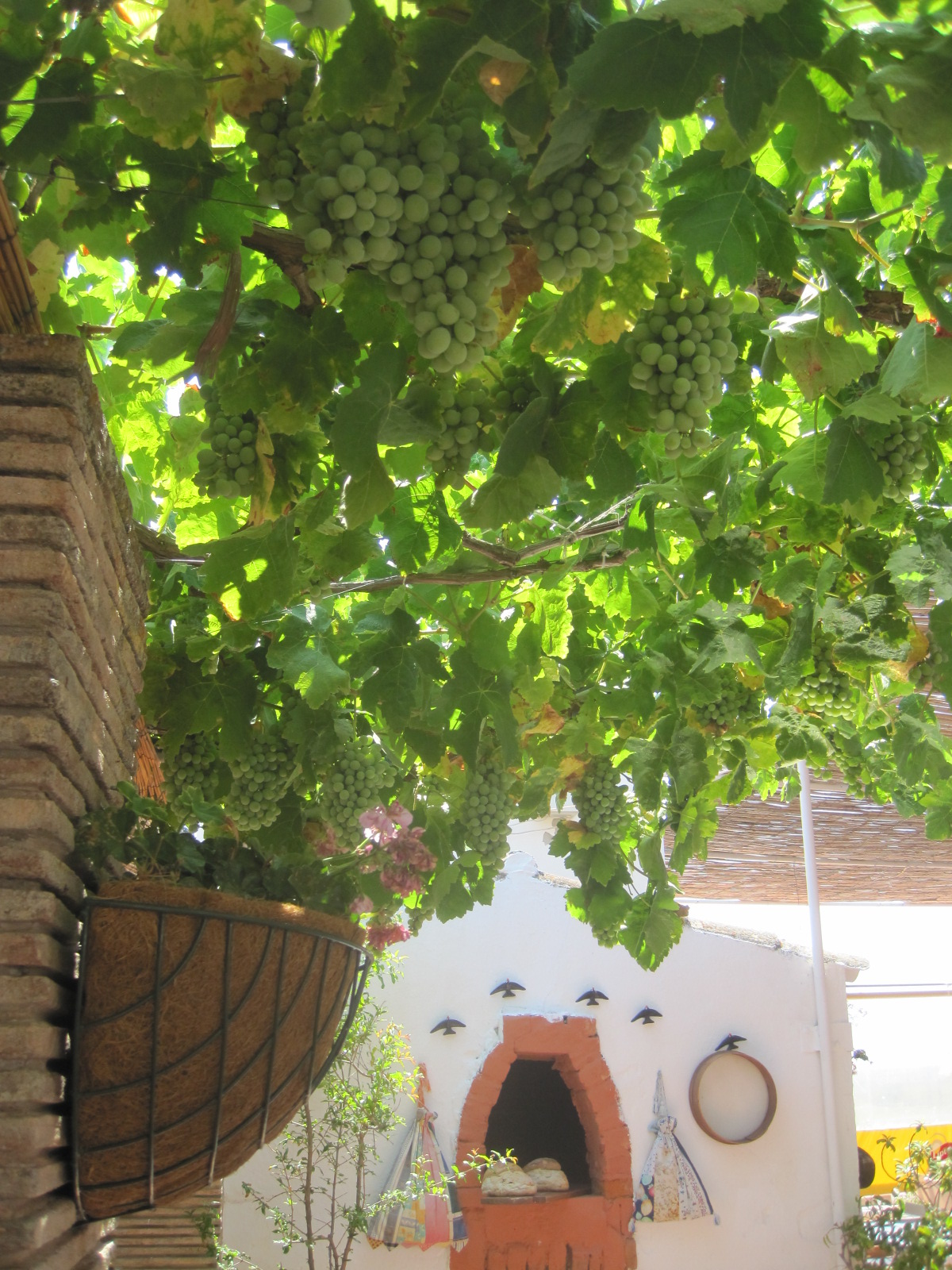
There’d be a lemon tree and a fig tree.  Maybe a lime too, but no oranges.  I’ve never liked oranges, though the blossom is very pretty.  I have no idea how long it takes to produce a decent vintage of grape, but the notion of a few vines and their dangling temptation is very appealing.

A little grape trampling anyone?

A little grape trampling anyone?

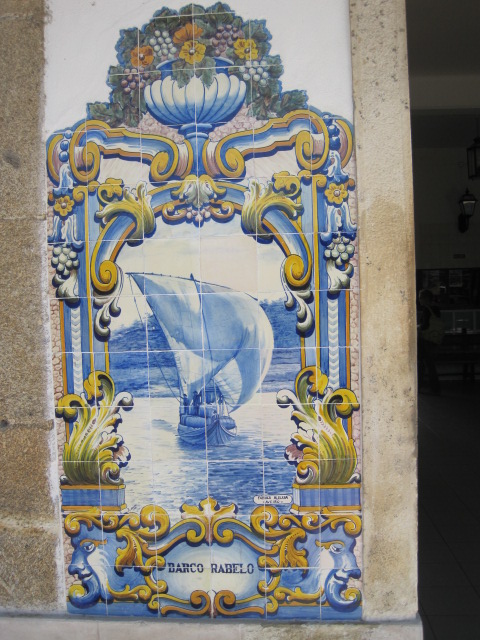
A Portuguese house isn’t a home without an azulejo panel.  Maybe even two!

There's those tempting grapes again!

There’s those tempting grapes again!

And a barco rabelo!  What more would I need?

And a barco rabelo! What more would I need?

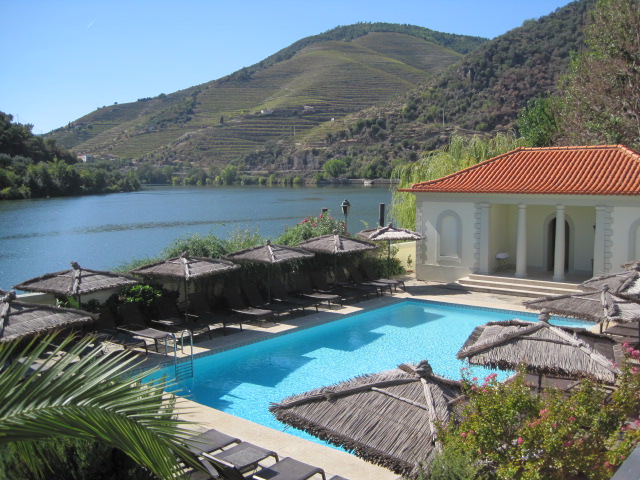
And this view of the Douro might come at more than I can afford.

This view of the Douro might come at more than I can afford.

Especially with the swimming pool!

Especially with the swimming pool!

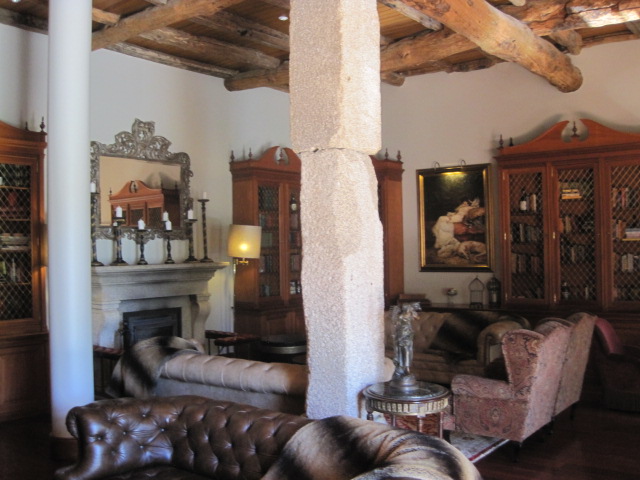
The Vintage Hotel, Pinhao

And I could live with wooden ceilings and floors! (The Vintage Hotel, Pinhao)

But I’m getting a little carried away now.  It easily happens, doesn’t it?  You know I’d never want to be too far from my salt marshes.

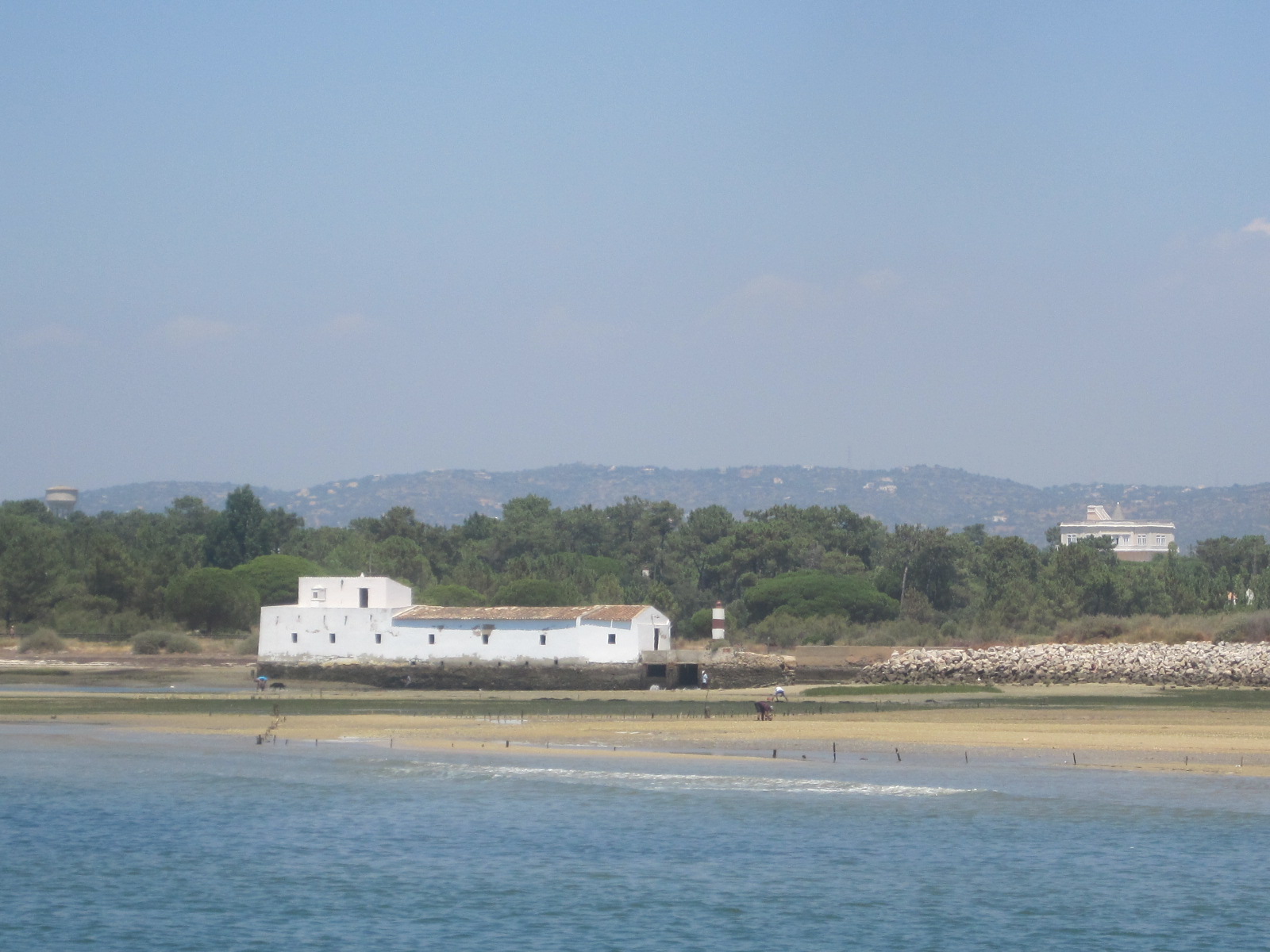
When I first visited Portugal I read my “Rough Guide” from cover to cover.  One of the Algarve recommends was Quinta de Marim – a nature reserve with a tidal mill.  It wasn’t far away, just 2kms east of Olhao, but finding it was a different proposition.  I seem to have the ability to blatantly disregard directions in a guide book, while still being convinced that I am on the right track!

Eventually we got there, and I loved what I found.  Nothing very fancy.  A few nature trails.  Wild flowers thriving quite happily in the salt air.  The gentle lap of the water flowing through the tidal mill, itself just an old quinta.  I need to go back, and soon.

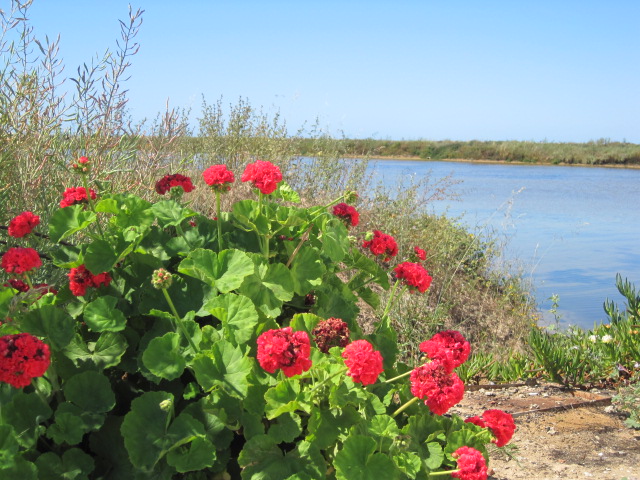
The salt marshes at Fuzeta

Salt marshes at Fuzeta

The tidal mill at Quinta de Marim

The tidal mill at Quinta de Marim

This post hasn’t gone quite the way I thought it would, but this is my Personal A-Z Challenge, and I hope you’ve enjoyed it so far.  My customary thanks go to Julie Dawn Fox for conceiving the challenge, and to Frizz who daily inspires and entertains me.  This week his A-Z has reached QQQ.  Follow the links and logos for a little inspiration yourself.

banner4

P is for Pope, Piotrek and Przemek!

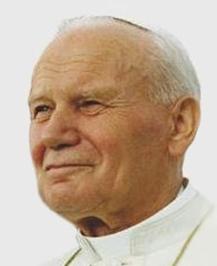
Poland-eagle-150square Poland is, by and large, a Catholic country, and one of the images that stays in my head from my very first visit is that of Pope John Paul II (or Jan Pawel, as he’s known in Poland).  I already had enormous respect for this very human and vital man, but I hadn’t fully realised the reverence for him in his homeland.  When I began to look into the story of his life, I understood why.

Pope John Paul II in 1993- courtesy of Wikipedia

Pope John Paul II in 1993- courtesy of Wikipedia

Karol Józef Wojtyła was the head of the Catholic Church from 16th October 1978 till his death on April 2nd, 2005.  Born at Wadowice in Southern Poland on 18th May, 1920, he was to become the first non-Italian pope since 1523.

He was the youngest of three children born to his parents, though his sister Olga had died before he was born.  In reality he should not have been born himself because his mother, Emilia, had been told that she had no chance of giving birth to a live child.  A devout Catholic, she refused an abortion, and the child did indeed live, though Emilia herself died in childbirth when Karol was just 8 years old.  An athletic boy, he loved football and sports.

In 1938 he and his Dad moved to Kraków, where he enrolled at the Jagellonian University.  He took philosophy, and developed a talent for languages (he learned 12, which puts me to shame!).  He had to take part in compulsory military training, but refused to fire a weapon.  In 1939, the German occupying force closed the university and he had to find work to avoid deportation.  His Dad died of a heart attack in 1941, so that, by the age of 20, he had “already lost all the people I loved”.  It was then that he began to think seriously about the priesthood.

Statue of John Paul II in the grounds of na Skalce

Statue of John Paul II in the grounds of na Skalce church, in Kraków

In 1942 he knocked on the door of the Archbishop of Kraków and asked to be admitted to the clandestine undergound seminary.  He had some narrow escapes, but survived the war years to spend a year as a village parish priest, before being transferred to Kraków.  He taught ethics at the Jagellonian University and gathered a little group around him that became known as “Rodzinka”-  his “little family”.  As well as prayer and charitable works the group went kayaking and skiing with him.

You have to remember that these were now Communist times in Poland.  The Faculty of Theology was disbanded at the university and priests were forbidden to travel with students.  Father Wojtyła asked his students to call him “Wujek”- the Polish word for uncle (which I love very much), so that it would not be obvious he was a priest.  The name stuck, and to Poles he would always be their beloved Wujek.

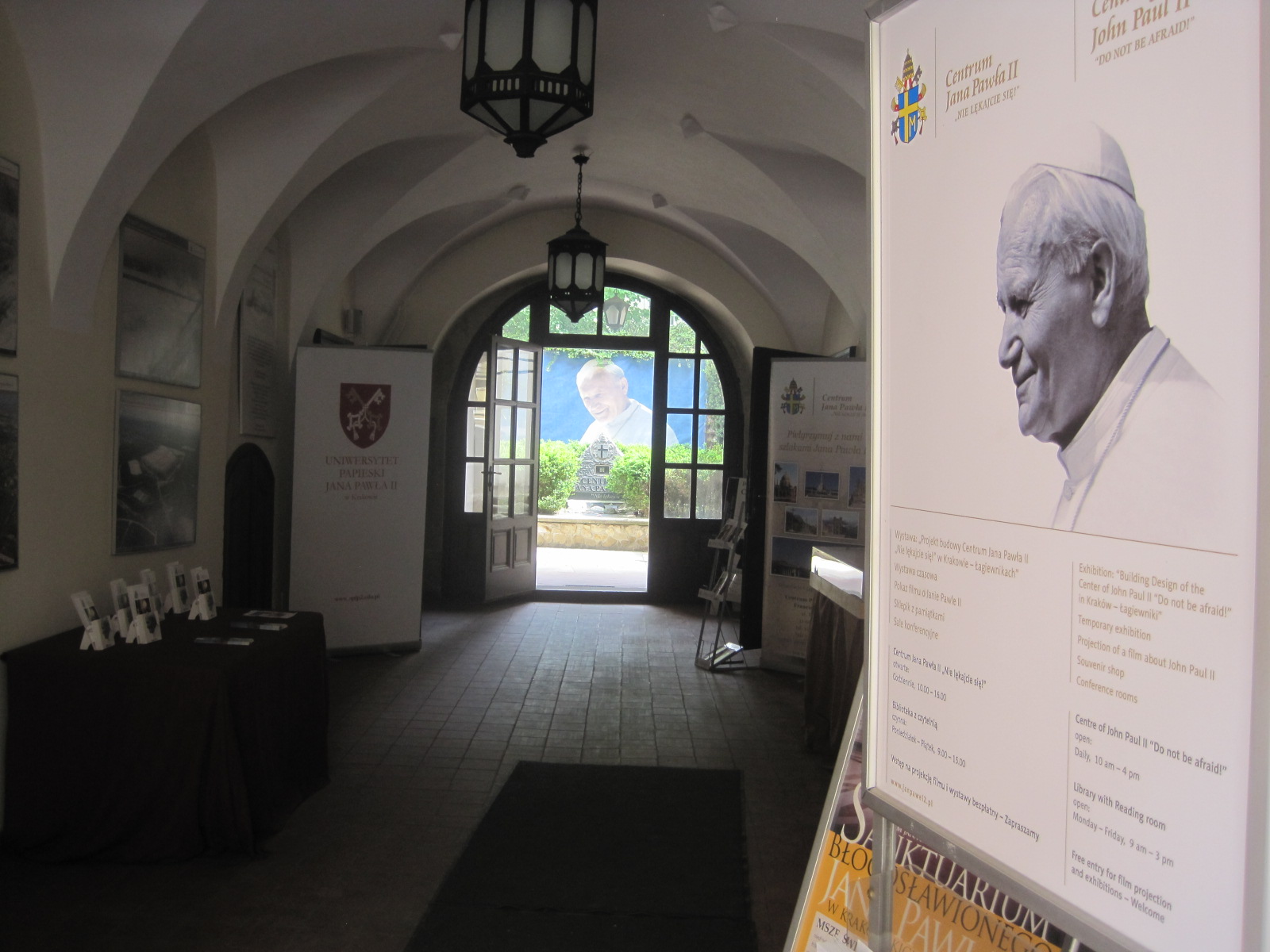
The museum dedicated to Pope John Paul. a beloved local

The museum dedicated to Pope John Paul. a beloved local

At just 38, Wojtyła was appointed Bishop of Kraków, and from there it was a steady rise to the papacy.  His mission was “to place his Church at the heart of a new religious alliance that would bring together Jews, Muslims and Christians in a great [religious] armada”.  He was to travel the world like no Pope before (129 countries in total!) in an effort to do so.

In June 1979 he made his first trip back to Poland as Pope.  His country was still completely under the Soviet thumb but he encouraged them to adhere to their faith and affirm solidarity with one another.  The Communists were not to relinquish power for another decade, but it was with the Pope’s encouragement and “soft power” that Solidarnosc was born as a movement.   In 2004 he was nominated for the Nobel Peace Prize for his lifelong opposition to Communist oppression and for trying to reshape the world. The full story is in the Wikipedia link at the top of this post.

Beside Wawel Castle in Kraków

Beside Wawel Castle, in Kraków

I was in Kraków in 2007 on the 2nd anniversary of his death, and the crowds and emotion were overwhelming even then.  Candles flickered as his voice was broadcast into the night.  Since then I have always been aware of his presence whenever I am in the city.

P is for Piotrek and Przemek

Piotrek is the English equivalent of Peter, and a popular name in Poland, so of course, I have a cousin of that name!  He’s the carpenter son of Lodzia and Zygmunt, and a lovely man with whom I have danced at a wedding or two.

Within the family we also have a diminutive Piotrek (Piotrus) who is a proper scene stealer, as small boys are.  He is the son of Krzystof and Ilona, whose wedding I went to in April 2008.

That just leaves Przemek!  He is the son of my cousin Adam’s sister, Basia (also my cousin- no wonder I’m confused!).  His English is impeccable.  He and fiance Marta were house-hunting when I was last there, so who knows if there’ll be yet another wedding in the not too distant future.

Przemek and Marta

Przemek and Marta

Well, I’ve bent your ears enough for one post so it’s time to say thank you to Julie Dawn Fox for hosting the Personal A-Z Challenge, and to lovely Frizz for also letting me tag along on his A-Z.  As always the links and logos will take you there.

banner4

N is for “Nie rozumiem”

Poland-eagle-150square

I’m having great fun trying to keep pace with both of my A-Z challenges, at Frizz’s weekly pace!  On Tuesdays the new letter comes out, so yet again I find myself leaping from Portugal to Poland.  It’s quite a stretch!

Can you guess what “nie rozumiem” means?  “I don’t understand”.

It’s probably the expression I have used the most in my visits to Poland.  Despite the best of intentions I struggle to get my ear attuned to Polish, and you can’t really say “please will you write it down so I can understand”.  It doesn’t seem polite somehow, and rather impedes the flow of conversation!

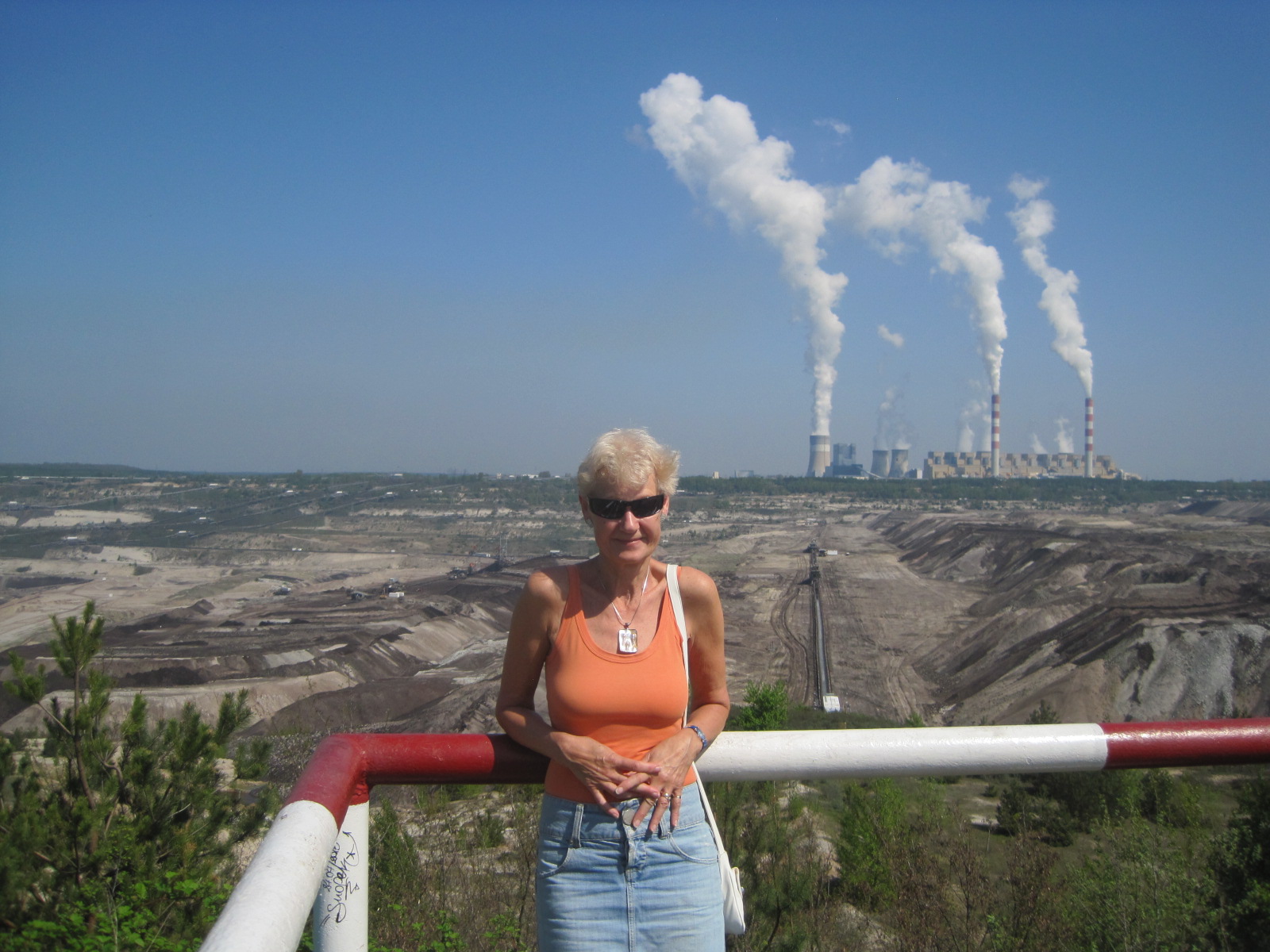
The mine at Belchatow

Another thing I’m not great at understanding is feats of engineering, but even I could see the type of industry that was going on when the family took me to inspect the nearby mine at Bełchatów.  This is Europe’s largest coal-fuelled thermal power station.  There are huge viewing platforms from which you can observe most of the process.  It’s the chief employer in the area and many of my family have worked there.  The technology looks impressive.

Seldom have I been photographed at an opencast mine

Seldom have I been photographed at an opencast mine

It's a monster!

It’s a monster!

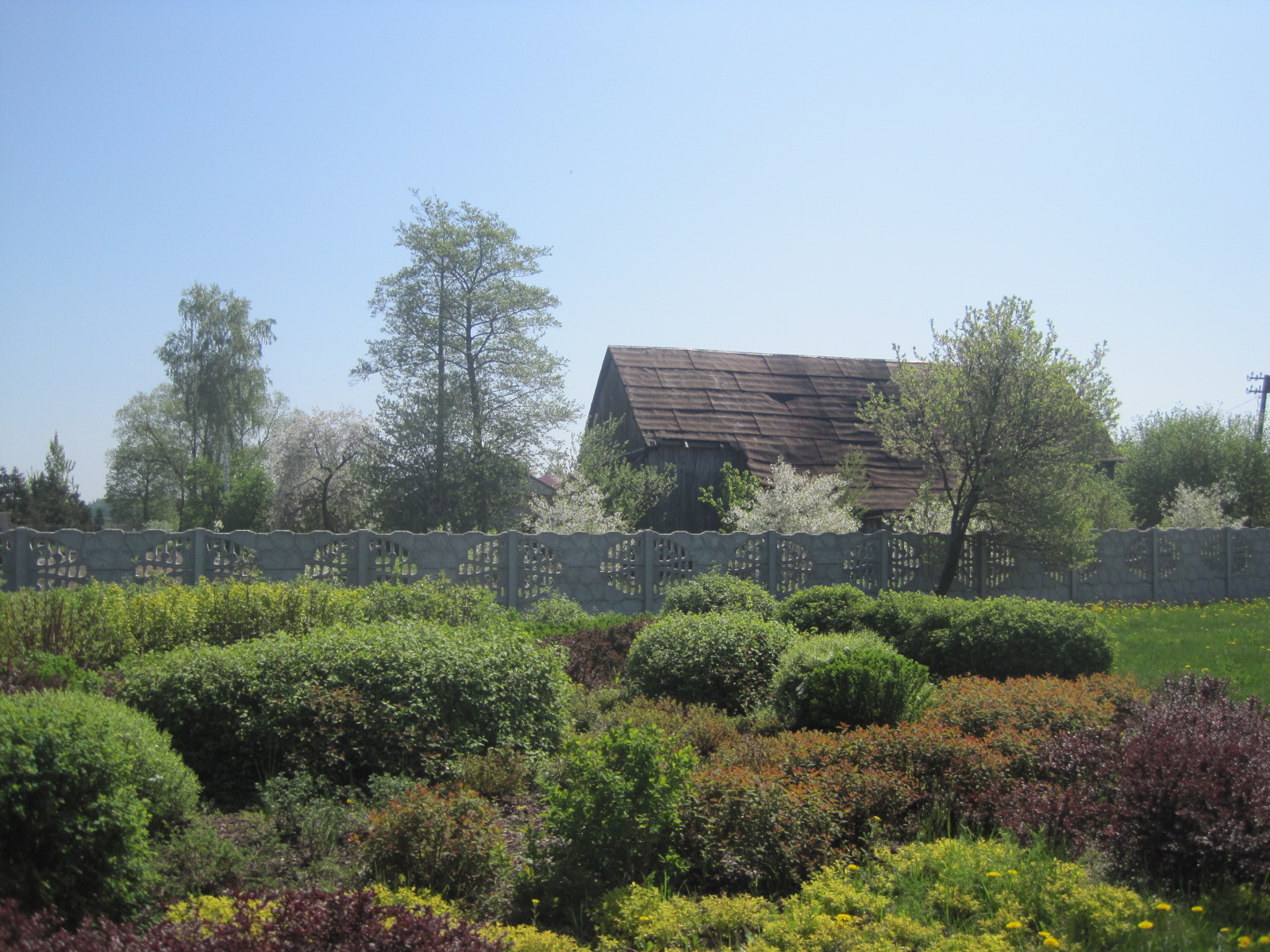
Imagine having a lovely home like this right next door!

Imagine having a lovely home like this right next door!

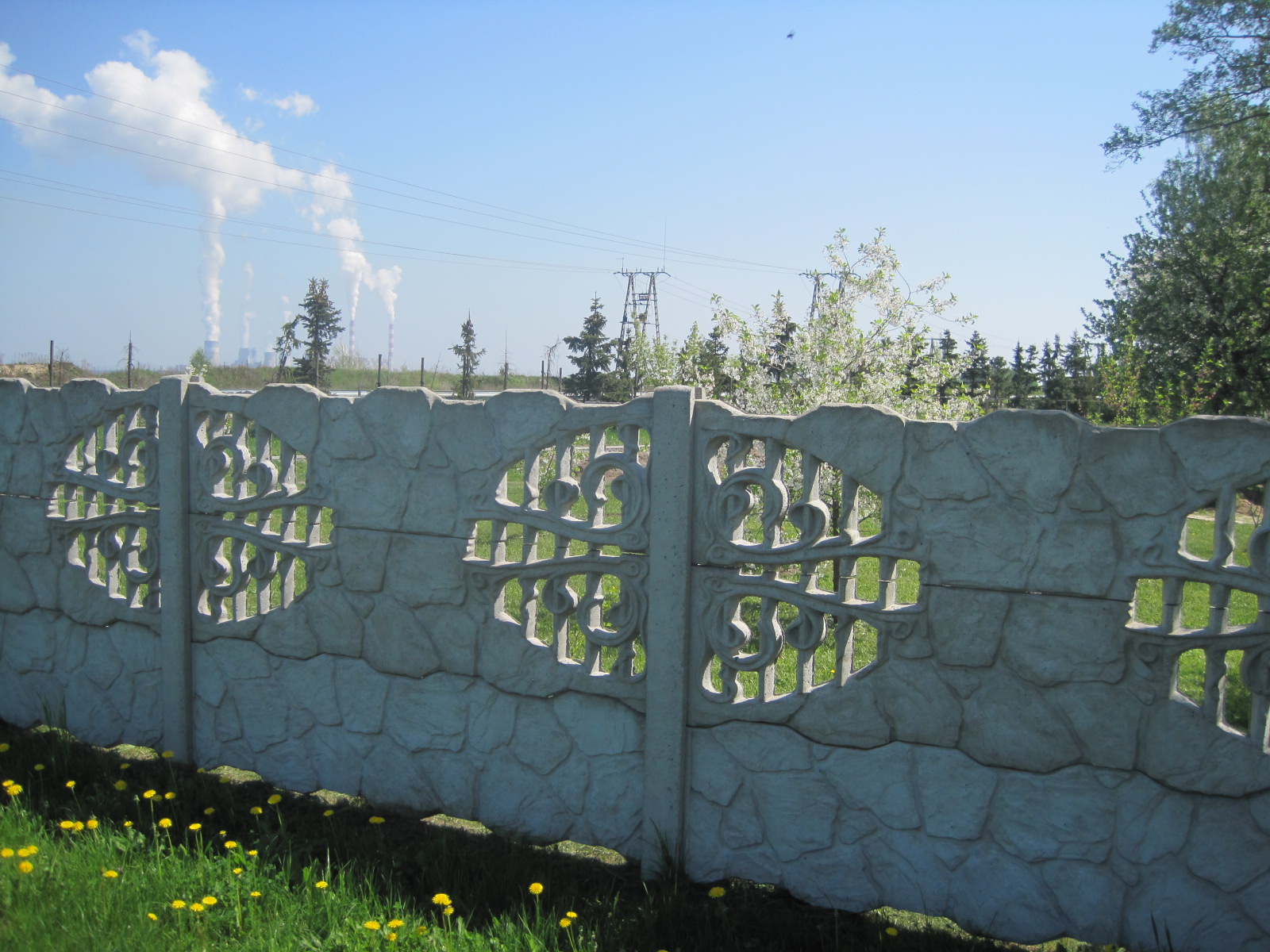
I rather like the Polish style of fencing (but not the view!)

I rather like the Polish style of fencing (but not the view!)

We drove all around the enormous site to a lakeside location with sports facilities, and, you’ve guessed it, a cracking view of the power station!  Apparently it’s very popular in Summer.  Bełchatów is far from the seaside.

Lakeside chalets

Lakeside chalets

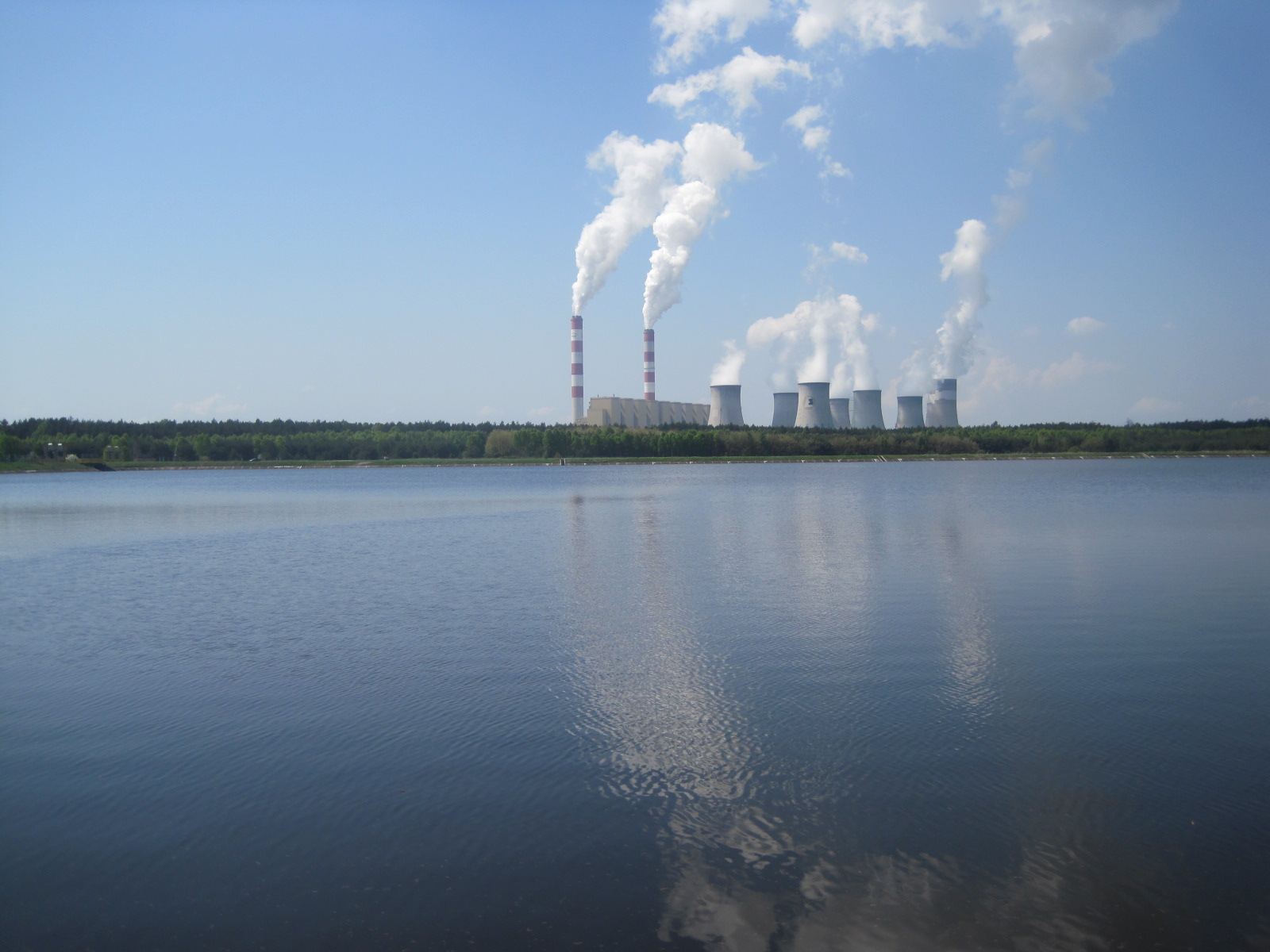
The view!

The view across the lake

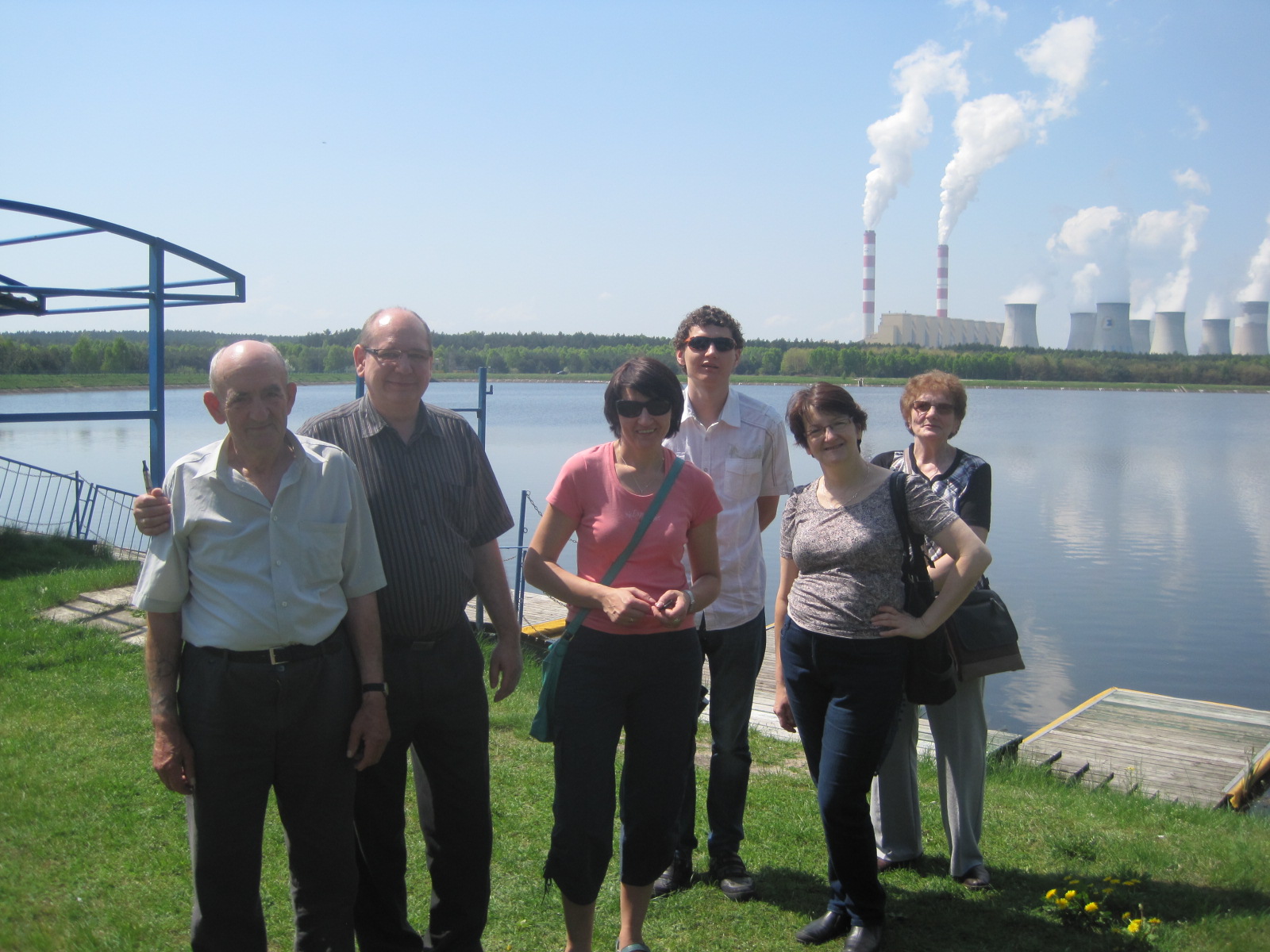
But the family were happy and smiling!

But the family were happy and smiling!

Left to right they are- Uncle Jakub, cousins Adam and Bożena,  Kuba in the background (Bożena’s younger son), cousin Marta, who is also married to Adam, and Czesława, Jakub’s wife.  I hope you are paying close attention.  There may be a test!

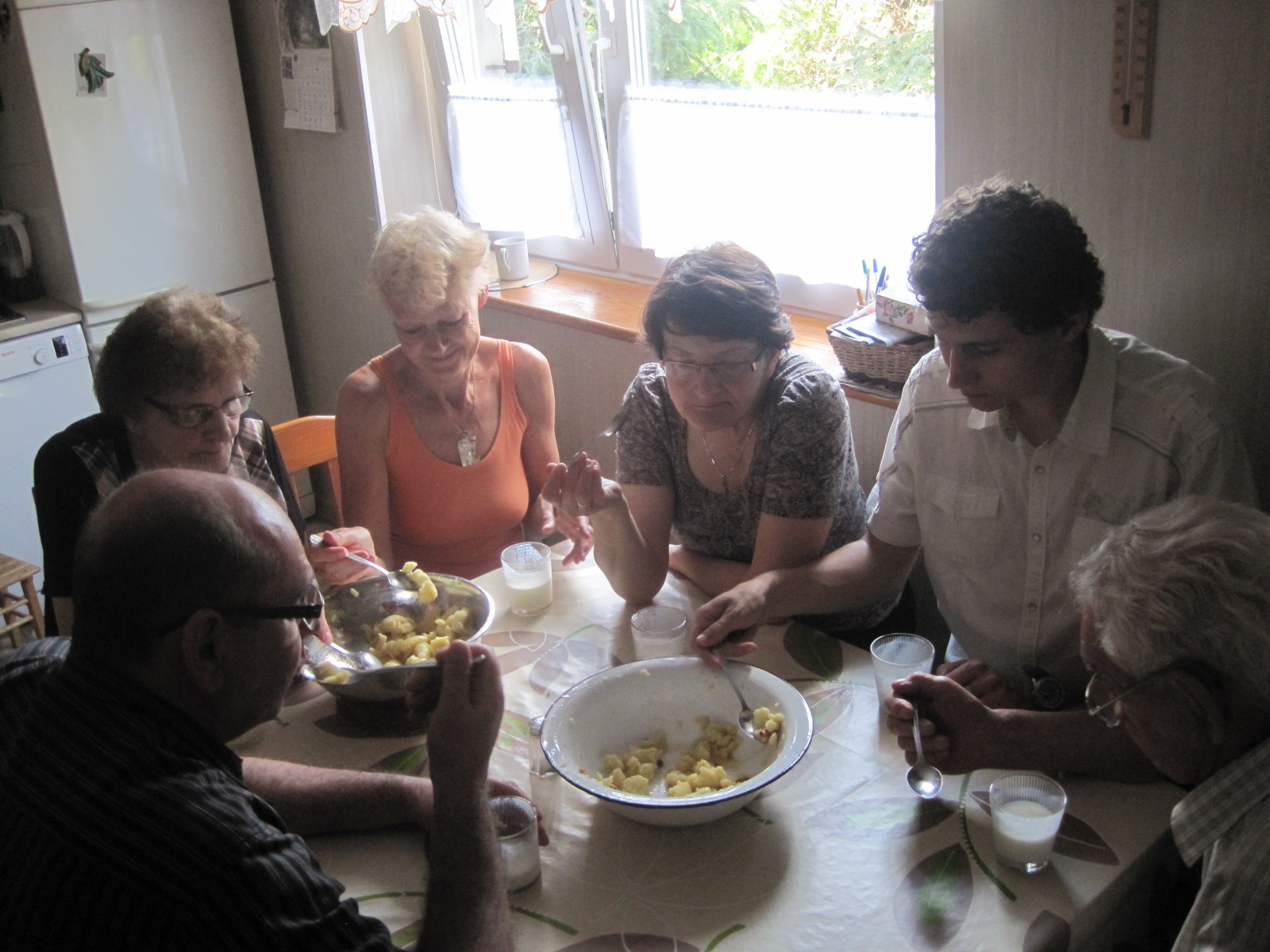
It was a warm day and afterwards Adam took us all for icecream.  There was one more treat in store.  Back at Jakub’s, Czescia cooked “ziemniaki z smażony tłuszcz”- potatoes with fried pork scratchings.  It was explained that the dish was very popular in the days when people had nothing in Poland.  Potatoes were an important staple and I have tasted some of the best potatoes ever, homegrown from Aunt Lusia’s garden.  I have to say that today’s dish was not much to my taste, but Dad and the family made short work of it.

Enjoying "old style" Polish cuisine

Enjoying “old style” Polish cuisine

I hope you’ve enjoyed my little venture into Polish culture today.  I have to thank Julie Dawn Fox for starting the Personal A-Z Challenge, a long time ago, and Frizz at Flickr Comments for helping me to catch up.  The links and logos give more information.

I can breathe a sigh of relief now because I have already posted the letter “O” for both Poland and Portugal.  You can read them from my A-Z pages.

banner4

N is for “não faz mal”

404322_287595227969825_100001580503329_842365_806400363_nIt seems ages since I was in Portugal, though in fact it was only in July.  In the words of a little Portuguese phrase, “não faz mal”- it doesn’t really matter.  Não faz mal is a bit like de nada in Spanish, but said with a Portuguese shrug of the shoulders, meaning “It’s ok!”

Portugal will still be there waiting for me, but I can’t help feeling a bit regretful.  Autumn is a lovely time to be there.  My walking group will be back in action after the Summer heat.  So many things I miss.

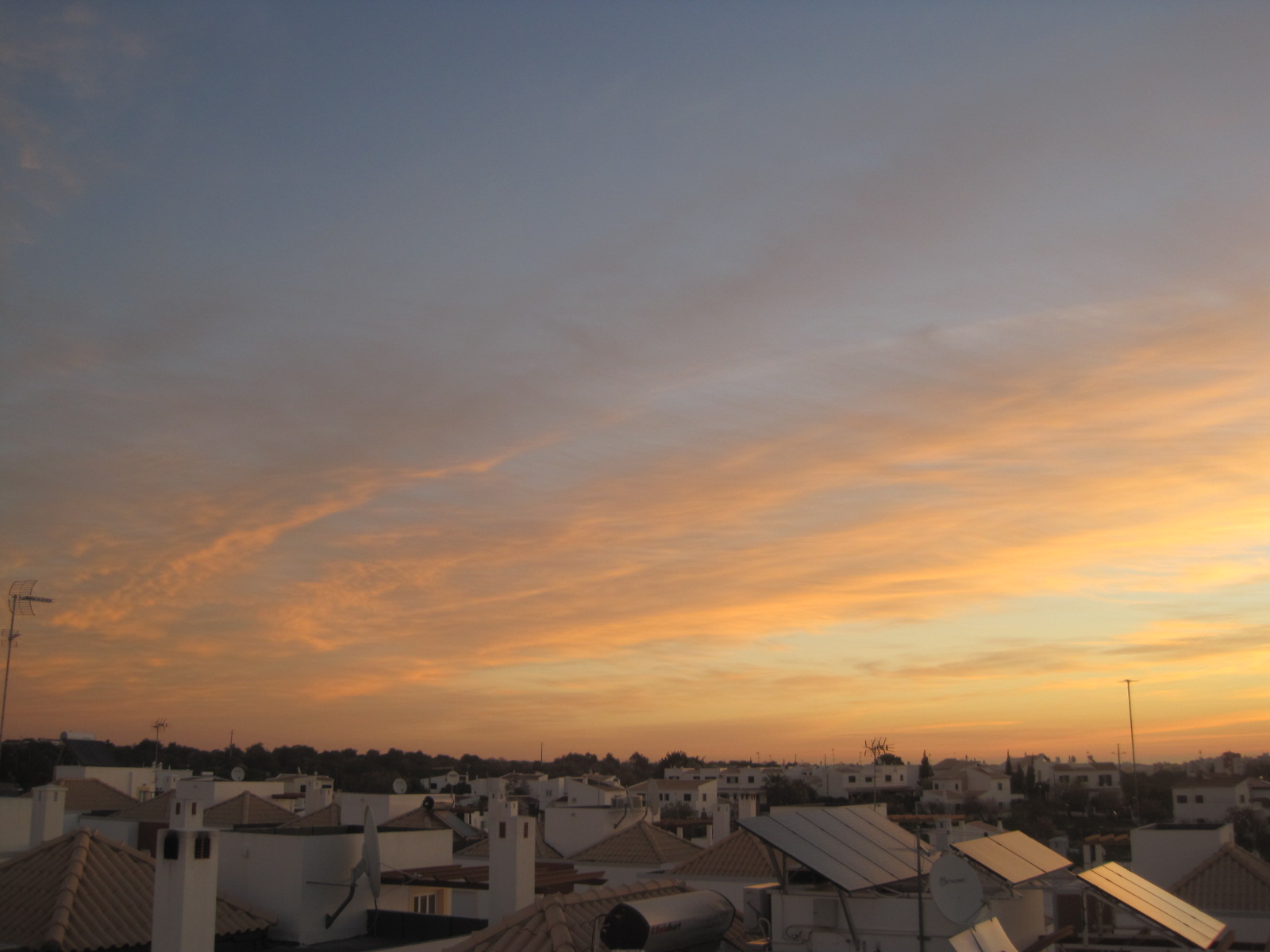
Liquid gold skies on our rooftop

Like the liquid gold skies on our rooftop

This slideshow requires JavaScript.

My mind drifts back over times and places I’ve shared with you, and maybe some I haven’t.  Like my favourite island Armona.

Não faz mal!  It really doesn’t matter. Click on a photo to see the gallery.  I’m nostalgic today but who knows what tomorrow might bring?

Evening falls on Fabrica

Fabrica as the evening falls

Grateful thanks to Julie Dawn Fox for inspiring my Personal A-Z series, and to Frizz, who always welcomes people to his world.  The links will take you there.

banner4