Krakow

Capture the Colour

Colour is so much a part of our world.  The challenge to capture it in a memorable way has been set by Travelsupermarket.com, and a formidable array of talented bloggers have already joined in.  Amongst them, Kathryn, of Travel with Kat, who has very kindly nominated me.  Many thanks, Kat.  I’ll do my best.

The challenge requires that you submit a blog post with an image for each of 5 colours- red, white, blue, green and yellow.  Full details are to be found on the Travelsupermarket website. The top prize, £2000 to spend on travel, is definitely worth a little effort.

Blue

The Marquess of Londonderry, encapsulated in a snowdome- Durham “Lumiere” 2011

I’m starting near to home with a photo that cost me a black eye.  So captivated was I by the light installations at Durham City’s “Lumiere 2011” that I forgot to look where I was going and went head over heels over a concrete block- ouch!  I shall exercise more caution when I return to Durham for “Lumiere” 2013, but return I most certainly will.  The illumination of Durham’s historic buildings was simply spectacular.  I loved the blue of the Snowdome, but equally beautiful were “The Waterfall”, and the Lindisfarne Gospels projected onto Durham Cathedral.

White

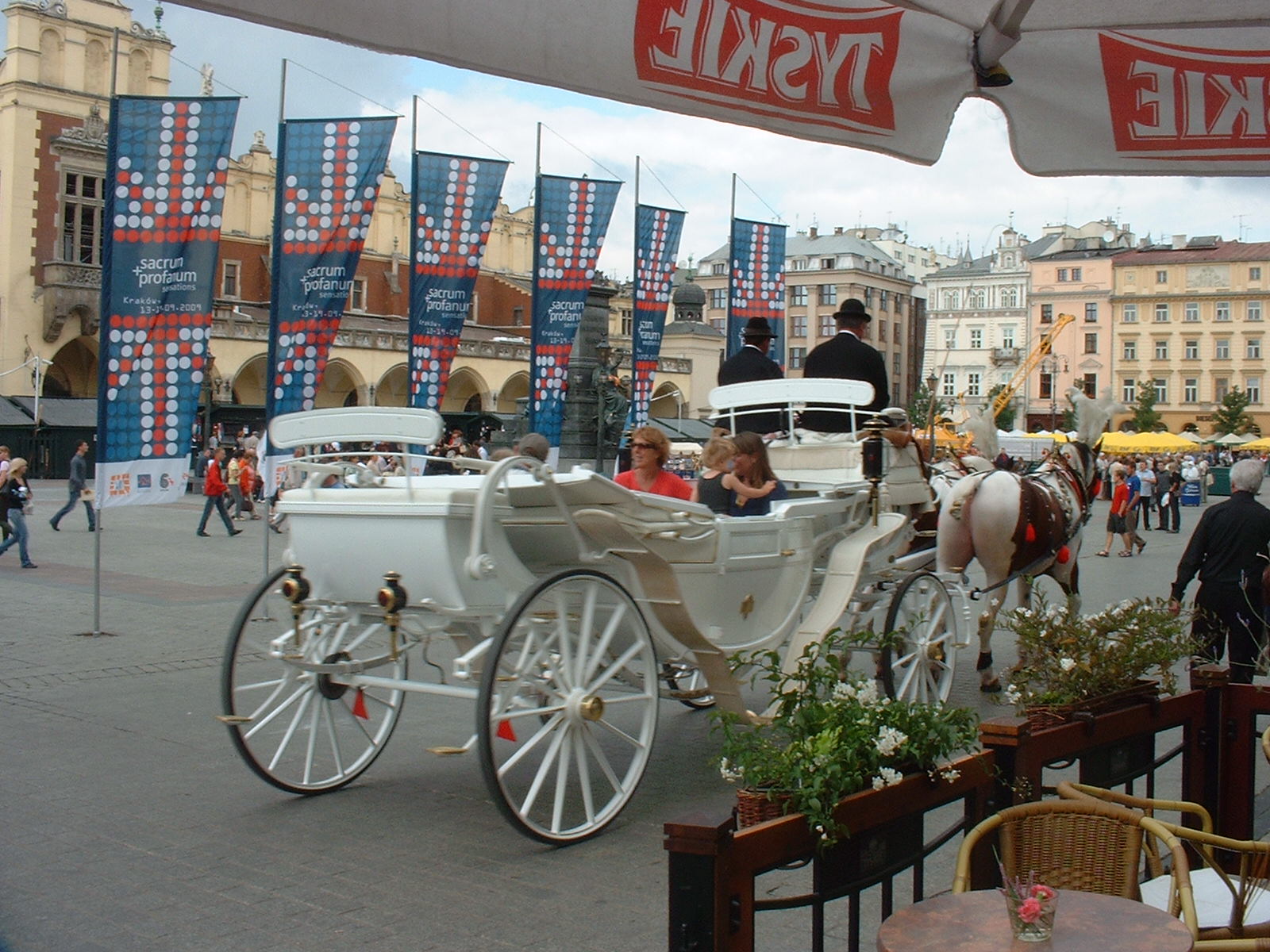
A sparkling white carriage makes its stately way around Rynek Glowny in Krakow

My first sight of Rynek Główny in Kraków was charged with emotion.  I had the arm of my Aunt Anna tucked into mine.  We had met, for the first time, just days before.  She and Dad were separated when he was only 15, and reunited 64 years later, with grateful thanks to the internet.  The Market Square with its medieval Cloth Hall (Sukiennice) will always be special to me.  The horse and carriages are a little cliched, but perfect for my white photo, from my K is for Krakow post.

Red

One of 400 breadbaskets carried aloft at the Festa dos Tabuleiros, Tomar

My red photo transports me immediately to July 2011.  The Festa dos Tabuleiros takes place just once every 4 years in Tomar, Central Portugal.  The streets dazzle in swathes of multi-hued paper flowers and the 4 feet high breadbaskets are paraded on the heads of 400 or more dainty ladies.  Crisply dressed young escorts slip an arm around each of the waists and help to balance the weight.  It’s a sight I will never forget.

Yellow

Such a mix of ancient and modern, the architecture of Wroclaw

I loved the subtlety of the old gold of this building in Wrocław’s colourful Rynek.  Polish architecture is an intriguing mix, much of it reconstructed following the wholescale devastation of World War 2.  It’s my offering for yellow.

Green

The Queen of Hearts on the village green in Elwick

I’m coming home again for my green choice.  National pride was strong in my local village, Elwick, when they gave their annual Scarecrow Festival a Jubilee theme.  It was so much fun and the sight of the characters from Alice in Wonderland playing croquet on a traditional village green brought many a smile.

Travelsupermarket request that we pass this challenge on to 5 more bloggers, so I’m very happy to nominate:

Marcia of La Chica Writes

Andrew of Have Bag, Will Travel

Richard of A Bit of Culture

Robin of Bringing Europe Home

Zoe of Zoetic Epics

 Good luck everybody!

Seven Super Shots

On a grey, murky Easter Sunday afternoon, after a rather nice dinner had been eaten and washed up, I decided to focus on my next challenge.  Julie Dawn Fox kindly tagged me to take part in HostelBookers Seven Super Shots.  You can see what Julie made of the challenge by clicking on her link above.  Quite appropriate that there’s a chocolate Johnny Depp to be viewed.  I didn’t get any Easter eggs.  Did you?

A photo that takes my breath away

The Ria Formosa from Cacela Velha

You might know that I’d be starting in the Algarve.  I have more beautiful shots from there than just about any place I’ve ever been- not surprising really.  This is a good time to point out that many of the photos on my blog are the handiwork of my husband Michael (he would say the better ones!)  As we sometimes share a camera, it can get confusing, but for the purposes of this post I have to stick to photos that I’ve taken.

The above shot comes from the very first time I witnessed the natural beauty of the Eastern Algarve, in the tiny hamlet Cacela Velha.  It really was breathtaking, and a moment I love to recapture.

A photo that makes me laugh, or smile

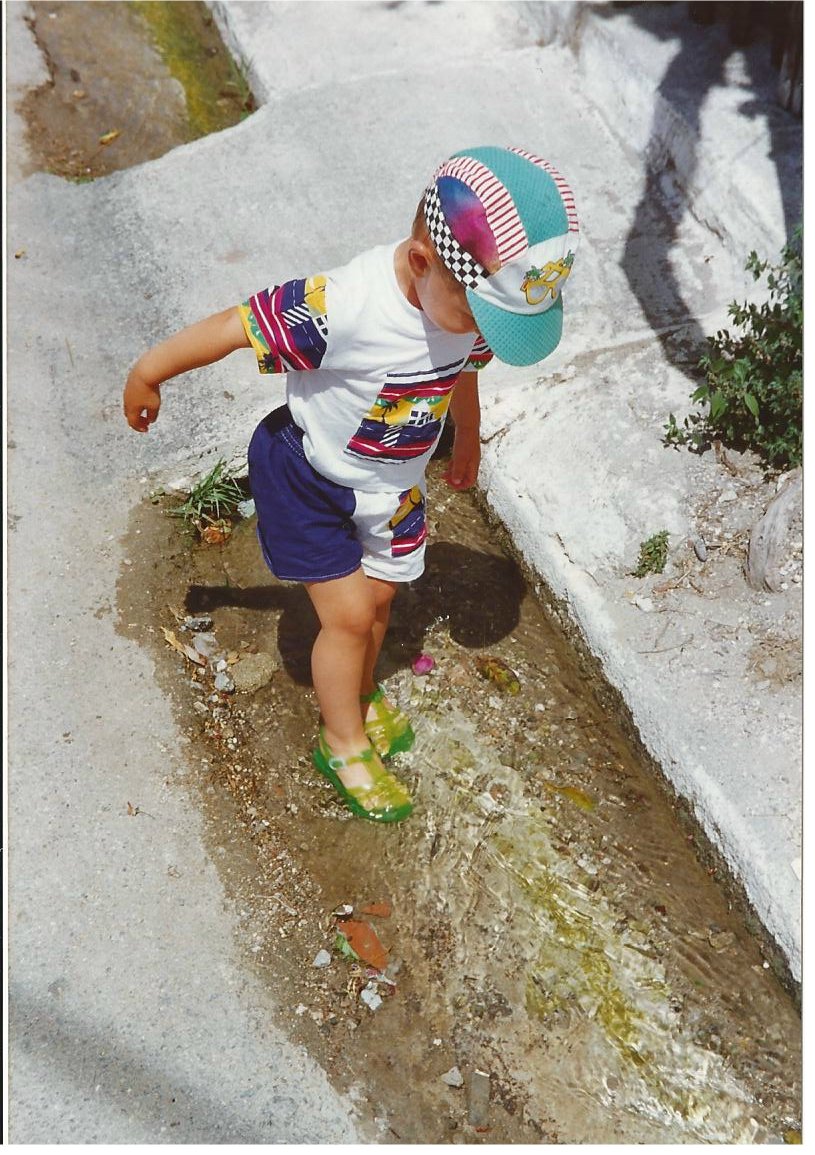
James goes paddling

This is one of many engaging photos of my son James that make me smile.  He was a charming toddler and easily found entertainment wherever in the world he happened to be.  Water was inevitably a success.  This was on Rhodes.  Can’t you tell?

A photo that makes me dream

North coast of Madeira from Porto Moniz

I’m fairly sure that this is one of Michael’s photos- oh dear, you’d better disqualify me!  It encompasses everything that I love in a photo- water, mountains, blue sky.  I thought Madeira one of the most beautiful places I have ever seen.  Cascades of flowers everywhere, distinctive buildings, fabulous scenery and wonderful levada walking- most definitely a place to dream.

A photo that makes me think

Part of the wall in the Jewish Cemetery, Krakow

I was very moved by this section of wall, constructed from the headstones wilfully destroyed by the Nazis during the Second World War.  I have been too cowardly to visit Auschwitz.  Just the descriptions of the teeth, hair and glasses massed in cabinets has me in bits.  I really can’t make myself go there.  But Kazimierz, the Jewish Quarter of Kraków, speaks to me of the past, and I was intrigued by the synagogues I saw there.  The area is now quite tourist orientated, but if you are able you should experience one of the free walking tours that are available.

A photo that makes my mouth water

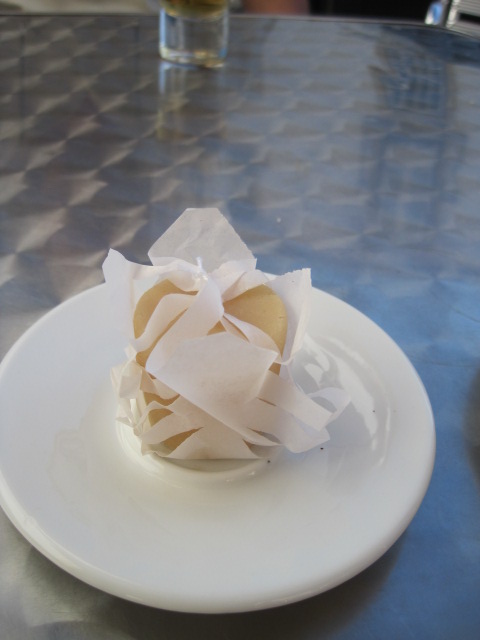
A "quejinhos do ceu"

I’m not much of a foodie and I rarely remember to take any photos of food- I just eat it!  I was delighted with this exquisite little cake though.  I was in the small village of Constancia in Central Portugal, at the junction of the rivers Zezere and Tejo.  It’s a lovely peaceful spot for canoeists and nature lovers (unless you time it to arrive on a Youth Festival weekend, as I did)

In the tiny village square with its pelourinho (ornate pillory), visible from our hotel bedroom, we lingered for a coffee at the end of the day.  I have a fondness for the pastel de nata (custard tart), widely available in the Algarve, but the proprietor, Luis, advised me that they only had the local delicacy, quejinhos do ceu.  What a find!  It looked as good as it tasted- a strong hit of almonds.  Strictly for sweet toothes!

A photo that tells a story

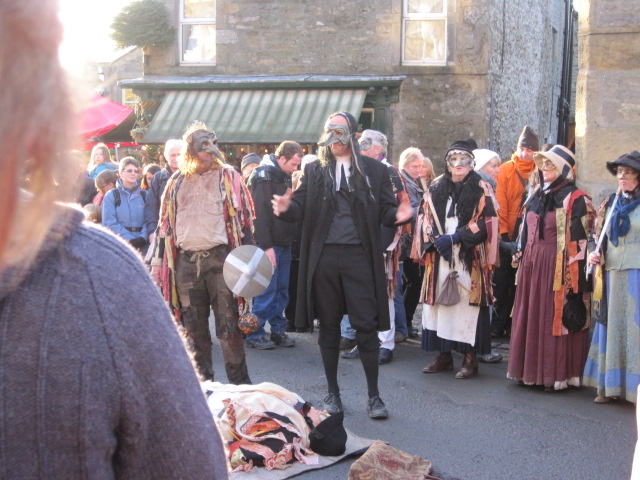
Mummers at Grassington Dickensian Festival

Not the best of photos, but a memorable occasion.  The Dickensian Festival in the Yorkshire Dales village of Grassington is one not to miss if you’re in the area in December.  Together with nearby Skipton village, festivals are staged over 3 successive weekends.

The whole is in aid of local charity and you are quite likely to be offered “a kiss for 20p” from a nice-looking young shepherd. (no, that’s NOT my main reason for going!)  The Mummers have many a tale to tell, and if you’re into audience participation they’ll happily include you.  The day closes with a procession through the streets, following Joseph and Mary as they search for shelter at the three village inns.

The photo that I am most proud of (aka worthy of the National Geographic)

Porta da Vila, Obidos

I’m out of my depth here as I am no technician when it comes to photography- I just know what I like and do my best to capture it.  You knew I’d end with Portugal, didn’t you?  I’m going to give you two to chose from, since that one in Madeira wasn’t really mine.  That way I can legitimately claim seven.  The Porta da Vila is part of the town walls of Obidos – another place you don’t want to miss if you have the opportunity.  I was there at the time of a Medieval Fair, which really added to the atmosphere, but the liqueur Ginja de Obidos, served in chocolate cups, makes it a great venue at any time of year.

Sunset in Cabanas

I can never resist a sunset and am often up on our roof terrace at the end of the day, listening to the birds and watching the changing sky.  The above shot was taken in February, during an evening stroll along the boardwalk in Cabanas, just a few miles east of Tavira, in the Algarve.  I like to think I’m getting better at taking photos, but in reality I’m very hit and miss.

So I’ll pass on the challenge to someone I know can do much better:

Francine in Retirement

Fun and Fabulousness

Just a Smidgeon

Bringing Europe Home

Fabulous 50s

I am knocked out by the photography on all your blogs and I don’t know how you’ll pick just seven.  You also need to tweet your post to HostelBookers to let them know you’ve taken part at #7SuperShots.  Don’t forget to check out Julie’s Johnny Depp!

Six word Saturday

Celebrated landmark 50th post this week

https://restlessjo.wordpress.com/2012/03/30/k-is-for-krakow/

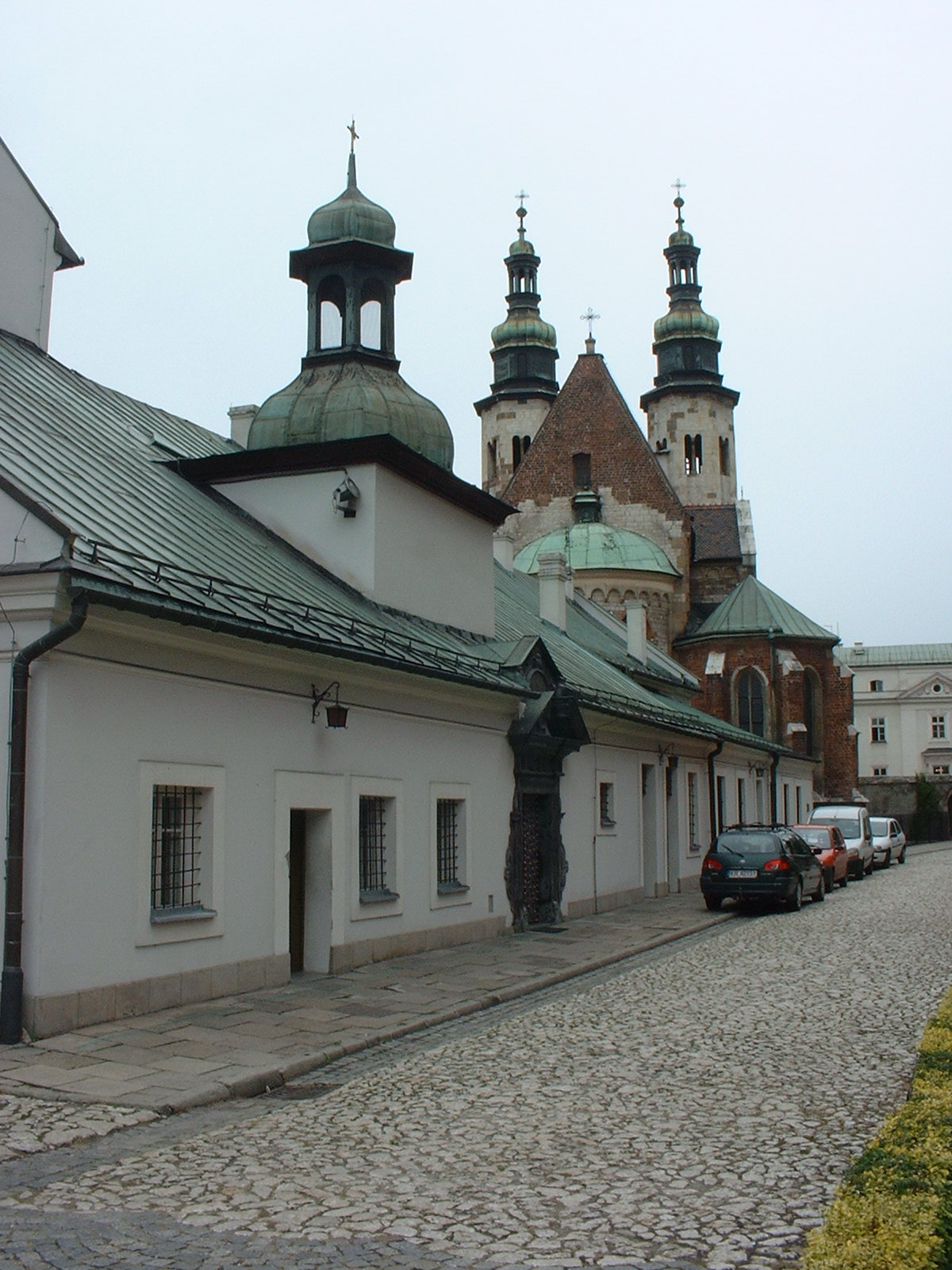
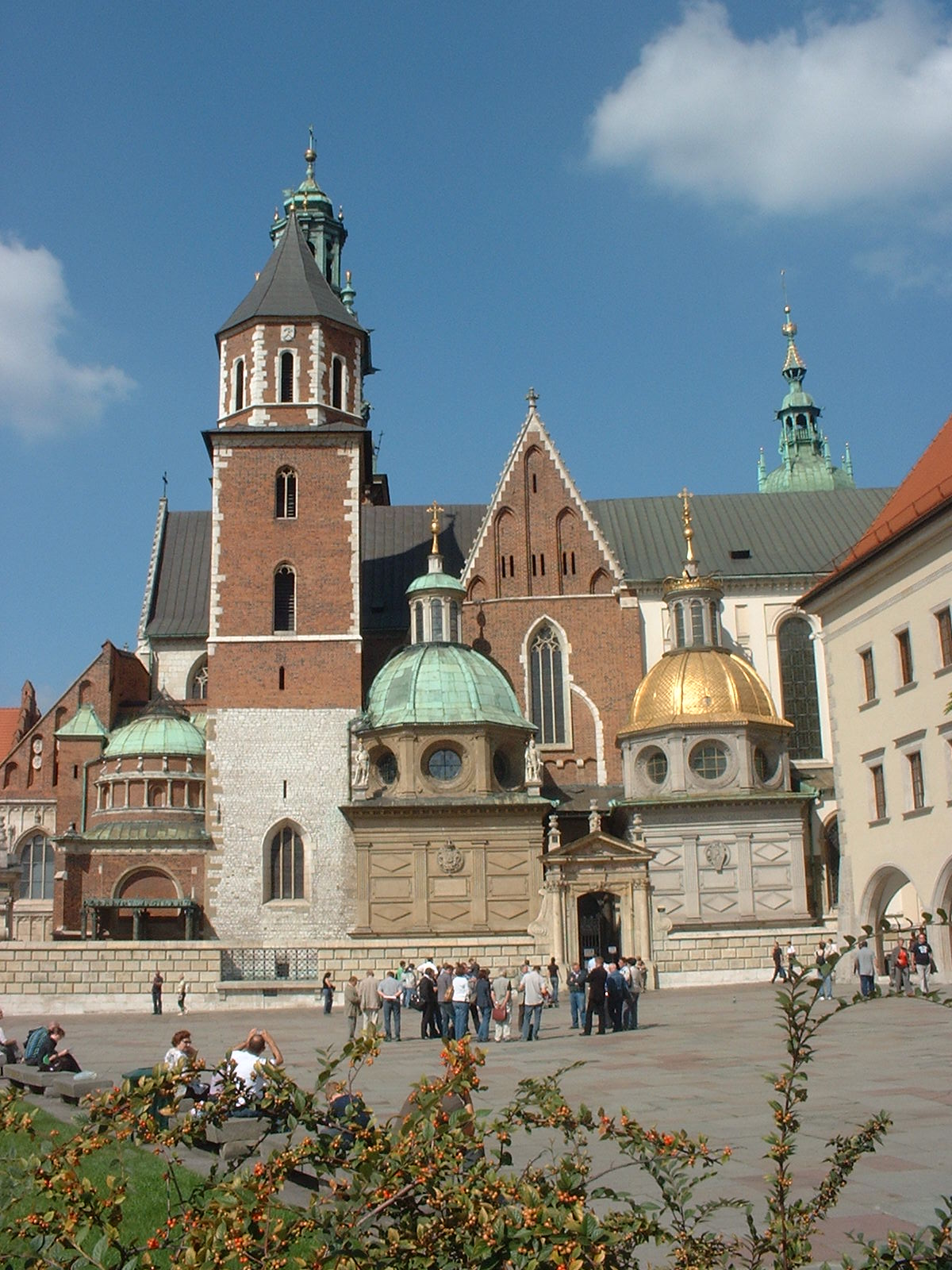
Wawel Cathedral

Thought I’d share with you just a few more images of my favourite Polish city.

Jewish Cemetery- the wall is partly reconstructed from smashed up tombstones

Section of the town wall that doubles as an art gallery

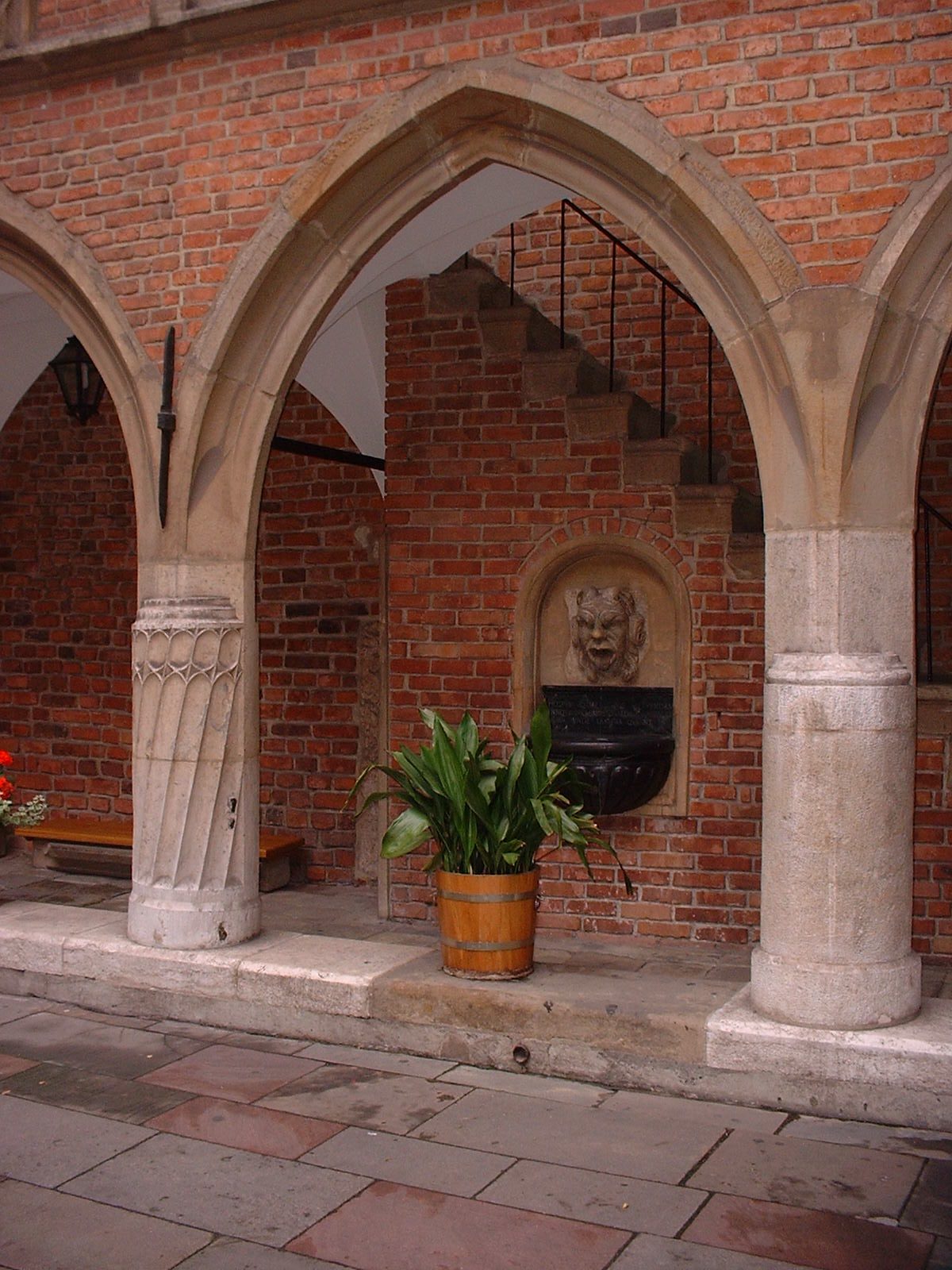
Collegium Maius- the prettiest ticket office lies just through those arches

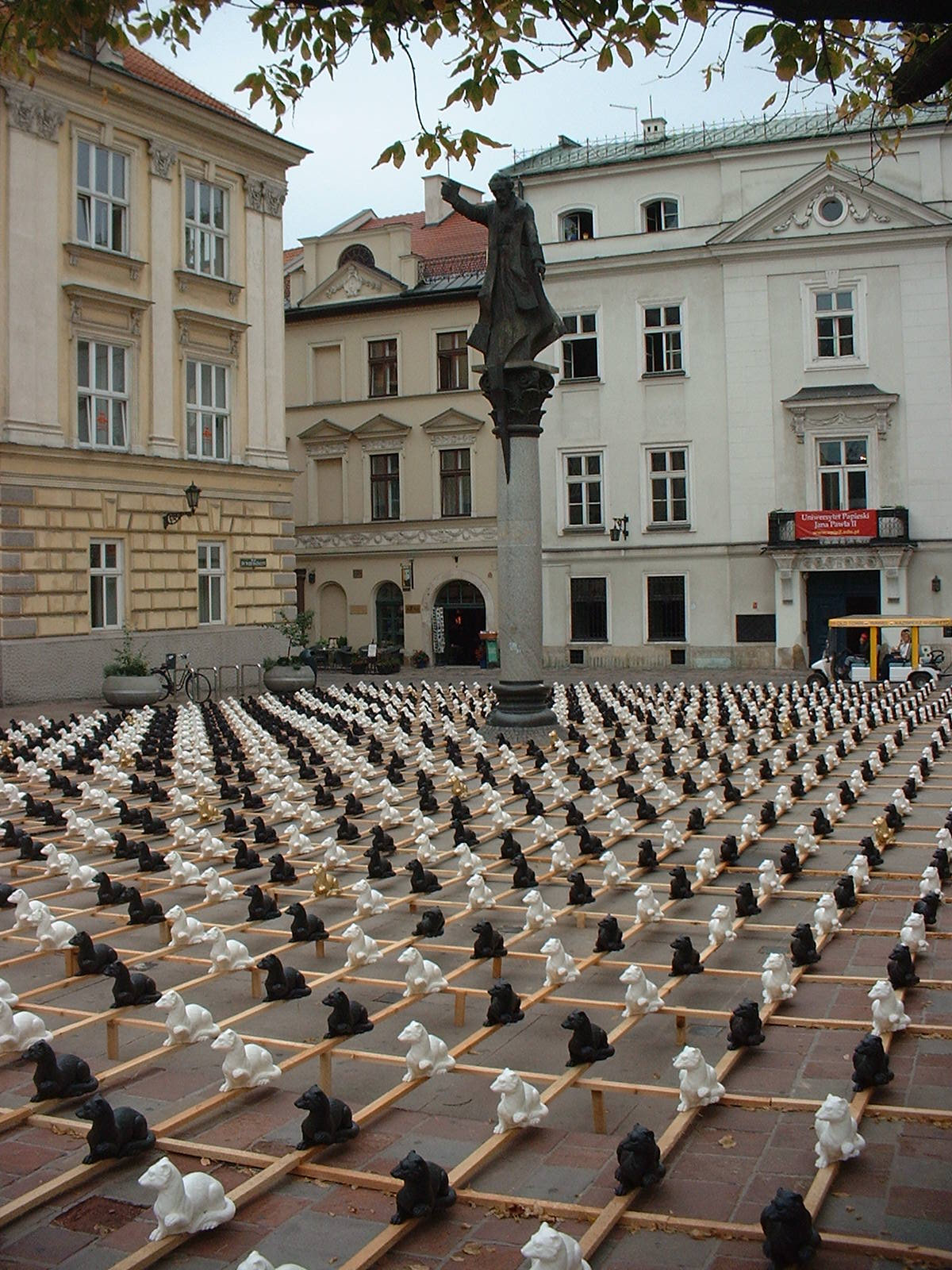
Wasn't sure what to make of this outdoor exhibition but I liked it. "Lady with the ermine" reference?

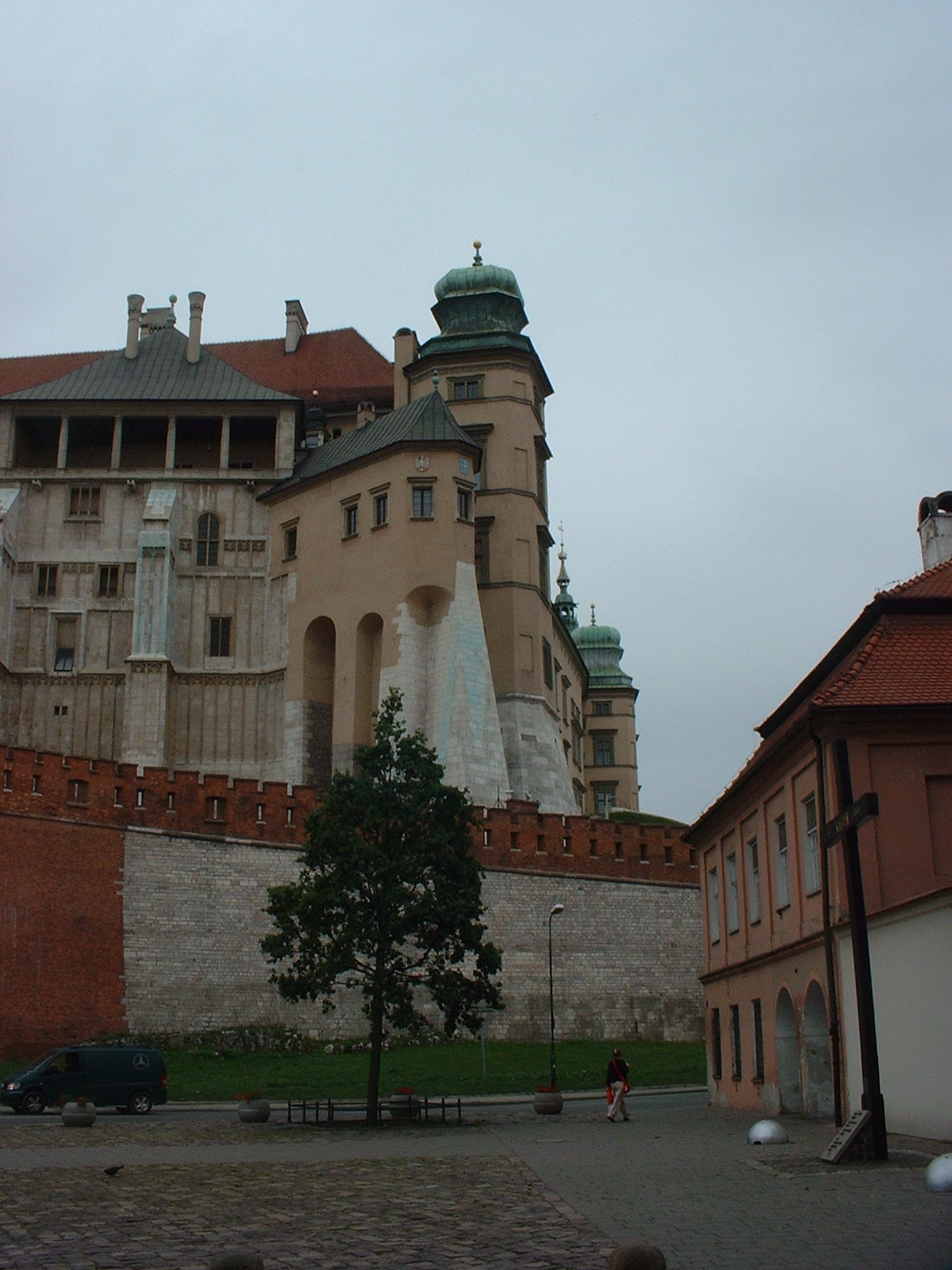
Wawel Castle from Kanonicza

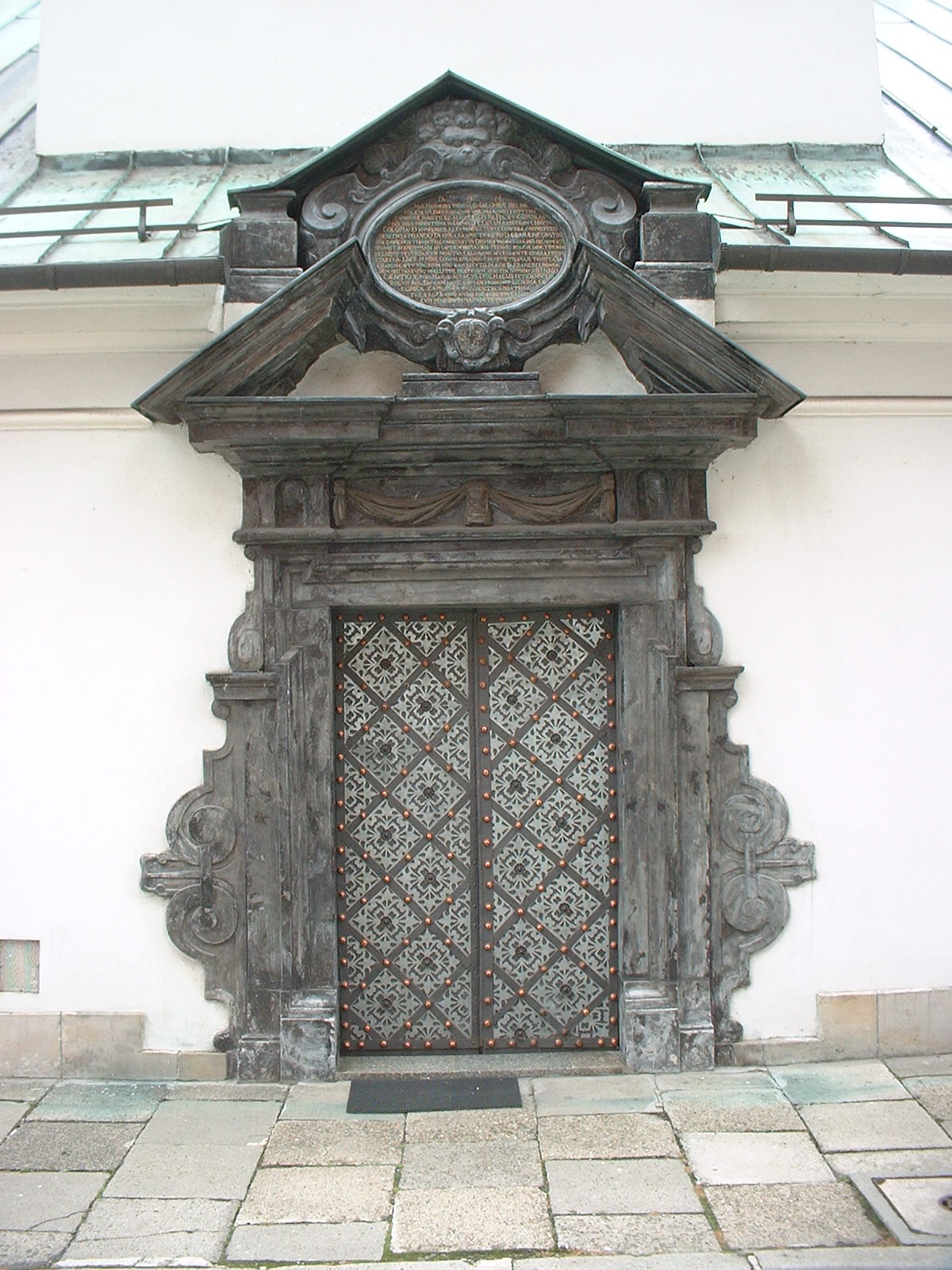
Loved this gate

Aren't the shapes just magical?

Up, up and away! Balon Widokowy from Wawel Castle gardens

Hope you enjoyed these as much as I did.  Read the Krakow guide and tell me what you think if you have time?  Have a good weekend and don’t forget to play Six word Saturday with Cate at http://www.showmyface.com/2008/01/six-word-saturdays.html  Click on the button below to see more of my Six word Saturdays.

K is for Kraków

I just know I’m going to struggle with this post.  I have so much affection and admiration for Kraków, and so many happy memories that keeping to a readable length may well prove impossible.
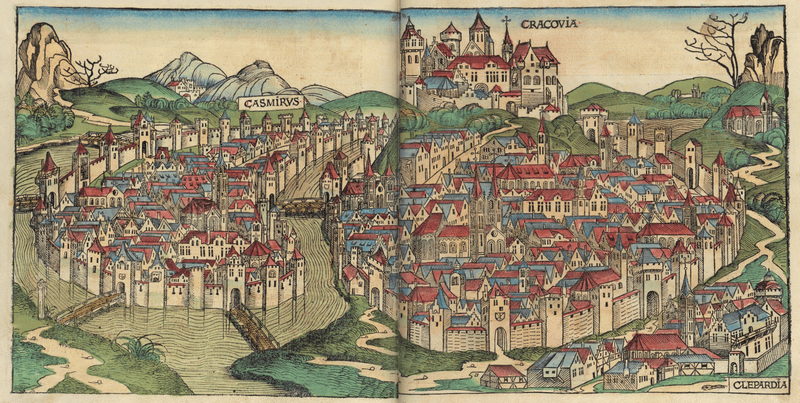
Woodcut of Krakow from the Nuremburg Chronicles,1493- from Wikipedia

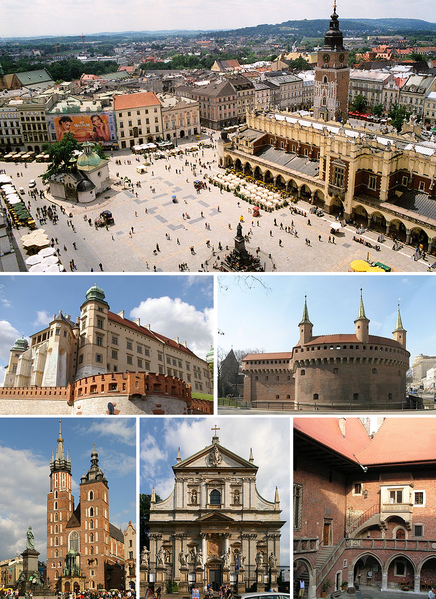
Polish cities have had to be masters of the art of survival.  Nowhere is this better illlustrated than in Kraków, Poland’s ancient capital and seat of its kings for more than 500 years.  I was in love with this city from the first time I walked, arm in arm with my Aunt Anna, into Spring sunshine-filled Rynek Główny, the magnificent market square at the heart of Stare Miasto, the old town.
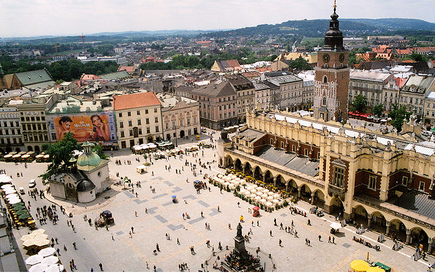
Rynek Glowny- from Wikipedia

I did not know then of the acid rain inflicted on the city by the post war communist regime.  The construction of Nowa Huta, the largest steelworks in Europe, on the city’s outskirts was intended to humble a proud, cultured city by grafting on a new working class.  If anything, it worked to strengthen anti-communist feeling, so that when opportunity presented itself, the steelworkers were quick to join Solidarity and agitate to overthrow their oppressors.

Kraków’s elegant buildings were little damaged by World War 2, since Hitler chose the city as his base of operations in Poland.  Yet a mighty struggle was needed to reverse the damage to the city and its inhabitants by the toxic chemicals from Nowa Huta.

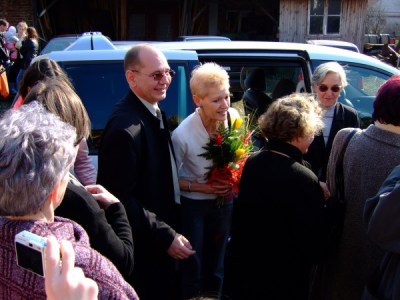
None of this is apparent in today’s Kraków.  As I gazed in awe at the opulence and vast space of Rynek Główny, crowned by the Cloth Hall, Sukiennice, I was aware only of the gentle pressure of Anna’s arm.  I’m trying to discount the presence of the cameras that followed us- Dad’s story had attracted media attention back home.  https://restlessjo.wordpress.com/2011/10/24/exploring-the-polish-connection/ Flower stalls, candles and corn plaits filled the square with vibrant colour.  It was almost Easter and traditional circular bread rings were on sale.  My cousin Adam is a baker and it proved essential to sample these.
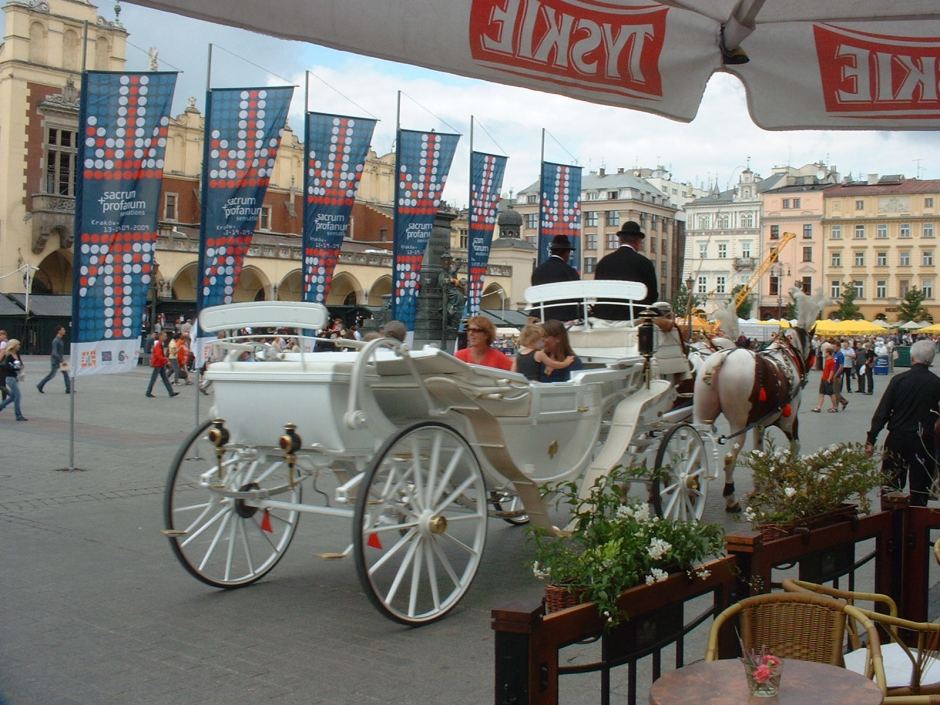
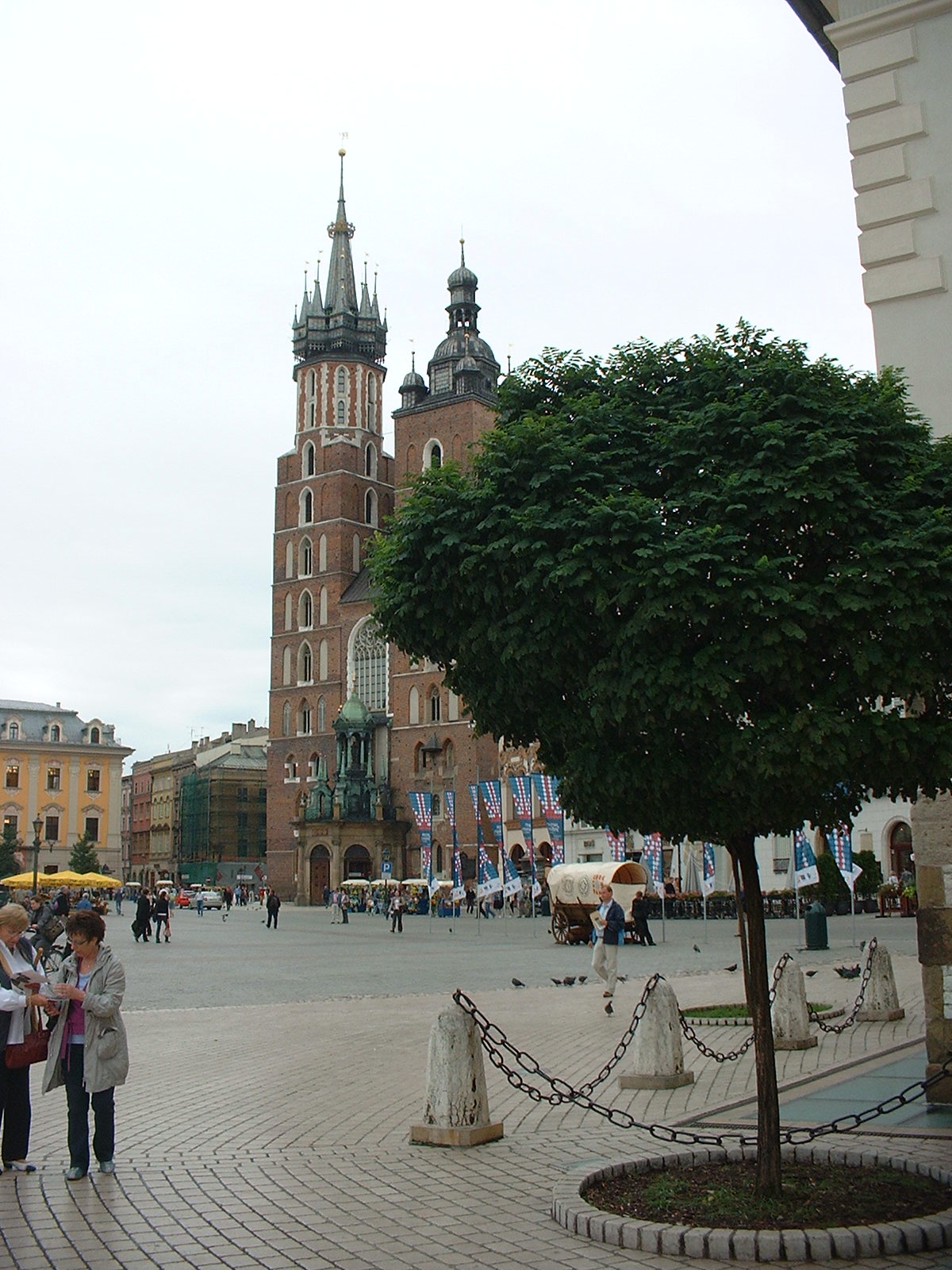
That day we didn’t linger, but I’ve returned many times since to Europe’s largest medieval market square.  I find it magical, with the gentle clop of horses’ hooves as the costumed drivers steer their carriages through strolling tourists.  Always, as the hour chimes, a cluster of people gaze skywards at the tallest tower of the Mariacki Church, St. Mary’s.  Legend has it that during a Tartar raid on the city in 1241, the watchman tried to sound the alarm from this tower.  He was cut short from his trumpeting by an arrow through the throat.  An hourly tribute to this moment ends mid phrase, then the trumpeter waves cheerily to the crowd, and lives to repeat his performance.
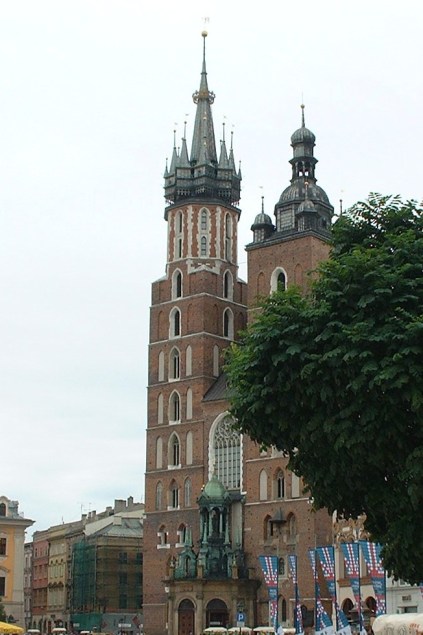
An altogether different performance takes place inside the Mariacki Church at noon each day. (Sundays and saints’ days excluded)   I found the cobalt blue ceiling with its panorama of stars and local artist Jan Matejko’s painted friezes truly beautiful, but it’s the opening of the high altar that draws the crowds.  Carved by Nuremberg craftsman Veit Stoss, from 1477 to 1489, it’s one of the finest examples of Gothic art in Europe.  The outer of the gilded limewood polyptych illustrates the life of the Holy Family.  With great pomp and ceremony the outer panels are drawn back to reveal six superbly colourful scenes from Christ’s life, while “sleeping” Mary is watched over by the Apostles.
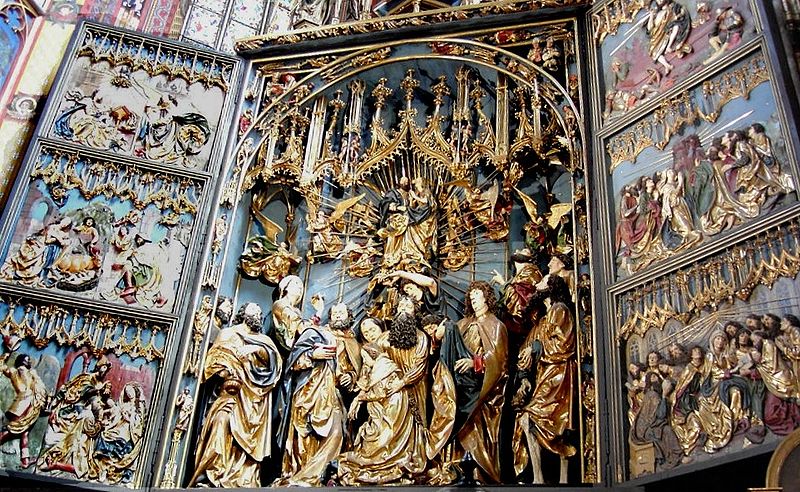
Veit Stoss altar- from Wikipedia

You need to purchase a ticket to witness the opening.  A small ticket office in the adjacent square Pl. Mariacki opens shortly before each unveiling.

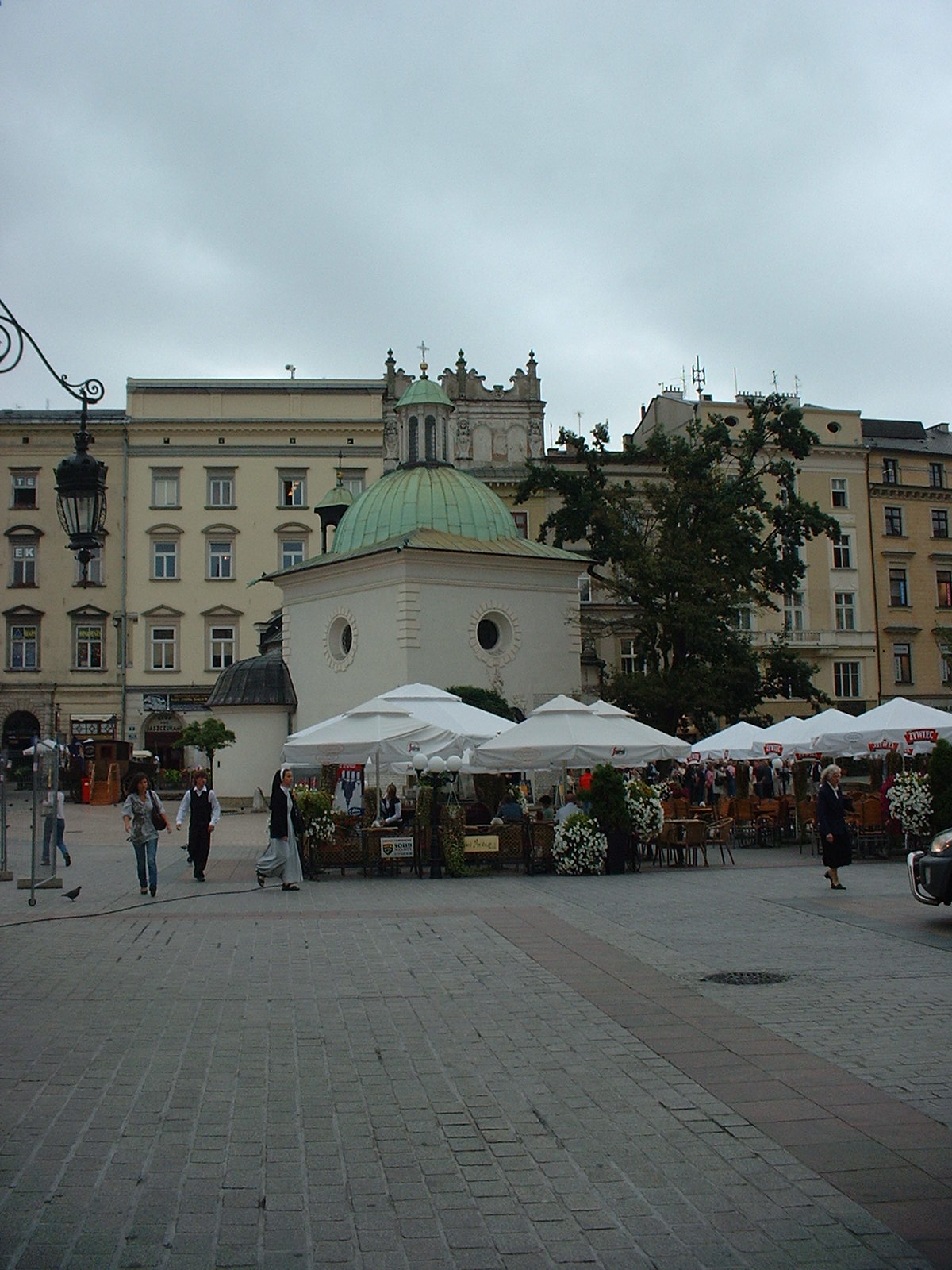
Back in Rynek Główny, the contrast with tiny St Adalberts, the oldest building in the square and the first church to be founded in Kraków, couldn’t be greater.  It’s serenely peaceful inside, and in the basement the original 10th century foundations are still visible.
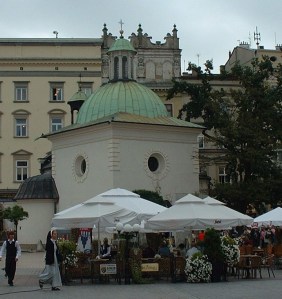
St Adalbert's Church

The flamboyance of medieval Sukiennice constantly draws the eye.  It has to be the prettiest indoor market I have ever seen.  Inside the stalls are laden with amber and sparkly things, craftwork and woollens.  Heraldic shields sit high on the whitewashed walls, a reminder that the richest of cloth merchants once worked here.  In the cafes, under the arcades, writers and artists once met.  Now tourists are catered for, with inflated prices.  I prefer to sit at the edge of the square, looking in on an ever changing scene.

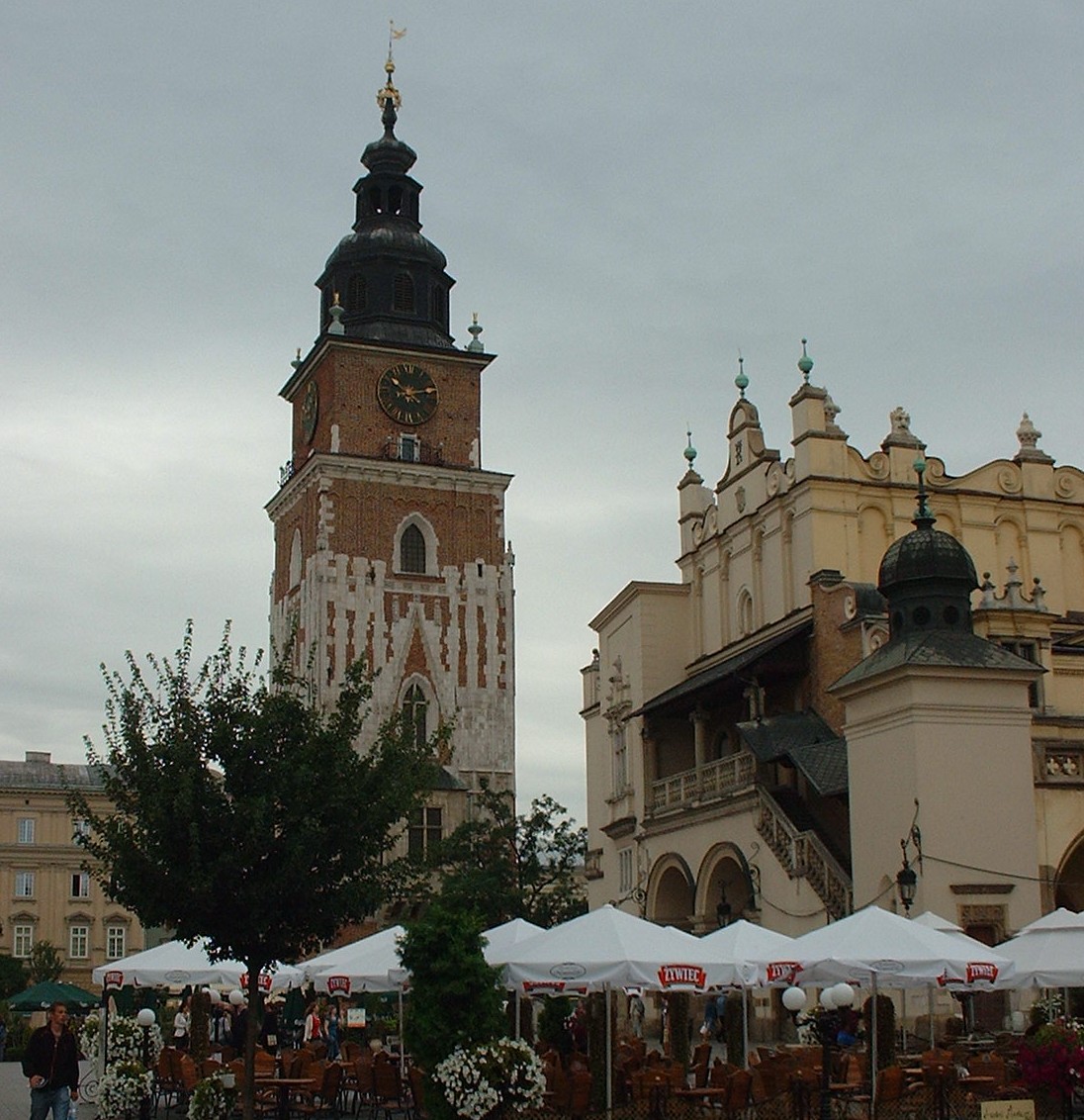
A bird’s eye view of the square can be obtained from the Ratusz, the lofty tower all that remains of a 14th century Town Hall.  It now houses a Tourist Information office, with useful maps detailing the many restaurants and places of interest.
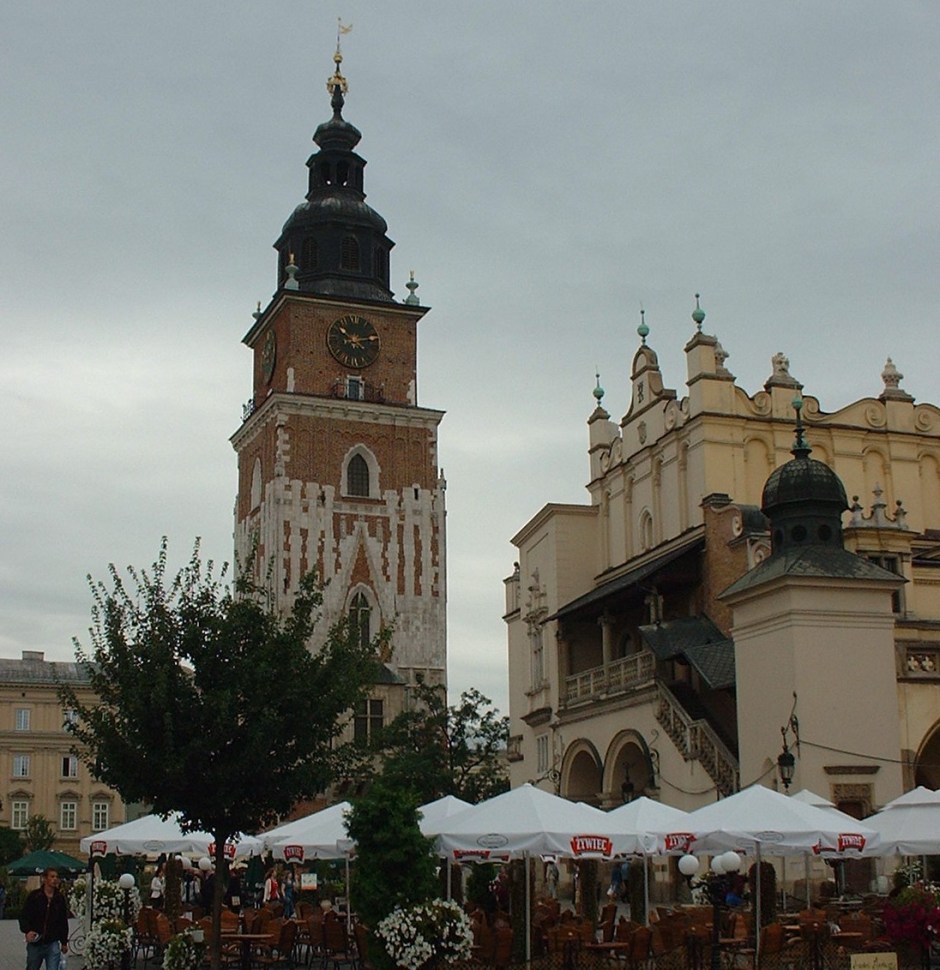
Ratusz and Sukiennice

Twice I have eaten cake at no 15, Hotel Wierzrynek, Kraków’s oldest and most famous restaurant.  Charles de Gaulle, Steven Spielberg, Yehudi Menuhin- and me!  The grandest restaurant I’ve been in, other than London’s Ritz. www.wierzrynek.pl

Much simpler, but quite delicious, I found Chimera, at 3 Sw. Anny, just off the Rynek.  A pretty enclosed courtyard, offers buffet style with lots of choice, or you can eat in the classier basement restaurant if you can afford more than student prices. www.chimera.com.pl

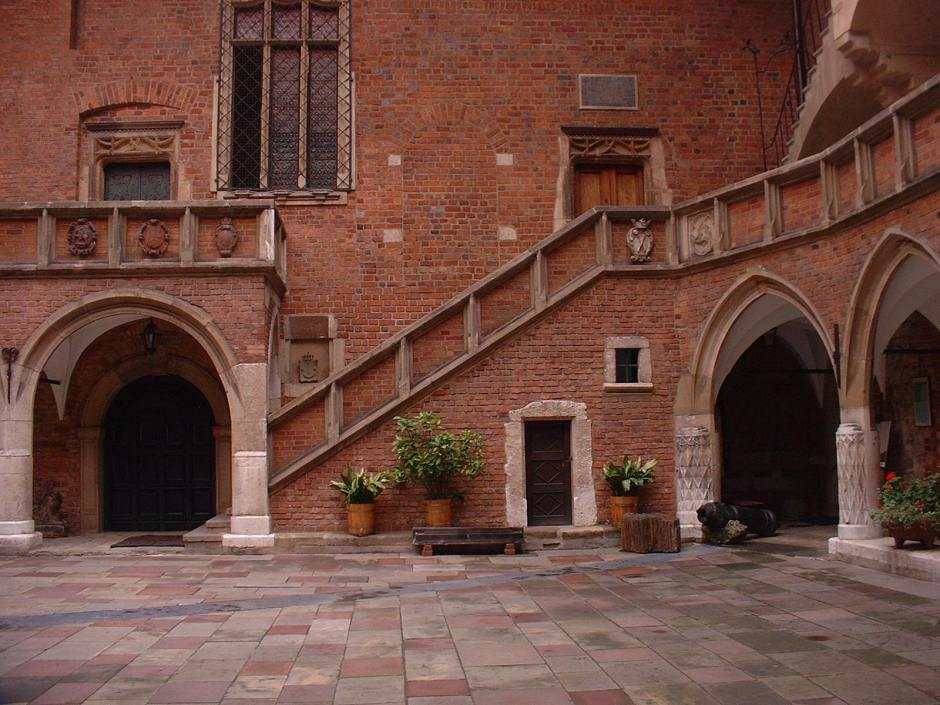
Just around the corner lies Collegium Maius, part of the Jagellonian University, where Copernicus allegedly studied in the 16th century.  It surrounds an imposing courtyard.  Guided tours can be booked from a ticket office as lovely as any I have ever seen.
Collegium Maius
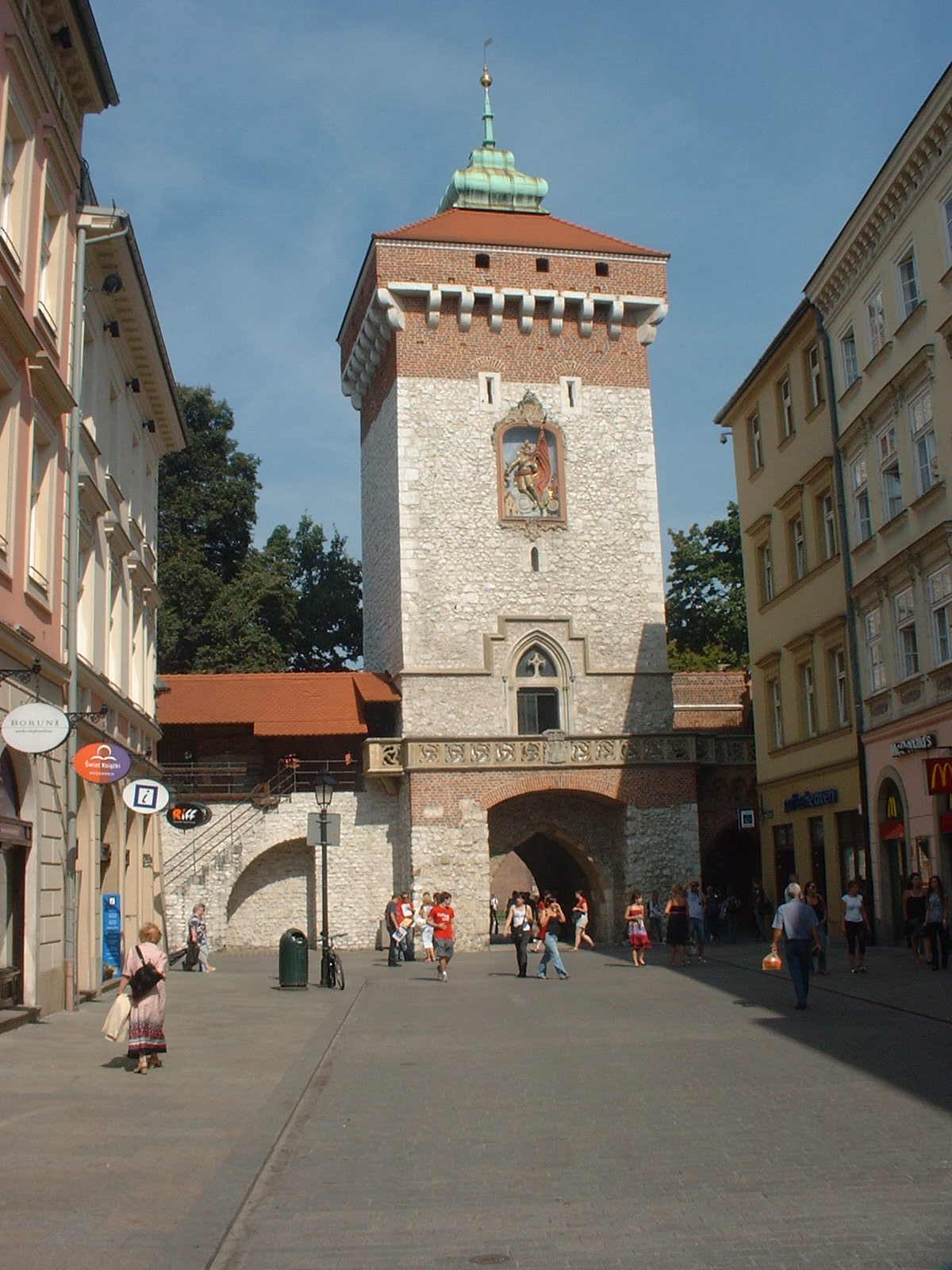
Florianska is one of my favourite streets.  Leading north from the Rynek, the architecture is powerful, old and new mingling with surprising ease.  High fashion hides behind grand old facades and at Jama Michalika, no 45, afternoon folklore shows take place in a cavernous interior.  Florianska Gate, at the end of the street, marks the edge of Stare Miasto.  Artists’ impressions hang on the old defensive walls of the city.  Once there were 3 kilometres of wall, 10 metres high and almost 3 thick, with 47 bastions.  Only Barbakan remains, a lonely giant.  The old town is surrounded by the green and leafy Planty, which follows the course of the old ramparts.
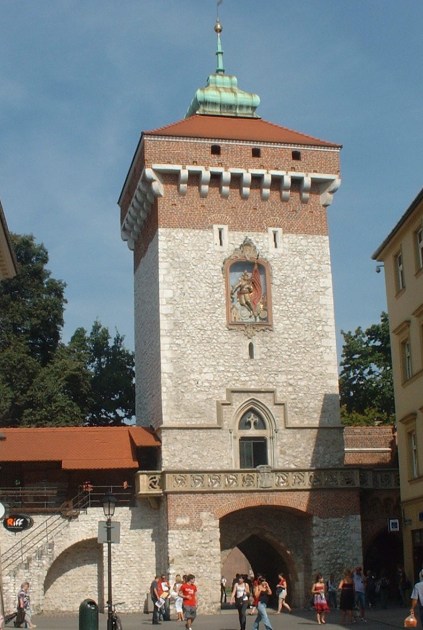
Florianska Gate

Heading south from the Rynek, Grodzka follows the traditional route of the Polish monarchs to the glory that is Wawel Hill.  Part of the old trade route to Hungary, it passes by the Dominican and Franciscan churches, and the mighty Basilica of SS. Peter and Paul.  Beckoning in the distance, the spires of Wawel Castle and Cathedral.
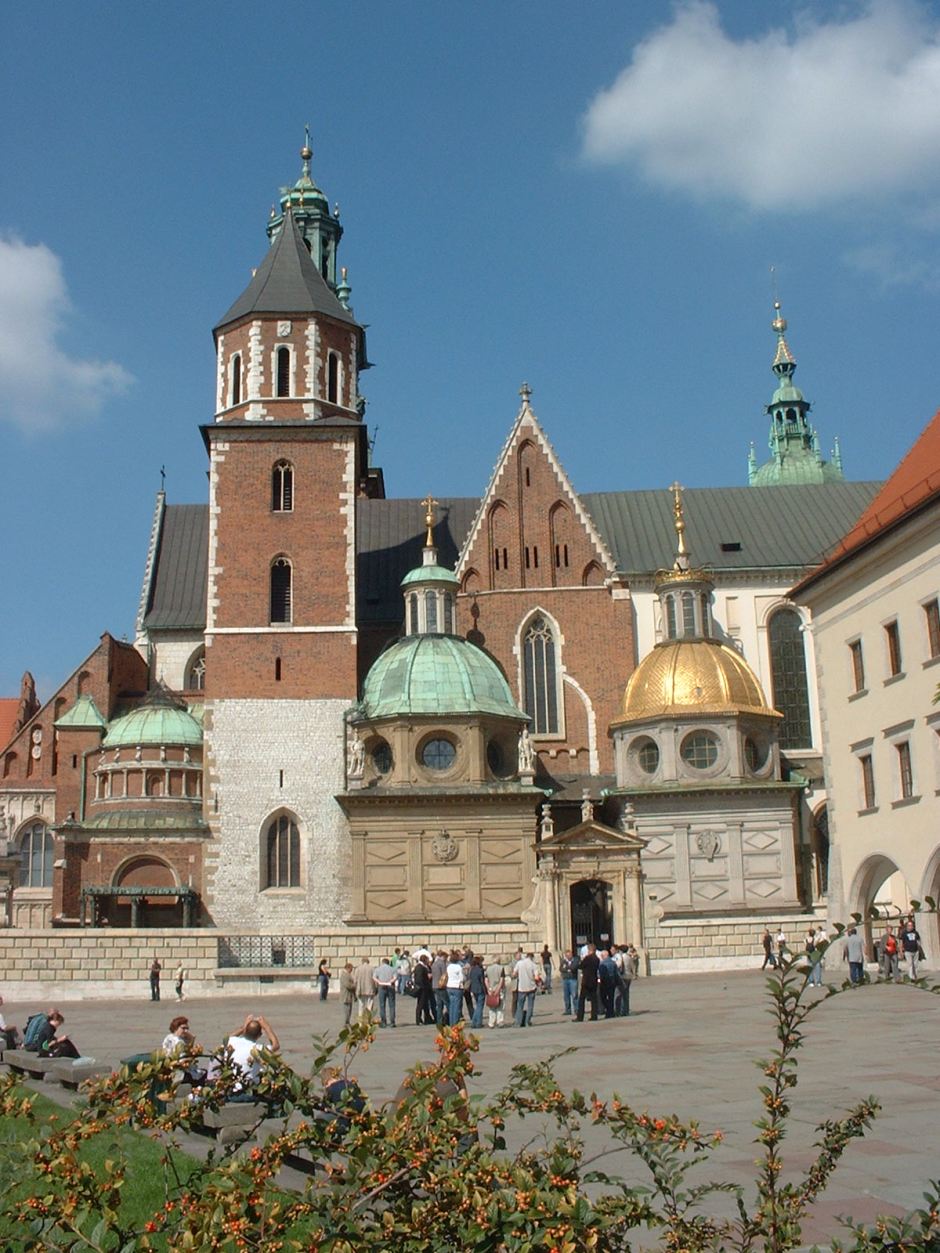
Wawel Cathedral

Wawel is the spiritual and patriotic heart of Poland.  Even after the capital was moved to Warsaw, Polish monarchs continued to be buried in Wawel Cathedral, along with many of the nation’s heroes and writers.  You will find as many Poles as foreigners looking around this awesome sight, justifiably proud of their heritage.  Pope John Paul 2nd, who gave his first mass as a priest there and became a much loved Archbishop of Kraków, described the cathedral as “the sanctuary of the nation”.  The first cathedral was built here around 1020, and fragments of the original can still be seen.  I never saw so many beautiful shrines in one space.  The largely Gothic Cathedral is as lovely outside as within.  It’s a bit of a scramble up Sigismund Tower to view the mighty bell “Zygmunt” and its four medieval companions, but the views are fine.
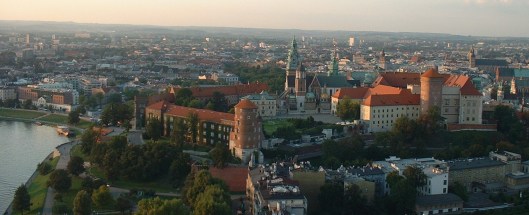
The magical view from Balon Widokowy at sunset

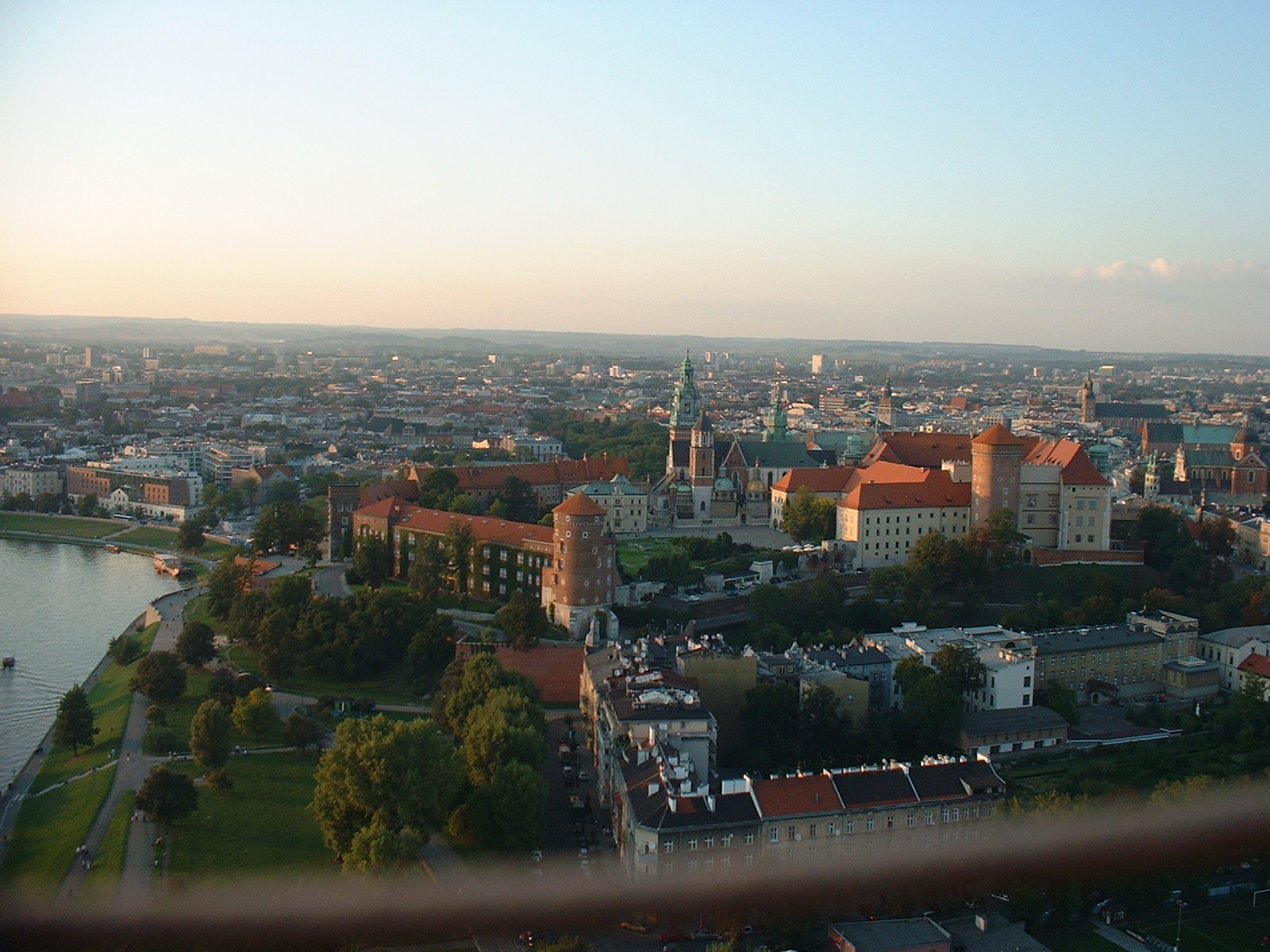
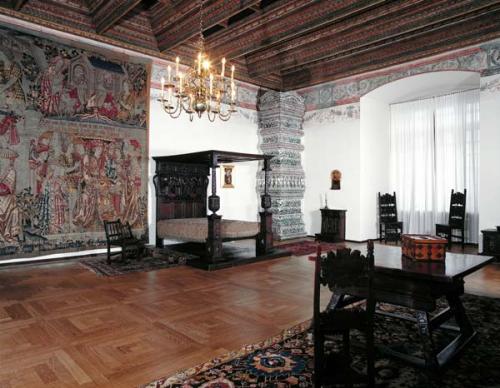
Wawel Castle spins a fairy tale if ever there was one.  One of my best memories is of viewing it from the sky in “Balon Widokowy”- a tethered hot air balloon on the banks of the River Wisła (Vistula).  The Castle was the royal residence until 1609.  The internal courtyard is immense.  Surrounded by 3 tiered arcades, it has the feel of an Italian palazzo.  The Royal Chambers are furnished in Renaissance style and contain 136 well-travelled Flemish tapestries from the 16th century.  At the outbreak of World War 2 many of the castle treasures were spirited abroad.  Just as well because occupation by Governor Hans Frank and his Nazi henchmen followed.  The tapestries were only partially recovered, many of them returning from Canada in 1968.

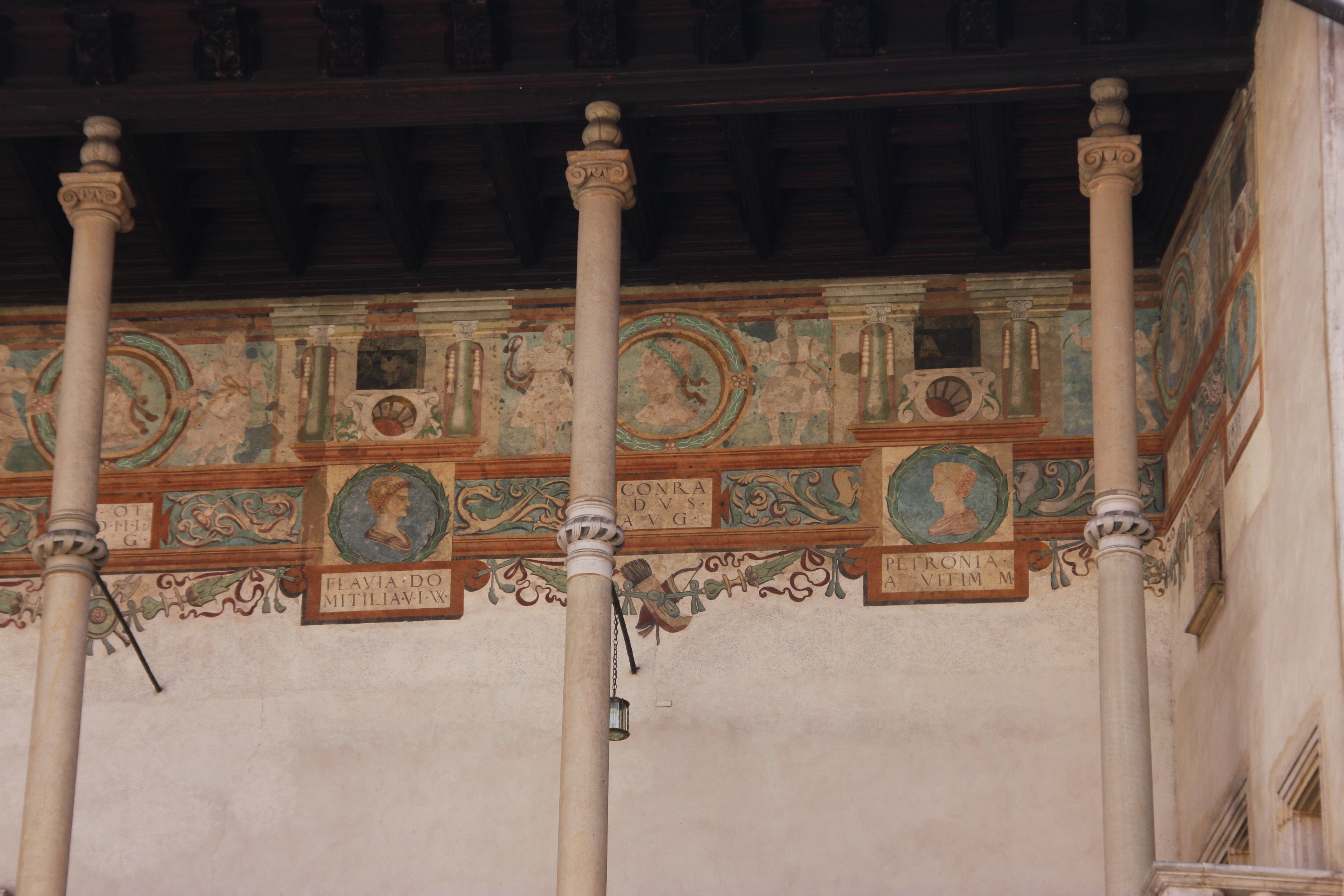
The castle courtyard. Below, frescoe detail

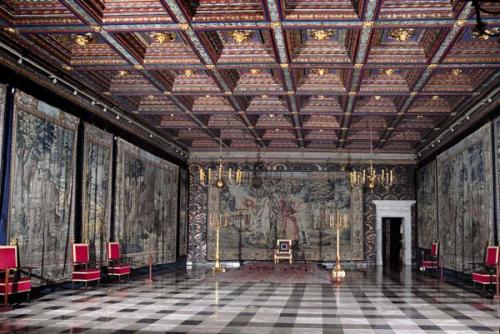
Tapestries on display in the Royal Chambers

Guest bedroom with the oldest of the tapestries and 18th century ceramic heater

Admission to the Royal Chambers is free on Sundays.  Separate tickets are needed for Castle and Cathedral and I could fully recommend the Castle tour.  Details on www.wawel.krakow.pl

Oh dear!  I’ve only just scratched the surface and I haven’t even mentioned Kazimierz, the charismatic Jewish Quarter.  Or the szopki, nativity scenes very special to Kraków.  Or Wieliczka– salt mines such as you’ve never seen, with salt crystal chandeliers.  Or the views from Kosciuszko Mound (don’t go on a hazy day, as I did!)  Or, more seriously, Auschwitz.

Just as well I can put these into other A-Z posts!  Meantime, for all the things I haven’t told you www.krakow.pl is an excellent site, with English version available.  Transport, what to see, events- it’s all there.

Kraków is an emotionally charged city for me and I hate it when I see it dismissed as “a venue for stag nights and hen parties”.  Having survived so much, I’m sure it can overcome this image.  Do go and see for yourself.

I’ll close with some Easter symbols: eggs, the candles bought for me in the Rynek by Aunt Anna and an Easter blessing.


Few things stranger than life, and just after posting this I got a “shout” from Mark of Travels of a Non Traveller, who was in Krakow.  He has some great tips on free walking tours so just follow his link.

C is for Cousins

Cousin  =  kuzyn in Polish or kuzynka if you’re talking about a lady.

To complicate it a little more:

First cousin is brat cioteczny, or the female equivalent siostra cioteczna (brother or sister’s cousin).

It’s a very literal language and I love it, but it does get complicated.  Please don’t ask me any questions or I’ll have to confer with my Polish teacher!

Cousins are hugely significant to me.  I have a couple of English ones but they have been far outnumbered by my Polish family (apologies called for?).  Almost my first correspondence from Adam, son of much loved late Aunt Anna, in Kraków, informed me that I had “26 cousins, in the front line”.  That is before you start to count partners and children.  Overnight!  You could say that I was surprised.

I need to get past the sad part before I can throw myself into “cousins”.  Not ALL of them- you really don’t have THAT much time!

First I must pay tribute to Małgorzata, who I knew as Goscia.  Still in her 40s, soon after our family reunion she was diagnosed with leukaemia and within months was dead.  She was a hub in Adam’s bakery business, and a lovely vibrant woman.  I wish I’d had time to get to know her better.

Weronika,Goscia and Ula in Hotel Wierzrynek

Also I must mention Dominik.  The family are still recovering from his death in tragic circumstances.  Also in his 40s, I have lovely memories of dancing with him at the weddings.

Dominik with Dad in happier times

I have so much to be grateful for.  Not the least of these is…

Adam

Meeting the family with Adam

My first cousin and first point of contact in the family.  He is a very special man.  Deeply religious and active in their parish church, he describes himself as “all accepting”.  What a wonderful way to be, and I wish I could be more like him.

He and his family could not have been more helpful and loving if they had tried.  Adam does not speak English, though he understands a lot more of it than I do Polish, but from the outset he was reaching out to us.  He used the help of the translator on the PC and his son, Łukasz, to introduce them to us and then to organise a full itinerary so that Dad and me could visit and “meet the family”.  No detail was left out.  From our emotional arrival at the airport onwards, he escorted and transported us everywhere.

Initially we stayed with Adam and his wife Marta in their lovely 3 storey Kraków home.  Adam had extended the property so that his mum could live with them after she was widowed.  Goscia lived there too, with Adam’s children Weronika, Łukasz and Ula.

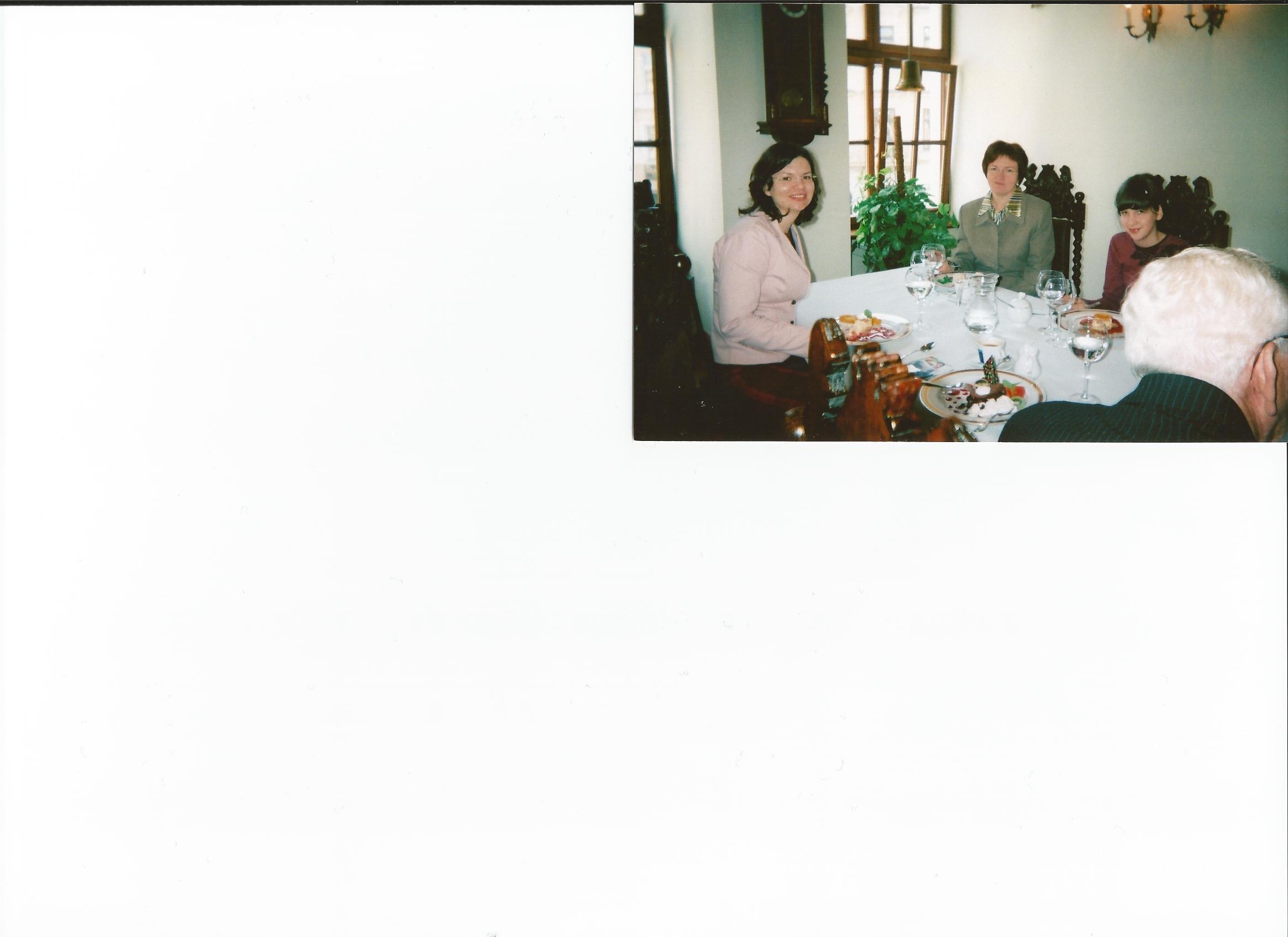
What a time we had, strolling in Kraków’s medieval square, Rynek Głowny, Aunt Anna’s arm tucked alternately into mine or Dad’s.  It was Easter week and there were flowers, corn dollies and special Easter bread rings on the stalls, in the pale wintery sunshine.  We had coffee and cake at celebrated Hotel Wierzrynek- so special, Yehudi Menuhin, George Bush, Lech Wałęnsa  and Polish royalty are among those who have dined there.  http://www.wierzynek.com.pl/  For one day only I had celebrity status.

Adam and Marta in Hotel Wierzrynek

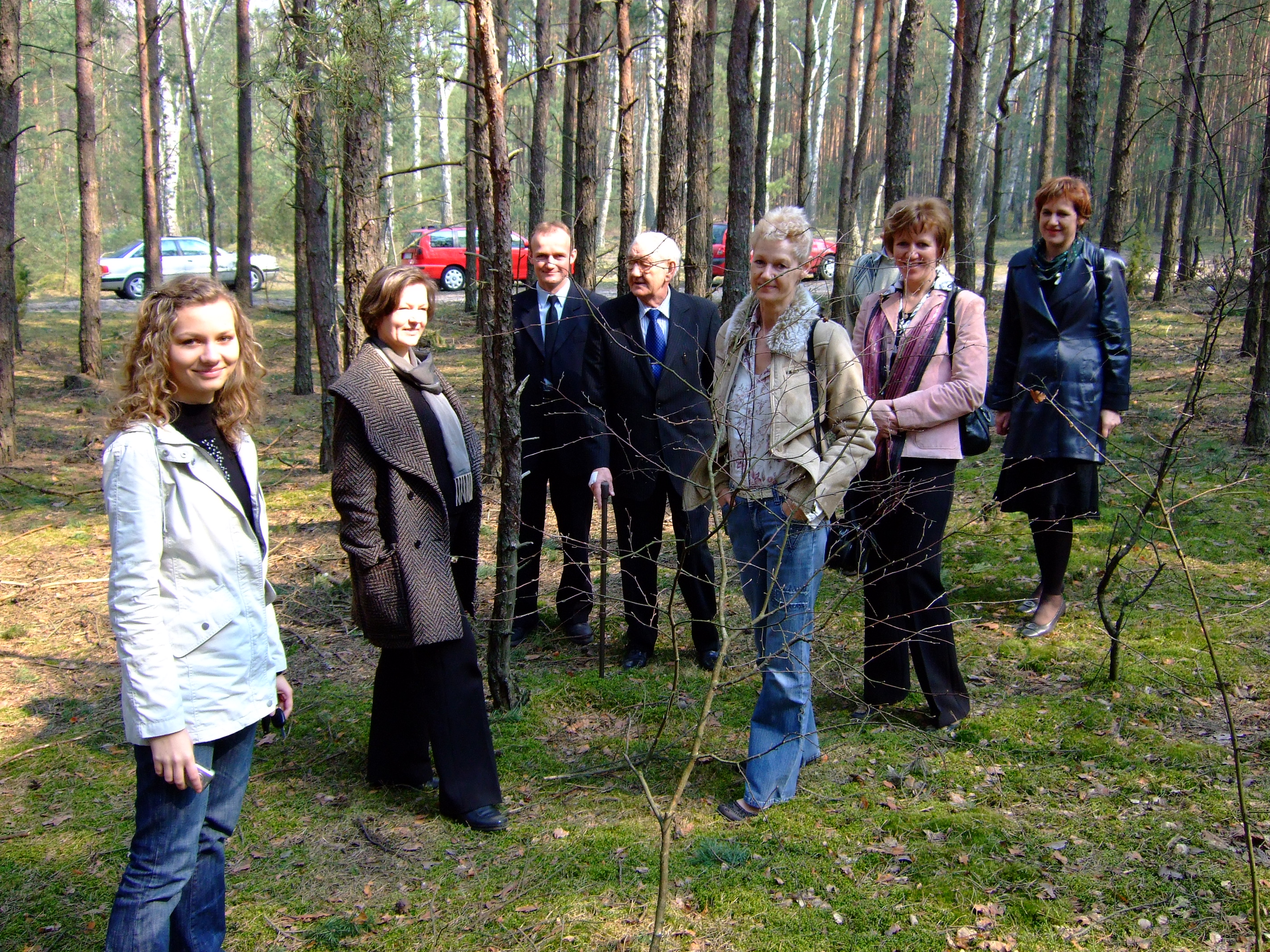
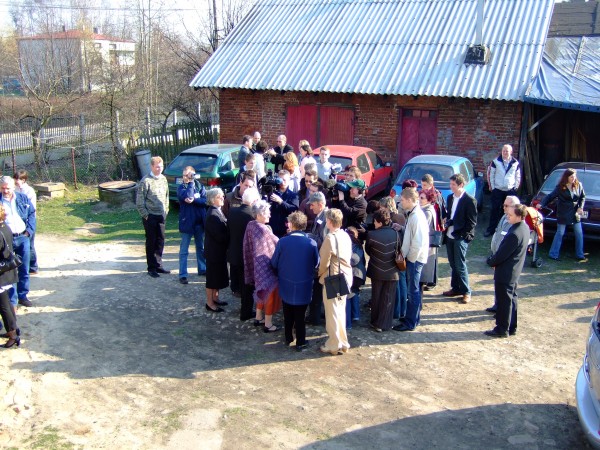
More was to come.  Adam drove us the three and a half hour journey north to Belchatow, to the old farm house where Dad was born.  Unbeknownst to us he had arranged for ALL of the cousins to be there waiting for us.  He honked the horn as he drove in through the gates, and in seconds we were surrounded by smiling faces.  Each wore a button badge to identify them to us.  Of course, Uncle Jakub and Aunt Lusia needed no introduction.

So here we are in tears again, but tears of joy this time.

Just one more little anecdote.  Not long after we had met, my husband Michael and me were holidaying in Tavira with son James.  Adam had not met Michael or James as they didn’t make the initial trip to Poland, so he undertook to drive all the way from Poland to the Algarve to  meet us.  He had only a few days available away from the business and the drive took him 2 days in each direction.  He, Marta, Łukasz and Ula stayed in nearby Cabanas and spent their days very happily at the beach.  There was some Portuguese dancing in the square one evening and his toes were tapping, itching to join in.  That’s the kind of man he is.  Caring, full of life.

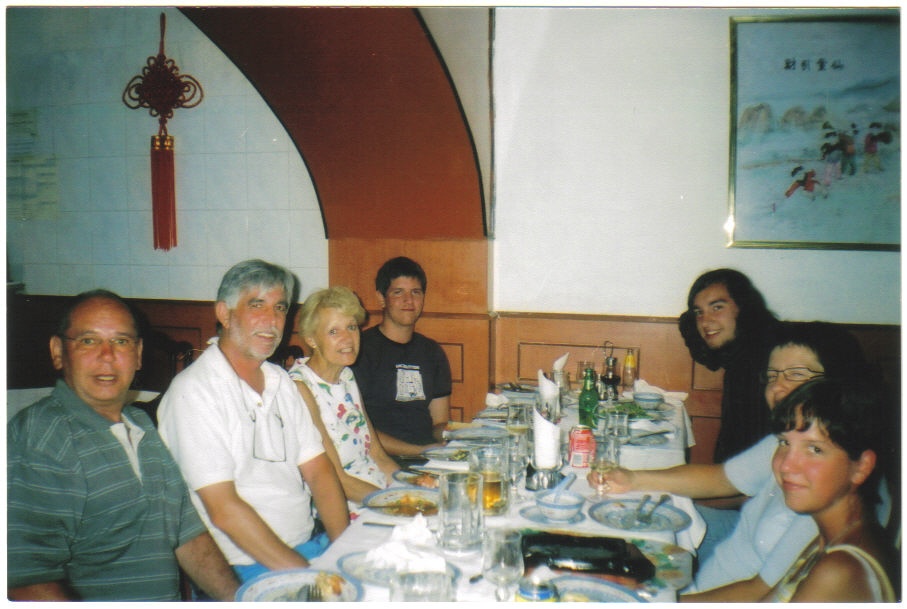
Adam and family in the Chinese restaurant, Tavira

We have been on numerous visits to Poland now, Dad sometimes even travelling alone, but one thing we can always rely on is that Adam will be there to organise and take care of us.  Full credit to Marta too- they have a wonderful marriage and we were privileged to spend their Silver Wedding celebrations with them in the Tatry Mountains.

Luckily there are lots more letters in the alphabet.  I shall need most of them to finish introducing the Polish family.  But this A-Z challenge isn’t just about me.  There are lots of fascinating stories and lifestyles being introduced on Julie Dawn Fox’s My personal A-Z challenge.  Visit the hub site or try out some of these.

http://algarveblog.net/2012/01/31/d-is-for-doors/

http://presepiocomvistaparaocanal.blogspot.com/2012/02/my-z-of-netherlands-is-for-almere.html

http://juliedawnfox.com/2012/01/19/e-is-for-eucalyptus-trees/

https://restlessjo.wordpress.com/2012/02/01/c-is-for-cacela-velha/

That last one’s a cheat- it’s me with my “Portuguese head on”, for those who don’t know me.  See you soon.

Exploring the Polish Connection

It’s a strange thing.  In the habit of writing travel guides, I hadn’t really got my head round the idea of blogging when I started here.  The freedom to write about anything….well, it’s kind of mind boggling more than blogging!

It occurred to me that I should be sharing the Polish saga.  I’ve often been asked when I’m going to write the story of Dad’s life.  I’ve shied away from it a bit.  I don’t want to offend or misrepresent anyone, and there’s such a huge cast of characters.  Still, it’s the kind of story that when you tell it to someone, you invariably have an “isn’t that amazing?” response.  So, here is the abridged version.

Dad and Jakub

At the age of 15 Dad was rounded up from the family farm at Zawady, a small village south of Łódź in Central Poland, and “escorted” by the Germans to work on the land in their country.  At 79, it had taken Dad 64 years to be reunited with his family.  As the war faltered to an end, Dad and a fellow worker turned their backs on Germany and walked many, many miles to freedom in France.  Joining the armed forces, Dad eventually ended up in Coventry, where he met and married my mum.

Links with home continued, and I remember a tin box of letters and photographs.  I never learnt Polish as Dad was focused on integrating with the North East England community of Hartlepool, my mother’s birthplace.  How I regret this now!

I don’t really know how it came about, but gradually the communications home ceased.  The Communists were in control in Poland, and must have been instrumental in disrupting the flow of letters.  The family were scattered.  Dad came to believe that he was the only survivor of 9 brothers and sisters.  If only he’d known!

One January Friday night, 13 years ago, I returned home from a “Girl’s night” to find that Dad had phoned.  I wasn’t to worry but I should phone him back as soon as possible.  He could barely speak to me for excitement!  He had received a phone call from Poland on behalf of his sister Anna.  She wanted to speak to him urgently to confirm that he was her long lost older brother.  A link had been established via the internet.

There began the strangest but most wonderful phase in our lives.  Overnight I went from having one Polish parent to having 2 new aunts, 2 new uncles and 26 Polish cousins, with their husbands, wives and children!  Emails in halting English went back and forwards and arrangements were made for a reunion. The excitement was immeasurable, but mixed with anxiety on my part.  What would they make of me and how would I communicate?  A crash course in Polish seemed called for.

My cousin Adam owns a bakery business in Krakow, and it was through him that all arrangements were made.  Though not speaking English himself, this warm-hearted and generous man was determined that we should meet and finally know our Polish family.  Our visit was planned with military precision to enable us to spend time with as many family members as was possible.  On this first occasion I had but 5 days begged from my employer.  Dad, of course, stayed longer, with a lifetime’s absence to make up for.

Stepping out at Krakow airport was one of the most emotional occasions I can ever remember.  Among tearful hugs and kisses I mumbled “Bardzo mi milo”, a shortened version of “pleased to meet you”, which was the only bit of Polish I could summon.  TV cameras followed our progress and my Aunt Anna calmly told the world that she had always known that her brother Aleksander was alive somewhere.  If he had been deceased she would have felt his spirit- Polish people in the main are deeply religious.  Anna was in poor health, but had lived for this moment.

What followed was to become a sequence of wonderful memories:- a stroll together in weak April sunshine through Krakow’s stunning Rynek Glowny (main square), Anna’s arm tucked through mine; a meal in the sumptuous surroundings of historic Wierzynek Hotel;
but surely, best of all, the moment when we arrived at Dad’s old farmhouse home.  As we pulled through the gates into the farmyard, Adam blared his horn and a sea of family surged forward to greet us, many wearing name badges, for we had no hope of remembering them all.

Flowers were pressed into my arms with shy smiles as the introductions were made: Aunt Lusia and her family; my Uncle Jakub, 15 years younger and born after Dad left home so that this was their first ever meeting; Lodzia, the wife of my Uncle Zygmunt, nearest to my Dad in age and who tragically had died just weeks before- she now ran the farm with the help of her sons.

Then the many, many cousins and their children.  These unfortunates were pushed forwards if they had even a hint of English, to engage me in conversation and an endless round of questions. Uncle Wlodek, living on the German border, had been unable to make the trip, but his son Wojtek, wife and children were there.

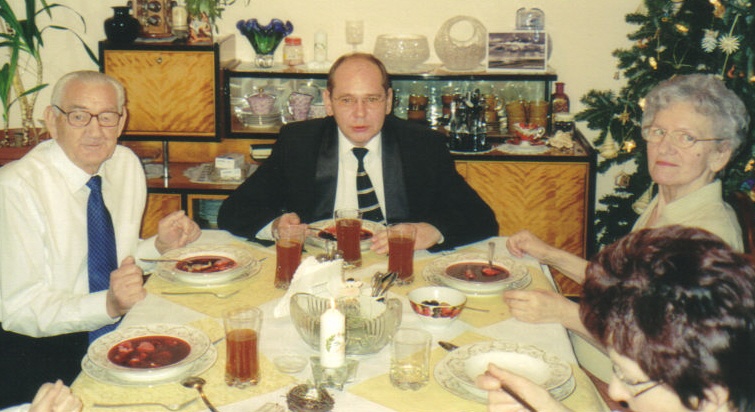
Dad, meanwhile, had recovered his native tongue as if by magic, and was gamely tackling the introductions head on.  Anyone who knows the Polish people will know what comes next.  Huge quantities of food and not a little vodka were consumed.  It would have been impolite to refuse so in the following days, as we were passed from one home to the next, we ate and we ate and we ate!  I realised where Dad’s sweet tooth came from as we sampled every variety of delicious cake, often before sitting down to a full meal.

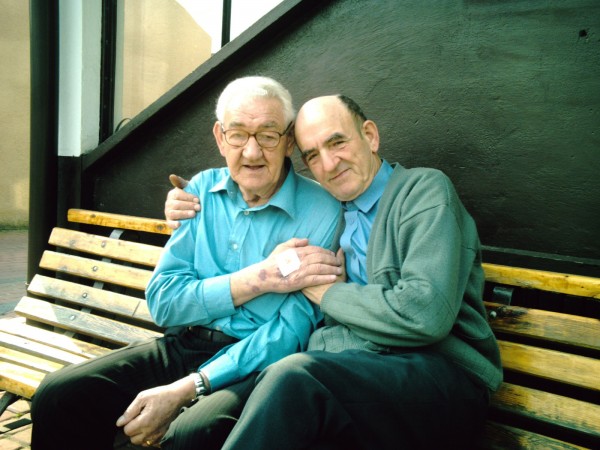
And that’s where it all started.  Sadly my Aunt Anna, seen here with Dad and her son Adam, died on 25.11.09. We made numerous trips before and since then, and I have so many wonderful memories.  Dad died in October 2017, but my Polish legacy and the connections we made live on.